


Florida’s diverse ecosystems are home to a fascinating array of wildlife, including numerous predatory species that have adapted to the state’s unique combination of subtropical climate, extensive wetlands, and varied habitats. From the murky waters of the Everglades to the dense forests of the Panhandle, predators lurk in virtually every corner of the Sunshine State. While many of these animals play crucial roles in maintaining ecological balance, some pose significant dangers to humans and pets. Conversely, several species that appear intimidating are actually harmless to people. This comprehensive guide explores ten of Florida’s most dangerous predators and five often-misunderstood creatures that pose little to no threat to humans.
American Alligator: Florida’s Iconic Predator

The American alligator (Alligator mississippiensis) stands as Florida’s most recognizable predator, with an estimated population exceeding 1.3 million statewide. These prehistoric reptiles can grow up to 15 feet long and weigh over 1,000 pounds, armed with powerful jaws that can exert more than 2,000 pounds of bite force. Primarily inhabiting freshwater environments including swamps, marshes, and lakes, alligators have established themselves as apex predators across the state.
Despite their intimidating presence, alligator attacks on humans remain relatively rare, with Florida averaging about five unprovoked bites per year. However, when attacks do occur, they can be severe or fatal. Wildlife authorities emphasize that most incidents happen when alligators lose their natural fear of humans, often due to illegal feeding. The Florida Fish and Wildlife Conservation Commission (FWC) strongly advises keeping a safe distance, never feeding alligators, and exercising particular caution during their spring and summer breeding season when aggression levels typically increase.
Florida Panther: Endangered but Dangerous
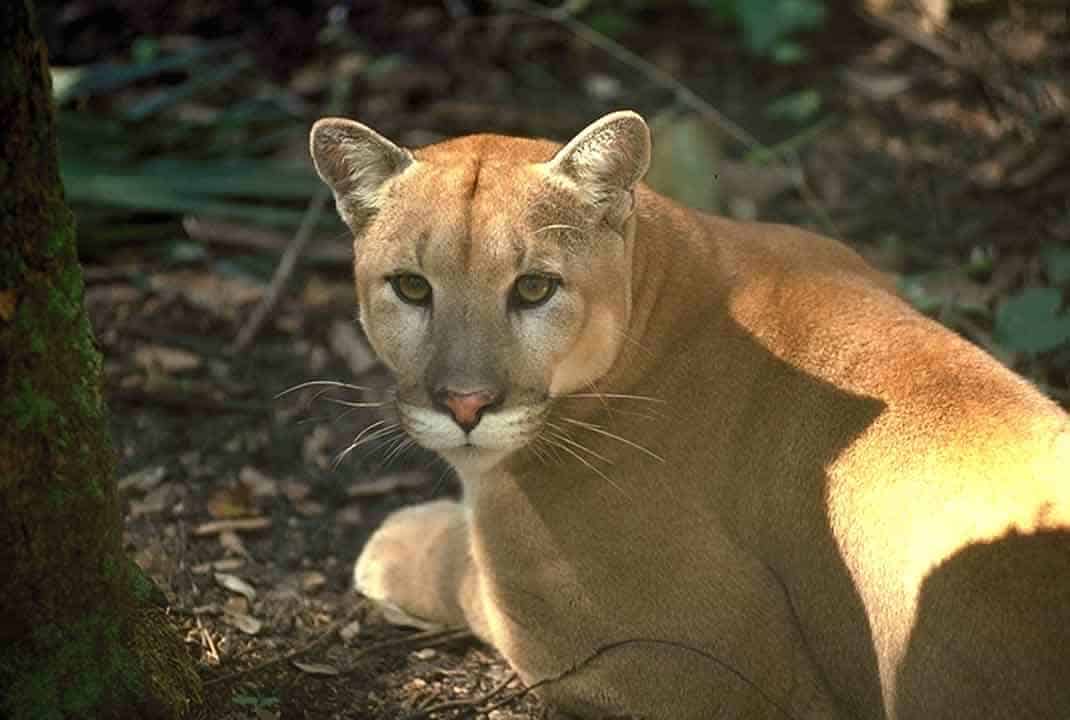
The Florida panther (Puma concolor coryi) represents one of the most endangered mammals in North America, with only an estimated 120-230 adults remaining in the wild. These elusive big cats can weigh up to 160 pounds and primarily inhabit the remote swamps and forests of Southwest Florida. Despite their critically endangered status, Florida panthers remain formidable predators capable of taking down prey much larger than themselves, including adult deer and wild hogs.
While attacks on humans are extremely rare—with no documented fatal attacks in Florida’s modern history—panthers should never be approached if encountered. Their territorial nature and predatory instincts make them potentially dangerous, especially if cornered or if cubs are present. Conservation efforts have helped the population slowly recover from a low of just 20-30 individuals in the 1970s, but habitat loss and vehicle strikes continue to threaten their existence. Wildlife officials recommend making noise when hiking in panther territory and keeping pets leashed to prevent potential conflicts.
Eastern Diamondback Rattlesnake: America’s Deadliest Snake

The Eastern diamondback rattlesnake (Crotalus adamanteus) holds the distinction of being North America’s largest venomous snake and one of Florida’s most dangerous native species. Growing up to 8 feet long and weighing over 10 pounds, these impressive reptiles are identified by their distinctive diamond-shaped patterns and warning rattle. Their venom contains powerful hemotoxins that destroy tissue, disrupt blood clotting, and can cause severe internal bleeding, tissue necrosis, and potentially death if left untreated.
Found throughout Florida in pine flatwoods, palmetto thickets, and coastal dunes, eastern diamondbacks are responsible for more serious snakebite cases in the state than any other species. While typically not aggressive unless provoked, they will defend themselves when threatened. Medical experts emphasize the importance of seeking immediate medical attention following any rattlesnake bite, as antivenom treatment is essential for preventing severe complications. Despite their dangerous reputation, diamondbacks play a vital role in controlling rodent populations and maintaining ecological balance in Florida’s diverse ecosystems.
Bull Shark: The River-Swimming Predator

Bull sharks (Carcharhinus leucas) stand apart from other shark species due to their remarkable ability to tolerate freshwater, allowing them to venture far up Florida’s rivers and inland waterways. These aggressive predators can reach lengths of 11 feet and weights exceeding 500 pounds, equipped with powerful jaws and serrated teeth designed for tearing through prey. Their unique physiology enables them to regulate salt concentrations in their bodies, making them equally comfortable in marine, brackish, and freshwater environments throughout Florida.
Considered one of the most dangerous shark species worldwide, bull sharks are responsible for numerous unprovoked attacks on humans in Florida waters. Their tendency to hunt in shallow, murky areas frequented by people increases the risk of encounters, particularly in coastal regions and river mouths. The International Shark Attack File has documented bull sharks involved in multiple fatal incidents along Florida’s coastlines. Safety experts recommend avoiding swimming during dawn and dusk (prime feeding times), staying away from areas where people are fishing, and exiting the water if sharks are spotted nearby.
Wild Boar: An Invasive and Aggressive Threat

Wild boars (Sus scrofa), also known as feral hogs, represent one of Florida’s most destructive invasive species and potentially dangerous wildlife encounters. Descended from escaped domestic pigs and European wild boars introduced for hunting, these hardy omnivores have established populations in all 67 Florida counties. Adult males (boars) can weigh over 300 pounds and sport sharp, continually growing tusks that they use for defense and foraging. Their intelligence, adaptability, and lack of natural predators have allowed their numbers to explode across the state.
While not typically aggressive toward humans without provocation, wild boars can become extremely dangerous when cornered, threatened, or when sows are protecting their young. Their powerful build, surprising speed (capable of short bursts up to 30 mph), and sharp tusks make them formidable opponents. Each year, wild boars are responsible for numerous injuries to hunters, hikers, and even people in suburban areas where boar populations have expanded. Beyond physical danger, they cause extensive environmental damage through their rooting behavior and carry diseases potentially transmissible to humans, domestic livestock, and native wildlife.
American Crocodile: The Saltwater Specialist
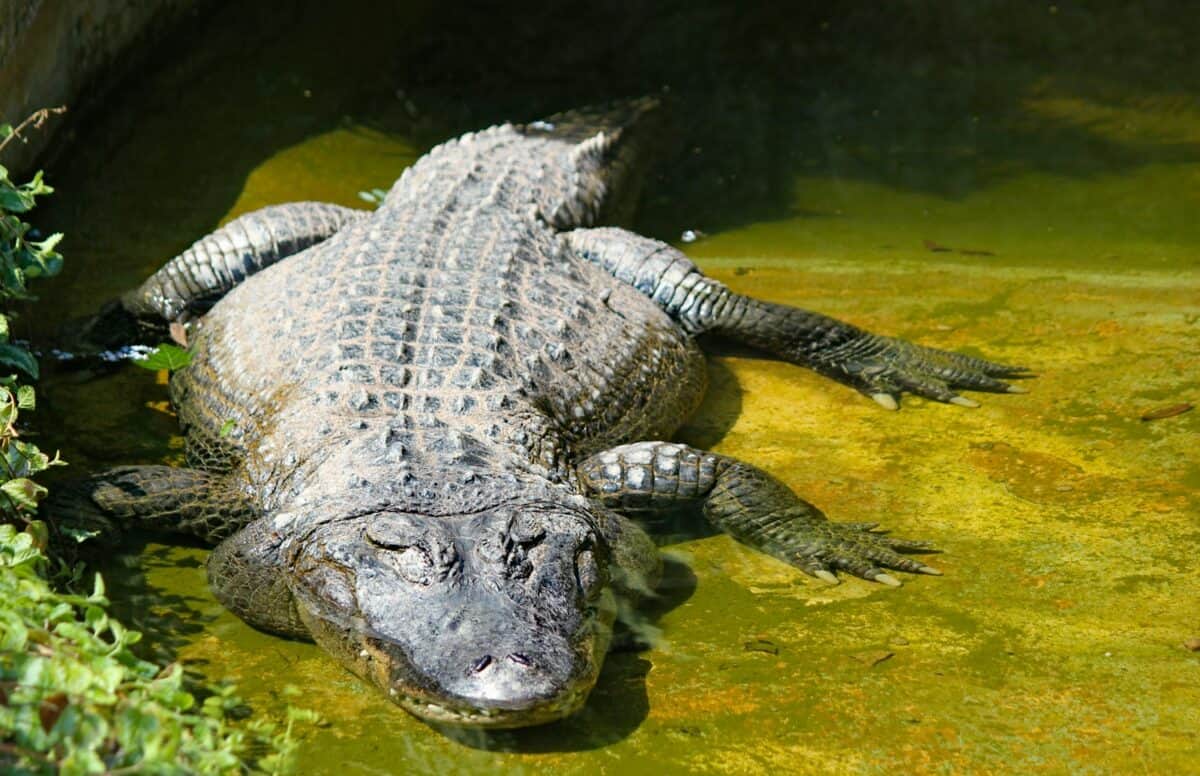
The American crocodile (Crocodylus acutus), less common than its alligator cousin, represents one of Florida’s rarest and most dangerous predators. Unlike alligators, crocodiles prefer saltwater habitats and are primarily found in South Florida’s coastal areas, including the Florida Keys and Everglades National Park. Growing up to 15 feet long and weighing up to 1,000 pounds, these reptiles are distinguished from alligators by their narrower, V-shaped snouts, lighter grayish-green coloration, and visible lower teeth when their mouths are closed.
Though federally listed as threatened, American crocodiles maintain a fearsome reputation. While they generally show more wariness around humans than alligators, they remain potentially dangerous apex predators. Attacks on humans in Florida are extremely rare—much less common than alligator incidents—but their powerful jaws, aggressive defense of territory during breeding season, and formidable size demand respect. Conservation efforts have helped the Florida population recover from fewer than 300 individuals in the 1970s to approximately 2,000 today, creating more potential for human-crocodile interactions in developing coastal areas.
Coral Snake: Beautiful but Deadly
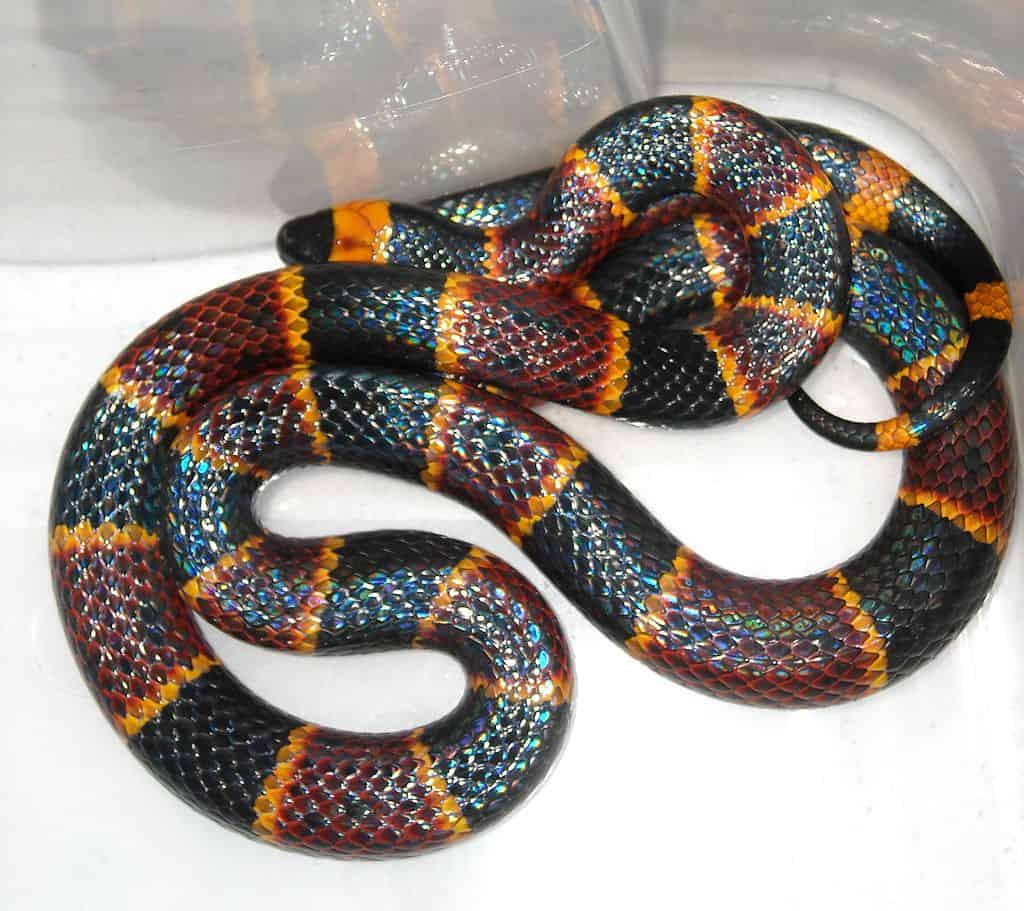
The Eastern coral snake (Micrurus fulvius) represents one of Florida’s most visually striking yet dangerous reptiles, instantly recognizable by its brilliant pattern of red, yellow, and black bands. These relatively small elapids—closely related to cobras and mambas—rarely exceed 3 feet in length but possess potent neurotoxic venom that attacks the nervous system. Unlike pit vipers that deliver venom through hinged fangs, coral snakes have short, fixed fangs requiring them to chew to inject venom effectively.
Despite their deadly potential, coral snake bites are relatively rare in Florida due to their secretive nature and tendency to avoid human contact. When bites do occur, they require immediate medical intervention, as their neurotoxic venom can cause respiratory failure and paralysis. The age-old rhyme “red touch yellow, kill a fellow; red touch black, friend of Jack” helps distinguish venomous coral snakes from their harmless mimics like scarlet kingsnakes. Unlike many dangerous snakes that provide warning signals, coral snakes rarely display aggressive behavior before striking, making it crucial to leave any brightly banded snake alone regardless of its specific pattern.
Cottonmouth Water Moccasin: The Aquatic Viper

The Florida cottonmouth (Agkistrodon conanti), commonly known as the water moccasin, ranks among the state’s most feared and frequently encountered venomous snakes. These semi-aquatic pit vipers inhabit virtually every freshwater ecosystem throughout Florida, from cypress swamps and marshes to drainage ditches and suburban retention ponds. Growing up to 6 feet long, cottonmouths are identified by their thick bodies, distinctively blocky heads, and the characteristic white mouth lining they display when threatened—the source of their common name.
Cottonmouths possess potent cytotoxic venom that destroys tissue and can cause severe pain, swelling, and potentially tissue death following a bite. Unlike many snakes that retreat when confronted, cottonmouths often stand their ground and display their distinctive threat posture, coiling with mouth agape. This defensive behavior, combined with their aquatic habits that bring them into frequent contact with fishermen, swimmers, and boaters, makes them responsible for numerous snakebites in Florida annually. Medical experts emphasize that all cottonmouth bites require immediate emergency treatment, as their venom can cause permanent damage or even death if left untreated.
Burmese Python: The Invasive Giant

The Burmese python (Python bivittatus) represents one of Florida’s most problematic invasive species and a potential danger to humans, particularly children and pets. These massive constrictors, native to Southeast Asia, have established a breeding population in the Everglades and surrounding areas following releases by overwhelmed pet owners and escapes from breeding facilities during Hurricane Andrew in 1992. Adult Burmese pythons regularly reach lengths of 15-20 feet and weights exceeding 200 pounds in Florida, with the largest specimens approaching 25 feet.
While python attacks on humans remain rare in Florida, their sheer size and strength make them capable of killing and consuming deer, alligators, and potentially people. The greatest threat comes from their devastating ecological impact, as these efficient predators have decimated native mammal populations throughout the Everglades ecosystem. The FWC encourages the public to report python sightings and has established programs allowing trained individuals to remove pythons from public lands. Despite intensive eradication efforts, including professional hunters and detection dogs, the python population continues to expand its range northward through the Florida peninsula.
Barracuda: The Lightning-Fast Marine Predator
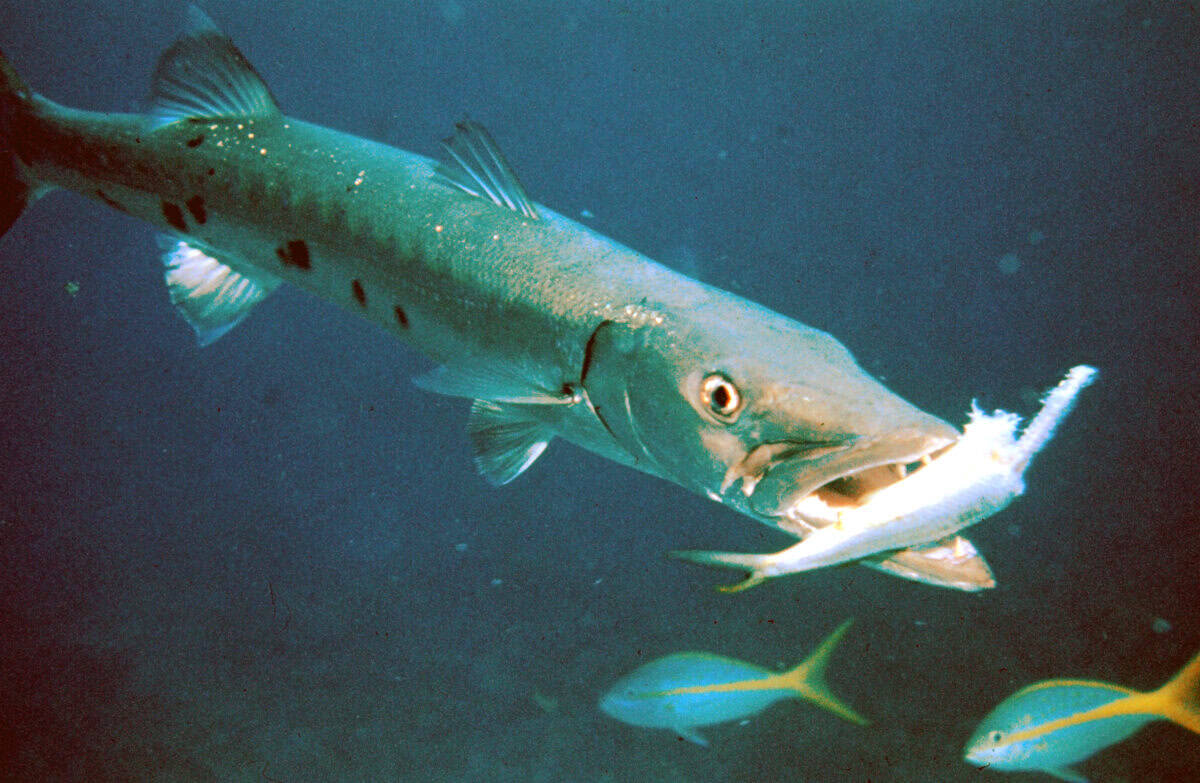
The great barracuda (Sphyraena barracuda) stands as one of Florida’s most formidable marine predators, patrolling coastal waters, reefs, and seagrass beds throughout the state. These streamlined fish can reach lengths of 6 feet and weights exceeding 100 pounds, though most Florida specimens average 3-4 feet. Their torpedo-shaped bodies allow them to achieve burst speeds of up to 35 mph, making them among the fastest fish in the sea. Most distinctive are their prominent, fang-like teeth arranged in uneven rows, perfectly designed for slicing through prey.
While not typically aggressive toward humans, barracudas can be dangerous in several contexts. Their lightning-fast strikes sometimes target shiny objects like jewelry, watches, or fishing gear, mistaking them for the flash of prey fish. Spearfishermen carrying bleeding fish face particular risk, as barracudas may attack the catch or accidentally bite the diver. Though rare, severe barracuda bites can cause significant tissue damage and blood loss requiring medical attention. Additionally, their flesh sometimes contains ciguatoxin, a naturally occurring poison that causes ciguatera food poisoning when consumed, making larger specimens unsafe to eat despite their abundance in Florida waters.
Gopher Tortoise: The Harmless Burrower
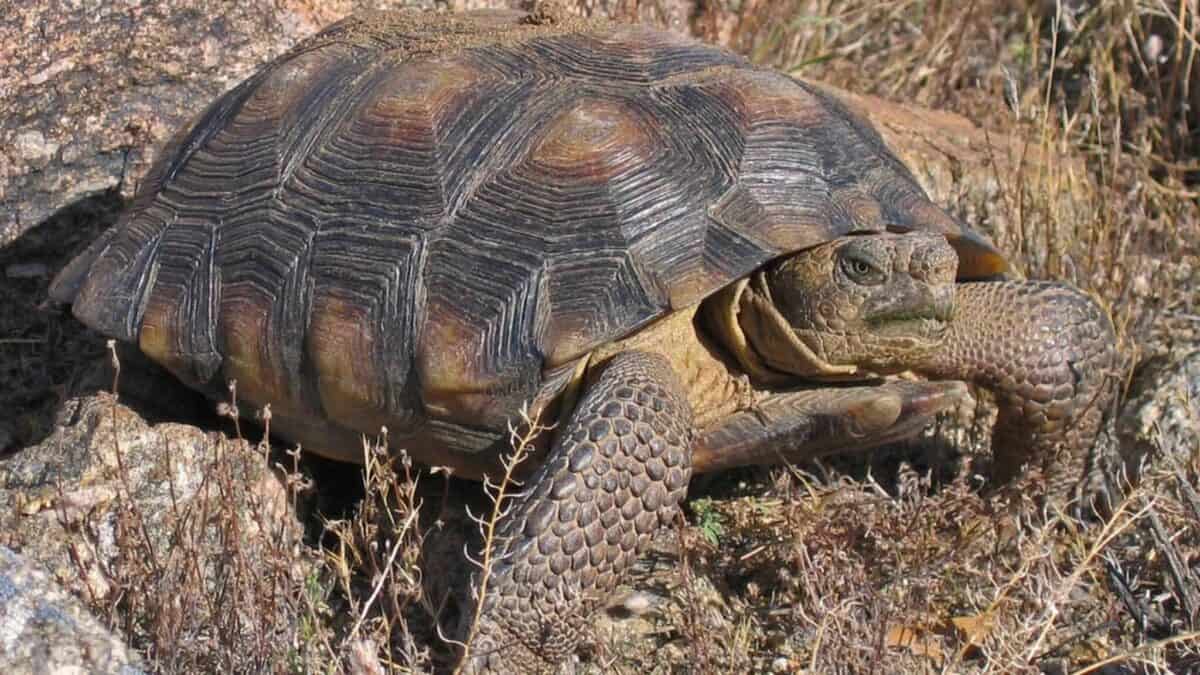
The gopher tortoise (Gopherus polyphemus), despite its intimidating appearance and substantial size, poses absolutely no threat to humans. These terrestrial turtles, which can live up to 60 years, are known for their shovel-like front legs and impressive burrowing abilities. Their extensive underground tunnels—sometimes extending 40 feet in length and 10 feet deep—provide crucial habitat for over 350 other species, earning them the title of “ecosystem engineers” throughout Florida’s upland areas.
Protected as a threatened species in Florida, gopher tortoises feed exclusively on vegetation, with no interest in or capacity for attacking humans or pets. Their docile nature and slow movement make them among the most harmless wildlife encounters possible in the state. Conservation authorities emphasize that the greatest danger in a gopher tortoise encounter flows in the opposite direction—human disturbance of their habitat represents the primary threat to their continued survival. Drivers should watch for these slow-moving reptiles crossing roads, particularly during spring and summer months when they travel between habitats.
Southern Black Racer: The Harmless Speed Demon

The southern black racer (Coluber constrictor priapus) ranks among Florida’s most frequently encountered snakes, often inspiring fear despite being completely harmless to humans. These slender, fast-moving snakes typically grow 4-5 feet long and are characterized by their uniform black coloration on top, white chin, and grayish belly. Found throughout Florida in nearly every habitat type, including suburban yards and parks, black racers are active daytime hunters specializing in rodents, lizards, frogs, and even other snakes.
Despite their sometimes aggressive defensive displays—which may include vibrating their tails against dry leaves to mimic rattlesnakes and striking repeatedly if cornered—black racers possess no venom and minimal bite strength. Their strategy relies entirely on intimidation rather than actual fighting ability. If picked up, they may bite, but the wounds are superficial and comparable to minor scratches. Conservation biologists consider black racers beneficial predators that help control rodent populations and other potential pests around homes and gardens. Their presence often indicates a healthy ecosystem with good biodiversity.
Peninsula Cooter: The Peaceful Pond Turtle
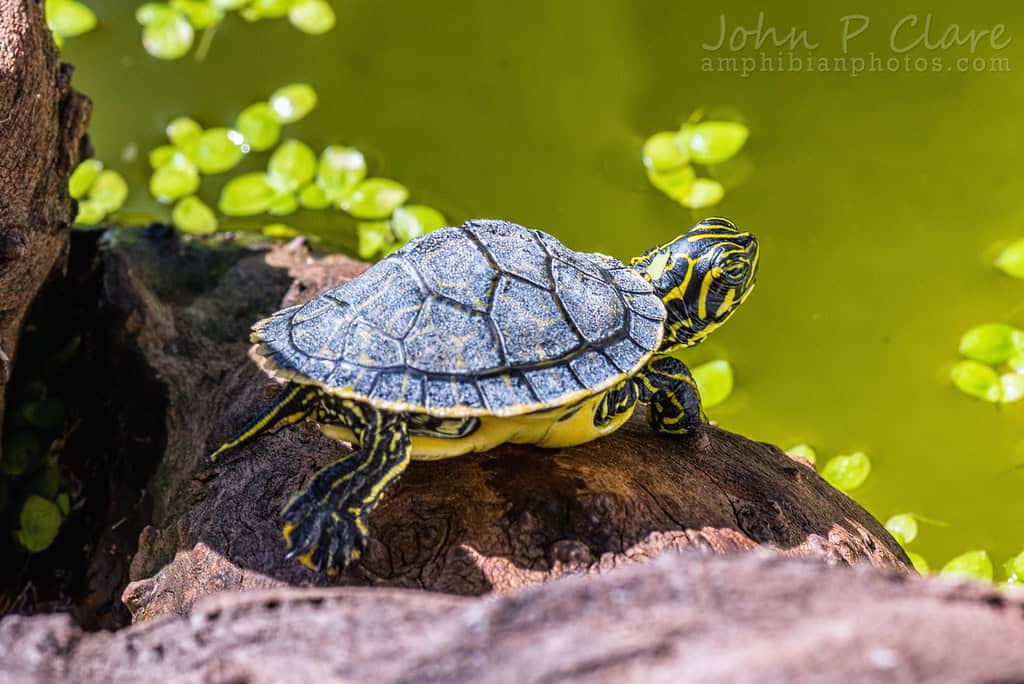
The peninsula cooter (Pseudemys peninsularis), one of Florida’s most common freshwater turtles, represents no danger whatsoever to humans despite its widespread presence throughout the state’s lakes, ponds, and slow-moving rivers. These medium-sized aquatic turtles, characterized by their smooth dark shells with yellow stripes and red markings on their plastrons (bottom shells), typically reach 9-13 inches in length. Primarily herbivorous as adults, they feed on aquatic vegetation, algae, and occasionally small aquatic invertebrates.
Often confused with the similar Florida red-bellied cooter, these peaceful reptiles spend much of their time basking on logs and rocks, quickly retreating to water when disturbed. Their gentle disposition makes them popular in the pet trade, though wild specimens should be left in their natural habitat. While they possess the physical capability to deliver a defensive bite if handled roughly, their jaws are designed for processing plant matter rather than defense, making serious injury virtually impossible. Conservation efforts focus on protecting their nesting sites and preserving water quality in their aquatic habitats throughout the state.
Eastern Indigo Snake: The Gentle Giant
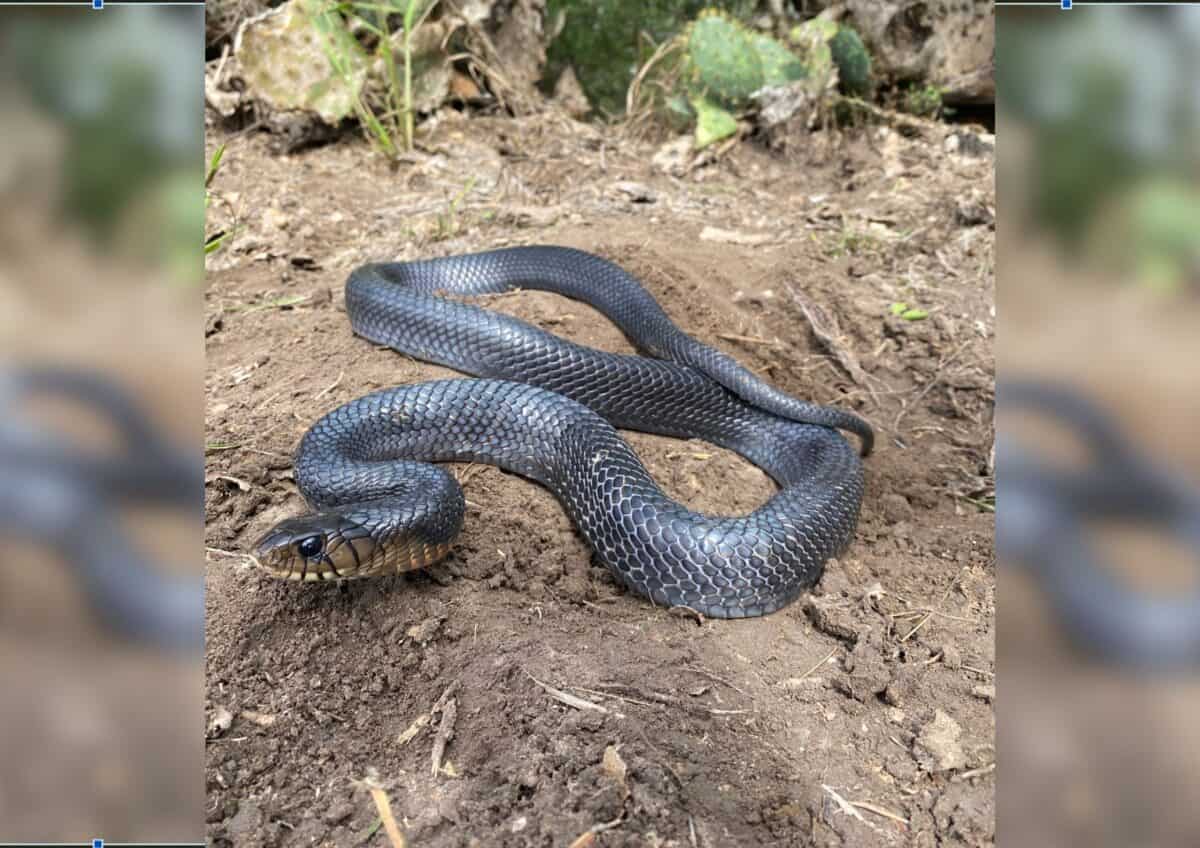
The eastern indigo snake (Drymarchon couperi), Florida’s longest native snake species, presents an impressive yet completely harmless presence in the state’s pine forests and scrublands. These magnificent non-venomous constrictors can reach lengths exceeding 8 feet, with glossy blue-black coloration that gives them an iridescent appearance in sunlight. Federally protected as a threatened species, indigo snake populations have declined significantly due to habitat loss and fragmentation, making encounters increasingly rare.
Despite their size, eastern indigo snakes are remarkably docile and play a crucial role in maintaining ecological balance by preying on a variety of species, including venomous snakes like rattlesnakes. Their wide-ranging diet and tolerance for different habitats once made them a common sight across the southeastern United States, but today, conservation efforts are vital to their survival. Restoration of longleaf pine ecosystems, controlled burns, and reintroduction programs are all helping to stabilize populations, but continued public awareness and habitat protection remain essential to ensure the indigo snake’s long-term future.
Conclusion: Predators With Purpose—And Misunderstood Neighbors
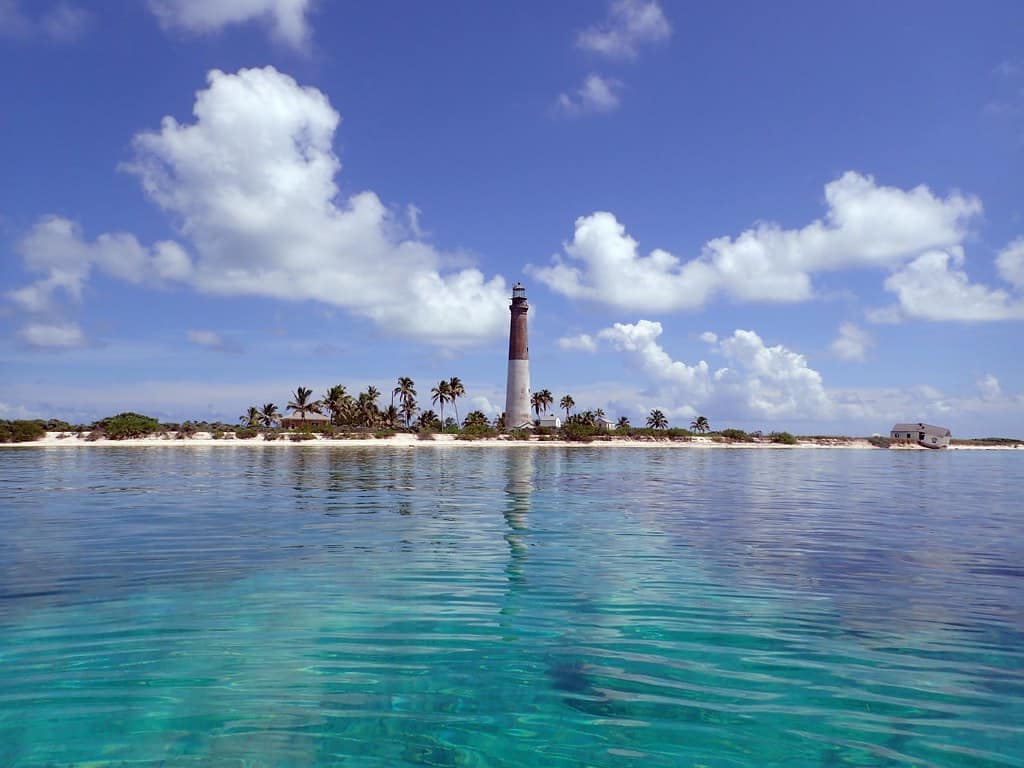
Florida’s subtropical ecosystems are teeming with powerful predators—from stealthy alligators and massive Burmese pythons to venomous snakes and aggressive bull sharks. These animals can be dangerous under certain conditions, but they’re not mindless threats; they play vital roles in maintaining the health and balance of their environments. Most predator encounters happen when humans ignore boundaries or underestimate wild behavior, not because the animals seek conflict.
At the same time, Florida is also home to creatures that look menacing but pose little or no threat to humans—like black racers, gopher tortoises, and manatees. These animals are often misunderstood, yet they contribute significantly to their ecosystems and are often protected by law. Understanding the difference between dangerous and harmless species helps us move beyond fear and toward informed coexistence. In Florida’s wild and watery landscapes, knowledge is the best tool for safety, respect, and a deeper appreciation of the natural world.

From exploring the marine wonders in the Azores and witnessing the vast savannas of Kenya, to delving deep into the rich biodiversity of South Africa and traversing iconic landscapes in Australia and the US like Yellowstone, Chris's experiences are vast.
With a penchant for diving alongside sharks, the ocean holds a special place in his heart.
Through his academic insights, he champions wildlife conservation, striving with 'Animals Around The Globe' to cultivate a profound connection between humans and animals, enhancing our mutual appreciation.
Connect with him at Feedback@animalsaroundtheglobe.com.
- What Happens If Fireflies Stop Glowing? - July 21, 2026
- Coyotes Are Thriving in Every U.S. State — Even New York City - July 21, 2026
- The Best Cat Breeds for Highly Empathetic Owners - July 21, 2026