


Eagles, with their majestic presence and powerful symbolism, are not just remarkable hunters but also exemplary partners. These magnificent birds of prey often form long-term monogamous relationships that can last for decades, sometimes even a lifetime. But what exactly keeps these regal birds committed to each other through the seasons? And what circumstances might lead to the dissolution of these seemingly unbreakable bonds? In this article, we’ll explore the fascinating dynamics of eagle partnerships, examining both the factors that strengthen their unions and those that might cause them to separate.
The Lifelong Bond of Eagle Pairs

Eagles are among the few bird species that typically mate for life, forming bonds that can last for decades under the right circumstances. Bald eagles, for example, can live up to 30 years in the wild, potentially sharing most of those years with the same partner. This remarkable commitment isn’t simply romantic in nature—it’s a practical arrangement that enhances both survival and reproductive success.
The foundation of these enduring partnerships begins with an elaborate courtship, which includes spectacular aerial displays, synchronized flying, and talons interlocking as they spiral toward the ground. Once formed, these bonds are reinforced through yearly breeding cycles, cooperative parenting, and the shared defense of territory. While we often romanticize eagle relationships, they’re fundamentally practical alliances that benefit both birds in the challenging wild environment they inhabit.
1. Successful Nest Building and Maintenance
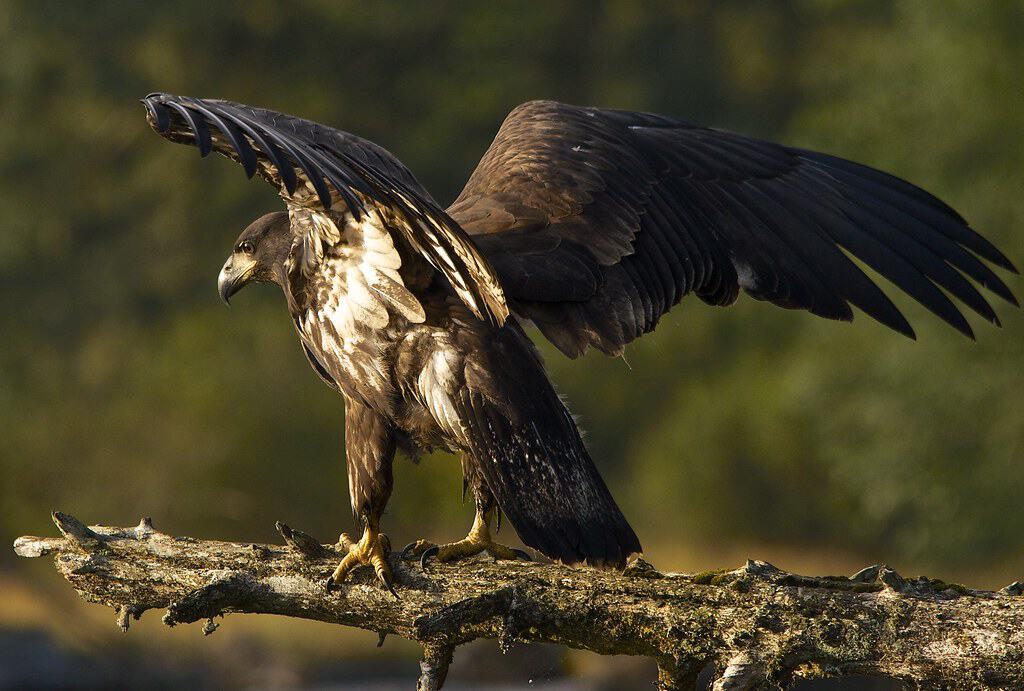
One of the most significant factors that keeps eagle pairs together is their collaborative effort in building and maintaining their impressive nests. Eagle nests, also called eyries, are engineering marvels that can reach dimensions of up to 10 feet across and weigh more than a ton. These massive structures require continuous maintenance and expansion, with both partners contributing sticks, soft materials for lining, and making repairs after storm damage.
The shared investment in their nest creates a powerful bond between the eagles. Each year, they return to the same nest, adding new materials and reinforcing the structure. This collaborative project represents their shared territory and future together. Eagles that successfully coordinate nest-building activities demonstrate compatibility that often translates to success in other aspects of their partnership. The nest becomes not just a home for raising young but a physical manifestation of their bond—growing larger and stronger with each passing year.
2. Complementary Hunting Skills
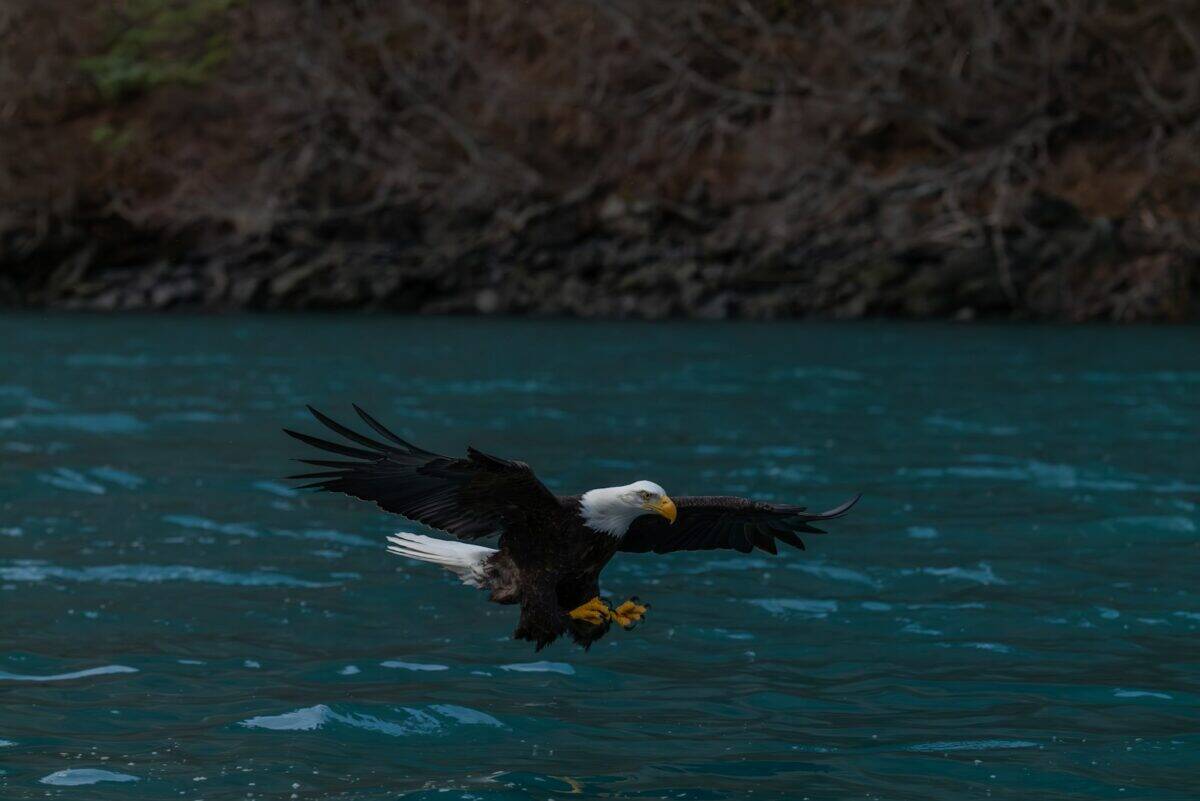
Eagles that hunt effectively together tend to maintain stronger pair bonds. Though each bird is fully capable of hunting independently, pairs that develop complementary hunting strategies enjoy greater success and efficiency. In some eagle pairs, one bird might specialize in flushing prey while the other positions itself for the capture, demonstrating a sophisticated level of cooperation that develops over years of partnership.
This hunting synchronicity benefits both birds and their offspring, ensuring a more reliable food supply. Researchers have observed that eagle pairs with well-coordinated hunting techniques have higher rates of reproductive success. Their ability to adapt these strategies across different prey types and hunting conditions reflects a deep connection and understanding between the partners. This practical aspect of their relationship—the ability to secure resources together—forms a fundamental foundation for their continued partnership.
3. Successful Reproduction
Perhaps nothing strengthens an eagle pair’s bond more than successfully raising young together. The approximately 35-day incubation period requires both parents to take turns keeping the eggs warm, especially in colder climates. After hatching, eagle chicks need constant attention for feeding, protection, and eventually, flight training. This intensive parenting period, which can last 10-12 weeks until fledging, requires remarkable coordination between the parents.
Eagles that successfully navigate the challenges of parenthood together develop deeper bonds through these shared experiences. Each successful breeding season reinforces their partnership and contributes to the likelihood they’ll remain together. Ornithologists have noted that eagle pairs with higher reproductive success rates tend to maintain longer partnerships. The shared triumph of watching their young take flight for the first time creates powerful connections between the parents, encouraging them to repeat this collaborative success in future breeding seasons.
4. Territorial Defense

Eagles are highly territorial birds, vigorously defending their hunting grounds and nesting sites from intruders. This territorial defense is rarely accomplished by a single bird—it requires the coordinated efforts of both partners. Eagle pairs that effectively protect their territory from competitors, predators, and even human disturbances demonstrate a unified front that strengthens their bond.
When threats appear, eagle pairs often vocalize to each other and coordinate their response, whether it’s confronting the intruder together or taking alternating roles in the defense. This synchronized protection of their shared resources reinforces their partnership through repeated successful collaborations. The territory itself becomes a shared investment, with boundaries that both birds recognize and defend, creating another layer of connection between them. Pairs that successfully maintain their territory year after year develop confidence in each other’s abilities and reliability, further cementing their bond.
5. Mutual Grooming and Physical Contact

Though eagles may seem like solitary hunters, pairs engage in surprisingly tender interactions that help maintain their bond. Mutual preening—where partners help groom each other’s feathers, particularly in hard-to-reach areas like the head and neck—serves both practical and social purposes. This grooming helps maintain feather condition for optimal flight and insulation while simultaneously reinforcing social bonds through physical contact.
Beyond grooming, eagle pairs often perch in close proximity, sometimes touching wings or bodies in what appears to be companionable rest. These quiet moments of physical closeness, often observed after successful hunts or during nest guarding, help reinforce their connection. Researchers studying eagle behavior have documented these intimate interactions and suggest they play an important role in maintaining pair bonds through physical reassurance and companionship, much like social grooming in mammal species.
6. Synchronized Migration Patterns
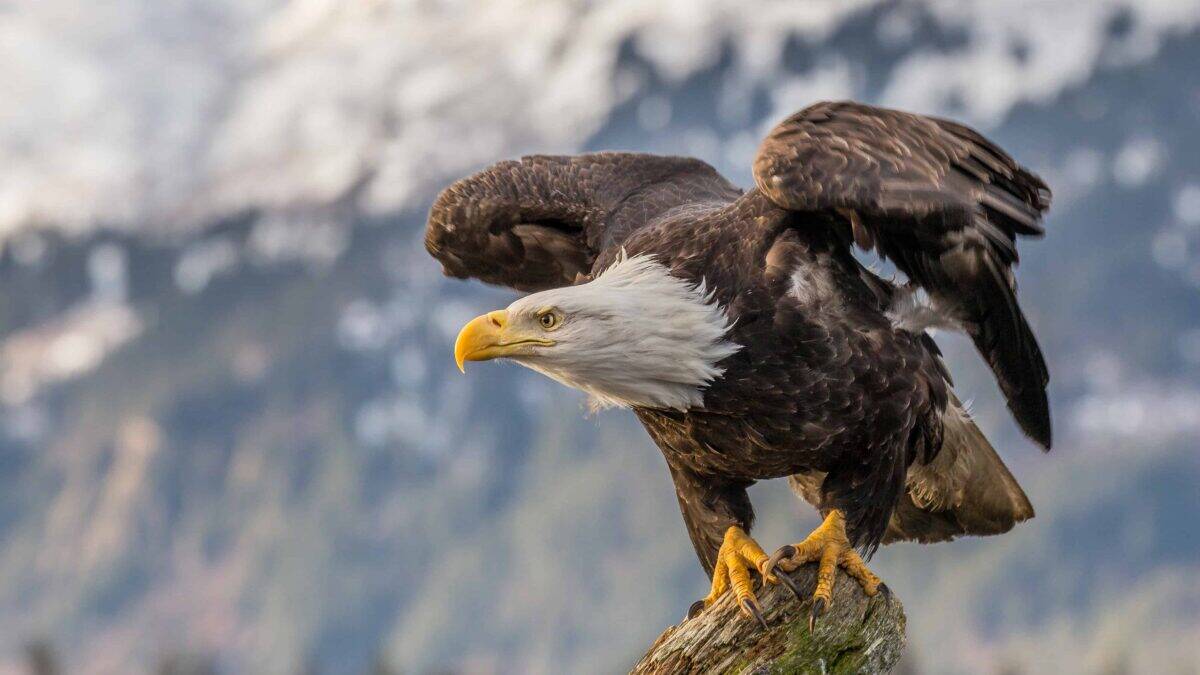
For eagle species that migrate seasonally, the ability to coordinate these journeys becomes another factor in maintaining their bond. While not all eagle species migrate, those that do face the challenge of maintaining their partnership across vast distances and changing landscapes. Pairs that successfully migrate together demonstrate remarkable navigation skills and coordination that further strengthens their relationship.
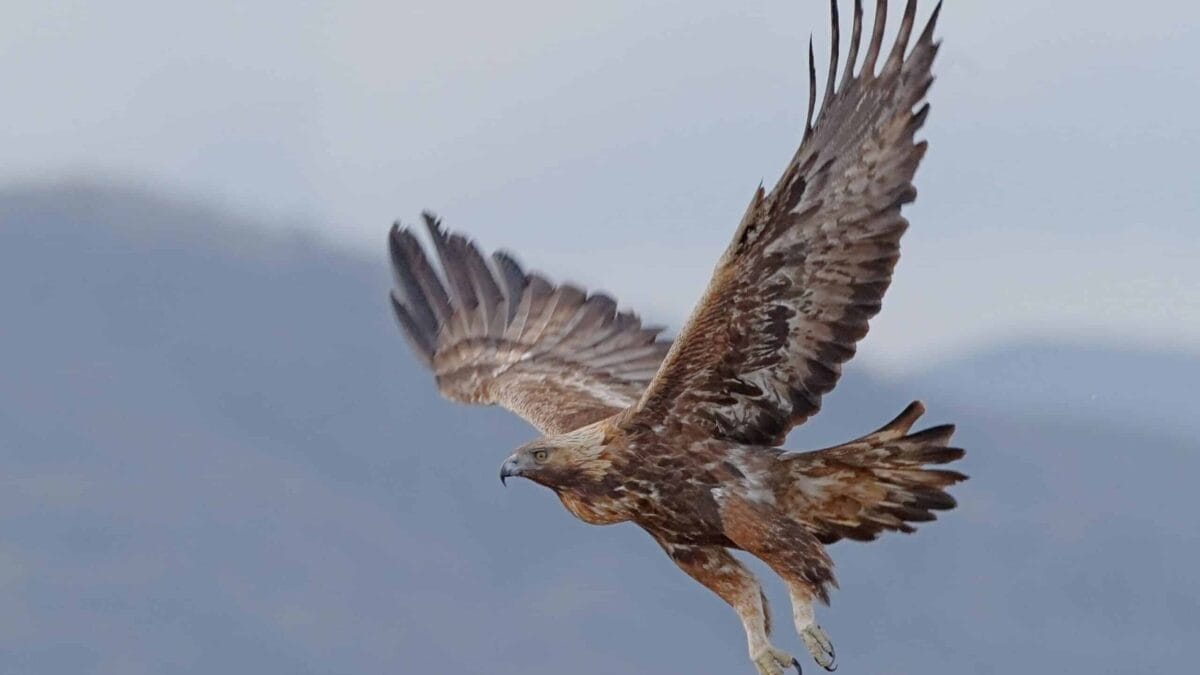
Some eagle pairs, particularly among species like the golden eagle, have been documented traveling thousands of miles together during migration, maintaining proximity throughout these challenging journeys. This shared experience of navigating between summer and winter territories creates another layer of connection. The ability to reunite at specific locations after separation during parts of migration also demonstrates the strength of their bond and recognition of each other as specific individuals, rather than simply accepting any available mate at their destination.
7. Vocalization and Communication
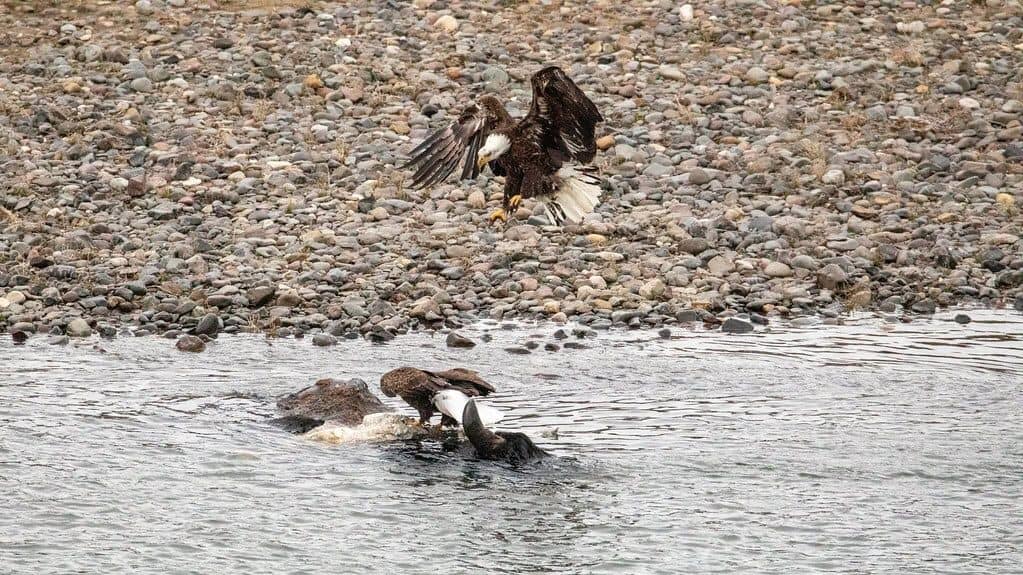
Eagle pairs develop sophisticated communication systems that strengthen their bond over time. While their iconic screeches may sound similar to human ears, eagles can recognize their partner’s unique vocalizations among other eagles. These calls serve multiple purposes: coordinating hunting efforts, warning of potential dangers, and maintaining contact when visual confirmation isn’t possible. Pairs develop distinctive call-and-response patterns that are unique to their relationship.
Beyond vocal communication, eagles use an elaborate system of body language and visual signals. Wing positions, head movements, and postures convey specific messages between partners that become more refined over years of interaction. This “private language” between bonded eagles helps them coordinate complex activities like nest building, territory defense, and parenting with minimal conflict. The development of these communication systems represents a significant investment in the relationship and becomes more sophisticated the longer a pair remains together.
8. Age and Experience Compatibility
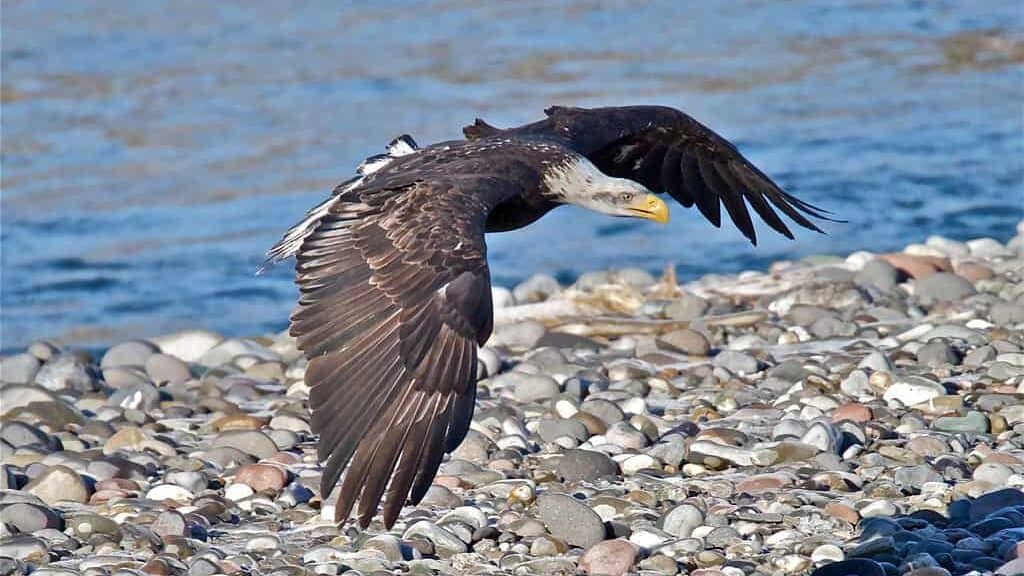
Eagle pairs with similar age and experience levels often form stronger, more lasting bonds. While age differences don’t necessarily prevent pairing, eagles of similar maturity often coordinate their activities more effectively. Young, inexperienced eagles learn the complex skills of nest building, hunting, and parenting together, developing methods that complement each other’s strengths and compensate for weaknesses.
This compatibility in life stage and experience helps pairs navigate the challenges of eagle life in synchrony. They face similar physical capabilities, energy levels, and learning curves that allow them to develop as a team. Ornithologists have observed that eagles of similar age tend to have more coordinated approaches to challenges, whether it’s defending territory against a similar-aged competing pair or working together to care for their first clutch of eggs. This shared developmental journey creates powerful bonds that can last for decades.
9. Mutual Protection During Vulnerability
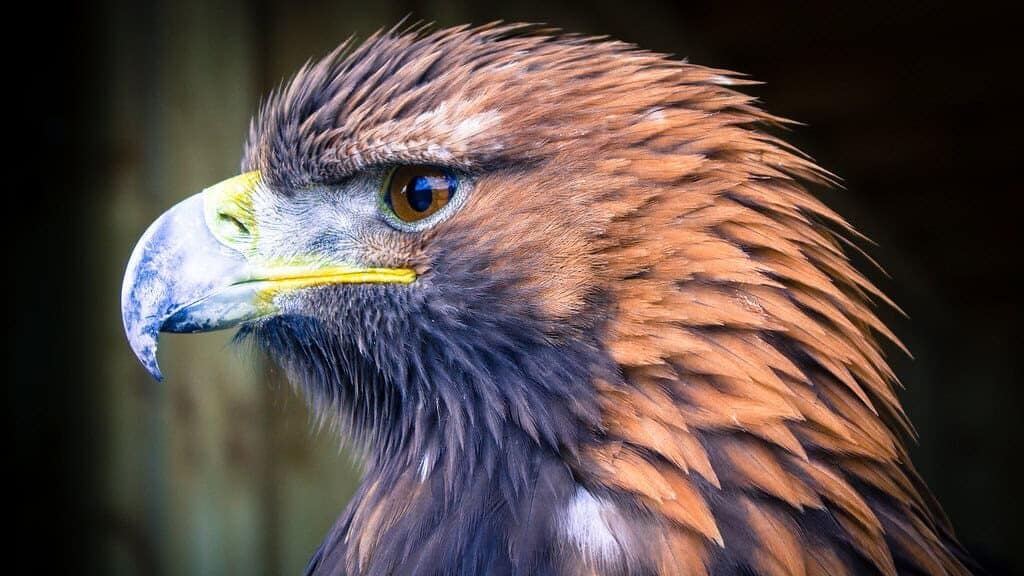
Eagles experience periods of vulnerability throughout their lives, including molting seasons when flight capabilities are compromised, recovery from injuries, or times of food scarcity. During these challenging periods, having a reliable partner provides crucial support that can make the difference between survival and death. Eagles that successfully protect and provide for each other during these vulnerable times develop deeper trust and stronger bonds.
During a partner’s molt, when they temporarily lose flight feathers and have reduced hunting capacity, the other eagle often increases their hunting efforts to compensate. Similarly, when one bird is injured, their mate may bring food directly to them until recovery. This mutual aid during difficult times demonstrates the practical value of their partnership beyond reproduction. Eagles that have experienced this support during vulnerability tend to maintain stronger, longer-lasting pair bonds, having proven their reliability to each other through actual challenges.
1. Reproductive Failure

Despite their impressive commitment to each other, eagle pairs can separate under certain circumstances. One of the most common reasons is persistent reproductive failure. If a pair fails to successfully produce offspring over multiple breeding seasons, they may eventually separate and seek new partners. This separation isn’t driven by emotional disappointment but by biological imperatives—the driving force to successfully pass on their genes.
Reproductive failure can stem from various causes: infertility in either partner, poor nest location vulnerable to predators, environmental contaminants affecting egg viability, or incompatible incubation behaviors. Eagles invest enormous energy in breeding attempts, and repeated failures signal a fundamental problem with the partnership. Research tracking banded eagles has shown that after three or more consecutive failed breeding attempts, the likelihood of pair dissolution increases significantly. This practical approach to partnership reflects the ultimate purpose of their bond: successful reproduction.
2. Death of a Partner
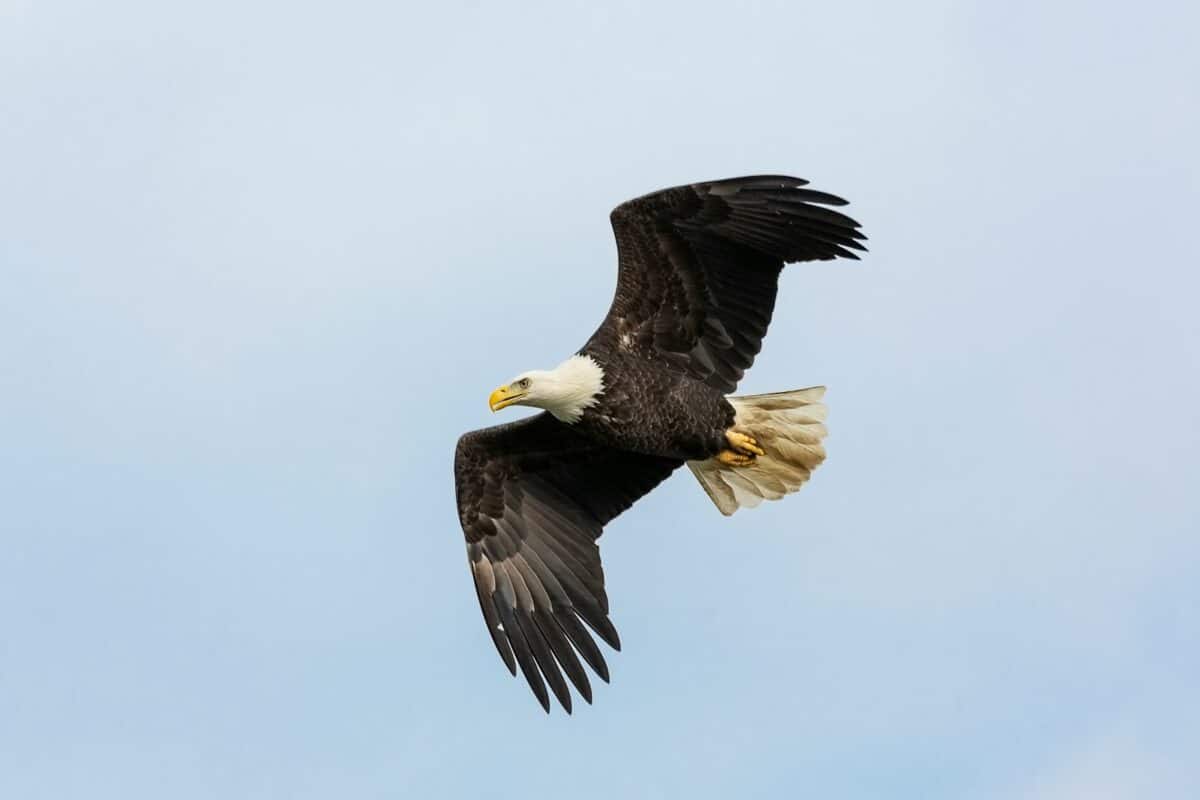
The most definitive cause of eagle pair separation is the death of one partner. While eagles can live 20-30 years in the wild, they face numerous threats throughout their lives. Collisions with vehicles or power lines, lead poisoning from consuming contaminated prey, habitat destruction, illegal shooting, and natural predation all contribute to eagle mortality. When one partner dies, the surviving eagle eventually seeks a new mate.
The period of “mourning” varies between individuals and circumstances. Some eagles will defend their territory and nest alone for weeks or months before accepting a new partner, while others pair more quickly when potential mates are abundant. In areas with healthy eagle populations, widowed birds typically find new partners within one breeding season. The surviving eagle often maintains the same territory and nest, introducing their new mate to the established home range. This continuity of territory, despite changing partnerships, highlights the practical aspects of eagle bonding behaviors.
3. Territory Loss or Degradation

Eagles form powerful connections to their territories, often returning to the same nesting area for decades. However, if their territory becomes unsuitable due to human development, deforestation, pollution, or competition from other eagles, the stress can fracture even long-established partnerships. When a territory no longer supports the needs of the pair—whether through diminished hunting opportunities, increased disturbances, or destruction of nesting trees—the eagles face difficult adaptations.
Some pairs successfully relocate together, establishing new territories and nests, thereby maintaining their bond through the transition. Others, however, separate during this disruption, especially if they disagree on the new location or if one partner refuses to abandon the original territory despite its degradation. Tracking studies of displaced eagle pairs show varied outcomes, with some partnerships dissolving under the stress of territory loss while others strengthen through the shared challenge of establishing a new home range. This response to territory loss illustrates how eagle partnerships, while remarkably resilient, ultimately rest on practical foundations of shared resources and successful cooperation.
Understanding Eagle Partnerships: Beyond Anthropomorphism
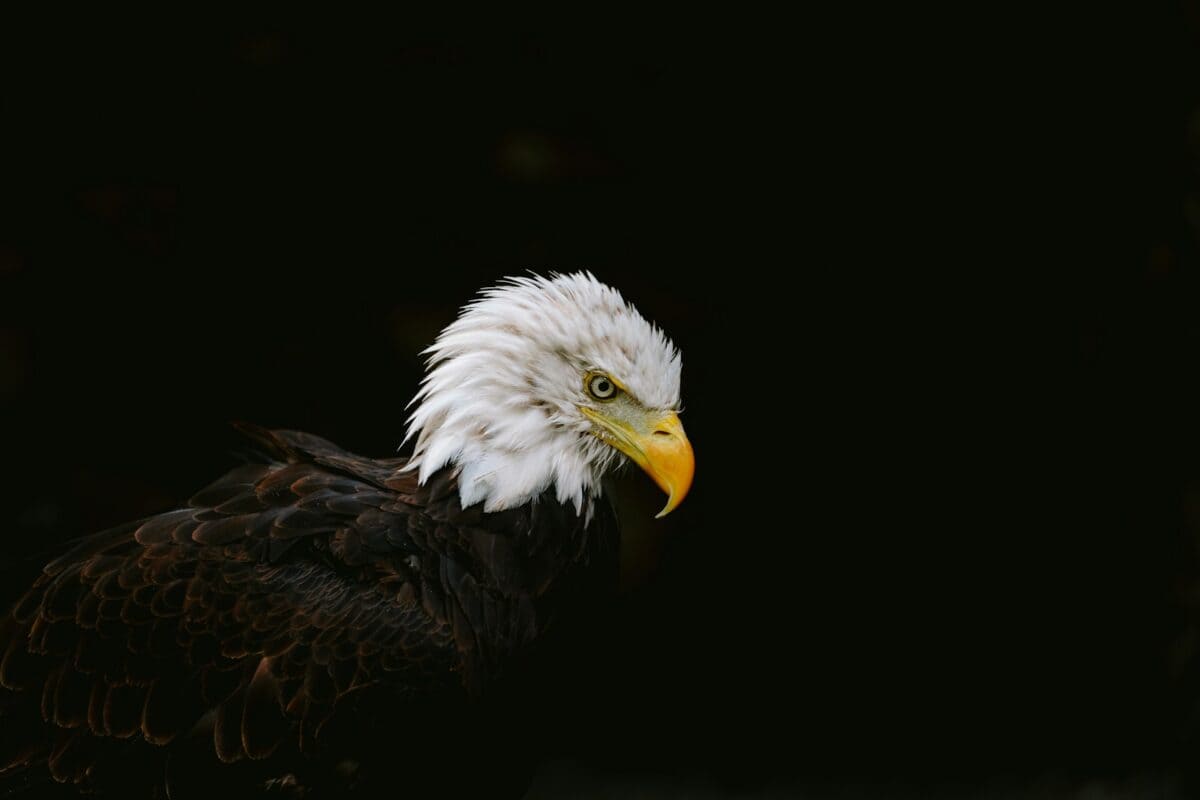
Eagle partnerships represent one of nature’s most impressive examples of avian cooperation, combining practical advantages with what appears to be genuine recognition of a specific partner. While we should avoid projecting human emotions onto these magnificent birds, the evidence clearly shows that eagle pairs develop specific bonds with particular individuals that go beyond simple breeding arrangements. Their relationships demonstrate the evolutionary value of long-term cooperation in challenging environments.
By understanding what keeps eagle pairs together—and what circumstances might drive them apart—we gain valuable insights not just into avian behavior but into the fundamental principles of partnership in the natural world. These factors also highlight the importance of conservation efforts that protect not just individual eagles but the intact habitats, clean environments, and undisturbed territories that allow these remarkable partnerships to flourish. As we continue to study these majestic birds, we discover that their bonds, while different from human relationships, demonstrate nature’s impressive capacity for complex social arrangements that benefit survival, reproduction, and ultimately, the continuation of these magnificent species.

From exploring the marine wonders in the Azores and witnessing the vast savannas of Kenya, to delving deep into the rich biodiversity of South Africa and traversing iconic landscapes in Australia and the US like Yellowstone, Chris's experiences are vast.
With a penchant for diving alongside sharks, the ocean holds a special place in his heart.
Through his academic insights, he champions wildlife conservation, striving with 'Animals Around The Globe' to cultivate a profound connection between humans and animals, enhancing our mutual appreciation.
Connect with him at Feedback@animalsaroundtheglobe.com.
- The Largest Clam Ever Dredged Up From U.S. Waters - July 22, 2026
- How Animated Films Shape What Kids Believe About Animals - July 22, 2026
- The Most Iconic Animals Saved from Extinction in the U.S. - July 22, 2026