
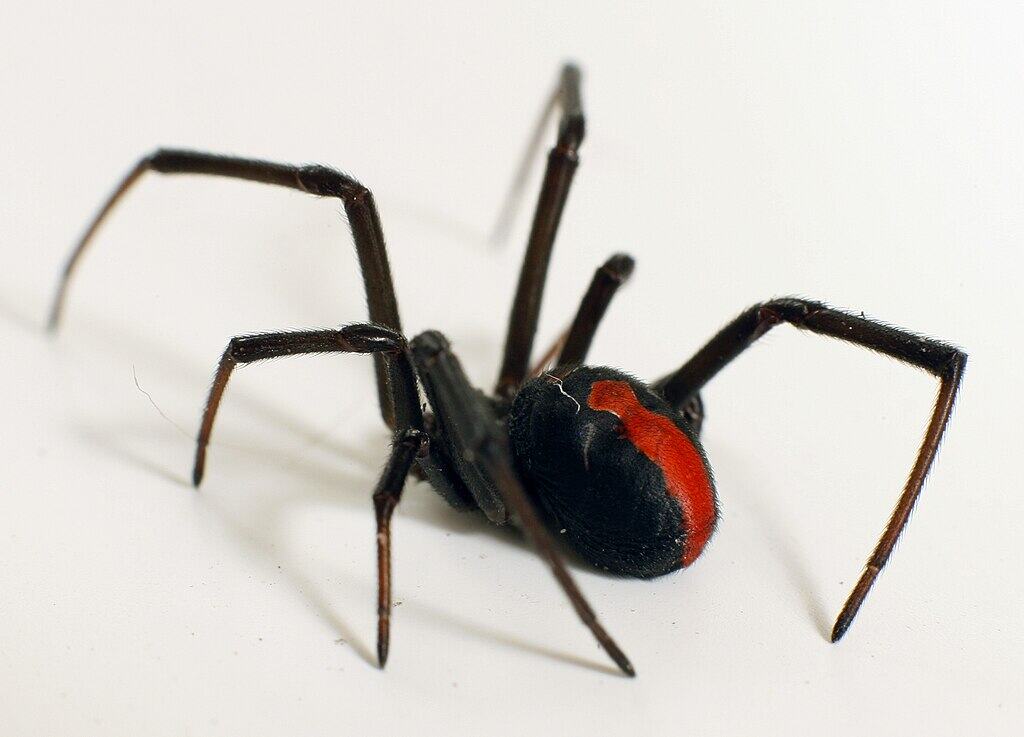
In the intricate world of backyard ecosystems and household pest management, two groups of arthropods play pivotal but often misunderstood roles: spiders and predatory insects. While many homeowners instinctively reach for chemical solutions at the first sight of an eight-legged visitor, nature has already implemented a sophisticated pest control system right under our noses. This natural balance between spiders, beneficial insects, and pest species represents one of the most effective and environmentally friendly pest management strategies available. But which group—spiders or predatory insects—deserves the title of nature’s premier pest controller? This article explores the fascinating ecological roles, hunting strategies, and comparative effectiveness of these arthropod allies in controlling the pests that plague our homes and gardens.
Understanding the Contenders: Arachnids vs. Insects
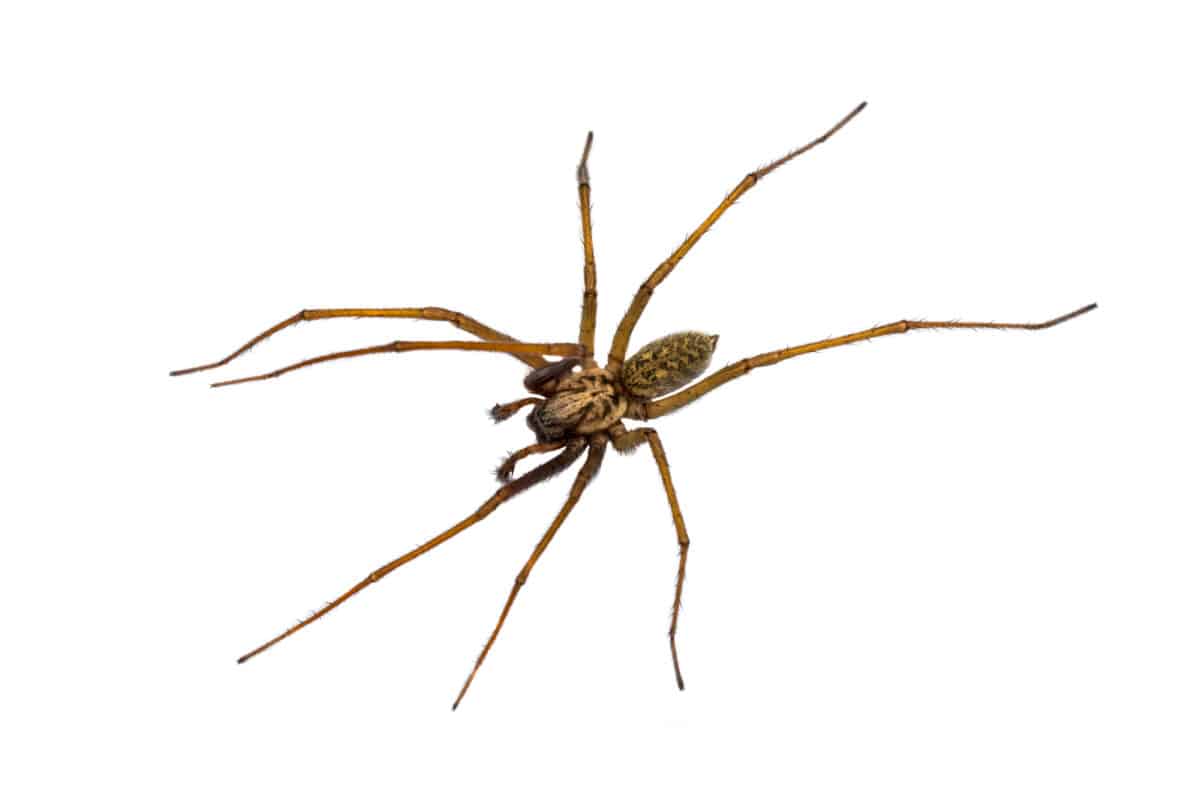
Before we can determine nature’s most effective pest controllers, we must understand the fundamental differences between our contenders. Spiders belong to the class Arachnida, characterized by eight legs, two body segments (cephalothorax and abdomen), no antennae, and no wings. They’re not insects at all, despite common misconceptions. Spiders possess specialized appendages called pedipalps, which males use during mating, and most species have spinnerets that produce silk for various purposes including web construction, egg protection, and prey capture.
Insects, on the other hand, belong to the class Insecta and typically have six legs, three distinct body segments (head, thorax, and abdomen), antennae, and often wings. The insect world includes both pest species and beneficial predatory insects like ladybugs, mantises, and predatory wasps. This fundamental biological distinction influences everything from hunting strategies to ecological niches, setting the stage for our comparison of their pest control capabilities.
The Spider’s Arsenal: Web-Building and Hunting Techniques
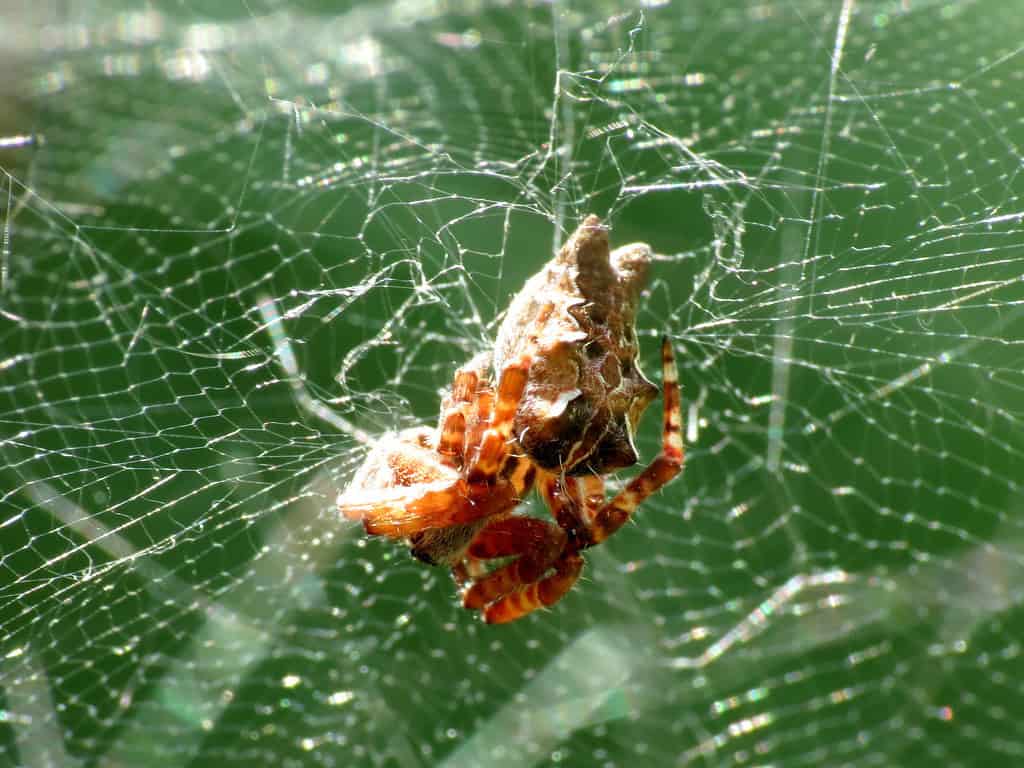
Spiders have evolved an impressive range of hunting strategies that make them formidable pest controllers. Web-building spiders, including orb weavers, funnel weavers, and cobweb spiders, construct intricate silk structures that function as both home and hunting trap. These webs can capture flying insects like mosquitoes, flies, and moths with remarkable efficiency. For example, a single garden spider can catch hundreds of insects in its web over its lifetime. The sticky silk ensnares prey, which the spider then immobilizes with venom before consumption.
Not all spiders build webs, however. Hunting spiders like wolf spiders, jumping spiders, and crab spiders actively stalk their prey using keen eyesight or vibration sensitivity. Jumping spiders, with their exceptional vision, can leap up to 50 times their body length to capture prey. These active hunters often target insects that web-builders might miss, creating a complementary pest control system when multiple spider species inhabit the same area. This diversity of hunting techniques allows spiders to target a wide range of pest insects across different microhabitats.
Insect Predators: Nature’s Specialized Assassins

The world of predatory insects features highly specialized hunters with remarkable adaptations for capturing specific prey. Ladybugs (or ladybirds) are perhaps the most beloved insect predators, with both adults and larvae voraciously consuming aphids—a single ladybug can devour up to 5,000 aphids in its lifetime. Praying mantises are ambush predators capable of capturing prey larger than themselves, including damaging caterpillars and grasshoppers. Their lightning-fast strikes occur in just 50-70 milliseconds, making them nearly impossible for prey to evade.
Predatory wasps like yellow jackets hunt caterpillars and other soft-bodied insects, while parasitoid wasps lay eggs inside pest insects, ensuring their larvae have a living food source. Ground beetles patrol soil surfaces, consuming slugs, snails, and caterpillars, while lacewing larvae, aptly nicknamed “aphid lions,” can consume up to 600 aphids during their development. Assassin bugs use their specialized mouthparts to pierce prey and inject digestive enzymes, targeting pests like caterpillars and beetles. This diversity of hunting specializations allows predatory insects to target specific pest problems with precision.
Appetite for Destruction: Comparing Consumption Rates
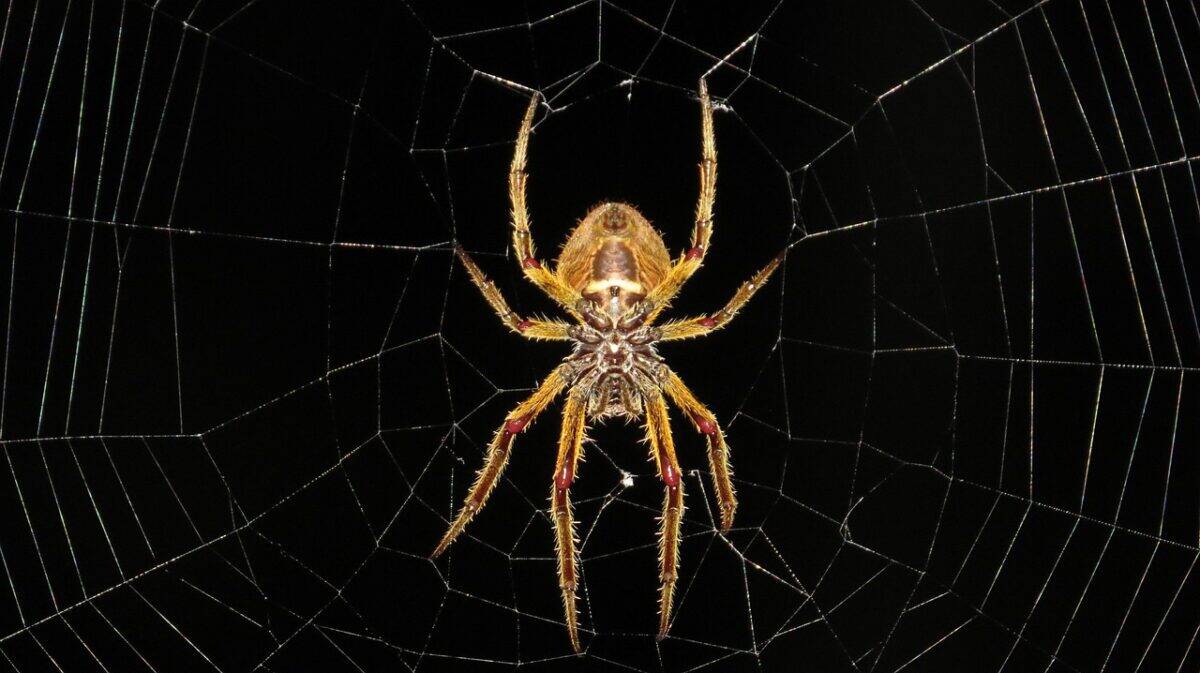
When evaluating pest control effectiveness, consumption rates provide valuable insight into the impact these predators have on pest populations. Research indicates that spiders collectively consume between 400-800 million tons of prey annually worldwide, making them one of Earth’s most voracious predator groups. An individual wolf spider might consume over 2,000 small insects in a single year. Web-building spiders in agricultural settings have been documented capturing up to 130 insects per square meter per day during peak seasons.
Predatory insects also boast impressive consumption statistics. A single lacewing larva can consume approximately 200 aphids per week, while a ladybug might eat 50-75 aphids daily. Dragonfly nymphs, developing underwater, can consume hundreds of mosquito larvae before reaching adulthood. When comparing these consumption rates, what becomes apparent is not competition but complementarity—spiders and predatory insects often target different pest species or the same pests in different life stages, creating a more comprehensive pest management system when both groups are present in an ecosystem.
Ecological Niches and Coverage
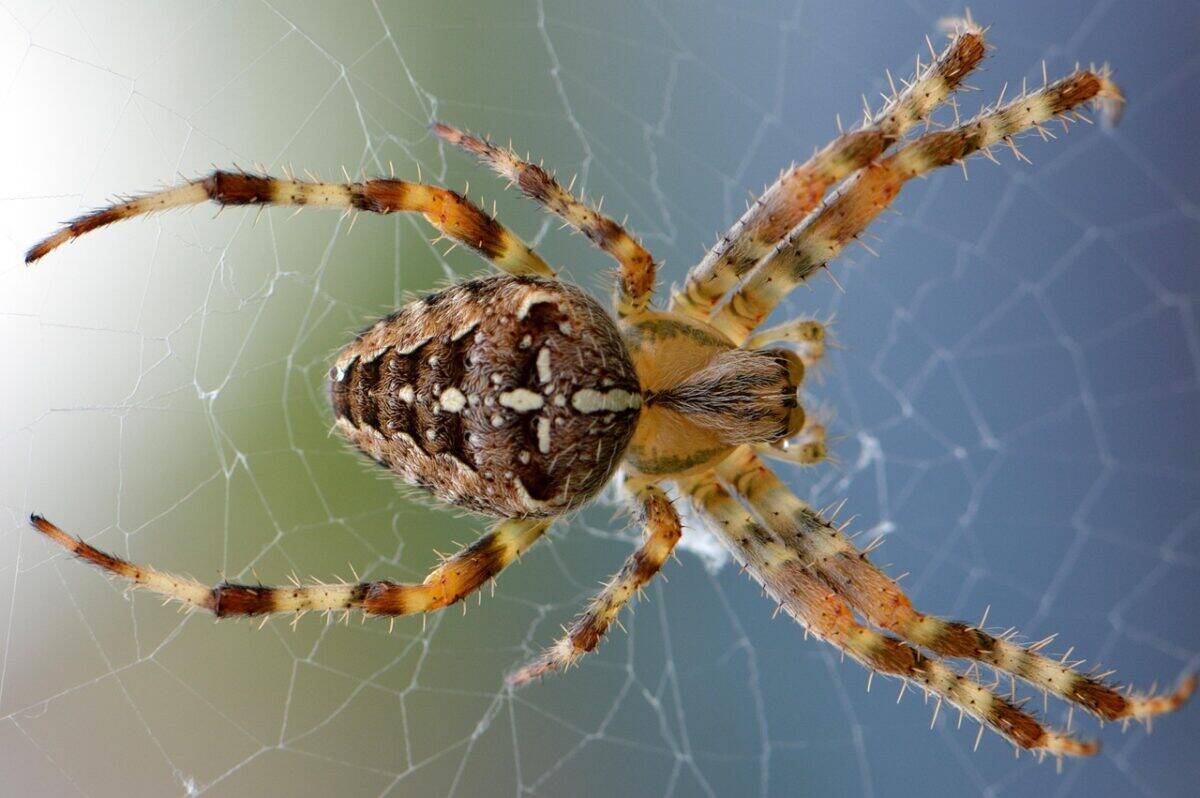
The effectiveness of pest control often depends on coverage across different microhabitats and ecological niches. Spiders excel at establishing presence in nearly every terrestrial habitat, from soil surfaces to tree canopies. Their ability to balloon—using silk threads to catch wind currents and disperse over long distances—allows them to quickly colonize new areas. Different spider species specialize in specific zones: jumping spiders patrol plant surfaces, orb weavers catch flying insects mid-air, and ground spiders hunt in leaf litter and soil.
Predatory insects similarly occupy varied niches but often with more specific habitat requirements. Ladybugs require pollen sources when aphids are scarce, while ground beetles need specific soil conditions and shelter. Aquatic predators like dragonfly nymphs control mosquitoes and other water-breeding pests that terrestrial predators can’t reach. This niche specialization means that healthy ecosystems benefit from both spiders and predatory insects working in complementary fashion, with maximum pest control achieved when diverse populations of both groups are present, covering all potential pest habitats.
Year-Round Protection: Seasonal Effectiveness

Consistency in pest control throughout the year is crucial for preventing pest outbreaks. Spiders demonstrate remarkable year-round presence in most climates. Many species remain active during winter months, especially indoors or in protected microhabitats. Research shows that even in temperate regions, certain spider species continue hunting during cold periods, providing persistent pest control. Their ability to survive on minimal food allows them to maintain populations during periods when insect activity decreases, positioning them to respond immediately when pest populations begin to rise in spring.
Predatory insects, conversely, often exhibit more pronounced seasonal patterns. Many species diapause (enter a dormant state) during winter or have specific temperature thresholds for activity. Ladybugs, for instance, typically overwinter in aggregations and become inactive. This seasonality can create temporal gaps in pest suppression that spiders help fill. However, many predatory insects compensate through remarkable reproductive capacity—when conditions become favorable, they can rapidly produce large populations that provide intensive, if somewhat seasonal, pest control services. The combination of year-round spider activity with seasonal surges in predatory insect populations creates an effective temporal coverage for pest management.
Targeting Problem Pests: Specialization vs. Generalization

The strategic approach to hunting differs significantly between spiders and predatory insects, influencing their effectiveness against specific pest problems. Most spiders are generalist predators, capturing and consuming virtually any appropriately-sized prey that encounters their web or crosses their path. This non-selective approach has advantages: spiders respond to whatever pest species becomes abundant, providing flexible control across various pest types. However, this generalist strategy also means spiders may not concentrate exclusively on the most problematic pest species from a human perspective.
Many predatory insects, by contrast, exhibit remarkable specialization. Aphid midges feed exclusively on aphids, parasitoid wasps target specific host species or families, and certain lady beetle species specialize in scale insects or mealybugs. This specialization allows for precision targeting of particular pest problems, making predatory insects invaluable for addressing specific outbreaks. In agricultural settings, this specialization can be leveraged through augmentative biological control—releasing particular predatory species to address specific pest issues. The ideal pest management system incorporates both approaches: generalist spiders providing baseline control across multiple pest species, supplemented by specialist insect predators focusing on problematic outbreaks.
Agricultural Impact: The Economic Value of Natural Pest Control
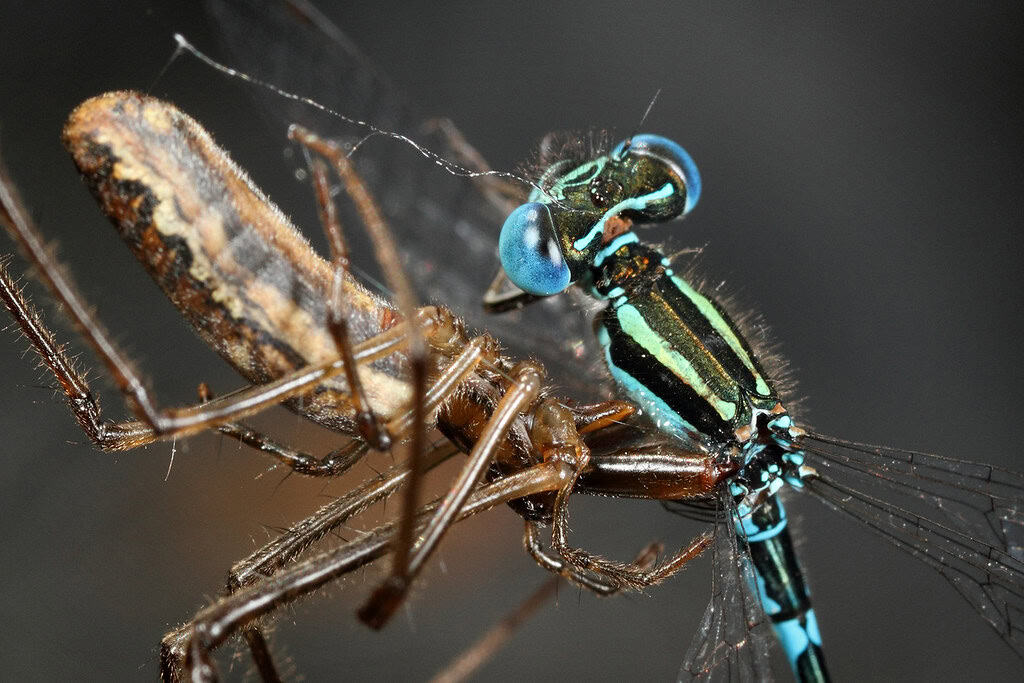
The economic benefits of arthropod predators in agricultural settings are substantial and increasingly recognized by researchers and farmers alike. Studies estimate that natural pest control services provided by native arthropod predators save the U.S. agricultural industry approximately $4.5 billion annually. In certain cropping systems, spiders alone can reduce pest damage by 15-40% when present in sufficient numbers. Their presence in rice paddies throughout Asia has been documented to significantly reduce pesticide requirements, with economic analyses showing net benefits to farmers who protect spider populations.
Predatory insects often demonstrate even more dramatic economic impacts in specific agricultural contexts. The introduction of vedalia beetles to control cottony cushion scale saved California’s citrus industry from collapse in the late 19th century—one of the earliest and most successful biological control programs. Modern studies in integrated pest management show that conserving diverse predatory insect communities can reduce pesticide applications by 50-70% in many cropping systems while maintaining yields. The combined economic value of spiders and predatory insects makes a compelling case for conservation biological control—managing agricultural landscapes to support these natural pest controllers rather than replacing them with chemical alternatives.
Human Perceptions and Misunderstandings
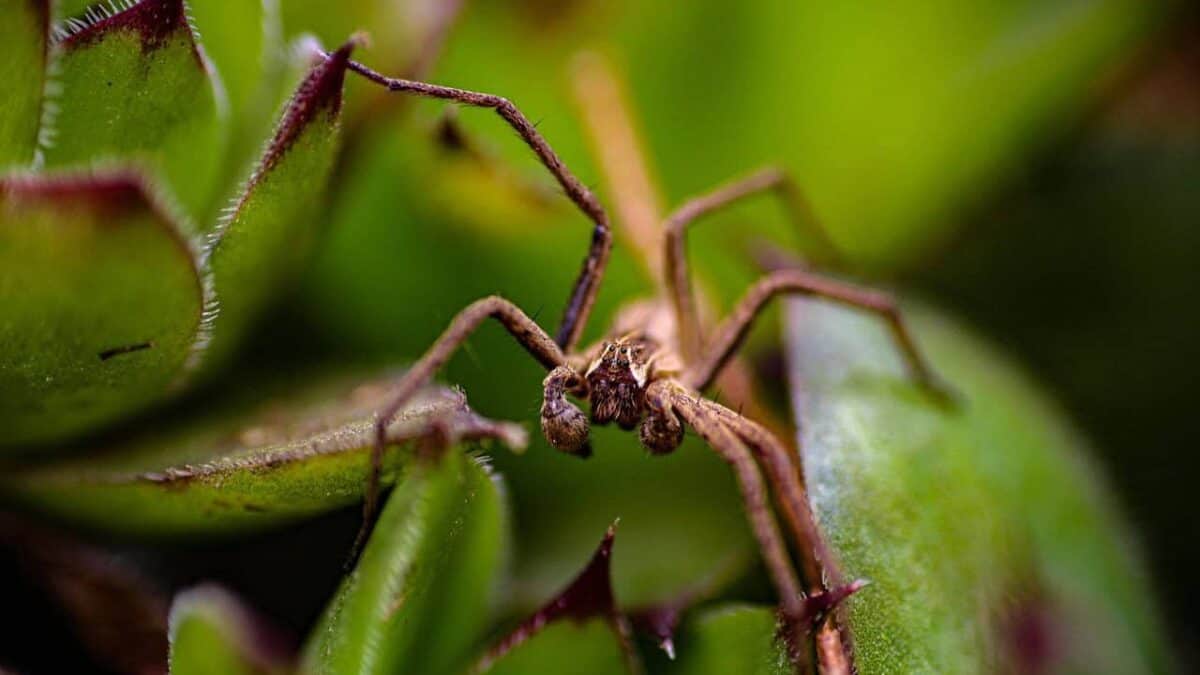
Despite their valuable ecological services, spiders suffer from severe public relations challenges. Arachnophobia ranks among the most common specific phobias, affecting an estimated 3.5-6.1% of the global population. This fear drives many homeowners to kill spiders on sight, despite the fact that of approximately 45,000 known spider species, only about 30 possess venom that can cause significant harm to humans. Media sensationalism and cultural depictions of spiders as villains further exacerbate negative perceptions, undermining appreciation for their pest control benefits.
Predatory insects generally enjoy more positive public perception, with species like ladybugs and mantises often considered beneficial or even charming. However, aggressive hunters like wasps and hornets face similar fear-based reactions despite their significant contributions to pest control. This perceptual divide influences management decisions, with many people more willing to tolerate predatory insects in their gardens than spiders in their homes. Educational initiatives focusing on the ecological roles of these arthropods can help shift perceptions—studies show that brief educational interventions about spiders’ beneficial roles can significantly reduce arachnophobic responses and increase tolerance for these important pest controllers.
Urban Environments: The Frontline of Household Pest Management

In urban and suburban settings, where chemical pesticide use raises particular concerns about human exposure, arthropod predators provide valuable pest management services. House spiders like cellar spiders and common house spiders target household pests including clothes moths, flies, mosquitoes, and cockroaches. Research conducted in apartment buildings has shown that units with higher spider populations experience significantly lower infestations of problematic insects. Even feared species like black widows primarily consume pest insects like cockroaches, potentially providing health benefits that offset their rarely-realized risks.
Beneficial insects also contribute to urban pest management, though typically in outdoor spaces rather than inside homes. Lady beetles and lacewings help control aphids on garden plants and ornamental landscaping, while ground beetles prey on slugs and other garden pests. Paper wasps capture caterpillars that might otherwise defoliate garden plants. The complementary actions of these different predator groups create a first line of defense against pests in human-dominated landscapes. Conservation of both spiders and beneficial insects through reduced pesticide use and provision of habitat features can enhance natural pest control in urban environments, reducing reliance on chemical interventions.
Conservation Strategies: Supporting Nature’s Pest Controllers

For those looking to leverage the pest control benefits of arthropod predators, several evidence-based conservation strategies can enhance their presence and effectiveness. For spiders, maintaining structural diversity in gardens and landscapes is crucial—providing ground cover, varied vegetation heights, and undisturbed areas creates habitat for different spider guilds. Leaving fallen leaves in garden beds over winter provides overwintering habitat for ground-dwelling spiders. Reducing outdoor lighting minimizes disruption to nocturnal hunting spiders, while limiting broad-spectrum pesticide use preserves both spiders and their prey base.
Supporting predatory insects involves similar habitat conservation along with some specific interventions. Planting diverse flowering plants provides nectar and pollen resources that many predatory insects require as adults, even if their larvae are carnivorous. Specific plant families like Apiaceae (carrot family) and Asteraceae (daisy family) are particularly valuable for supporting parasitoid wasps and hover flies. Installing insect hotels provides nesting sites for solitary predatory wasps and bees, while maintaining small water features supports aquatic predators like dragonflies. These conservation approaches work best when implemented comprehensively, creating landscapes that support diverse arthropod predator communities capable of responding to various pest challenges.
Conclusion: Partners in Pest Management

In the contest between spiders and predatory insects for the title of nature’s premier pest controller, the evidence points not to competition but to partnership. These arthropod allies have evolved complementary hunting strategies, temporal patterns, and ecological niches that, when combined, create a more effective pest management system than either group could provide alone. Spiders offer persistent, year-round generalist predation across nearly all terrestrial habitats, while predatory insects contribute specialized hunting expertise and rapid reproductive responses to emerging pest problems. This natural partnership has been managing pest populations for millions of years before human agricultural and domestic concerns entered the equation.
Rather than choosing between these beneficial groups or replacing them with synthetic alternatives, the most effective approach embraces both as part of an integrated pest management strategy. By understanding, appreciating, and conserving both spiders and predatory insects, we can leverage one of nature’s most sophisticated pest control systems—one that operates without toxic residues, resistance development, or collateral damage to non-target organisms. The real winners in this ecological partnership are not just the arthropods themselves but the humans wise enough to recognize and support their invaluable services in our gardens, farms, and homes.

- The Glasswing Butterfly: Nature’s Invisible Beauty - July 21, 2026
- What Happens If a Whale Dies in the Ocean? - July 21, 2026
- Why You Should Stop Feeding Ducks at the Park - July 21, 2026