
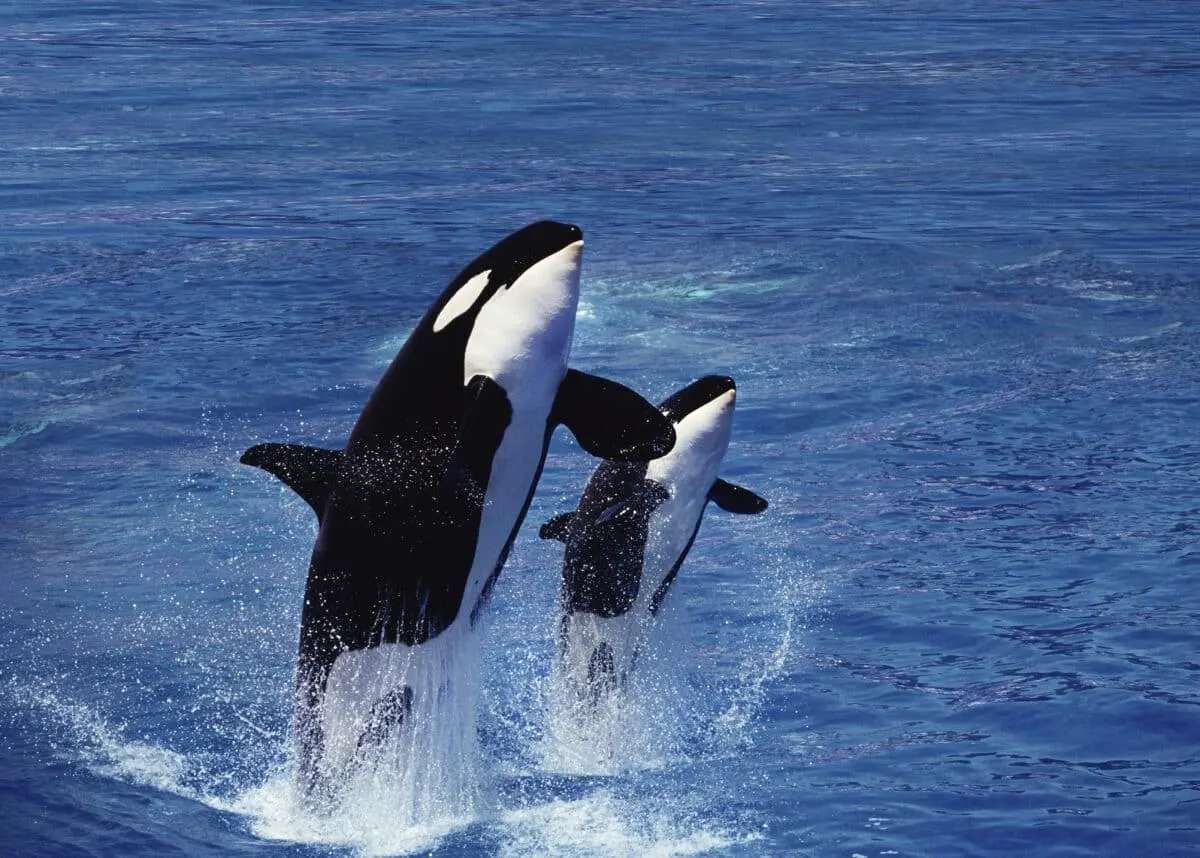
In the vast, cold waters of the world’s oceans, one of nature’s most remarkable educational processes unfolds as orca mothers methodically teach their young to hunt. These apex predators, also known as killer whales, possess highly complex social structures and sophisticated hunting techniques that must be passed down through generations. Unlike many other animal species where hunting abilities are largely instinctual, orcas rely heavily on cultural transmission of knowledge—with mothers serving as the primary teachers in what could be considered one of the animal kingdom’s most impressive examples of parental education. This intricate teaching process ensures the survival not just of individual calves but of hunting traditions specific to each orca pod, representing a fascinating intersection of biology, ecology, and what can only be described as cultural heritage.
The Maternal Bond: Foundation for Learning
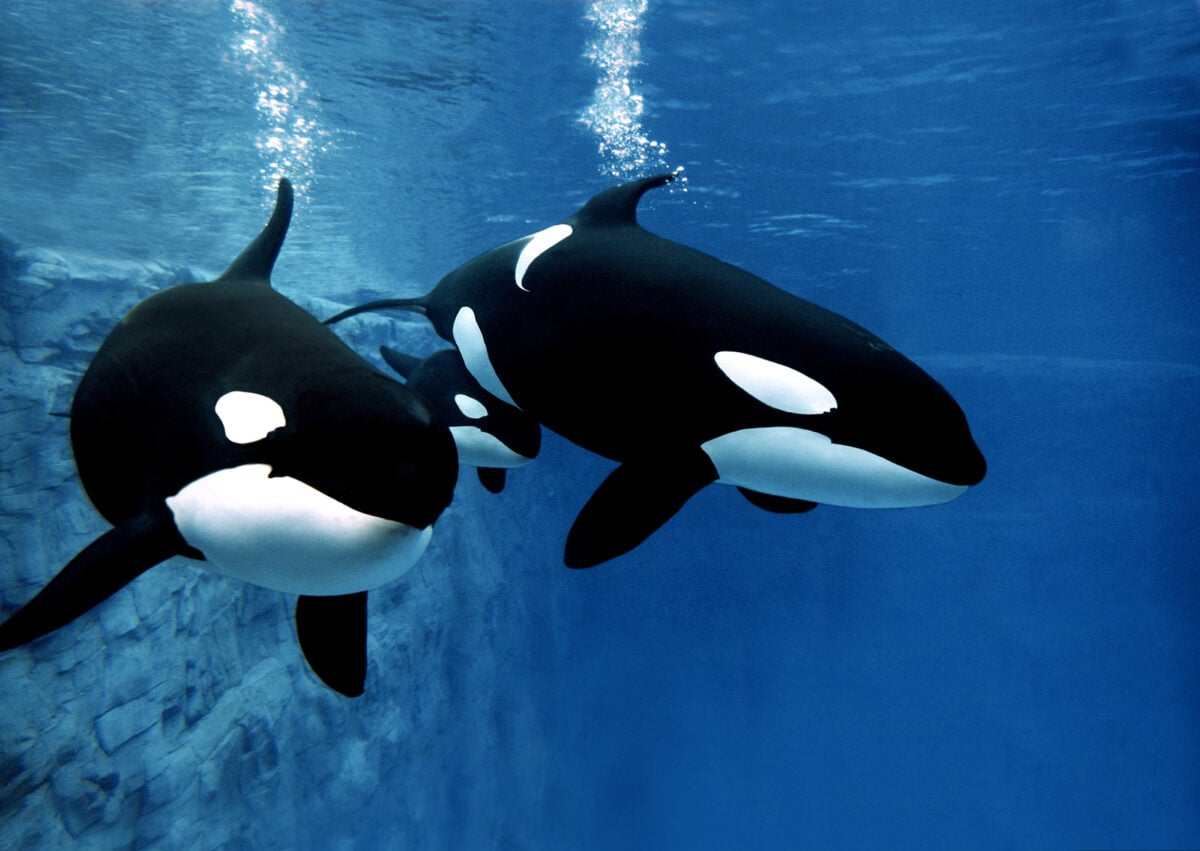
The teaching relationship between an orca mother and her calf begins with an extraordinarily strong bond. Orca calves typically stay with their mothers for years—sometimes for their entire lives in certain populations. This extended dependency period creates the perfect environment for complex knowledge transfer. Female orcas give birth approximately once every 3-10 years, investing enormous energy in raising each calf, which can weigh up to 400 pounds at birth and measure around 7-8 feet long. The gestation period lasts about 17 months, resulting in one of the strongest mother-offspring bonds in the animal kingdom.
This profound connection serves as the foundation for all future learning. From the moment of birth, calves swim in their mother’s slipstream—a position called echelon swimming—which allows them to conserve energy while maintaining close proximity for observational learning. This constant contact gives calves continuous access to their primary teacher. Unlike many predators who might abandon their young relatively early, orca mothers maintain this intensive teaching relationship for years, allowing for the gradual mastery of complex hunting techniques that would be impossible to learn in a shorter timeframe.
The First Year: Observation and Mimicry
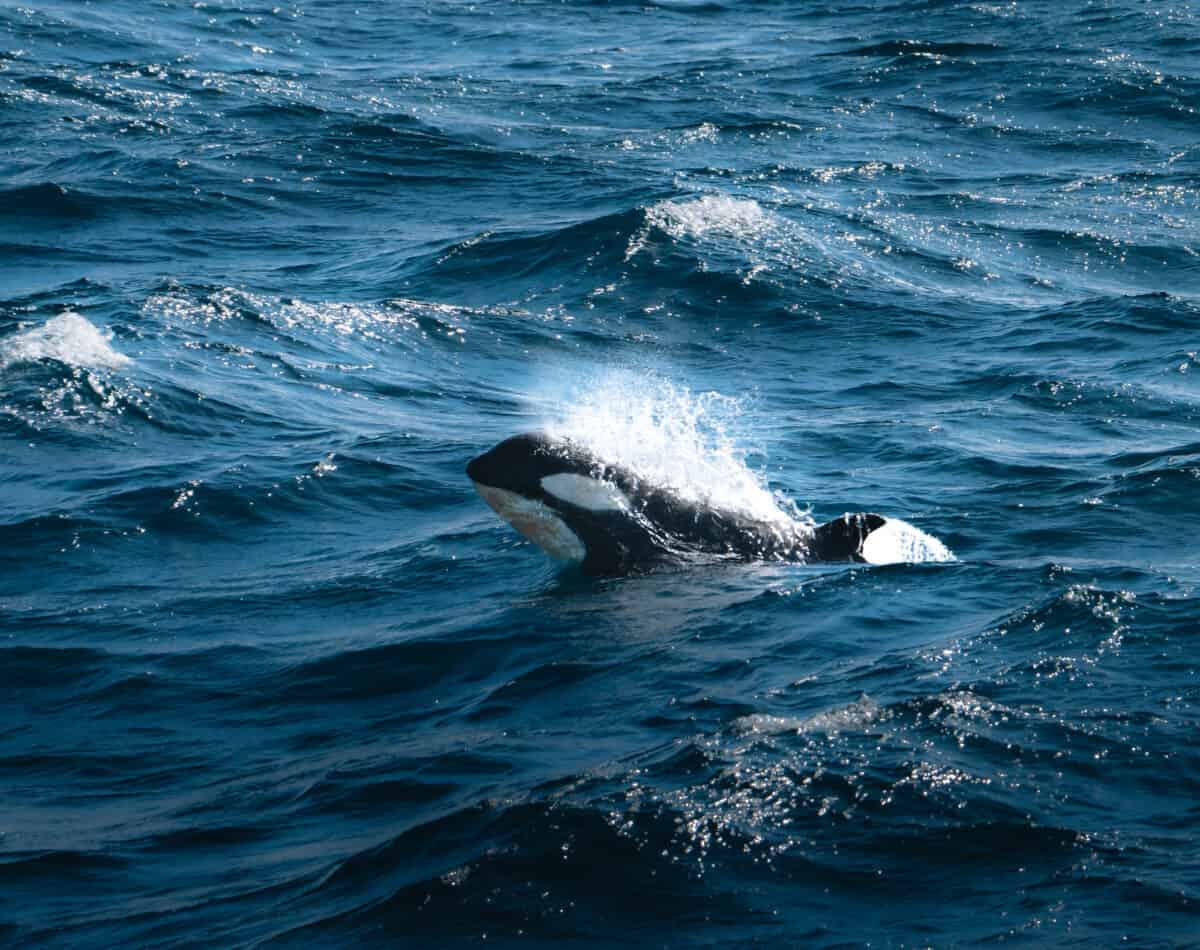
During the first year of life, orca calves primarily learn through careful observation. Mothers intentionally hunt within visual range of their calves, often slowing down their normal hunting pace to ensure the young ones can witness each step of the process. Calves are attentive students, watching intently as their mothers demonstrate techniques for finding, pursuing, and capturing prey. Research has shown that calves spend up to 70% of their waking hours in these observational states during their first year, absorbing the nuances of hunting behavior.
Mimicry soon follows observation. Young calves begin attempting to copy their mother’s movements and behaviors, even before they’re physically capable of participating in actual hunts. They practice the body movements, vocalizations, and coordination seen in hunting scenarios during play sessions with their mothers and other pod members. These early imitation exercises serve as crucial preparation for the more advanced training to come, developing the neural pathways and muscle memory that will eventually support sophisticated hunting maneuvers.
Graduated Learning: From Simple to Complex
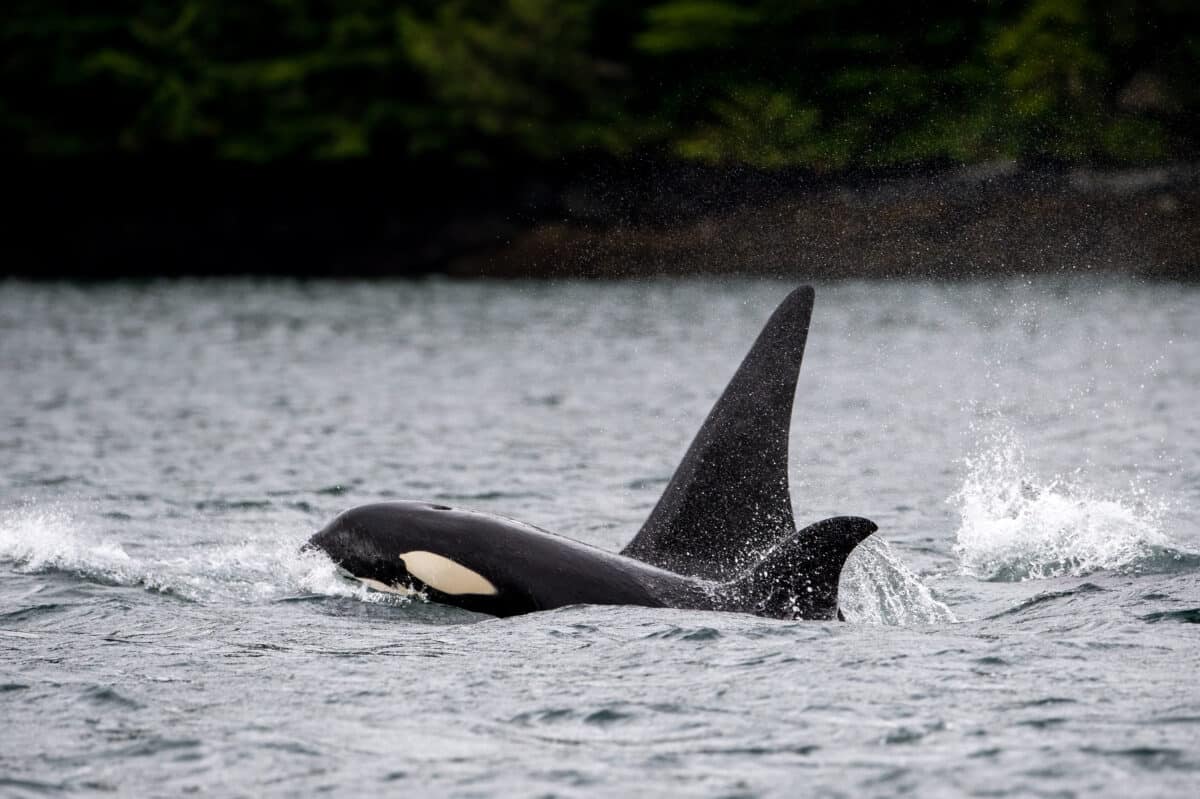
Orca mothers employ a systematic approach to teaching that progressively increases in complexity—a teaching method remarkably similar to human educational approaches. Initially, they focus on basic skills like proper swimming techniques, breath control, and coordination. As calves develop physical strength and basic competencies, mothers gradually introduce more sophisticated aspects of hunting. This graduated approach ensures calves aren’t overwhelmed and can master foundational skills before attempting more challenging techniques.
By the second year, mothers begin involving calves in carefully controlled hunting scenarios. They might start with smaller, slower prey that presents minimal danger and allows for a high success rate, building the calf’s confidence. Research conducted in the waters off British Columbia and Washington state has documented mothers sometimes deliberately catching prey but not immediately killing it, instead releasing it near their calves to provide a safer practice opportunity. This form of “handicapping” allows young orcas to practice capture techniques without the full challenge of the initial chase, showing remarkable teaching sophistication.
Pod-Specific Hunting Techniques

One of the most fascinating aspects of orca hunting education is the transmission of pod-specific hunting techniques. Different orca populations around the world have developed specialized hunting strategies adapted to their local environments and available prey. These unique approaches represent what scientists now recognize as distinct cultural traditions that are preserved and passed down through generations primarily through maternal teaching. For example, certain Norwegian orca pods have perfected a technique called “carousel feeding,” where they herd herring into tight balls before slapping them with their tails to stun them.
In the waters surrounding New Zealand, some orca groups specialize in hunting rays, carefully flipping them over to induce tonic immobility before precisely removing the most nutritious parts while avoiding the venomous barbs. Meanwhile, Antarctic orcas have developed the remarkable “wave-washing” technique, where they coordinate to create waves that wash seals off ice floes. Each of these specialized techniques must be meticulously taught by mothers to their calves through years of demonstration, guided practice, and correction—a process that ensures these cultural hunting traditions survive across generations.
The Role of Intentional Teaching Moments

Beyond passive observation opportunities, orca mothers create what researchers now recognize as intentional teaching moments. These are situations specifically engineered to provide learning opportunities for calves. Researchers in Argentina’s Península Valdés observed mothers deliberately stranding themselves on beaches to catch sea lion pups, even when safer hunting methods were available. These mothers would repeatedly demonstrate the technique, sometimes up to 15 times in a single day, despite the physical risks and energy costs involved—behavior that only makes sense in the context of educational intent.
Similarly, mothers have been documented slowing down their attacks or exaggerating certain movements when calves are watching closely. They sometimes position themselves so that calves have optimal viewing angles of critical hunting moments. When calves attempt to participate, mothers carefully adjust their own behavior to accommodate the inexperienced hunters, sometimes herding prey toward their young or deliberately weakening prey to ensure early hunting experiences are successful. These behaviors demonstrate a level of teaching intentionality previously thought unique to humans and challenge our understanding of cetacean cognition.
Communication During the Teaching Process

Vocal communication plays a critical role in the hunting education process. Orcas possess complex vocalization abilities, with each pod developing a unique dialect of calls that functions somewhat like a family language. During hunting lessons, mothers use specific vocalizations that appear to serve instructional purposes. These include attention-getting calls before demonstrations, guidance calls during practice sessions, and what some researchers interpret as approval or correction sounds after a calf’s attempt at a technique.
Research using underwater microphones has revealed that the frequency and pattern of certain calls increase dramatically during teaching sessions compared to regular hunting. Mothers also use physical communication through body positioning and touch to guide their calves. They might gently nudge a calf into proper position for observing a hunting technique or use body contact to correct improper approaches to prey. This multi-modal communication system allows for remarkably precise instruction, enabling the transmission of nuanced hunting knowledge that would be impossible through observation alone.
The Practice Phase: Trial and Error

As calves progress in their hunting education, they enter an extended practice phase characterized by trial and error learning under maternal supervision. This typically begins around age two to three years and can continue for several more years depending on the complexity of the hunting techniques being taught. During this phase, mothers create safe opportunities for calves to attempt hunting maneuvers, often with smaller prey or in controlled scenarios. These practice sessions are carefully monitored, with mothers ready to intervene if a situation becomes dangerous.
The tolerance for failure during this phase is remarkably high. Research in Norway documented young orcas making dozens of unsuccessful hunting attempts while their mothers maintained proximity, occasionally demonstrating the correct technique again before allowing more practice. This patience represents a significant investment of time and energy, as practice sessions often delay or reduce the mother’s own hunting success. The willingness to accept these short-term costs for long-term educational benefits parallels teaching philosophies seen in human societies and suggests a sophisticated understanding of learning processes.
Social Learning Beyond the Mother

While mothers serve as primary teachers, the entire pod plays a role in a young orca’s hunting education. Older siblings, aunts, and even grandmothers contribute to the learning process through what scientists call “alloparental care”—care provided by individuals other than the parents. These extended family members often participate in group hunts that demonstrate coordination techniques to watching calves. They may also provide additional practice opportunities or temporarily take over supervision to give mothers a break during the years-long educational process.
This communal approach to education ensures calves are exposed to slightly different hunting styles and techniques, allowing them to develop a more adaptable hunting repertoire. It also creates redundancy in the knowledge transfer system, ensuring that hunting traditions are preserved even if something happens to the mother. Research in resident orca populations of the Pacific Northwest has shown that calves who lose their mothers but remain with their pod still successfully acquire pod-specific hunting techniques, though the process may take longer without the focused attention of maternal teaching.
Testing Independence: Supervised Hunts
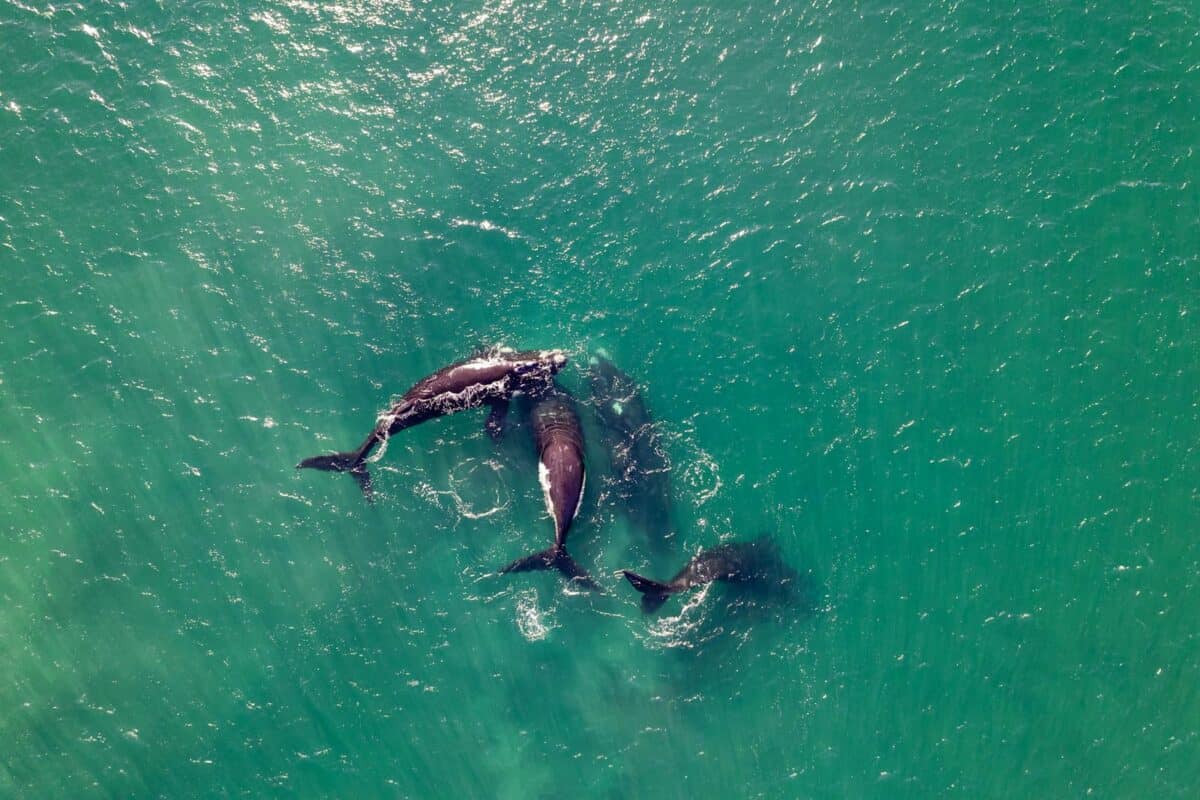
As young orcas approach maturity (typically between 4-6 years old), mothers begin transitioning them toward greater hunting independence through carefully structured supervised hunts. These sessions allow juveniles to take the lead in hunting decisions while the mother remains nearby to provide backup if needed. The mother might position herself at a distance that permits observation without interference, intervening only if the young orca is in danger or if a teaching opportunity arises from a mistake. This graduated independence represents a critical phase in the educational process.
Researchers studying transient orcas in Alaska have documented these supervised hunts, noting how mothers initially position themselves closer to their hunting offspring before gradually increasing distance as competence grows. During these hunts, mothers appear highly attentive to their offspring’s performance, sometimes adjusting their own position to complement the juvenile’s hunting strategy or herding prey back toward the young hunter if it escapes in an unexpected direction. The duration of this supervised phase varies by individual and by pod, with some hunting techniques requiring longer periods of oversight before full independence is achieved.
Teaching Specialized Techniques: The Case of Beach Hunting

Perhaps the most dramatic example of maternal teaching comes in the transmission of highly specialized and dangerous hunting techniques like intentional beaching. This remarkable strategy, documented most extensively among orca pods hunting sea lions along the coasts of Argentina and the Crozet Islands, involves orcas deliberately stranding themselves temporarily on beaches to capture prey before wriggling back into deeper water. The technique carries significant risks, including the possibility of becoming permanently stranded if miscalculated, making the teaching process particularly high-stakes.
Mothers teaching this technique employ an exceptionally cautious approach, beginning with countless demonstrations where calves observe from the safety of deeper water. Initial practice attempts are conducted only during optimal tide conditions and on beaches with gentler slopes. Researchers have observed mothers positioning themselves between their practicing calves and the shore to prevent them from stranding too far on the beach during early attempts. The teaching process for this specialized technique can take up to seven years before a young orca is considered proficient, representing one of the longest learning periods for a single hunting technique in the animal kingdom.
The Impact of Human Activities on Teaching Success

Modern human activities have created new challenges for the orca teaching process. Noise pollution from shipping, military sonar, and other human sources can interfere with the complex vocalizations used during hunting lessons. Research has shown that underwater noise can force orcas to change their call patterns or abandon teaching sessions entirely. Additionally, declining prey populations due to overfishing and climate change mean mothers must spend more time searching for food, potentially reducing the time available for teaching activities.
Pollution presents another serious challenge, as persistent organic pollutants and heavy metals accumulate in orca tissues. These toxins are transferred in high concentrations through the rich milk mothers provide to calves, potentially affecting cognitive development and learning capacity. Conservation efforts focused on protecting both orcas and their prey species are essential for preserving not just the animals themselves but also the cultural knowledge transmission that defines their societies. Without sufficient time, appropriate acoustic environments, and adequate prey for practice, the sophisticated teaching relationships between orca mothers and calves could be compromised.
Preserving Marine Knowledge Through Generations
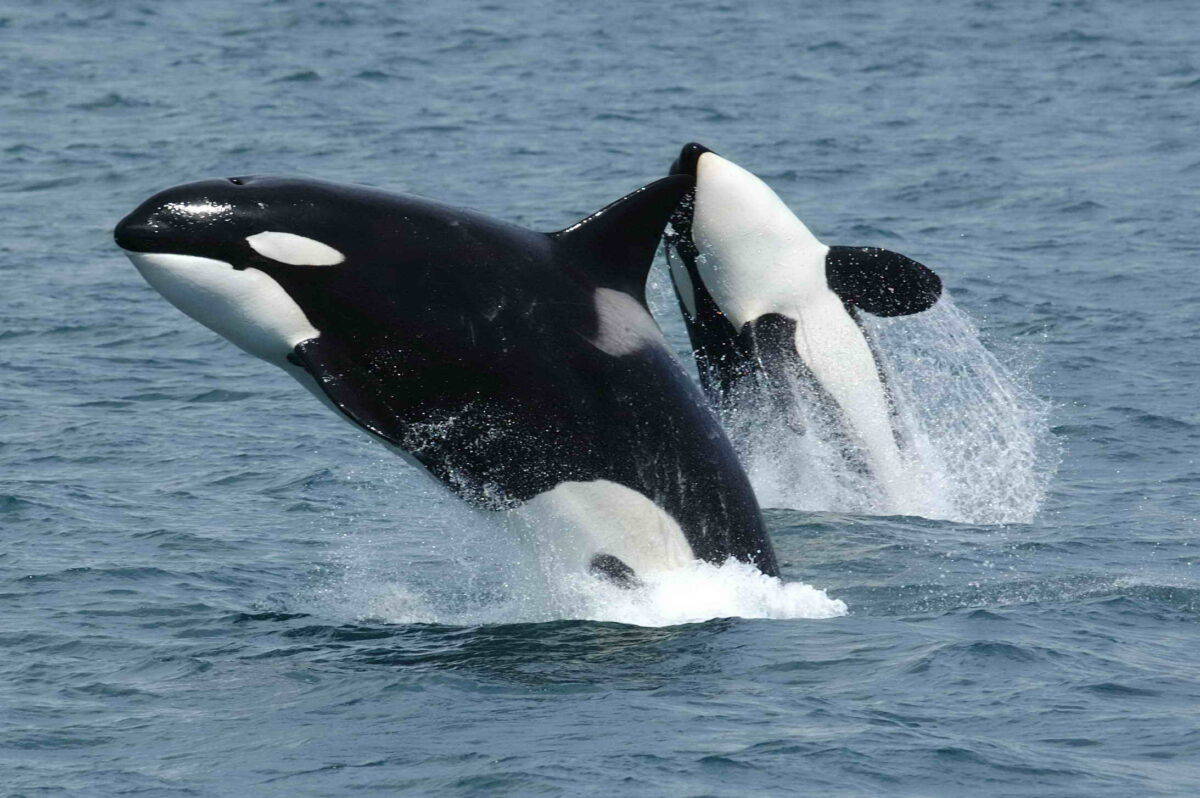
The elaborate educational system developed by orca societies represents one of nature’s most sophisticated knowledge transfer mechanisms. Through years of dedicated teaching, observation, practice, and reinforcement, orca mothers ensure that complex hunting techniques refined over generations continue to sustain their pods. This process goes beyond simple survival skills—it represents the transmission of cultural knowledge specific to each orca population’s ecological niche and historical adaptation. The differences in hunting techniques between populations demonstrate that this knowledge is not simply genetic but learned and culturally preserved.
Scientists studying this phenomenon have gained valuable insights not just about orca behavior but about the nature of non-human culture and teaching. The parallels between orca maternal education and human teaching methods—including graduated learning, intentional demonstration, supervised practice, and independence testing—suggest deeper connections in how advanced social mammals approach knowledge transmission. By understanding and protecting these teaching relationships, we preserve not just orca populations but the irreplaceable cultural knowledge they maintain—knowledge that would take generations to redevelop if lost. In the end, each successful hunt by a young orca represents not just a meal but the culmination of years of careful maternal instruction and the continuation of cultural traditions that may be centuries old.

- Why You Shouldn’t Chase Butterflies With Nets - July 22, 2026
- The Animal Kingdom’s Best Dads Ranked - July 22, 2026
- The Most Vulnerable Fish Species in U.S. Rivers Today - July 22, 2026