

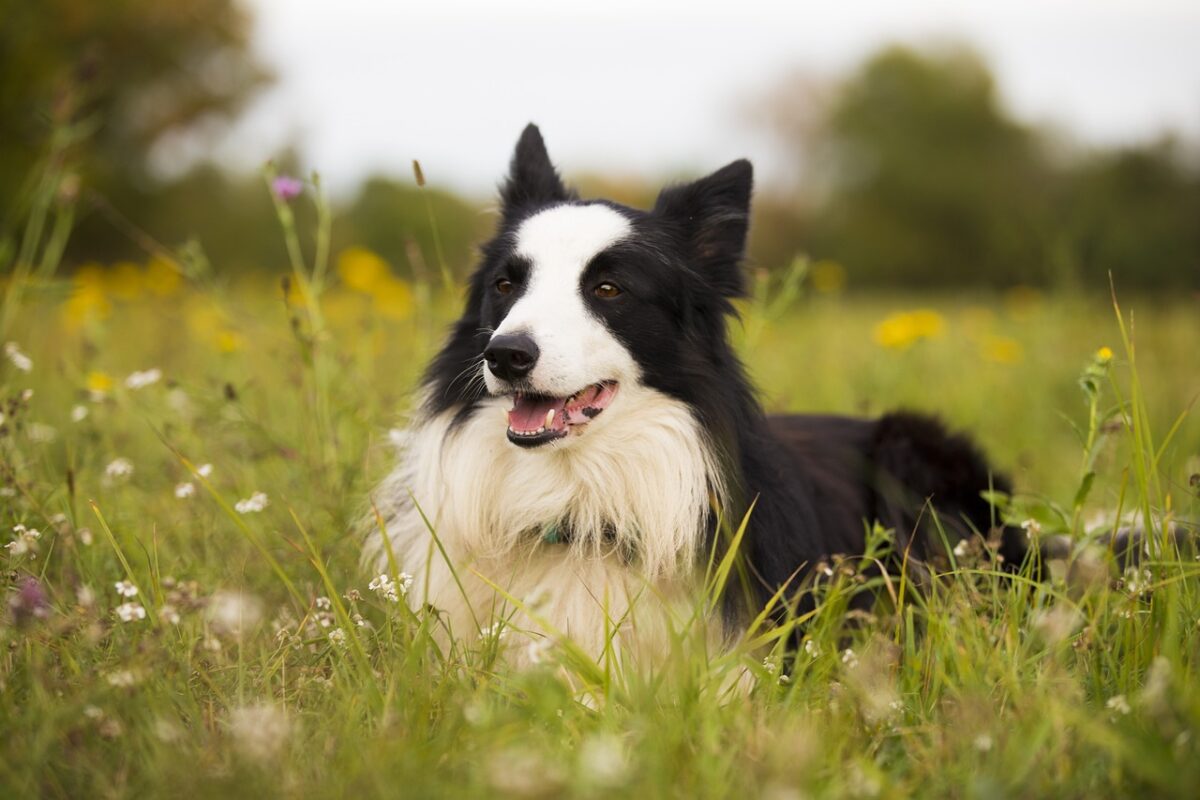
Florida might be called the Sunshine State, but for veterinarians across Miami, Orlando, Tampa, and Jacksonville, there’s a storm brewing — and it has four legs, a wagging tail, and way too much hype. From tiny toy breeds with fragile health issues to giant dogs that can’t handle Florida’s heat and humidity, vets are sounding the alarm: many of the most popular dog breeds in Florida are actually some of the worst suited for the lifestyle here.
Sure, Instagram loves French Bulldogs, Huskies look stunning on South Beach, and Chihuahuas seem like the perfect fit for condo living. But behind the cuteness, Florida vets secretly wish pet parents would think twice before choosing them. Why? Because these breeds are prone to serious health problems, sky-high vet bills, and heartbreaking stress when matched with the wrong climate or lifestyle. Check out this list of 35 dog breeds Florida vets wish you’d stop choosing. The truth is both heartbreaking and preventable, but most pet owners never hear about it until it’s too late.
#35 French Bulldogs and Their Breathing Nightmares
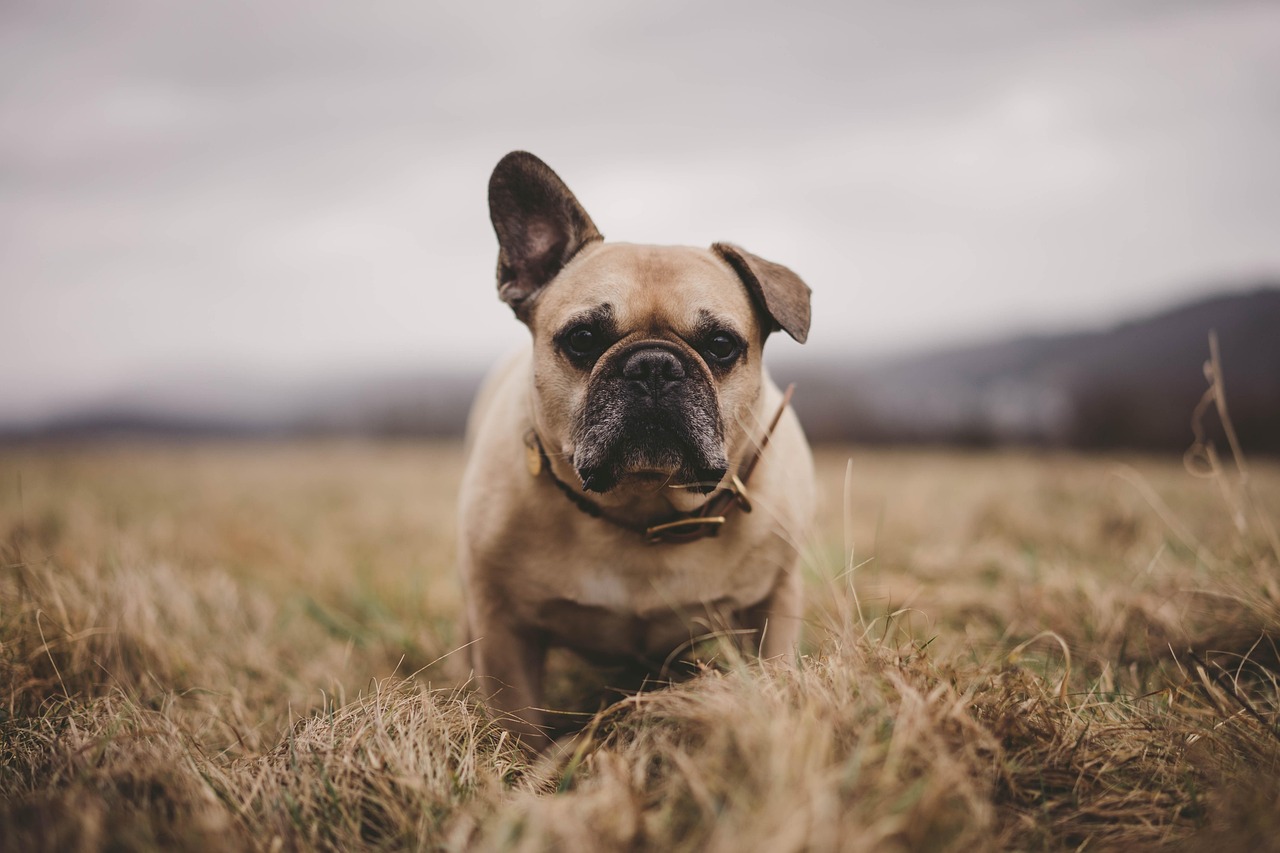
French Bulldogs suffer from brachycephalic airway syndrome due to their shortened skull structure, causing breathing difficulties that worsen in hot or humid weather. Florida’s tropical climate creates a perfect storm for these flat-faced dogs. Their narrow nostrils and abnormal windpipes mean every breath is a struggle, especially during the state’s scorching summers.
Emergency visits spike during heat waves when Frenchies collapse from respiratory distress. Many of these dogs struggle with exercise and have ongoing breathing difficulties. What looks adorable to humans often translates to a lifetime of medical interventions and expensive surgeries just to help these dogs breathe normally.
#34 German Shepherds and Their Joint Destruction

German Shepherds are susceptible to hip and elbow dysplasia, degenerative myelopathy affecting the spinal cord, and bloat which can be life-threatening. These working dogs pay a heavy price for their impressive stature. Hip dysplasia alone can cost thousands in surgical corrections, while degenerative myelopathy eventually leads to paralysis.
The popularity of German Shepherds has led to overbreeding, magnifying genetic problems. Overbreeding has led to genetic issues in many of these pups. Florida vets see countless young German Shepherds already showing signs of joint problems before they’ve even reached their second birthday.
#33 Golden Retrievers and the Cancer Epidemic
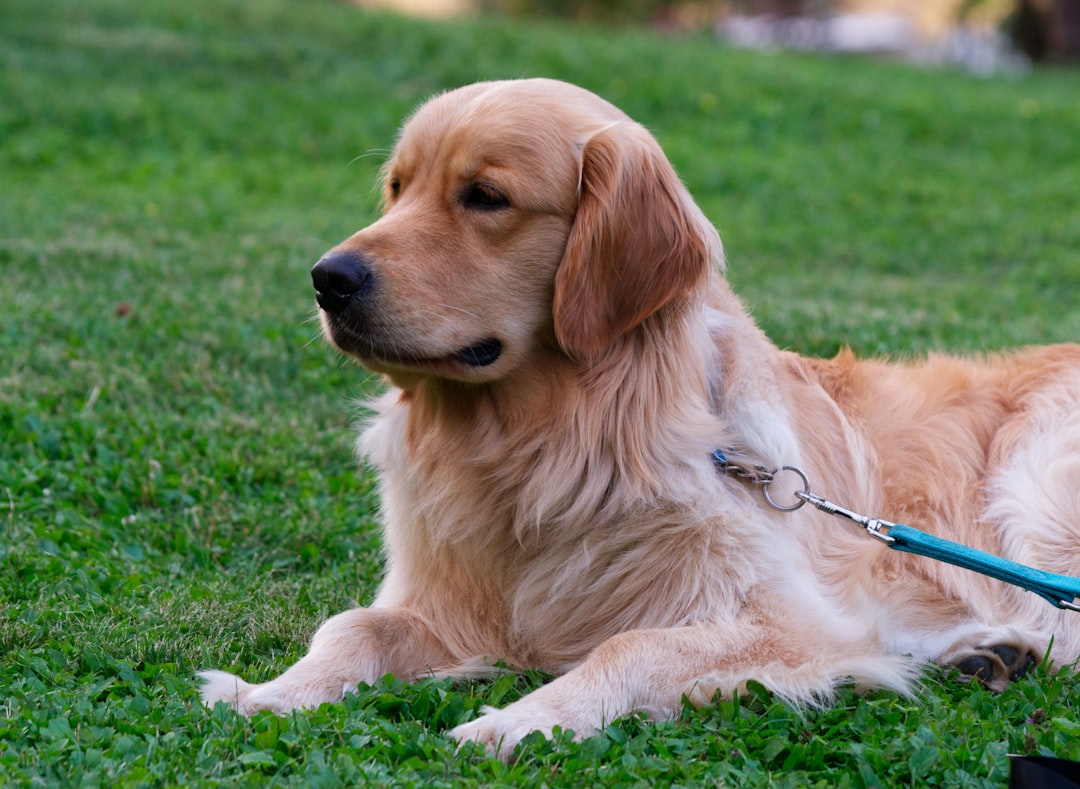
Golden Retrievers are particularly prone to cancer, especially hemangiosarcoma, which is unfortunately common in the breed. The statistics are staggering – Golden Retrievers are incredibly likely to develop cancer. This isn’t just an inconvenience; it’s often a death sentence that comes with crushing emotional and financial costs.
Beyond cancer, these beloved family dogs also battle constant skin allergies. Instead of sneezing when allergic, they tend to get itchy skin, and frequent licking, scratching, and chewing can lead to hot spots. Florida’s year-round allergens make this condition particularly severe in the Sunshine State.
#32 Pugs and Their Protruding Eye Disasters
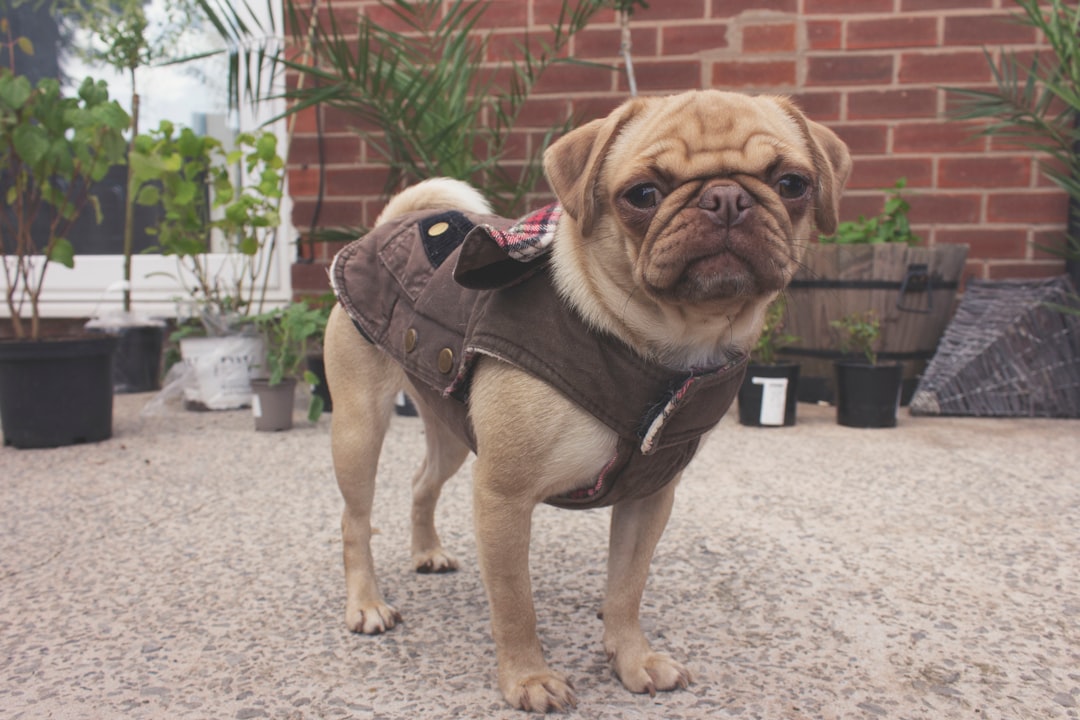
With their squashed faces and bulgy eyes, pugs are at risk for eye problems, with the most serious being an eye popping out of its socket. This horrifying emergency can happen from something as simple as rough play or a minor accident. Pugs’ bulging eyes can actually “pop” out, making it hard for them to blink and keep their eyes moisturized.
The breathing problems mirror those of French Bulldogs, creating double the suffering. Their flat faces combined with Florida’s humidity creates a dangerous combination that sends these dogs to emergency rooms regularly throughout the summer months.
#31 Labrador Retrievers and Their Food Obsession Problems
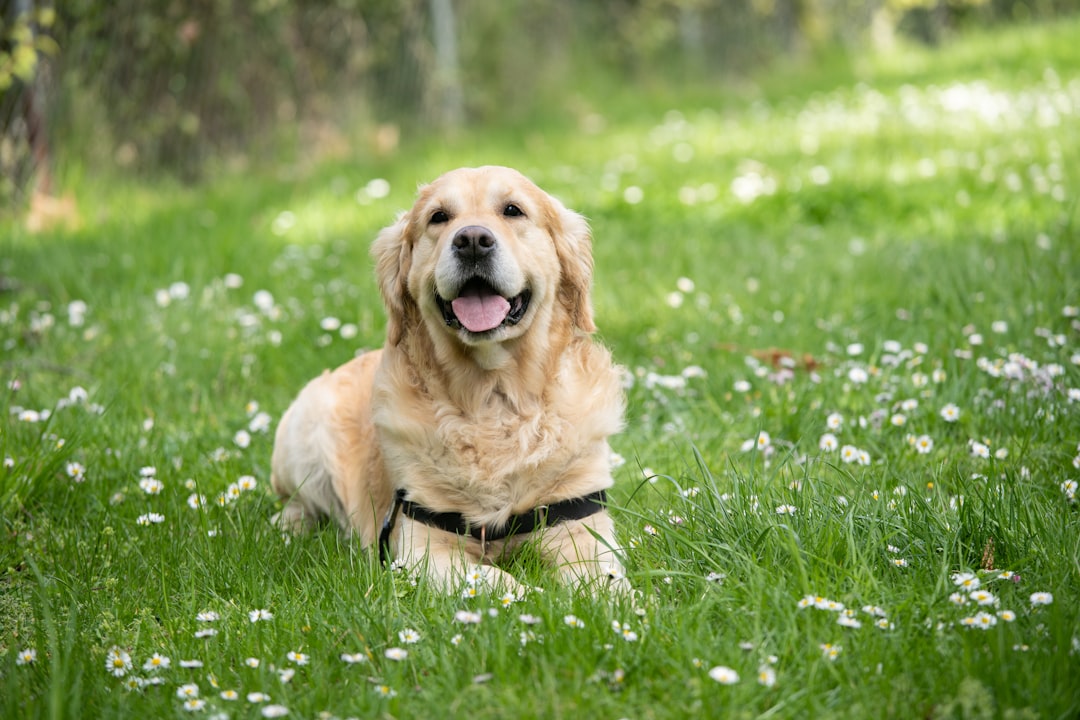
Any dog can become overweight, but labs are especially prone to it, and just like with people, obesity is linked to health problems in dogs. Their insatiable appetites combined with joint issues create a vicious cycle. Overweight Labs develop more severe hip and elbow problems, which limits their exercise, leading to more weight gain.
Florida’s outdoor lifestyle might seem perfect for Labs, but many owners underestimate their exercise needs. Labs need vigorous daily exercise. Without proper activity, these dogs become destructive and develop behavioral problems that often land them in shelters.
#30 Bulldogs and Their Surgical Dependency
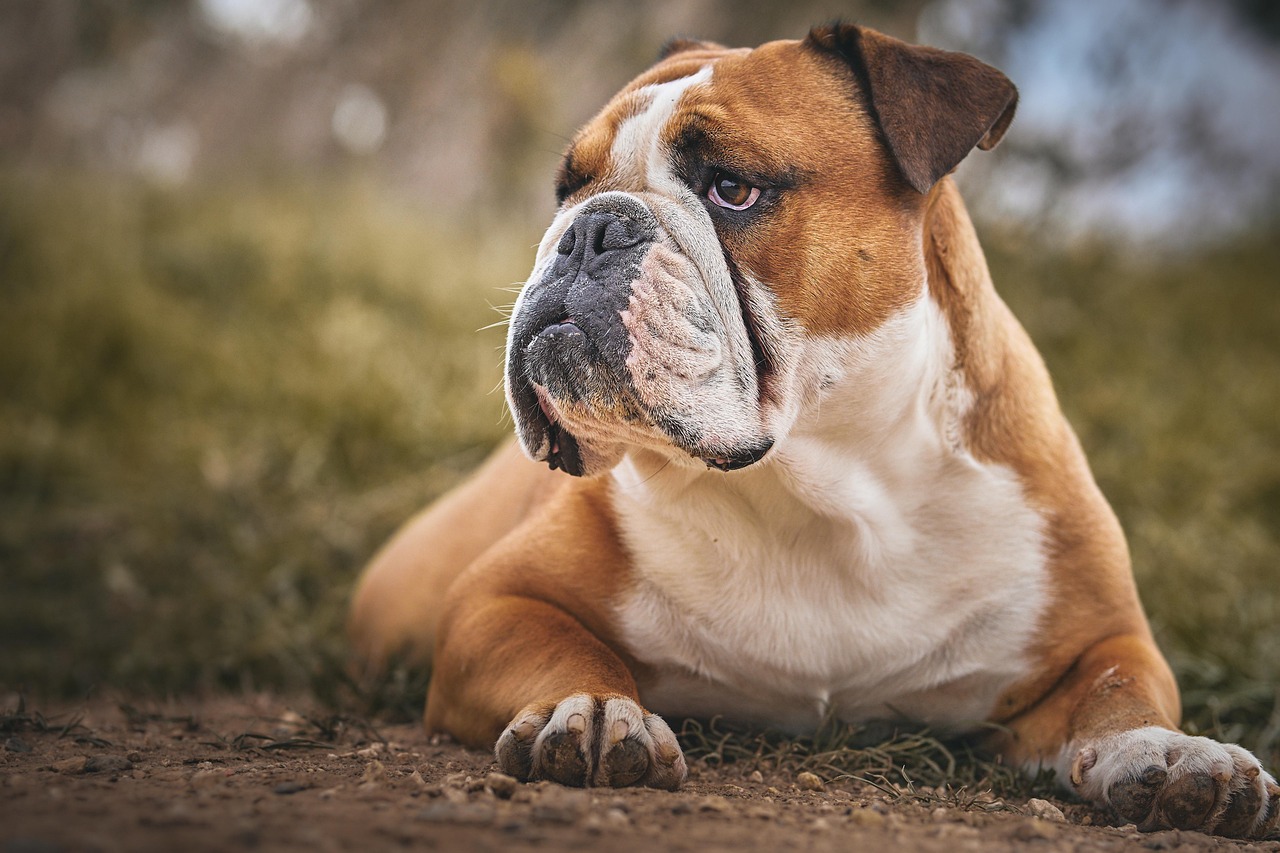
Breeding has resulted in many genetic health problems for Bulldogs, with respiratory issues being most common due to their selectively bred shorter snouts. Many Bulldogs require expensive airway surgery just to breathe properly. In some cases, surgery is required to open up the airways and allow the dogs to breathe easier.
Even reproduction is problematic. The body shape of Bulldogs makes natural labor difficult, with most puppies having to be removed via caesarean section. This breed essentially cannot survive without constant human medical intervention, making them a financial burden from birth to death.
#29 Rottweilers and Their Bone Disorders
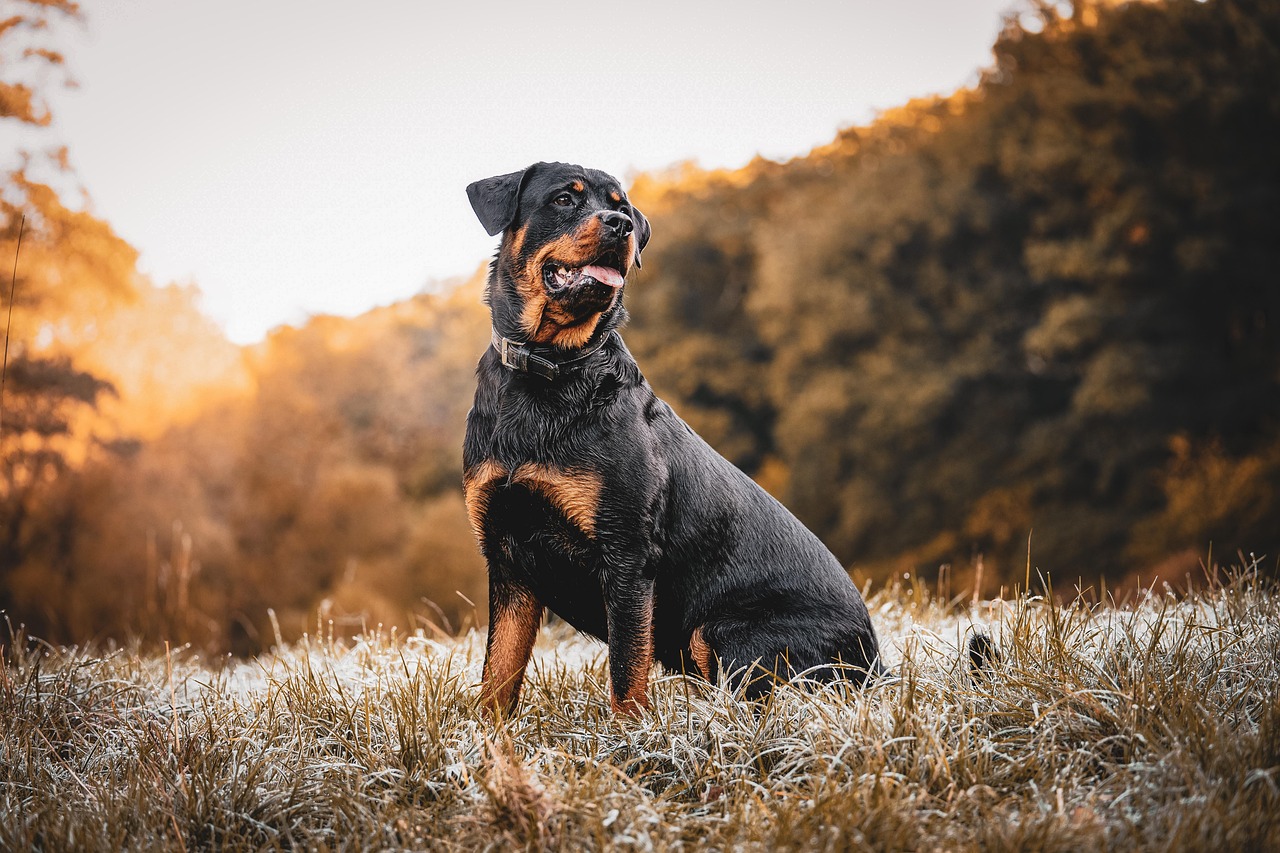
Rottweiler puppies are susceptible to osteochondrosis, a bone disorder that causes weakness in the bones as they age. This condition, combined with their susceptibility to various joint problems, means these powerful dogs often become mobility-limited at relatively young ages.
Large breeds like the Rottweiler are at risk for hip dysplasia, elbow dysplasia, arthritis, and osteochondrosis dissecans. The very traits that make Rottweilers impressive – their size and strength – also predispose them to painful skeletal problems that require lifelong management.
#28 Beagles and Their Seizure Susceptibility

Epilepsy, a brain disorder that causes seizures, seems to be more common in beagles than in other dog breeds. Epileptic dogs will usually have their first seizure between 6 months and 3 years old. Watching a beloved pet have a seizure is traumatic for families, especially when it becomes a regular occurrence.
The unpredictable nature of epilepsy means Beagle owners live in constant anxiety. Emergency vet visits during severe seizures can cost hundreds of dollars each time, and the daily medication costs add up quickly over the dog’s lifetime.
#27 Shih Tzus and Their Kneecap Nightmares

Wobbly kneecaps, or patellar luxation, are extremely common in toy breeds like shih tzus, with the kneecap occasionally popping out of place, causing the dog to hobble, skip a step, or limp. This painful condition often requires surgical correction to prevent arthritis and permanent lameness.
Shih Tzus are prone to luxating patellas and may suffer from brachycephalic airway syndrome, causing breathing difficulties in hot or humid weather. Florida’s climate compounds their existing health problems, making these small dogs particularly unsuited to the state’s environment.
#26 Doberman Pinschers and Their Silent Heart Killers
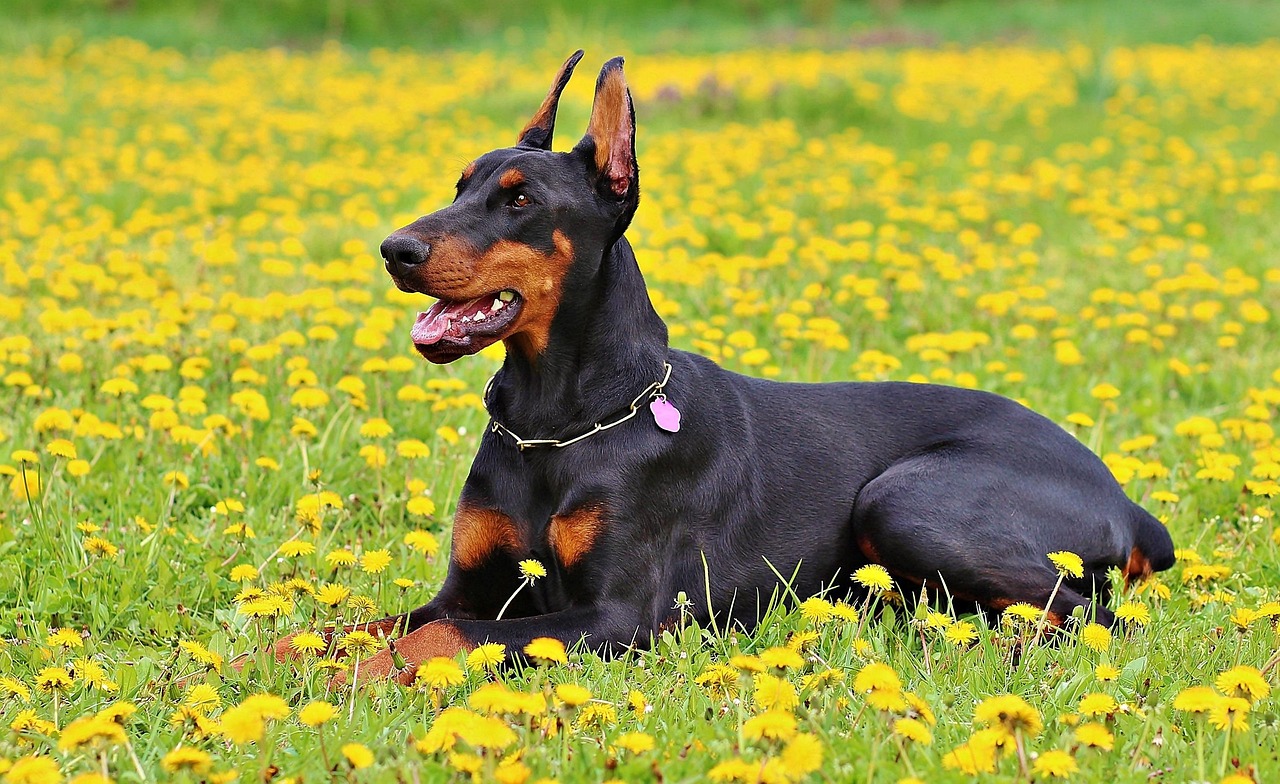
Dilated cardiomyopathy (DCM) is a serious heart condition in which the heart’s chambers are stretched out and don’t pump blood effectively, with owners often not realizing something is wrong until their dog collapses. This devastating condition can strike seemingly healthy Dobermans without warning.
Because DCM is so common in Dobermans, many vets suggest annual screenings, though medications can regulate heart rhythm and improve the heart’s ability to pump, but there is no cure. The emotional trauma of sudden cardiac death in these loyal companions is something no family should endure.
#25 Cocker Spaniels and Their Chronic Ear Infections

Dogs like cocker spaniels with floppy, furry ears are prone to frequent ear infections. Florida’s humid climate creates perfect breeding conditions for bacteria and yeast in those long, floppy ears. What starts as a simple ear infection can escalate to painful, chronic conditions requiring constant veterinary care.
Cocker Spaniels can have bone diseases, heart issues like cardiomyopathy, and vision problems including progressive retinal atrophy, cataracts, and glaucoma. These dogs face a constellation of health problems that make their golden years anything but golden.
#24 Yorkshire Terriers and Their Liver Defects

Portosystemic shunt (PSS) is a blood vessel birth defect common in small breeds like the Yorkie, where the portal vein bypasses the liver and toxins aren’t removed. This potentially fatal condition requires expensive diagnostic testing and often complex surgical correction.
PSS may cause poor growth, vomiting, confusion, and seizures, though most of the time it can be corrected with surgery and the dog will go on to live a normal, healthy life. However, the financial and emotional stress of dealing with a critically ill puppy takes a heavy toll on families.
#23 Poodles and Their Blinding Eye Diseases
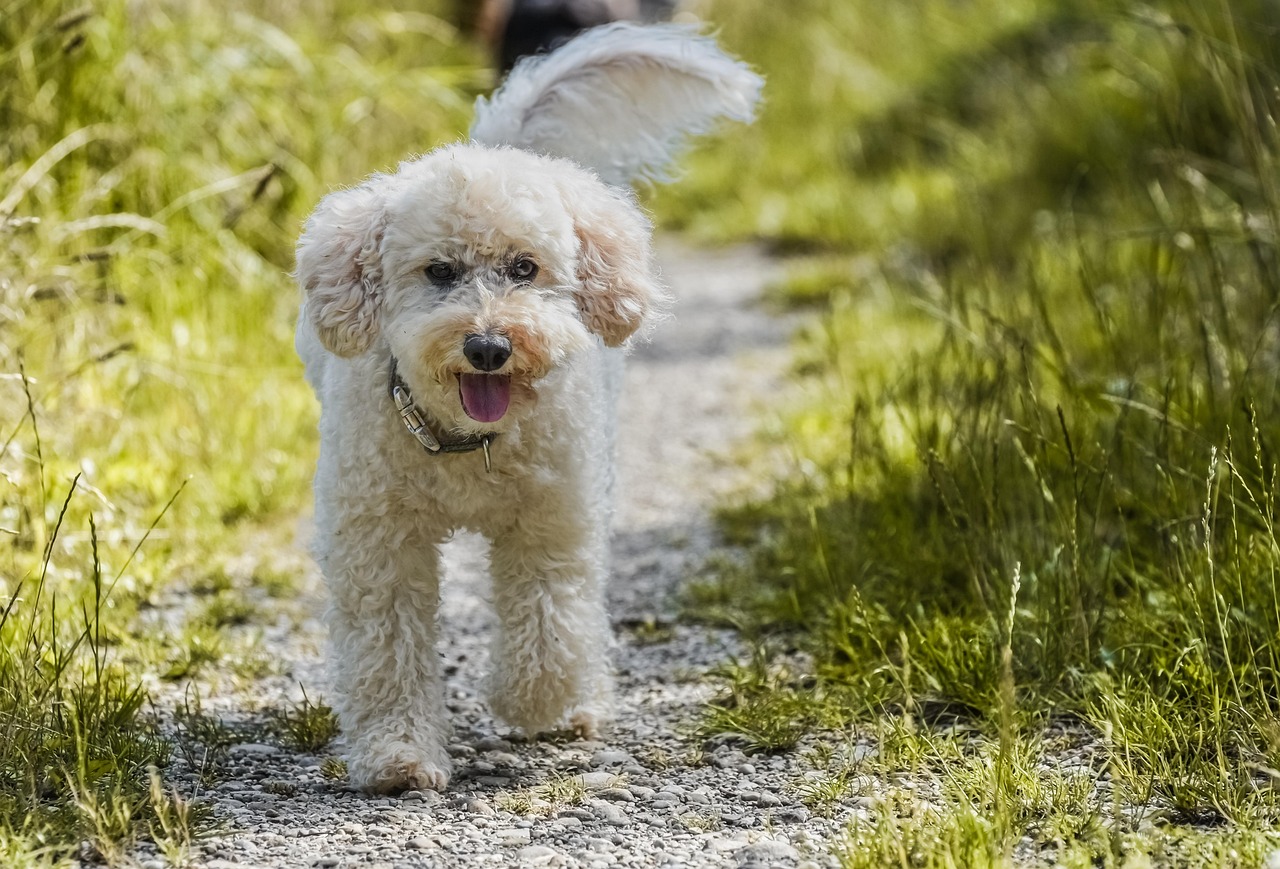
Poodles are one of a handful of breeds at increased risk for glaucoma, a buildup of fluid in the eye which causes pressure, pain, and eventually blindness. This progressive condition often goes unnoticed until significant damage has occurred, leaving owners devastated when they realize their dog’s vision is permanently compromised.
Poodle breeds may experience vision problems ranging from cataracts to total blindness, and often have joint problems, especially as they age. The irony is that these intelligent, trainable dogs become increasingly difficult to manage as their senses fail.
#22 Great Danes and Their Twisted Stomach Emergencies
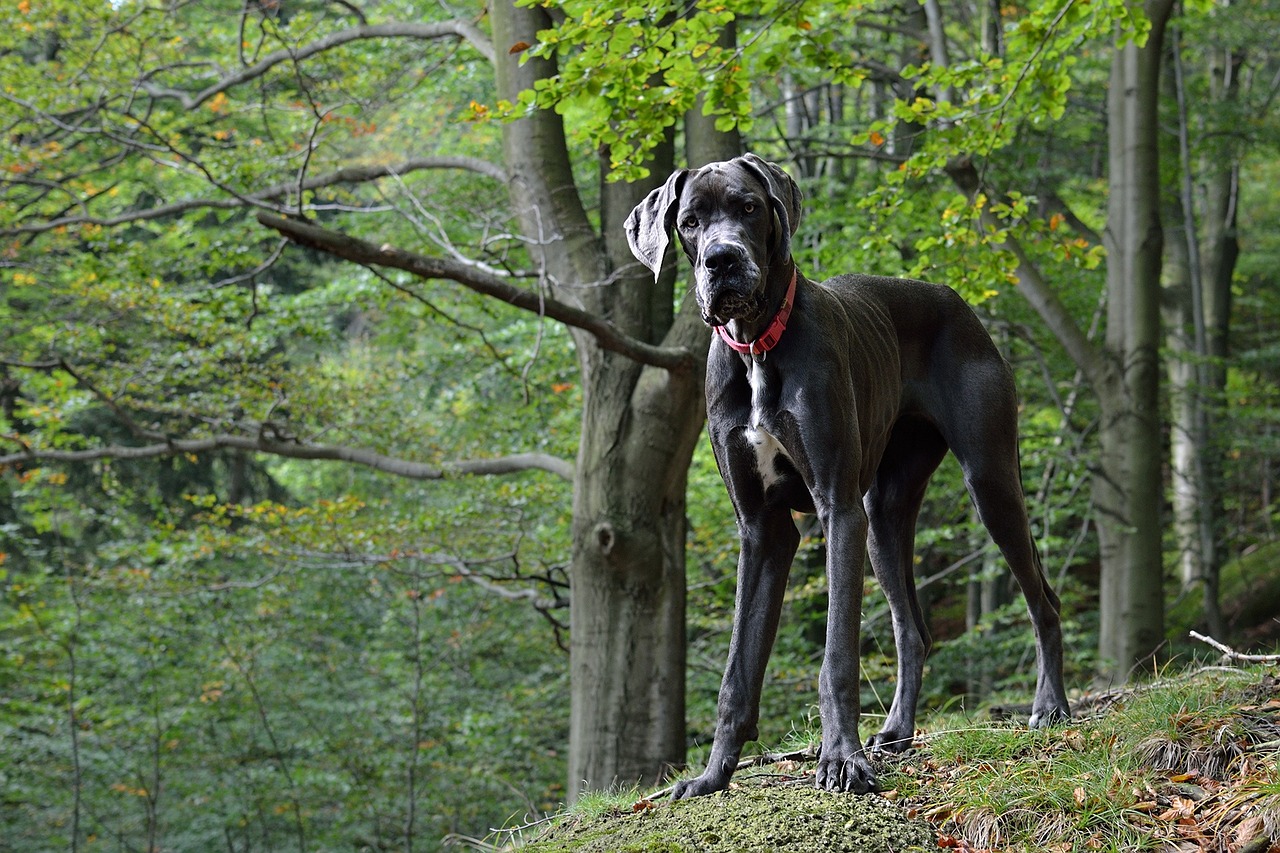
One of the most critical conditions for Great Danes is gastric dilatation-volvulus (GDV), or bloat, a life-threatening condition where the stomach twists and requires immediate emergency care. This emergency can kill a dog within hours, often striking without warning during routine activities.
Great Danes are also susceptible to Wobbler syndrome, a neurological condition affecting the spine, and joint problems like hip and elbow dysplasia that lead to pain and reduced mobility. Their gentle giant nature masks the reality that these dogs are walking medical emergencies waiting to happen.
#21 Chihuahuas and Their Fragility Crisis

Smaller breeds like Chihuahuas are at risk for physical injury from falls or rough play. Their tiny bones break easily, and what might be minor roughhousing for other dogs can result in fractures requiring expensive orthopedic surgery. Florida’s active lifestyle with children and larger pets creates constant hazards for these fragile dogs.
Their small size also predisposes them to hypoglycemia, dental overcrowding, and luxating patella. The veterinary bills for these tiny dogs often exceed those of much larger breeds due to the complexity of treating such delicate patients.
#20 Saint Bernards and Their Shortened Lifespans
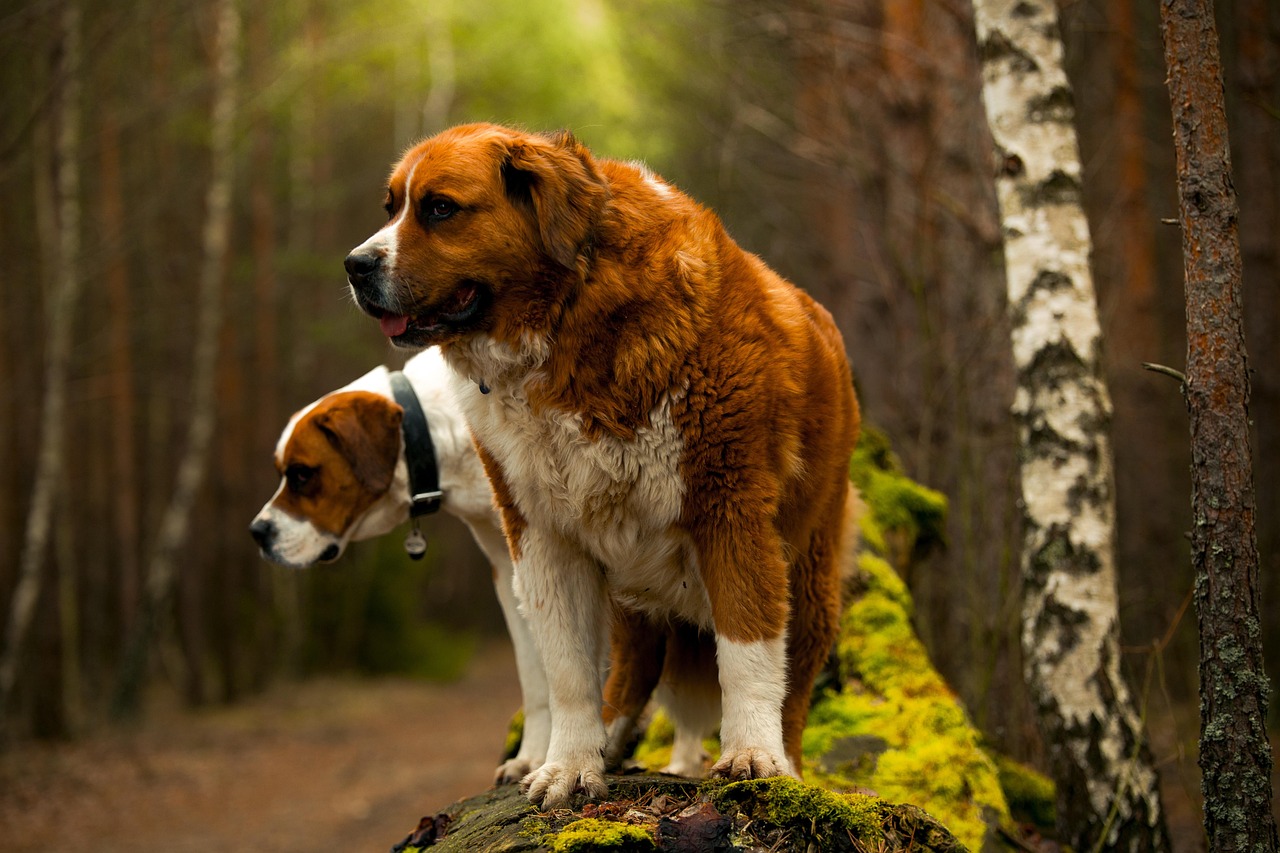
Saint Bernard dogs have a shorter average lifespan than other dog breeds of similar size, less than 10 years, with abnormal heart muscles known as cardiomyopathy potentially being fatal. Families fall in love with these gentle giants, only to face heartbreak within a handful of years.
They may develop hip and elbow dysplasia as they age and are at higher risk for bone cancer. The combination of joint problems and cancer risk means these dogs often spend their final years in pain despite aggressive medical management.
#19 Chow Chows and Their Mobility Limitations
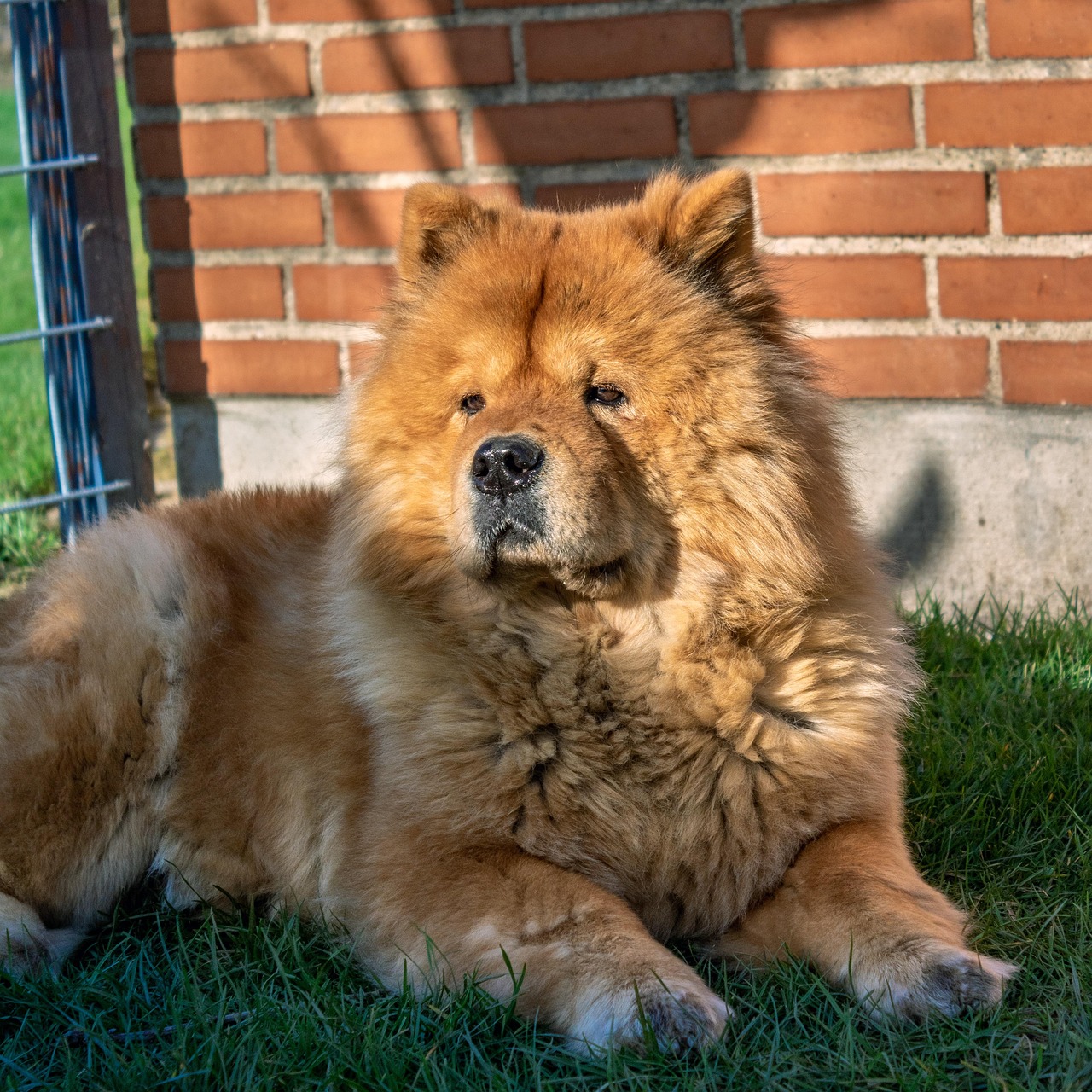
Hip and elbow dysplasia are both likely in Chow Chows, each of which can cause limited mobility, and they may also have respiratory disorders. Their thick coats combined with joint problems make Florida’s climate particularly challenging for these dogs.
If their throat is not wide enough, they may snore when they sleep or cough when awake. The combination of breathing difficulties and joint problems creates a double burden that significantly impacts their quality of life in Florida’s warm, humid environment.
#18 Basset Hounds and Their Bloat Risk
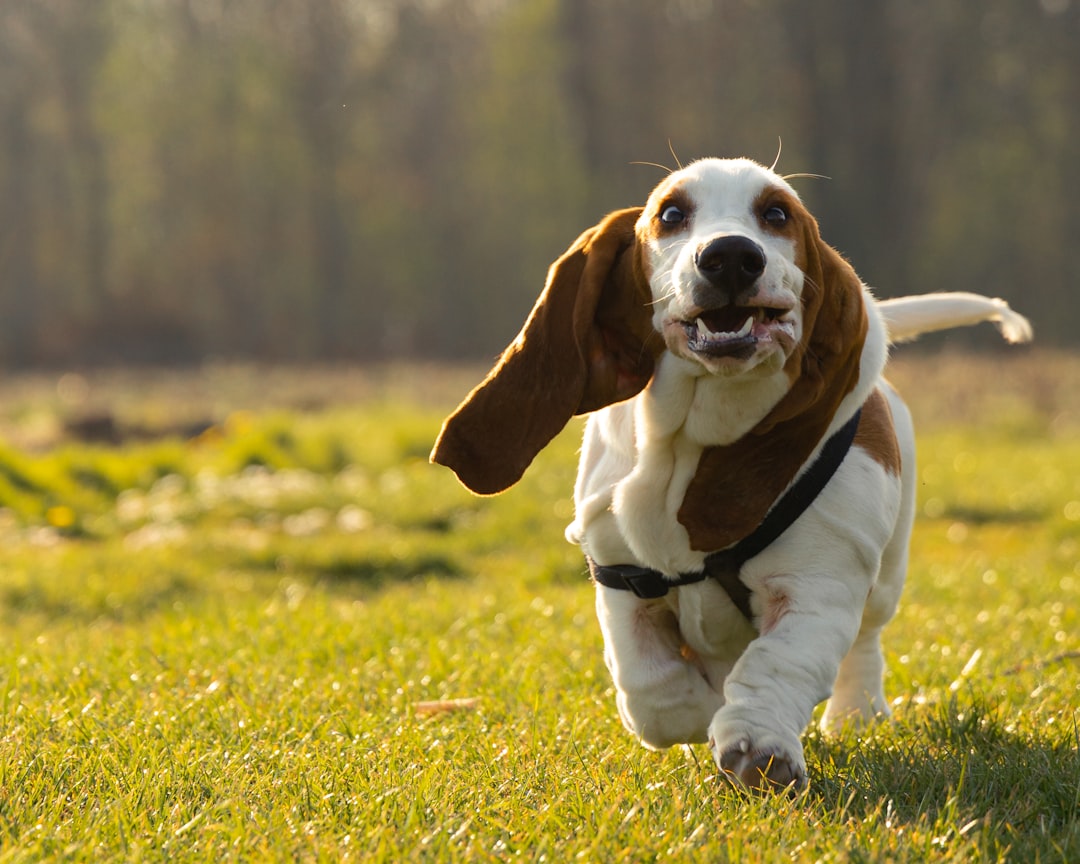
Due to the unusual proportions of Basset Hounds, they often experience bloat, a condition where the stomach cannot pass air, food, and water through the digestive system. Their long bodies and deep chests create the perfect anatomy for this life-threatening emergency.
This can lead to discomfort for the dog and fatally harm the surrounding organs as pressure builds. Basset Hound owners must constantly monitor eating habits and exercise timing to prevent this potentially fatal condition.
#17 Cavalier King Charles Spaniels and Their Heart Tragedies
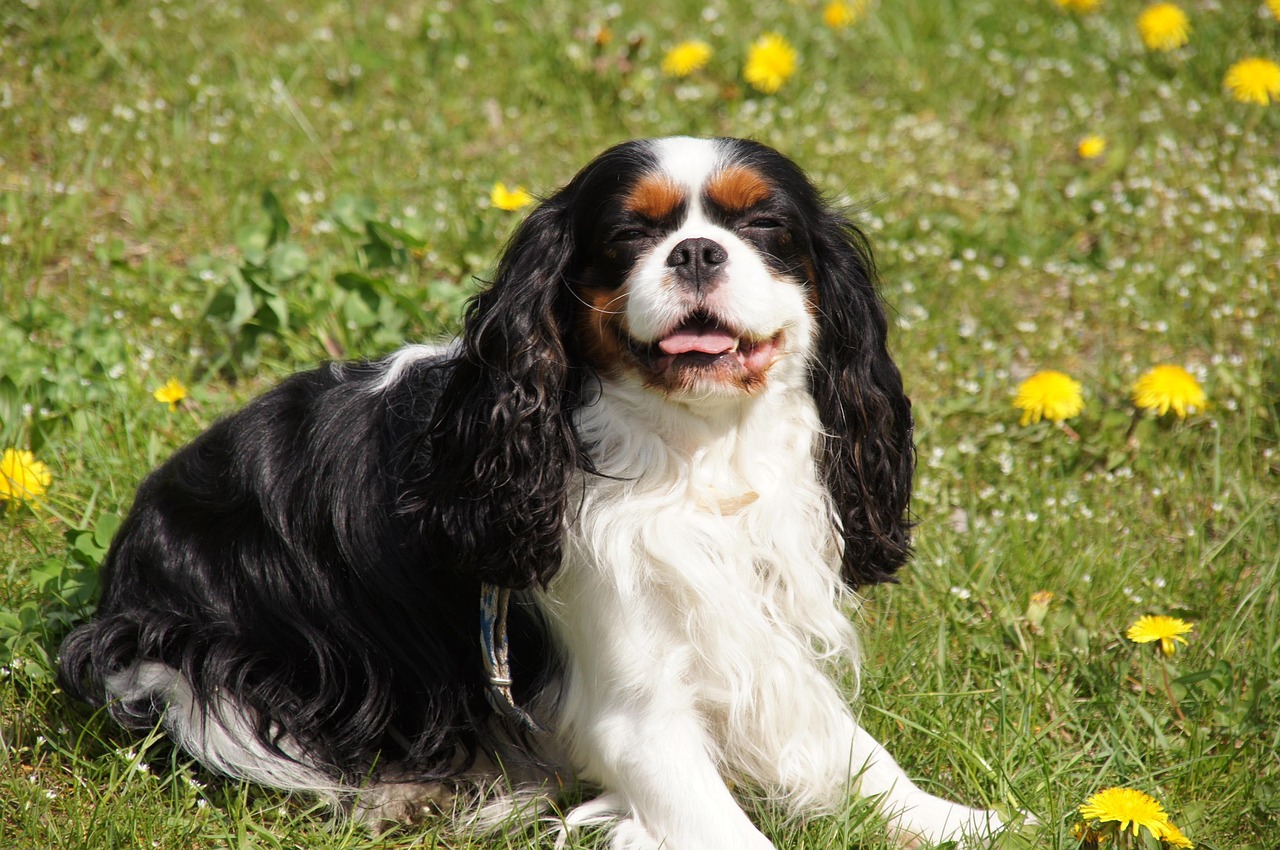
Cavalier King Charles Spaniels are prone to mitral valve disease, a heart condition that can lead to heart murmurs and, over time, heart failure if not managed properly. This breed’s beautiful, gentle nature masks a genetic predisposition to devastating heart problems.
Syringomyelia, a serious neurological condition caused by fluid-filled cavities in the spinal cord, can lead to pain and sensitivity, particularly around the neck and head. The combination of heart and neurological problems creates a perfect storm of suffering for these beloved companion dogs.
#16 Border Collies and Their Hip Deterioration
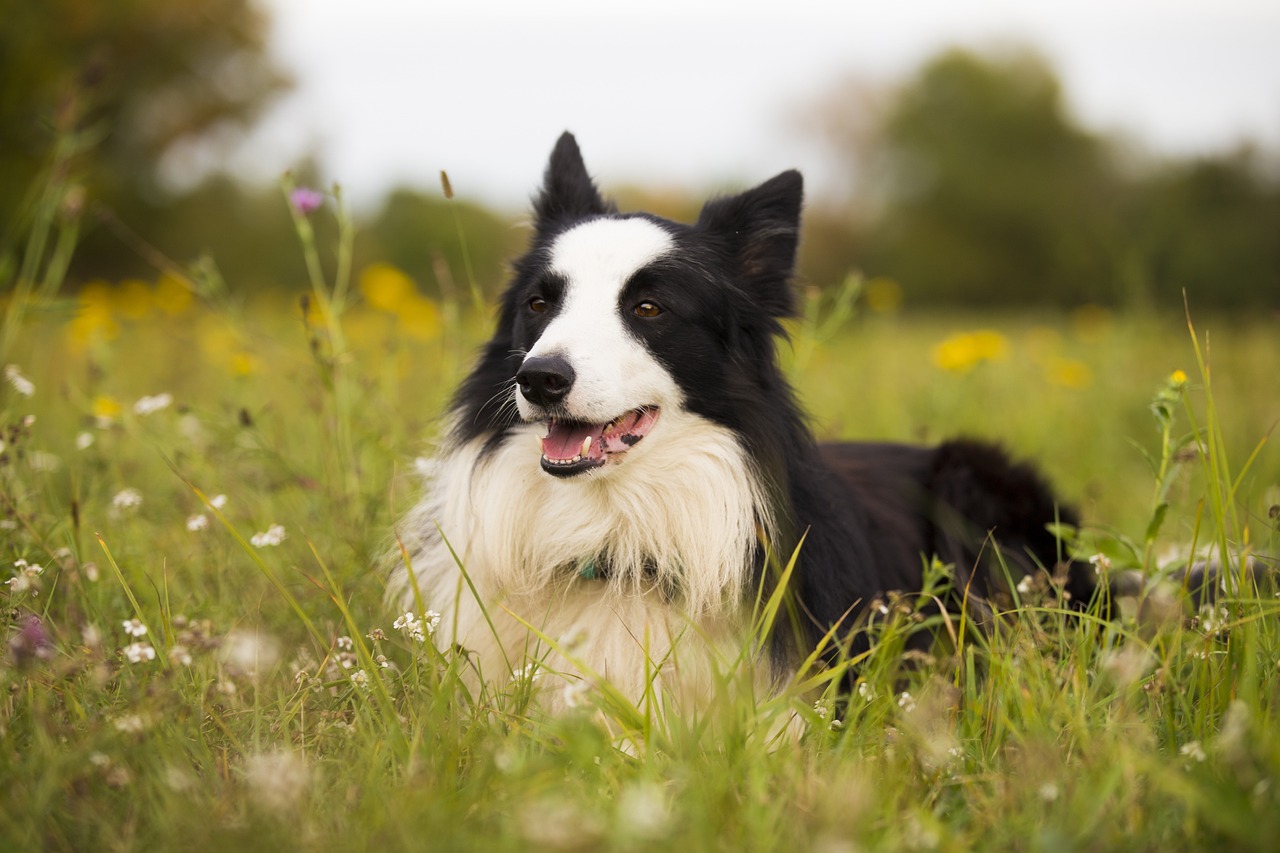
Border Collies may encounter health problems such as hip dysplasia and epilepsy, with regular exercise and maintaining a healthy weight being crucial for this breed. Ironically, the very activity level that makes these dogs appealing can accelerate joint deterioration when hip dysplasia is present.
Additionally, epilepsy can be managed with medication under the guidance of a veterinarian. However, the unpredictable nature of seizures in these highly intelligent, working dogs creates management challenges that many families aren’t prepared to handle.
#15 Dachshunds and Their Back-Breaking Problems

Dachshunds are prone to dental problems due to their small mouths and crowded teeth, requiring regular teeth brushing, dental chews, and professional cleanings. Their elongated spine combined with short legs creates a recipe for intervertebral disc disease that can lead to paralysis.
Dachshunds may be susceptible to eye problems like progressive retinal atrophy and cataracts, with regular veterinary check-ups and early detection helping manage these conditions. The breed’s unique body shape makes them prone to multiple serious health conditions that require lifelong management.
#14 Maltese and Their Shaking Disorders

Though Maltese do not have many health problems, they are often plagued by little white shaker syndrome, an inflammation of the cerebellum which causes shaking bad enough that the dog cannot walk. This terrifying condition can strike without warning, leaving owners helpless as their dog loses motor control.
The condition is seen in dogs that have a white color coat. The unpredictable nature of this neurological disorder makes it particularly distressing for families who may wake up to find their previously healthy dog unable to stand or walk properly.
#13 Shetland Sheepdogs and Their Eye Anomalies
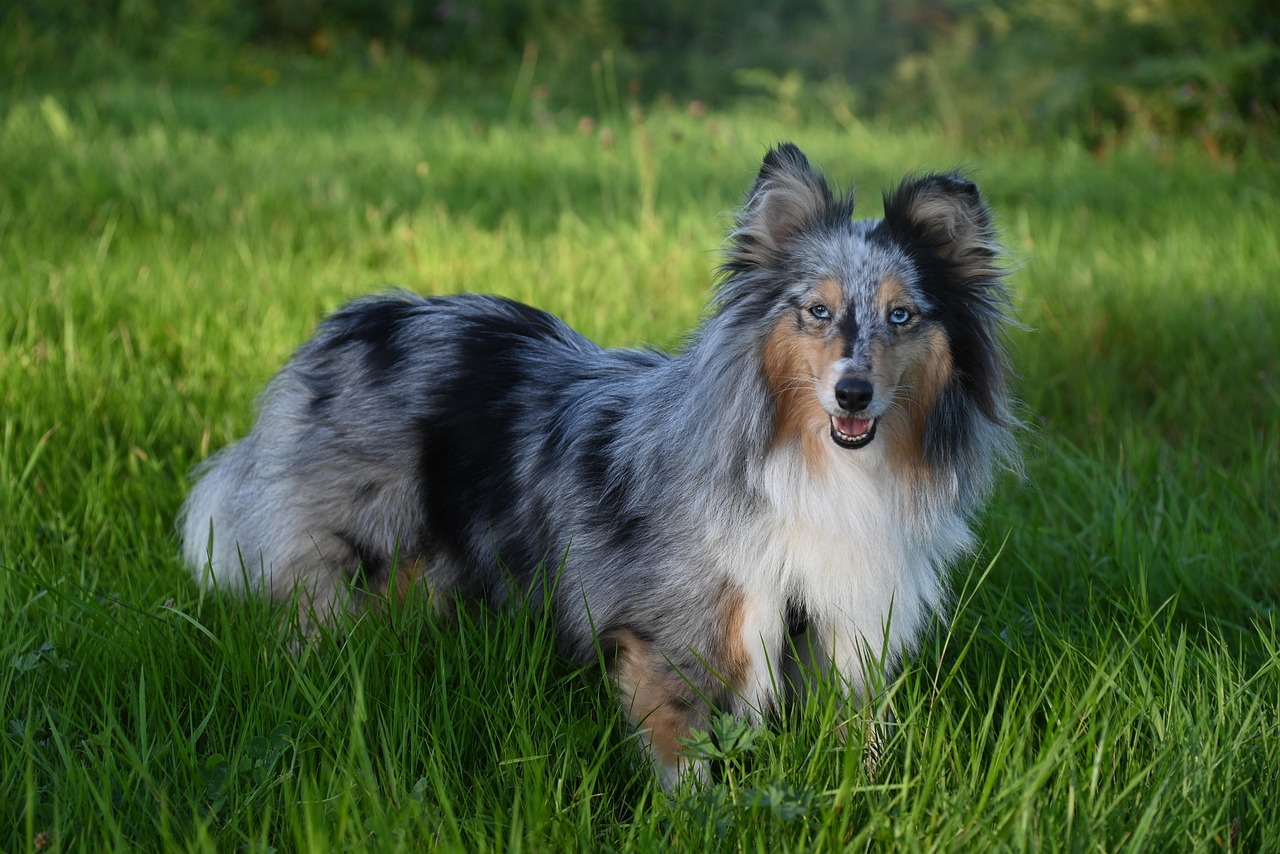
Shetland sheepdogs are affected by a group of eye problems called collie eye anomaly, which affects the retina and optic nerve. This genetic condition can range from mild vision impairment to complete blindness, making it impossible to predict the severity until the dog matures.
On a lesser note, they are also prone to develop dermatomyositis or Sheltie Skin Syndrome. The combination of potential blindness and chronic skin conditions creates ongoing medical expenses that many families don’t anticipate when choosing this breed.
#12 Boston Terriers and Their Breathing Struggles
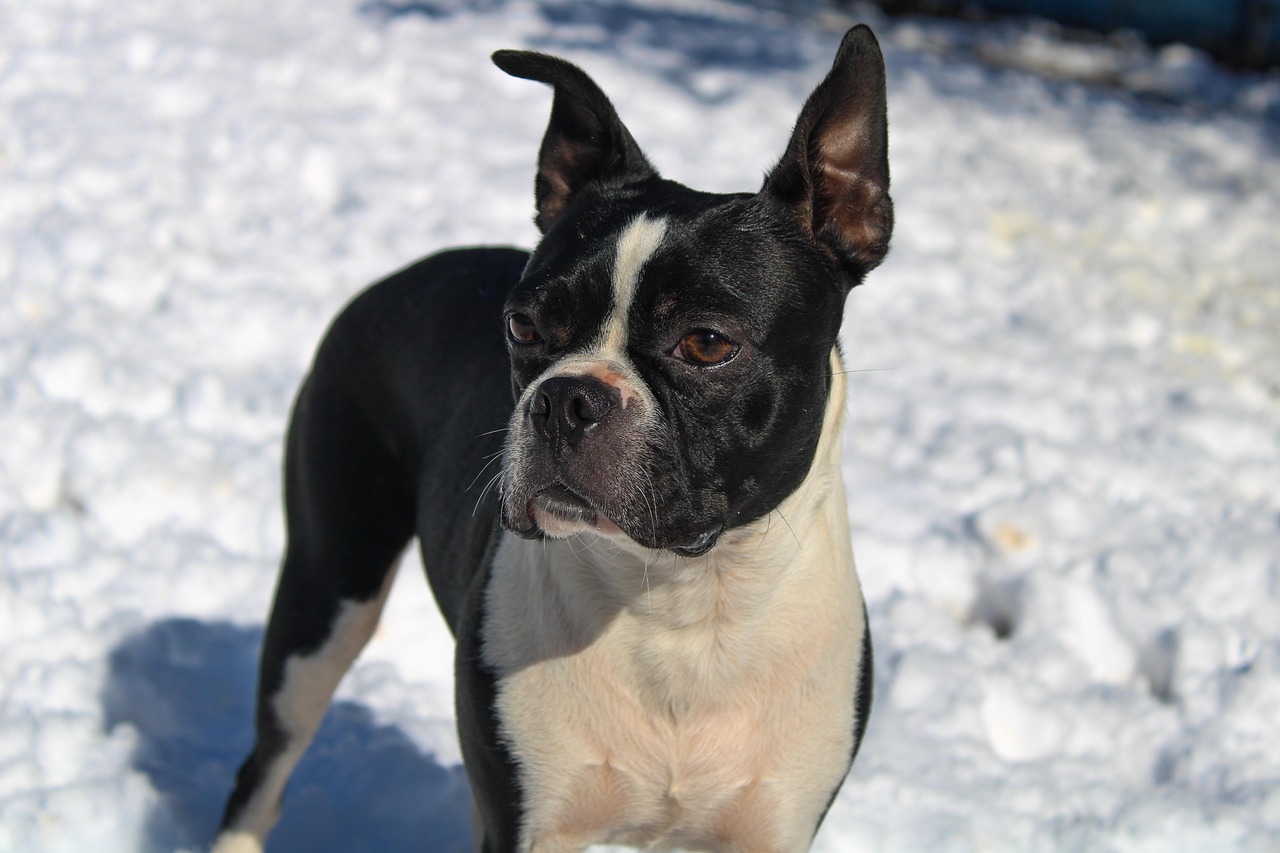
Boston Terriers are affectionate and lively dogs, but as a brachycephalic breed, they often experience brachycephalic airway syndrome, which can cause breathing difficulties, especially in hot weather or during exercise. Florida’s year-round warmth makes these dogs particularly unsuitable for the state’s climate.
Like other flat-faced breeds, Boston Terriers face the same respiratory challenges that plague French Bulldogs and Pugs. Their exercise intolerance and heat sensitivity severely limit their ability to enjoy Florida’s outdoor lifestyle, confining them to air-conditioned environments for much of the year.
#11 Dalmatians and Their Bladder Stone Factories
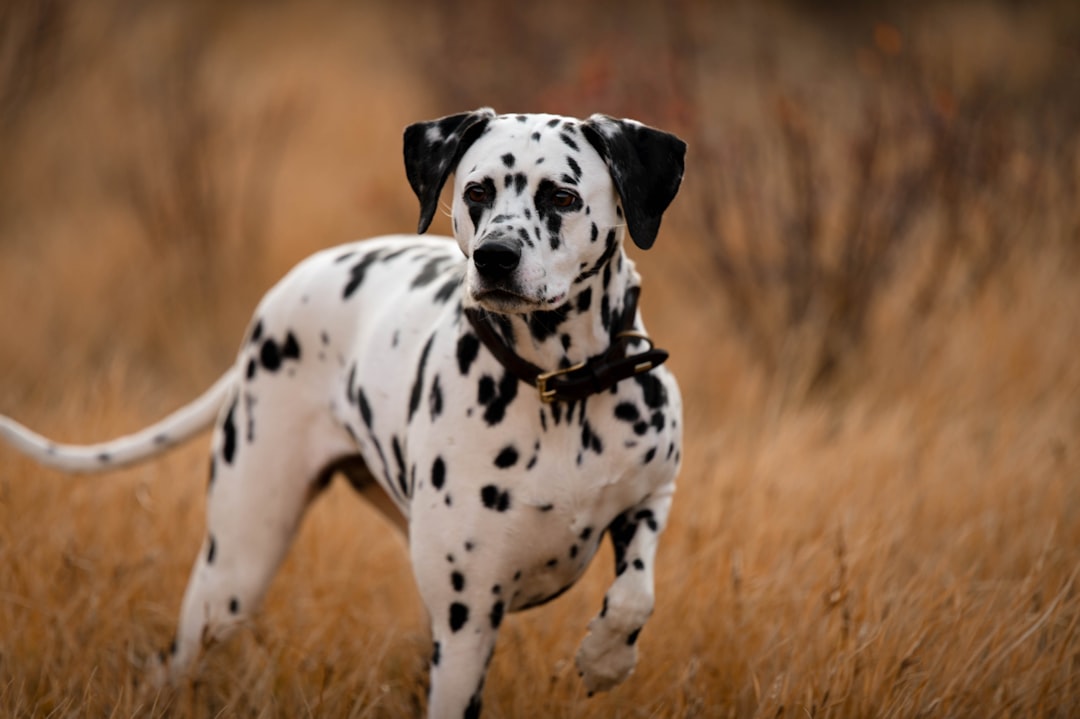
Dalmatians are prone to bladder stones which can develop due to a genetic tendency to process uric acid differently, making proper hydration and diet especially important. This unique metabolic quirk means these dogs are constantly at risk for painful urinary blockages that require emergency surgery.
Deafness is also relatively common in Dalmatians, with some dogs being born completely or partially deaf. The combination of hearing impairment and chronic urinary problems creates management challenges that extend far beyond typical pet ownership responsibilities.
#10 Bernese Mountain Dogs and Their Cancer Curse
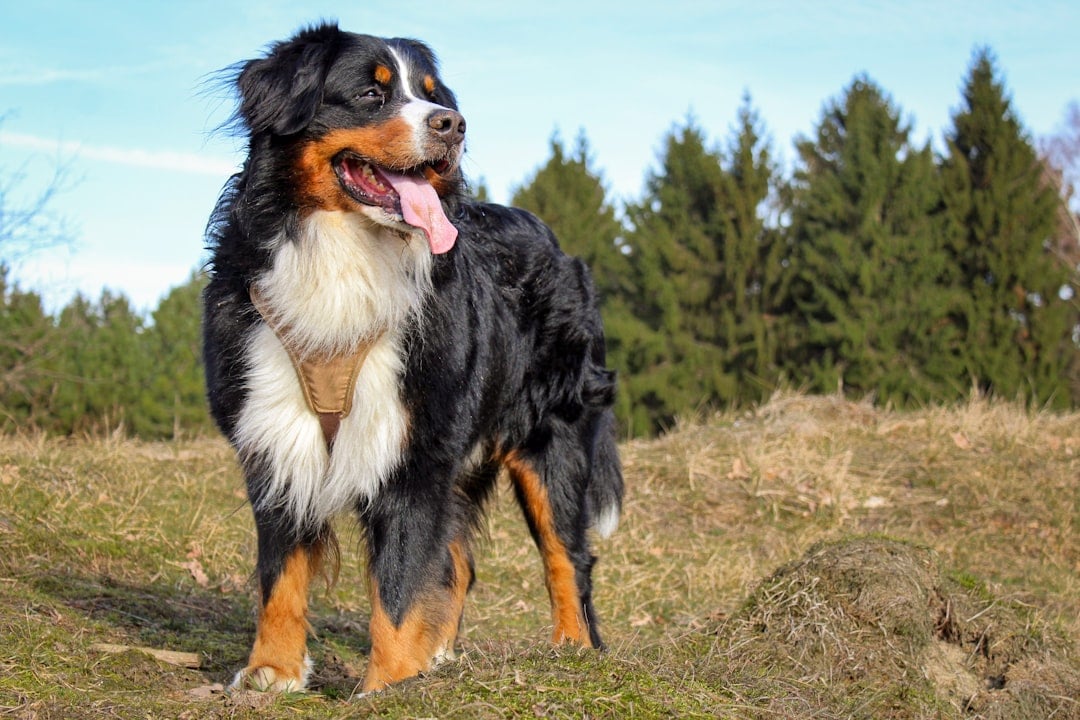
Bernese Mountain Dogs are known for their gentle temperament and striking appearance, but they are also prone to several serious health concerns. These beautiful dogs have one of the highest cancer rates among all breeds, with many developing aggressive forms that resist treatment.
Their large size also predisposes them to the same joint problems affecting other giant breeds, but their cancer predisposition often cuts their lives short before joint issues become the primary concern. Families choosing Bernese Mountain Dogs must be prepared for heartbreak, as few of these dogs live beyond eight years.
#9 Miniature Schnauzers and Their Diabetes Risk
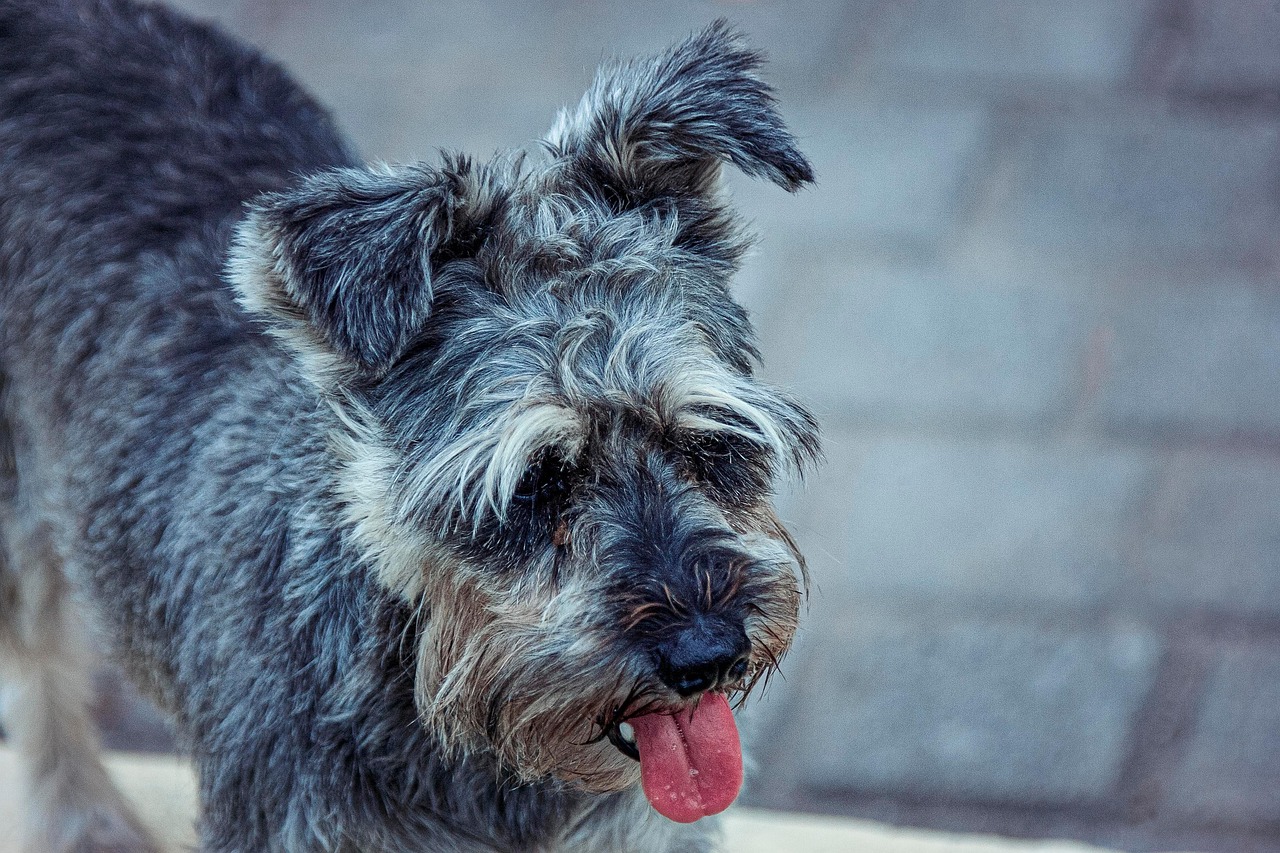
Any dog can develop diabetes, but miniature schnauzers seem to be at higher risk, though diabetes is a serious condition that can be managed with insulin and diet changes. The daily insulin injections and dietary restrictions required for diabetic dogs create significant lifestyle changes for families.
Signs include excessive water drinking and sudden house accidents, which could indicate diabetes. The ongoing medical management, including regular blood glucose monitoring and insulin adjustments, creates both financial and time commitments many owners aren’t prepared for.
#8 Siberian Huskies and Their Eye Deterioration
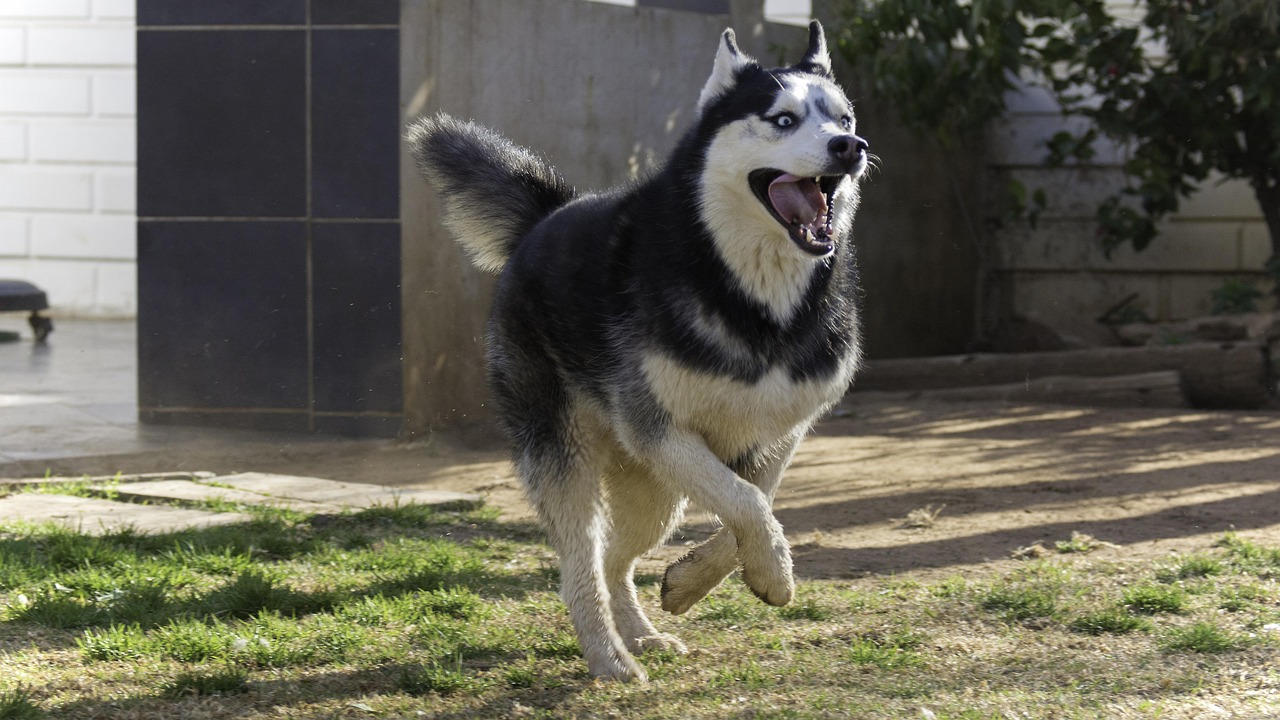
Siberian huskies commonly suffer from corneal dystrophy, progressive retinal atrophy, and juvenile cataracts, which are natural defects of the eyes that lead to blindness if not treated. These striking dogs with their piercing blue eyes ironically face a high risk of vision loss.
Their high energy requirements and exercise needs become problematic when combined with vision impairment. Managing a blind Husky with intact prey drive and escape instincts presents unique challenges that many families find overwhelming.
#7 Boxers and Their Heart Defects
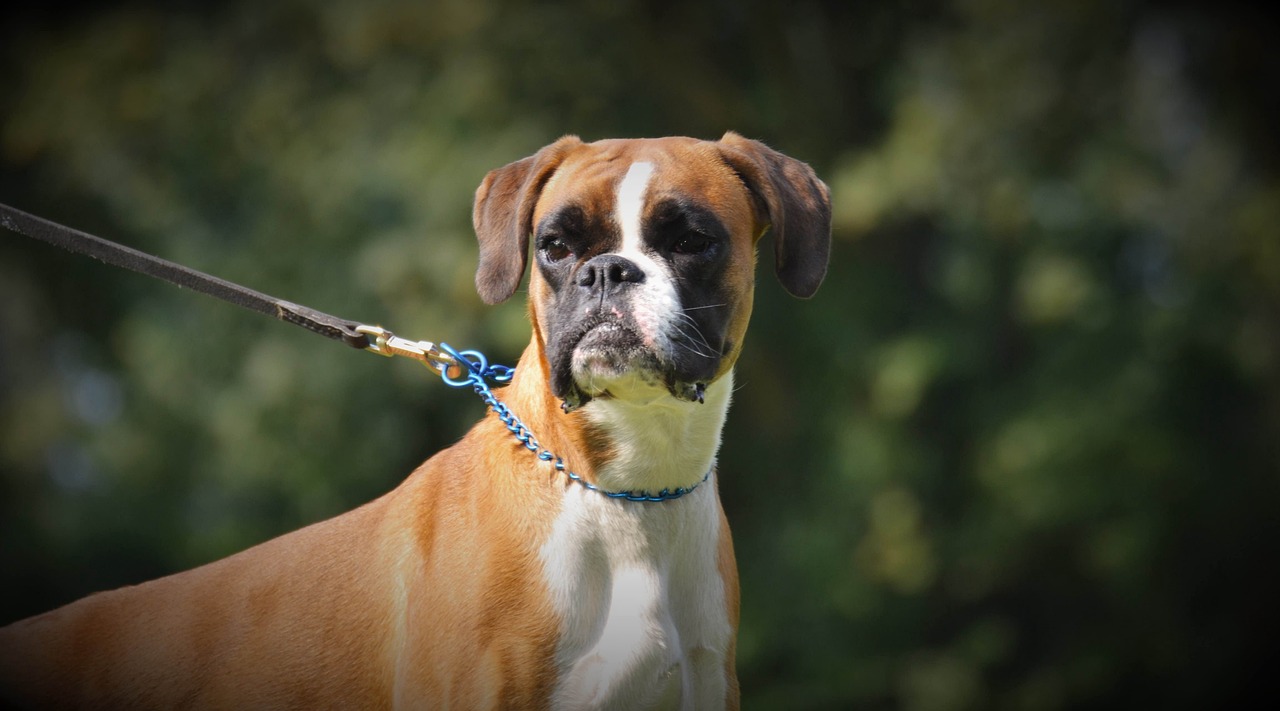
Dilated cardiomyopathy has been determined to be far more common in Doberman Pinschers, Boxers, and Great Danes than other dog breeds. Boxers face the same sudden cardiac death risk that affects Dobermans, often with even less warning.
Their athletic build and playful nature mask underlying heart conditions that can prove fatal during exercise or excitement. Boxer owners must constantly balance their dog’s exercise needs with the risk of triggering a cardiac event, creating ongoing anxiety about their pet’s activities.
#6 Weimaraners and Their Bloat Susceptibility
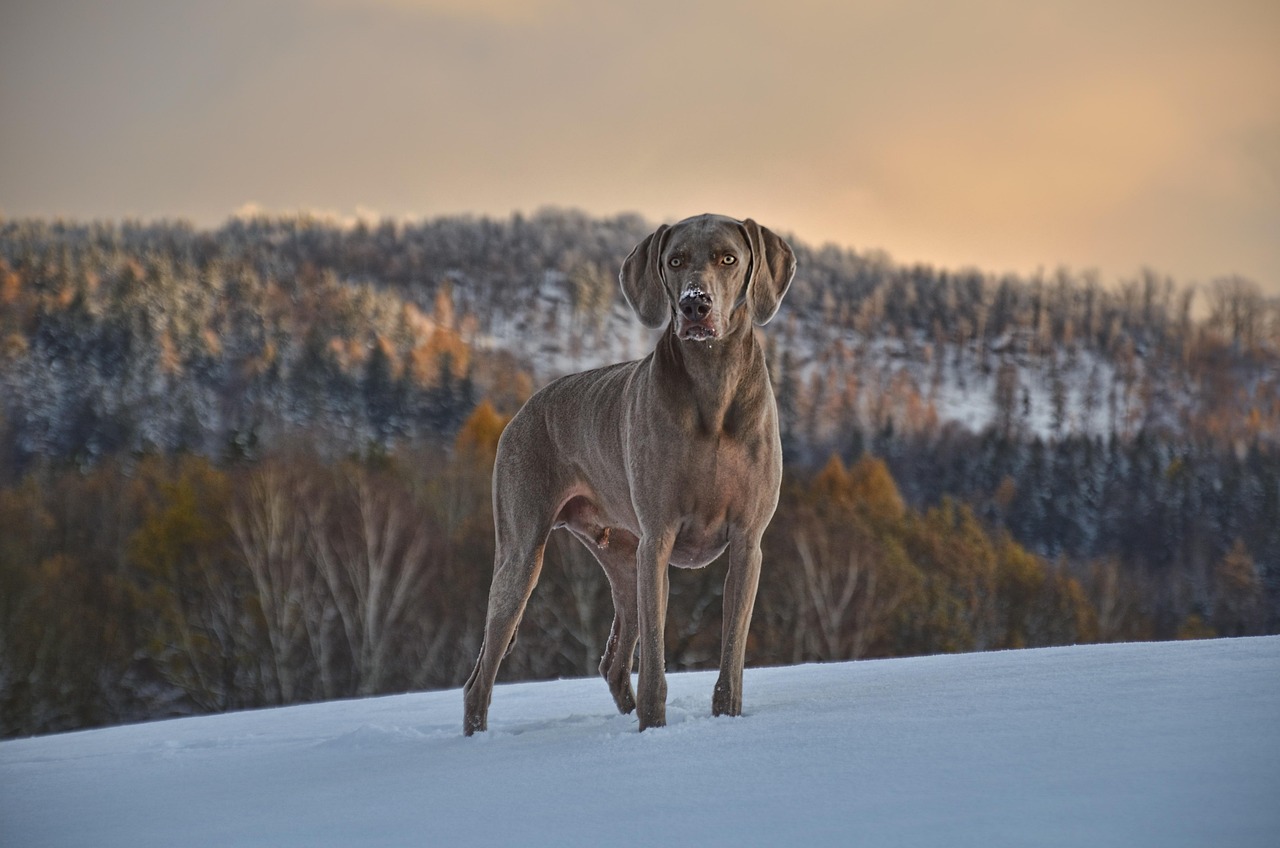
Weimaraners, with their deep chests and active lifestyles, face significant bloat risk similar to Great Danes. Their hunting instincts and high food drive can lead to rapid eating, which increases the risk of gastric torsion. Florida’s active outdoor culture can actually increase bloat risk in these athletic dogs.
Their silver-gray coats may look stunning, but they also predispose them to various skin conditions and allergies. The combination of life-threatening bloat risk and chronic skin problems creates ongoing veterinary expenses that many hunting dog enthusiasts don’t anticipate.
#5 Afghan Hounds and Their Hip Disasters

Afghan Hounds face the same hip dysplasia issues affecting other large breeds, but their unique coat and exercise requirements complicate treatment. Their flowing coats require extensive grooming, which becomes challenging when the dog has mobility issues from joint problems.
These sighthounds also face cardiac issues and are prone to bloat due to their deep chest structure. The combination of high grooming needs, joint problems, and life-threatening emergencies makes Afghan Hounds particularly expensive and challenging to maintain in Florida’s climate.
#4 Irish Setters and Their Epilepsy Predisposition
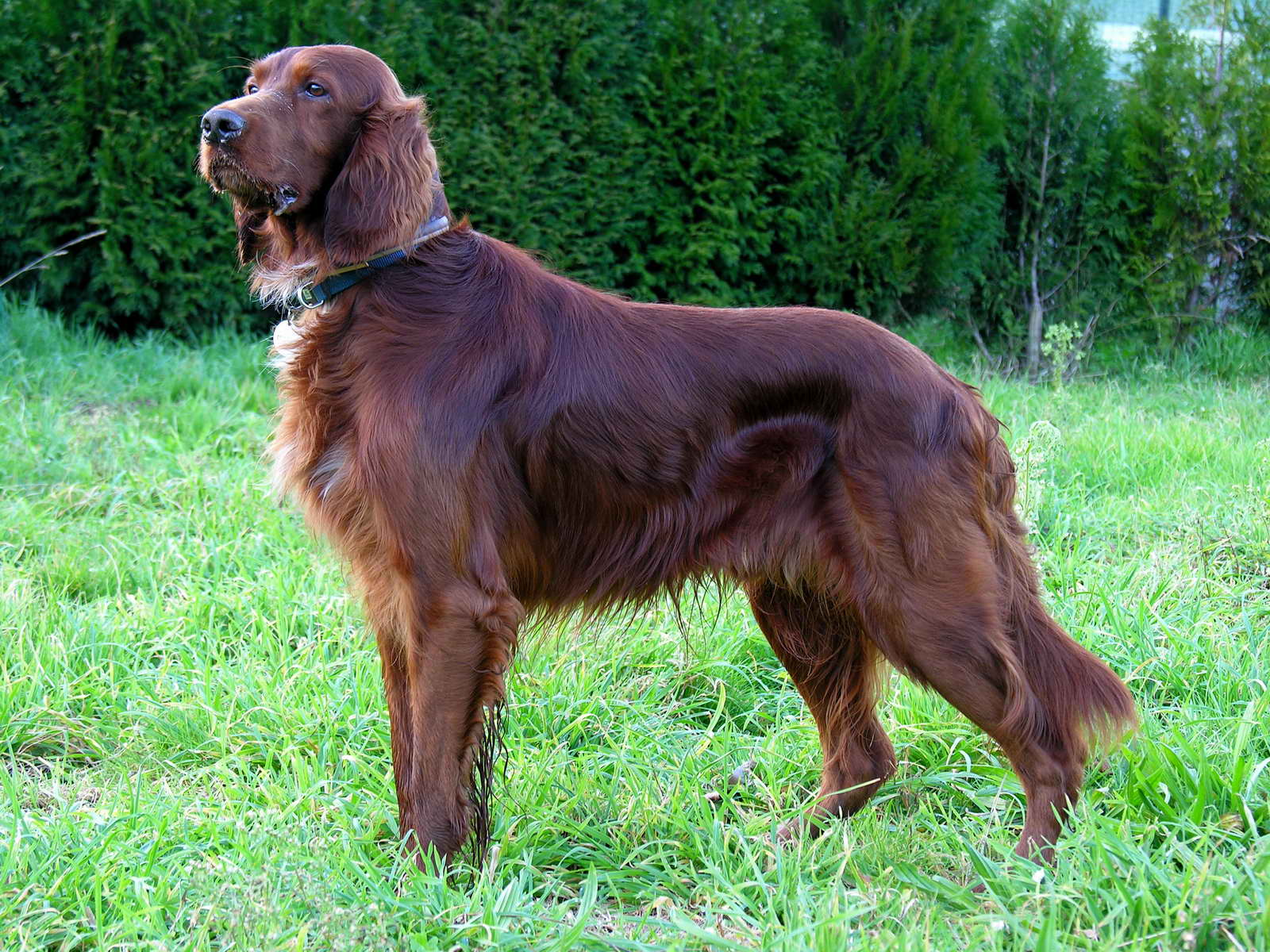
Irish Setters share the epilepsy susceptibility seen in other sporting breeds, but their high energy levels make seizure management particularly challenging. These dogs require intensive exercise, but seizures can strike without warning during activity, creating dangerous situations.
Their beautiful red coats and friendly dispositions mask a genetic predisposition to progressive retinal atrophy and hip dysplasia. The combination of neurological, visual, and orthopedic problems creates a trifecta of health concerns that require lifelong management.
#3 Newfoundlands and Their Joint Catastrophes
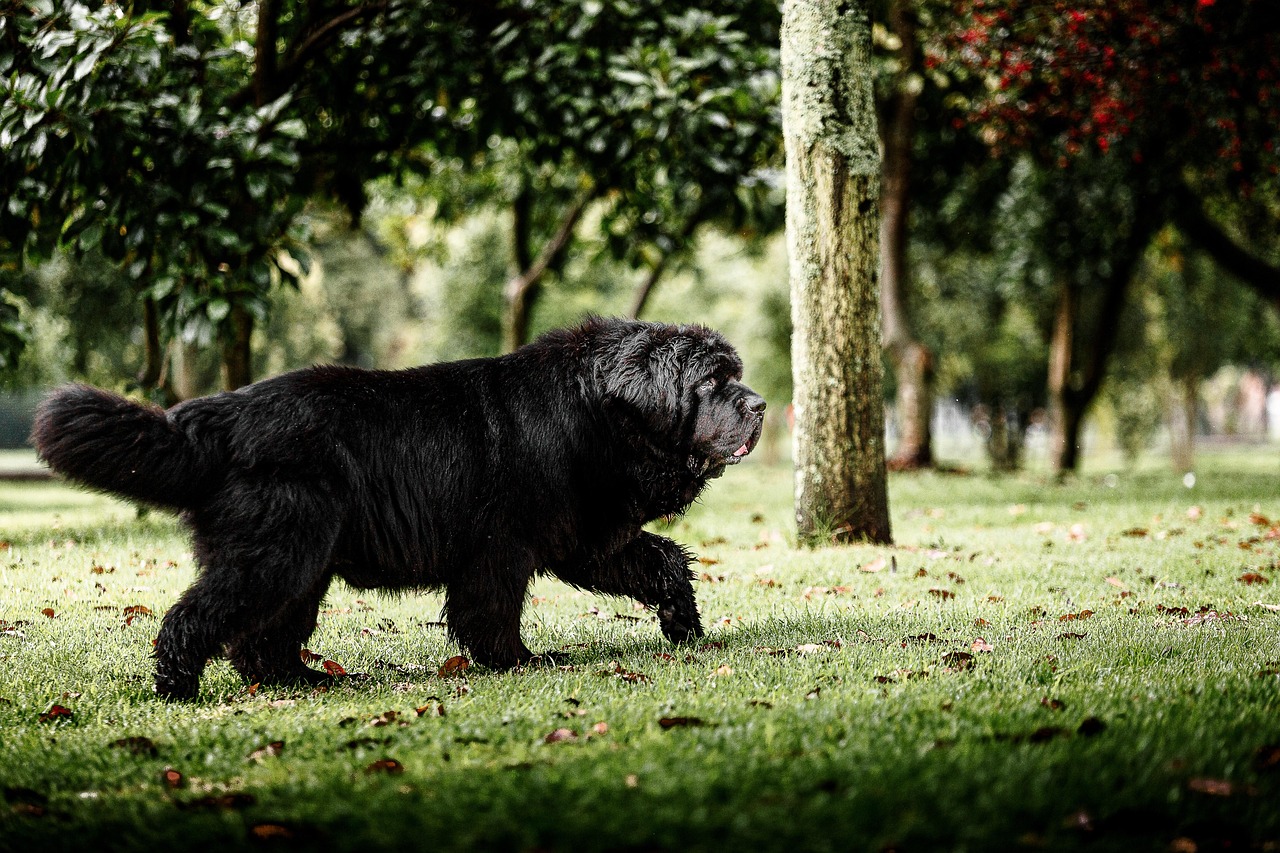
Newfoundlands, despite their gentle nature and swimming ability, face severe joint problems due to their massive size. Hip and elbow dysplasia are virtually guaranteed, with many dogs requiring surgical intervention before they reach maturity. Their love of water becomes problematic when joint disease limits their mobility.
These gentle giants also face cardiac issues and have shortened lifespans similar to other giant breeds. Their thick coats make Florida’s climate particularly challenging, leading to heat stress that compounds their existing health problems.
#2 Labradoodles and Their Double Trouble Genetics

Because Labradoodles are a mix of a Labrador Retriever and Standard Poodle, they are prone to the common health conditions of both breeds. Wally Conron, credited with inventing the breed, has commented that healthy labradoodles are “few and far between” and most are “crazy or have a hereditary problem”.
Hip and elbow dysplasia are common problems affecting labradoodles, with other ailments including eye diseases and Addison’s disease. The creator’s own regret about developing this cross speaks volumes about the unintended consequences of designer dog breeding.
#1 Malamute and Weather Issues
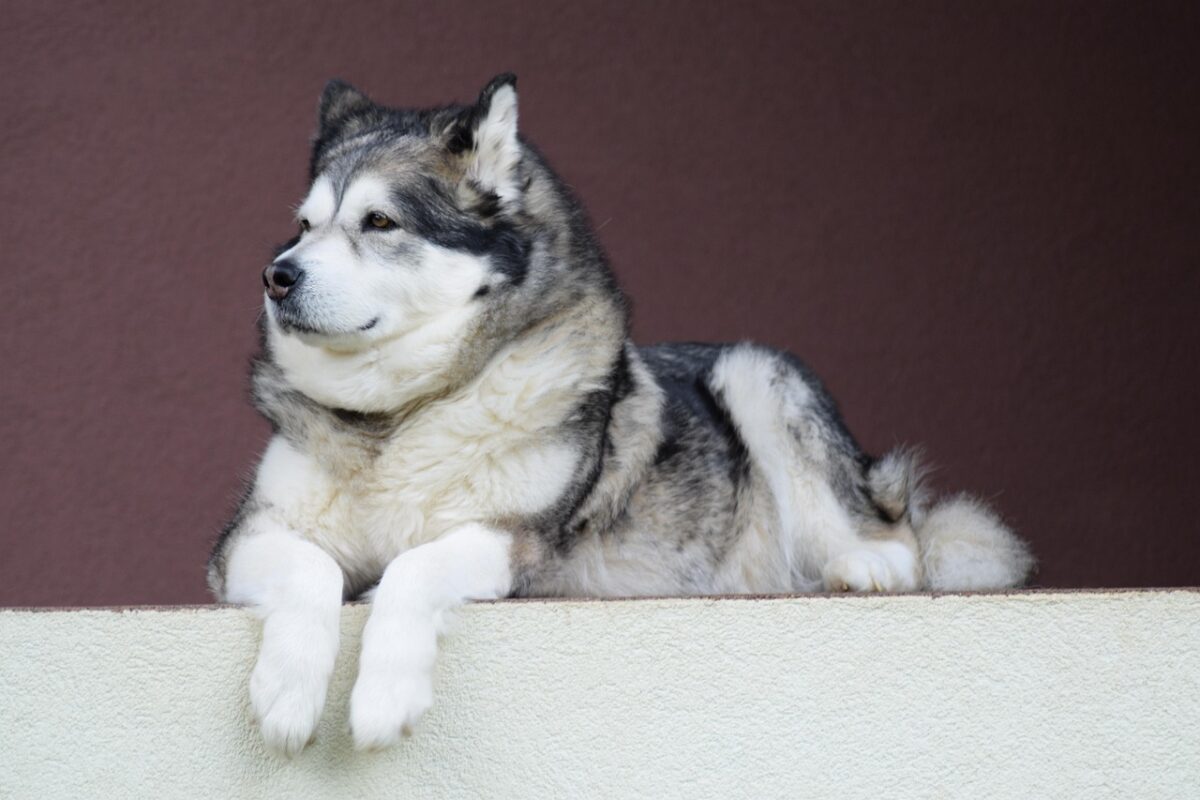
The Alaskan Malamute is one of the least advisable breeds for Florida because everything about its design clashes with the state’s hot, humid climate. Bred to haul heavy sleds in Arctic conditions, Malamutes have a dense double coat that traps heat and makes cooling down nearly impossible in subtropical weather. Even short walks during the day can put them at risk of heatstroke, as Florida’s high humidity prevents effective panting — their primary cooling method.
On top of that, Malamutes require hours of daily vigorous exercise to stay balanced, which is difficult to provide safely outdoors in such heat. Their thick coats also shed heavily, creating constant grooming needs while increasing the risk of hot spots, skin infections, and parasite infestations in a warm environment. While they’re stunning, loyal dogs, Florida vets strongly caution that Malamutes are far better suited for northern states with cold winters than for life in the Sunshine State.
Conclusion

The reality behind these popular breeds isn’t meant to discourage dog ownership, but to promote informed decision-making. Florida vets see the same preventable suffering year after year, knowing that education about breed-specific health issues could spare countless families from heartbreak and financial devastation.
Each of these breeds was developed for specific purposes, often with little regard for long-term health consequences. Modern breeding practices that prioritize appearance over health have exacerbated problems that were already present in many breeds. The solution isn’t to avoid dogs altogether, but to choose breeders who prioritize health testing and genetic diversity over profits and appearance standards.
Before falling in love with a breed’s appearance or reputation, consider the hidden costs of chronic health conditions, emergency surgeries, and shortened lifespans. Your local Florida veterinarian sees these consequences daily and secretly hopes more families will make informed decisions that prioritize their future pet’s quality of life over fleeting aesthetic preferences. What breed will you choose when health becomes your priority?

- 35 Popular Dog Breeds Florida Vets Secretly Wish You’d Stop Choosing - April 22, 2026