


When it comes to finding the perfect furry companion for your golden years, not all dogs are created equal. While every dog has its charm, some breeds might be more demanding than a senior looking for peaceful companionship bargained for.
Picture this: you’re dreaming of cozy evenings with a gentle companion by your side, but instead you find yourself wrestling with a hundred-pound bundle of energy or dealing with a pup that thinks your living room is their personal obstacle course. The truth is, choosing the wrong breed can turn what should be a rewarding relationship into an exhausting daily challenge. Let’s explore the dog breeds that might not be the ideal match for seniors seeking that calm, manageable companion they’ve been hoping for.
#15 Belgian Malinois
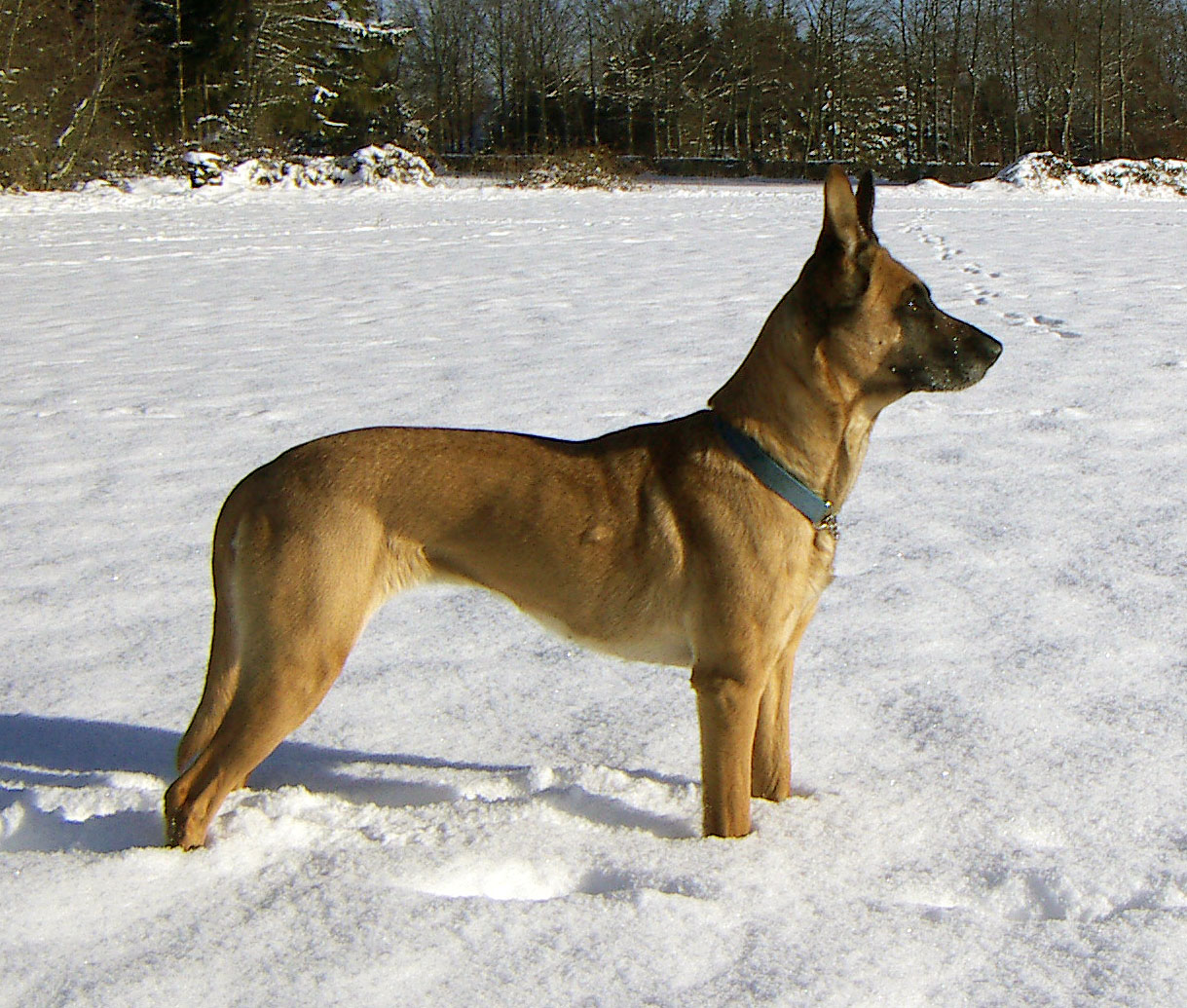
The stunningly impressive Belgian Malinois is a force to be reckoned with. They have incredible stamina and can perform outlandish tasks – winding up on task forces and rescue teams everywhere. These dogs are basically the Navy SEALs of the canine world, and while that sounds impressive, it also means they’re definitely not interested in Netflix and chill.
The Malinois requires extensive mental and physical stimulation for practically all their wakeful hours. If they don’t have a task, they will quickly bore and pick up bad habits. Think of trying to keep a hyperactive genius occupied all day long – that’s essentially what owning a Malinois entails. Without proper outlets, these dogs might redecorate your home in ways you never imagined possible.
#14 German Shepherd
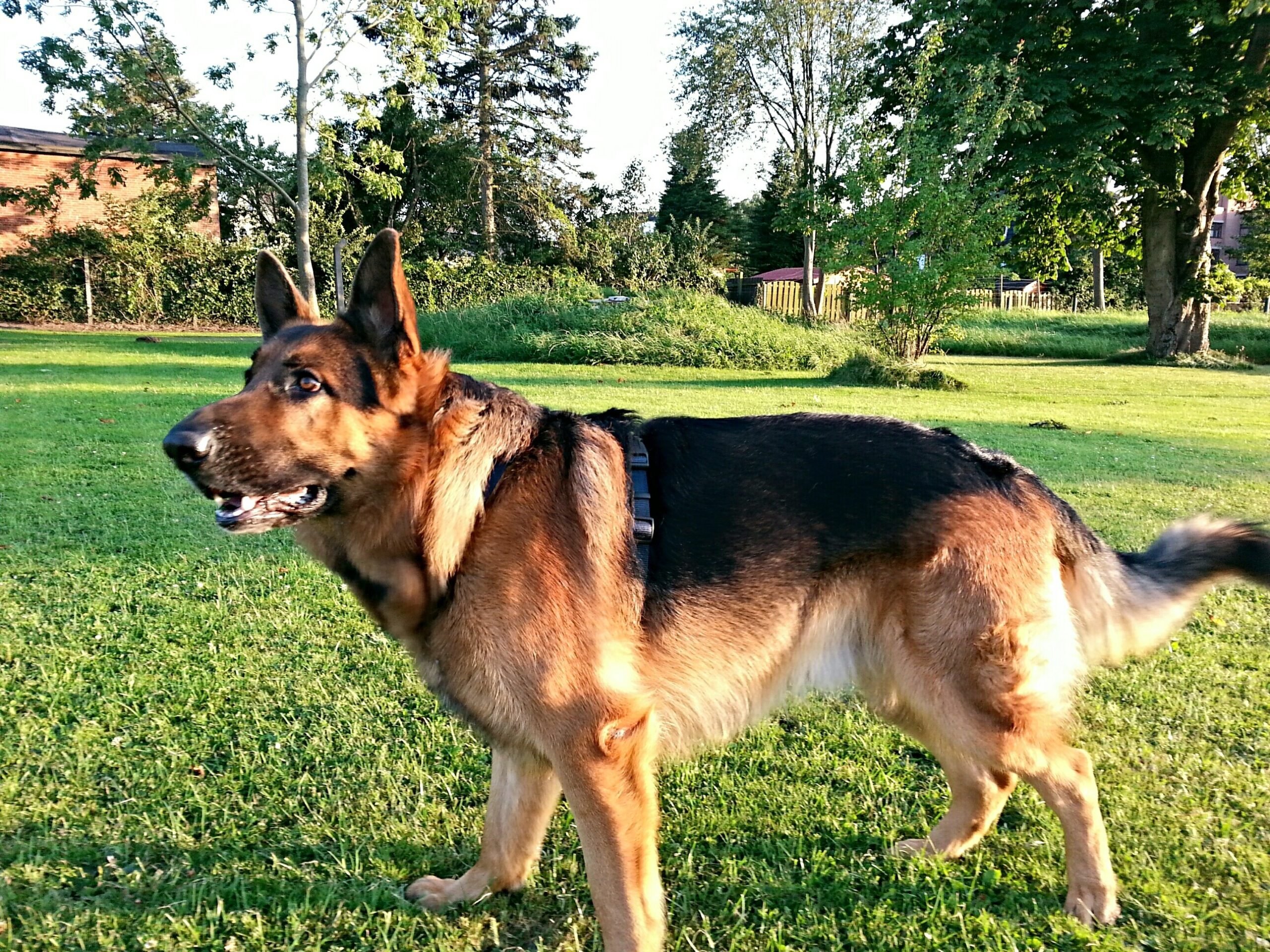
German Shepherds make tremendous guard dogs, protecting the families they are devoted to. However, German Shepherds are extremely high energy and need appropriate outlets. While their loyalty is admirable, their energy levels can be overwhelming for seniors who prefer a more relaxed lifestyle.
If you can’t keep up with vigorous exercise, Shepherds can wear you out quickly. German Shepherds can develop nervous or destructive behaviors if they don’t get enough exercise or stimulation. These intelligent dogs need a job to do, and if you can’t provide one, they’ll create their own – often involving your furniture or garden.
#13 Border Collie
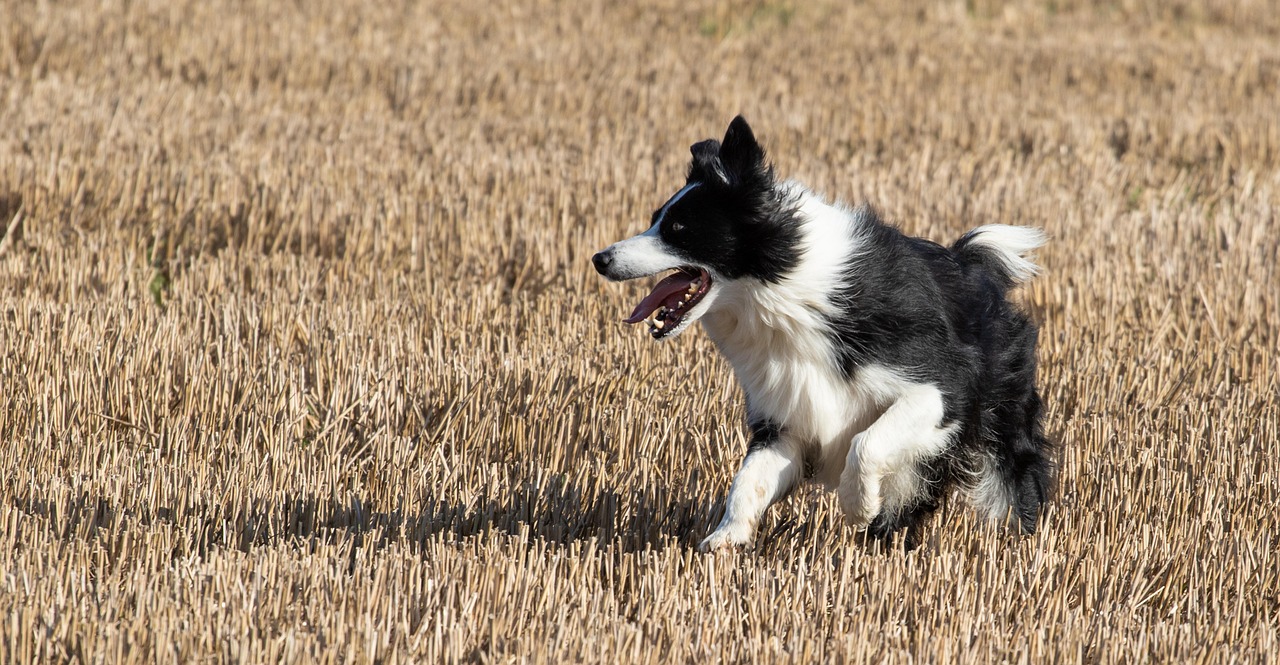
They require a significant amount of physical and mental stimulation to thrive. If they do not receive enough exercise and mental enrichment, they can become bored and may exhibit destructive behaviors. Border Collies are like having a brilliant child who never gets tired and always needs something to do.
Even a short walk may not satisfy this breed’s energy. Seniors should consider whether their daily routine can realistically include enough activity to keep a Border Collie happy and calm. These dogs were bred to work sheep in the border regions between England and Scotland – a gentle stroll around the block just won’t cut it.
#12 Siberian Husky
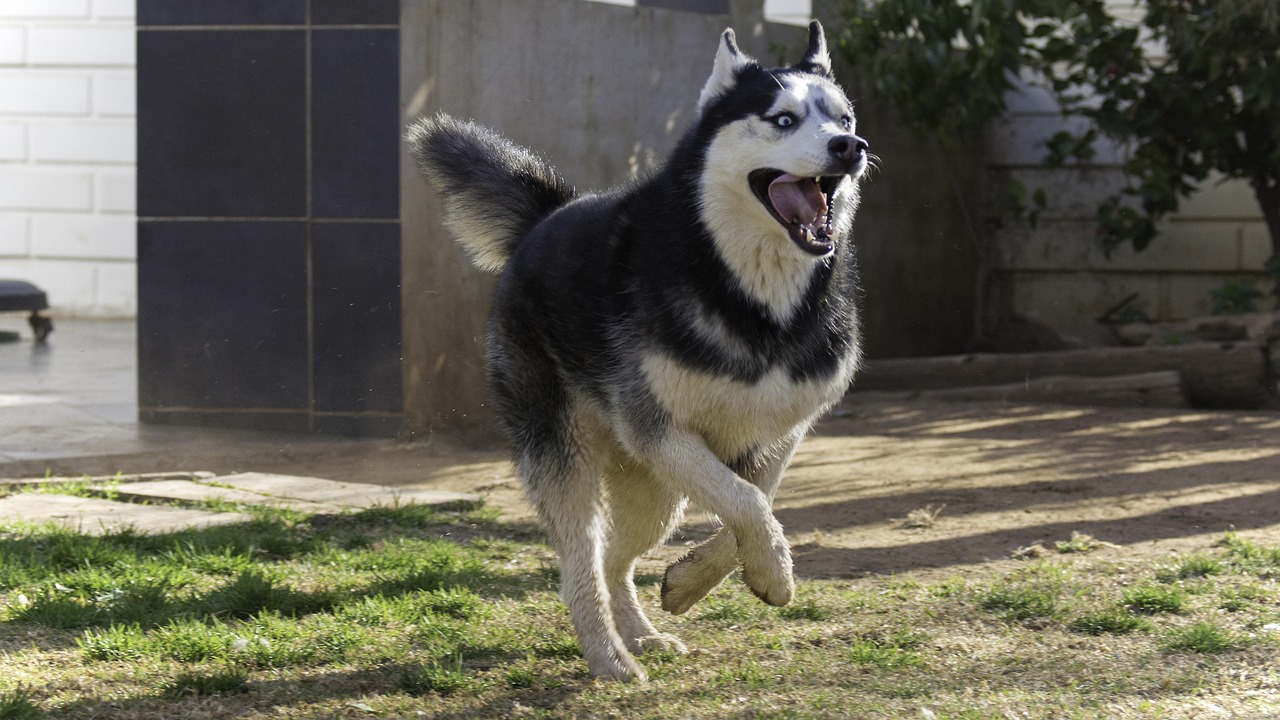
Certain breeds are known for their high energy levels and training challenges, making them less suitable for seniors. Breeds such as Siberian Huskies, Border Collies, and various Terriers, including Jack Russells, require extensive exercise and mental stimulation. Huskies were literally bred to run hundreds of miles across frozen tundra – they have energy reserves that seem almost supernatural.
These escape artists are also notorious for their Houdini-like abilities to break free from any enclosure. They’re beautiful, intelligent, and have voices that can wake the entire neighborhood when they decide to sing their ancient songs. For seniors looking for peace and quiet, a Husky’s vocal performances might not be the soundtrack they had in mind.
#11 Jack Russell Terrier
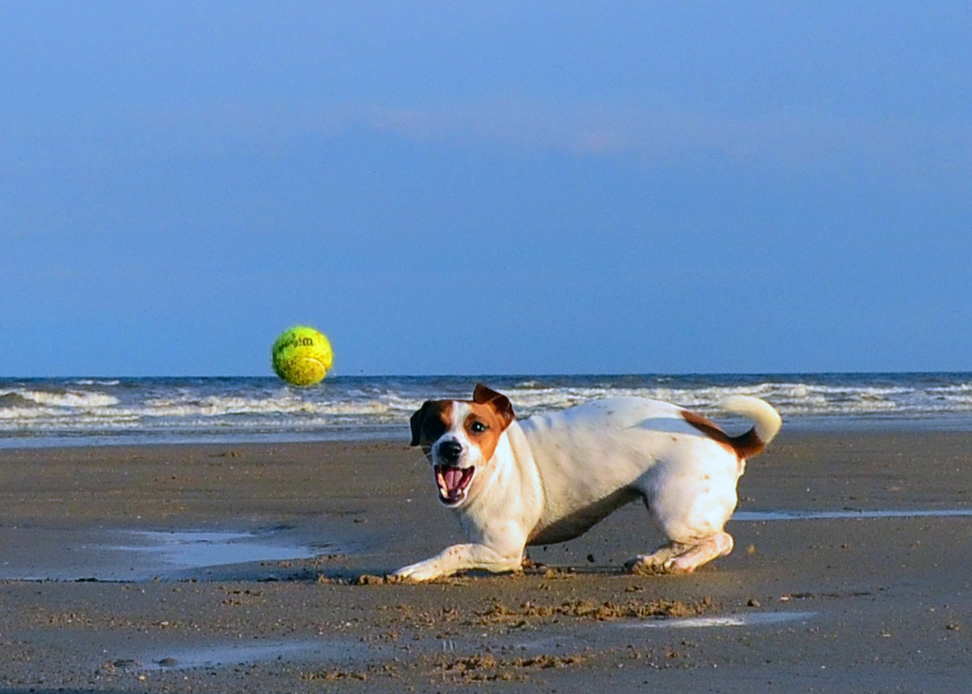
Jack Russell Terriers are peppy little dogs that are continuously on the move. They have huge personalities, always testing the limits and acting unruly. Because of their intense nature, they might be a little overwhelming for certain seniors to handle. Don’t let their size fool you – these small dogs pack more energy than a toddler on a sugar rush.
Jack Russells can be challenging to train – including at potty time. Without strict schedules and rigorous consistency, Jack Russells might permanently mark or use the bathroom in the house. Cleanup can be quite taxing. Their stubborn streak combined with their high energy makes them a handful for anyone, let alone seniors looking for a peaceful companion.
#10 Australian Shepherd
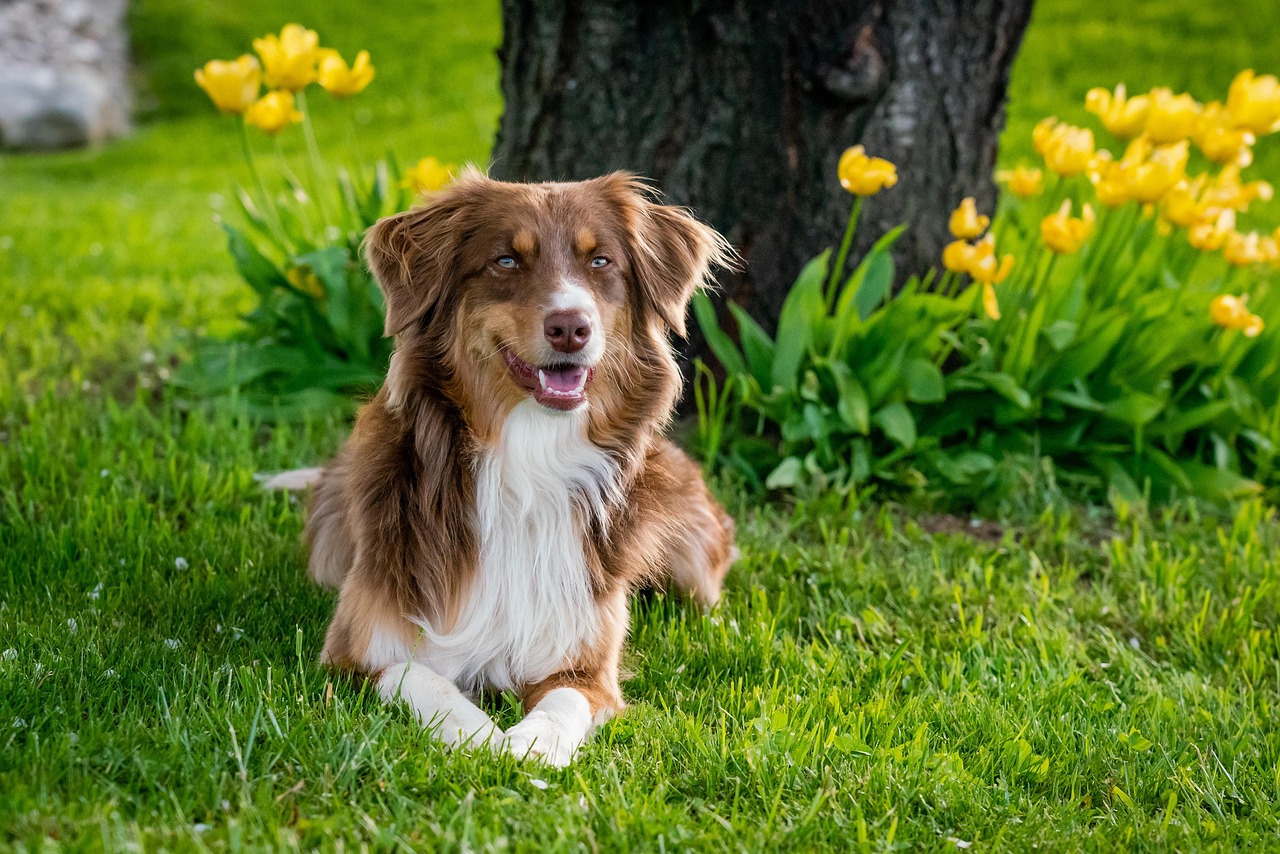
Australian Shepherds are intelligent, agile dogs bred for herding and working alongside farmers. They are highly energetic, quick learners, and thrive when given a purpose. Their curiosity and drive make them excellent companions for active households, excelling in canine sports and obedience training. These dogs are basically the overachievers of the dog world – they need constant mental stimulation and physical activity.
These dogs are pretty high maintenance – they require daily grooming and tons of exercise. They also need at least an hour of strenuous physical activity a day, which can be hard to commit to. Between the grooming, exercise, and mental stimulation needs, caring for an Australian Shepherd becomes almost like having a full-time job.
#9 Dalmatian
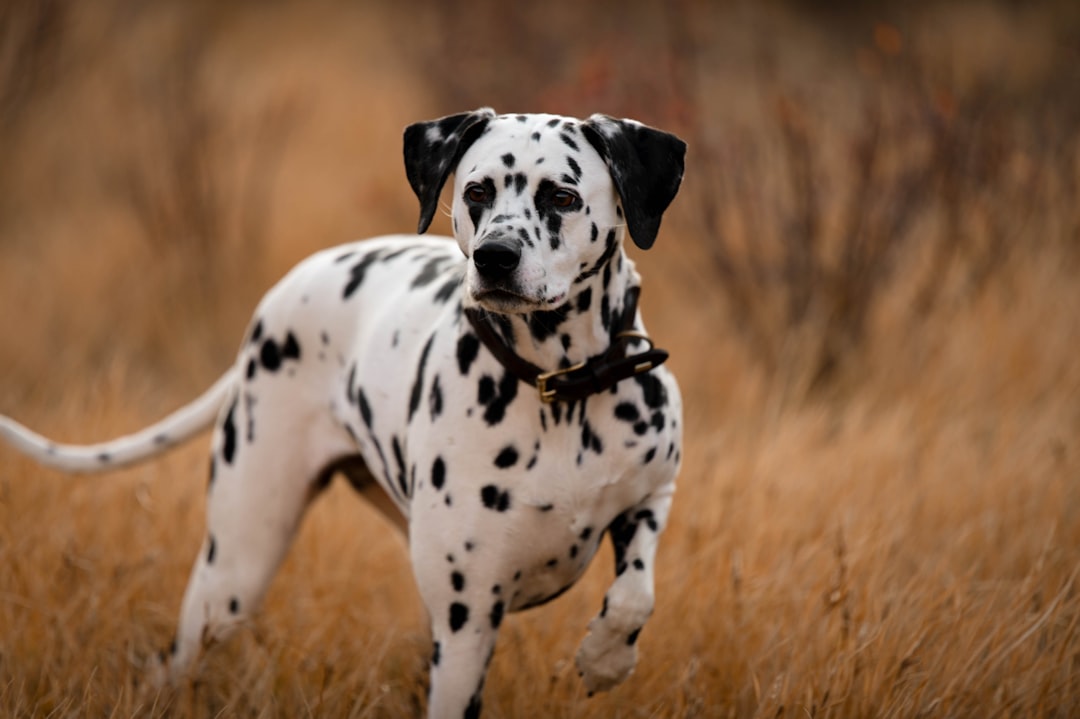
Dalmatians are medium-to-large dogs known for their striking spotted coats and energetic personalities. Dalmatians were originally bred to guard horses and coaches, and that watchdog instinct is still present in the breed today, according to Purina. They are intelligent and sociable but thrive best with experienced pet owners who can provide structured exercise and training routines. These spotted beauties might look charming, but they have energy levels that match their historical job of running alongside horse-drawn carriages for miles.
Their protective instincts can also make them wary of strangers, which might not be ideal for seniors who enjoy having visitors. Additionally, their exercise needs are substantial – they’re not content with short walks and prefer more vigorous activities that might be challenging for older adults to provide consistently.
#8 Great Dane
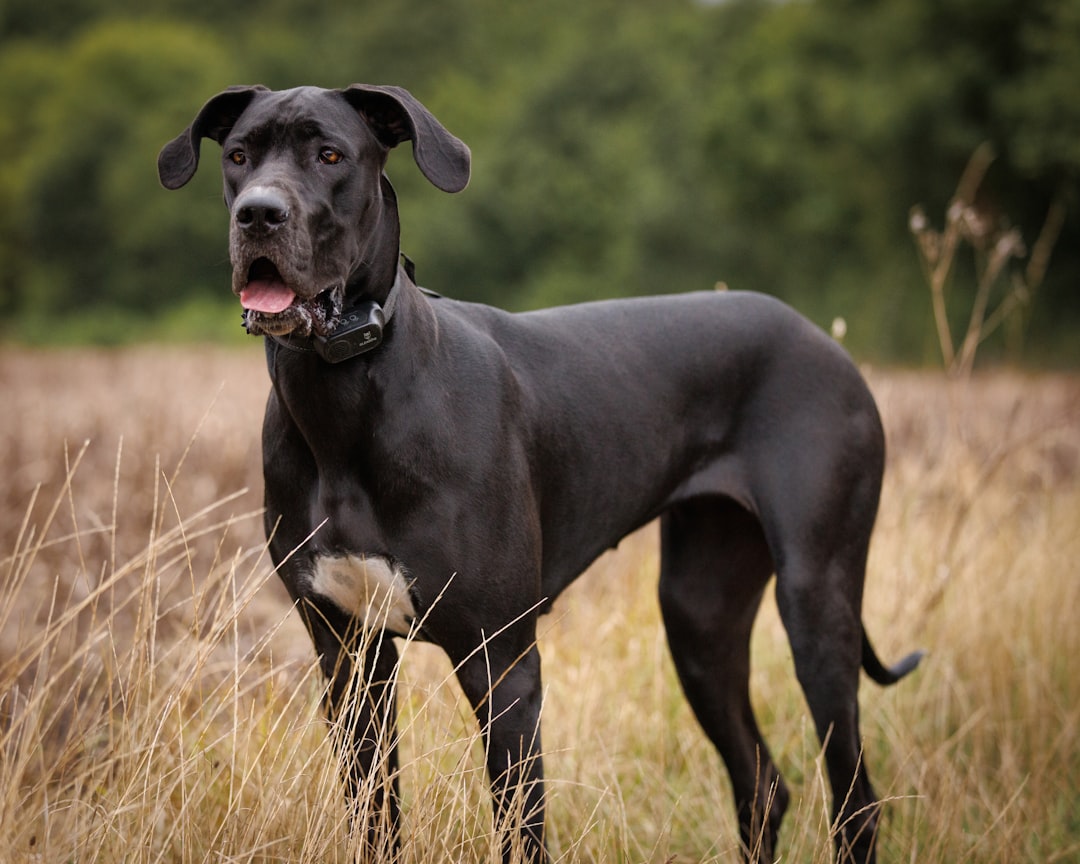
Great Danes make fantastic family pets, but they might not do so well for seniors – and it’s no fault of their own. Danes are one of the largest domesticated dog breeds alive, which means they are a bit hard to handle. Full-grown Danes typically reach weights of 140-175 pounds for males and 110-140 pounds for females – that’s a big pooch. While they might be gentle giants, their sheer size can present challenges for seniors with mobility issues.
Managing a dog that weighs as much as a small person requires significant physical strength, especially during walks or when they need to be restrained. Even their tail wagging can accidentally knock over items or smaller individuals. Despite their generally calm nature, their size alone makes them impractical for many seniors.
#7 Pit Bull Terrier
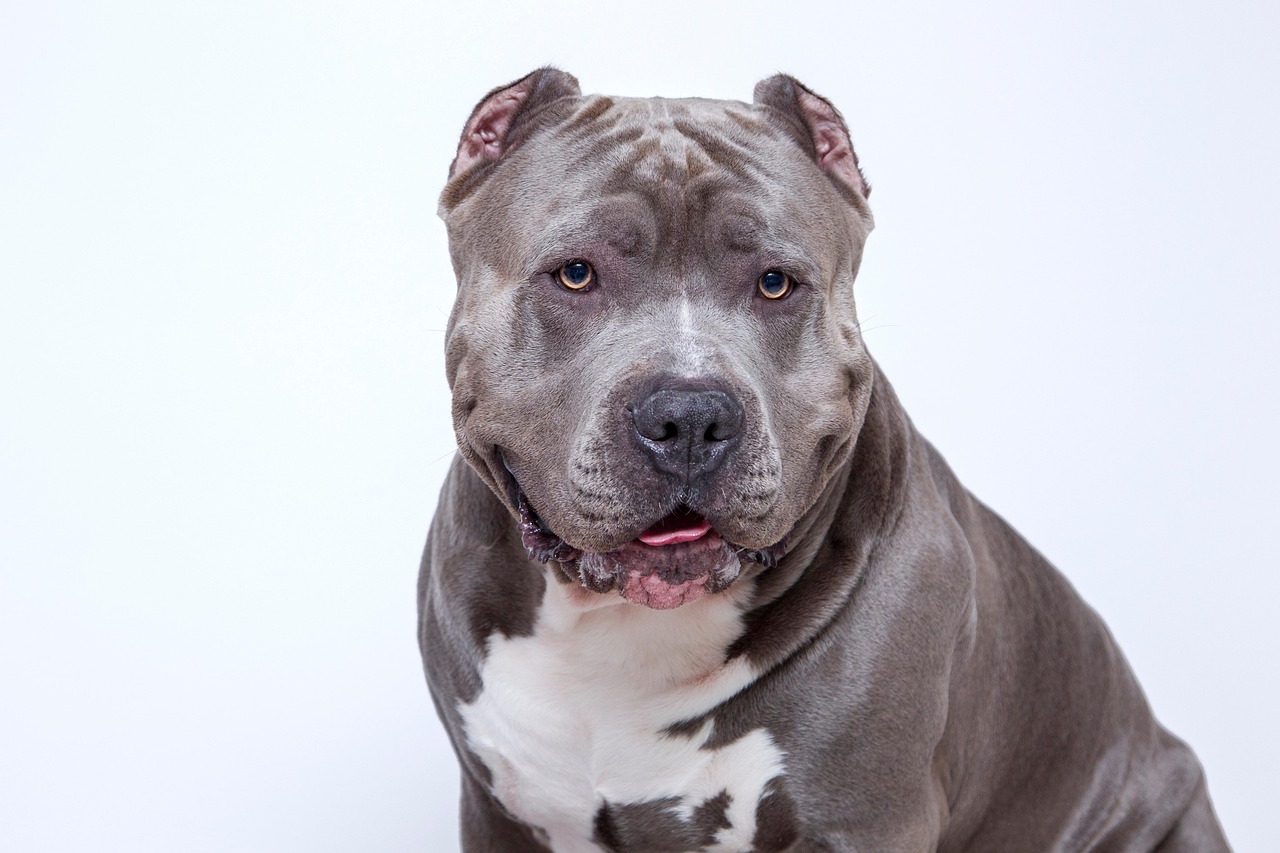
It seems obvious that a pit bull would be a bad choice for a senior citizen, but some people choose this breed of dog to provide protection to elderly loved ones. While individual dogs may vary significantly, pit bull-type dogs require experienced handling and extensive exercise, which may not be suitable for seniors seeking low-maintenance companions. While individual dogs may vary, the breed’s reputation and strength requirements make them challenging for seniors.
They need a lot of activity and plenty of time to get out of the house and run, so a pit bull won’t do well cooped up in an apartment or assisted living community. These powerful dogs require experienced handling and extensive exercise, making them unsuitable for seniors looking for a low-maintenance companion.
#6 Saint Bernard
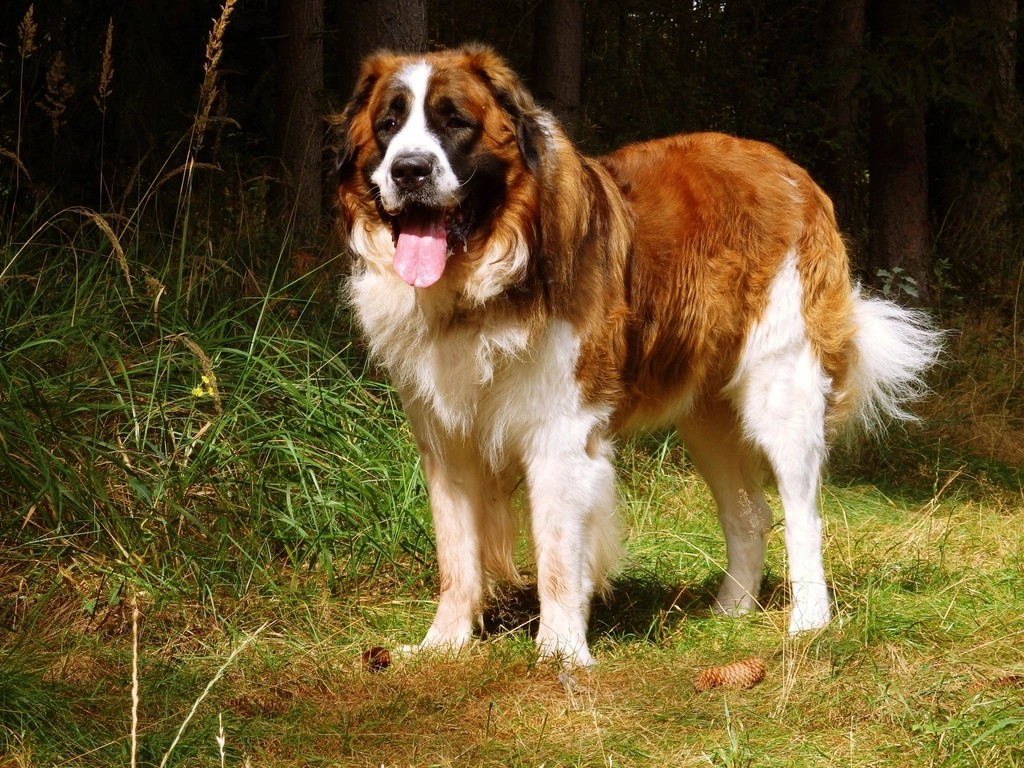
Saint Bernards are goofy, always clowning around, but some can be somewhat aloof toward strangers. Because of this tendency, they might be harder for some older people to call off or calm down. Saint Bernards require a firm hand that can keep them in line. Despite their reputation as gentle giants, these dogs require strong leadership and can be surprisingly stubborn.
Saint Bernards eat, slobber, and shed a lot. You have to be prepared to wipe strings of spit and tufts of hair off your furniture, clothes, and bed. Upkeep can be complicated and a little too much for some seniors. The constant cleaning and maintenance required can be overwhelming for seniors looking for a more manageable pet.
#5 Doberman Pinscher
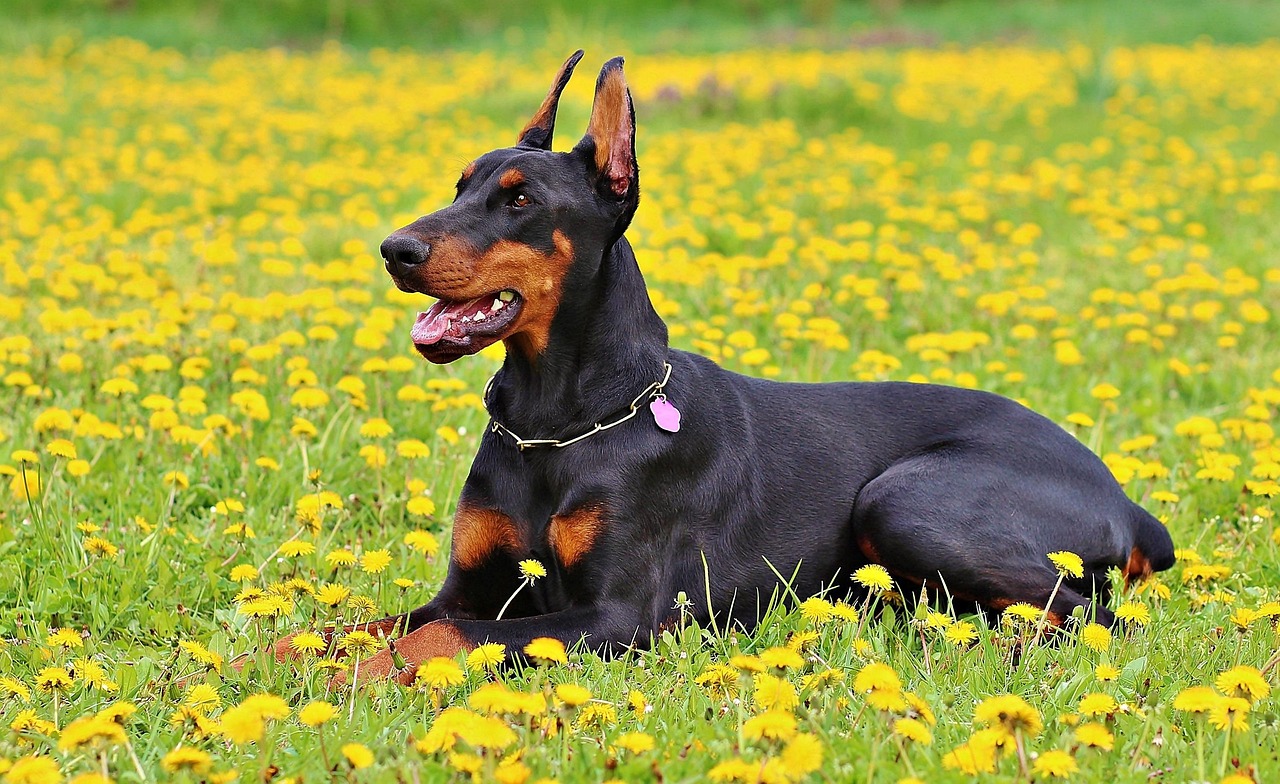
Doberman Pinschers are a powerful breed that is often used as a guard dog. Their muscular build and strength makes them less than ideal for seniors. Owners must be able to have control over their dog and with a stronger breed, there is a chance they may have more power than some seniors. These sleek, powerful dogs require confident handling that might be challenging for older adults.
However, they are a bit hard to deal with for some, especially in the first few years. Dobermans take a while to grow into their feet. They can be quite clumsy and hyper when they are growing up. Young Dobermans can be particularly challenging, combining their natural energy with the awkwardness of puppyhood in a large, powerful package.
#4 Rottweiler
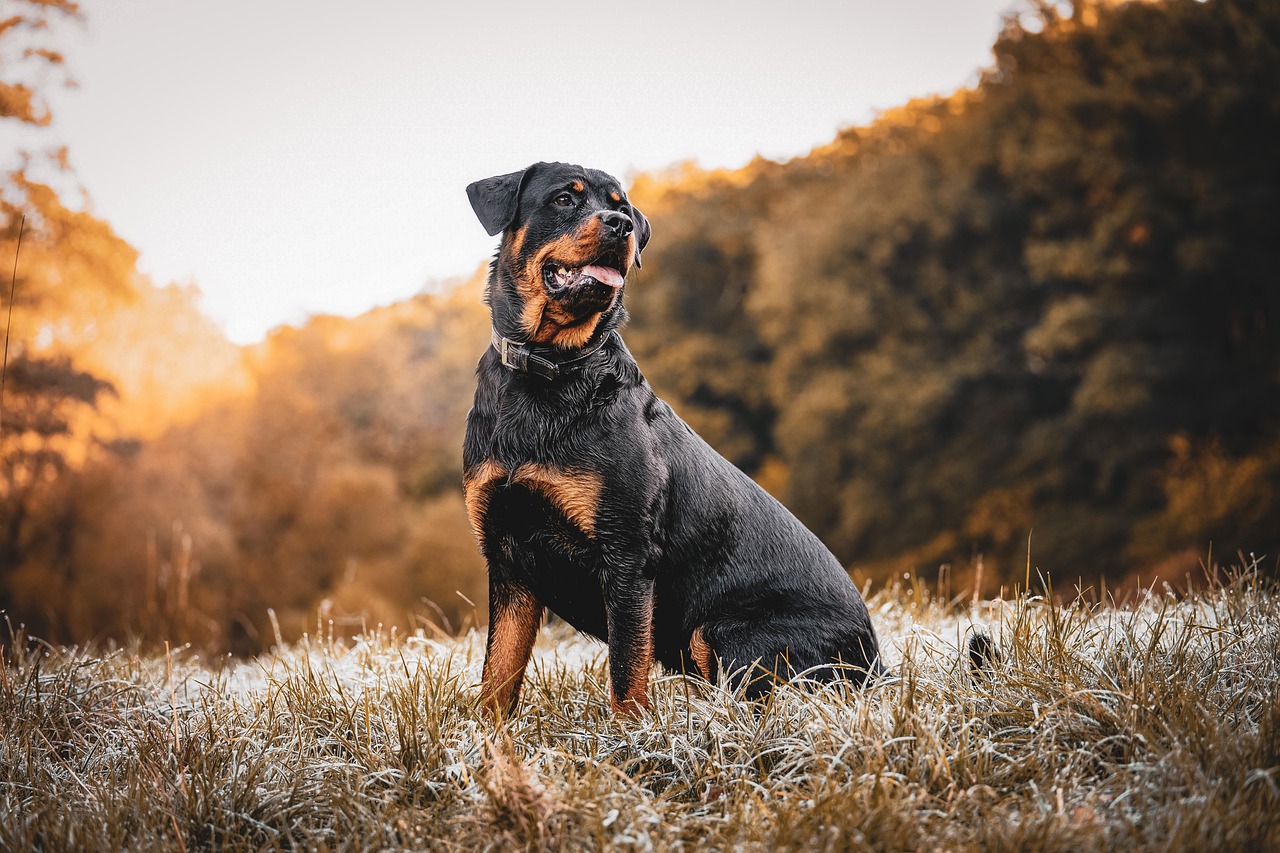
Dobermans and Rottweilers: Breeds with more aggressive temperaments, such as Dobermans and Rottweilers, are generally not recommended for seniors. These dogs can be challenging to control and may present safety concerns, especially for older individuals. While Rottweilers can be loving family dogs, their size and strength require experienced handling.
Their protective nature, while admirable, can become problematic if not properly managed. These dogs need consistent training and socialization from an early age, and their powerful build means that even playful behavior can accidentally cause injuries to frail individuals. For seniors seeking a peaceful companion, the Rottweiler’s guarding instincts might create more stress than comfort.
#3 Maltese
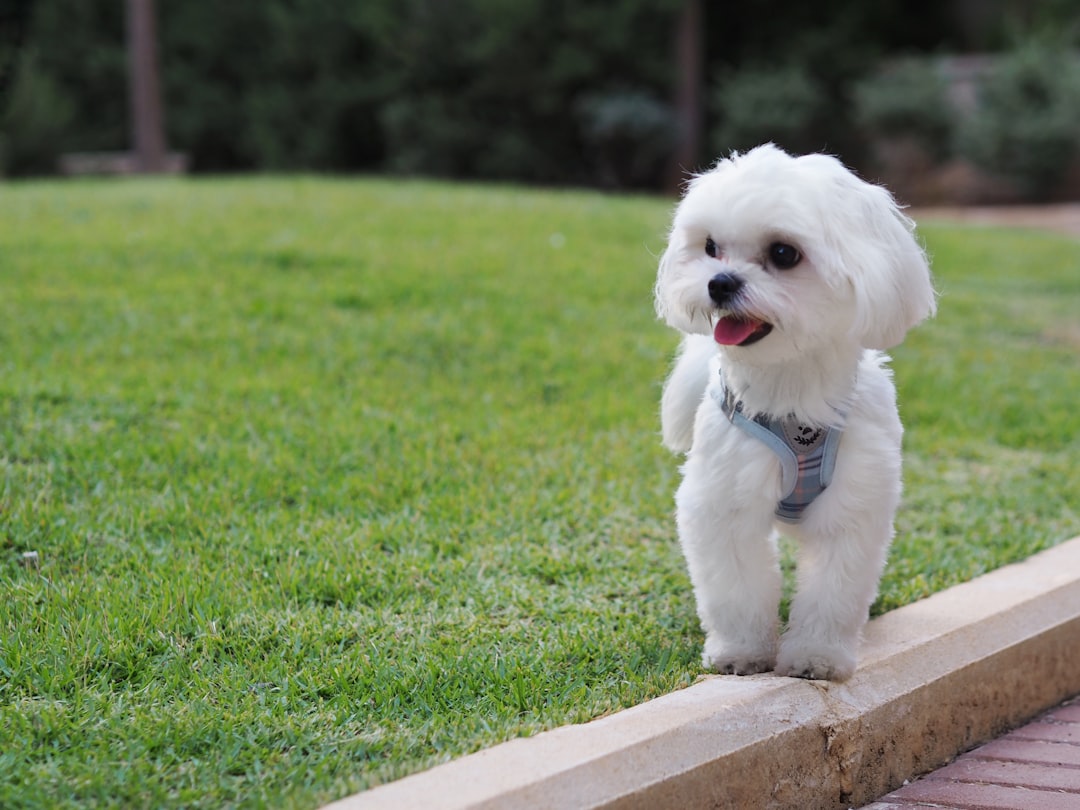
A Maltese might be absolutely adorable – tie on a few bows, and you have a flurry little princess. But this little dog is a livewire and doesn’t work well in calm situations. They also tend to be quite “yappy,” so if you live in a quiet community, it might not be so wise. Despite their small size, Maltese dogs can be surprisingly demanding and high-maintenance.
Maltese are high maintenance dogs with particular natures. They expect to be pampered – and they can be nippy if they aren’t in the mood for it. They are also extremely active, always running around the house – rarely settling. Plus, they require extensive grooming to prevent matting. Their diva-like personality combined with their grooming needs can make them more work than many seniors bargained for.
#2 English Bulldog
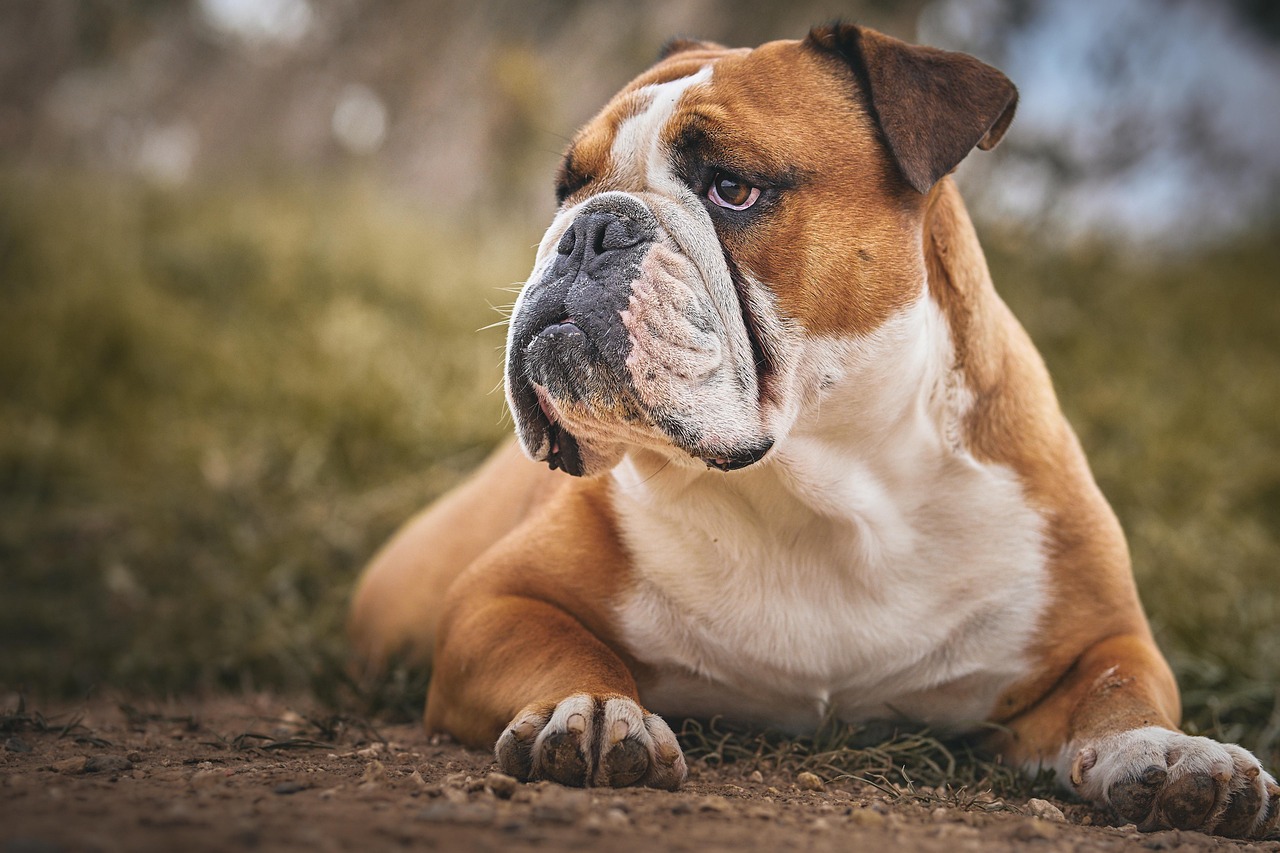
English Bulldogs can sometimes be slow to mature, making the puppy stage last longer than some other breeds. Even after it passes, these heavy-footed dogs might stay pretty bulky and clumsy through the adult years. While bulldogs are generally lower energy, they come with their own set of challenges that can be difficult for seniors to manage.
Bulldogs also drool a lot and require skin fold wiping. Tending to these areas can be time-consuming. They also face more health issues than other dogs, making vet costs rise considerably. The constant maintenance of their wrinkles and potential health problems can become overwhelming and expensive for seniors on fixed incomes.
#1 Great Pyrenees
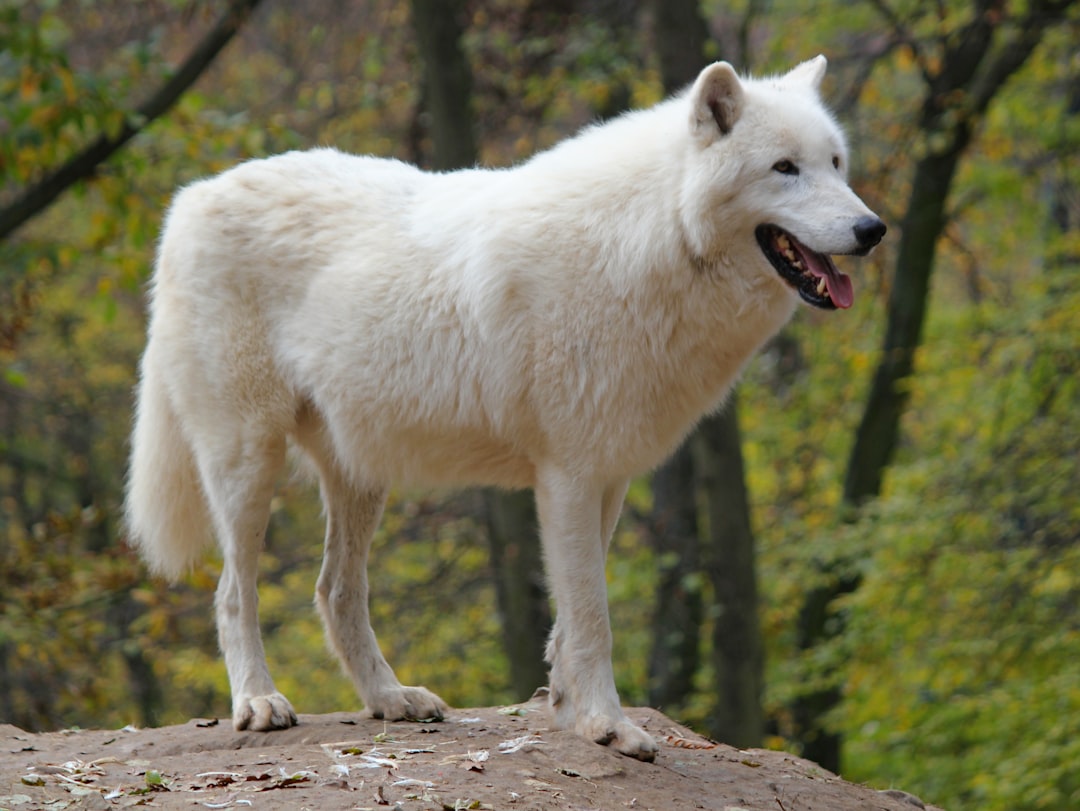
Although their hair doesn’t require much work, they do shed quite a bit. Prepare for white hairs to be all around your clothes and home. Shedding is not ideal for seniors which makes the Great Pyrenees one of the worst dogs for seniors. While these majestic dogs have a calm temperament, their grooming needs can be overwhelming.
Due to their independence, they may not enjoy the average training session. Sit, stay and heel will do nothing for them and they may even get bored. Their independent nature, while not requiring constant attention, can make them difficult to manage when cooperation is needed. Their size combined with their stubborn streak creates challenges for seniors who need a more biddable companion.
Conclusion
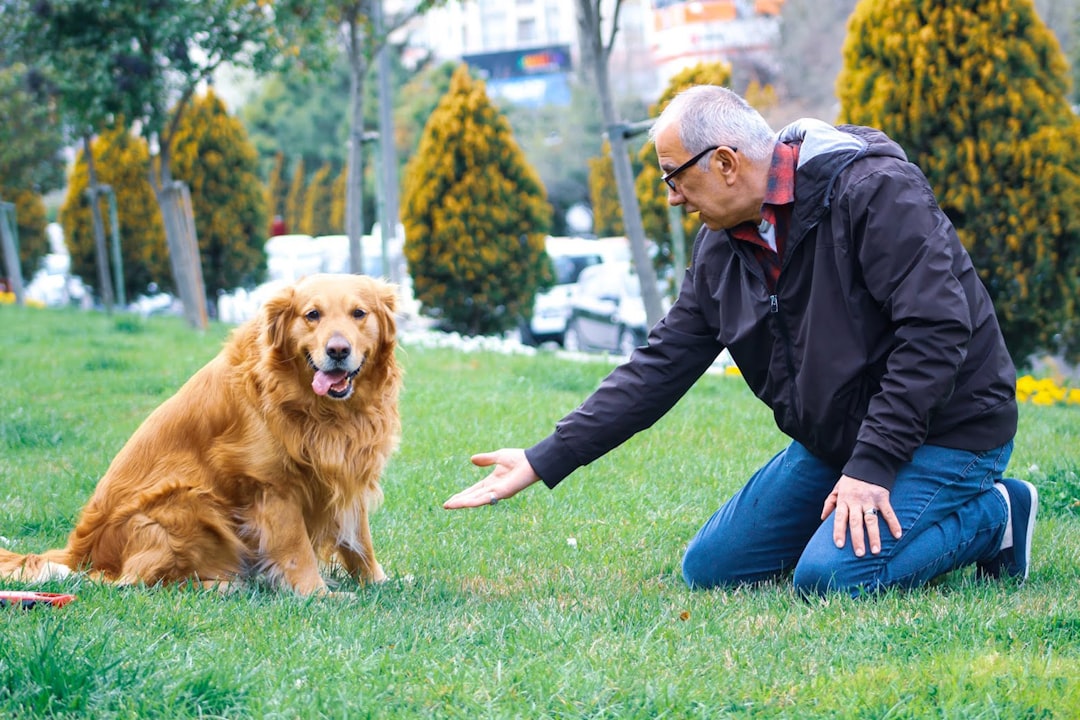
Choosing the right canine companion for your senior years shouldn’t feel like navigating a minefield. While the breeds we’ve discussed might not be ideal for seniors seeking calm companionship, remember that individual dogs can vary greatly within breeds, and there are plenty of wonderful, gentle breeds out there that would love nothing more than to spend quiet afternoons by your side.
The key is being honest about your lifestyle, energy levels, and what you can realistically manage. A good dog match should enhance your life, not exhaust it. Consider visiting local shelters where you can meet adult dogs whose personalities are already established, or research breeds known for their calm, manageable nature.
Your perfect companion is out there – one who’ll be content with gentle walks, cozy naps, and the simple joy of your company. Did you expect some of these surprising breeds to make the list?

As a little kid, I fell in love with nature, wildlife, and animals. Living in the USA, South Africa, Italy, China and Germany gave me the opportunity to discover the world's Wildlife. My favorite animals are Mountain Gorillas, Siberian Tigers, and Great White Sharks.
I'm a certified PADI Open Water Diver, went to Everest Base Camp and Trekked Gorillas in Uganda. I hold a Master of Science in Economics and Finance.
Please send any feedback to feedback@animalsaroundtheglobe.com
- 11 Most Unexpected Predator Prey Friendships - July 26, 2026
- 15 Cat Breeds Known for Being Extra Cuddly - July 26, 2026
- 13 Shark Species That Are Far More Dangerous Than You Think - July 26, 2026