

You’ve finally decided to bring home that adorable puppy you’ve been dreaming about. The cute little face, the wagging tail, the promise of endless companionship. But what happens when your new furry friend turns your house into their personal bathroom? Some dog breeds are notoriously difficult to house train, making even the most patient owner question their sanity. These breeds aren’t being spiteful or vindictive – they’re just wired differently, often with independent spirits that make them march to the beat of their own drum.
The difficulty of housebreaking a puppy will depend on many factors, and breed can definitely play into how well a dog responds to potty training. According to Pets WebMD, it typically takes 4-6 months for a puppy to be fully house trained, but some puppies may take up to a year. While every dog is an individual, certain breeds consistently show up on the “challenging to house train” lists, and there’s good reason for this pattern.
#13 Afghan Hound
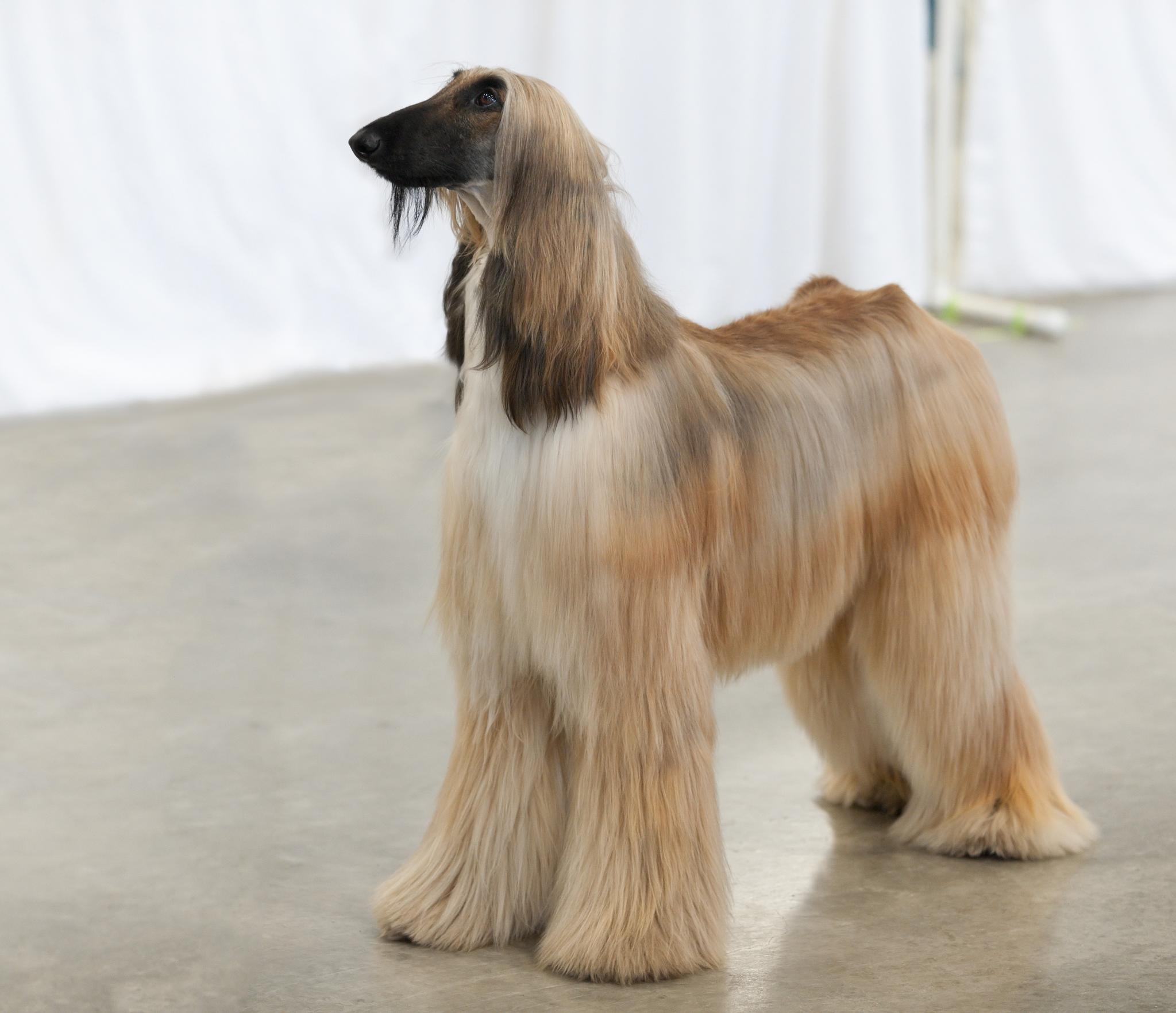
The Afghan Hound is like the supermodel of the dog world – absolutely stunning but not always cooperative when it comes to following rules. Afghan hounds have the independent personality of a cat and tend to do what they want, when they want, possibly ignoring your prompts and commands. These graceful beauties were bred to hunt in the mountains of Afghanistan, where making independent decisions was crucial for survival.
They may be stunning, but Afghan Hounds are slow learners and take a long time to housebreak. According to Pets4Homes, these lofty daydreamers need extra time, patience, and consistent training to catch on. Their aloof nature means they’re not particularly motivated by your approval, making the typical reward-based training methods less effective than with other breeds.
#12 American Foxhound
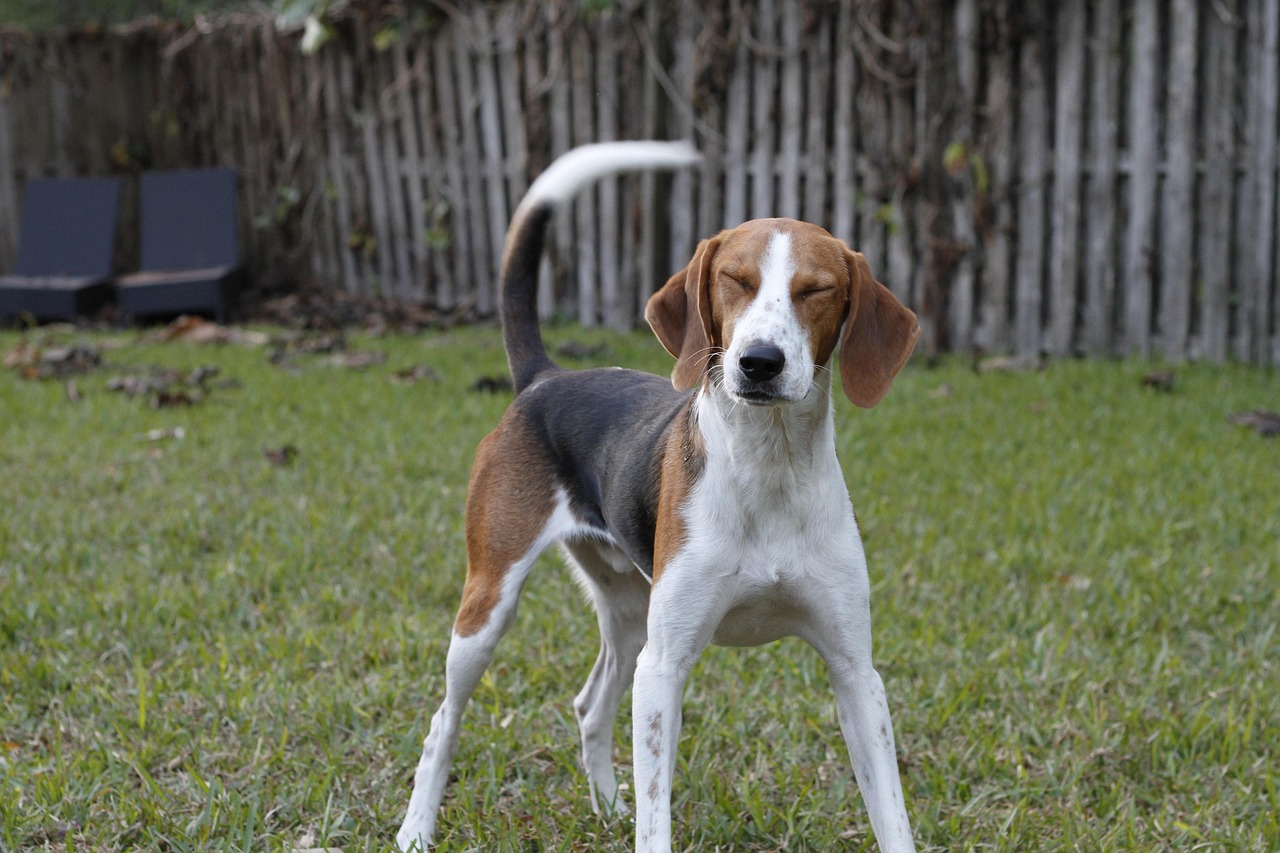
According to the AKC, training and housebreaking these independent souls can be a steep challenge for novice owners. The American Foxhound was bred to follow scent trails for miles, making their own decisions about which direction to go. This independence serves them well in hunting but creates challenges in house training.
An American Foxhound has strong hunting instincts and high energy levels. These dogs have an innate drive to follow scents and explore their environment. They’re easily distracted, and their boundless energy prevents them from focusing on the task. Additionally, their independent nature means that they might resist a regular schedule. Their nose leads them, not your house rules, which can make establishing a consistent bathroom routine particularly challenging.
#11 Basenji
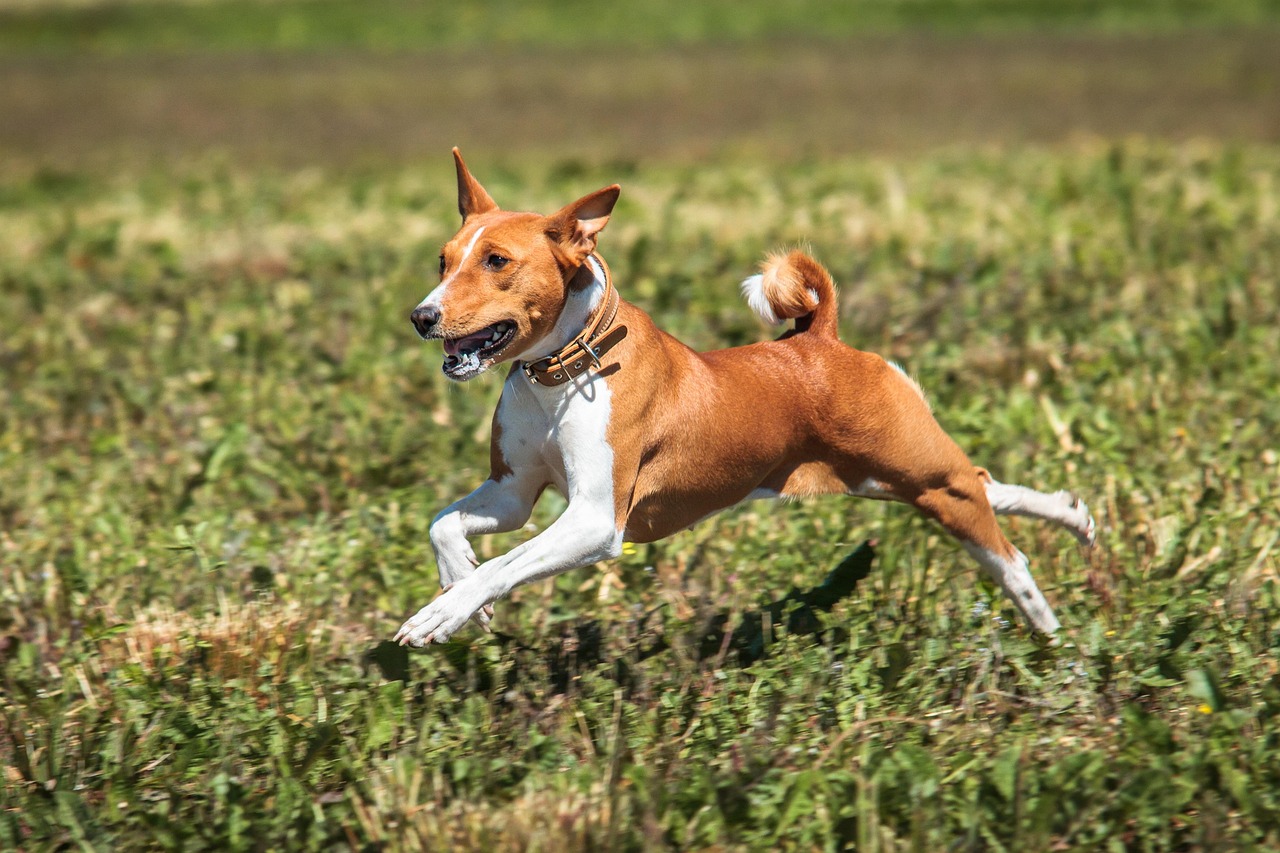
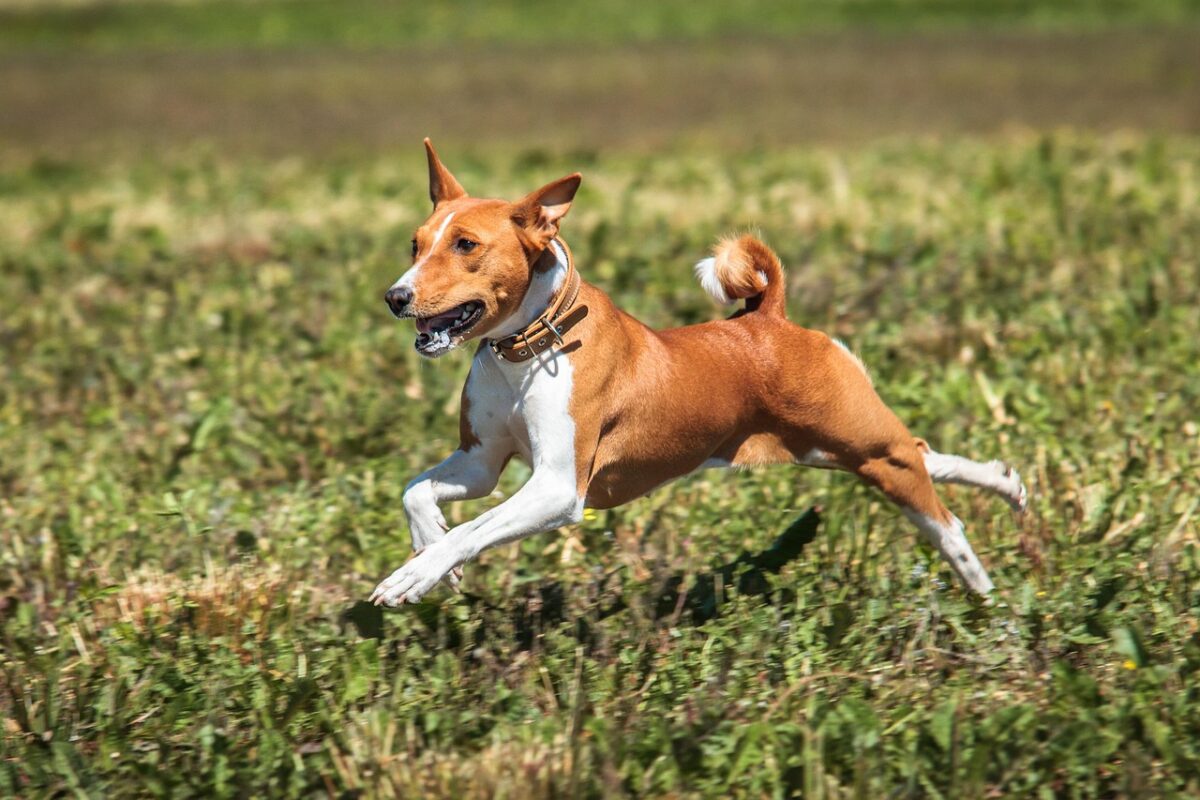
Known as the “barkless dog” from Africa, the Basenji brings its own unique challenges to house training. Basenjis are known to learn plenty of commands – it’s just a matter of whether they’ll actually perform them or not. This stubborn breed will usually decide what they feel like doing, so it’ll take a bit of extra training elbow grease to get their potty skills up to snuff.
These dogs are incredibly intelligent, but they use that intelligence to make their own decisions rather than blindly following human commands. Their cat-like nature means they’re selective about when and how they choose to cooperate. The Basenji’s strong-willed personality requires an experienced owner who understands that patience isn’t just helpful – it’s absolutely essential.
#10 Beagle
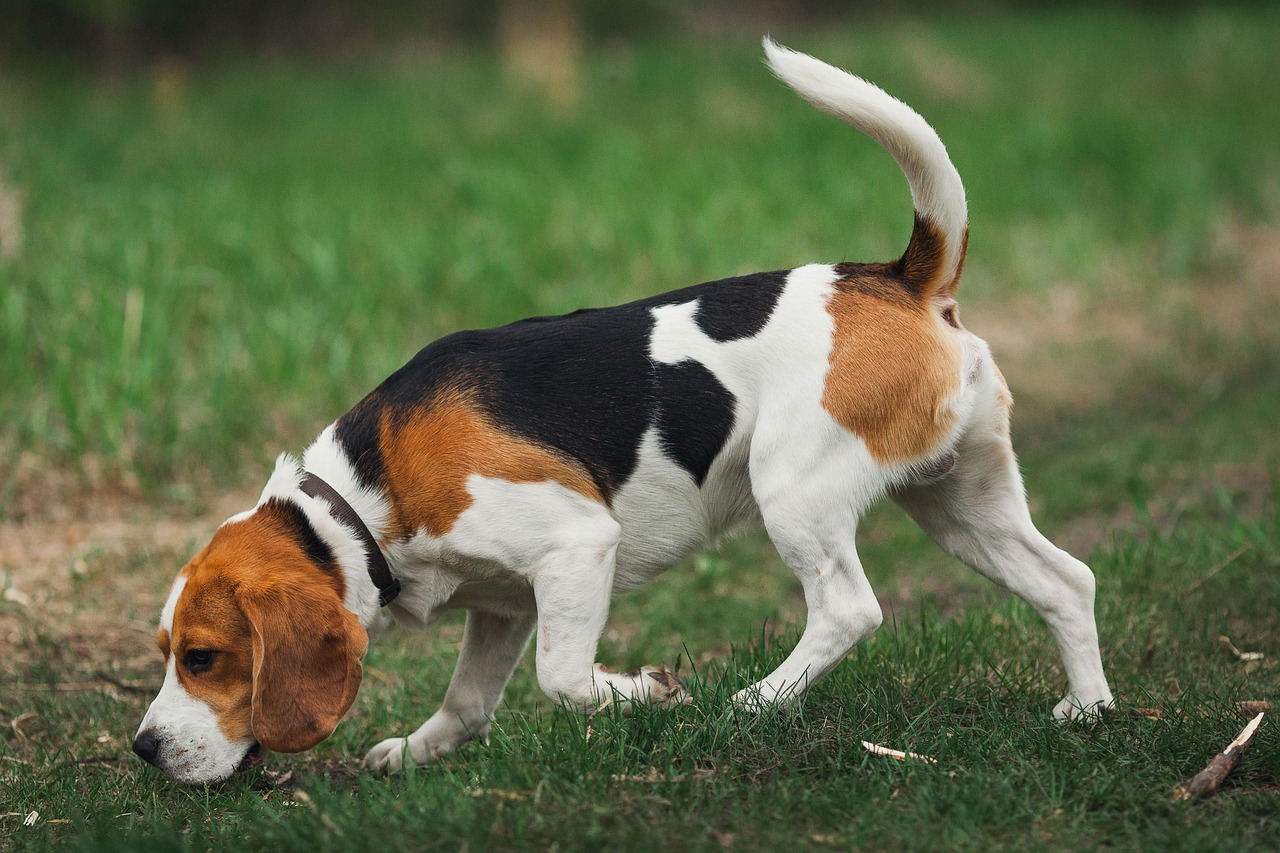
Beagles might look like the perfect family dog, but their nose-first approach to life creates real house training challenges. Beagles can be difficult to housetrain because according to Pets4Homes, the breed can be challenging to train due to their strong hunting instincts and scent-driven nature. They also tend to be excitable dogs with a short attention span that tend to get easily distracted and have a rather selective memory.
That’s a challenge for Beagles with their one-track hound minds. Their excitable nature, short attention span, and selective memory make it tough for them to focus on the different aspects of house training. When a Beagle catches an interesting scent, house training rules go right out the window. Their hunting heritage means they’re hardwired to follow their nose, not your schedule.
#9 Bichon Frise
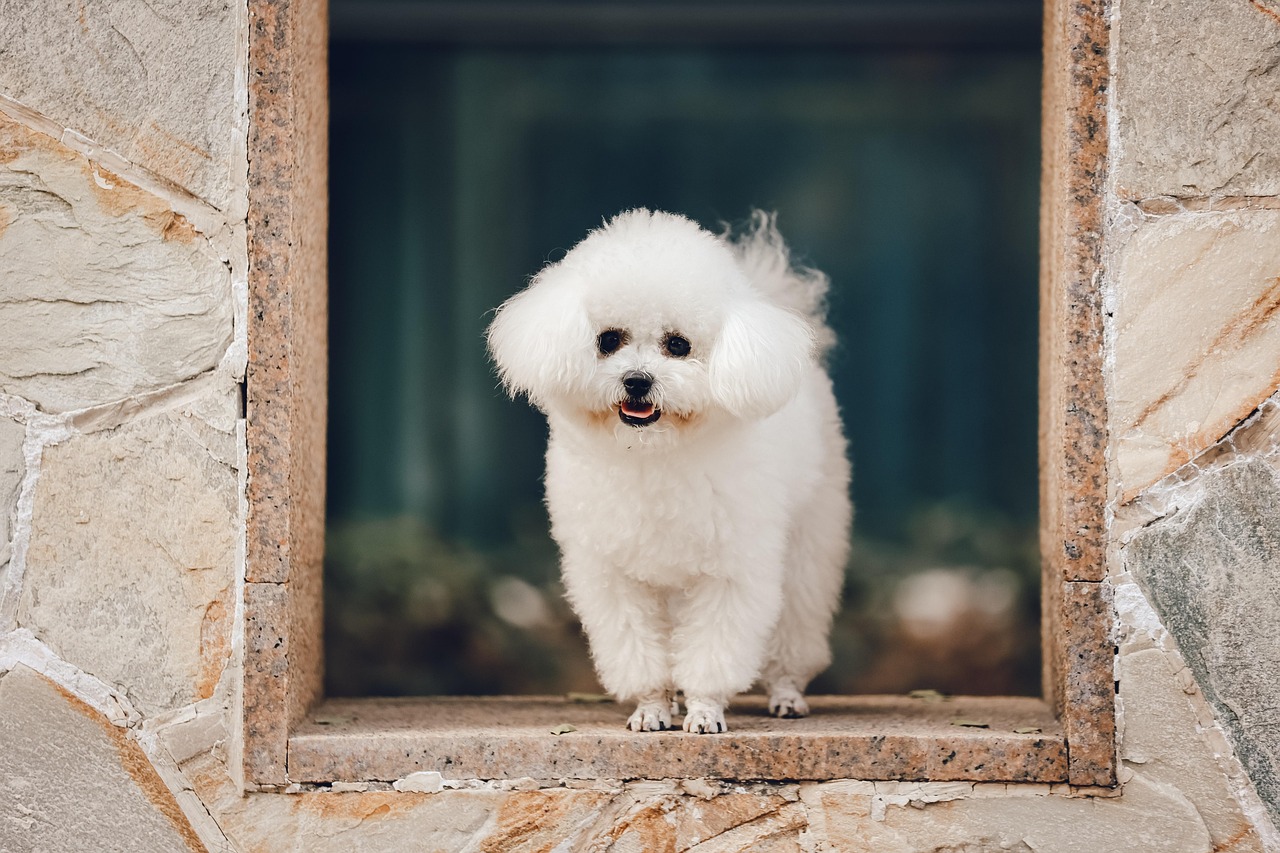
Don’t let that fluffy, adorable appearance fool you – Bichon Frises can be surprisingly stubborn when it comes to house training. The AKC says that Bichon Frises have a reputation for being difficult to housebreak, while MedNet Direct says that the breed is fiercely independent and tends to be picky about going outside when it’s rainy or cold out.
Small dog breeds like the Bichon Frise are smart, and they might think they’re smarter than you! Their intelligence works against traditional house training methods because they’re constantly trying to outsmart the system. According to PetPads, Bichon Frises are playful yet independent and sassy, which makes them tricky to train. They can be sneaky and might choose a corner for their business.
#8 Basset Hound
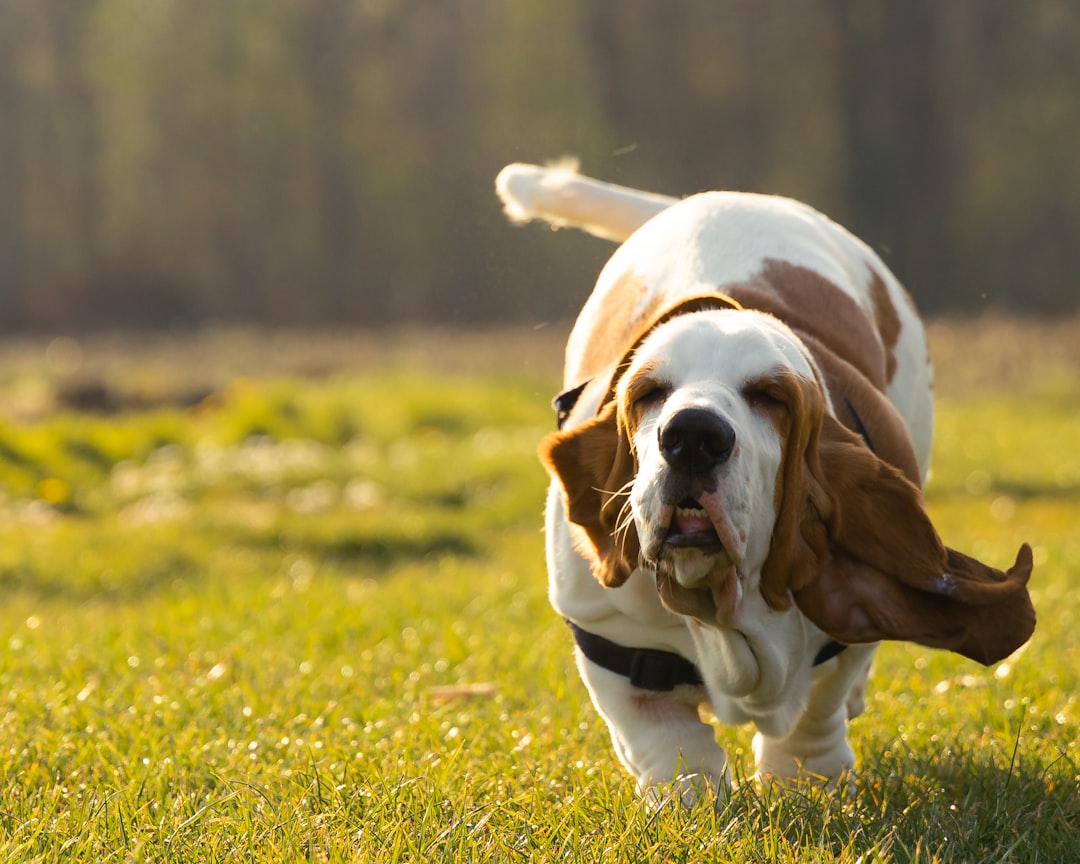
With their droopy ears and soulful eyes, Basset Hounds seem like they’d be eager to please. However, these scent hounds have their own agenda when it comes to bathroom habits. It’s tough to teach scent hounds like the Basset Hound to go potty because they’re also a stubborn breed. They can easily be distracted by their amazing sense of smell. Thus, they’d rather follow their noses over listening to your bathroom rules. You need extra patience and perseverance to help them understand where and when to do their business.
Their low-slung bodies and methodical pace mean they approach everything in life slowly, including learning house rules. Once a Basset Hound picks up an interesting scent, they become completely absorbed in following it, making them oblivious to your calls to come inside or go to their designated bathroom spot.
#7 Bulldog
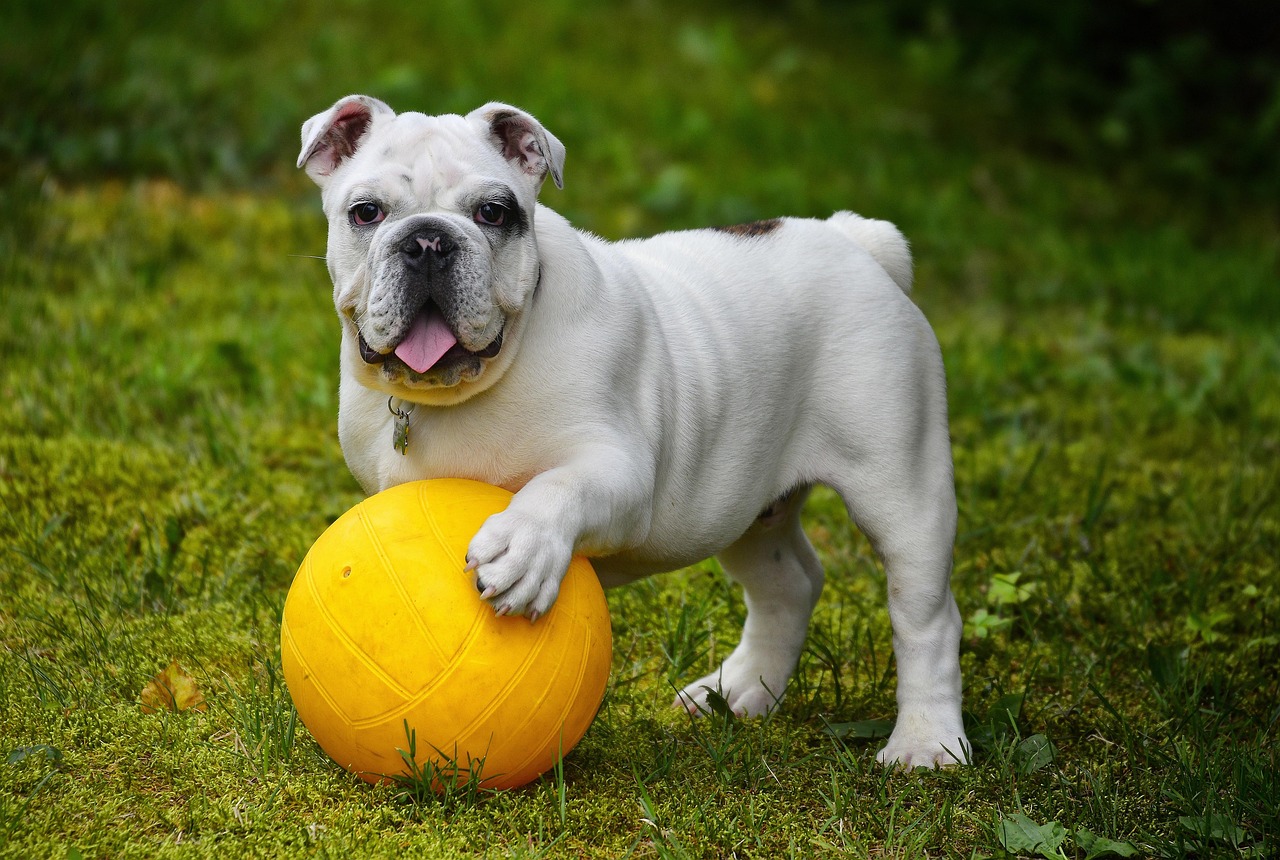
Bulldogs are difficult to train. They are willfully slow to follow commands and often prefer doing things on their own time. Despite this, Bulldogs are sensitive and truly want to please their owners. The contradiction here is what makes Bulldogs so challenging – they love their families but operate on their own timeline.
Their laid-back nature means they don’t see the urgency in your house training schedule. A Bulldog will eventually get around to going outside, but it’ll be when they’re good and ready. With treats, positive reinforcement, and consistent training sessions, they can be trained successfully, but expect the process to take significantly longer than with more eager-to-please breeds.
#6 Chow Chow
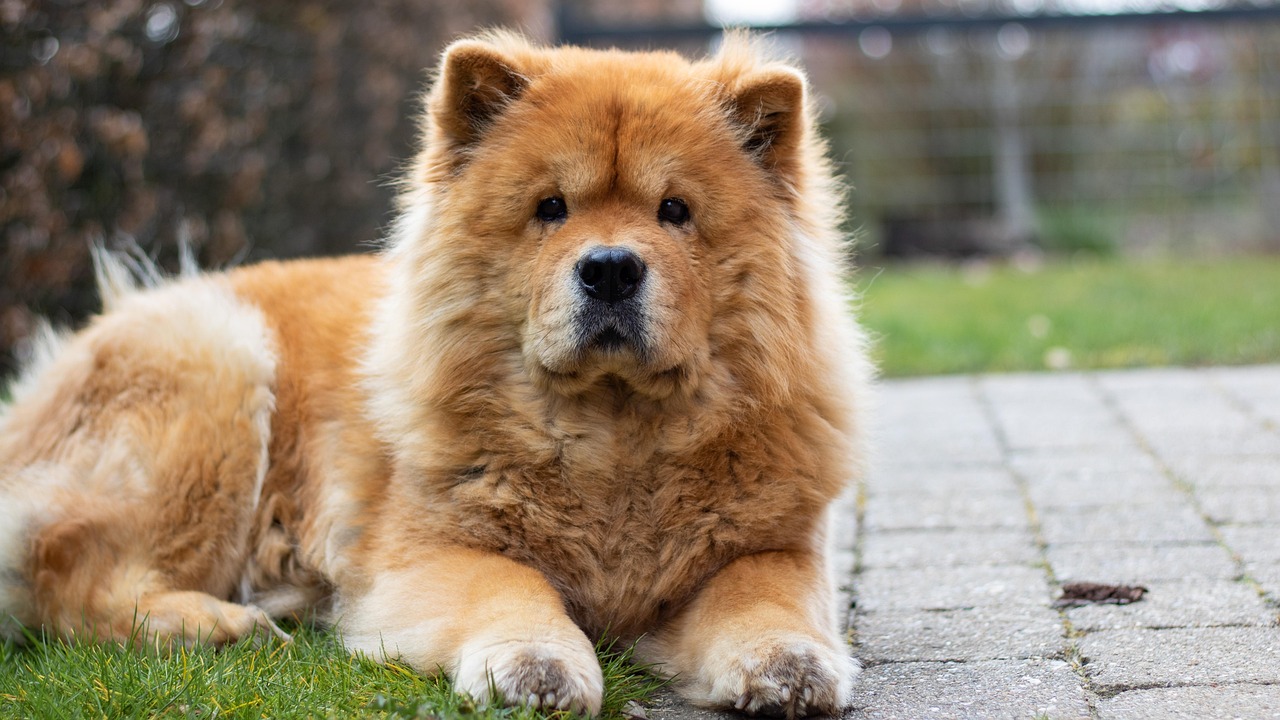
Chow Chows are famous for their aloof and independent nature. These traits make them difficult dogs to potty train. Their strong-willed temperament may hinder a consistent potty training routine. This ancient breed from China was developed to be independent guardians, making them naturally suspicious of new routines and schedules.
Chow Chows tend to be clean dogs and may prefer to hold it for a long time than eliminate indoors. These dogs are territorial, and they may mark their territory frequently. This makes it harder to establish clear bathroom boundaries. Their territorial nature combined with their independent streak creates a perfect storm of house training challenges.
#5 Chihuahua
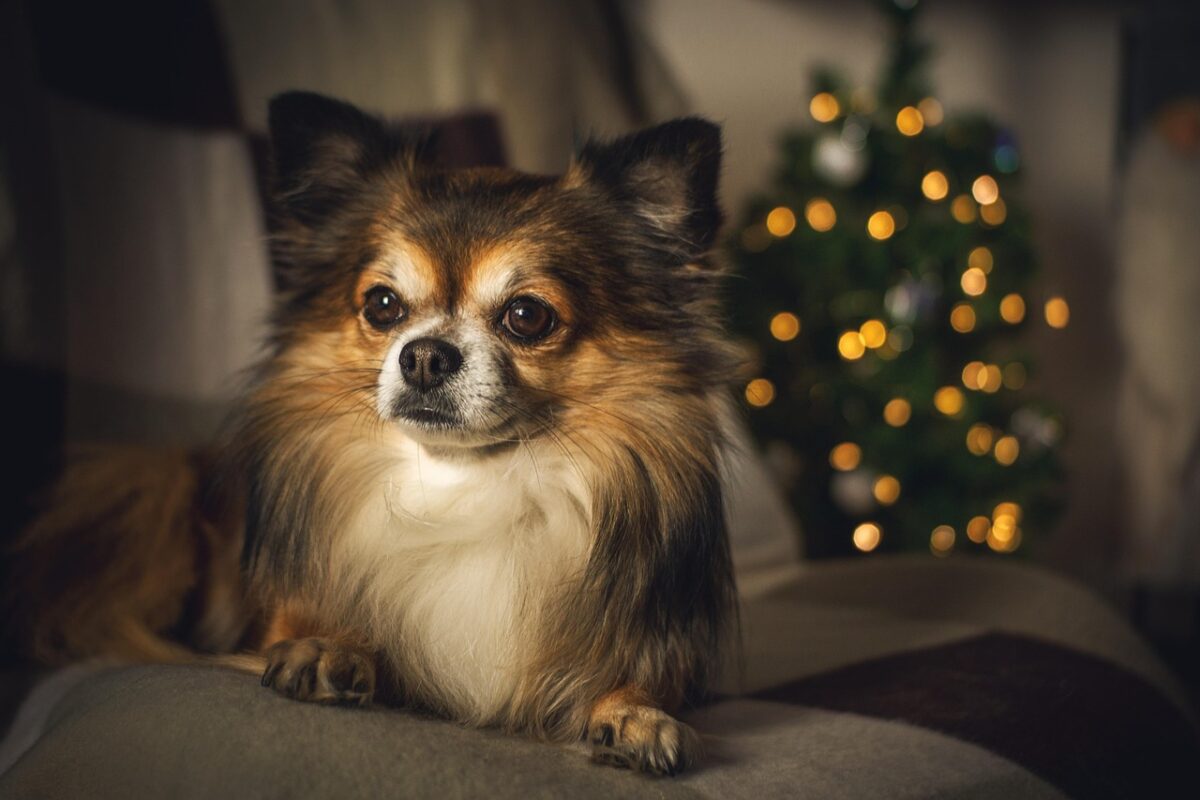
Chihuahuas are known for urinating whenever and wherever they feel like it because they know that they’ll get away with it. Chihuahuas can also be challenging to potty train because they hate going outside when it’s too cold or wet out. Their tiny size often means owners are more lenient with accidents, inadvertently reinforcing bad habits.
Chihuahuas also hate getting cold and wet, making potty training a challenge. Their small bladders require frequent trips outside, but their diva-like personalities mean they’ll refuse to go if conditions aren’t to their liking. This creates a frustrating cycle where they need to go out more often but are pickier about when they’ll actually cooperate.
#4 Dachshund
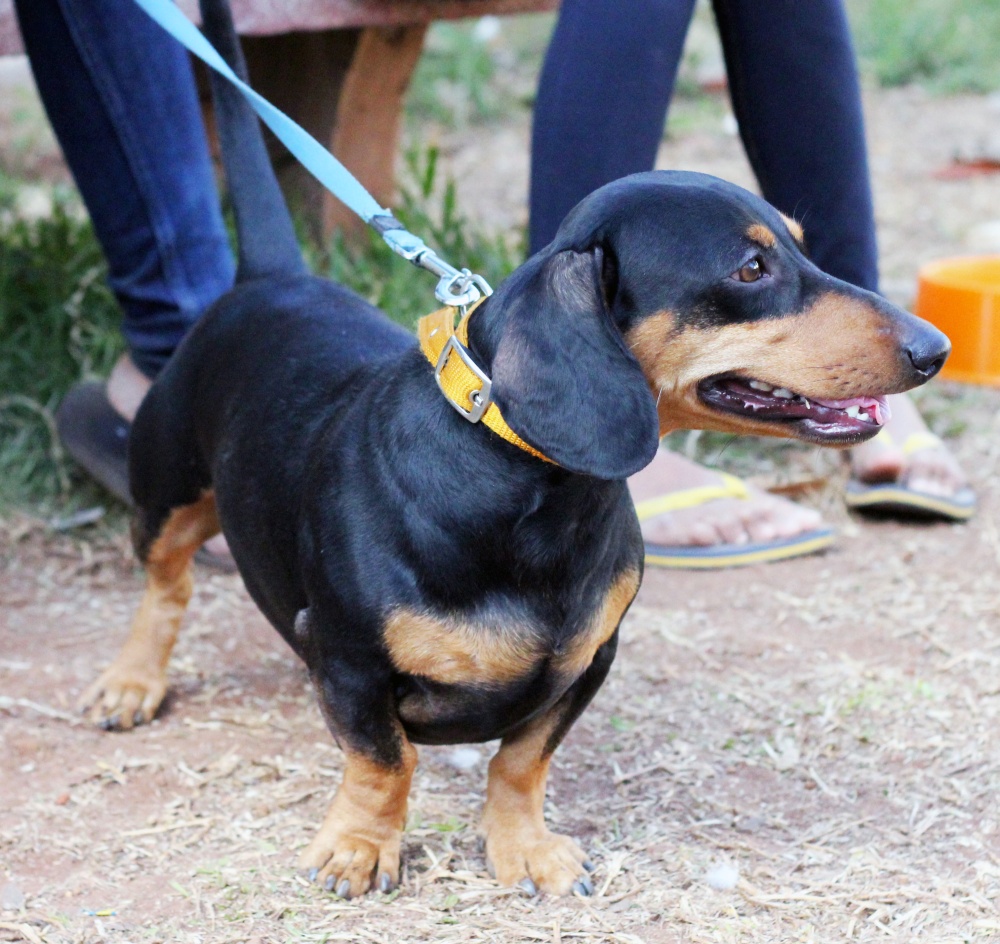
Those adorable sausage dogs come with a stubborn streak as long as their bodies. Dachshunds often get this “stubborn” label. What do these dog breeds have in common? They were bred to be hunting dogs. They have to think and outsmart prey. They race ahead of their people, corner an animal, and then wait for the slow humans to catch up. They’re less inclined to follow commands like come or stay because they “know better”. Why are their silly humans trying to stop them from doing their job?
Their hunting background means they’re used to making independent decisions underground in badger dens, where human guidance wasn’t possible. This independence translates into a “I’ll go when I want to go” attitude that can drive house training efforts to frustration. Their low-to-the-ground build also means they can sneak off to hidden corners more easily than taller breeds.
#3 Jack Russell Terrier
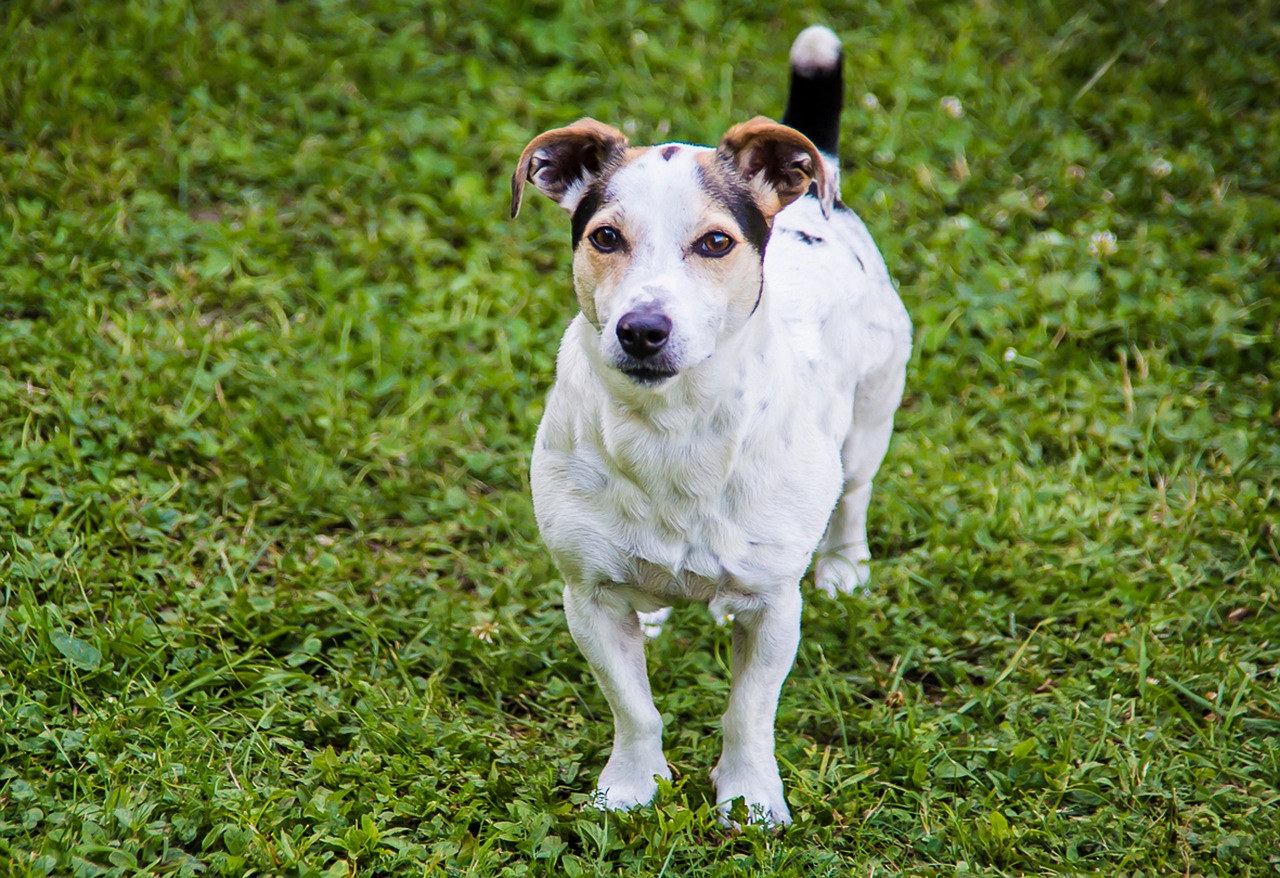
Jack Russell terriers are known to be a challenging breed, to say the least. From chewing up your shoes to running around the house at full speed, these pups are little balls of energy that can be difficult to potty train. Their high energy levels mean they’re constantly moving, making it harder to establish routine bathroom times.
Want them to pee outside? They might just pee on the entry rug instead because that’s close enough, right? Their terrier intelligence means they often find creative interpretations of your house rules. A Jack Russell might understand that outside is the preferred bathroom spot but decide that the mudroom or back porch qualifies as “close enough.”
#2 Shiba Inu
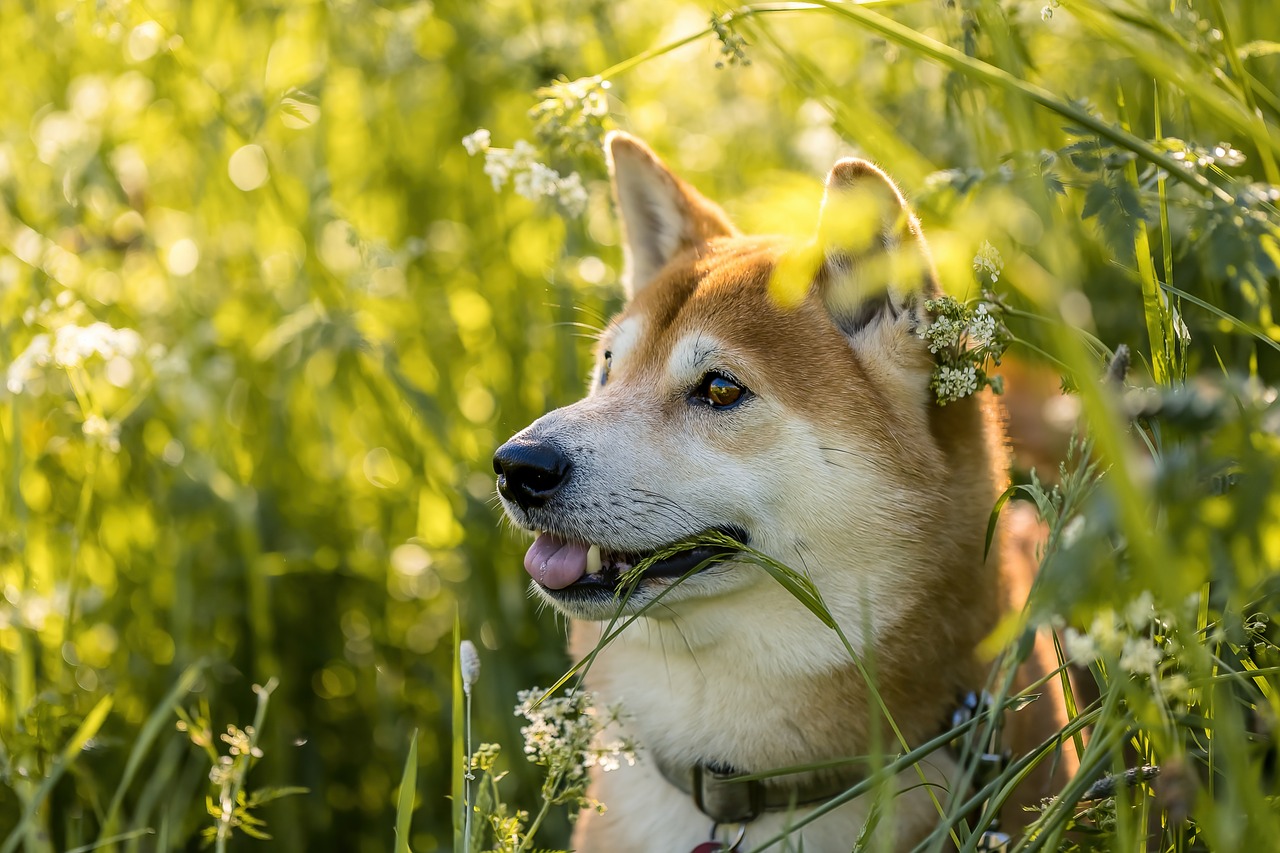
Many people believe that Shiba Inus are very feline-like. This perception is built around three of their strongest characteristics – independence, aloofness and determination. They’re one of the most ancient dog breeds of the world and their dash of “wilderness” often comes with a hint of unwillingness to be cuddly.
Their cat-like demeanor makes training difficult, and they are quick to lose interest if not properly engaged. Despite this, they form strong bonds with their families and show deep loyalty once trust is earned. The key word here is “once” – earning a Shiba Inu’s cooperation takes time and patience that many first-time dog owners aren’t prepared for.
#1 Siberian Husky
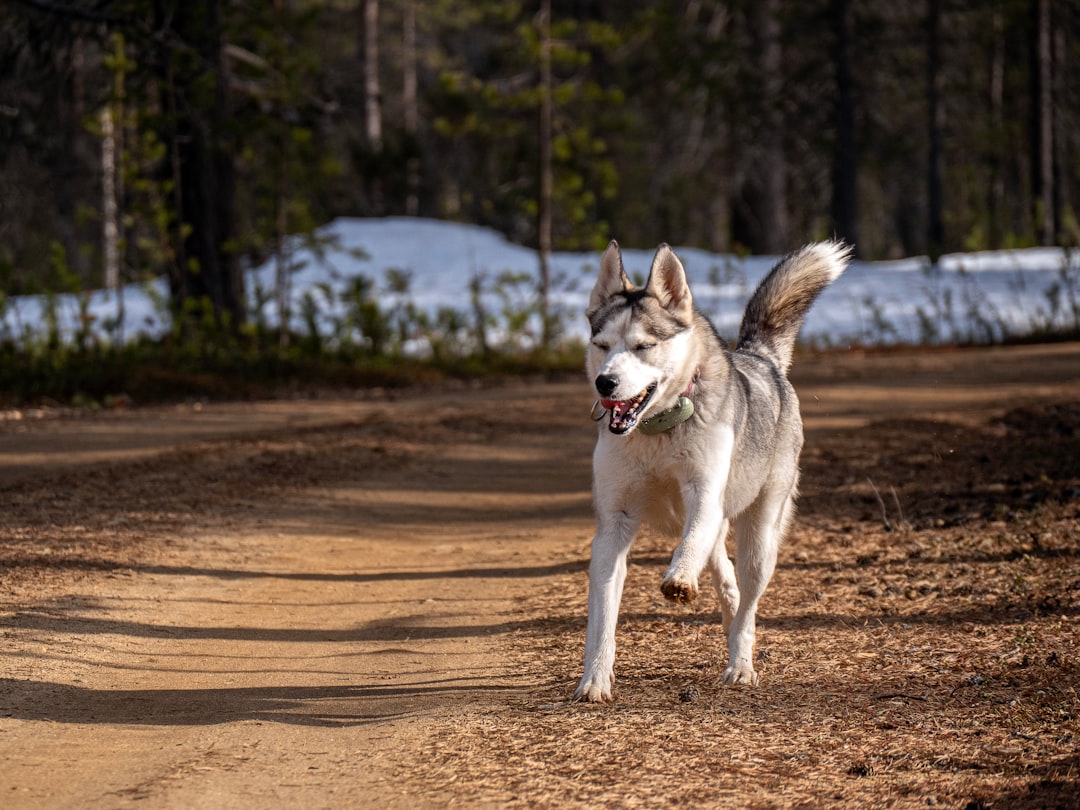
When these dogs set their heart onto something, they are usually unstoppable. For several pet parents, this may appear to be as stubbornness. When raising a Husky, recall must be one of the first things to focus on because they have a heart of an explorer and the agility of a horse. Their excellent communication and responding skills combined with their opinionated personality make Huskies a delightfully challenging breed to train.
Huskies are known for having a very strong personality which affects them in all areas of life, including potty training. This breed is determined and knows what he wants so expecting him to respond well without making too much effort from your part isn’t going to work out planned. This breed is also known for being very vocal so expect to hear a lot of whining and barking during training sessions. Their escape artist tendencies mean they’re always plotting their next adventure, making bathroom schedules seem trivial by comparison.
Conclusion
Training these stubborn breeds requires more than just patience – it demands a complete shift in expectations and approach. With patience and understanding, even the most willful breeds can thrive in a loving home. By offering positive reinforcement, staying consistent, and respecting that certain level of independence, you can build a bond based on trust. The key is understanding that these dogs aren’t being difficult on purpose; they’re simply expressing the traits that were carefully bred into them over centuries.
Success with these breeds often comes down to working with their nature rather than against it. Instead of viewing their independence as defiance, see it as an opportunity to be more creative with your training methods. Remember, every accident is a learning opportunity, and every small victory deserves celebration. With the right mindset and approach, even the most stubborn breed can become a well-house-trained companion.
What would you have guessed – that the most beautiful and intelligent breeds would be the hardest to house train?

As a little kid, I fell in love with nature, wildlife, and animals. Living in the USA, South Africa, Italy, China and Germany gave me the opportunity to discover the world's Wildlife. My favorite animals are Mountain Gorillas, Siberian Tigers, and Great White Sharks.
I'm a certified PADI Open Water Diver, went to Everest Base Camp and Trekked Gorillas in Uganda. I hold a Master of Science in Economics and Finance.
Please send any feedback to feedback@animalsaroundtheglobe.com
- 12 Sea Animals Believed to Bring Luck or Doom - July 29, 2026
- The Lizard That Can Run on Water – Nature’s Real-Life Jesus Lizard - July 29, 2026
- Why Some Fish Can Live in Both Freshwater and Saltwater - July 29, 2026