

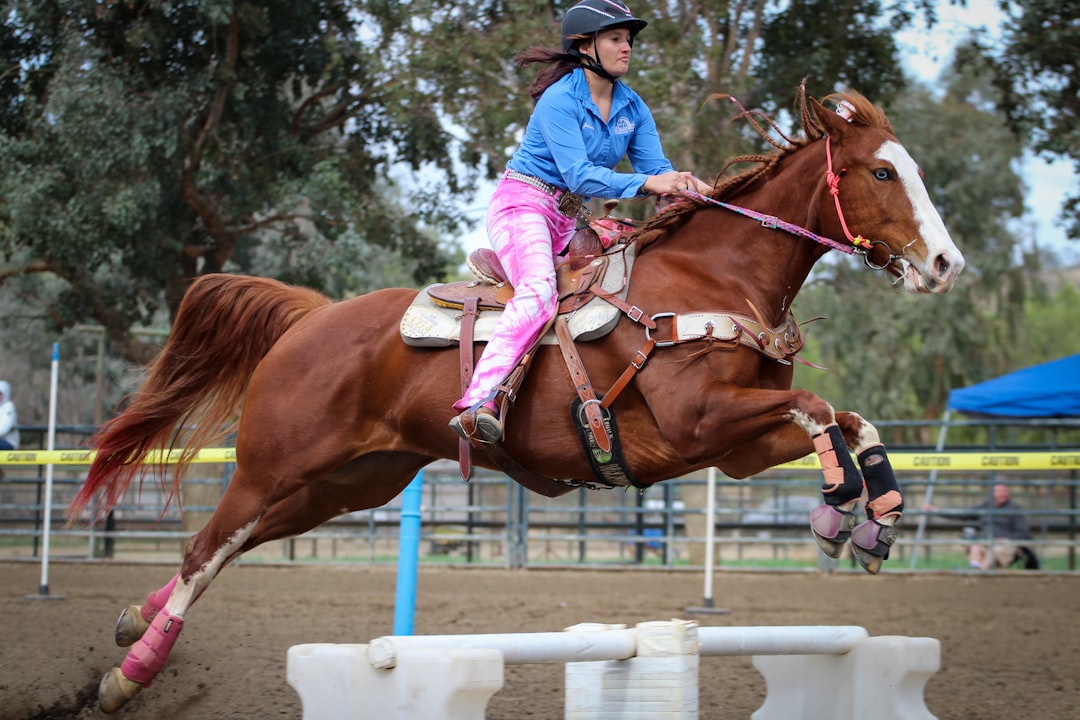
Horse ownership is a beautiful dream until reality hits with the force of a sudden vet bill. That majestic animal you’ve always wanted doesn’t come with an instruction manual warning about all the financial curveballs waiting in the shadows. While most folks prepare for the obvious costs like feed and boarding, it’s the unexpected expenses that catch even experienced owners off guard.
These hidden costs don’t discriminate between beginners and seasoned equestrians. They can turn a routine weekend barn visit into a financial nightmare faster than you can say “colic surgery.” The truth is, veterinarians see the same shocked expressions from owners week after week when reality meets the checkbook.
19. The “Free” Horse That Costs More Than Show Champions
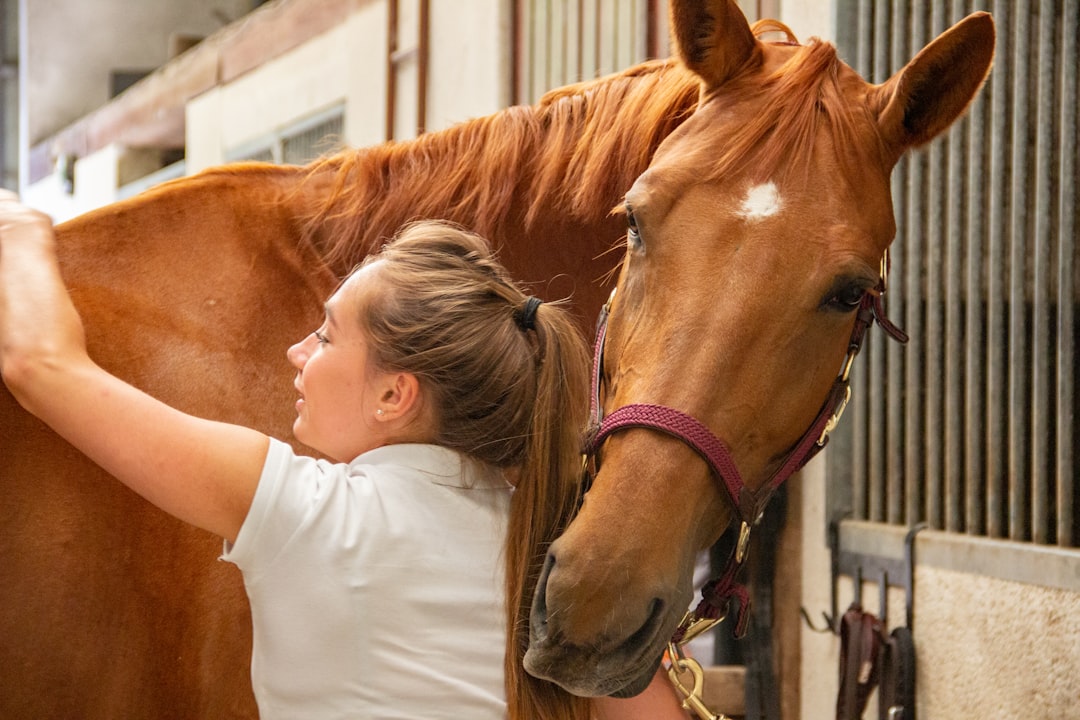
That generous neighbor offering their retired show horse for free might seem like a gift from heaven, but vets warn this scenario often becomes the most expensive mistake new owners make. Even “free” horses come with ongoing expenses for their care and maintenance, and older horses frequently require more intensive medical care than younger animals.
The hidden reality behind “free” horses often involves underlying health issues that previous owners couldn’t afford to treat. Make sure you know why the horse is being rehomed and any existing health issues. These may not be an issue for you, but knowing what you are getting ahead of time is important. What starts as a generous gift can quickly spiral into thousands of dollars in diagnostic tests, treatments, and ongoing care.
18. Pre-Purchase Exams That Reveal Deal-Breakers Too Late

Most buyers know they need a pre-purchase veterinary exam, but many don’t realize the depth of evaluation required for different types of horses. The cost of these exams typically correlate with the price of the horse. The more expensive the horse or intense the job, the more extensive the PPE.
A basic exam might miss subtle lameness issues or developing problems that become expensive nightmares later. In addition to a basic physical exam, a thorough lameness exam and sometimes radiographs and other imaging may be completed. Smart buyers learn too late that skimping on the pre-purchase exam often costs far more than investing in comprehensive diagnostics upfront.
17. Boarding Contracts with Hidden Fee Surprises
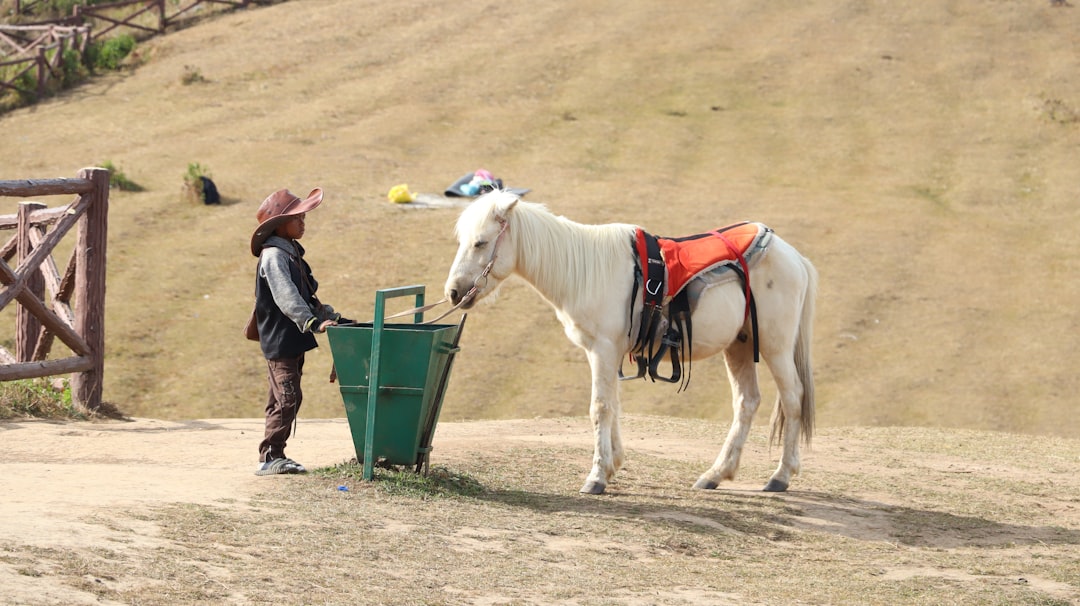
Boarding facilities rarely advertise their complete fee structure upfront, leaving owners shocked when monthly bills arrive. The average boarding costs for a horse range from $2,400 to $9,600 per year. This can vary widely based on the facilities’ location, quality, and the services they offer.
Additional charges for hay delivery during shortages, emergency blanketing fees, and medication administration costs pile up quickly. Many contracts include clauses allowing facilities to increase fees with minimal notice, turning what seemed like an affordable arrangement into a budget-breaking expense. The fine print often contains surprises that owners discover only when they’re already committed.
16. Emergency After-Hours Veterinary Fees That Double the Bill
Horse emergencies don’t follow business hours, and after-hours veterinary care comes with steep premium pricing. A veterinary emergency after-hours can cost between $200 and up to several thousand dollars if hospitalization or surgery is required. Even minor issues treated during emergency hours can cost significantly more than the same treatment during regular business hours.
The reality hits hardest when owners realize that waiting an hour or two can be the difference between a simple house call from the vet and an after hours emergency. Travel fees, emergency service charges, and premium medication pricing all compound to create bills that can easily triple the cost of routine care.
15. Colic Surgery Costs That Exceed Most Car Purchases

The word “colic” strikes fear into every horse owner’s heart, but few realize the staggering financial reality of surgical intervention. Over 60% of owners indicated that they would pay $5,000 or less for emergency colic surgery. This is notable because the actual cost for colic surgery and aftercare can far exceed $5,000, depending on the severity.
Real-world costs tell a different story than owner expectations. Total cost to an owner for a patient that experiences an uncomplicated recovery averages $6000 – $8000. A complicated recovery is uncommon but may exceed $10,000. These figures don’t include the emotional toll of making life-or-death decisions under extreme time pressure.
14. Dental Care Costs That Multiply Beyond Basic Floating

Most horse owners budget for annual dental floating, but few anticipate the escalating costs of more complex dental work. A rough estimate would be around $200-250.00, assuming there are no significant complications for routine floating, but complications can multiply costs dramatically.
The reality becomes more expensive when horses require extractions or specialized dental work. Incisor extractions might cost around £200, while canine extractions could be more expensive at £250. Regional variations also shock owners, with some areas experiencing significant price increases year over year for the same basic services.
13. Farrier Costs That Vary Wildly by Location and Need
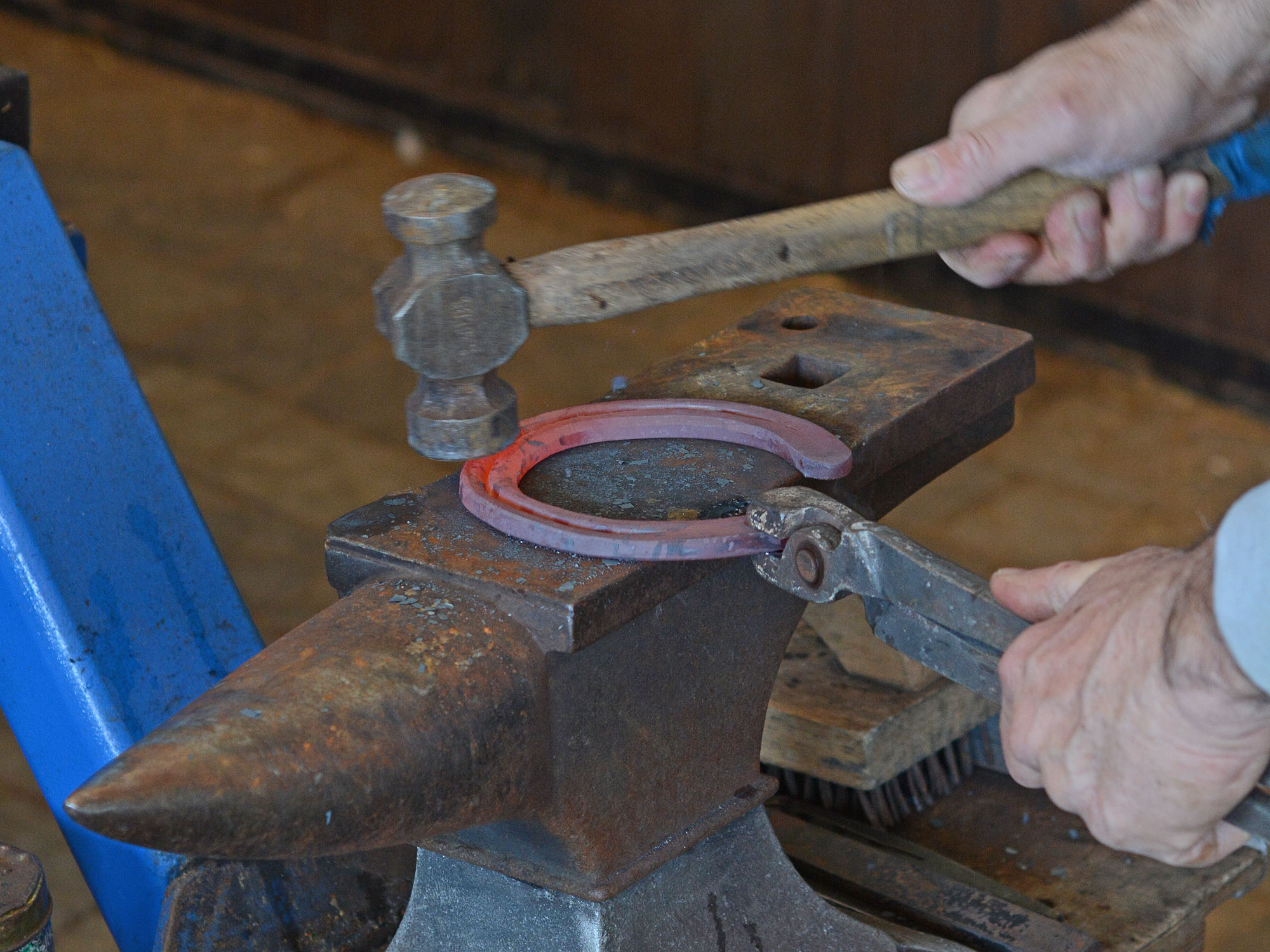
Basic farrier care seems straightforward until owners discover the vast regional differences and specialized needs that drive up costs. Hay costs $18 a bale in California and shoe trims start here at $45, not $25… Down in Miami, a decent bale cost $23 on a good day, you can’t get a trim for under $30.
Farrier services, needed every six to eight weeks, can add a significant amount to annual care costs. Performance horses requiring specialized shoes or corrective farriery can see costs skyrocket beyond basic trimming. What starts as a routine expense can become a major budget item when horses develop hoof problems requiring ongoing corrective work.
12. Hay and Feed Price Volatility That Breaks Budgets
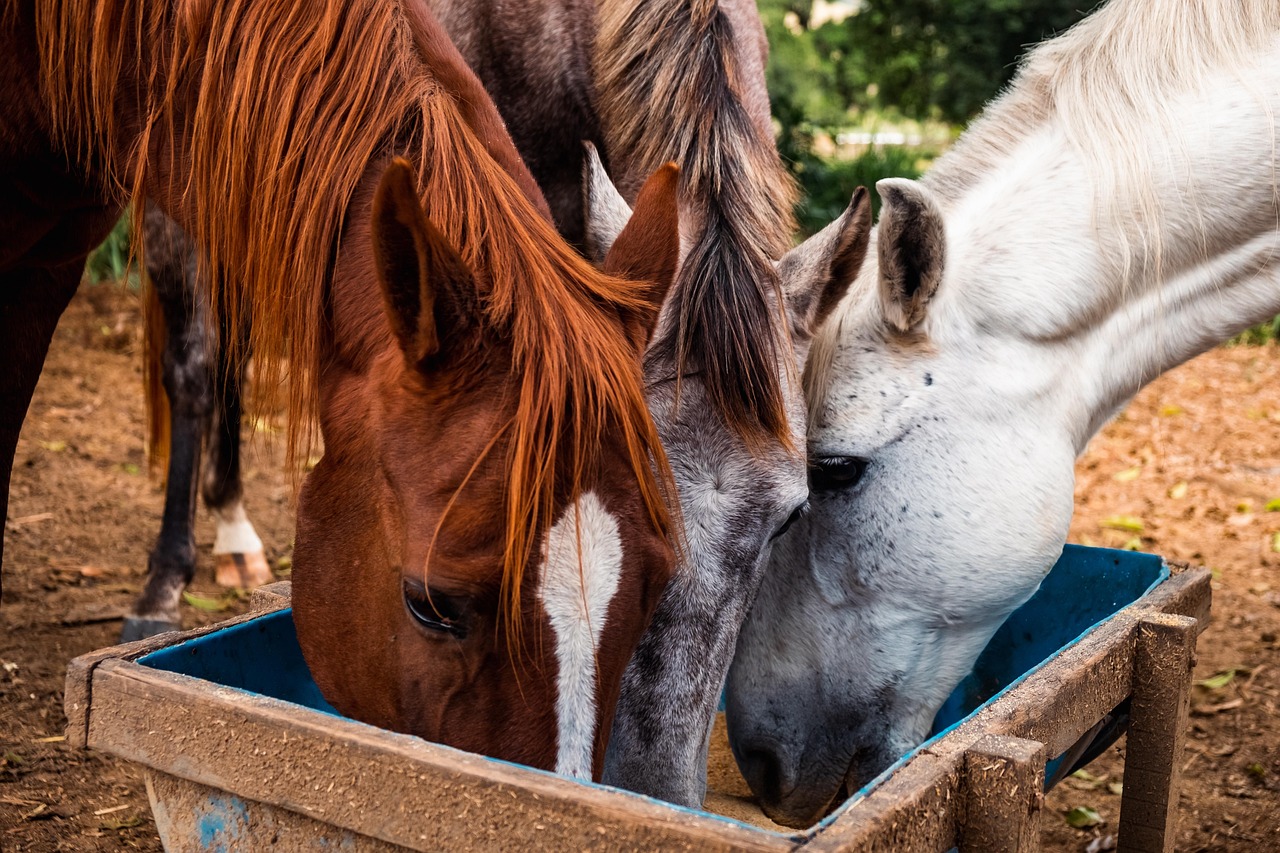
Feed costs represent the most deceptive ongoing expense because market prices fluctuate dramatically based on weather, transportation, and regional supply issues. Hay might cost $4-6 per bale in hay-producing regions but $15-25 in areas that must import hay. These variations can double or triple monthly feeding costs overnight.
Smart owners learn too late that feed cost represents approximately 30% of the total cost of horse ownership, but it’s the area where cutting corners can most directly impact your horse’s health and result in larger veterinary bills. Quality variations and special dietary requirements for performance or sensitive horses can push feed costs far beyond initial budget projections.
11. Insurance Exclusions That Leave You Exposed

Equine insurance seems like smart protection until owners discover the maze of exclusions and limitations. If your horse has a problem with something, that thing gets excluded on future insurance policies… Insurance will cover things this time around, but not after that.
Pre-existing conditions create permanent exclusions that leave owners vulnerable to repeat problems. Investigating insurance for your pet might be something to consider; these programs may cover theft, medical, surgery, and mortality… In general, basic equine insurance costs between $200 and $600 per year. The shock comes when owners realize their coverage has more holes than protection.
10. Specialized Veterinary Equipment and Diagnostic Costs
Modern equine medicine offers incredible diagnostic capabilities, but these advanced technologies come with premium price tags. Equine dentistry, surgery, anesthesia, imaging, and treatments have all reached new levels of sophistication in private practice, and new levels of cost. Highly sophisticated and costly MRI, nuclear medicine, and other specialized are increasingly becoming the standard in private practice.
Owners often face impossible decisions between cutting-edge diagnostics and budget constraints. The expectation for comprehensive diagnostic workups means that simple lameness exams can easily cost hundreds of dollars before any treatment begins. These costs continue rising as veterinary practices invest in expensive equipment that clients ultimately pay for through higher service fees.
9. Medication and Treatment Markup That Shocks Owners

Prescription medications through veterinarians carry significant markups that catch owners unprepared. Drugs purchased through your equine veterinarian are typically more expensive than those purchased through veterinary supply catalogs. However, many prescriptions require veterinary oversight, leaving owners with limited options.
Chronic conditions requiring daily medications create ongoing expenses that quickly add up. If your horse develops arthritis, or a common metabolic disease such as EMS or PPID, daily medication or special feeds may be required which can add up to several hundred dollars per year. What starts as a simple treatment recommendation becomes a permanent budget line item.
8. Training and Professional Services That Compound Quickly

Professional training costs extend far beyond basic riding lessons, with specialized training for behavioral issues or performance goals carrying premium pricing. Ongoing education for both horse and rider constitutes a significant portion of monthly horse expenses that new owners often underestimate.
Behavioral problems requiring professional intervention can cost thousands of dollars before resolution, if resolution is even possible. The reality shock comes when owners realize that some training issues require ongoing professional support rather than one-time fixes, creating permanent expenses they never anticipated.
7. Property Maintenance and Infrastructure Surprises
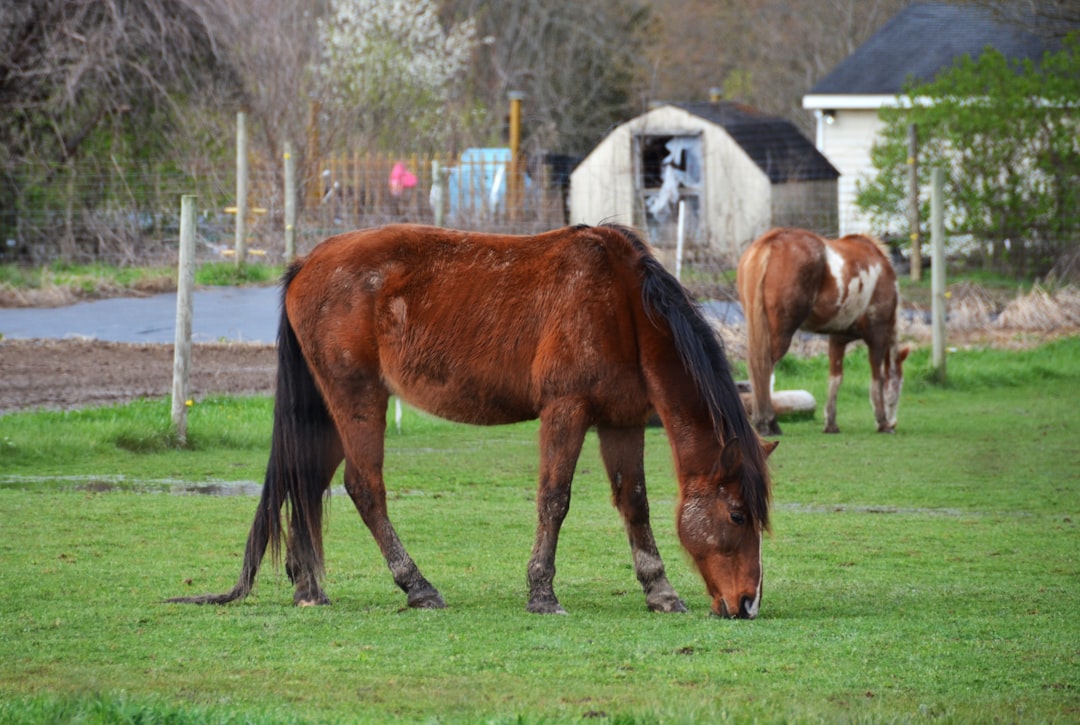
Horse properties require constant maintenance that goes far beyond basic property upkeep. Fencing repairs, stall maintenance, and drainage issues create ongoing expenses that many new horse property owners never anticipated. The romantic vision of keeping horses at home quickly meets expensive reality.
Weather damage, horse-induced wear and tear, and safety requirements mean that infrastructure expenses never end. What seems like a one-time investment in fencing and stalls becomes an ongoing expense account for repairs, upgrades, and replacements that can easily cost thousands annually.
6. Transportation Costs That Multiply with Distance
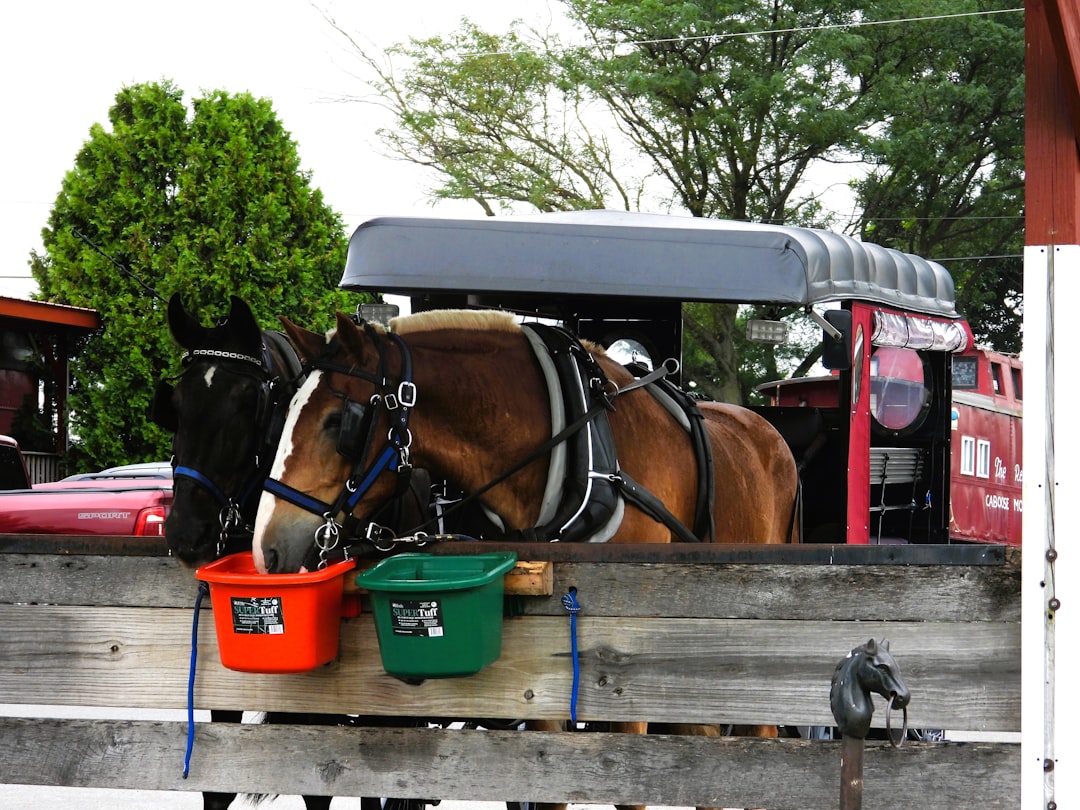
Hauling horses to shows, clinics, or veterinary facilities creates expenses that extend far beyond fuel costs. Most recreational horses are under $10,000, with an average price of about $5,000-$7,000, but transportation costs for purchasing can add significantly to acquisition expenses.
Emergency transportation to surgical facilities often costs hundreds of dollars in mileage fees, plus the stress of finding available trailers during crisis situations. Regular transportation for training, shows, or veterinary care accumulates into substantial annual expenses that casual horse owners rarely budget adequately.
5. Supplement and Product Marketing Traps

The equine supplement industry targets horse owners with expensive products promising miraculous results. Many expensive equine products actually have no benefit and some may even be harmful. Vendors can make any claims they want about their products. There is almost no regulation and many promote their products shamelessly and misleadingly.
Well-meaning owners often accumulate dozens of supplements based on marketing claims rather than veterinary recommendations. The costs of these products can easily exceed the horse’s basic feed requirements while providing questionable benefits. Smart owners learn too late that view these products with a critical eye and when in doubt, ask your vet for advice.
4. Age-Related Care Escalation That Accelerates
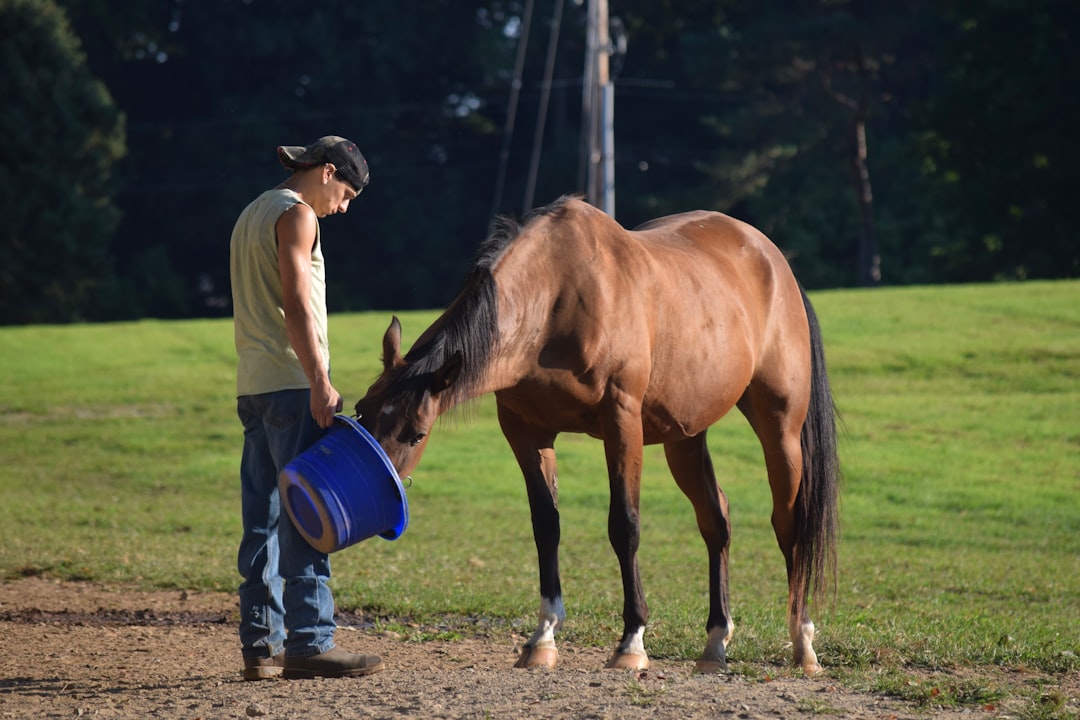
Senior horses require increasingly intensive care that creates exponentially growing expenses. As your horse ages, there may be more frequent exams necessary or other medications. If your horse develops arthritis, or a common metabolic disease such as EMS or PPID, daily medication or special feeds may be required.
The golden years of horse ownership often become the most expensive, with multiple chronic conditions requiring simultaneous management. Owners who thought they were financially prepared for senior horse care discover that age-related medical needs can double or triple annual veterinary expenses compared to younger animals.
3. Competition and Performance Horse Hidden Costs

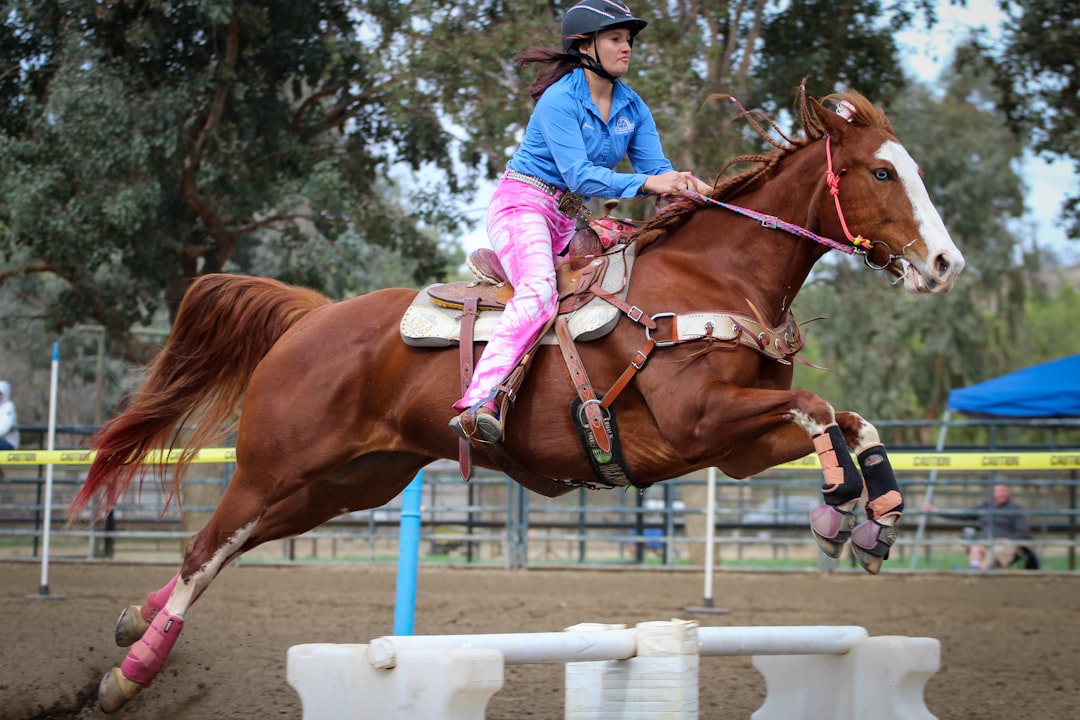
Show horses and performance animals require levels of care that far exceed basic maintenance. If your horse is a high performing athlete, they may need the assistance of periodic joint injections of steroids or artificial synovial products to stay comfortable competing at a high level.
Entry fees, specialized equipment, training intensives, and maintenance therapies for competitive horses create ongoing expenses that can easily cost more annually than the horse’s original purchase price. The competitive horse world operates on the assumption that owners will spare no expense for performance, creating pressure to continually upgrade care regardless of budget constraints.
2. Emergency Fund Inadequacy That Creates Impossible Choices

Most horse owners maintain emergency funds, but veterinary crises often exceed these reserves quickly. Set aside another $500-1,500 in an emergency horse fund in the event of an unexpected surgery or health scare, but real emergencies often cost multiples of these recommended amounts.
Most horse owners should expect to face at least one significant medical emergency during their horse’s lifetime… Emergency care represents the most financially devastating aspect of horse ownership for unprepared owners. The emotional stress of making medical decisions based on financial limitations rather than medical needs creates impossible situations for devoted owners.
1. The Compounding Effect of Multiple Simultaneous Issues
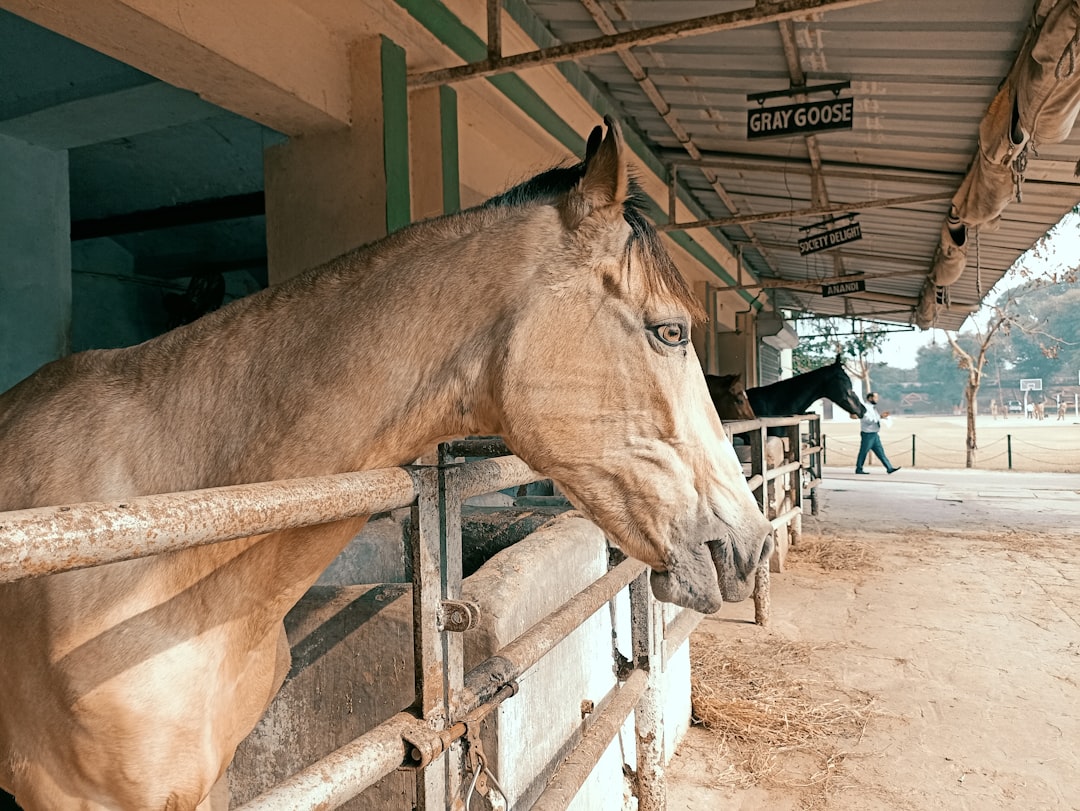
The most expensive surprise in horse ownership occurs when multiple problems arise simultaneously, creating perfect storms of veterinary expenses. What starts as a simple injury can cascade into secondary complications requiring multiple specialists and extended treatment protocols.
Horses don’t schedule their health problems conveniently, and experienced veterinarians know that complex cases often involve multiple body systems requiring simultaneous treatment. According to the new Synchrony Equine Lifetime of Care study, horse owners, who are passionately devoted to their animals, often underestimate the total cost of care. While 83% of horse owners say they are prepared for expenses, actual costs can be three to four times higher than they expect. The compounding effect of multiple issues creates expenses that can quickly reach five-figure totals, forcing owners into heartbreaking decisions about their beloved animals’ futures.
Conclusion

Horse ownership brings unmatched joy and fulfillment, but financial reality demands honest preparation rather than optimistic assumptions. The veterinarians who see these cost surprises daily emphasize that knowledge and planning prevent most financial crises. Smart owners create comprehensive budgets that include emergency funds far exceeding recommended minimums, establish relationships with equine insurance providers before problems arise, and maintain open communication with veterinary teams about cost expectations.
The horses that bring us such happiness deserve owners who can afford their care without financial stress. Preparation doesn’t guarantee smooth sailing, but it transforms manageable challenges into relationship-ending crises. Did you expect that horse ownership would involve this many hidden financial landmines?

As a little kid, I fell in love with nature, wildlife, and animals. Living in the USA, South Africa, Italy, China and Germany gave me the opportunity to discover the world's Wildlife. My favorite animals are Mountain Gorillas, Siberian Tigers, and Great White Sharks.
I'm a certified PADI Open Water Diver, went to Everest Base Camp and Trekked Gorillas in Uganda. I hold a Master of Science in Economics and Finance.
Please send any feedback to feedback@animalsaroundtheglobe.com
- 12 Sea Animals Believed to Bring Luck or Doom - July 29, 2026
- The Lizard That Can Run on Water – Nature’s Real-Life Jesus Lizard - July 29, 2026
- Why Some Fish Can Live in Both Freshwater and Saltwater - July 29, 2026