
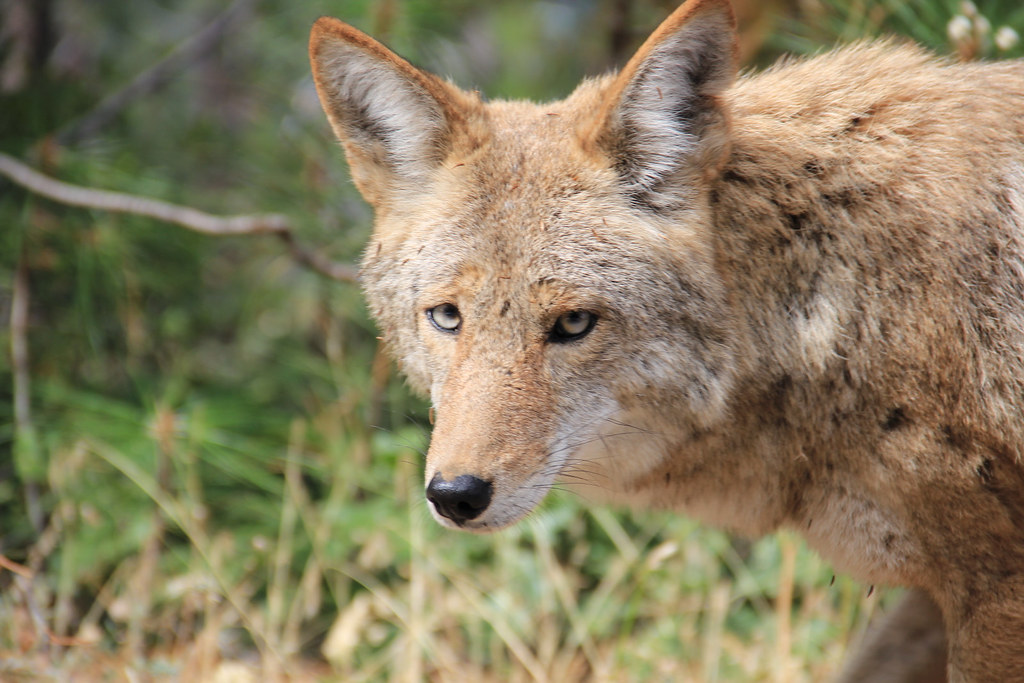
Have you ever wondered which wild canine matches your inner predator? The fascinating world of wolves and coyotes offers more than just stunning wildlife encounters – it reveals profound differences in personality, behavior, and survival strategies that mirror our own human traits. These remarkable creatures have adapted to thrive in completely different ways, from the loyal pack-oriented wolves to the resourceful independent coyotes. Each represents a distinct approach to life, leadership, and social interaction that might just match your own instincts. Understanding these predators goes far beyond simple wildlife education. Their behavioral patterns, hunting styles, and social structures can actually help us understand ourselves better. So let’s dive into the captivating world of these magnificent canines and discover which predator’s mindset aligns with your own natural tendencies.
The Pack Leader Mentality: Wolf Leadership Traits
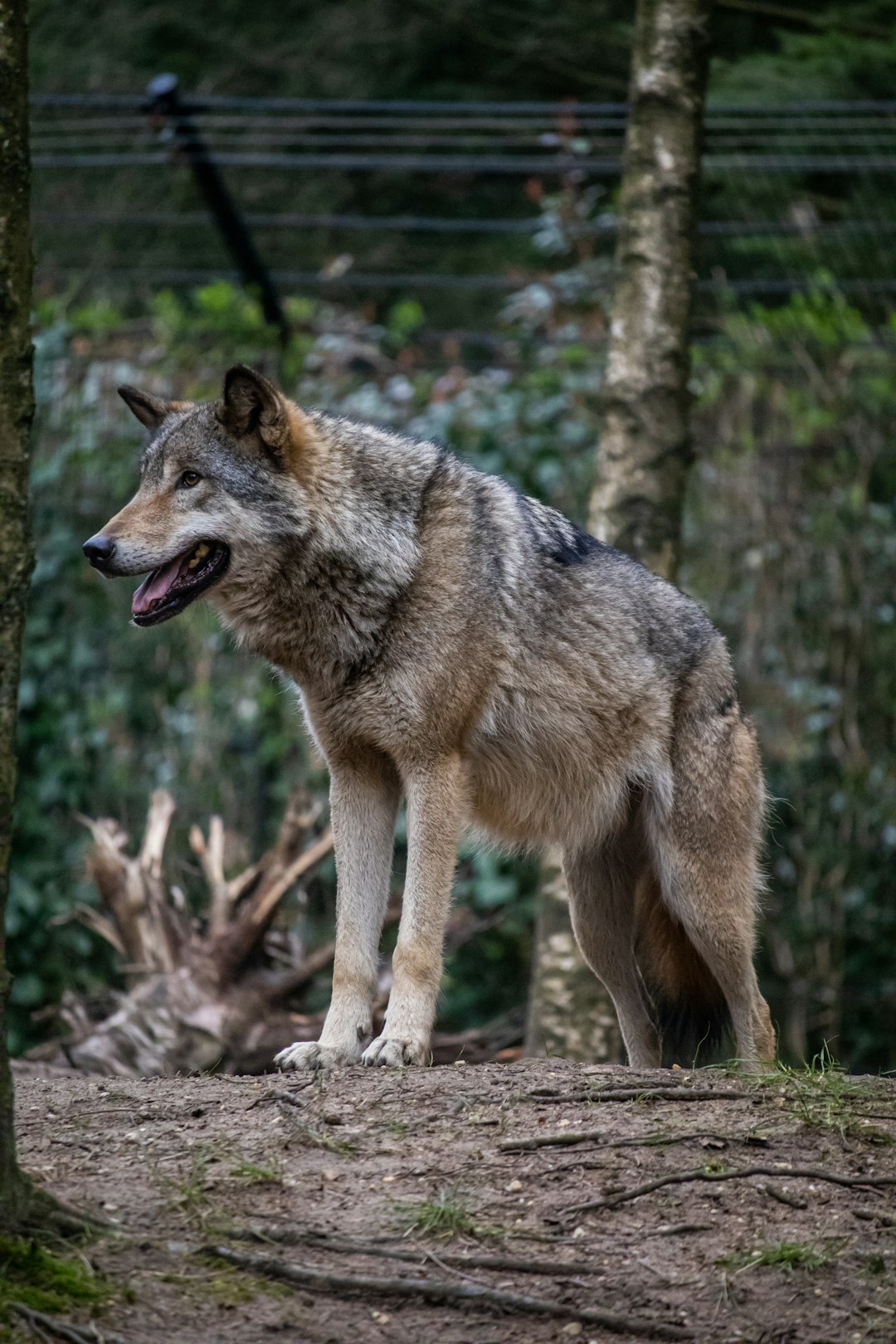
Wolves are complex, highly intelligent animals who are caring, playful, and above all devoted to family. Only a select few other species exhibit these traits so clearly. If you identify with wolf leadership, you likely possess an unwavering commitment to your group’s success above your own personal gains. The job of maintaining order and cohesion falls largely to the alphas, also known as the breeding pair. Typically, there is only one breeding pair in a pack. Wolf-minded individuals naturally assume responsibility for others’ wellbeing and make decisions that benefit the collective, even when those choices require personal sacrifice.
The Solo Strategist: Coyote Independence
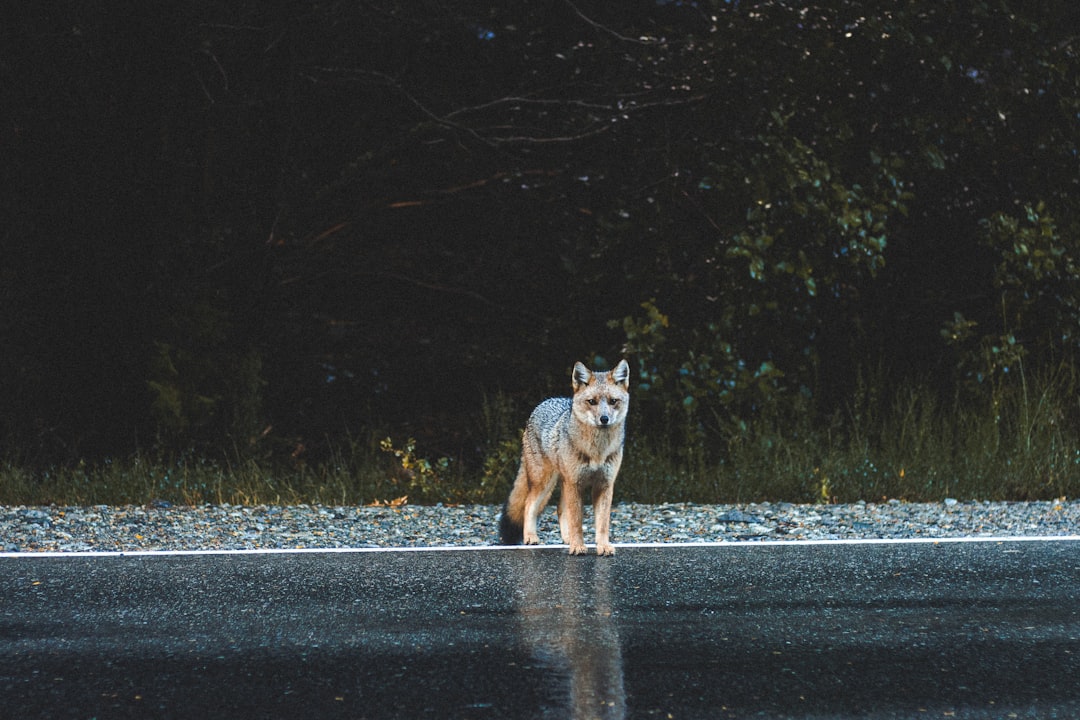
Coyotes are much more solitary animals and will usually only be seen in singles or maybe pairs. This is not to say you won’t see coyotes in larger packs. Especially if there is a fresh kill nearby, you may very well see multiple coyotes together at one time or could even see a family or pack working together to hunt larger prey animals, much like wolves do, but this is far less common. As I wrote in an article in 2011 for WildCare Magazine, “Your average little coyote – only 30 pounds concealed under all that fluffy fur – is intelligent, curious, playful, protective, adventurous, cunning, independent, self-reliant, has family values, a frontier spirit and strong individuality.” Coyote personalities thrive on flexibility and adaptability, preferring to forge their own path rather than follow established hierarchies.
Communication Styles: Howls vs Yips
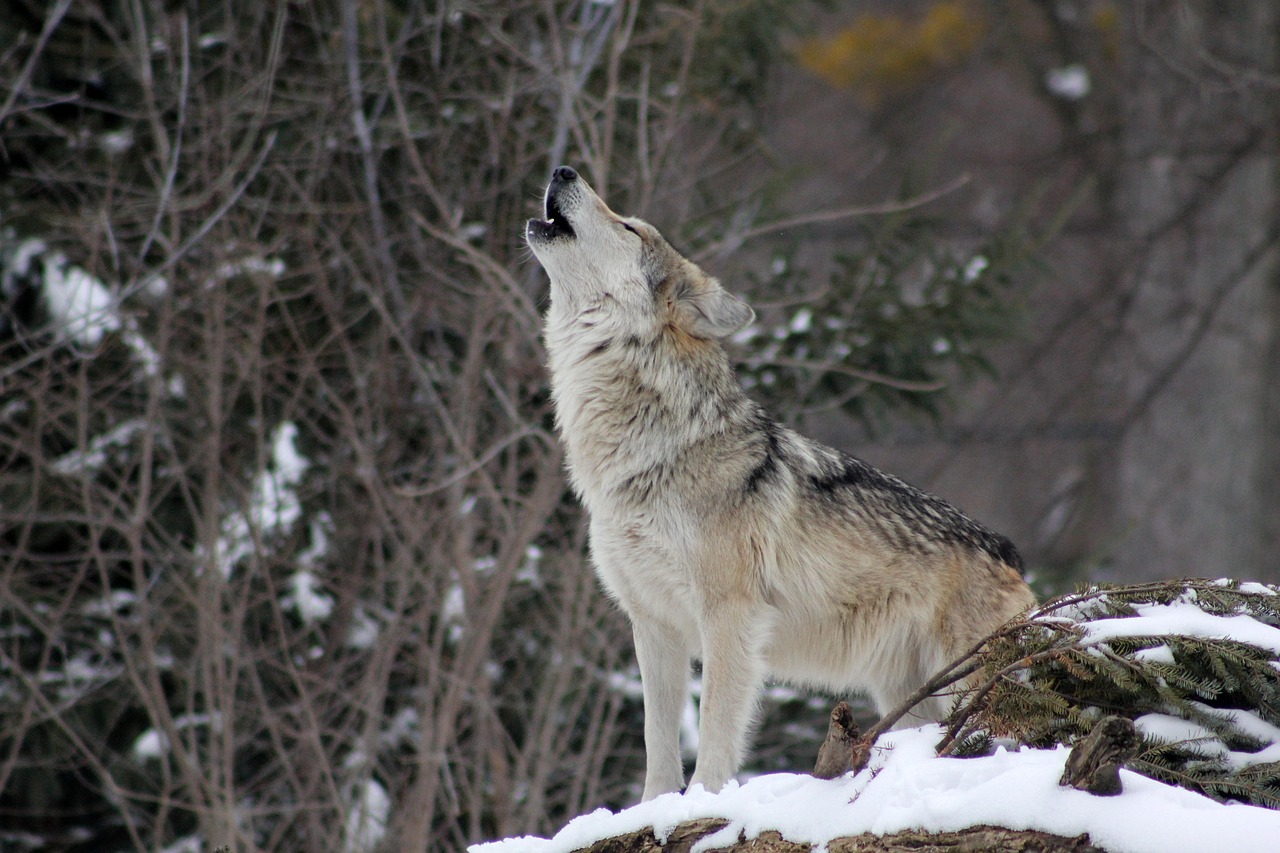
When coyotes howl, their vocalizations sound higher-pitched or even squeaky compared to the deep, mournful-sounding howls of wolves. Coyotes are more famous for their yips, yelps and barks, which alert pack members to danger or help coordinate their group during a hunt. By contrast, wolves are crooners, known for their haunting howls that echo through the wilderness. Your communication style reveals much about your inner predator. Wolf-types communicate with depth and gravitas, speaking with authority and expecting their words to carry weight across great distances. Coyote-types prefer quick, efficient exchanges that get straight to the point without unnecessary ceremony.
Hunting Philosophy: Team Coordination vs Opportunistic Strikes
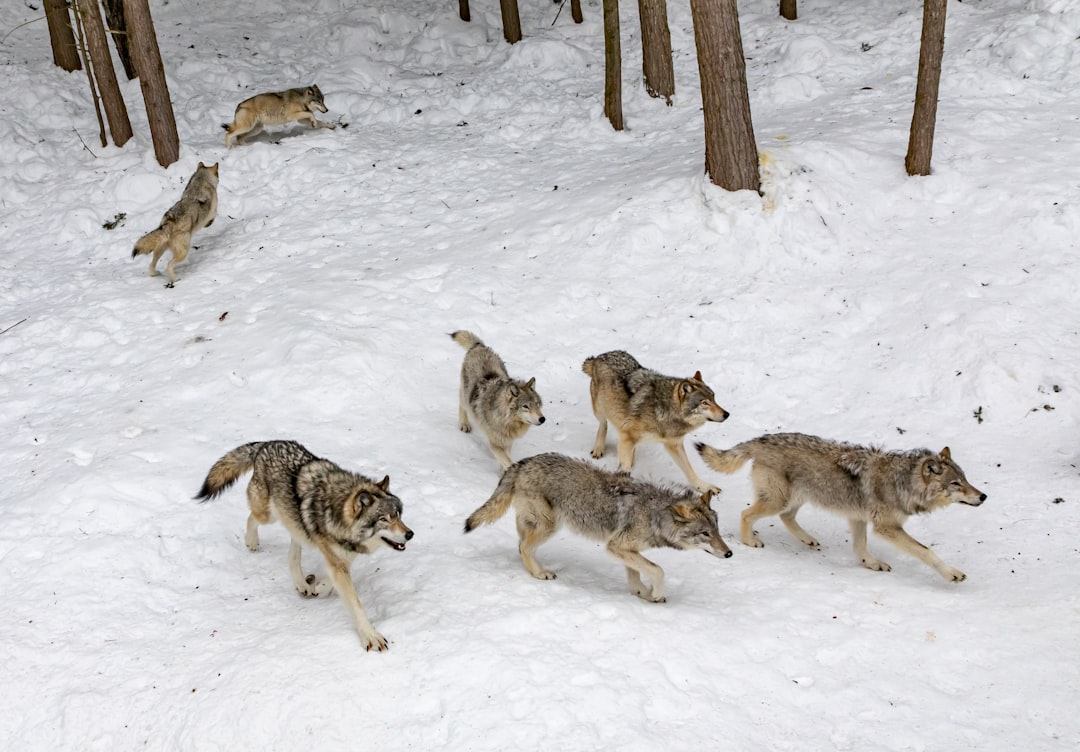
Coyotes are ambush predators and mainly hunt alone or in pairs. Coyotes prey mainly on small mammals such as rodents, rabbits, hares, and small deer. Wolves are cursorial predators, which means that they hunt their prey over a long distance, relying on their endurance so they can keep up the chase and outlast and outrun their prey. As wolves live and hunt in packs, they are able to prey on much larger animals than coyotes. Wolf personalities approach challenges through systematic teamwork and long-term planning. They prefer sustained efforts over quick fixes and believe in the power of collective action. Coyote types excel at seizing unexpected opportunities and adapting their strategy on the fly.
Territorial Boundaries: Vast Domains vs Flexible Ranges
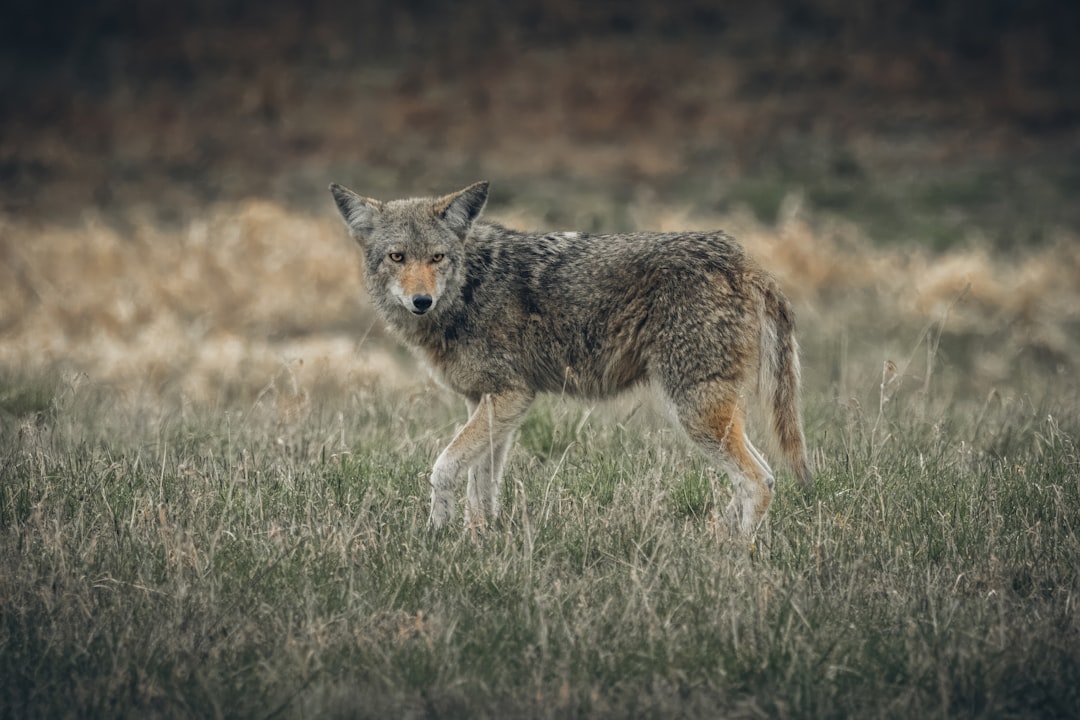
Wolves guard extensive territories of up to hundreds of square miles, patrolling and marking boundaries together. Coyotes can adapt to smaller home ranges, especially near urban areas, where they find scattered resources. Wolves generally avoid highly developed regions, needing more space for hunting large game. Wolf personalities require substantial personal space and clearly defined boundaries in their work and relationships. They invest heavily in establishing their domain and protecting what they’ve built. Coyote personalities adapt easily to changing circumstances and find opportunities in crowded, competitive environments.
Social Bonds: Lifelong Loyalty vs Selective Connections
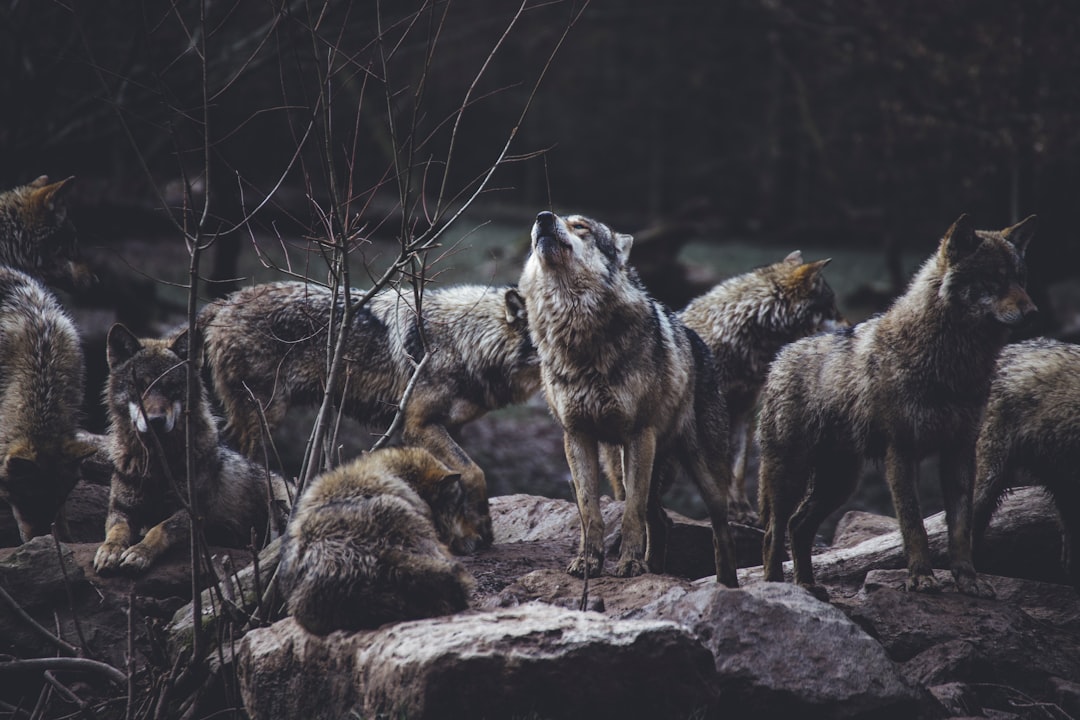
Like us, wolves form friendships and maintain lifelong bonds. They succeed by cooperating, and they struggle when they’re alone. Like us, wolves need one another. Wolf-minded individuals form deep, lasting relationships and struggle with isolation, viewing their social network as essential to their identity and success. Just like people, each individual coyote has its own individual character and personality. In addition, there are also human or dog interactions which can alter their behavior to seem more friendly or more bold – ultimately this hurts everyone: coyotes, dogs and humans. Coyote personalities are more selective about their close relationships, preferring quality over quantity in their social circles.
Problem-Solving Approaches: Collective Wisdom vs Individual Innovation
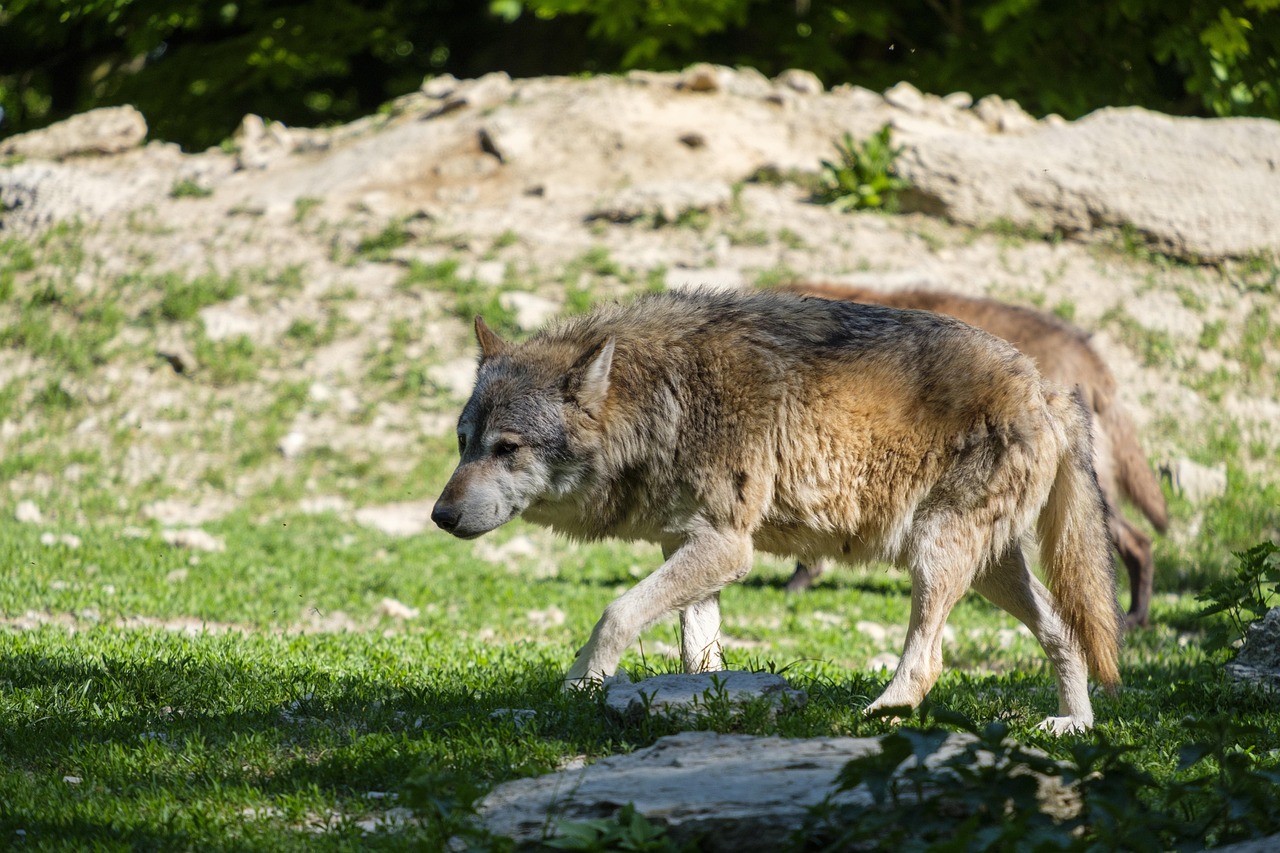
The older wolves, as more experienced hunters, share hunting strategies and techniques with younger wolves, passing down knowledge from one generation to the next, maintaining a culture unique to that pack. The late biologist Gordon Haber observed wolves changing their hunting strategy based on weather, terrain, and prey behavior. Wolf personalities rely heavily on institutional knowledge and proven methods, preferring to learn from mentors and pass wisdom to others. Coyote personalities trust their individual instincts and prefer experimental approaches to problem-solving, often innovating solutions that others haven’t considered.
Adaptability Quotient: Structured Environments vs Urban Flexibility
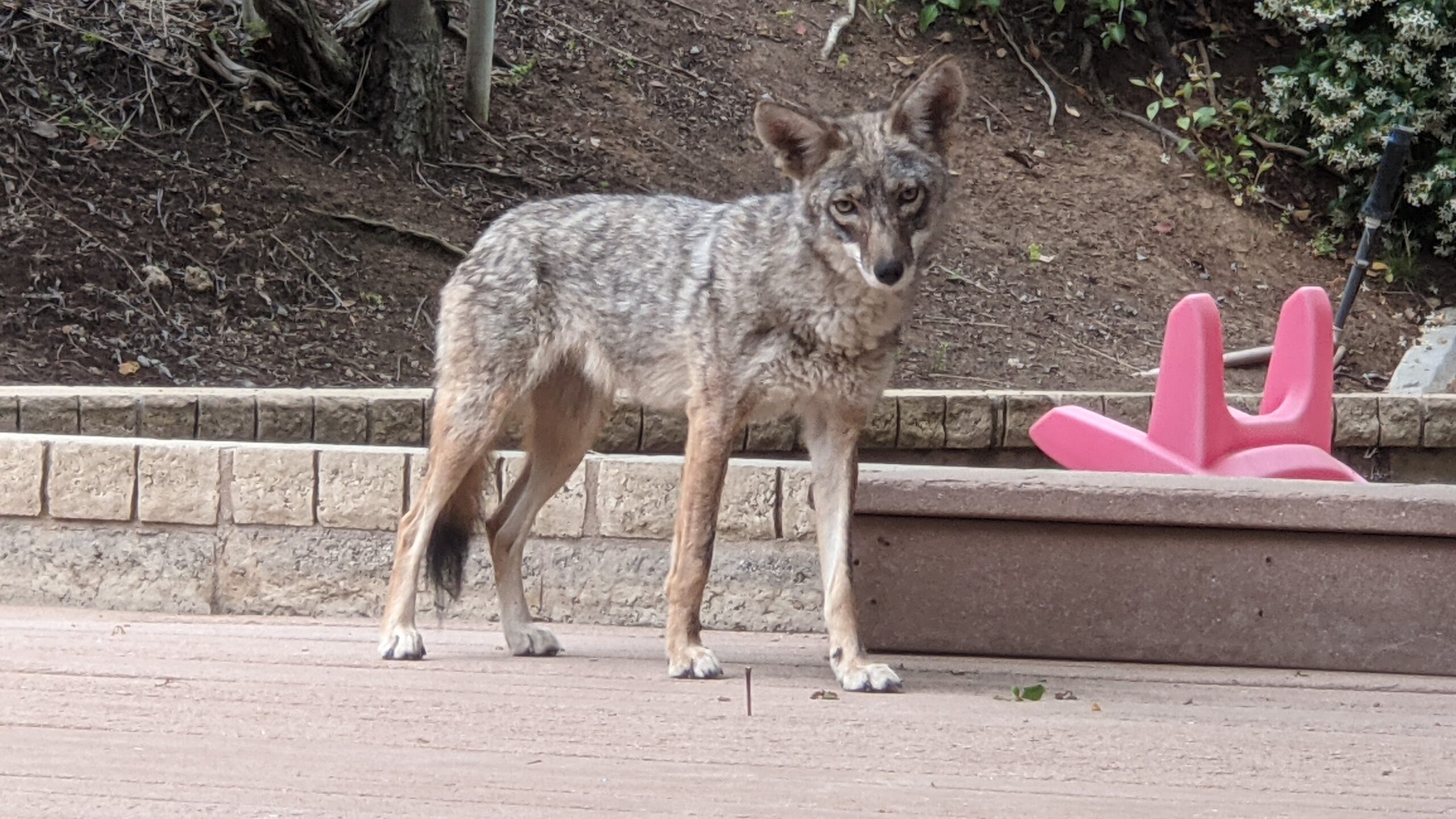
Coyotes (Canis latrans) are highly adaptable, medium-sized carnivores that now inhabit nearly every large city in the United States and Canada. To help understand how coyotes have adapted to living in urban environments, we compared two ecologically and evolutionarily important behavioral traits (i.e., bold-shy and exploration-avoidance behavior) in two contrasting environments (i.e., rural and urban). Coyotes are highly intelligent and social animals; they learn quickly and are devoted parents. Their intelligence and sociability are integral to their wellbeing and adaptability, and through those physiological traits, to their ecology and evolution. Coyote personalities thrive in constantly changing environments and see disruption as opportunity rather than threat.
Parenting and Mentorship Styles: Community Raising vs Nuclear Focus
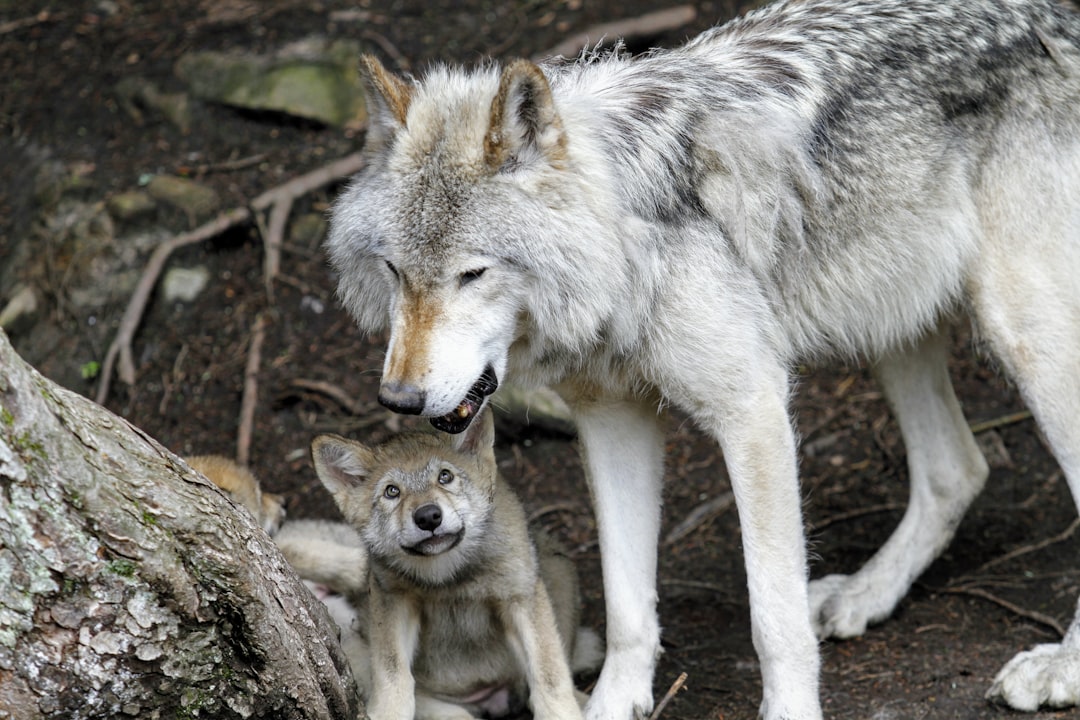
Among coyotes, caring for newborns is a joint effort, with both parents actively contributing to their care. Wolves, on the other hand, follow a different social order: Other wolves within the pack will help the alpha couple care for and protect their wolf pups. This cooperation fosters strong social bonds and better ensures the survival of their offspring. Wolf personalities believe in community-based child-rearing and mentorship, involving extended networks in important life decisions. They view education and guidance as collective responsibilities. Coyote personalities prefer more focused, intensive parenting approaches with clear boundaries around who influences their family dynamics.
Risk Tolerance: Calculated Pack Decisions vs Individual Assessment
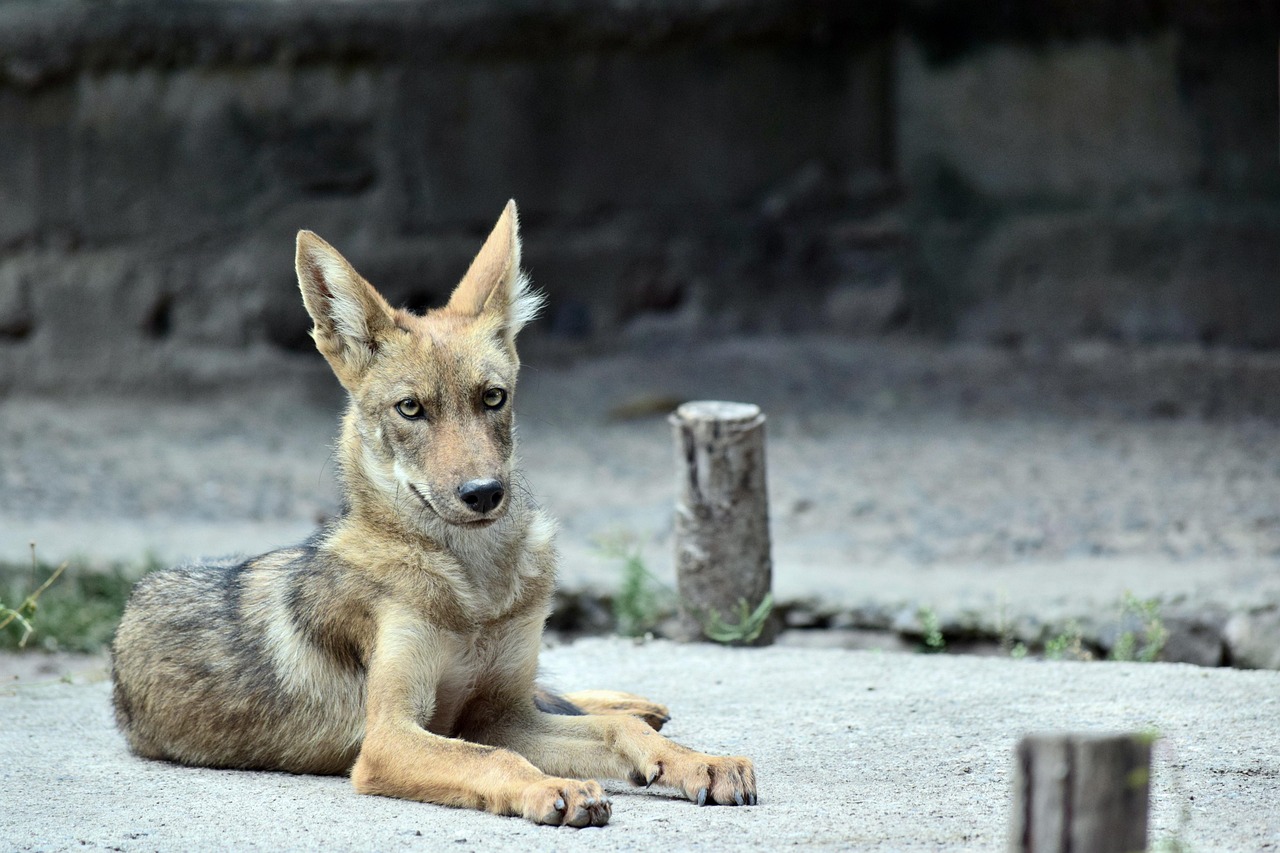
No significant differences exist between eastern and western coyotes in aggression and fighting, though eastern coyotes tend to fight less, and are more playful. Unlike western coyote pups, in which fighting precedes play behavior, fighting among eastern coyote pups occurs after the onset of play. Wolf personalities approach risk through group consensus and careful evaluation of potential consequences for all members. Coyote personalities make quicker individual risk assessments and are more willing to take calculated gambles when they see potential for significant personal gain.
Conclusion
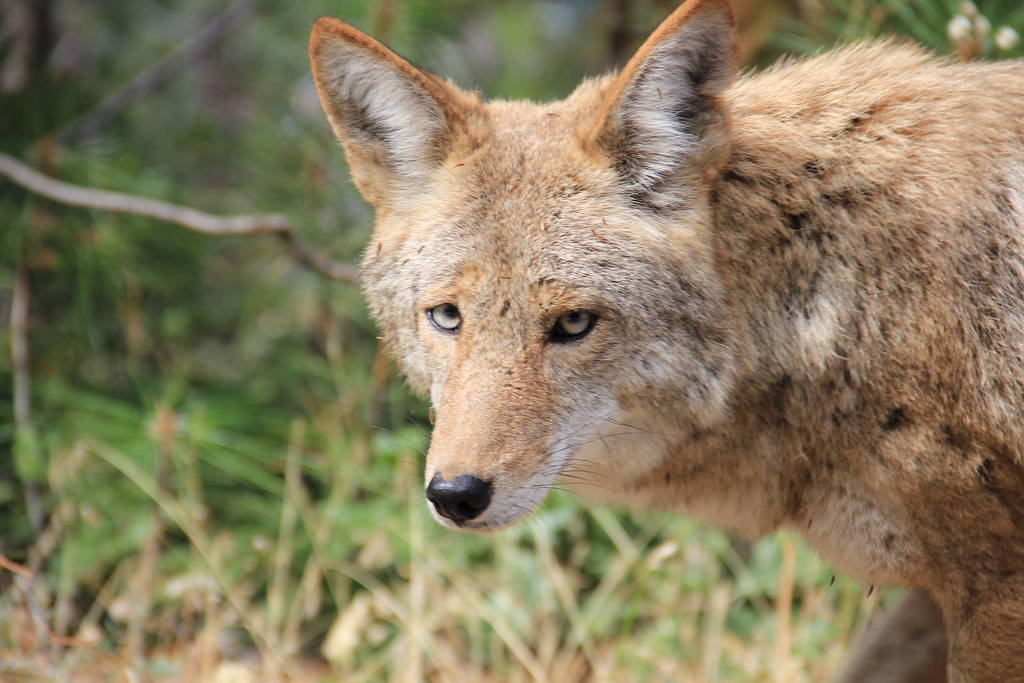
After exploring the fascinating behavioral patterns of both predators, you’ve likely discovered which canine mindset resonates most strongly with your natural instincts. Whether you identify with the collaborative wolf who finds strength in unity and long-term planning, or the adaptive coyote who thrives on independence and quick thinking, both approaches offer valuable insights into effective leadership and survival strategies. Remember that the most successful people often embody traits from both predators, knowing when to rally the pack and when to venture out alone. The key is understanding your primary instincts while remaining flexible enough to adapt your approach when circumstances demand it. What do you think about it – are you more wolf or coyote at heart? Tell us in the comments.
