

In the grand halls of Westeros, dragons soared through smoke-filled skies, bringing terror with their massive wings, armored scales, and fire-breathing fury. But if those mythical beasts were real, could any predator in the United States stand against them? What if we compared the raw power, cunning intelligence, and sheer dominance of America’s fiercest hunters to the legendary dragons of Game of Thrones? The answer might surprise you. While dragons possessed flight and fire, nature has crafted some incredible killing machines right here in North America. From bears that can shatter bones with a single swipe to apex predators with bite forces rivaling medieval siege weapons, the U.S. harbors beasts that would make even a Targaryen think twice. Let’s dive into this fascinating face-off between reality and fantasy.
The Kodiak Bear: A Living Giant of Legendary Proportions
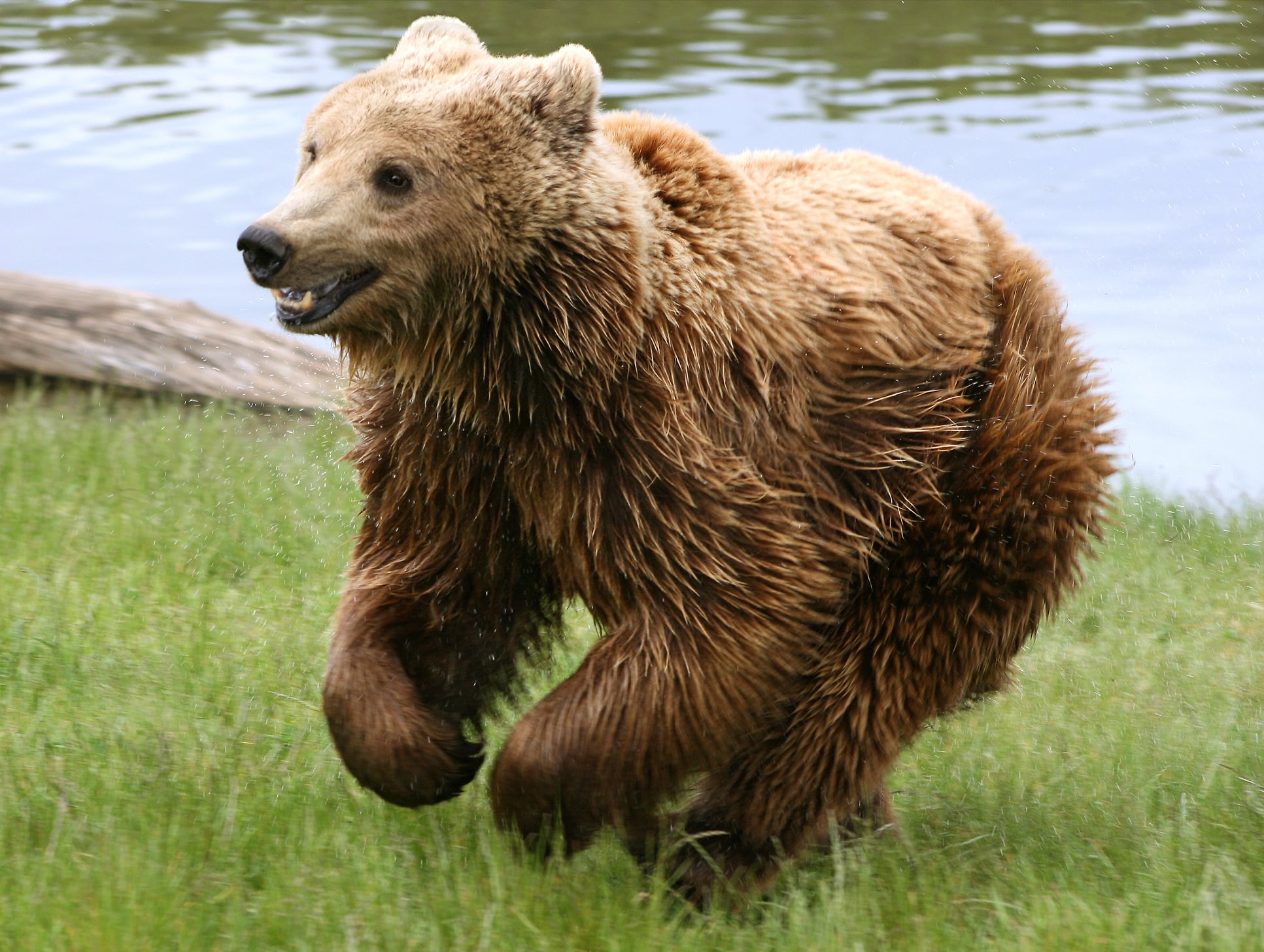
When it comes to sheer size and devastating power, the Kodiak bear stands as the largest bear species in existence, normally exceeding the weight of grizzly bears and commonly reaching sizes of 300 to 600 kg, with mature males averaging 477–534 kg over the course of the year, and can weigh up to 680 kg at peak times. These Alaskan monsters make even the largest dragons look like house pets in terms of raw bulk. The largest bear ever killed in North America was from Kodiak Island, with a total skull size of 78.1 cm, and that’s just the head! Picture a dragon trying to grapple with something that massive – these bears possess such incredible density of muscle and bone that they could potentially withstand dragon claws. The Kodiak bear is stronger due to its larger size and heavier weight, and when Kodiak bears engage in physical encounters, the sheer bulk of their body shapes the odds in their favor.
Grizzly Bear Aggression: The Berserker of the American Wild
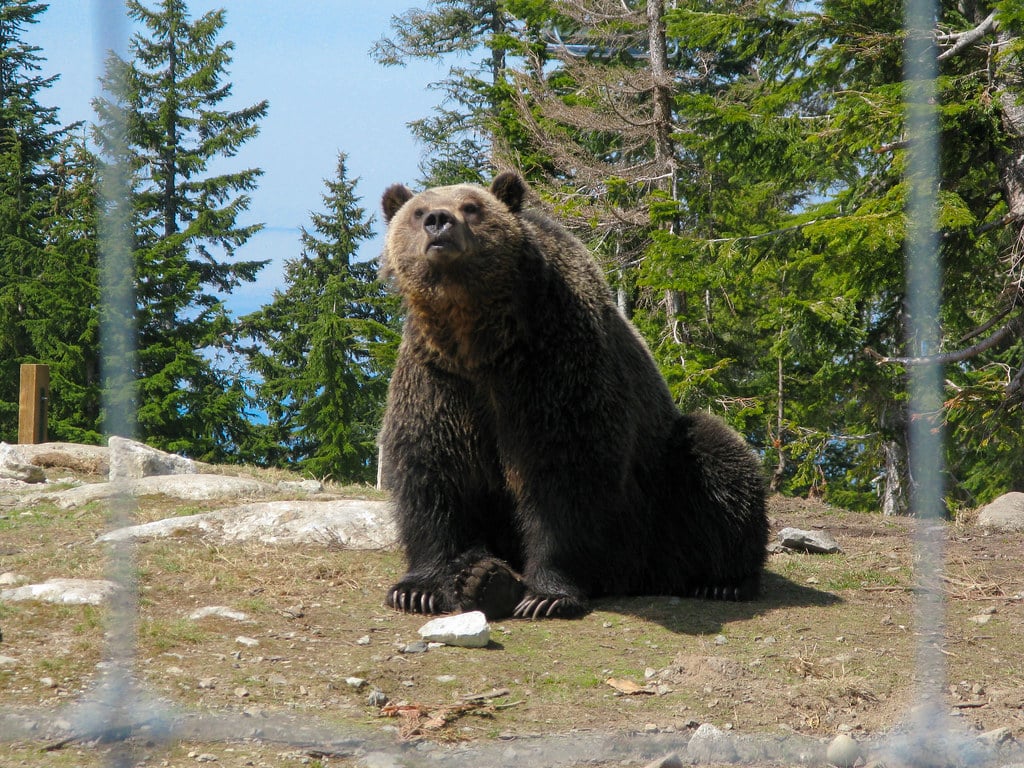
While Kodiaks win on size, grizzlies bring something even more terrifying to the table – unpredictable fury. The grizzly bear, also known as the brown bear, is probably the most feared animal in North America. These bears don’t just attack; they unleash hell with calculated violence that would make a dragon reconsider its approach. Grizzlies are responsible for almost all bear attacks in North America, known for their aggressive behavior, grizzlies are involved in a significant portion of bear attacks in North America, though exact annual figures vary by year and region. Their temperament alone suggests they wouldn’t flee from a dragon like most creatures would. Instead, they’d likely charge headfirst into battle with the kind of berserker rage that legends are made of.
Polar Bear Power: The Arctic’s Ultimate Killing Machine
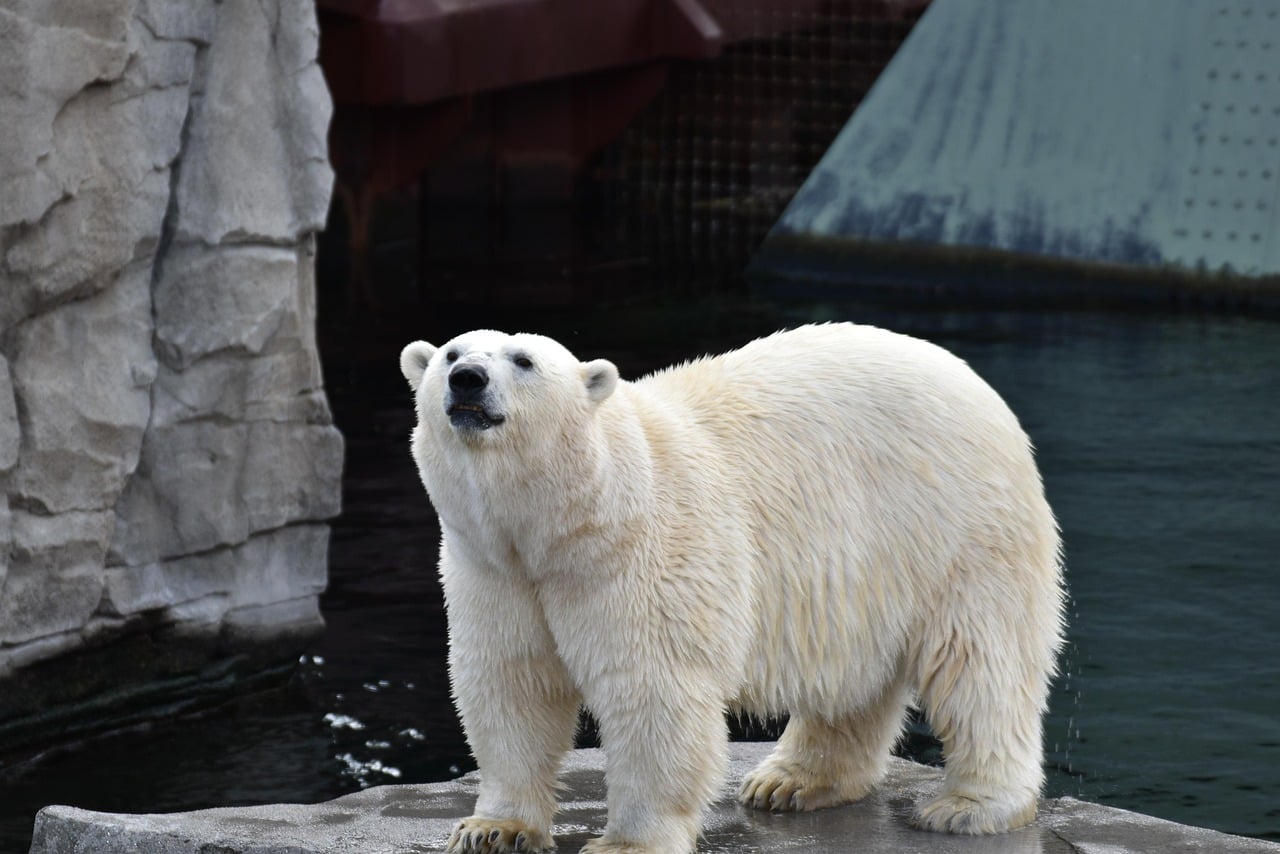
The polar bear is the largest extant species of bear and land carnivore by body mass, with adult males weighing 300–800 kg, but size tells only part of their story. What makes polar bears truly dragon-worthy opponents is their devastating offensive capabilities and predatory specialization. Polar bears have the most powerful bite force of all bears, reaching 1,235 PSI, making them the strongest biters among all bear species. With powerful swipes from their large paws and long claws can easily crush a seal’s bones and slice through its skin, enabling them to deliver devastating blows to their prey. That’s enough force to potentially crack dragon scales or at least cause serious damage to a flying dragon’s wing membrane.
American Alligator: The Armored Tank of the Swamplands
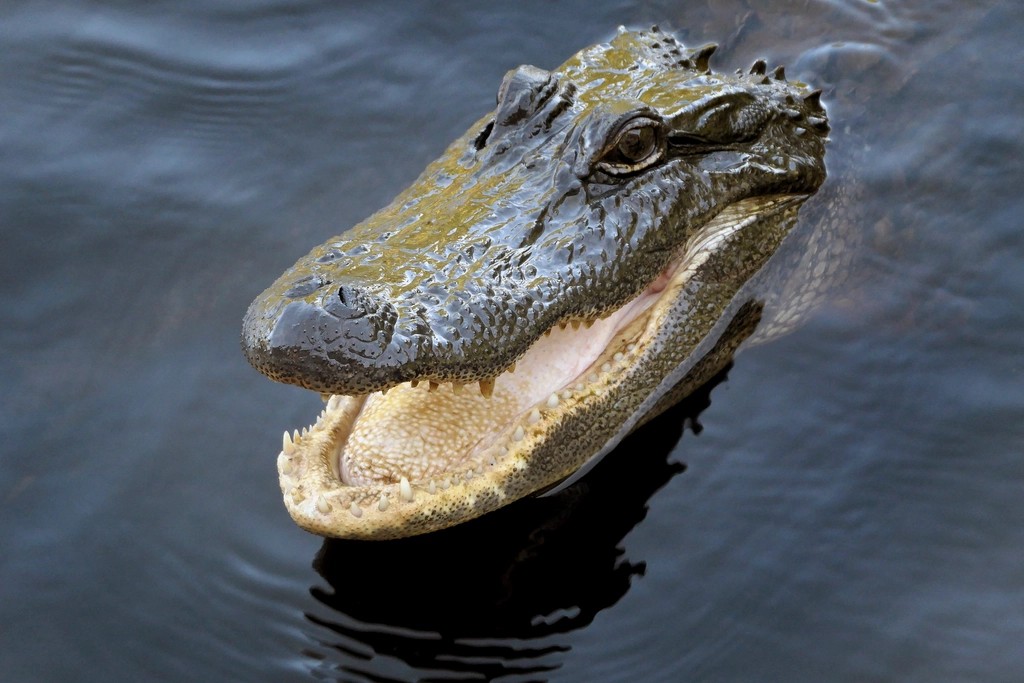
Dragons might breathe fire, but American alligators are living tanks with natural armor and prehistoric killing instincts. Alligators will devour anything that they come across, though they do not immediately deem humans as prey, alligators do not have slicing teeth; therefore, alternative methods are adopted when eating larger prey, alligators store the carcass and allow it to rot, to enable easier digestion, additionally, the death roll is a technique often utilized by an alligator. The death roll technique would be particularly devastating against a dragon. If an alligator managed to grab a dragon’s wing or leg in its jaws, that spinning motion could potentially break bones or tear wing membranes that are crucial for flight. Emblematic to the states of Florida and Louisiana, alligators have coexisted with humans in these areas for a long time, mostly without problems, however, due to the ever increasing tourism and expanding population, inevitably sometimes, issues arise, these apex predators are not likely to attack unprovoked. But a dragon definitely counts as provocation.
Great White Sharks: Oceanic Dragons in Their Own Right
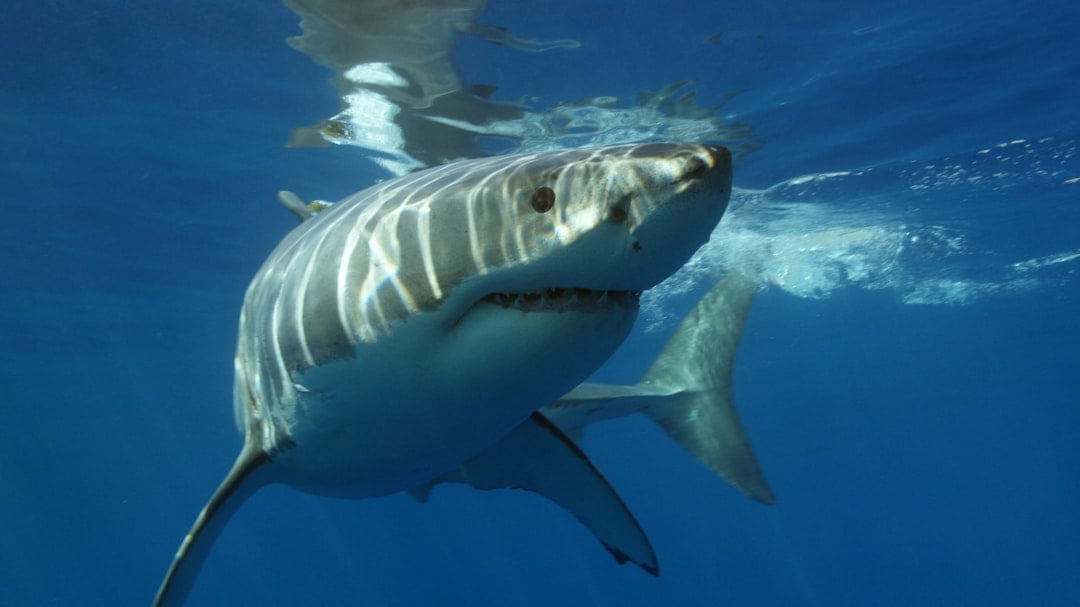
While dragons ruled the skies, great white sharks have mastered the seas with terrifying efficiency. Nature’s ultimate killing machine, the jaws of death and the soulless black eyes indicate an animal with no compassion and zero mercy, an apex predator that everything steers clear of. These oceanic beasts possess many dragon-like qualities that make them formidable opponents. The watery depths of North America are inundated with some of the most fearsome sharks on the planet, and great whites represent the pinnacle of aquatic predation. If a dragon attempted to fish or drink from coastal waters, it would be entering the shark’s domain – a tactical mistake that could prove fatal. Out of the 69 unprovoked shark attacks in 2023, 36 were in the US, two proving fatal, although attacks from great whites and also tiger sharks can happen off the coasts of Hawaii, California and even along the east coast.
Gray Wolves: The Pack Hunters With Ancient Intelligence
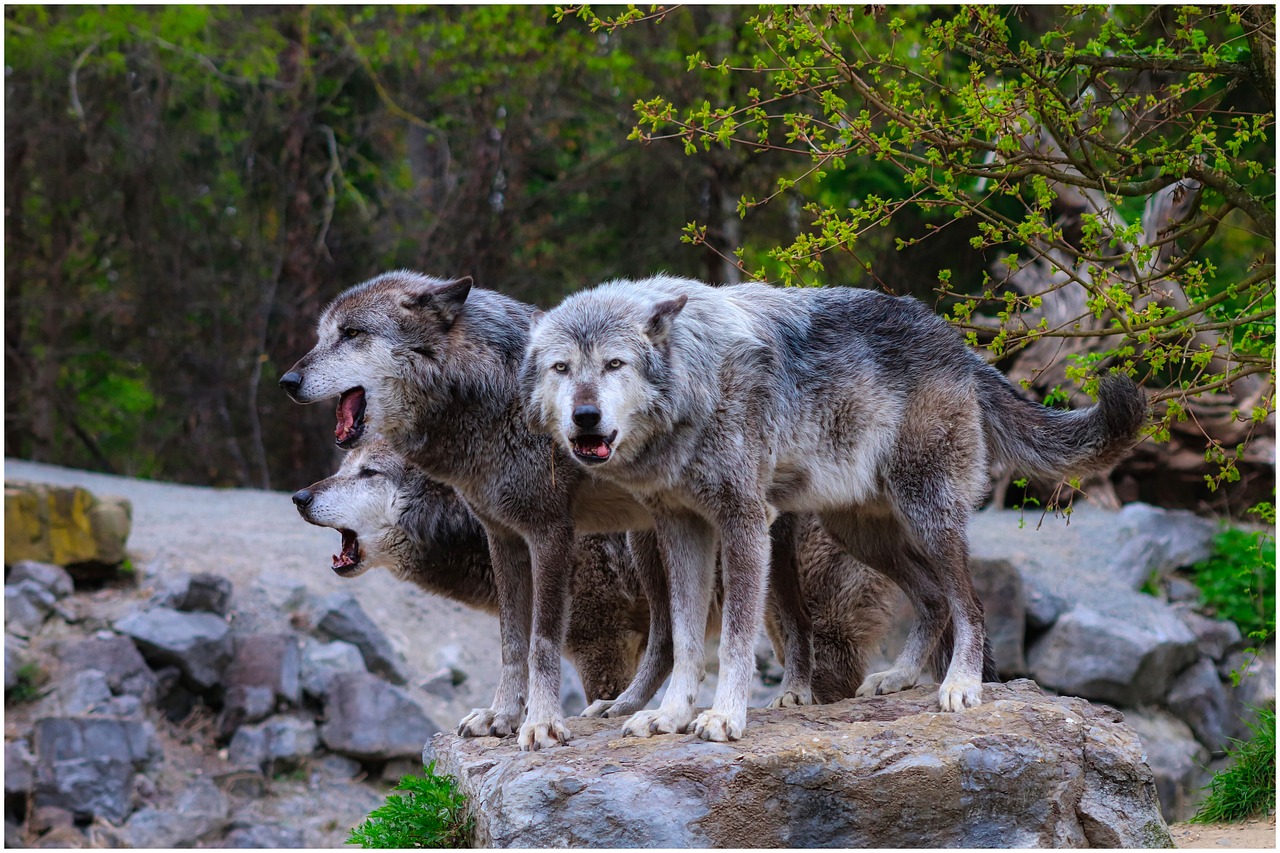
Individual strength isn’t everything – sometimes it’s about strategy, and this is where gray wolves would excel against dragons. Revered and feared by humans perhaps more than any other American animal, grey wolves live in packs spread through Washington, Oregon, California, Idaho, Montana, Wyoming, Michigan, Wisconsin, Minnesota and Alaska, these wily canines mostly prey on moose, deer, elk, bighorn sheep and mountain goats, and their strong jaws have no difficulty chomping through bones. Wolves possess something that most other predators lack – coordinated pack hunting intelligence that has evolved over millennia. Like other pack animals, part of their terrific success as predators comes from the fact that they cooperate in their kills. A dragon might easily defeat one or two wolves, but facing an entire coordinated pack using sophisticated hunting strategies would be an entirely different challenge.
Mountain Lions: The Silent Death of American Wilderness
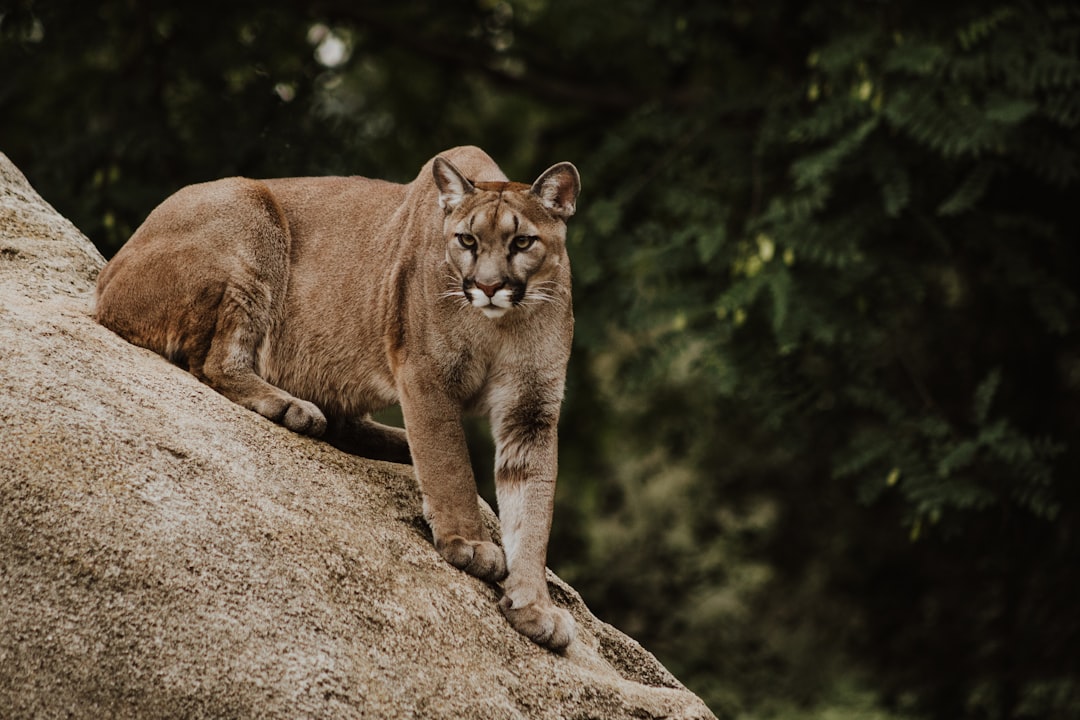
Also known as mountain lions, panthers and pumas, this is one wild kitty-kat that shouldn’t be messed with, one of the most powerful predators out in the wild, it is the largest wildcat in North America, cougars prefer to live in wooded areas and attacks tend to be opportunistic. What makes mountain lions particularly dangerous to dragons is their stealth and ambush capabilities. Unlike the brute force approach of bears, mountain lions are precision killers. They could potentially ambush a resting dragon, leaping from rocky outcrops or tree branches to target vulnerable areas like the neck or wing joints. Although fatalities are extremely rare (around 30 ever recorded), the likes of joggers, hikers and small children in particular need to be wary. A dragon, despite its size, would still need to be cautious of these stealthy predators.
The Verdict: Nature’s Dragon Slayers
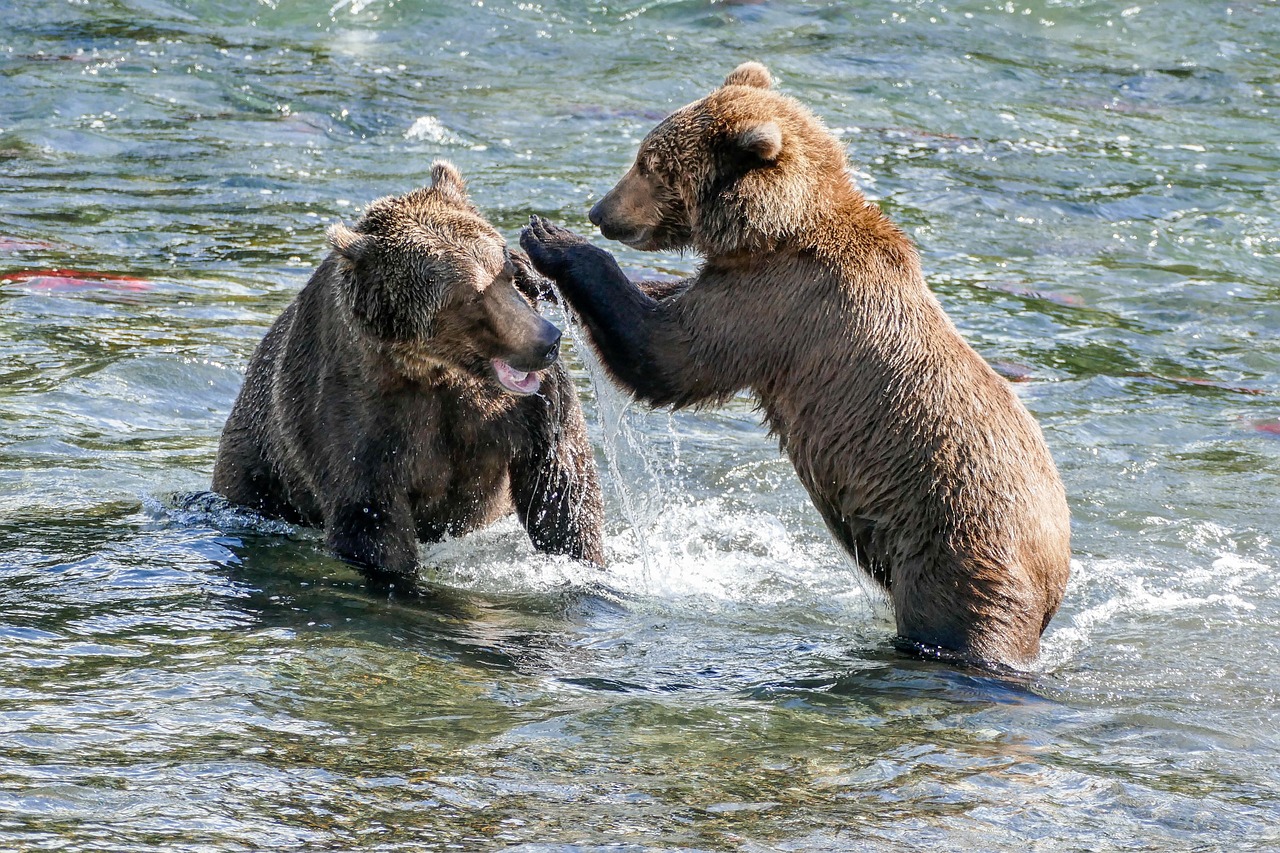
After examining America’s most fearsome predators, it becomes clear that several could pose legitimate threats to Game of Thrones dragons. The Kodiak bear’s massive size and bone-crushing strength, the grizzly’s unpredictable aggression, and the polar bear’s devastating bite force all present serious challenges to any dragon foolish enough to land and fight. However, the most compelling dragon rival might actually be the coordinated gray wolf pack – their intelligence, teamwork, and persistence could potentially wear down even the mightiest dragon. While individual wolves would fall quickly to dragon fire, a large pack using hit-and-run tactics could exploit the dragon’s inability to be everywhere at once. What do you think about these epic matchups? Could any of these American predators actually take down a Westeros dragon? Tell us in the comments – which predator would you bet on in this ultimate fantasy face-off?

- 8 US National Parks Where You Can Witness Rare Animal Sightings - July 14, 2026
- Unearthing the Animal Symbolism of Ancient Egypt - July 14, 2026
- Elephants Communicate Using Subsonic Sounds In Ways We’re Just Discovering - July 14, 2026