
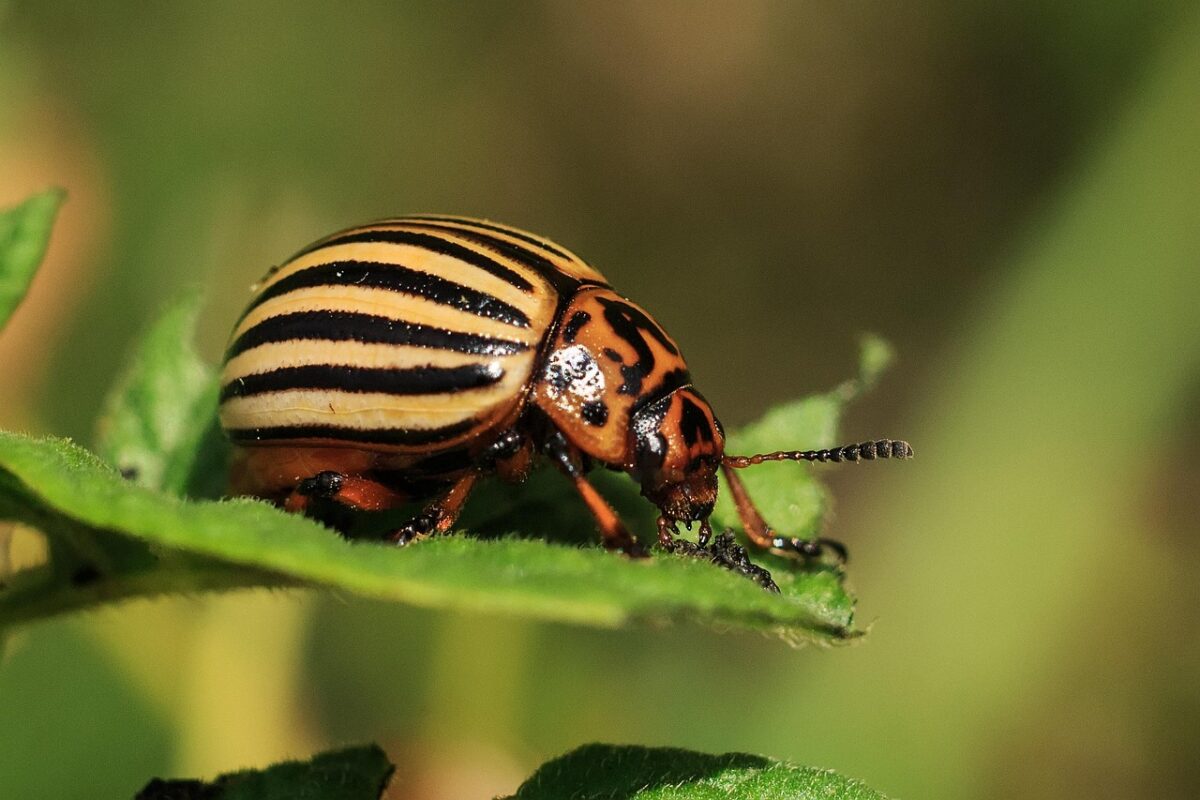
Picture this: you wake up on a sunny morning, excited to check your thriving potato patch, only to discover that your plants look like Swiss cheese. The culprit behind this garden nightmare is , one of the most destructive pests in the vegetable world. These tiny terrorists have been wreaking havoc on gardens for over a century, but nature has provided us with some incredibly effective allies.
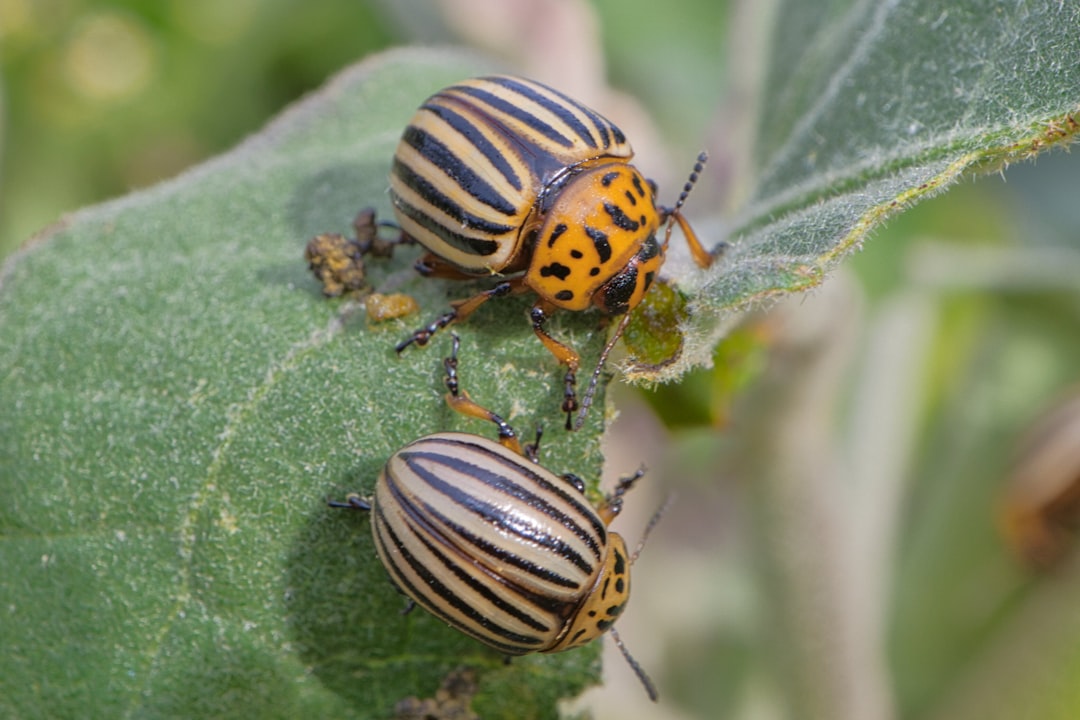
(Leptinotarsa decemlineata) is a major pest known for being destructive to potato crops globally. When not controlled, these beetles can completely defoliate plants resulting in serious yield losses or even plant death, as both larvae and adults can cause complete defoliation of potato plant leaves. The beetles prefer to feed on potato, but will also attack eggplant, tomato, pepper and other solanaceous crops. Both adults and larvae are voracious herbivores that typically feed in groups, first defoliating whole leaves then ultimately the entire plant. These destructive insects have also developed resistance to many conventional pesticides, making natural repellent plants an increasingly valuable defense strategy.
Tansy – The Powerhouse Repellent
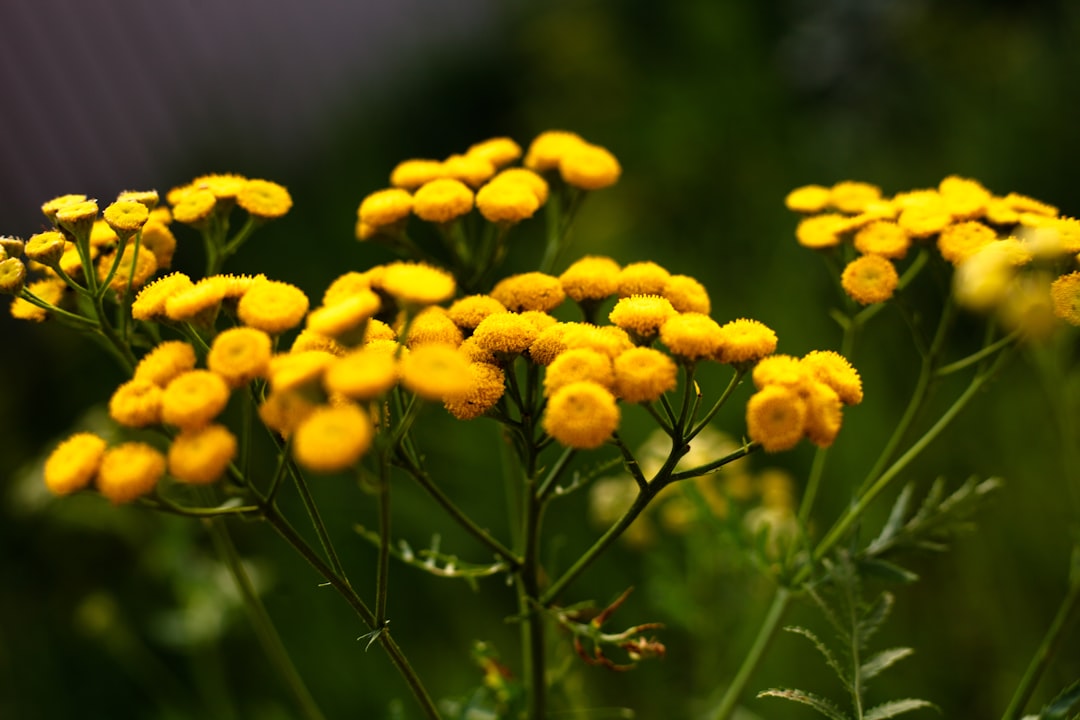
When it comes to natural Colorado potato beetle deterrents, tansy stands as the undisputed champion. This robust perennial herb packs a punch that even the hungriest beetles can’t ignore.
Among the 13 identified compounds from tansy oil, five were repellents (α- and γ-terpinene, α,β-thujone, dihydrocarvone and carvone), and when tansy was used as an intercrop in potato fields, a 60%-100% decrease in the number of beetles was observed. The steam distillate of fresh leaves and flowers of tansy was found to be strongly repellent to Colorado potato beetles, with the strongest repellents being 1,8-cineole, bornyl acetate, p-cymene, γ-terpinene, and camphor.
A proven measure against the beetles is to plant tansy next to potatoes, because Colorado potato beetles are deterred by the smell. Tansy essential oil has been shown to significantly deter feeding behavior in these beetles, with treated leaves being less likely to be eaten. Think of tansy as your garden’s security system – its pungent aroma creates an invisible barrier that keeps these pests at bay.
Marigolds – The Golden Guardians
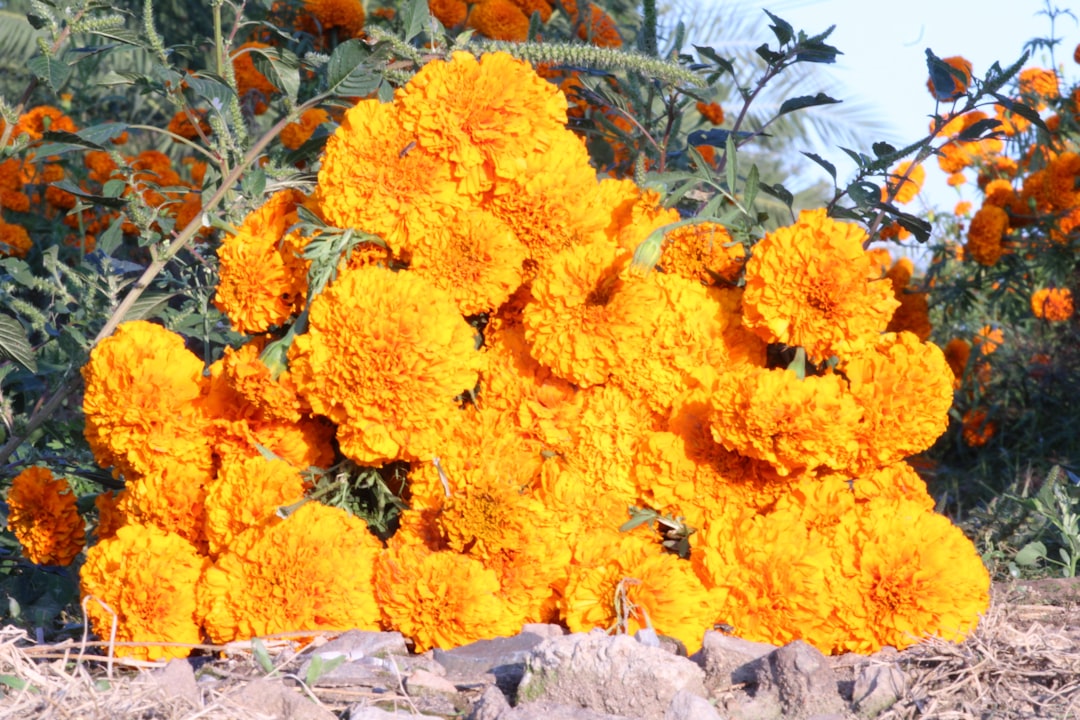
These cheerful orange and yellow flowers aren’t just pretty faces in your garden. Marigolds have earned their reputation as one of nature’s most reliable pest deterrents, and Colorado potato beetles particularly despise their presence.
Marigolds are among the plants that repel Colorado potato beetles and can be used as companion plants to help keep away these pests. Marigolds are one of the most popular companion plants because they repel a wide variety of pests, including potato beetles. Marigolds will help repel Colorado potato beetles and are one of the best repellents for most vegetable plots.
The secret lies in their strong fragrance, which masks the appealing scent of your potato plants. It’s like wearing cologne to disguise your natural smell – the beetles simply can’t locate their favorite meal when marigolds are standing guard. There is also an inhibitory action brought by growing some marigolds in the row of potatoes.
Bush Beans – The Unexpected Heroes
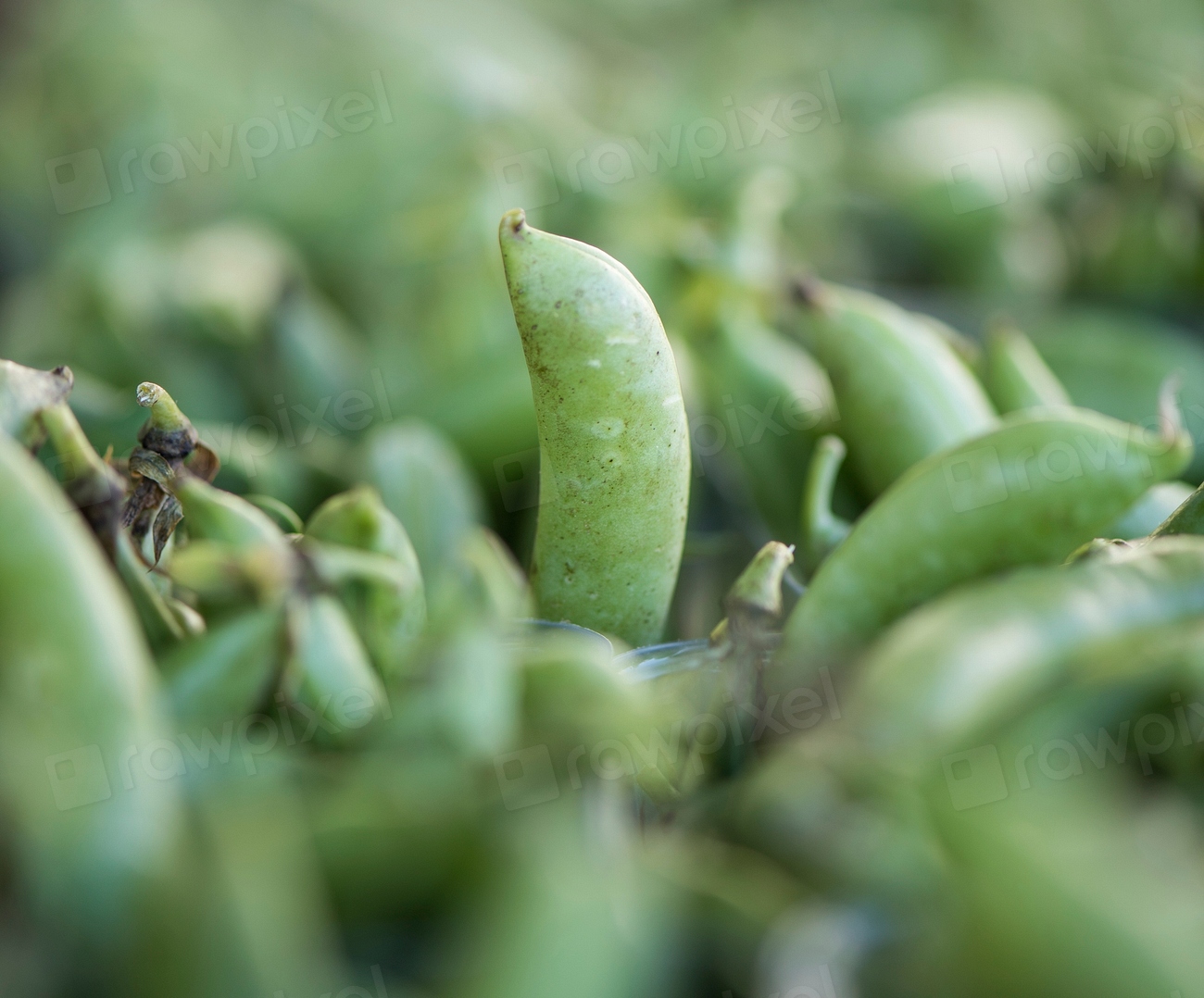
Here’s where things get interesting. Who would have thought that humble bush beans could serve as bodyguards for your potato plants? This dynamic duo creates one of the most effective companion planting partnerships you’ll find.
Planting bush green beans next to potatoes definitely helped Colorado Potato beetle problems, with gardeners reporting no problems since trying this method about four years ago, even when planting potatoes in the same general area year after year. Green beans repel Colorado potato beetles, while potatoes repel Mexican bean beetles, making good sense to plant the two together.
Two of the most common plants that help with potato beetles are bush beans and nasturtium, with interplanting rows of beans and potatoes creating a mutually beneficial relationship for both crops. This symbiotic relationship proves that sometimes the best defense strategies come from unexpected partnerships. The beans essentially act as living shields while benefiting from the potatoes’ protection against their own pest problems.
Nasturtiums – The Beautiful Decoys
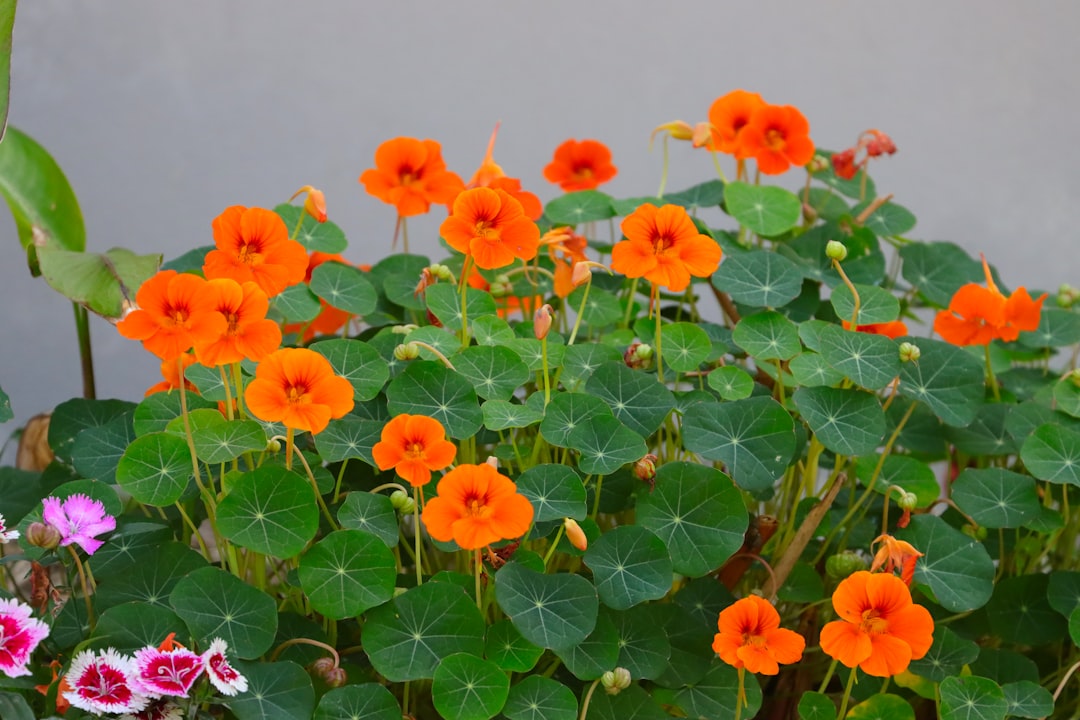
Nasturtiums play a clever game of deception in the battle against Colorado potato beetles. These vibrant, edible flowers don’t just repel pests – they outsmart them with brilliant tactical maneuvering.
Nasturtiums are among the plants that repel Colorado potato beetles and can be used as companion plants to help keep away these pests. Nasturtiums are pretty flowers that attract harmful insects like aphids and potato beetles, and many gardeners plant nasturtiums a short distance away from their vegetable garden to attract pests away from their crops.
This creates what experts call a “trap crop” system. While nasturtiums do have some repellent properties, their real magic lies in serving as irresistible decoys. The beetles flock to these sacrificial plants, leaving your precious potatoes untouched. It’s like setting up a fake restaurant to draw troublemakers away from your real establishment.
Catnip – The Feline-Approved Fortress
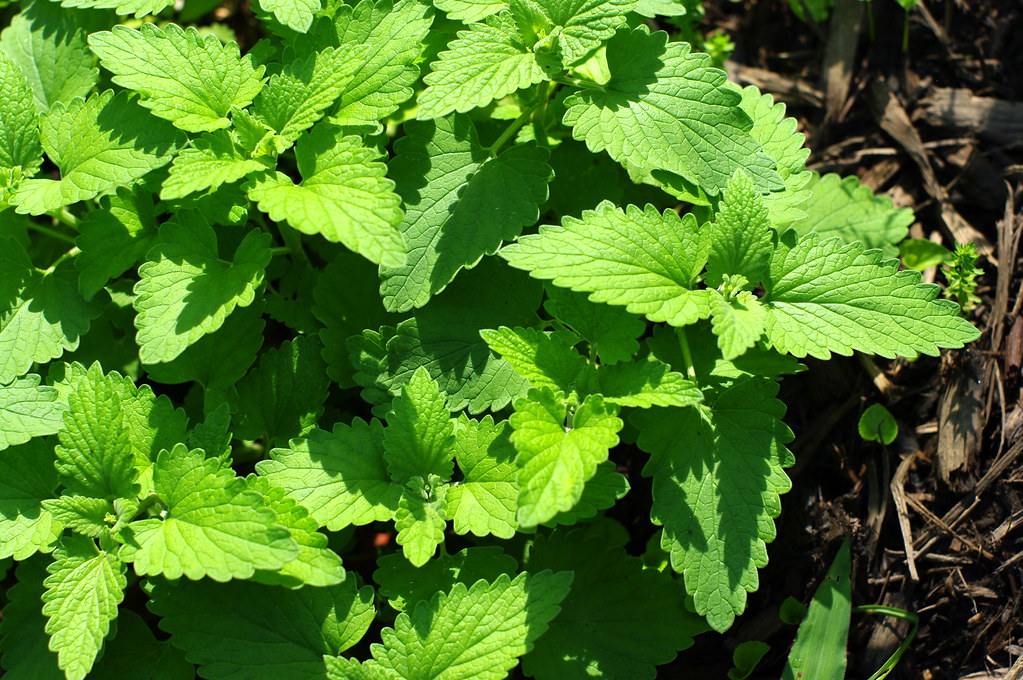
Don’t let the playful name fool you – catnip is serious business when it comes to pest control. This herb creates a protective zone that Colorado potato beetles absolutely refuse to cross.
Catnip is among the plants that repel Colorado potato beetles and can be used as companion plants to help keep away these pests. Some gardeners report that catnip may help deter Colorado potato beetles, though this is primarily based on anecdotal observations. Catnip should be grown in pots because it can be invasive, with the downside being that neighborhood cats will be attracted once they discover you have “the good stuff”.
The active compound nepetalactone gives catnip its distinctive scent that sends cats into ecstasy but makes beetles beat a hasty retreat. Catnip (nepetalactone) is closely related chemically to certain cyclopentanoid monoterpenes and shares with some of these terpenes an ability to repel insects, with the adaptive function of catnip being to protect plants against phytophagous insects. Think of it as nature’s version of a security guard that happens to moonlight as entertainment for your feline friends.
Conclusion
The war against Colorado potato beetles doesn’t have to involve harsh chemicals or expensive treatments. These five remarkable plants offer a natural, sustainable solution that works with nature’s own defense mechanisms. From tansy’s chemical warfare to nasturtiums’ clever deception, each plant brings its own unique strategy to protect your precious potato crop.
The beauty of companion planting lies in its simplicity and effectiveness. By strategically placing these natural guardians around your potato patch, you’re creating an ecosystem where beneficial relationships flourish while destructive pests are kept at bay. Your garden becomes a fortress disguised as a paradise.
Have you tried any of these natural beetle deterrents in your own garden? What surprising results did you discover along the way?
