

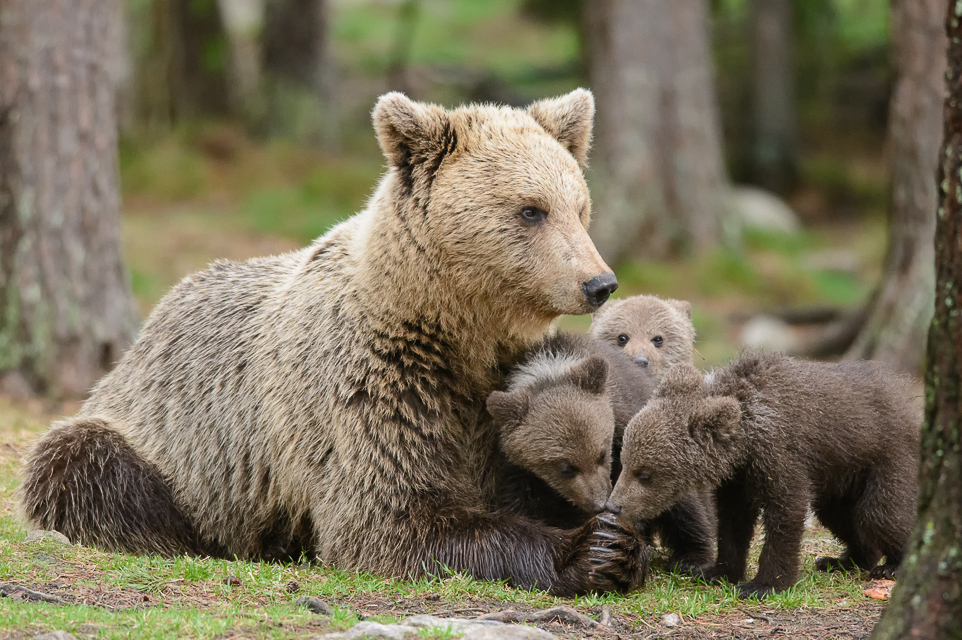
Ever found yourself wondering if your family operates like a tight-knit wolf pack, a protective bear clan, or a massive bison herd? These three incredible species have developed some of the most fascinating family dynamics in the animal kingdom. Each one offers a unique blueprint for how families organize, protect, and nurture their members.
Maybe you’re the parent who makes all the major decisions, or perhaps you’re the one everyone turns to when things get tough. Could be you’re the one teaching the younger generations everything they need to survive. The surprising truth is that our human family roles often mirror these remarkable animals in ways that will leave you questioning everything you thought you knew about your own household dynamics.
The Wolf Pack Parent: Leading Through Wisdom and Experience
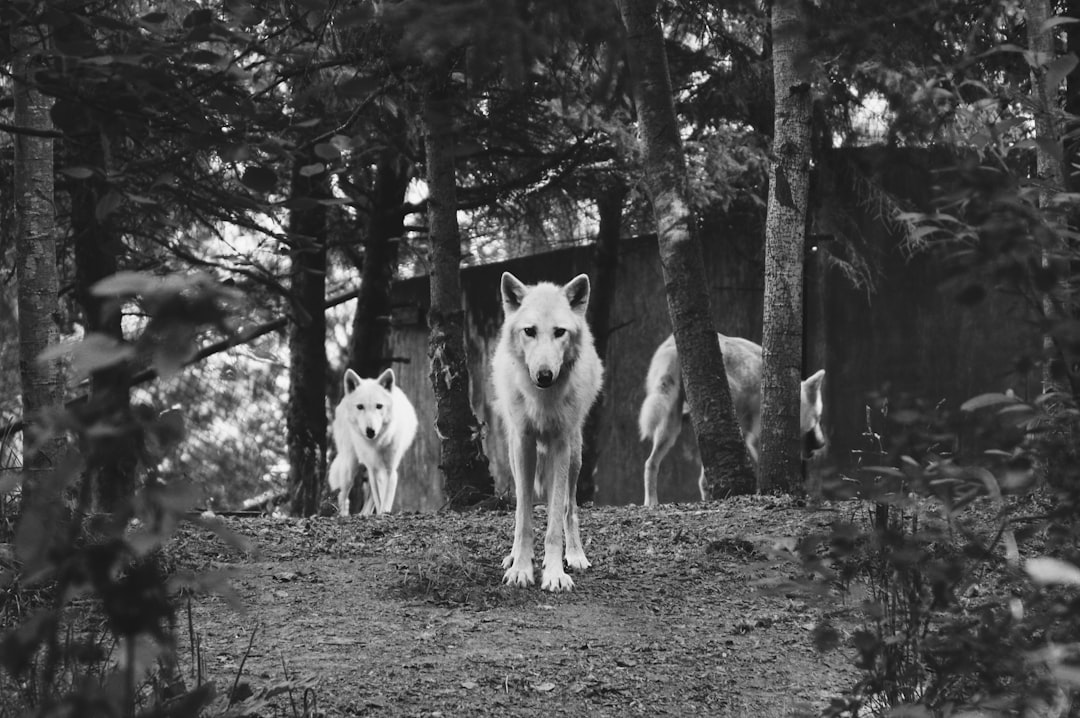
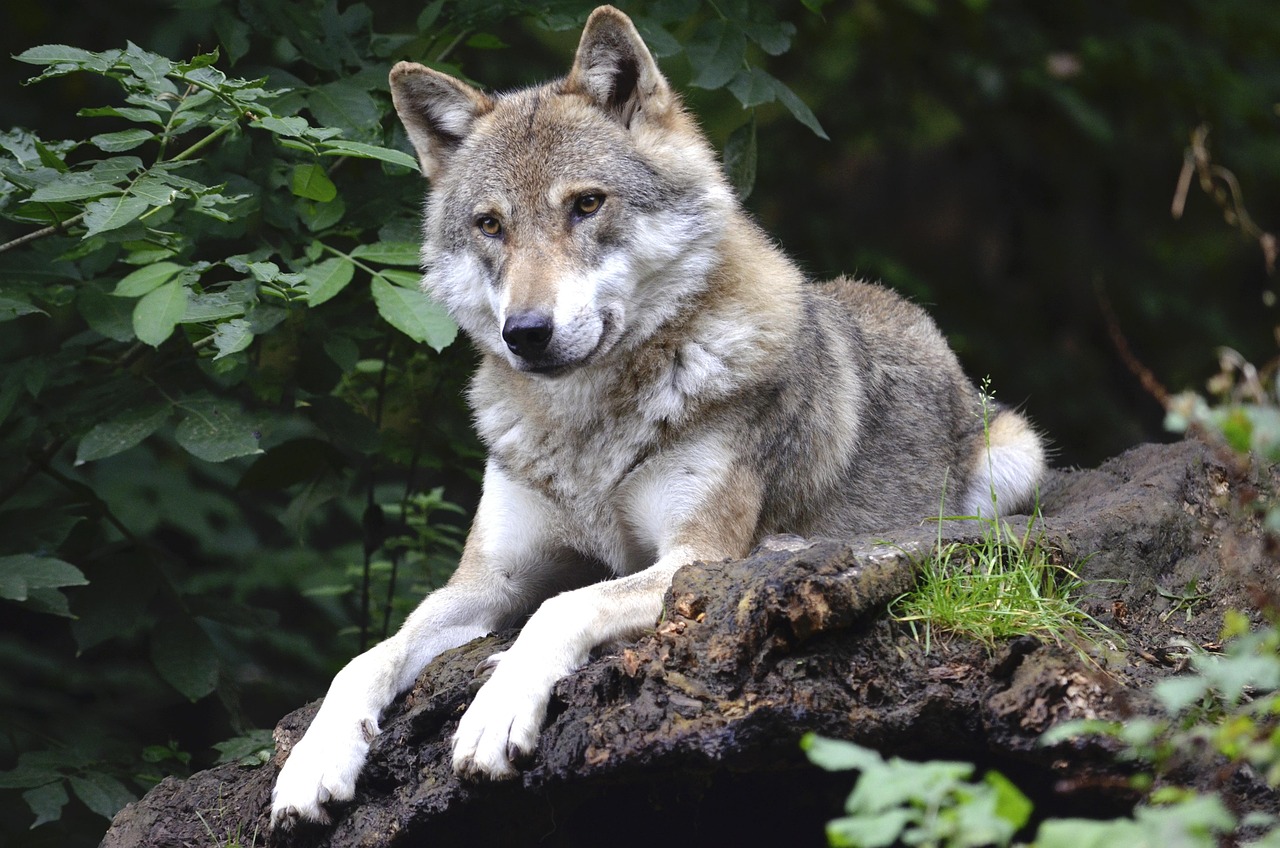
Wolf packs in the wild are family-based units, with the dominant breeding pair usually being the parents of other pack members, and leadership positions are determined by parents being dominant over their offspring. The breeding pair serves as the ultimate decision-makers, guiding daily activities with a combination of authority and deep care for every family member.
These parents don’t rule through intimidation but through experience and responsibility. All wolves participate in pack life by creating a system of division of labor where individuals cooperatively hunt and defend territories, and older wolves share hunting strategies with younger wolves, passing down knowledge from one generation to the next. The wolf parent is the one who knows where to find resources when times are tough and how to keep everyone safe.
The Protective Caretaker: Understanding the Beta Wolf Role
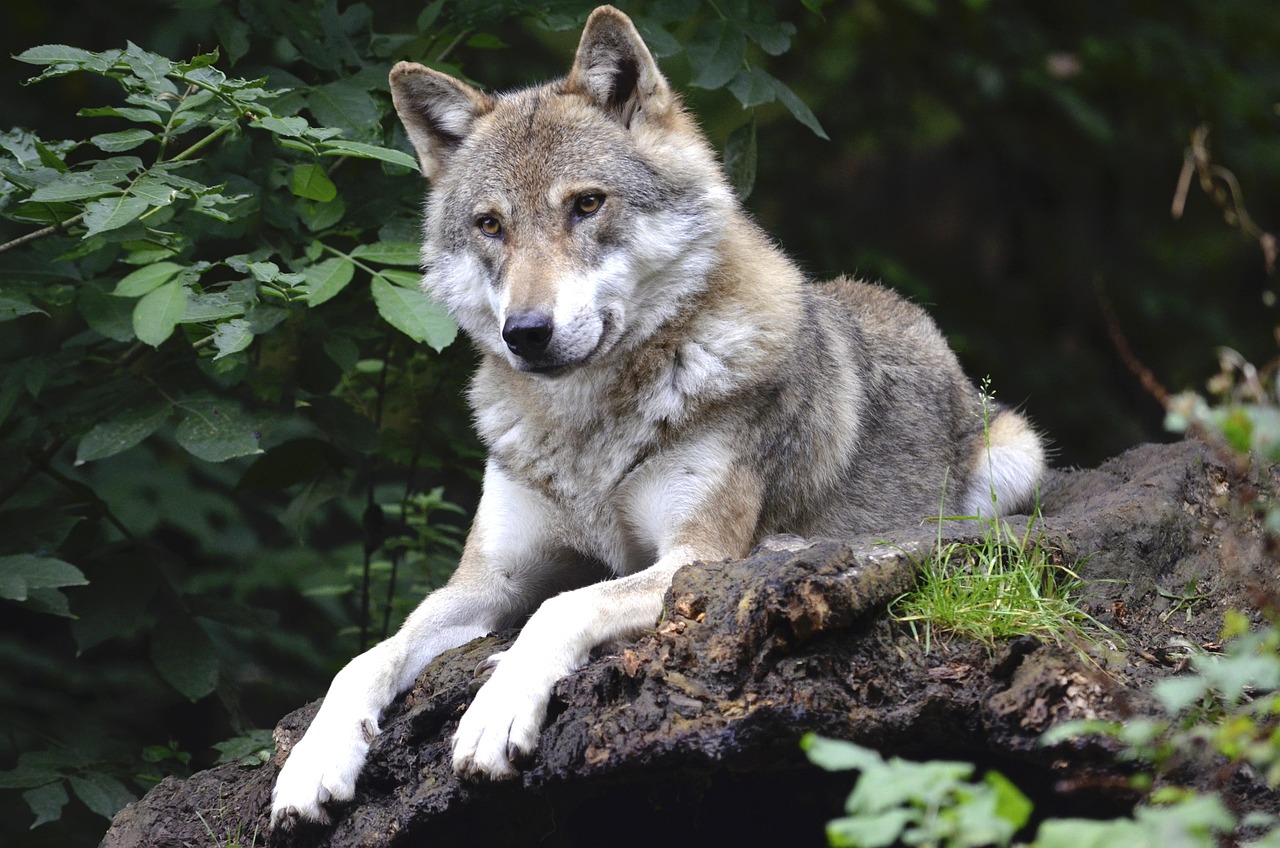
After the alphas, wolves second in command are called the betas, followed by mid-ranking wolves. Beta wolves serve as the enforcers and supporters, often acting as the bridge between the leading parents and the younger pack members. They’re the reliable ones who step up when parents are overwhelmed.
Think of the beta as the family member who organizes birthday parties, remembers everyone’s appointments, and mediates sibling disputes. They possess natural leadership abilities but choose to channel them into supporting the family structure rather than challenging it. Wolves can negotiate commodities when interacting subjects occupy different ranking positions by bargaining social tolerance with helping and support, and they manage group disruption through sophisticated post-conflict maneuvers.
The Young Wolf: Learning Life’s Essential Lessons
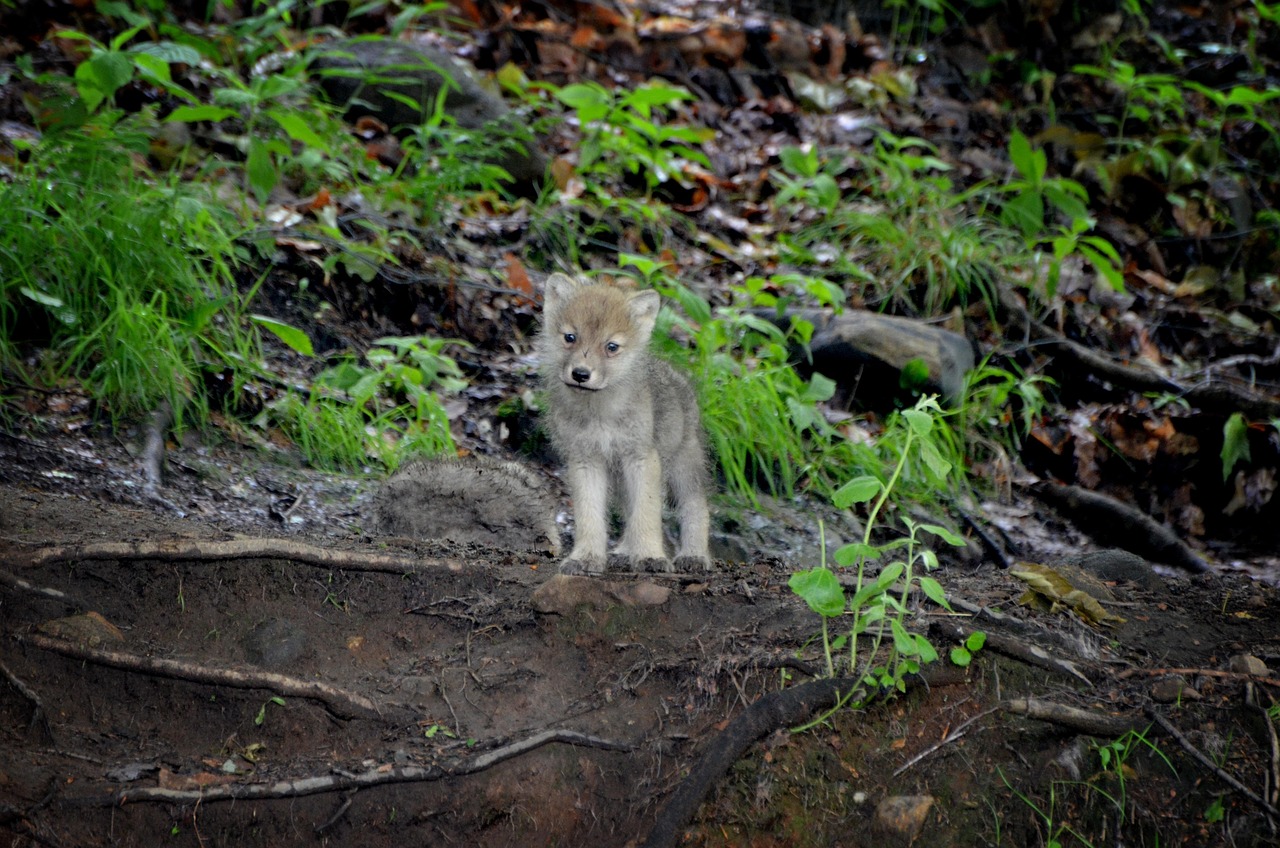
The socialization begins at around four months of age when cubs start to follow adults on hunting trips, and pups learn something from each member of the pack while attaining vital social skills required to create powerful bonds. Young wolves represent the eager learners in every family – the ones soaking up every piece of wisdom.
These family members ask endless questions, shadow their elders constantly, and practice skills they’ll eventually need as adults. The fundamental purpose of the pack is successful production of offspring, and raising the litter is a collaborative venture where all members contribute to their development. They’re not just passive recipients but active participants in family life, contributing energy and fresh perspectives.
The Bear Mother: Fierce Protection Above All Else
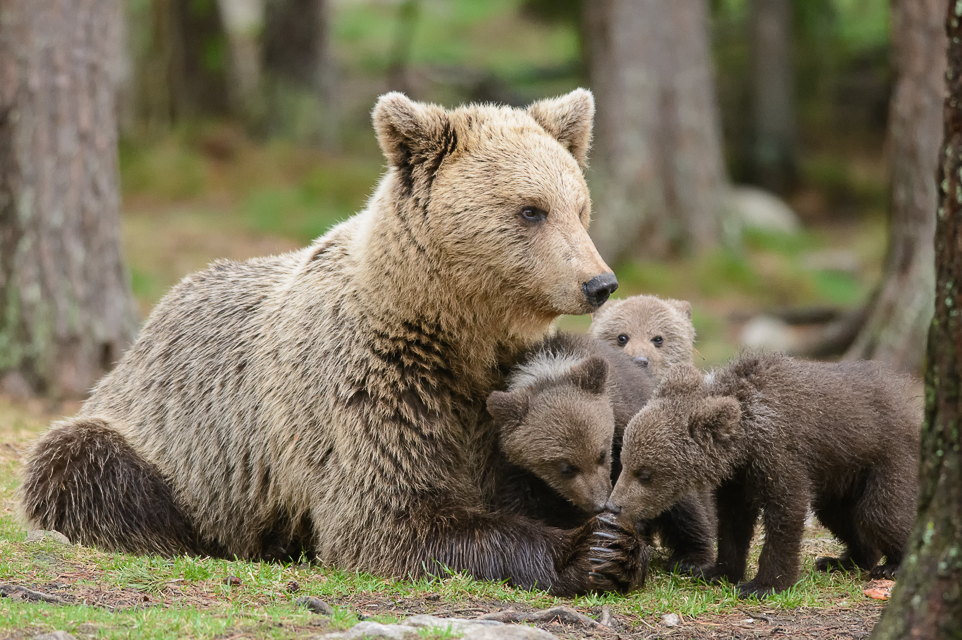
Black bear mothers give birth in January and stay with their cubs for 16-17 months, and family bonds remain strong right up to the day of family breakup. Bear mothers embody the ultimate protective parent – the one who would face any danger to keep their family safe.
Mama Bear nurtures, loves, serves, and protects while being watchful and very cautious. These parents create safe spaces for their families to thrive, carefully selecting “babysitter trees” where cubs can play while mothers forage nearby. Mothers leave their cubs at these trees and forage nearby, typically within a few hundred yards, while cubs sleep hidden in crowns or play around the base, ready to climb at any hint of danger.
The Independent Bear Cub: Growing Into Self-Reliance
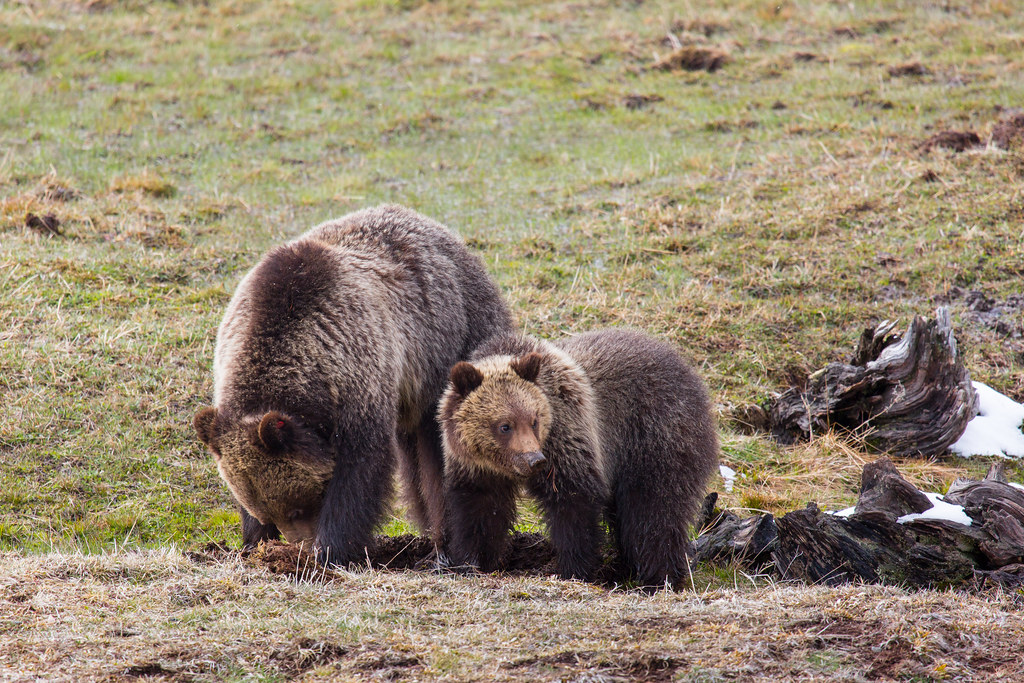
Moms push yearlings out of their lives for good when they come into estrus at about 16-17 months old, but the frightened young bears soon discover that Mom has prepared them well for living on their own. Bear cubs represent family members who must learn independence through gentle (or not-so-gentle) pushing.
Initially, this separation seems harsh, but it’s essential for proper development. Once their initial confusion is overcome, they quickly begin developing confidence in themselves and become self-sufficient, continuing the life cycle of the black bear. These are the family members who need encouragement to take risks and develop their own decision-making abilities.
The Bison Matriarch: Leading Through Collective Wisdom
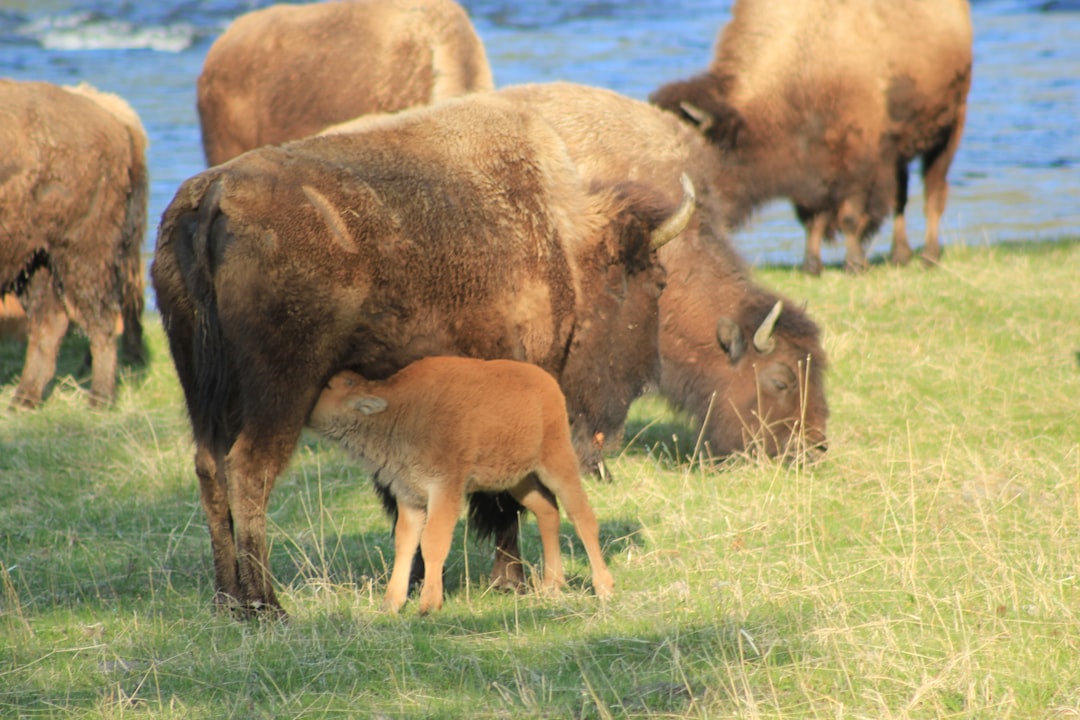
Bison herds are typically matriarchal, meaning the oldest and often largest females lead the group, and the matriarch plays a crucial role in guiding the herd to food, water, and safe resting areas. Unlike wolves with their nuclear family structure, bison matriarchs lead much larger extended family networks.
Older females will consistently make decisions for the group rather than younger females. The bison matriarch represents the grandmother figure who keeps the entire extended family connected, remembering family traditions and maintaining relationships across generations. The strongest social associations are among treatment mothers and their offspring, with close associations over multiple generations.
The Bison Bull: Seasonal Leadership and Protection
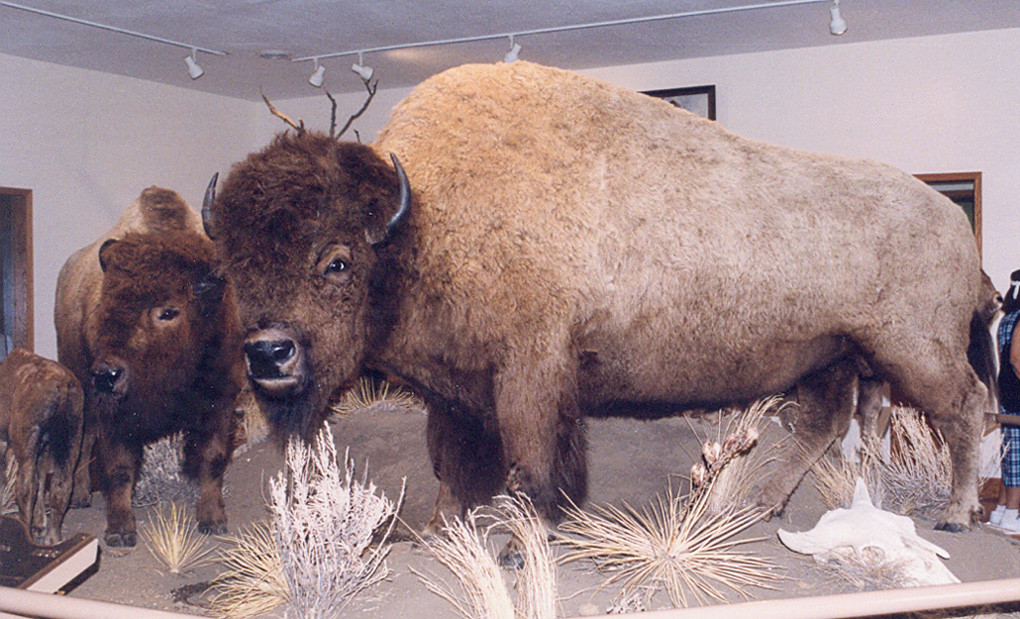
Adult females, calves, and immature males form mixed-age groups while large bull males form separate groups, and adult males live alone or with other males in bachelor herds of up to 30 individuals. Bison bulls represent the family members who show up when needed but maintain independence most of the time.
Seasonal aggregation occurs when large male bison join mixed-age groups to form larger groups, and male and female herds typically only come together during breeding season. These are the relatives who appear at family reunions, provide protection when threats arise, and then return to their own pursuits. They’re dependable but not constantly present.
The Bison Calf: Thriving in Community Support
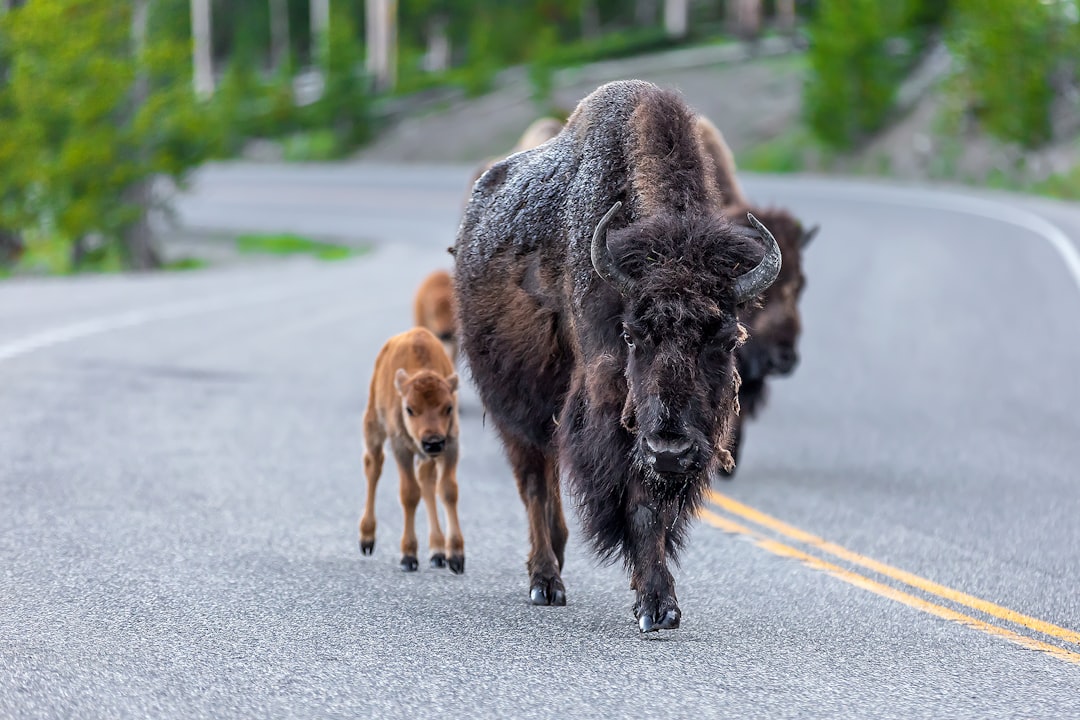
The calf stays with its mother until the following spring, calves are nursed for seven to eight months and fully weaned by the end of the first year, while females typically stay in their mother’s herd. Bison calves experience the ultimate community upbringing with multiple generations providing guidance.
Younger buffalo learn by observing and mimicking older herd members. These family members benefit from having numerous mentors and role models. Results reveal strong group cohesion with close association of individuals belonging to the same matriline within the herd, and the higher sociability value of lactating females is indirectly caused by the gregarious behavior of their calves.
Which Family Dynamic Fits Your Household?
Wolf families excel at intimate cooperation and skill-sharing within small, tight-knit groups. Bear families focus on intense protection and gradual independence training. Bison families thrive on community support and multi-generational wisdom sharing.
Your family might operate like a wolf pack if everyone has clearly defined roles, decisions get made quickly by experienced leaders, and younger members actively participate in family responsibilities. Bear families prioritize safety above all else, with fierce protective instincts and eventual independence requirements. Bison families function through collective decision-making, seasonal gatherings, and strong matriarchal guidance across extended networks.
Most families actually blend elements from all three models, adapting their approach based on circumstances and life stages. The key insight isn’t which animal your family resembles most, but understanding how different family roles contribute to overall success and survival. Whether you’re leading like a wolf alpha, protecting like a mama bear, or guiding like a bison matriarch, each role serves a vital purpose in keeping your family thriving. What role do you play in your family’s unique ecosystem, and how might understanding these natural patterns help you appreciate the incredible dynamics already at work in your own home?

From exploring the marine wonders in the Azores and witnessing the vast savannas of Kenya, to delving deep into the rich biodiversity of South Africa and traversing iconic landscapes in Australia and the US like Yellowstone, Chris's experiences are vast.
With a penchant for diving alongside sharks, the ocean holds a special place in his heart.
Through his academic insights, he champions wildlife conservation, striving with 'Animals Around The Globe' to cultivate a profound connection between humans and animals, enhancing our mutual appreciation.
Connect with him at Feedback@animalsaroundtheglobe.com.
- The Sacred Goose of Ancient Rome: Protector of the Capitol - July 21, 2026
- Top 10 Animal Encounters in Europe - July 21, 2026
- The Lizard That Shoots Blood From Its Eyes - July 21, 2026