

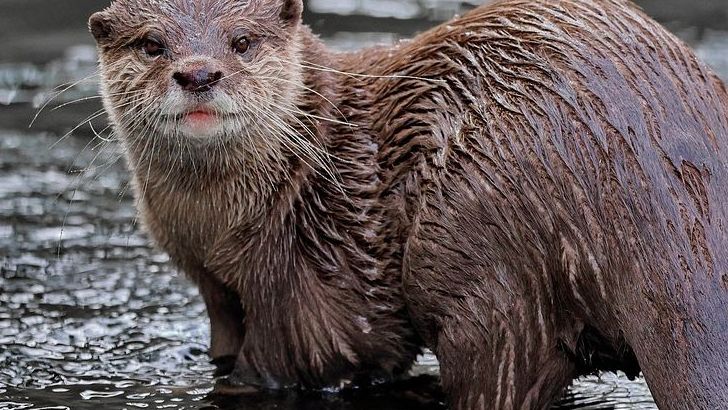
Picture this: a sleek, whiskered head popping up from the murky waters of a New Jersey stream, dark eyes curious and alert. For much of the twentieth century, this was an impossible sight. River otters had vanished from most of the Garden State, victims of pollution, development, and relentless trapping.
Yet today, these playful aquatic mammals are making an extraordinary comeback. From the Pine Barrens’ acidic cedar waters to the brackish estuaries of the Jersey Shore, otters are reclaiming their ancestral territories with remarkable success. This isn’t just a feel-good wildlife story. It’s a testament to what happens when conservation efforts, cleaner waters, and nature’s own resilience converge in perfect harmony.
A Century of Silence
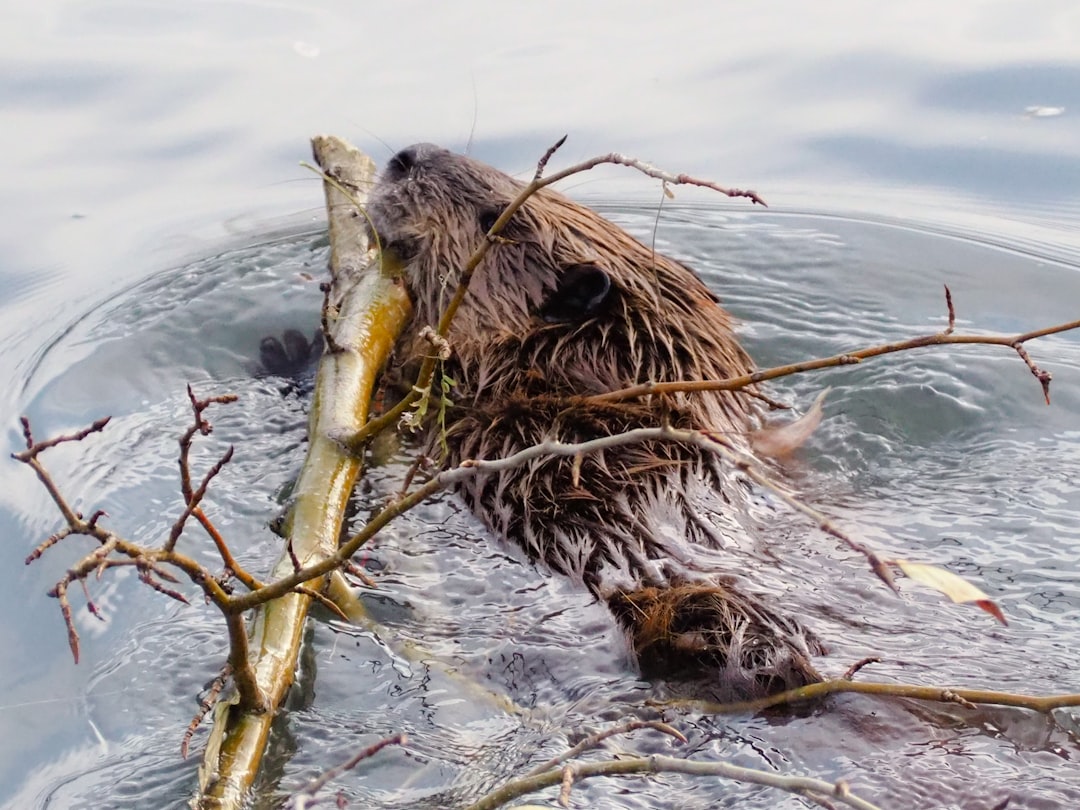
The story of New Jersey’s river otters begins with abundance and ends, for decades, in heartbreaking silence. River otters once thrived in virtually every stream, river, and large lake throughout New Jersey, including tidal waters, until local extinctions occurred around the mid-1800s and early 1900s due to overharvest, pollution, and urbanization.
Think about that for a moment. These charismatic creatures, perfectly adapted for life in and around water, simply disappeared from an entire state. Development and habitat alteration led to local extinctions, while trappers pursued them relentlessly for their incredibly dense, waterproof fur. The industrial revolution brought with it a toxic cocktail of pollutants that turned once-pristine waterways into ecological wastelands.
The Perfect Aquatic Predator
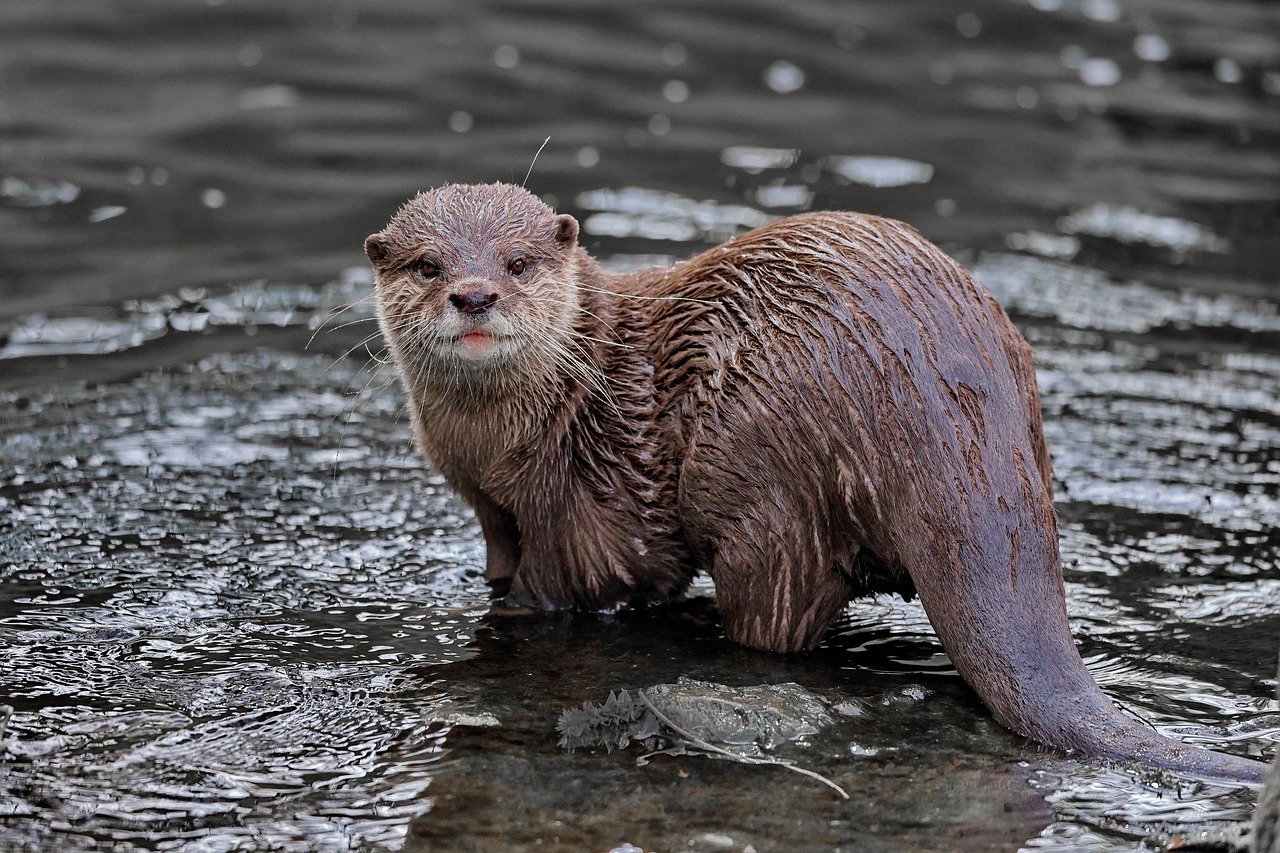
Otters belong to the mustelid family, which includes weasels, mink and badgers, but they’re specially adapted for life in and near lakes, rivers and estuaries, with long, streamlined bodies, a thick, insulated coat of fur and webbed feet on short legs. What makes them truly extraordinary is their incredible fur density. They have extremely dense fur with up to 85,000 hairs per square inch, among the densest of any mammal.
The North American river otters found locally are light brown to black and can be between 2 and 3.5 feet long, weighing between 10 and 30 pounds, with a long, tapered tail making up a third of an adult’s length. These aren’t just good swimmers. They’re aquatic acrobats capable of holding their breath for up to four minutes while hunting fish, frogs, and crustaceans beneath the surface.
The Great Disappearance

By the late 1970s, river otters occupied less than 75% of their historic range across North America, with New Jersey being one of the hardest-hit states. Although they were trapped for their fur, habitat loss became the main reason they were less common, with development and environmental degradation of waterways leading to population declines throughout the country.
Imagine entire watersheds falling silent. No playful splashing, no characteristic otter slides carved into muddy banks, no chattering family groups. The absence of otters became a stark indicator of just how damaged New Jersey’s aquatic ecosystems had become. These creatures, sensitive to pollution and requiring clean water to thrive, simply couldn’t survive in the increasingly contaminated environment.
Signs of Hope in Hidden Refuges

Yet nature has a way of surprising us. River otters are elusive denizens of Pine Barrens streams and wetlands, happy in fresh and brackish waters, most often reported in the lower stretches of rivers flowing into Atlantic coast estuaries, but also sometimes seen in cranberry bogs and reservoirs in the heart of the Pine Barrens.
They are one of the mammals that live in the Pine Barrens, found in both fresh and brackish waters, most often reported in the lower stretches of rivers flowing into the Atlantic coast estuaries, but might also be seen in cranberry bogs and reservoirs in the heart of the Pine Barrens. These acidic, tea-colored waters of the Pine Barrens provided crucial refuges during the darkest decades, allowing small populations to persist when most thought otters had vanished entirely.
The Conservation Revolution
River otters have made a comeback since the mid-1900s thanks to conservation and reintroduction efforts and tougher water pollution regulations. This wasn’t accidental. Between the 1970s and early 2000s, 21 U.S. states implemented river otter reintroduction programs, releasing more than 4,000 otters into waterways where they had been extirpated, involving careful planning, including habitat assessments, genetic considerations to maintain diversity, and post-release monitoring.
The transformation required unprecedented cooperation. Wildlife biologists worked alongside trappers, who used their specialized skills to safely capture otters from healthy populations for relocation. The trapping community got behind the effort not just in spirit – they showed up with boots in the mud, helping state agencies track, trap, and reintroduce otters. It was conservation in action, proving that former adversaries could become allies in species recovery.
Clean Water, Clean Conscience

The otter’s return tells a larger story about environmental recovery. Thanks to nationwide efforts to reduce pollution in waterways, otters have been reintroduced to some of their former habitats. The Clean Water Act of 1972 and subsequent environmental regulations began the slow process of healing America’s wounded waterways.
Local residents have begun asking whether otters’ presence is possibly a sign of cleaner water, with the hope that this signals environmental recovery. These mammals serve as living water quality indicators. Where otters thrive, ecosystems are healing. Their playful presence has become a badge of environmental honor for New Jersey’s recovering watersheds.
Success Stories Along the Shore
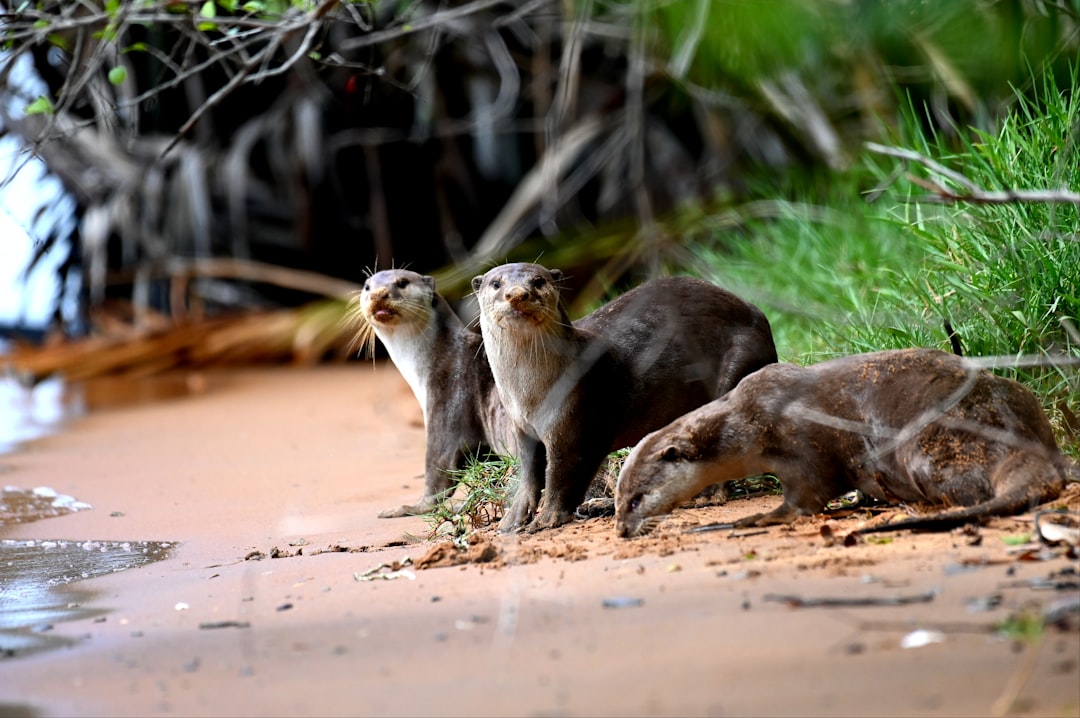
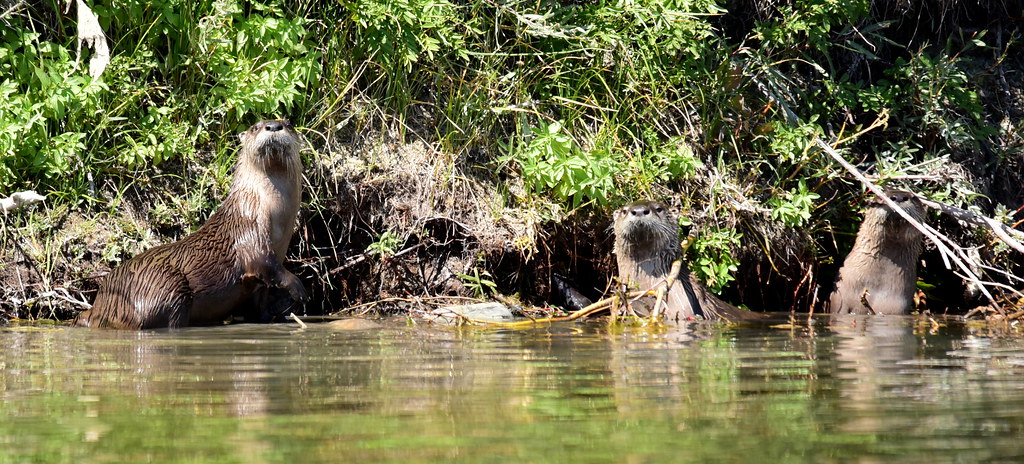
A playful, social animal, the river otter is not an uncommon sight along the Jersey Shore, especially in winter. Recent sightings have created waves of excitement among residents and wildlife watchers. Families of river otters have been spotted in places like Shark River inlet, with four otters popping their heads up near kayakers, seeming as curious about humans as humans were about them, marking the first time some lifelong residents had ever seen otters in those waters.
In southern New Jersey, researchers detected otters at 83 out of 141 sites (58.9%) with high detection probability, while in northern New Jersey they found otters at 31 out of 103 sites (30.1%). These numbers represent a stunning recovery for a species that was virtually absent from the state just decades ago.
The Road Ahead

The future looks bright for New Jersey’s otters, though challenges remain. Anecdotal evidence suggests these aquatic mammals are becoming more common due to cleaner waters, more forest cover and less trapping. Water depth, water quality, stream width and mink presence were positively correlated with otter occupancy, while commercial, industrial, transportation and recreational habitat, low intensity development, bank slope, and distance to lake were negatively correlated with otter occupancy.
This research provides a roadmap for continued recovery. Protecting riparian buffers, maintaining water quality standards, and preserving undeveloped shorelines will be crucial for sustaining these populations. The otters’ comeback isn’t just about one species; it’s about creating healthy ecosystems that can support entire communities of native wildlife.
A Living Symbol of Resilience
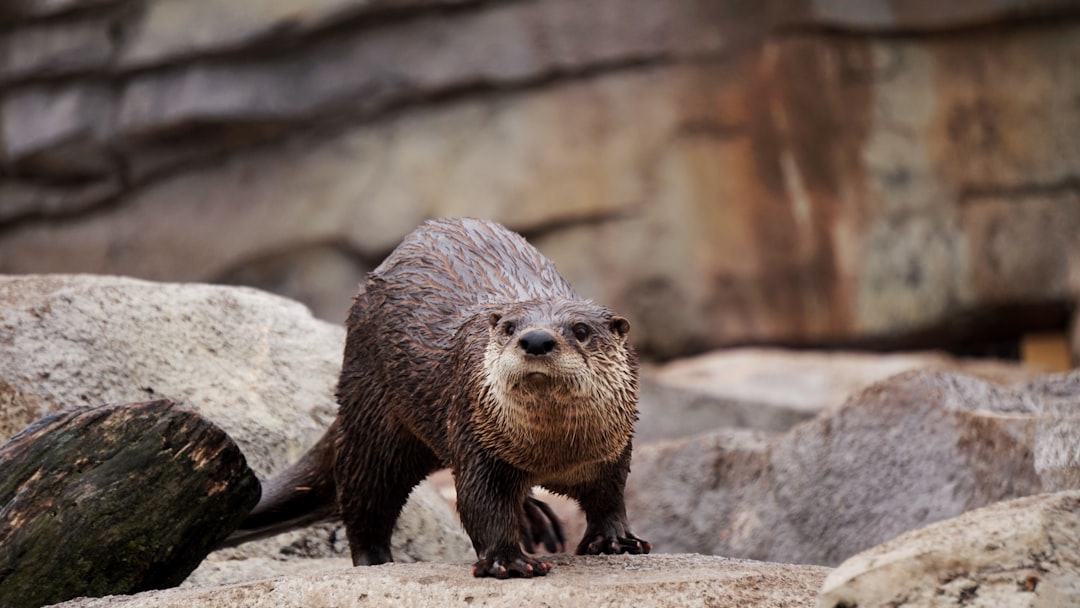
Only one species among the world’s 13 otter species, the North American river otter, is bucking the trend of decline, representing a true conservation success story. In New Jersey, this success carries special meaning. These otters represent more than recovered wildlife populations. They embody the possibility of redemption, proof that with commitment and science-based management, we can repair the damage of the past.
Every otter spotted sliding down a muddy bank or popping its whiskered head above the surface represents thousands of hours of conservation work, millions of dollars in habitat restoration, and the collective will of a society that decided some things are too precious to lose forever. Their playful antics now grace waters that were once too polluted to support any life at all.
River otters are back in New Jersey, and their return reminds us that nature is remarkably resilient when given a fighting chance. From near extinction to thriving populations in less than a century, these charismatic aquatic acrobats have rewritten their own story. They’ve transformed from a cautionary tale of environmental destruction into a beacon of hope for conservation efforts everywhere. What started as a century of silence has become a chorus of splashing, chattering, and celebrating along New Jersey’s recovering waterways. What do you think about this remarkable comeback story? Have you spotted any otters in your local waters?
