
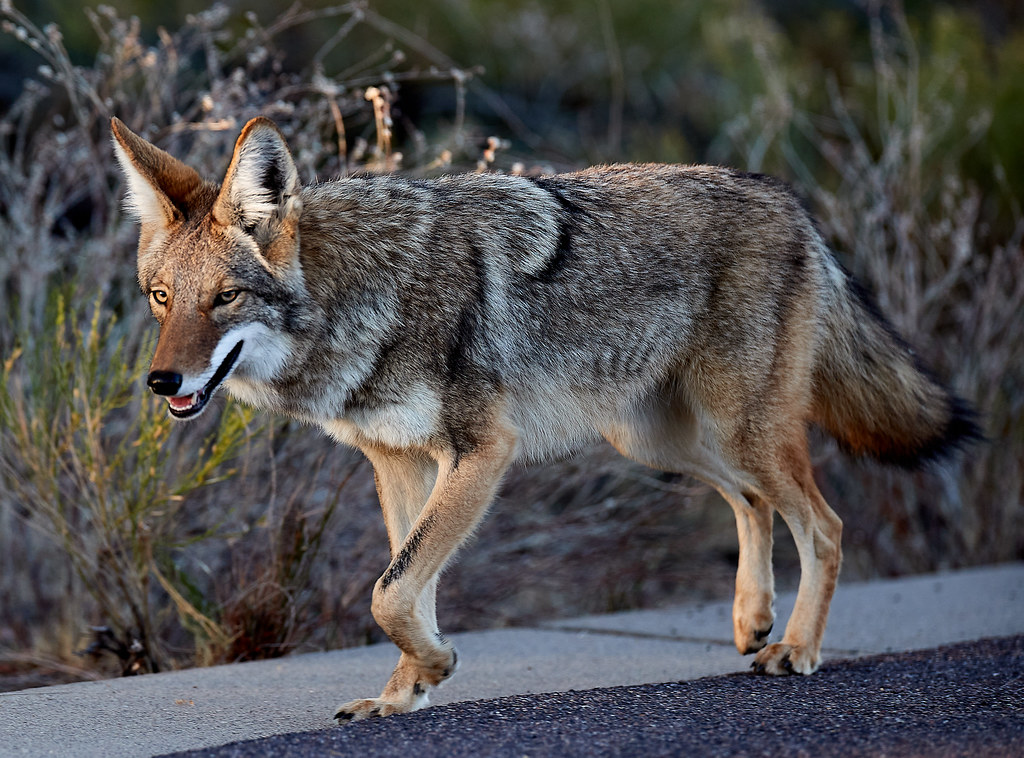
Picture this: you’re sitting around a campfire when suddenly a coyote trots up, clears its throat, and starts chatting about your species like you’re some fascinating documentary subject. What insights would these clever canines share about their bipedal neighbors? Given their remarkable intelligence, keen observation skills, and growing familiarity with human behavior, coyotes would likely have some pretty eye-opening commentary about us.
Anyone tuned in to coyotes over any length of time will become aware of how highly intelligent they are. If intelligence is defined as “the ability to acquire and apply knowledge and skills,” then coyotes demonstrate it in abundance through their ability to adapt, their perceptiveness, and their ability to meet and solve challenges. So let’s dive into what these street-smart survivors might reveal about human nature if they could speak our language.
We’re Remarkably Predictable Creatures
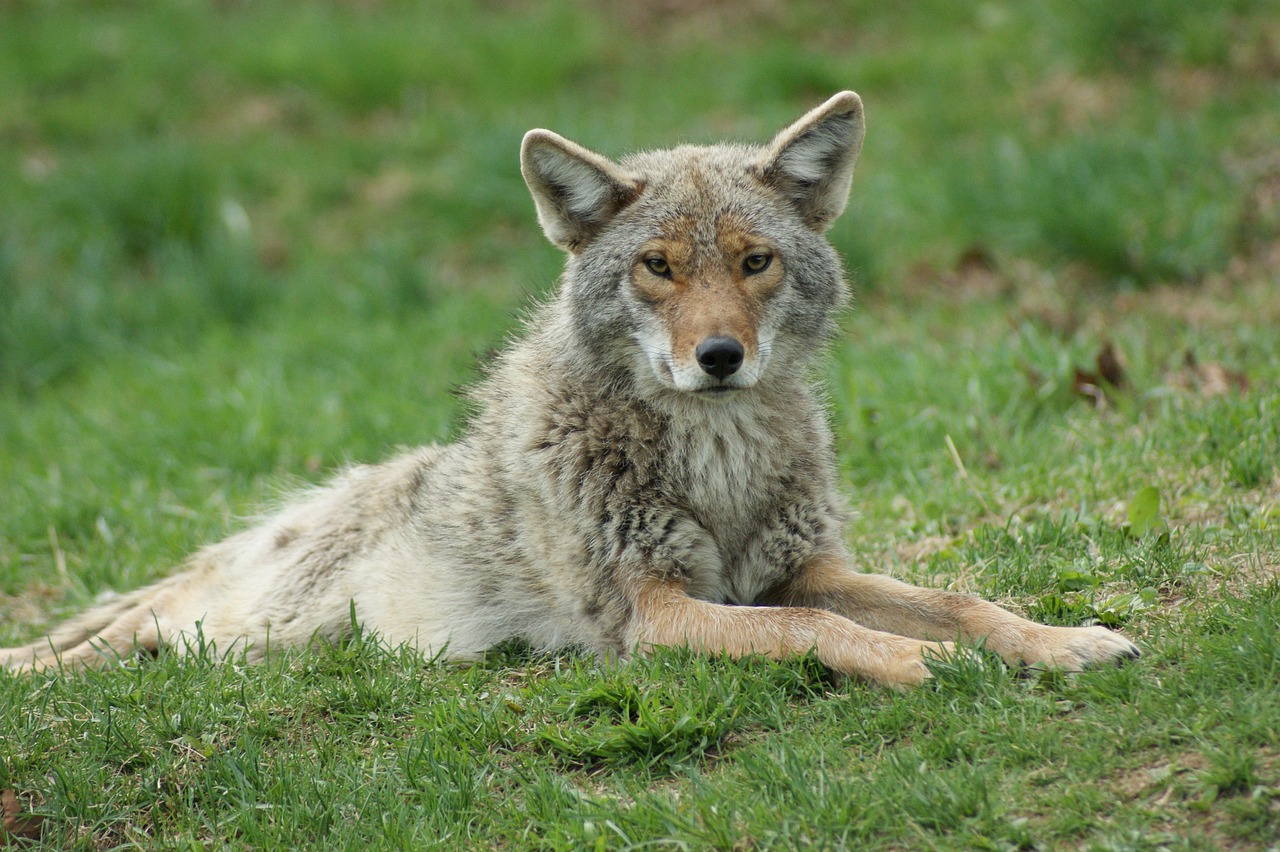
Most nuisance calls are in response to coyotes simply being seen or heard by residents, and coyotes would probably chuckle at how easily rattled humans get by their mere presence. They’d tell you that people follow incredibly predictable patterns – walking dogs at the same times, leaving trash cans out on specific days, and panicking whenever they spot a pair of golden eyes in the darkness.
Coyotes are extremely intelligent in analyzing the behavior of their owners. It has been scientifically proved that coyotes can recognize patterns and different locations in their mind where they have once gone. They’d share how they’ve memorized your neighborhood’s rhythms better than most residents, knowing exactly when the joggers come out and which houses always have unsecured garbage.
Our Emotional Responses Are All Over the Map
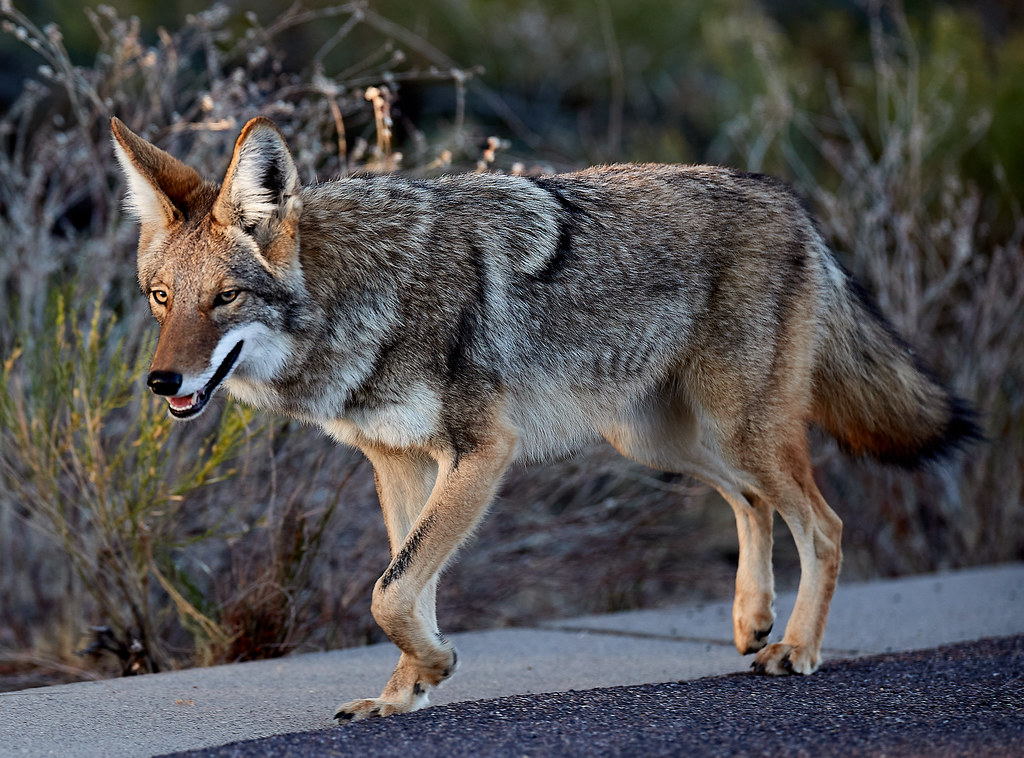
Coyotes would marvel at the wild inconsistency in human emotional reactions to their presence. Some humans flee in terror at a distant glimpse, while others try to approach with cameras or even food. Too much human “love” is just as harmful to their well-being as a human culture of fear. In some pockets of San Francisco, the pendulum has swung from fear to too much love for coyotes, usually through feeding, coupled with befriending, trying to get near, attempting to communicate, or even prolonged mutual visual contact.
They’d probably scratch their heads at how humans can’t seem to find a middle ground – either treating them like monsters or trying to turn them into oversized house pets. This emotional whiplash makes it challenging for coyotes to predict human behavior, despite their generally excellent pattern recognition skills.
We’re Terrible at Consistent Communication
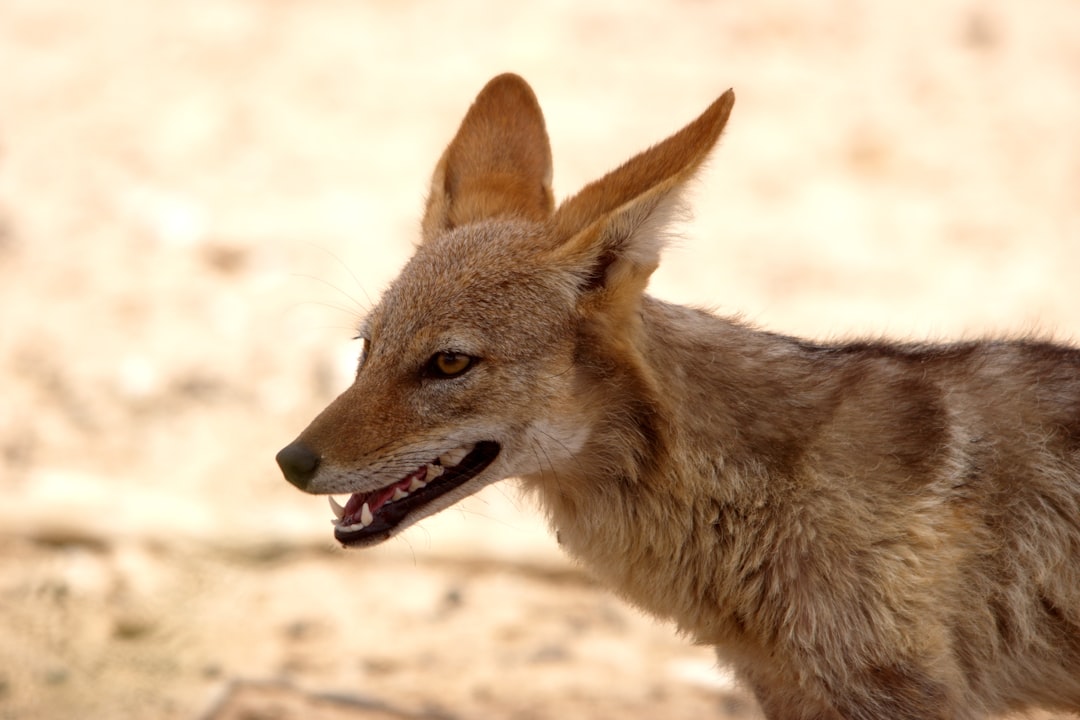
The members of a coyote pack communicate with each other and even with unrelated animals in various ways, including vocalizations and body language. Coyotes use a variety of vocalizations to communicate with each other and other animals. Compared to their sophisticated communication system, coyotes would likely find human attempts at “coyote management” hilariously inconsistent.
One day humans are trying to scare them away with loud noises, the next day someone’s leaving out food. It is important to stress that our relationship with coyotes is directly affected by our behavior – coyotes react to us, and we can foster mutual respect or a lack of respect through cues we send to them. They’d point out that humans send mixed signals constantly, making coexistence unnecessarily complicated.
We Underestimate Their Problem-Solving Abilities
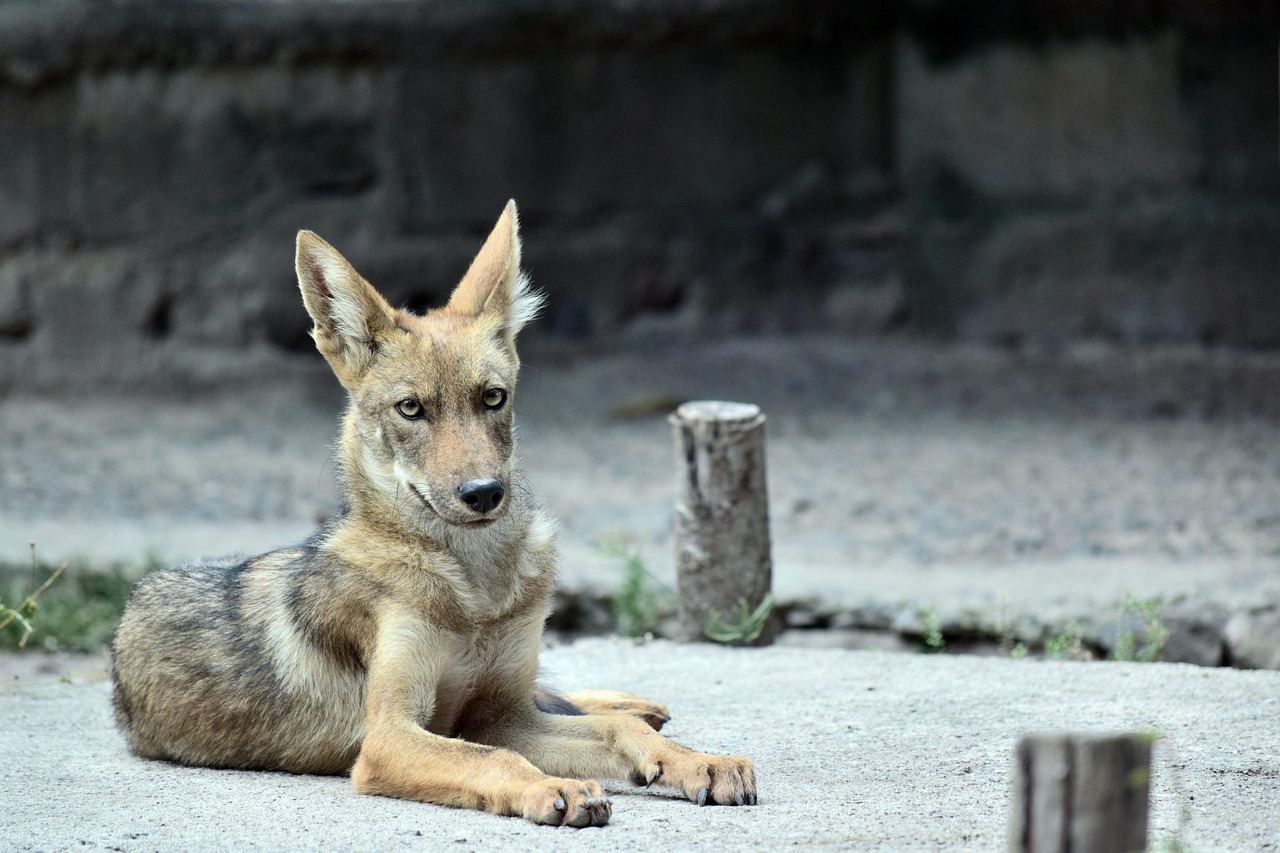
Coyotes come with remarkable problem-solving skills. If you put them under any conditions, then they will come out with creative solutions. They can utilize all their instinctive capabilities to resolve any problem or to achieve any goal. Coyotes would probably laugh at how humans think simple deterrents like fencing or noise makers will keep them out permanently.
They adapt by creatively trying something new and different. Lou has written about a lone coyote who, in the absence of regular rodent prey, has switched to crayfish fishing as the major part of his diet! They’d share stories of fellow coyotes who’ve learned to open latches, navigate subway systems, or find innovative food sources that would make human problem-solvers envious.
Our Urban Environments Are Actually Pretty Great
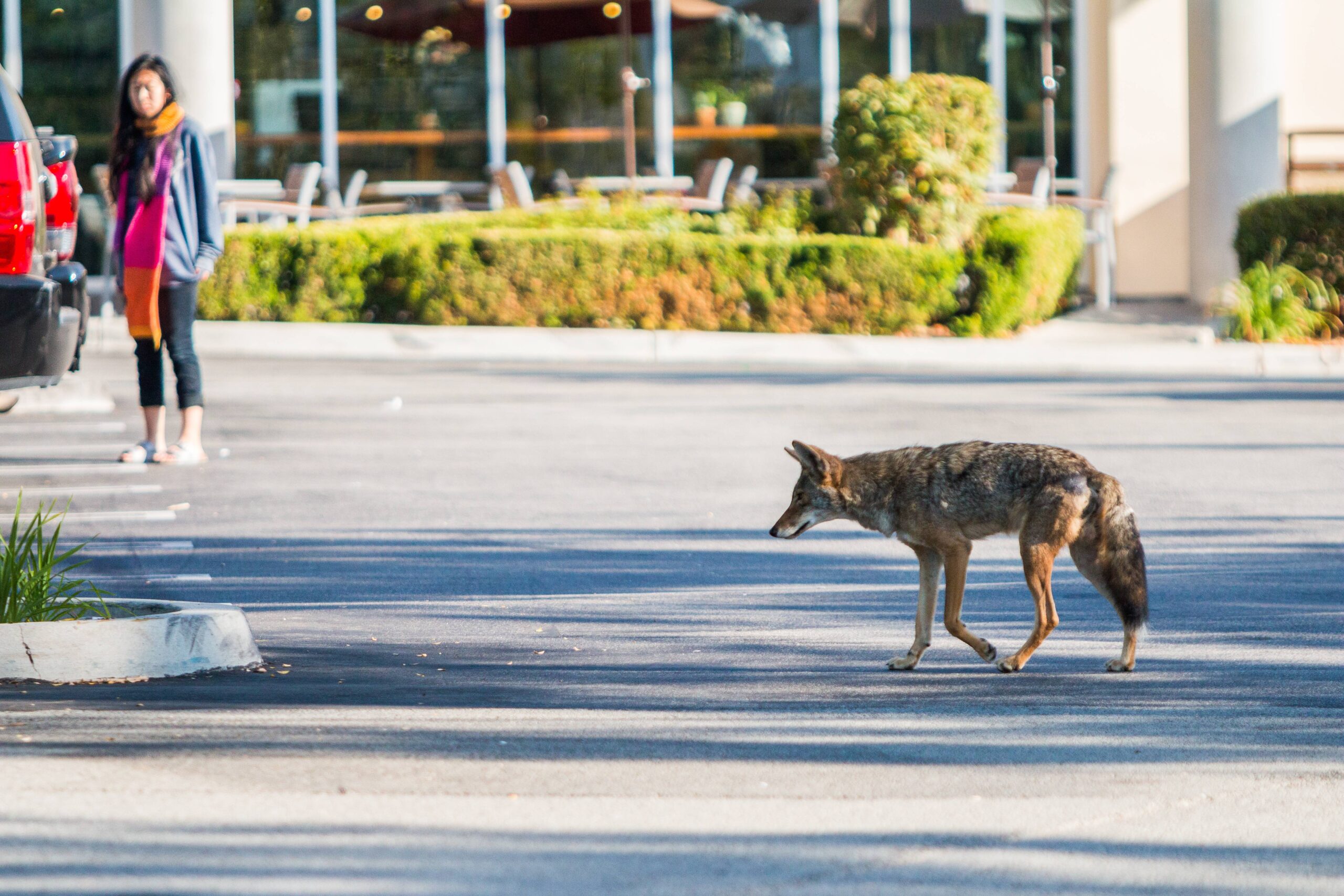
Urban coyotes are bolder and more exploratory than rural coyotes and that within both populations there are individuals that vary across both spectrums. Bolder behavior in urban coyotes emerged over several decades and we speculate on possible processes (e.g., learning and selection) and site differences that could be playing a role in this behavioral adaptation. Coyotes would admit that city life isn’t so bad once you get the hang of it.
Coyotes are originally a rural carnivore hunting on diverse prey ranging from deers to birds to fish, the coyote has been greatly increasing in number in urban areas. Their tolerance to a highly diverse diet, combined with high levels of intelligence and their semi-nocturnal lifestyle has made them great at adapting to life in the city. They’d describe how human cities provide consistent food sources, fewer natural predators, and interesting challenges that keep their minds sharp. Think of it as their version of a stimulating puzzle game.
We’re Surprisingly Social but Lack Pack Coordination
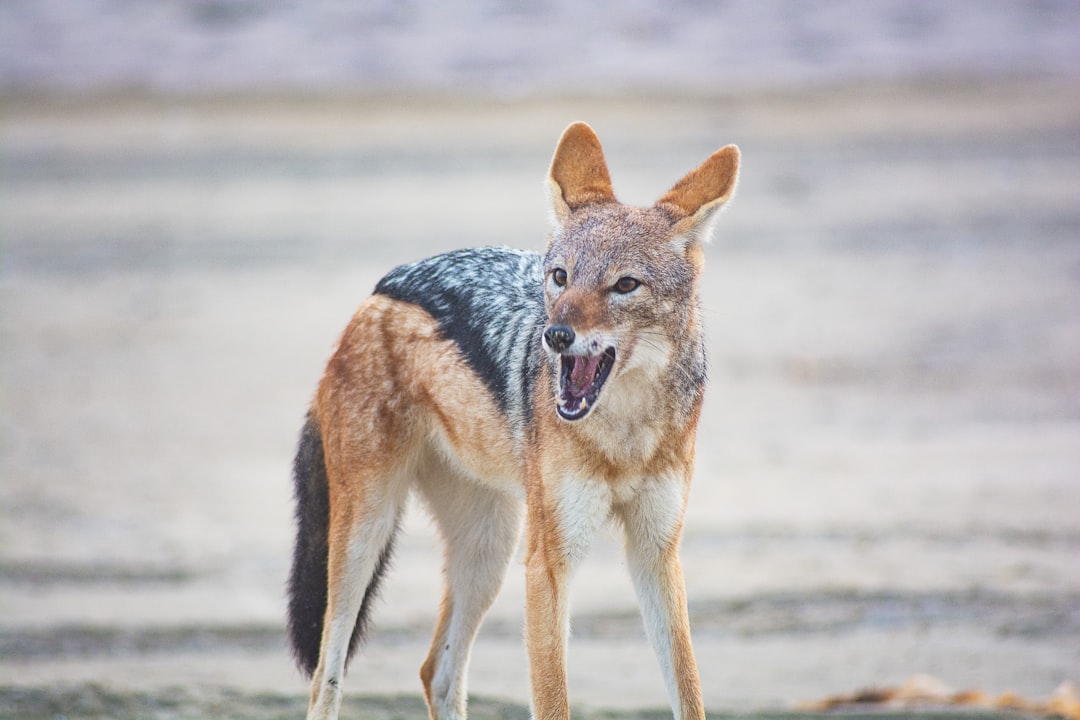
While coyotes are often seen and portrayed as solitary animals, the truth is that they are highly social creatures that live in family groups. The family group, known as a pack, usually consists of a mating pair and their litter from the current and previous years, similar to a wolf pack’s extended family units. Coyotes would find human social behavior fascinating but inefficient compared to their own pack dynamics.
They’d observe that while humans gather in large groups, they often lack the coordinated communication and clear hierarchies that make coyote families so effective. Dogs and coyotes, as opposed to humans and coyotes, breach the divide all the time: they constantly communicate visually and interact with threats and defenses. Coyotes in families interact and communicate constantly with one another. Humans, they’d note, seem to communicate more but coordinate less than their canine counterparts.
Our Feeding Habits Create Unintended Consequences
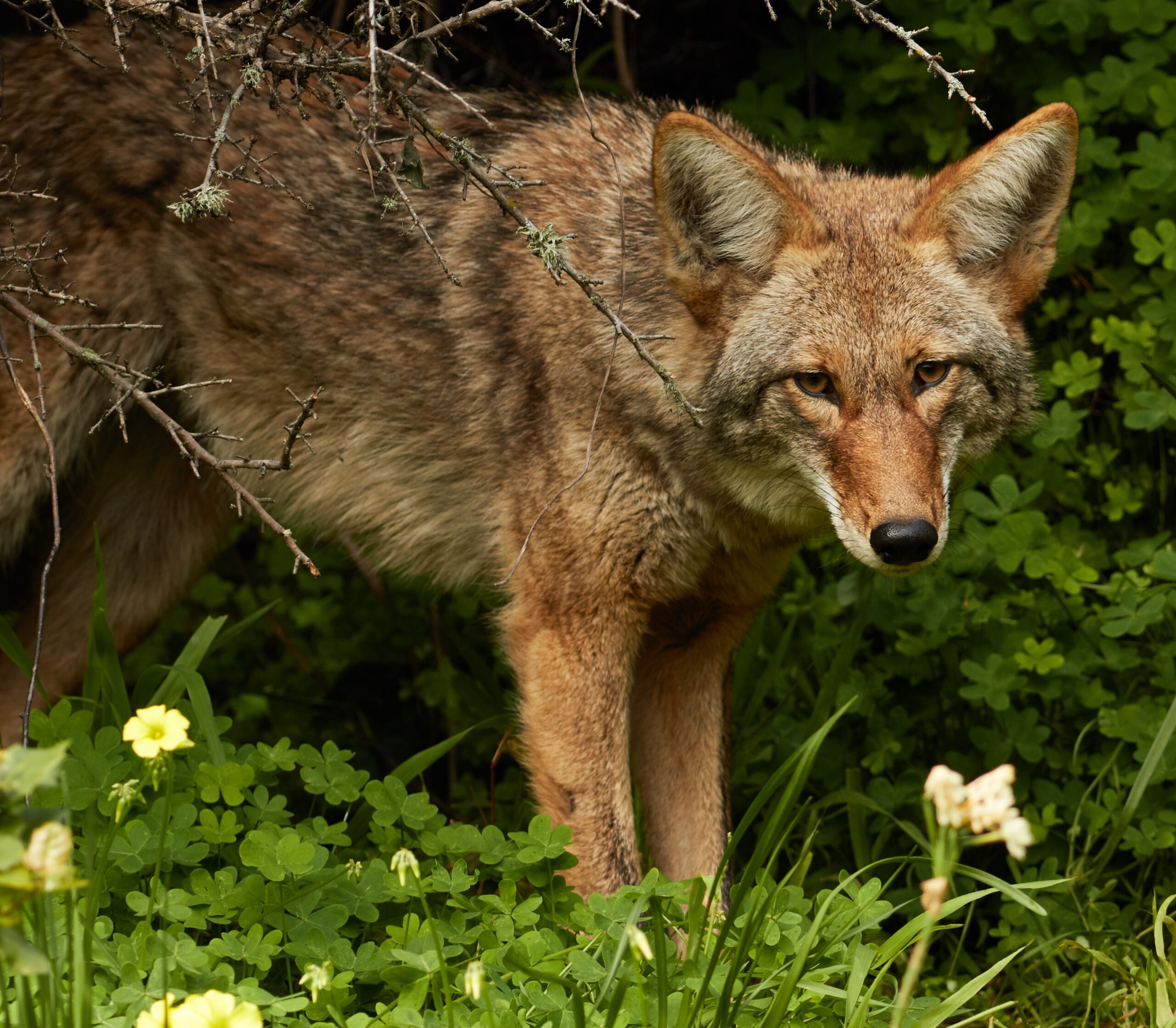
Once coyotes associate human buildings or yards with food, they may increase daytime activities and thus are seen more easily by people. In those areas in southern California where attacks have been common, researchers have reported a higher frequency of human-related food in the diet of nuisance coyotes. This was indicative of feeding by people, or coyotes seeking food in garbage. Coyotes would shake their heads at how humans create problems by accidentally or intentionally providing food sources.
They’d explain that when humans leave pet food outside, maintain bird feeders, or fail to secure garbage properly, they’re essentially sending dinner invitations to the entire neighborhood coyote population. A common pattern for many human attacks has been feeding prior to the incident – in many cases intentional feeding. It’s like humans are constantly advertising a free buffet and then acting surprised when hungry coyotes show up.
We Have an Impressive Capacity for Both Persecution and Protection
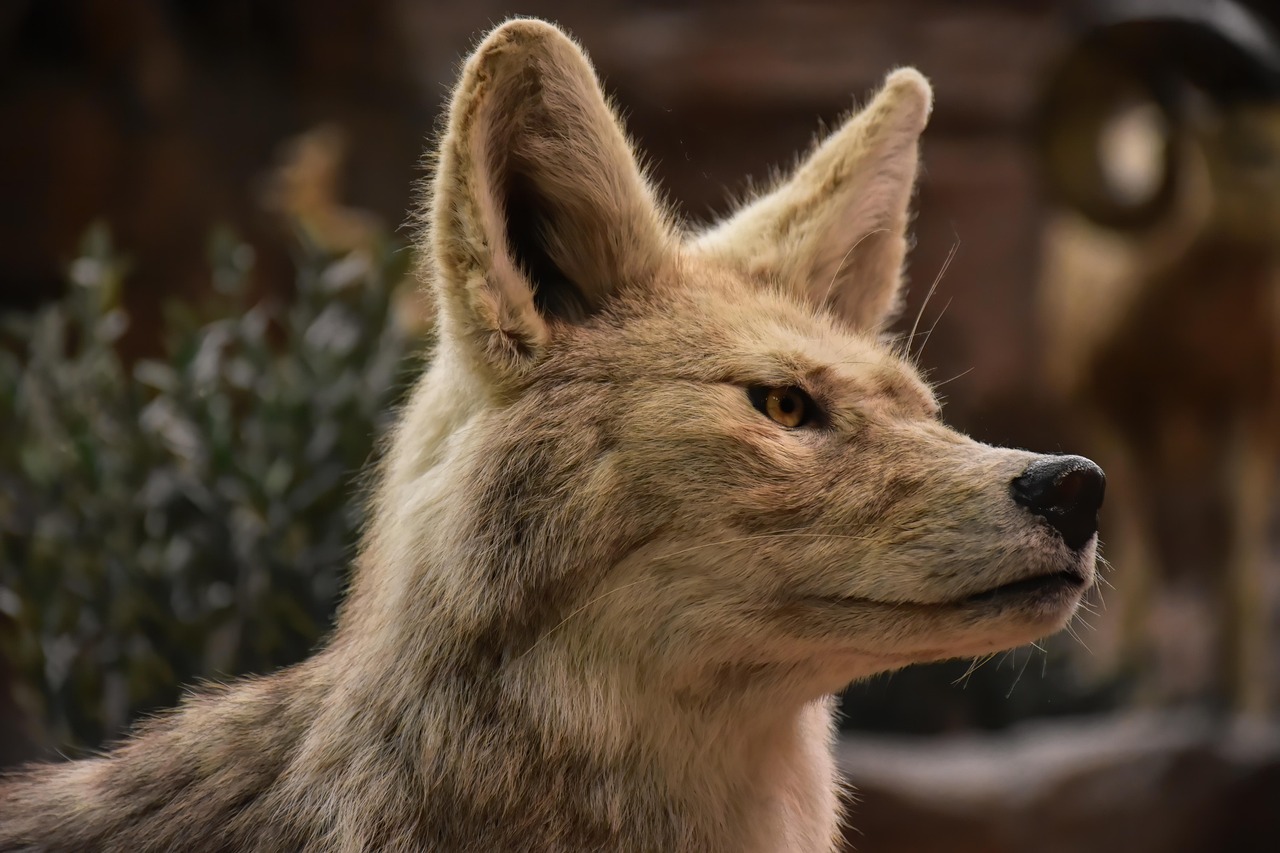
Despite constant persecution by humans (hunters and even our own government kills hundreds of thousands of coyotes every year), coyotes have expanded their range throughout the northern continent. In many places, their numbers are actually highest where they are hunted the hardest. Coyotes would express bewilderment at this paradox – humans simultaneously trying to eliminate them while also creating perfect urban habitats for them to thrive.
We hypothesize that an important factor is how people treat coyotes; in the rural area coyotes were regularly persecuted whereas in the urban area coyotes were rarely persecuted and sometimes positively rewarded to be in close proximity of people. They’d point out that human attitudes vary dramatically by location, making it essential for coyotes to quickly assess local human behavior patterns for survival.
Conclusion
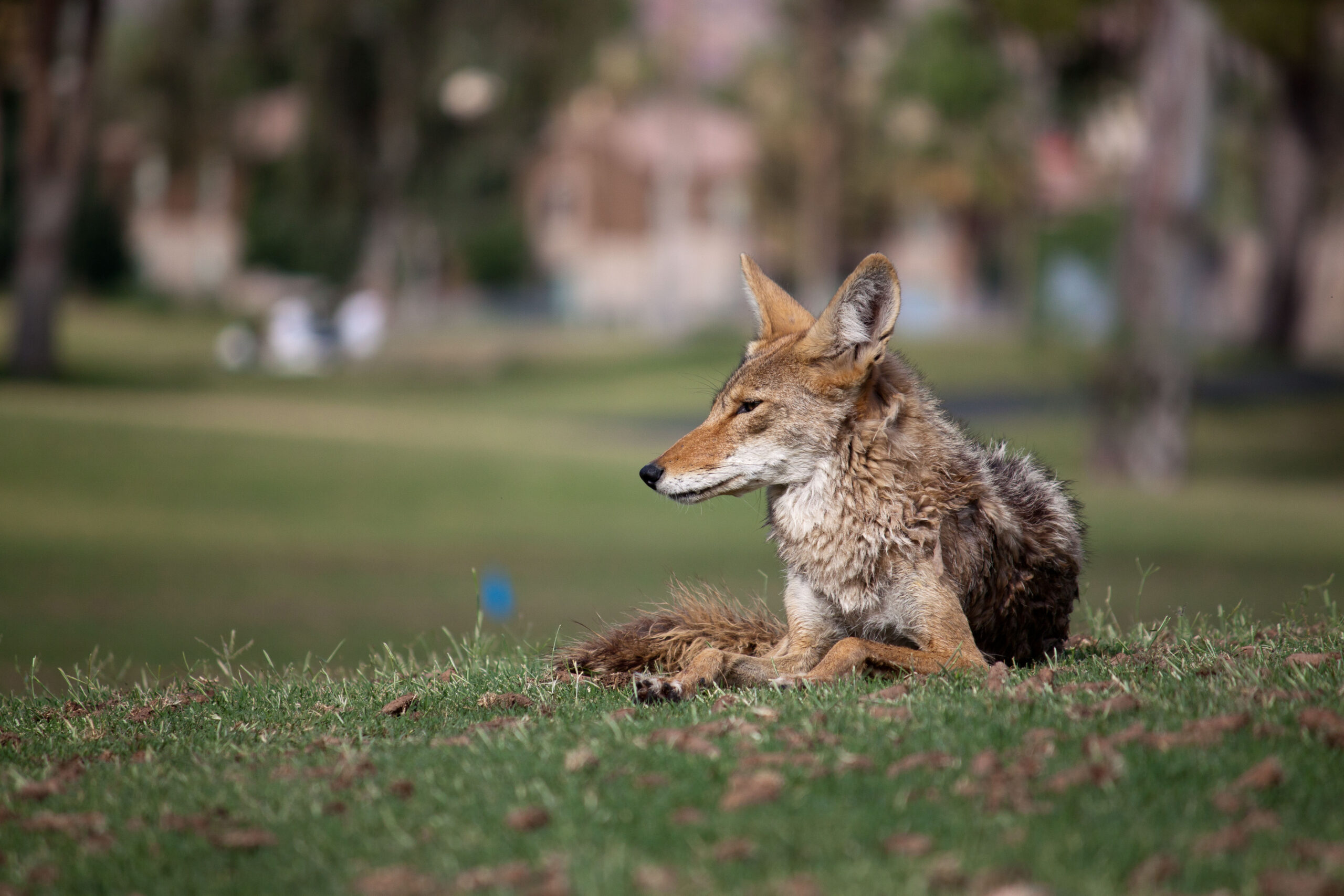
If coyotes could talk, they’d probably describe humans as fascinating but frustrating neighbors – emotionally unpredictable yet behaviorally routine, intelligent yet often lacking common sense when it comes to wildlife interactions. They’d appreciate our unintentional generosity with food sources and urban habitat creation, while expressing confusion at our inconsistent responses to their presence.
Most importantly, they’d likely advocate for clearer, more consistent human behavior that respects their intelligence and adaptability. After all, their innate intelligence and ability to navigate complex urban environments give them an edge, allowing them to evade human disturbances while exploiting new resources. The researchers note societal misconceptions about coyotes – often cast as predators to be feared – can overshadow their ecological role in controlling rodent populations and maintaining balanced urban ecosystems. What do you think – are you ready to be a better neighbor to these clever canines?

- 12 Common Mistakes Pet Owners Make That Can Harm Their Beloved Animals - July 19, 2026
- Why Mangroves Are Vital to Florida’s Coast - July 19, 2026
- How Did Reindeer Become a Symbol of Christmas? - July 19, 2026