


Picture this: you’re walking your small dog through your peaceful Long Island neighborhood when a shadow darts between parked cars. At first glance, it looks like a large German Shepherd, but something feels off about its gait and those piercing yellow eyes. What you’ve likely encountered is one of New York’s newest and most concerning residents – the eastern coyote.
These adaptable predators aren’t just passing through anymore. They’re settling in, raising families, and fundamentally changing the suburban landscape in ways that have wildlife experts increasingly worried. With recent sightings exploding across the region and troubling behavioral changes being documented, the question isn’t whether coyotes will continue expanding into New York’s suburbs – it’s how residents will adapt to their bold new neighbors.
The Great Eastern Migration Has Reached New York’s Doorstep
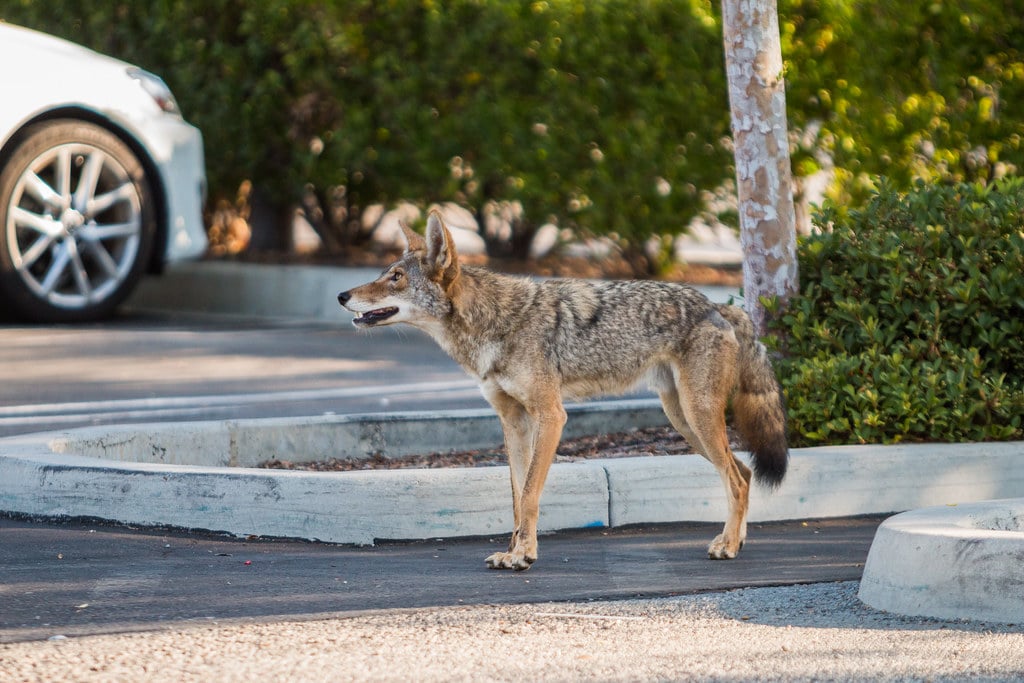
Coyotes have been present in NY since the 1930s, and firmly established across the state since the 1970s, but their recent surge into suburban areas represents something entirely different. Prior to 1900, coyotes were restricted to the western two-thirds of North America. They subsequently expanded into eastern North America likely due to various interacting factors, that include the extirpation of apex predators (e.g., wolves and cougars).
What makes this eastward expansion particularly alarming is the sheer speed and success of their urban adaptation. The first documented evidence of a coyote in the NYC metropolitan area occurred in 1994 in the Bronx. The NYC metropolitan area coyote population has since increased and become well-established. These aren’t just occasional wanderers anymore – they’re establishing permanent territories right in our backyards.
Size Matters: These Aren’t Your Western Coyotes
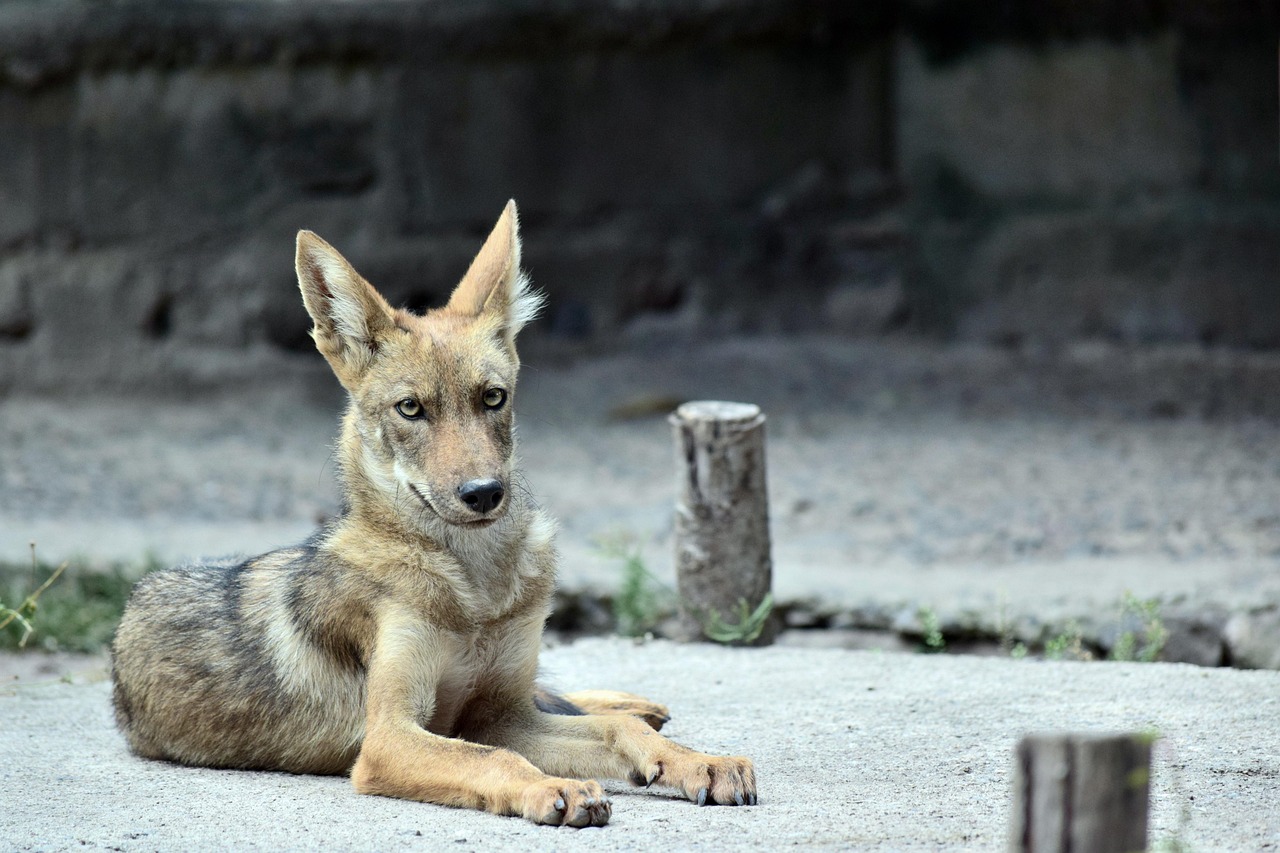
Eastern coyotes pack a surprise that catches many suburbanites off guard – they’re significantly larger than their western cousins. The eastern coyote is considerably larger than its southwestern cousin. The largest individuals are as big as smaller timber wolves. Adults may range from 35-45 pounds and some large males may exceed 50 or 60 pounds in body weight.
This size difference isn’t just genetics at work. DNA testing has revealed that eastern coyotes have hybridized with wolves and domestic dogs. As a result, they can be substantially bigger than those in the West. This hybrid vigor has created a more formidable predator, one that’s not easily intimidated by suburban landscapes or human presence.
Urban Jungle Becomes Their Playground
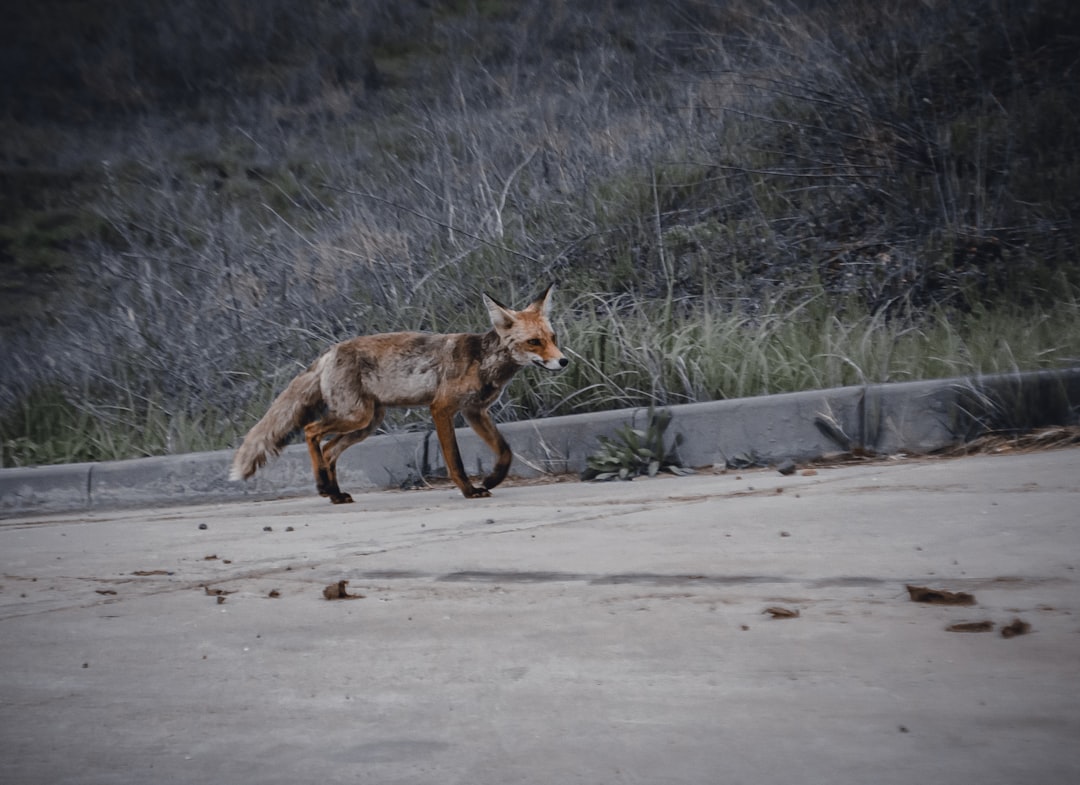
The concrete and steel of New York’s urban areas might seem inhospitable to wildlife, but coyotes have turned our cities into their personal hunting grounds. The animals live in urban forests, suburban neighborhoods and parkland, and are currently known to live in Manhattan, the Bronx and Queens. Think about that for a moment – wild predators are successfully living in the most densely populated city in America.
NYC is the most densely populated city in the United States with over 8.3 million people and approximately 27,000 people per square mile, yet these clever canines have figured out how to not just survive, but thrive. Between 30 and 40 coyotes live in New York City, occupying territories that overlap with millions of human residents.
Food Sources Are Everywhere in Suburbia
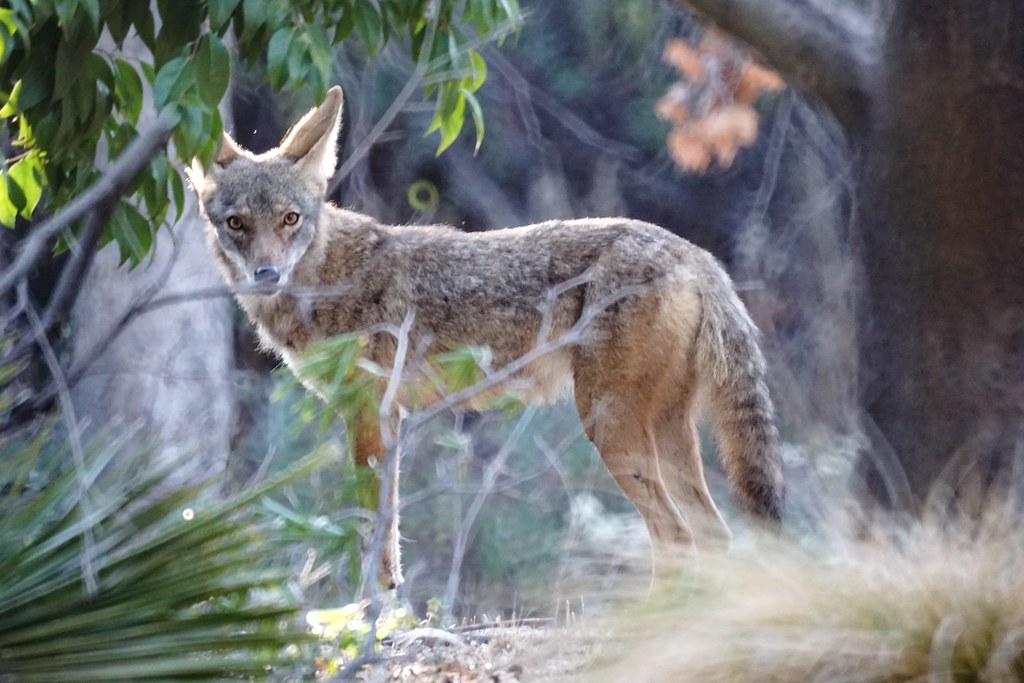
What draws coyotes to suburban neighborhoods isn’t mystery – it’s the all-you-can-eat buffet we’ve unknowingly created for them. Their habitat is where the food is most plentiful, and around people is where the food is most plentiful. From garbage cans to pet food left outside, suburban areas offer consistent and varied food sources that wild areas simply can’t match.
The abundant coyote food supply (e.g., rabbits, squirrels, deer, cats, small dogs, garbage, and pet food) makes living in close to people worthwhile. This easy access to food is gradually changing coyote behavior in ways that concern experts. When predators no longer have to work hard for their meals, they become bolder and more willing to venture into human spaces.
The Fear Factor Is Disappearing
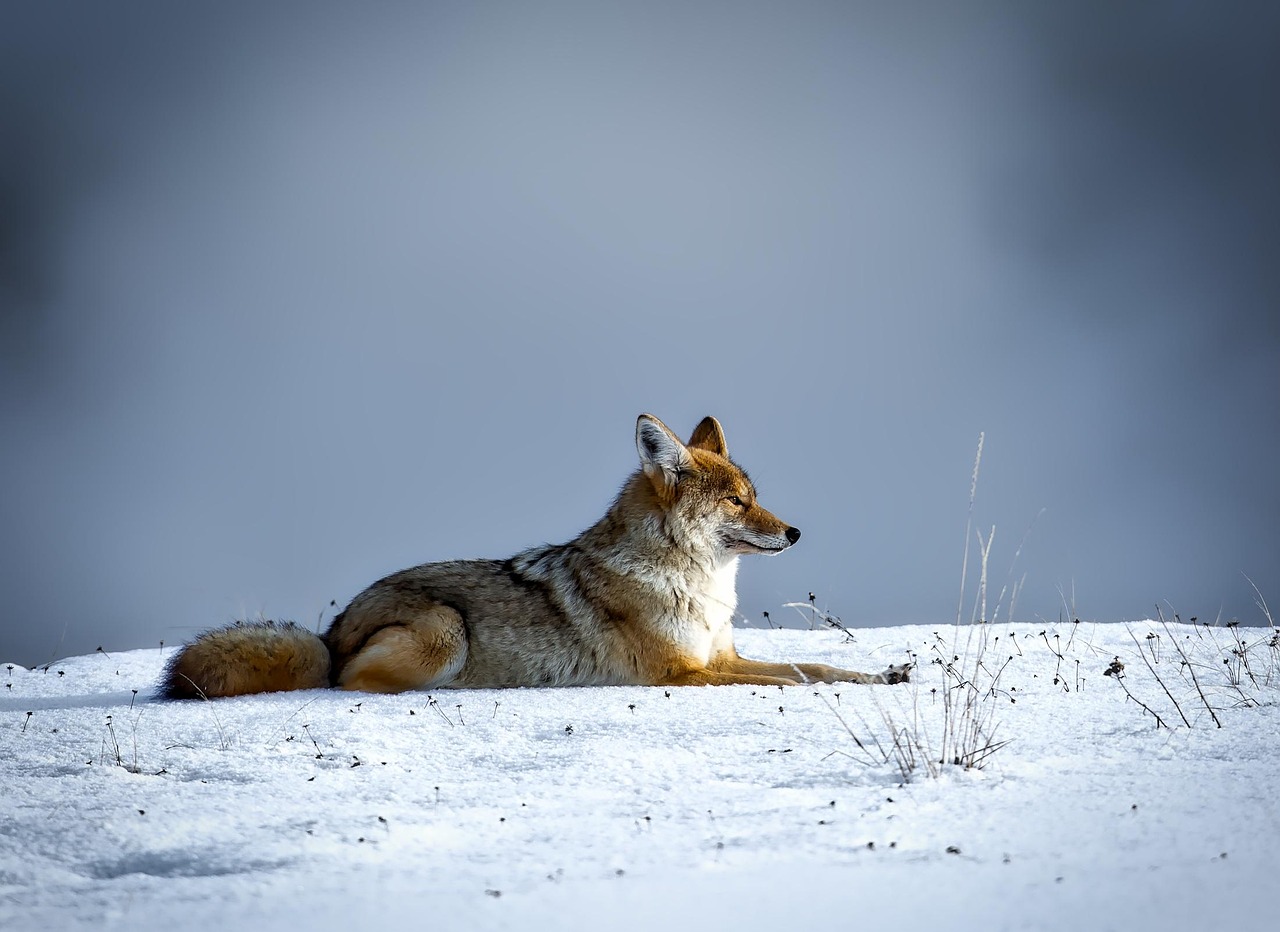
Perhaps the most alarming trend experts are observing is the gradual loss of coyotes’ natural fear of humans. Attacks have primarily occurred in suburban areas where coyotes have lost much of their fear of humans due to lack of pursuit and where associated with an easy food source such as garbage and pet food. This behavioral shift represents a fundamental change in the human-wildlife dynamic.
While most coyotes avoid interacting with people, some coyotes in suburbia become emboldened and appear to have lost their fear of people. When wild predators stop seeing humans as a threat, the potential for dangerous encounters increases dramatically. This habituation process happens gradually, often unnoticed by residents until problematic behaviors are already established.
Rising Population Pressure Pushes Them Into Our Neighborhoods
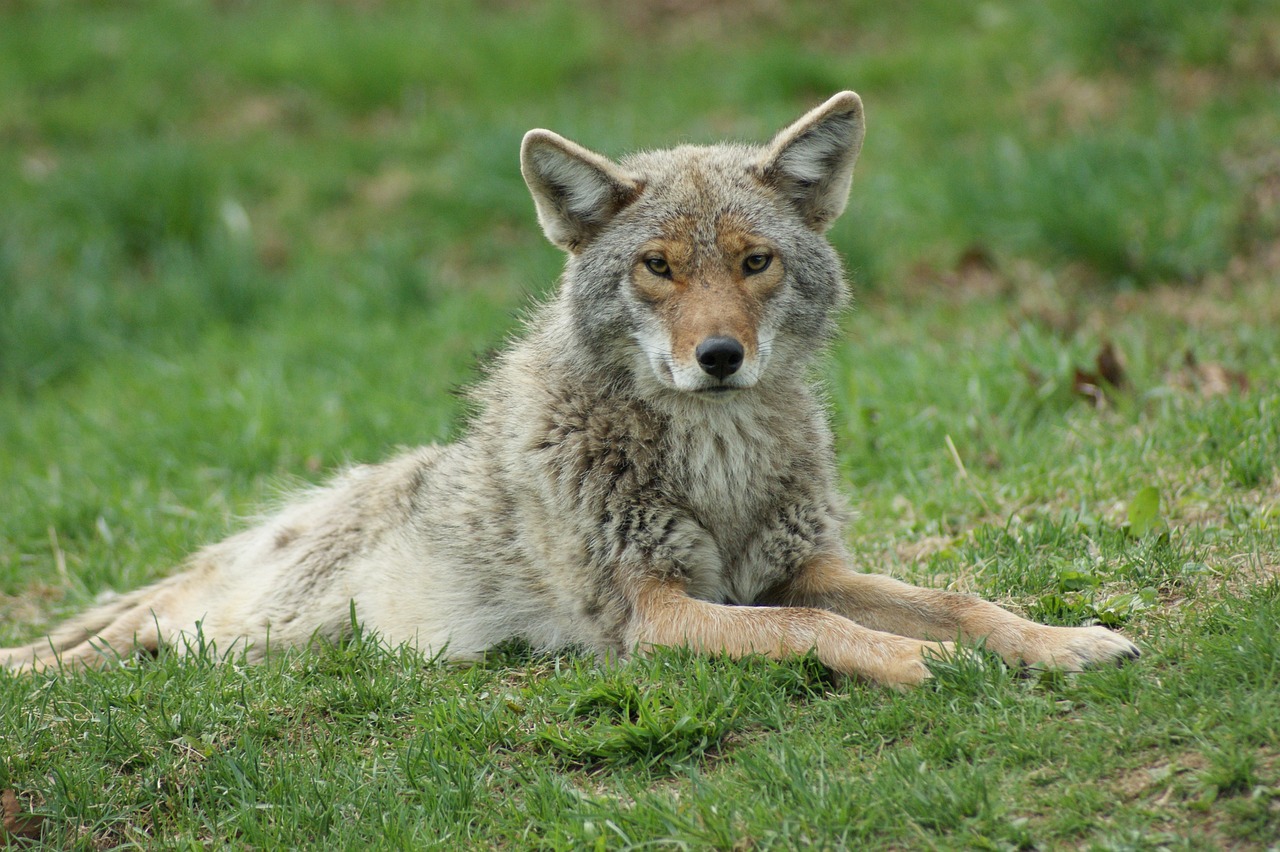
The coyote population boom isn’t just a regional phenomenon – it’s part of a larger demographic shift across North America. While it’s hard to say for sure if the number of coyotes in urban and suburban areas is on the rise, there is evidence that the animal’s overall population has been going up over the past 15 years. This population growth creates a domino effect that pushes more coyotes into previously unoccupied territories.
As territories fill up in the woods, and other areas, and they produce their young, they’re going to go somewhere, right? So, we may have more and more creeping into the rural towns and even the cities. It’s basic biology – when habitat reaches carrying capacity, animals disperse to find new territories, even if those territories happen to be our suburban neighborhoods.
Children and Pets at Greatest Risk
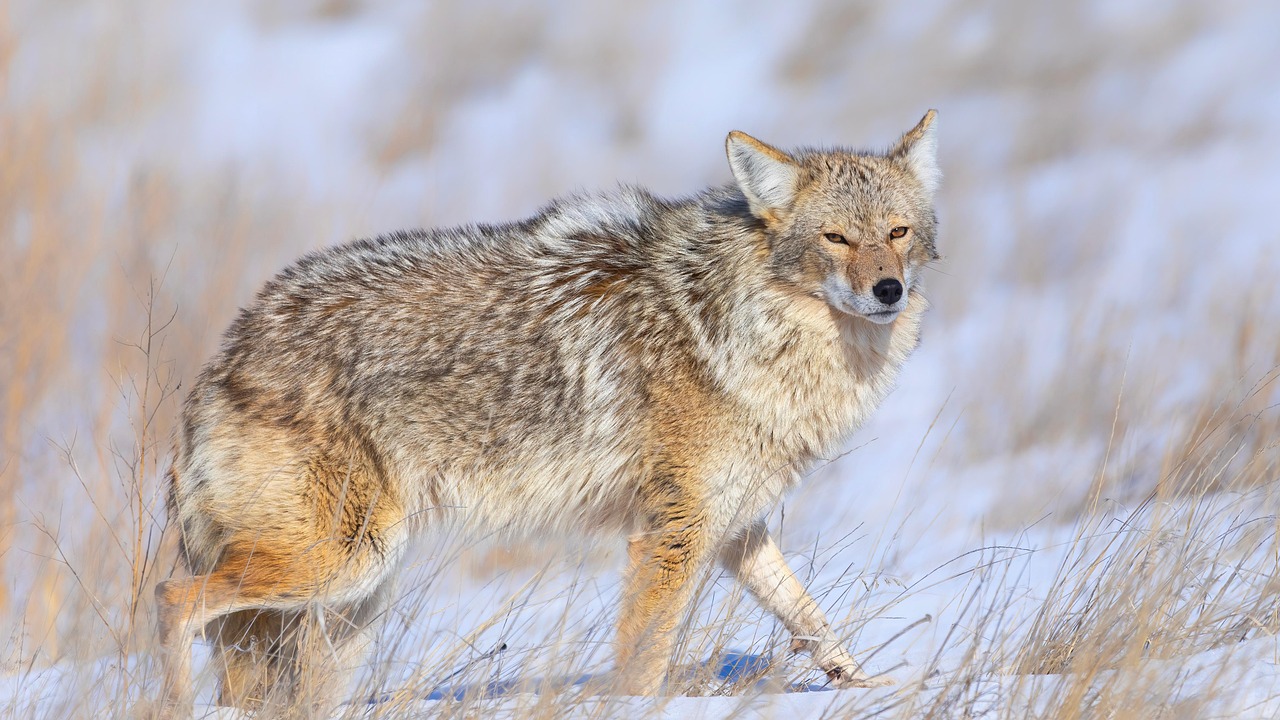
The statistics around coyote attacks might seem reassuring at first glance, but experts emphasize that pets and young children at the greatest risk. Children are at greatest risk of being injured by coyotes. The concern isn’t just about frequency – it’s about vulnerability and the types of encounters that are becoming more common.
This proximity causes occasional attacks on humans – including, in relatively rare instances, predatory attacks on small children. Small children often mistake coyotes for domestic dogs and may approach them, while pets, especially cats and small dogs, represent easy prey for these adaptable predators. Cat and small dogs are easy prey for a bold coyote. Some coyotes even lure your pet away from the property in order to lead it back to the pack to be dinner.
Breeding Success Creates Growing Family Groups
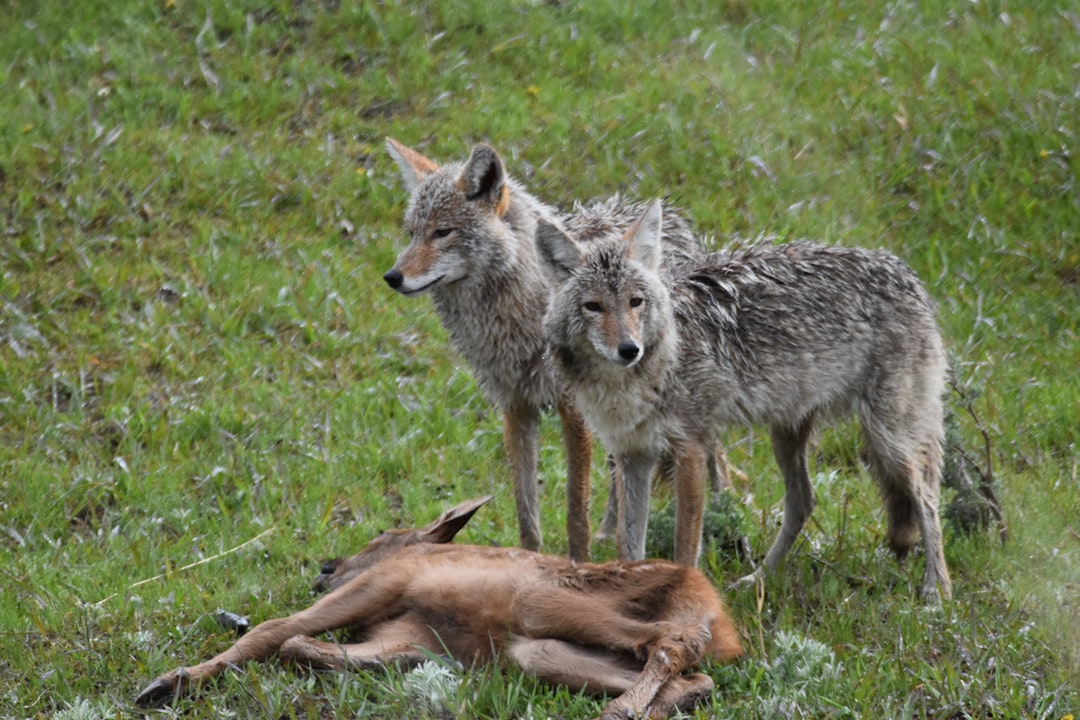
Coyotes aren’t just surviving in suburban environments – they’re successfully reproducing and establishing multi-generational family groups. Litter sizes vary from 2-10, with 5-6 being the average. Larger litters are usually born when coyote populations are well fed or their numbers are low. The abundant food sources in suburban areas are creating ideal conditions for larger, healthier litters.
What makes this particularly concerning is coyotes’ remarkable reproductive resilience. It is this tendency to produce more young when populations are low that makes it difficult to significantly reduce coyote numbers. Scientists have found that it would require removing nearly 70 percent of the population every year to achieve sustained population reduction. This biological adaptation makes traditional population control methods largely ineffective.
The Experts’ Growing Alarm
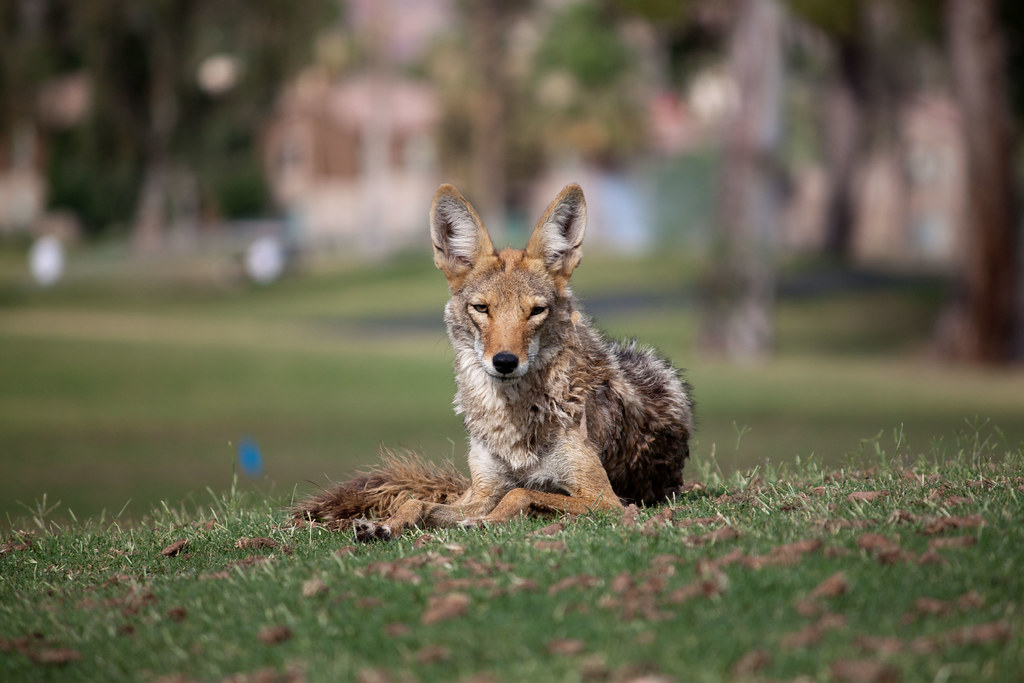
Wildlife biologists and urban planners are increasingly concerned about the long-term implications of this suburban colonization. In a 2023 report, officials told FOX 5 NY that coyote sightings were increasing across New York City, indicating that the trend is accelerating rather than stabilizing. This isn’t a temporary wildlife anomaly – it’s a permanent shift in New York’s ecological landscape.
During the spring denning and pup-rearing period, coyotes may become more territorial and protective, leading to potential conflicts with people and pets. Additionally, if coyotes associate food sources like garbage or pet food with humans, they may lose their natural fear of people, increasing the likelihood of encounters. These behavioral changes represent a new chapter in human-wildlife coexistence that communities aren’t adequately prepared for.
Honestly, the situation has evolved beyond simple wildlife management. We’re witnessing a fundamental shift in suburban ecosystems that will require unprecedented coordination between residents, wildlife officials, and local governments to address effectively. The question that keeps experts up at night isn’t just how to manage current coyote populations – it’s how to prepare communities for a future where these predators are permanent neighbors.
What do you think about sharing your neighborhood with these clever predators? The reality is that coyotes are here to stay, and how we adapt to their presence will determine whether coexistence remains peaceful or becomes increasingly problematic.

- 12 Powerful Dog Breeds that Can Take Down a Wolf - July 24, 2026
- The Most Powerful Tornado To Threaten The US This Century - July 24, 2026
- The Zodiac Signs That Would Bond Best With a Labrador Retriever - July 24, 2026