
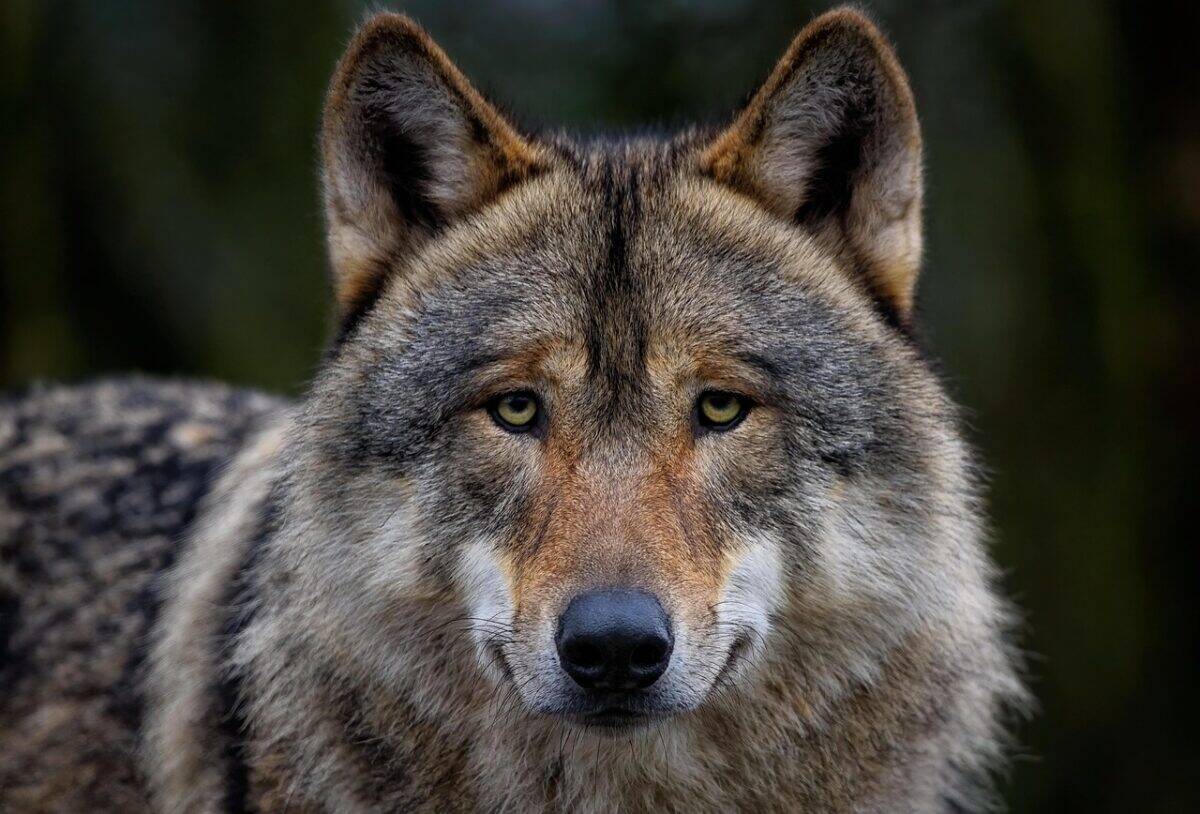
The howl of a wolf pierces through the American wilderness once again, marking one of conservation’s most stunning turnarounds. What seemed impossible just three decades ago has become reality across vast stretches of the western United States. These apex predators, once hunted to near-extinction, are reclaiming their ancestral territories and reshaping entire ecosystems in ways scientists are still discovering.
From the frozen landscapes of Yellowstone to the rugged terrain of Colorado’s Western Slope, wolves are proving that nature’s most feared predator might actually be its greatest healer. The story isn’t just about bringing back a species. It’s about reviving the very soul of America’s wildlands and confronting difficult questions about our relationship with the natural world. So let’s dive into this remarkable tale of resilience, controversy, and hope.
From Extinction’s Edge to Yellowstone’s Return
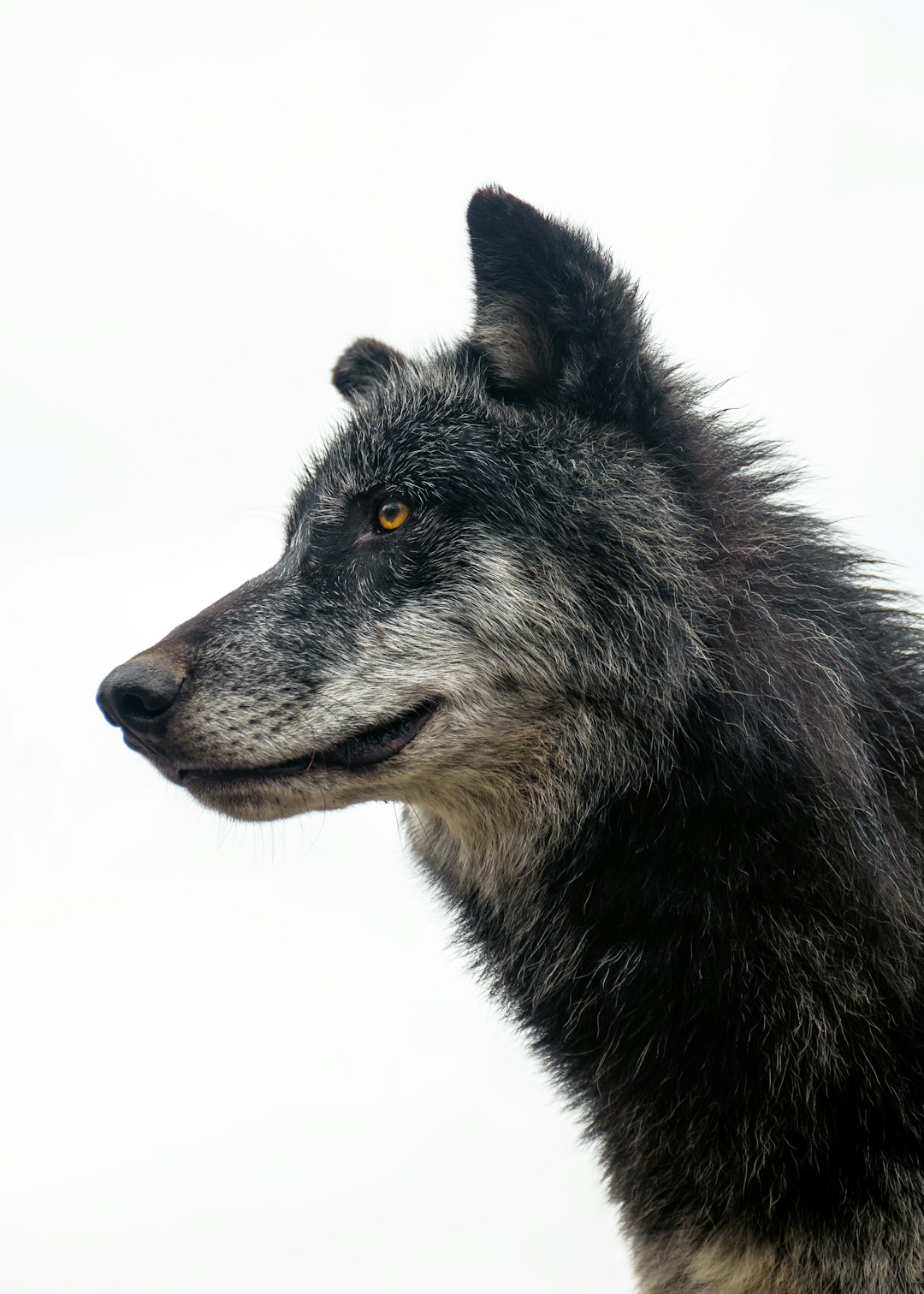
Some two million wolves once roamed freely throughout North America. But a federal extermination program slashed their numbers to the breaking point. By the 1960s gray wolves were finally protected under the predecessor law to the Endangered Species Act. They’d been exterminated from all the contiguous United States except Michigan’s Isle Royale National Park and part of Minnesota.
The transformation began on January 12, 1995, when something truly extraordinary happened. The wolves’ remarkable recovery started Jan. 12, 1995, when a handful of adults were released in Idaho and Yellowstone National Park. Probably the best-known wolf recovery effort was the reintroduction of gray wolves into Yellowstone National Park in 1995. For the first time in nearly seventy years, wild wolves would once again call America’s first national park home.
The Science Behind Nature’s Greatest Comeback
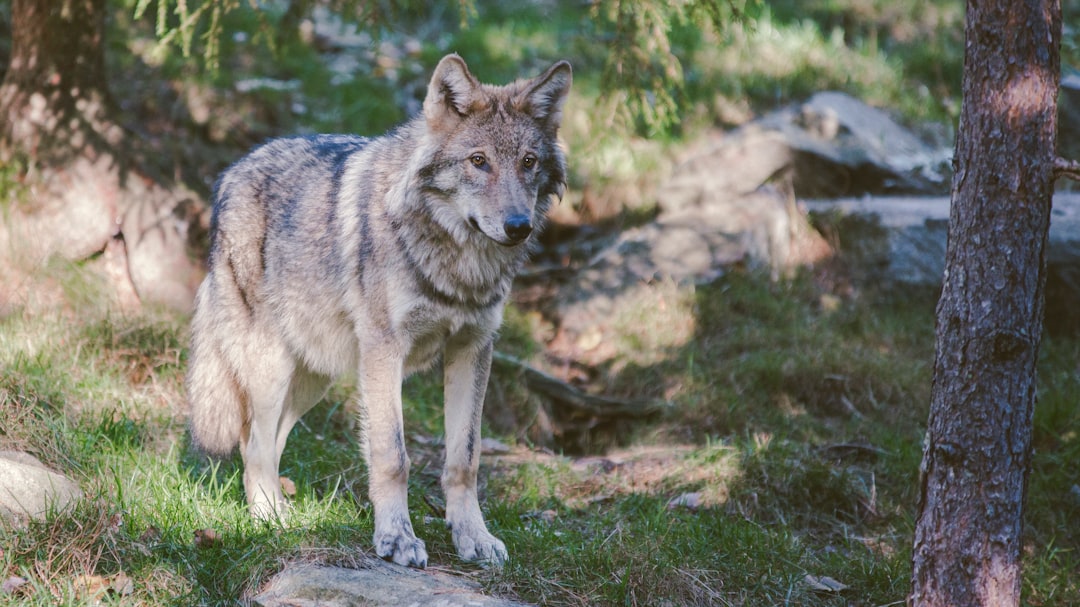
Gray wolf recovery and conservation has been a remarkable success over the last 30 years in the United States. The numbers tell an incredible story of resilience and careful conservation work. After receiving federal protection, gray wolves saw tremendous recovery in the western Great Lakes region. Their populations grew and spread through Wisconsin and Michigan. Through natural migration from Canada and reintroduction to Yellowstone National Park and central Idaho, wolves returned to the northern Rockies and are establishing a toehold in the West Coast states.
As of the 2023 survey, there were at least 241 wild Mexican wolves in the United States: 136 in New Mexico and 105 in Arizona. This represents 8 years of consecutive population growth. The recovery has exceeded even the most optimistic projections, with wolves demonstrating their remarkable ability to adapt and thrive when given the chance.
When Rivers Flow Differently: The Trophic Cascade Phenomenon
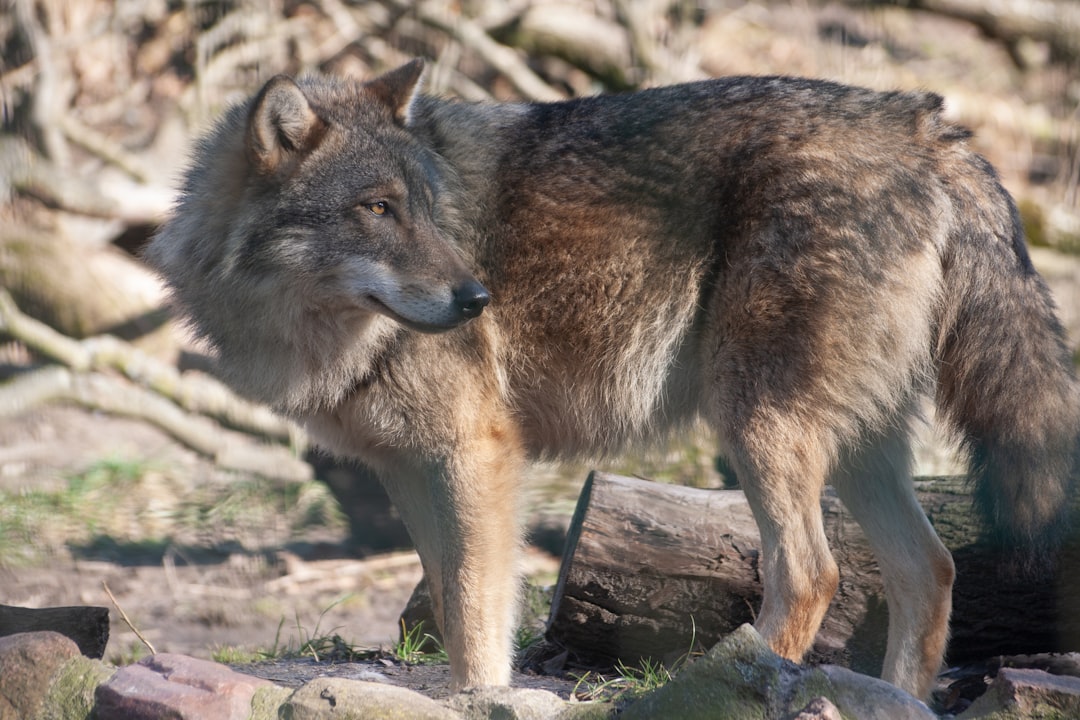
Scientists discovered something absolutely mind-blowing when wolves returned to Yellowstone. Data from a 20-year study (2001–2020) revealed a relatively strong trophic cascade, with a ∼1500 % increase in average willow crown volume and a log10 ratio of 1.21. This ratio surpassed 82 % of those reported in a global meta-analysis of trophic cascades. Honestly, when researchers first documented these changes, many couldn’t believe what they were seeing.
The mechanism is elegantly simple yet profoundly powerful. Wolves have this beneficial Trophic Cascade effect for one simple reason: They make elk run. Consider what elk do when left alone. Entire herds like to go to riversides and eat everything they can find in one place (grasses, bushes, saplings, even small trees) before moving onto another and doing the same thing. When wolves were reintroduced, the elk herds could no longer sit in one place and eat everything nearby. They were forced to keep moving in response to wolf predation.
The Ecosystem’s Web of Life Rewoven
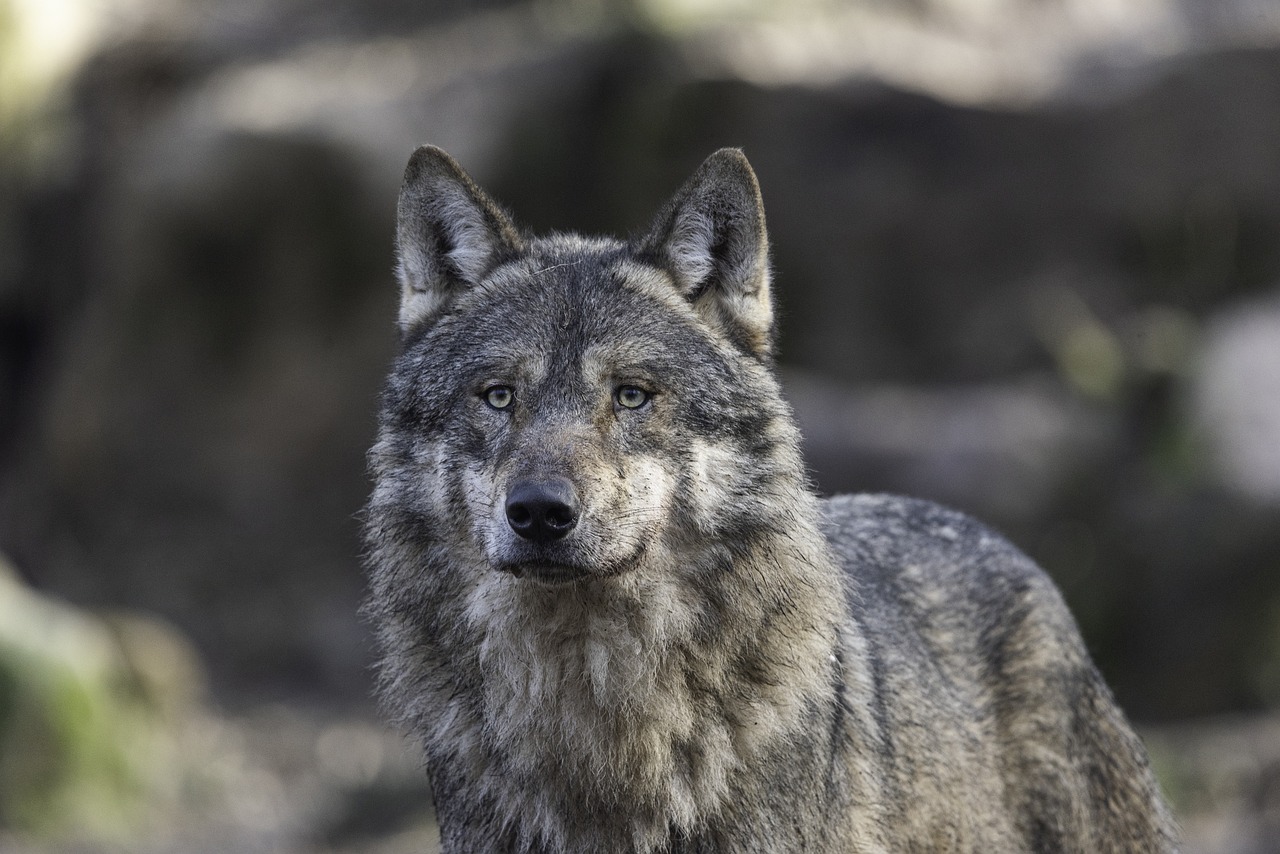
After wolf reintroduction in the northern range, elk numbers drop and beaver colonies increase from 1 to 12. Insects, songbirds, fish, and amphibians thrive. Today, biodiversity is enriched and scavenger species reap the benefits of regular, wolf-supplied meals. The transformation extends far beyond what anyone initially imagined possible.
Wolves perform one other essential ecosystem service: They keep coyote populations in check. As with the rest of the country, coyote populations were nearly out of control in Yellowstone before the wolves returned. Now, the coyotes have been out-competed and essentially reduced by nearly 80% in areas occupied by wolves. This shift allows smaller species like foxes, rodents, and various birds to recover their populations. The return of the beaver dams creates new habitats for fish, amphibians, reptiles, and even otters. This shows just some of the trickle-down effects of the wolves’ reintroduction, known to scientists as a trophic cascade.
Colorado’s Bold Leap: Democracy Meets Wildlife Conservation
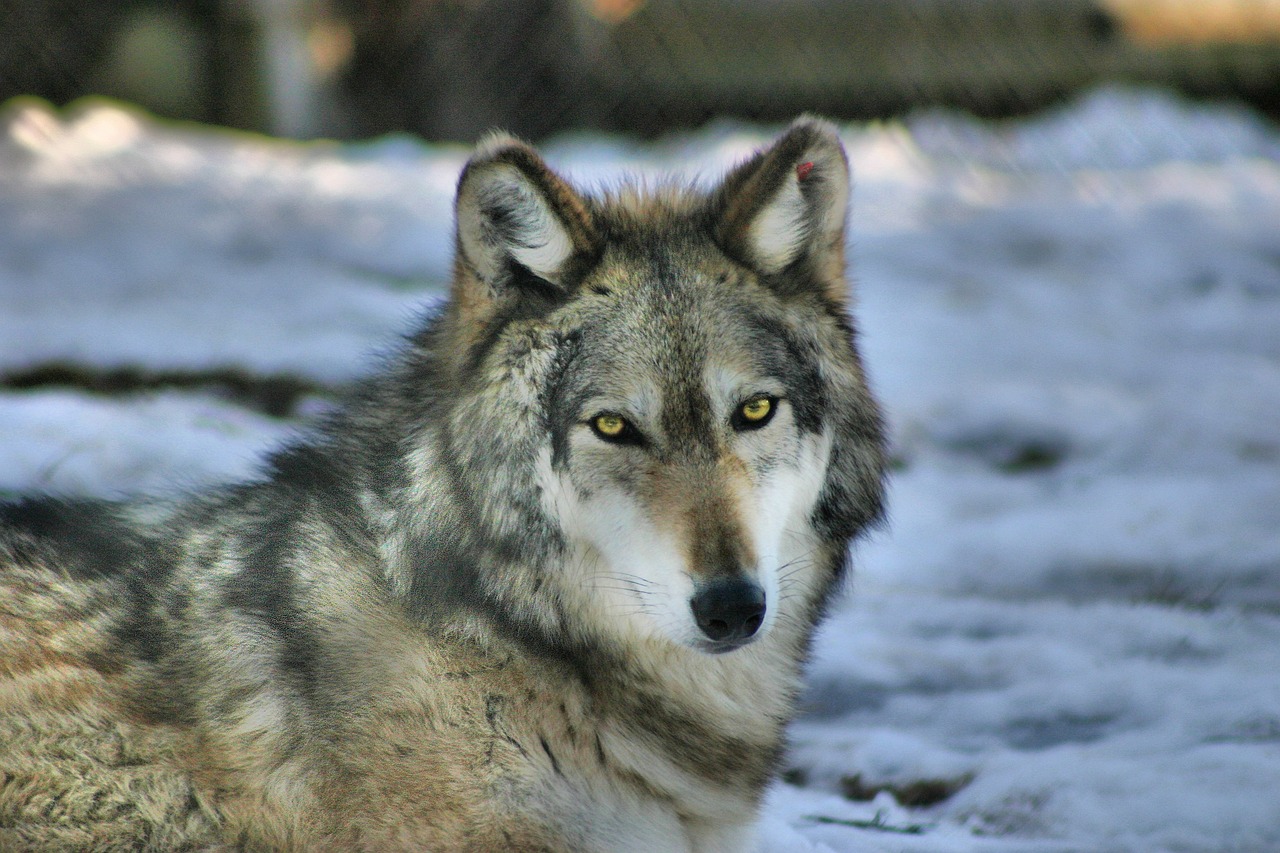
In 2020, Coloradans voted to restore wolves to the ecosystem, initiating a reintroduction process in which wolves have, thus far, been transported from Oregon and Canada. Colorado is planning a third round of releases for the winter of 2025–26. This marked the first time in American history that voters directly mandated the restoration of an endangered species.
Between Dec. 17 to 22, 2023, 10 wolves were captured in Oregon and released in Colorado’s Western Slope – eight in Grand County and two in Summit County. While environmental advocates and Colorado Parks and Wildlife laud the reintroduction efforts as successful and remarkable from a biological perspective, the first year has been heavily scrutinized. The biological successes have been remarkable, with Colorado’s nascent gray wolf population got a little bit bigger this year. At least six pups were born, confirming the formation of three new wolf packs.
The Rancher’s Reality: When Wolves Meet Livestock
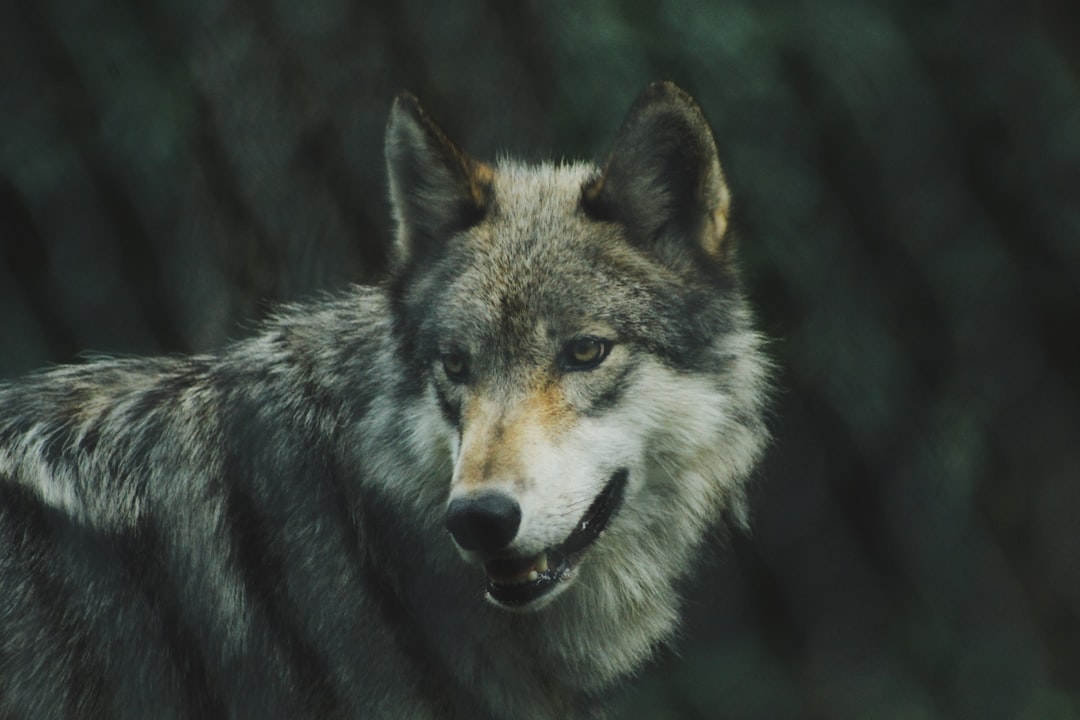
The first year brought inevitable challenges that nobody could fully prepare for. Ranchers and legislators described it as disastrous, painful, frustrating, stressful and challenging. As wolves roamed, there have been questions about wolf management decisions and the state’s preparedness, increased stress on Parks and Wildlife employees, requests to pause reintroduction, spats on social media, livestock conflicts and more.
It was the first confirmed wolf depredation on livestock in Colorado since the 2023 reintroduction. Depredations on livestock were expected with this wolf reintroduction program, but in the eyes of the ranchers forced to reckon with the impact of each loss, it went too far. Ranchers in Grand County hit Colorado Parks and Wildlife with a $582,000 bill for wolf kills and related impacts on cattle and sheep in the first year of reintroduction, and they are hoping the sum will convince the parks and wildlife commission to pause the next phase of the program at its meeting in Denver on Jan. 8. The claims are from three producers and center around attacks on livestock in 2024.
Economic Ripples: The Dollars Behind Wolf Recovery
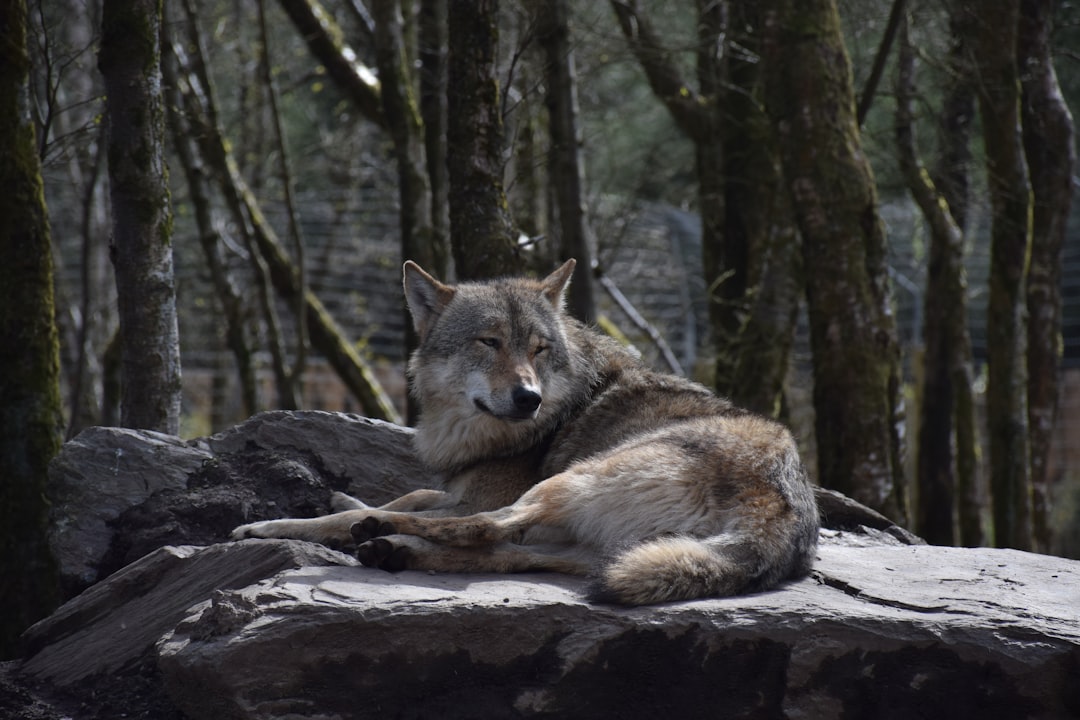
The economic impacts extend far beyond compensation claims and veterinary bills. In 2005, between 142,000 to 300,000 visitors went to Yellowstone National Park just to see the wolves, pumping $35.5 million into the local economy, money for jobs and livelihoods. Factor in that wolves contribute to the health and diversity of all Yellowstone’s wildlife, and its impact is staggering. Wolf tourism has become a significant economic driver across the American West.
Meanwhile, compensation programs aim to balance conservation with ranchers’ livelihoods. Since the year Defenders of Wildlife implemented their compensation fund, they have allocated over $1,400,000 to private owners for proven and probable livestock depredation by wolves. The commissioners approved raising the cap to $15,000 for reimbursement to ranchers who lost livestock to wolves, up from $8,000 in the draft plan. Still, finding the right balance between supporting conservation and protecting rural livelihoods remains one of the most contentious aspects of wolf recovery.
The Future of American Wilderness
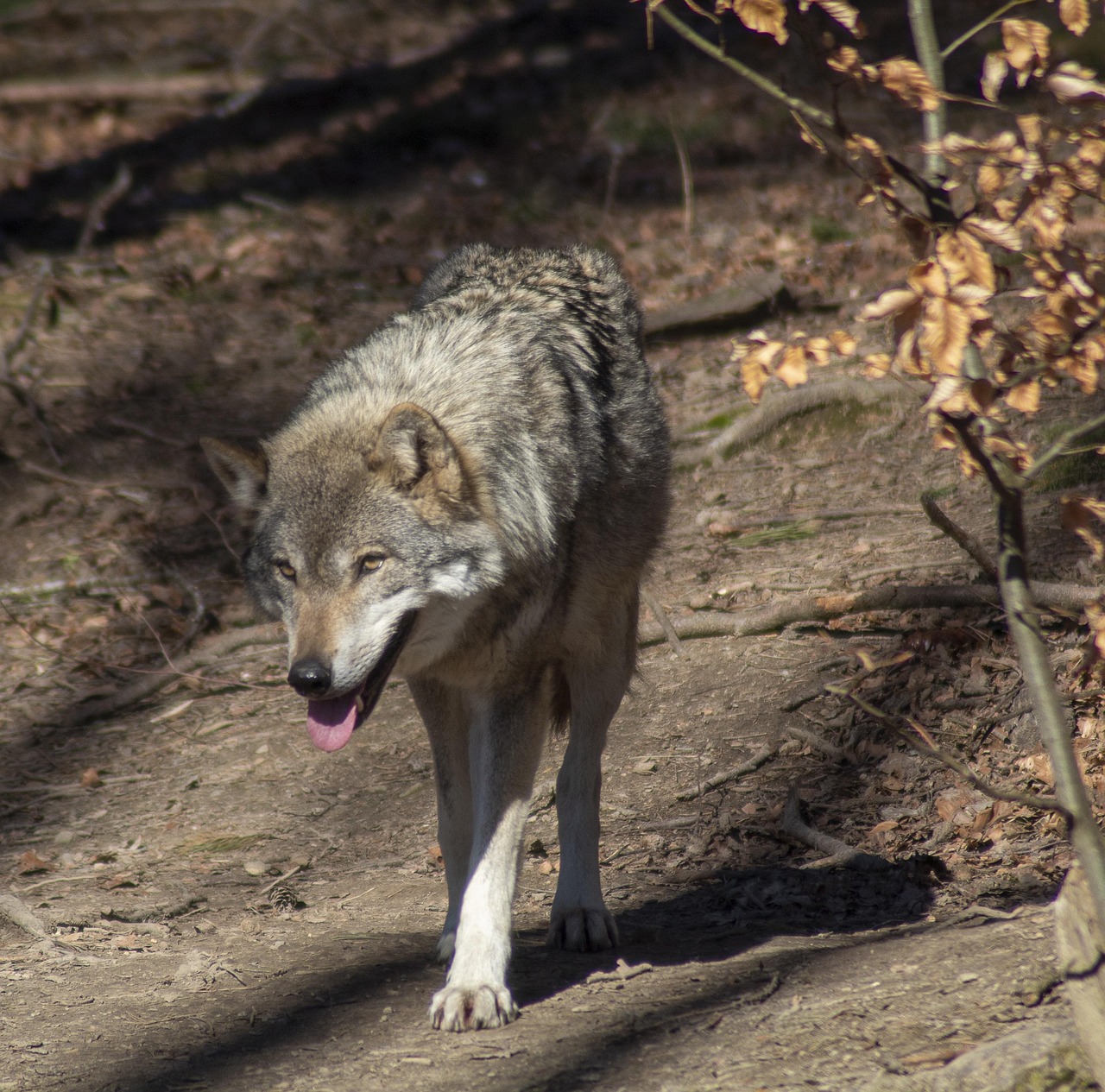
Biologically speaking, it has been a success, because that’s the easiest part of wolf restoration. The most challenging is the social piece. And that’s the conflict we’re all feeling a big part of. As Doug Smith said last week, wolf reintroduction is messy, and you can’t go around it. The only way is to go through it. I think we will go through it, and the test will be how early can we achieve success collectively.
The path forward demands unprecedented collaboration between conservationists, ranchers, scientists, and policymakers. With continued patience and collaboration, wolves, livestock and people can thrive together. As restoration efforts continue, advocates expect to see broader ecological and economic benefits. This could include increased biodiversity and reduced disease spread with well-distributed wolf populations as well as increased eco-tourism and reduced vehicle-deer collisions as ungulate behavior shifts.
Conclusion
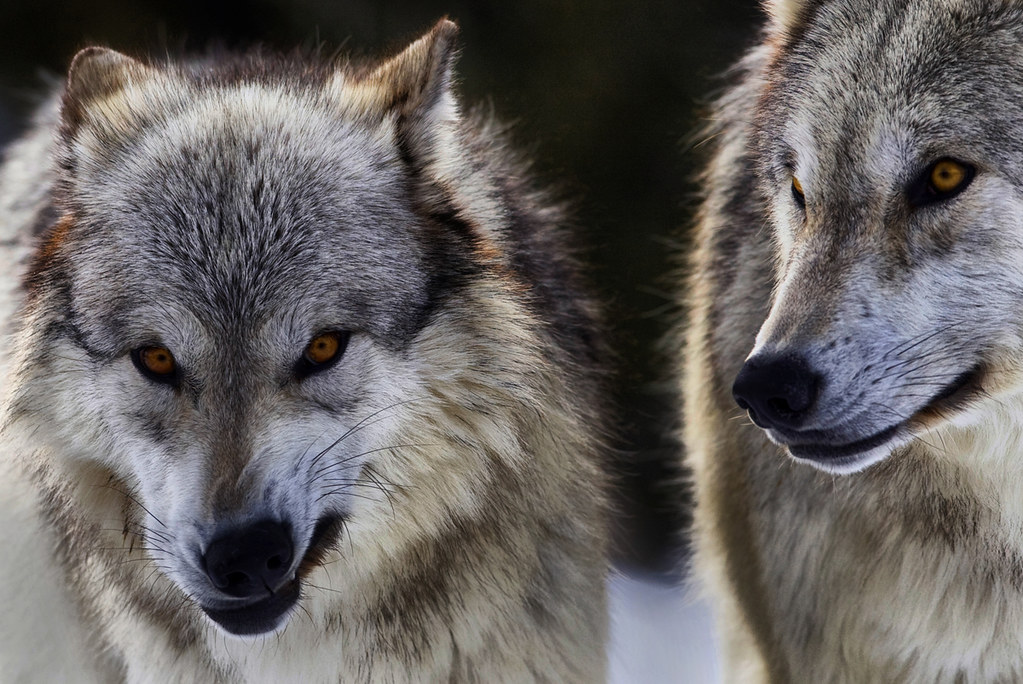
The wild comeback of America’s wolves represents far more than the recovery of a single species. It’s a testament to what’s possible when science, determination, and democratic will converge around a shared vision for the future. From Yellowstone’s transformed rivers to Colorado’s newly formed packs, wolves are rewriting the story of American conservation in ways both profound and unexpected.
Yet the journey remains far from complete. The tensions between rural communities and wildlife advocates, the ongoing political battles, and the daily challenges of coexistence remind us that restoring nature is ultimately about restoring relationships between humans and the wild world we share. The wolves’ return isn’t just changing ecosystems – it’s forcing us to reckon with what kind of future we want for America’s remaining wilderness.
What would you have expected from this remarkable comeback story? The fact that a species once pushed to extinction’s brink now shapes entire landscapes suggests that perhaps the greatest wilderness recoveries are still ahead of us.
