
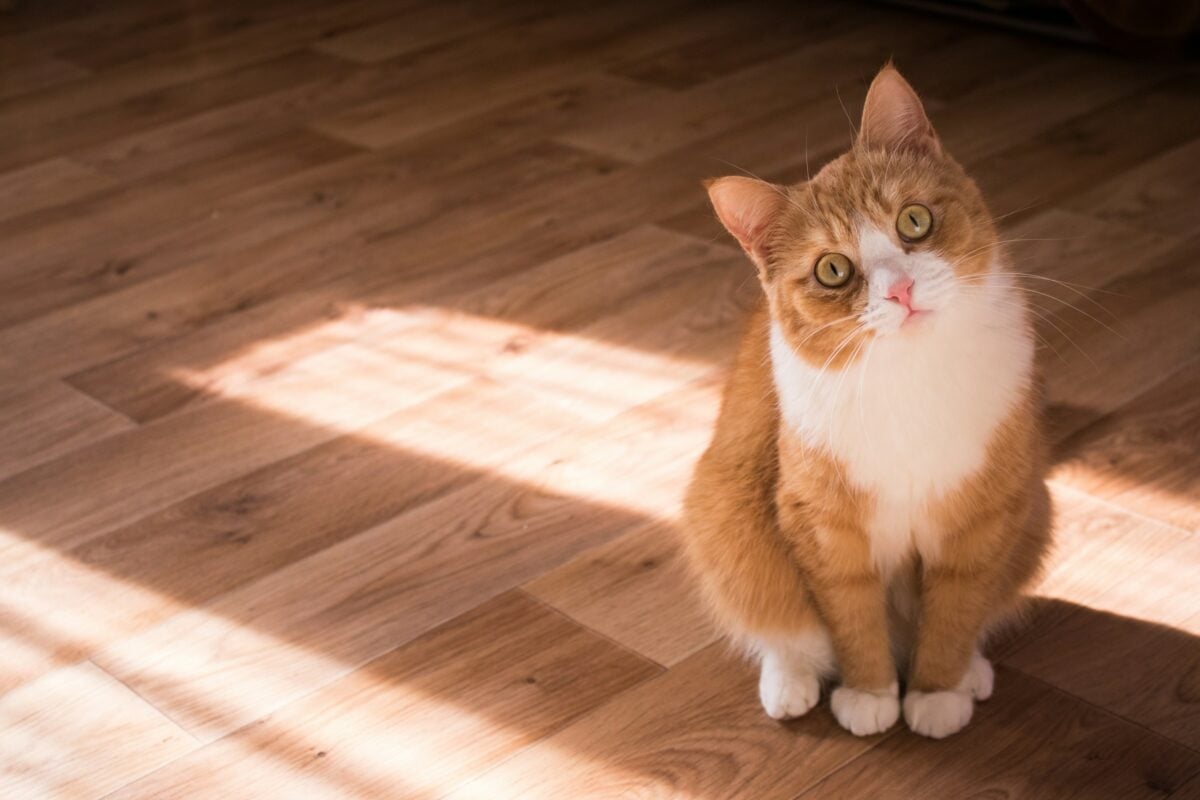
Your 14-year-old cat still chases the laser pointer, still headbutts you awake at dawn, still demands treats like clockwork. So when people say “senior cat,” you picture a slightly slower version of the cat you’ve always known – not a body quietly rewriting its own rules underneath all that familiar charm. That gap between how your cat looks and what’s actually happening inside is exactly why vets say the real risk isn’t the obvious stuff.
The dramatic symptoms – the frantic emergency visit, the sudden collapse, the diagnosis nobody saw coming – those almost never start the story. They start months earlier, in changes so small you’d need a checklist to catch them at all. That’s what this list actually is: the exact checklist vets wish every owner of a 14-plus cat kept taped to the fridge.
#1 – Drinking Just a Bit More Than Usual
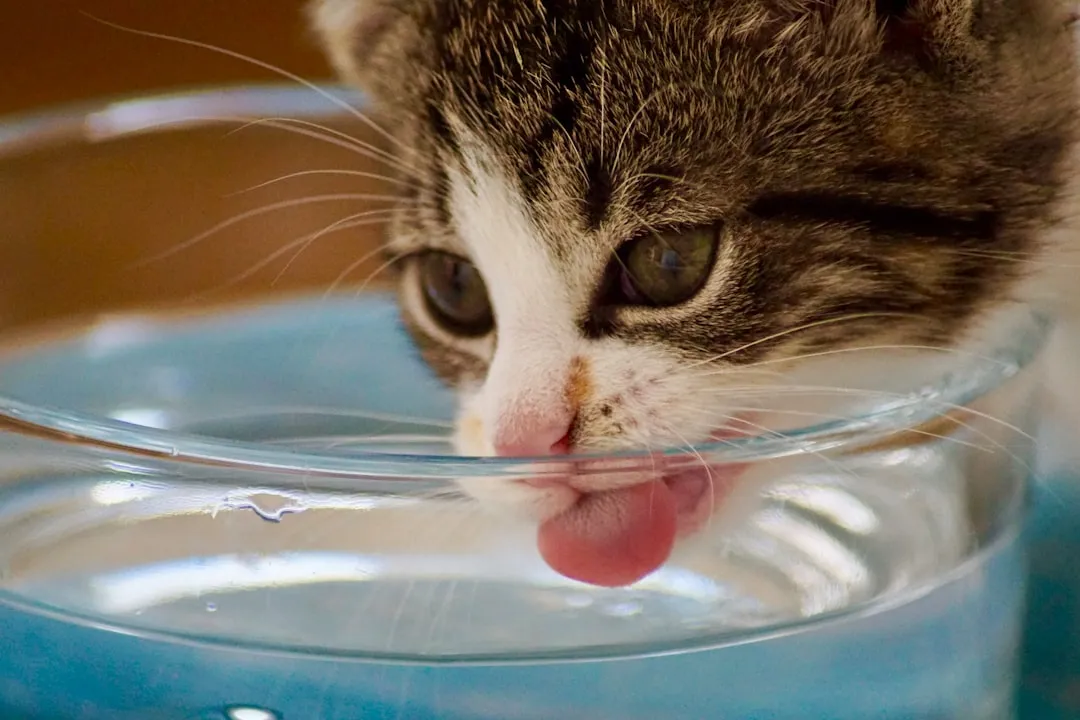
A cat over 14 who’s suddenly at the water bowl more often is waving a quiet red flag. Not chugging like a dog, not drooling everywhere – just those extra few trips you’d only catch if you were really paying attention. Vets say increased thirst in an older cat is almost never “just age”; it’s often the earliest visible sign of kidney disease, diabetes, or hyperthyroidism starting to smolder in the background.
Watch for:
- The water bowl emptying faster than it used to
- Your cat licking the bathtub, sink, or shower floor
Even a “small” change matters here. If you’re refilling the bowl more than you used to, snap a photo of the water level, jot down notes for a week, and bring them to your vet – because quiet thirst changes rarely stay quiet for long.
#2 – Subtle Weight Loss You Only Notice in Photos
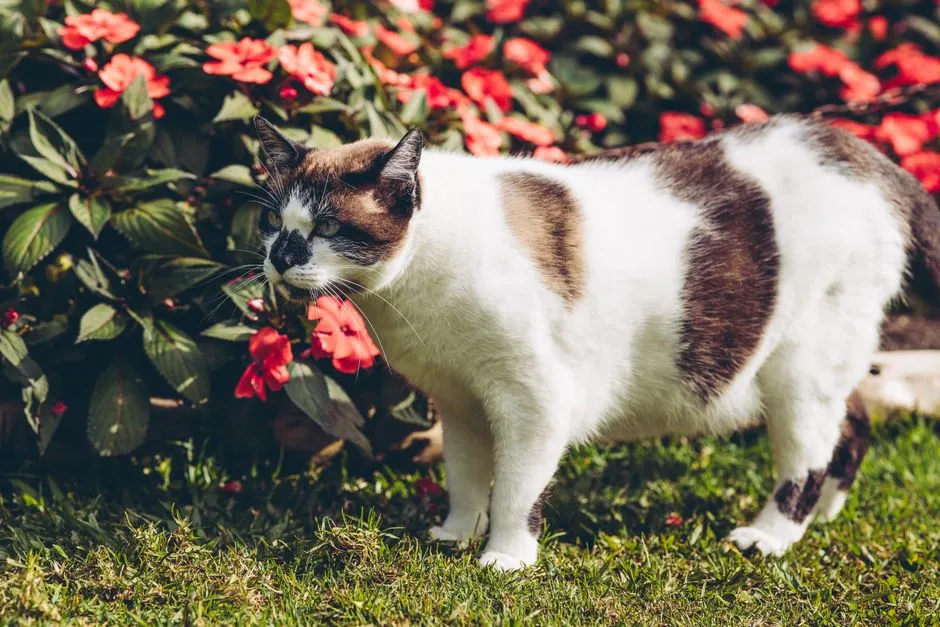
Most people think a slim senior cat looks “healthy” or “fit,” but vets get nervous when an older cat leans out without trying. If your 14+ cat is eating the same amount – or even more – yet slowly losing weight, that’s one of the biggest early warning signs of serious disease, especially hyperthyroidism, kidney disease, intestinal issues, or cancer.
Run your hands over their spine, hips, and ribs every few weeks. If the bones feel sharper than they did a few months ago, that’s not just “grandma getting skinny” – quiet muscle loss along the back and thighs is a huge clue their body isn’t absorbing or using nutrients properly anymore. Don’t wait until they look “too thin”; a few ounces off a small cat is a much bigger deal than it sounds.
Fast Facts
- Vets often flag unexplained weight loss once it passes roughly 5-10% of a cat’s normal body weight
- Hyperthyroidism is one of the most commonly diagnosed hormonal conditions in cats over 10
- Chronic kidney disease becomes far more common as cats move past age 12-15
- A cat can look “fine” in person for months while a scale tells a very different story
#3 – Using the Litter Box… Just a Little Differently
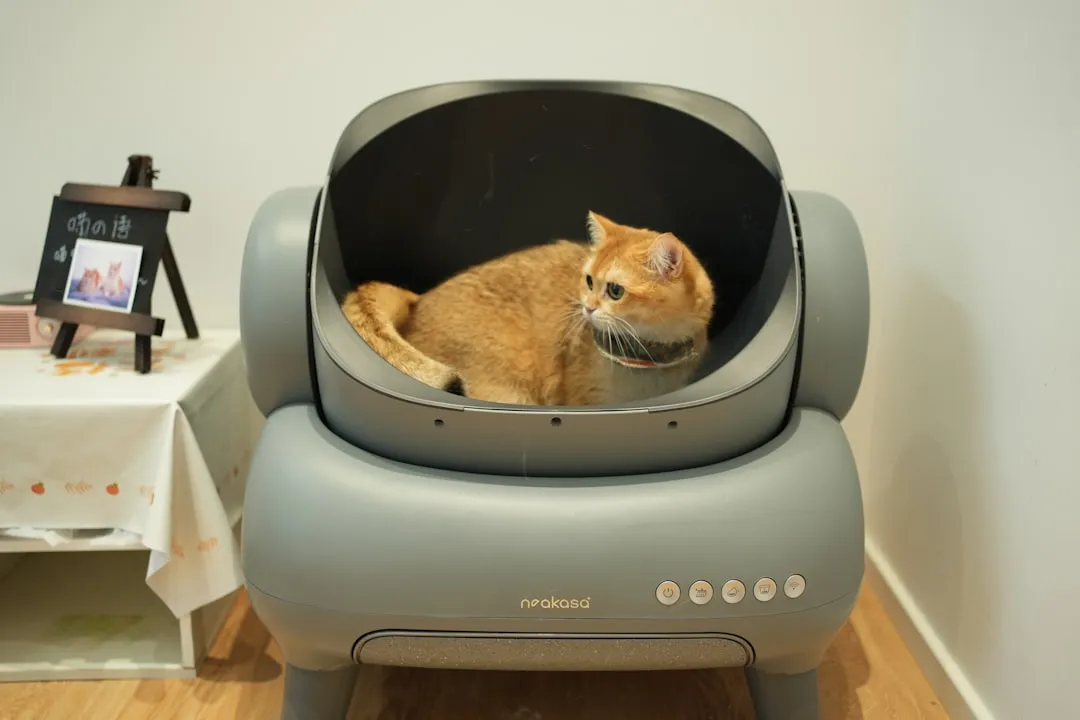
Your cat is still using the box, so everything’s fine, right? Not necessarily. Vets pay close attention to how older cats use the litter box, because small shifts can scream trouble long before actual accidents show up.
If your 14+ cat suddenly does any of these, it’s worth a vet visit:
- Stands in the litter longer than usual
- Strains a bit before anything comes out
- Produces smaller or unusually large clumps
Many owners don’t realize that standing with front paws in the box and back legs outside – or perching on the rim – can signal joint pain, since squatting all the way down simply hurts. A cat that starts peeing right next to the box isn’t necessarily being “naughty”; they might be telling you that climbing in is the actual problem.
#4 – Jumping Just One Level Lower Than Before
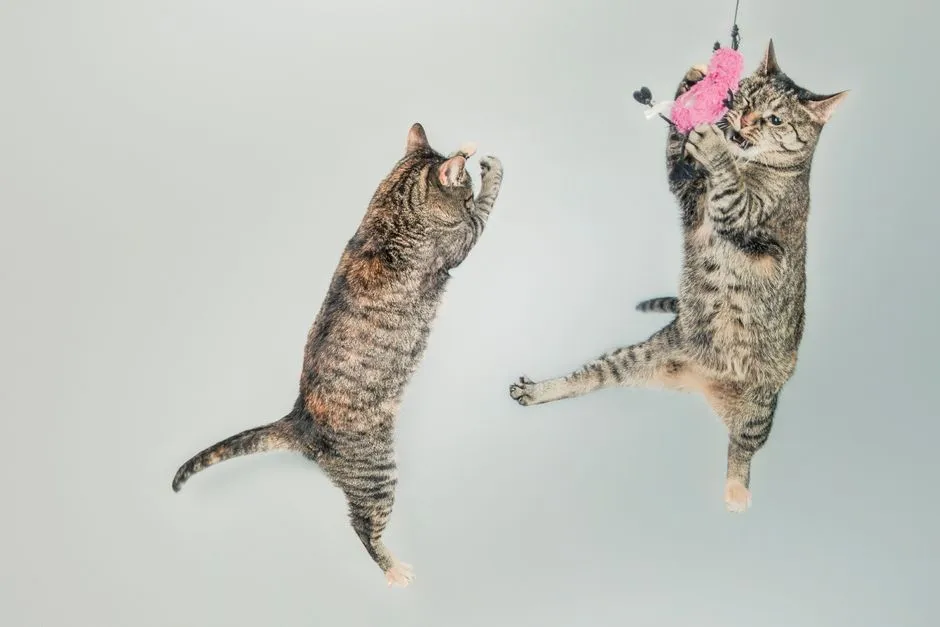
Senior cats rarely go from Olympic jumper to “can’t get on the couch” overnight. What vets actually watch for is the one-step downgrade – the cat that used to clear the counter in a single leap now lands on the chair first, then the table, then finally the counter.
Owners often shrug this off as “getting cautious with age,” but most older cats have some degree of joint degeneration, and they almost never yelp or limp the way dogs do. Instead, they quietly adjust: avoiding high perches they once loved, taking stairs more slowly one at a time, and hesitating before committing to a jump. If your cat pauses, evaluates, or builds a little staircase out of furniture where they used to just fly, they aren’t being careful – they may be hurting, and catching that pain early opens up far better treatment options.
#5 – Night-Time Restlessness That Seems “Annoying,” Not Alarming
If your over-14 cat is suddenly yowling at 3 a.m., pacing the hallway, or waking you up for no clear reason, vets take that extremely seriously. Owners joke about “midnight zoomies,” but restlessness and vocalizing at night can signal pain, high blood pressure, hyperthyroidism, or even feline cognitive dysfunction – the cat version of dementia.
Listen closely: is the meow louder, more desperate, or oddly confused-sounding? Do they seem lost in rooms they’ve lived in for years, staring at walls or treating familiar doorways like new obstacles? Many people chalk this up to a quirky personality shift, but it’s frequently a medical issue – and this isn’t just about your sleep, it’s about your cat’s brain and comfort.
#6 – Grooming Less… or Suddenly Over-Grooming
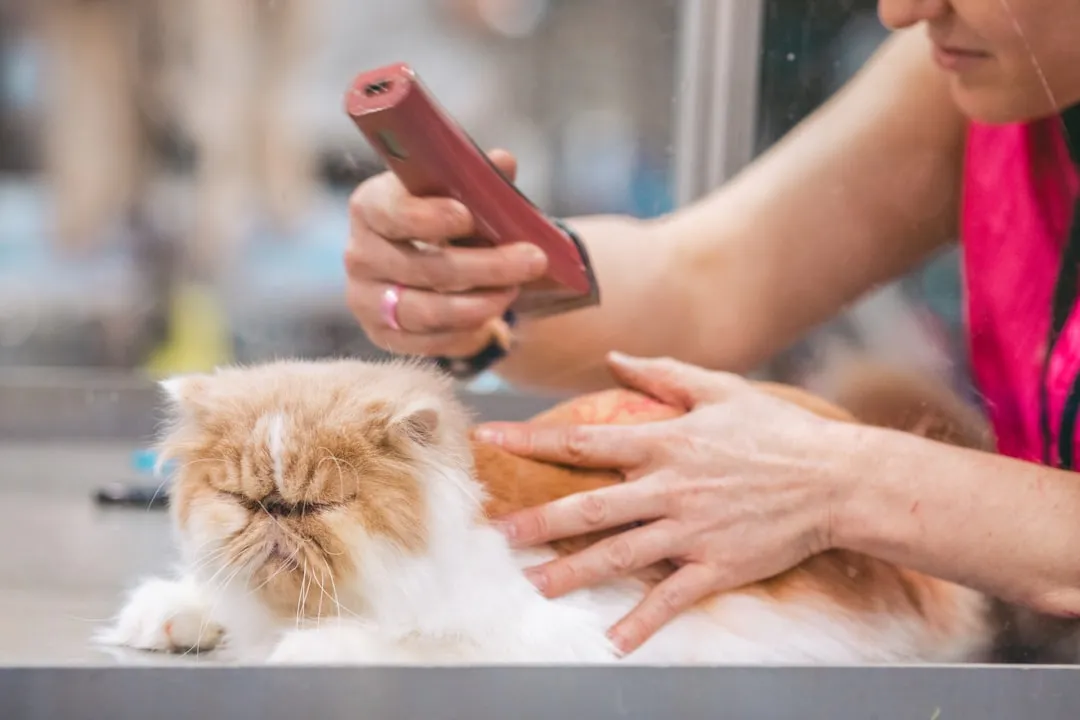
Most people don’t realize that grooming habits are one of the earliest visible tells that a senior cat is struggling. A 14+ cat that was once silky and spotless but now has dull fur, mats along the back, or dandruff near the tail is waving a quiet red flag – cats stop grooming properly when they’re in pain, stiff, nauseated, or simply too exhausted to bother.
On the flip side, some older cats suddenly over-groom certain spots – especially the belly, legs, or base of the tail. This can signal:
- Arthritis pain in a specific joint
- Itchy skin from allergies or parasites
- Stress or anxiety they can’t express any other way
Bald patches, redness, or nonstop licking are never “just a habit.” Senior cats use grooming as both comfort and control, so any big change – up or down – deserves real attention, not just a shrug about “old age charm.”
Worth Knowing
- Arthritis in cats most often affects the hips, elbows, and spine, not just the “obvious” joints
- Cats hide pain instinctively, an evolutionary leftover from being both predator and prey
- Over-grooming a single spot is one of the most reliable at-home clues for localized joint pain
- Skin allergies and stress licking can look nearly identical without a vet exam
#7 – Personality Shifts You Can’t Quite Explain
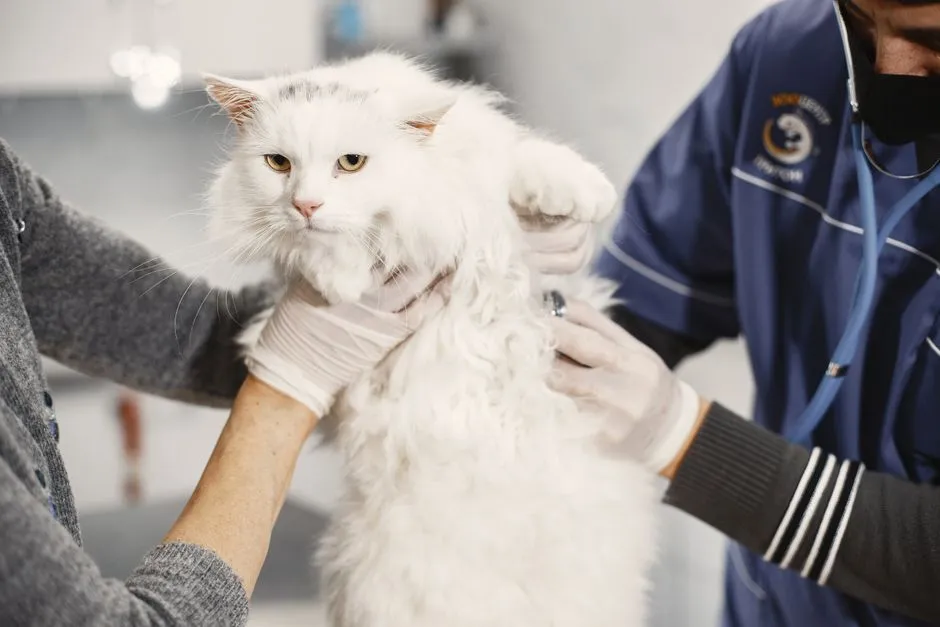
This is the one most owners gaslight themselves about. “She’s just cranky now.” “He’s more clingy because he loves me more.” Actually, vets say behavior changes in cats over 14 are often pain, illness, or brain changes speaking through personality – not a sweeter or grumpier cat simply emerging on its own.
Watch for a once-social cat hiding more often, a formerly aloof cat suddenly glued to your side, or new irritability when touched in certain spots. Cats don’t have the language to say “my hips hurt” or “I feel nauseated every morning,” so they avoid, lash out, or cling instead. Many people mistake early cognitive decline for a cat “getting sweeter with age,” when really the cat feels insecure and confused – and any big personality pivot happening over weeks, not years, deserves a real conversation with your vet.
#8 – Subtle Eye Changes You Only See in Certain Light
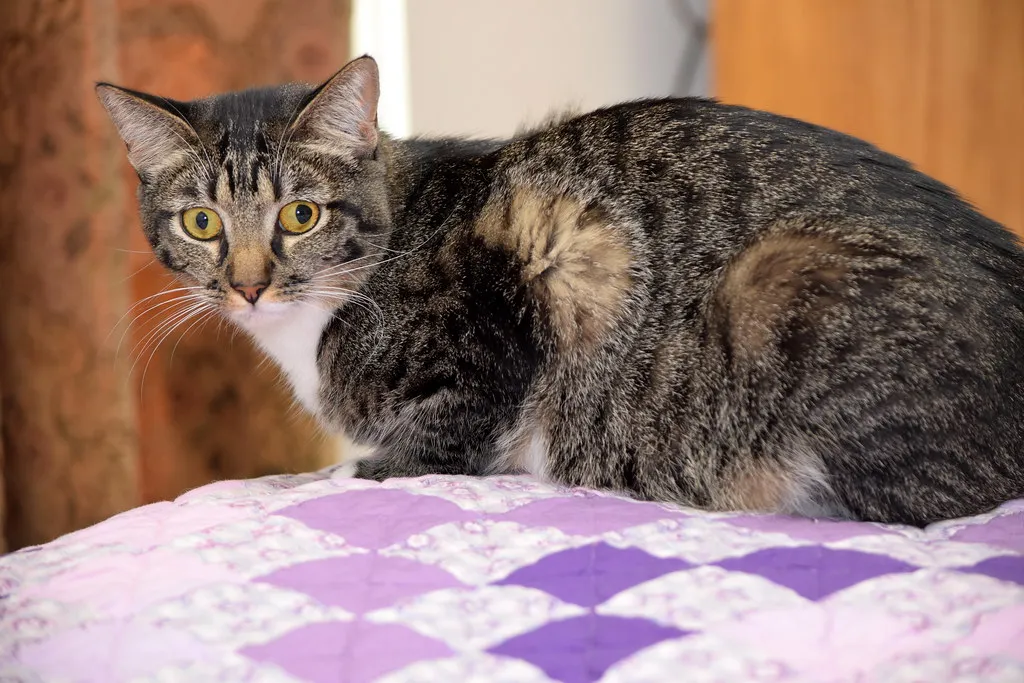
Most owners only notice eye problems once discharge or cloudiness is obvious. Vets look for far quieter changes in cats over 14: slightly dilated pupils, different-sized pupils, or a new reflective “shine” that only shows up in certain lighting.
These can signal high blood pressure, retinal issues, or other systemic disease hiding in plain sight. If your cat’s eyes seem more “wide” all the time, or the pupils don’t shrink much even in bright light, that’s not just a cute anime look – untreated high blood pressure can quietly damage the eyes and even cause sudden blindness. Sometimes the first real clue is your cat bumping into furniture or misjudging a jump, so compare old photos to new ones and trust your gut if something looks off.
#9 – Breathing Just Slightly Harder After Mild Activity
Older cats are experts at hiding breathing problems until they’re in genuine danger. By the time a cat is panting with an open mouth, that’s already an emergency – vets want you catching it long before it gets anywhere close to that point.
A 14+ cat who breathes faster, more shallowly, or with a slight belly push after mild play or a trip up the stairs is not simply “out of shape.” Watch them while they’re resting: can you see the chest or sides moving more than they used to, or count more than roughly 30 breaths per minute while they sleep? Heart disease, lung issues, and fluid buildup can develop slowly, and “he’s been breathing a little heavier for months” is exactly the sentence vets wish they’d heard sooner.
#10 – Slightly Different Eating Style, Same Bowl
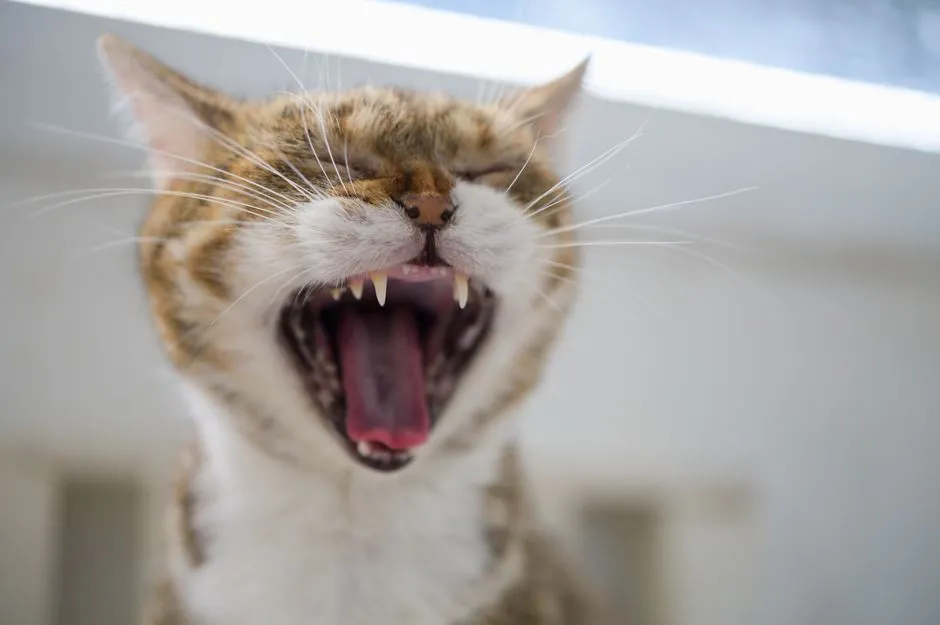
Cats almost never go from “great eater” to “refusing food” overnight. What vets care about in seniors are tiny shifts in how they eat – slower, messier, pickier about certain textures, or chewing only on one side of the mouth.
These can point to dental disease, oral pain, nausea, or digestive issues building quietly underneath. You might notice food dropping out of the mouth mid-chew, a new preference for softer or gravy-heavy foods, or your cat walking away mid-meal and returning later. Here’s the uncomfortable truth: dental pain in cats is wildly under-treated, because they keep eating anyway, and owners assume “if he’s eating, his mouth must be fine.” It isn’t – quiet eating changes paired with drooling, bad breath, or pawing at the face are huge red flags your cat shouldn’t have to white-knuckle through.
At a Glance
- Most cats over 10 already show some degree of dental disease, even without obvious symptoms
- Cats rarely stop eating just because their mouth hurts, they simply adapt around the pain
- Bad breath in an older cat is not “normal aging,” it is almost always a dental or health signal
- Annual dental checks become even more important once a cat passes the 10-year mark
#11 – Sleeping “Different,” Not Just “More”
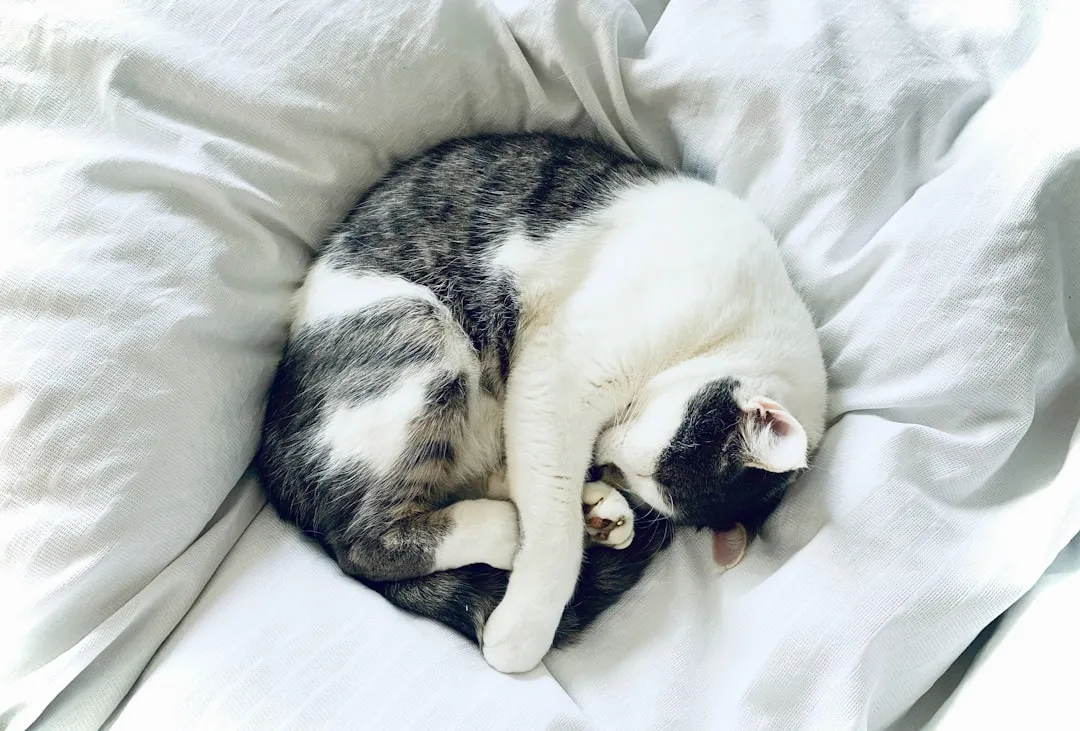
Yes, older cats sleep more – that part is normal. But vets are less interested in total hours and more in changes to sleep patterns and positions, like a 14+ cat suddenly swapping their favorite sunny window for a dark closet.
A cat that sleeps very deeply and startles hard when woken may be dealing with hearing loss or cognitive changes. Pay attention to new favorite sleeping spots, like cool tile instead of the warm bed, and to curling tightly versus stretching out, which can shift with pain. Here’s the twist: some senior cats actually sleep less, especially at night, because of discomfort or dementia, napping in short bursts and seeming restless in between. You know your cat’s “normal” better than anyone, and when that normal shifts – even silently – it matters.
#12 – Subtle Changes in Coat Color or Texture

No, we’re not talking about dramatically “going gray.” But vets pay real attention when a senior cat’s coat gets dull, greasy, flaky, or slightly spiked along the back, especially if it’s new. That can be an early sign of arthritis, since they simply can’t twist comfortably enough to groom certain spots anymore, along with hormonal problems, poor nutrient absorption, or chronic illness.
In some cats, dark fur develops scattered white hairs, or light fur takes on a faint yellow tinge. Mild cosmetic aging can be normal, but a suddenly unkempt or uneven coat isn’t just an aesthetic issue – it’s a health status report written in fur. Plenty of people brag “my 17-year-old looks like a kitten,” and vets quietly roll their eyes, because it was never about looks; a glamorous coat can still hide disease, while a declining one is often yelling for help.
#13 – Getting “Stuck” in Places They Used to Navigate Easily
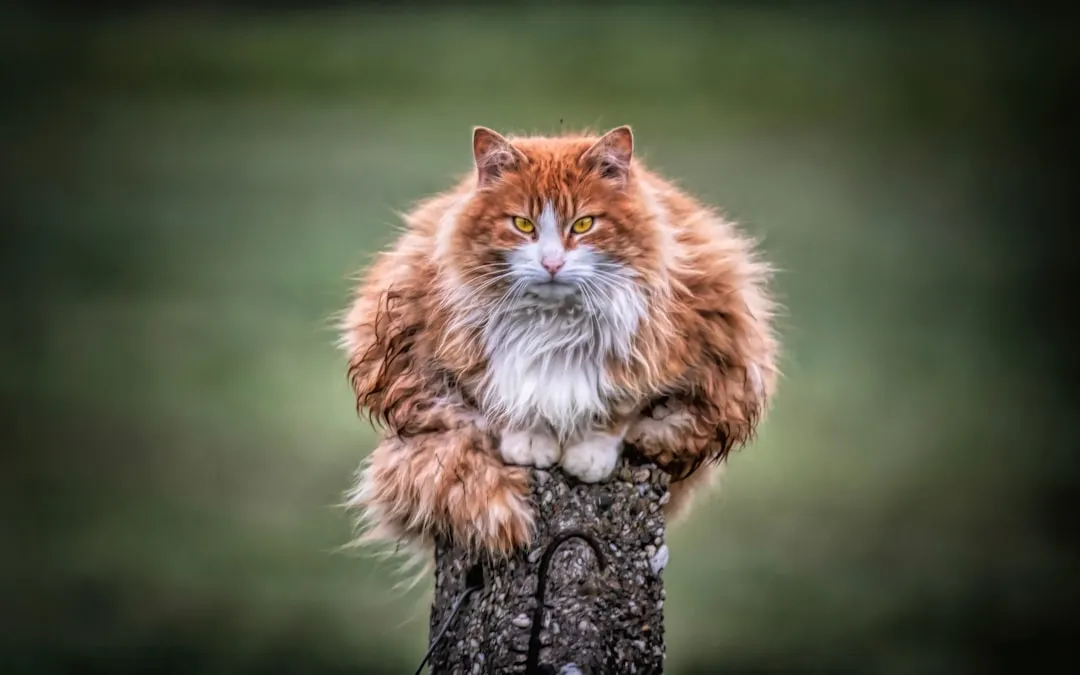
This one breaks hearts because it’s so easy to excuse. Your senior cat jumps into the laundry basket and then cries for help getting out. They walk into a corner and hesitate before turning around, or get halfway up the stairs and pause like they’ve lost the script.
Vets see this as a major red flag for both pain and cognitive decline. Sometimes it’s physical – jumping down hurts more than jumping up, so they strand themselves on counters or beds – and sometimes it’s brain-related, confusion in familiar spaces or hesitation at thresholds they’ve crossed a thousand times. Owners love posting “look at my silly old man, he forgot how doors work,” but getting stuck is often fear, pain, or disorientation, not comedy, and it deserves a call to your vet if it happens more than once or twice.
#14 – Slight Litter Box “Misses” That Are Too Easy to Blame on Attitude
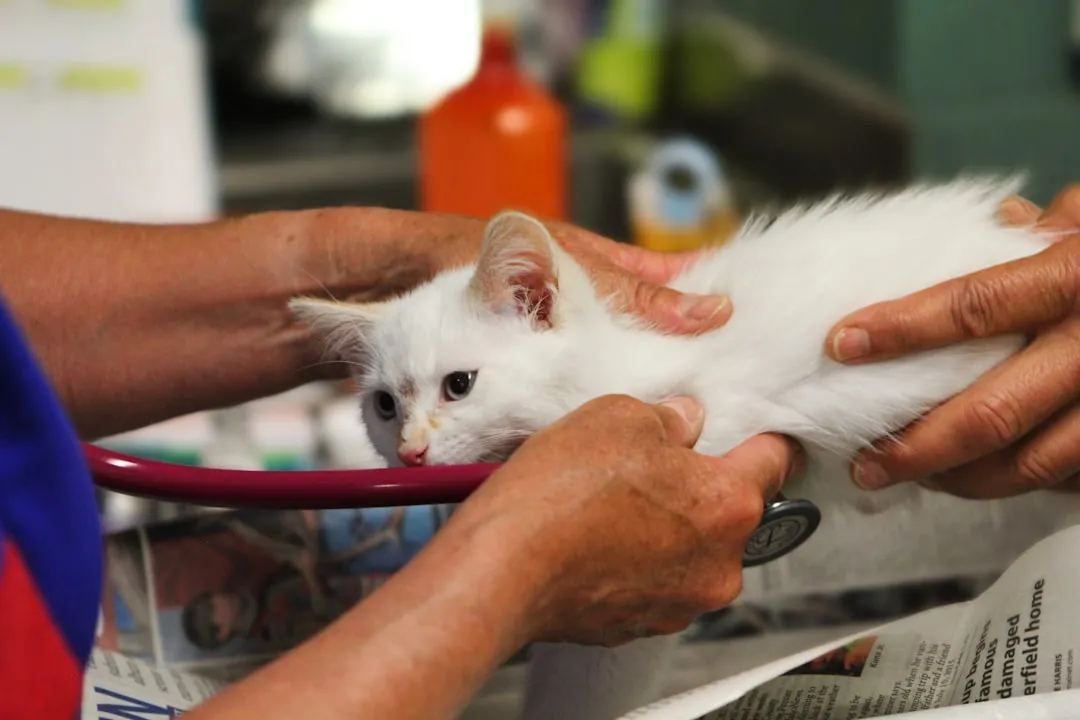
When a 14+ cat starts peeing just outside the box, on soft surfaces, or in seemingly random corners, most people assume behavior problems or outright spite. Vets see something very different: small changes in where your cat eliminates are often early signs of arthritis, kidney issues, urinary infections, or even dementia.
If climbing into a high-sided box hurts, your cat might choose the nearby rug instead. If they’re suddenly confused about where the box even is, they’ll pick the next best quiet spot, and cats in real pain may start associating the box itself with discomfort and avoid it altogether. Here’s the opinion that riles people up: punishing or scolding an older cat for accidents isn’t just unkind, it’s medically reckless, because you’d be disciplining a symptom instead of addressing the actual problem.
Quick Compare
- Pain-driven avoidance: hesitates at the box entrance, cries when jumping, favors soft surfaces nearby
- Cognitive-driven avoidance: seems confused about the box’s location, wanders before eliminating, forgets routines
- Urinary or kidney issues: more frequent trips, larger volume, sudden accidents despite a clean box
#15 – Being Startled More Easily by Sounds or Touch
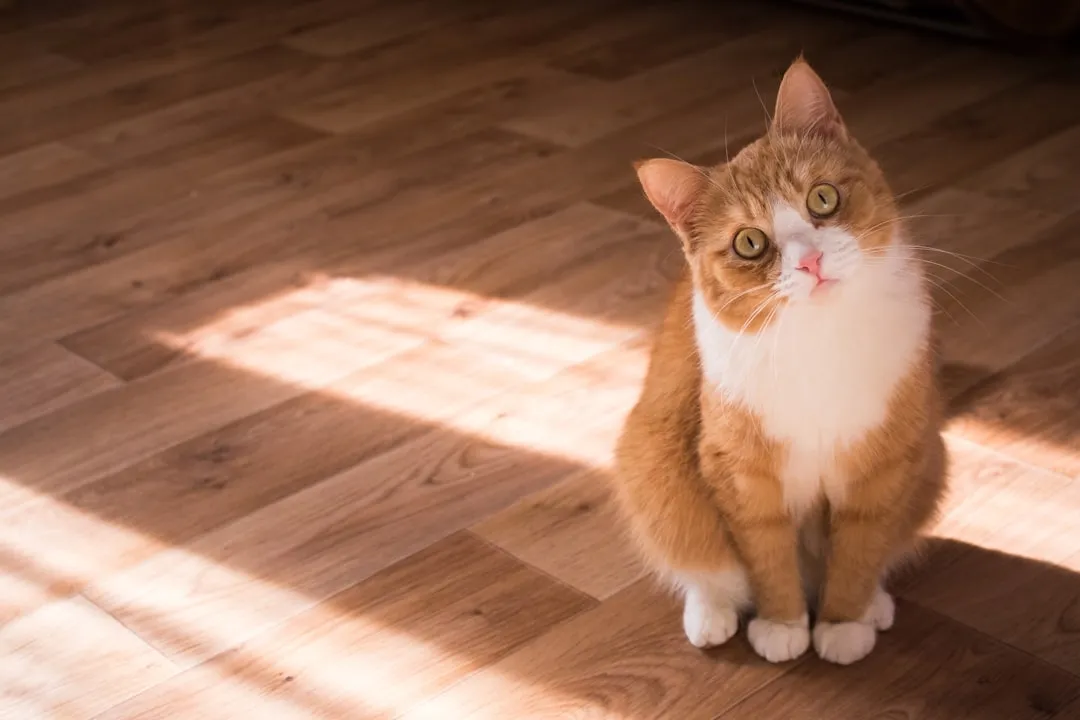
If your senior cat jumps a mile when you walk into the room, or suddenly reacts strongly to being touched in certain spots, vets pay close attention. Increased startle response in older cats can point to hearing loss, vision changes, chronic pain, or ongoing stress they can’t otherwise communicate.
You might notice they don’t seem to register you until you’re very close, that they overreact to being touched while sleeping, or that they flinch when stroked near the hips, back, or belly. Many owners mislabel this as “getting grumpy with age,” but in reality, a half-deaf, sore, slightly confused cat is living in a world that feels less predictable and more threatening. Of course they’re jumpier – the kindest thing you can do is assume it’s physical first, and attitude second.
#16 – That Gut Feeling: “Something’s Off, But I Can’t Explain It”
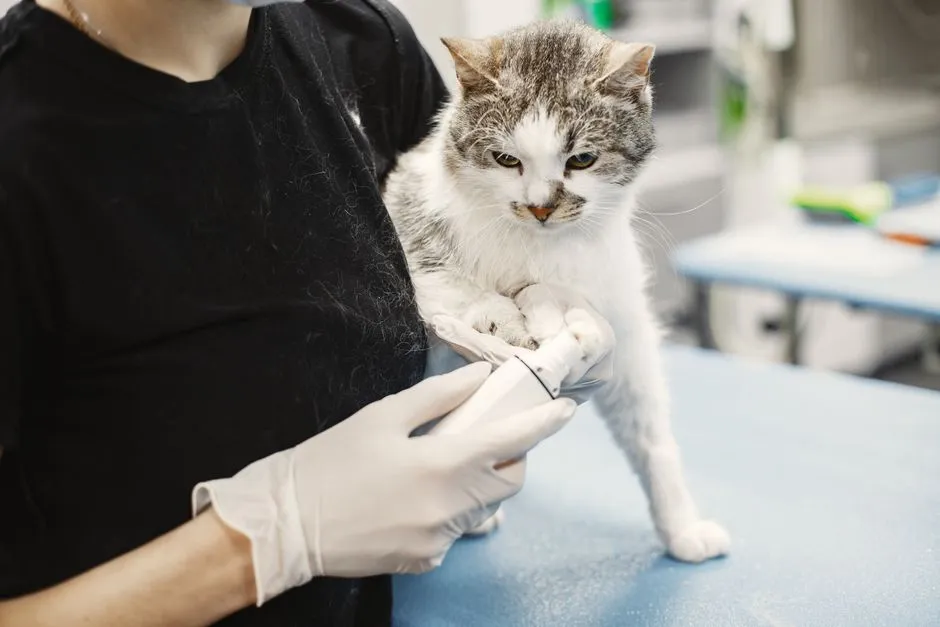
Vets will quietly tell you their favorite owners are the ones who come in and say, “I don’t have a specific symptom, I just know my cat, and something’s off.” That vague unease is often more accurate than any single Google-able sign, because it’s built from a thousand tiny observations your conscious brain hasn’t fully sorted yet.
Maybe your cat’s routine shifted slightly. Maybe their eyes look a little different, or the vibe in the room just isn’t right. Here’s the uncomfortable truth: by the time senior-cat symptoms look “dramatic” enough for the average owner to panic, disease has often been quietly building for months or even years – so if your inner alarm keeps going off, listen to it, schedule the bloodwork, ask for the senior panel, and push gently if you feel brushed off.
The Bottom Line
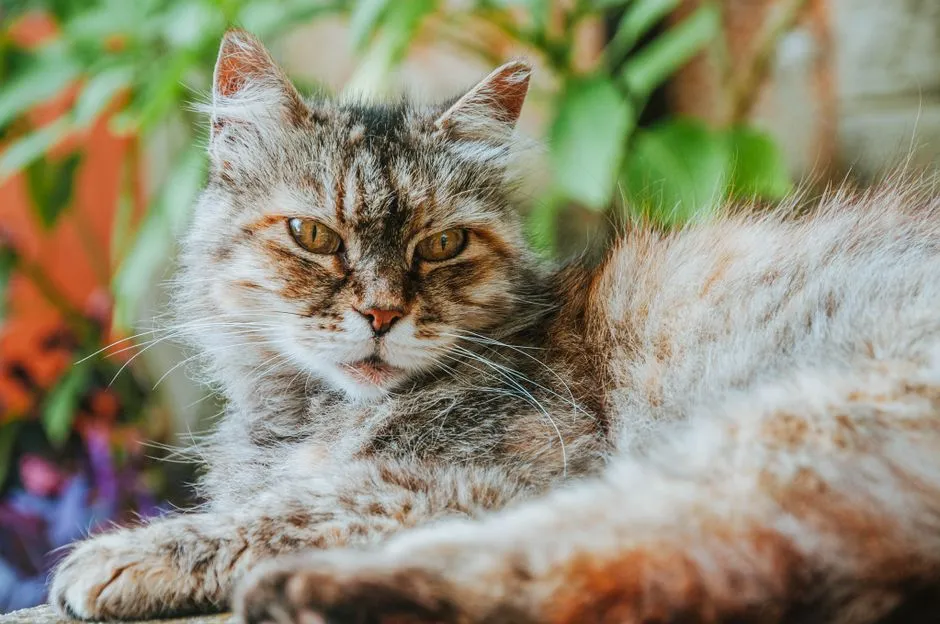
Cats over 14 rarely “suddenly get sick.” They quietly slide there while we tell ourselves comforting stories about “just getting old.” The truth is uncomfortable: most of what we blame on age is actually treatable pain, disease, or brain changes we simply didn’t catch in time.
Slight thirst changes, a few missing ounces, offbeat litter box habits, new 3 a.m. wandering – none of that is overreacting, and none of it deserves an eye-roll. That’s exactly what good vets want you watching, because it’s the boring stuff that saves lives, not the emergencies.
If anything on this list sounds uncomfortably familiar, that’s not a reason to panic – it’s a reason to act like the partner your cat actually needs right now. Senior cats don’t want pity; they want someone paying close enough attention to notice when “normal” quietly stops being normal. So what’s the change your own older cat has made that you’ve been quietly explaining away – is it really “just age,” or is it time to stop guessing and ask?

- 14 Dog Breeds Breeders Say Are Slipping Away So Quietly That Most Owners Never Notice - July 31, 2026
- 17 Quiet Signs a Horse Has Bonded So Deeply It Will Grieve If That Person Ever Leaves - July 31, 2026
- 17 Signs Your Dog Has Quietly Made One Person Its Whole World, According to Behaviourists - July 31, 2026