
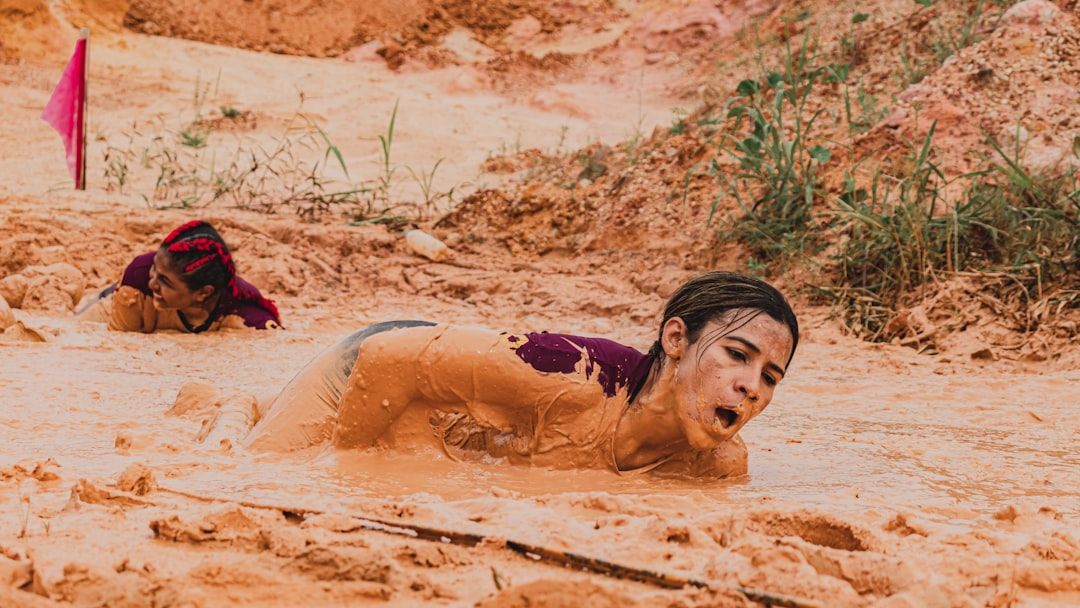
Picture this terrifying scene: you’re walking through a swampy riverbank when suddenly the ground gives way beneath your feet. You sink into quicksand up to your waist, unable to move. Then you see those unmistakable eyes and nostrils breaking the water’s surface nearby. A crocodile has noticed your predicament.
This nightmare scenario has plagued adventure movies for decades, but what would actually happen in real life? While no scientist has conducted the exact experiment of placing someone in quicksand next to a live crocodile, researchers have extensively studied both quicksand physics and crocodile behavior. Their findings paint a surprisingly different picture than Hollywood would have us believe.
The Physics of Your Quicksand Prison
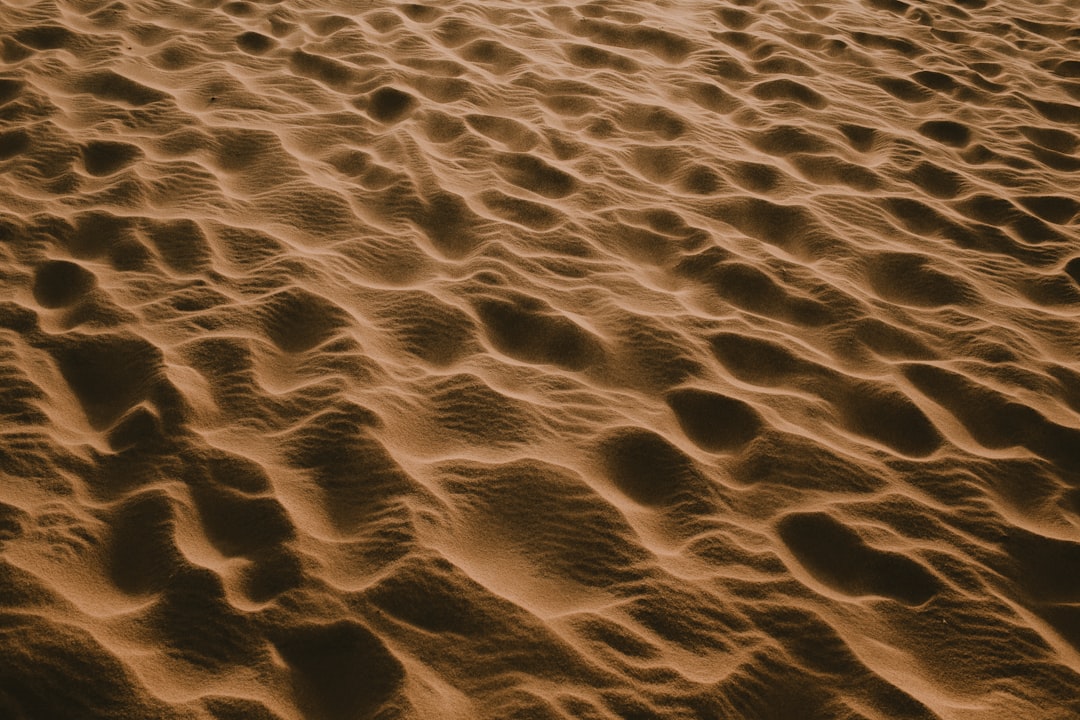
Quicksand is denser than the human body, so people and animals can get stuck in it but don’t get sucked down to the bottom – they float on the surface. This fundamental physics principle means you wouldn’t disappear completely into the muck.
If you step into quicksand, you’ll only sink in a little deeper than your waist. Your torso, containing air-filled lungs, provides enough buoyancy to keep your head above the surface. However, the real danger lies in what happens next.
Why Escape Becomes Nearly Impossible
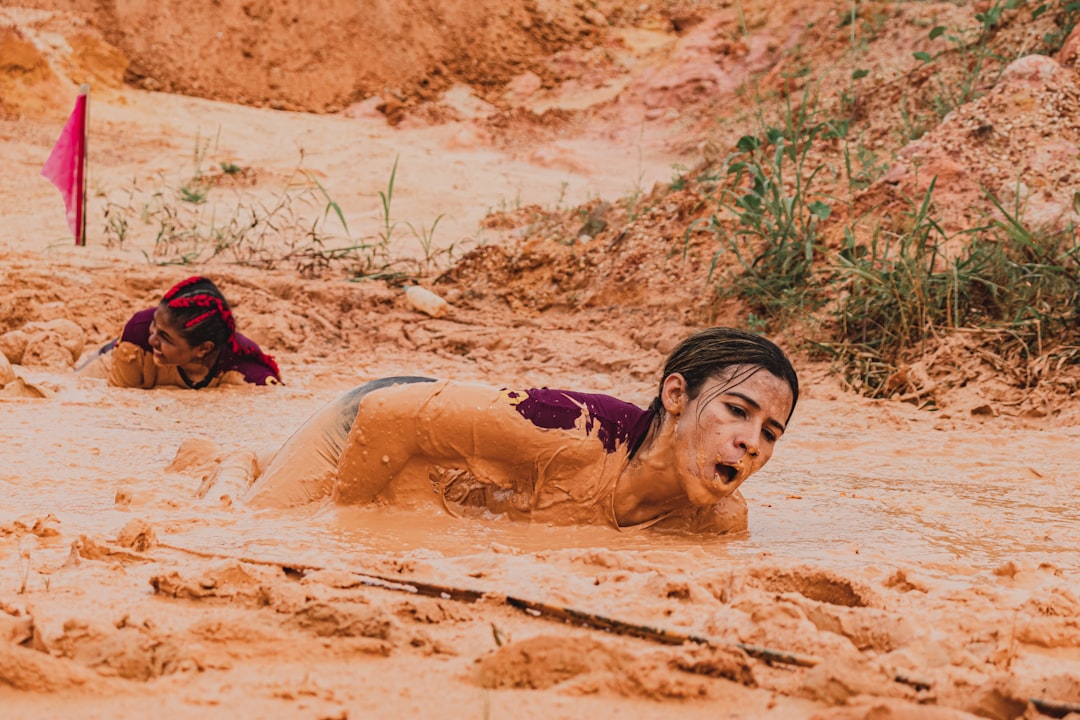
The force required to pull your foot out of quicksand at a speed of one centimeter per second is equivalent to the force needed to lift a medium-sized car. This incredible resistance occurs because quicksand behaves as a non-Newtonian fluid.
Quicksand acts as a trap because it becomes unstable when it is forced to move, causing it to liquefy and then collapse. The higher the stress, the more liquid the quicksand becomes, meaning that movement by a trapped body may cause it to sink more deeply.
How Crocodiles Actually Hunt Their Prey
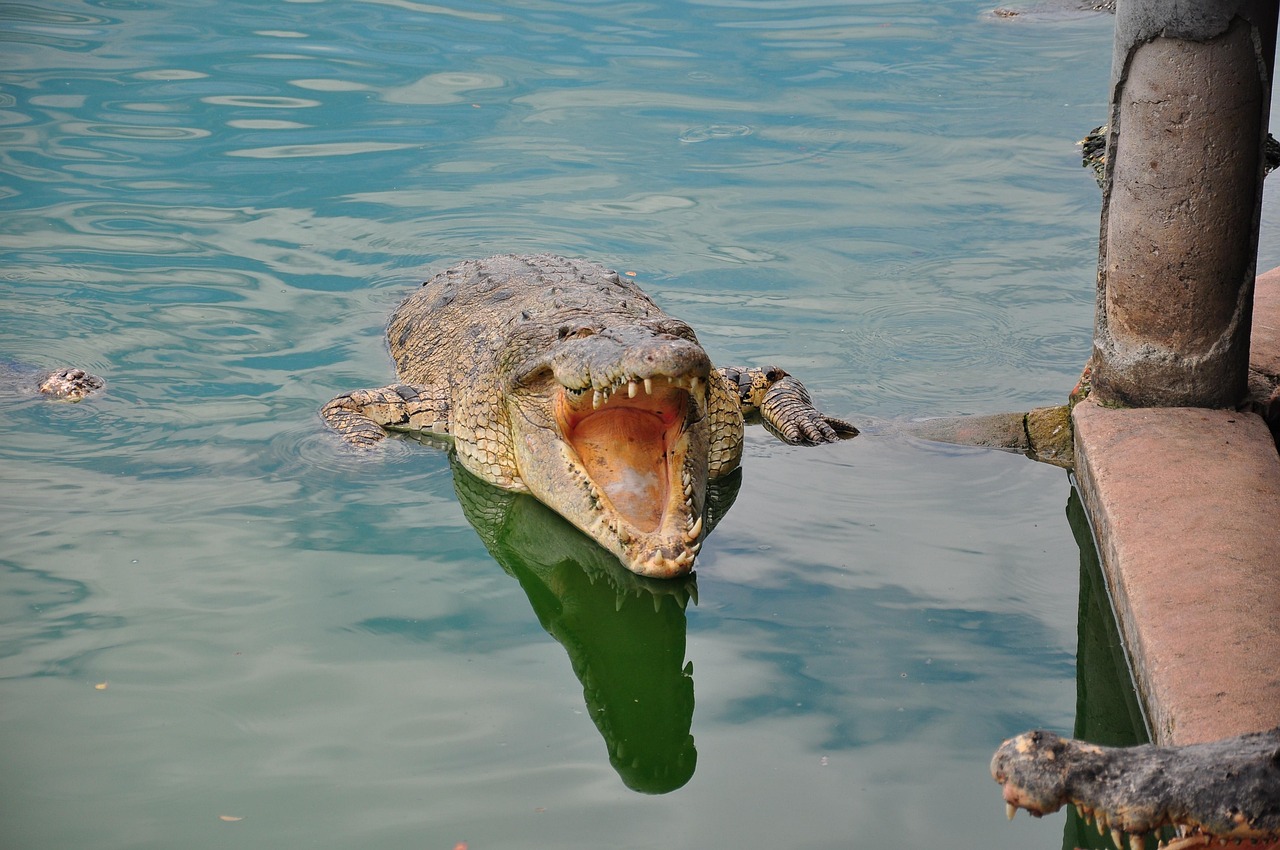
Crocodiles are apex predators that rely on stealth and explosive power rather than chasing down struggling prey. These ancient reptiles typically wait motionless in shallow water near the shoreline, using their incredible patience to ambush unsuspecting animals that come to drink.
When a crocodile attacks, it employs a lightning-fast death roll to disorient and drown its victim. However, this hunting strategy requires the crocodile to be in its aquatic element where it can maneuver effectively. A person stuck in quicksand presents an unusual scenario that doesn’t align with typical crocodilian hunting behavior.
The Shocking Reality of Your Survival Odds
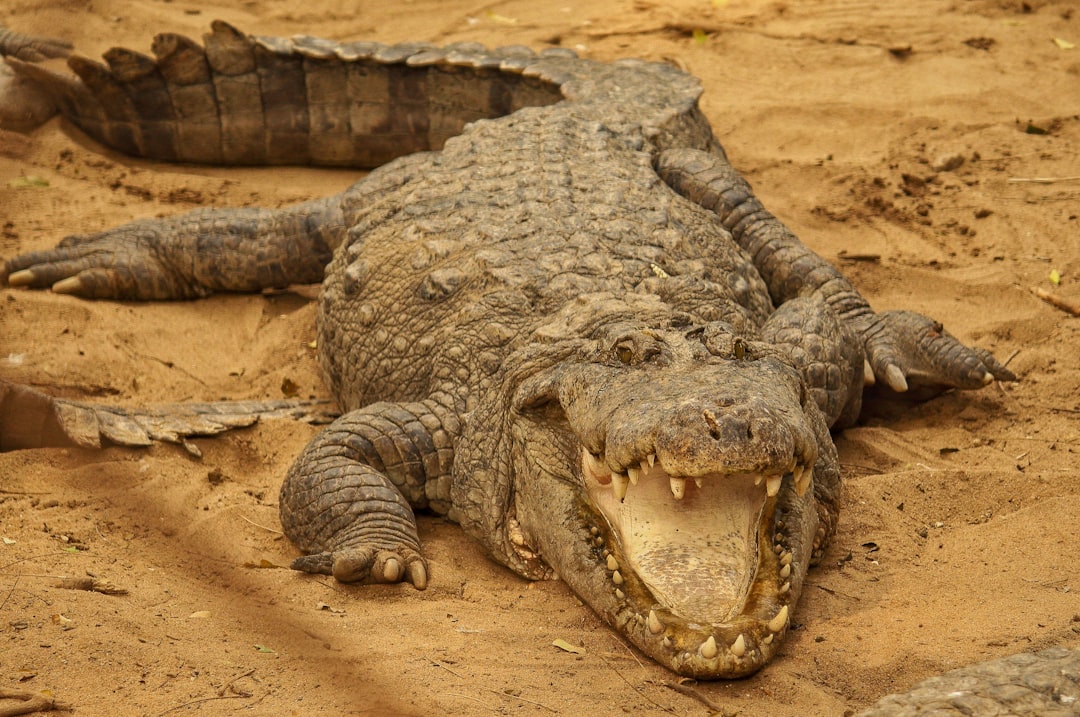
Ironically, being trapped in quicksand might actually protect you from a crocodile attack. Most crocodile species are ambush predators that rely on water for their hunting advantage. They typically drag prey underwater to drown them, but quicksand already has you partially immobilized on land.
The way to escape quicksand is to wriggle your legs around. This creates a space between the legs and the quicksand through which water can flow down to dilate the sand. While a nearby crocodile would certainly be concerning, your immediate focus should be on the slow, methodical escape from your sandy prison.
What Scientists Discovered About Quicksand Myths
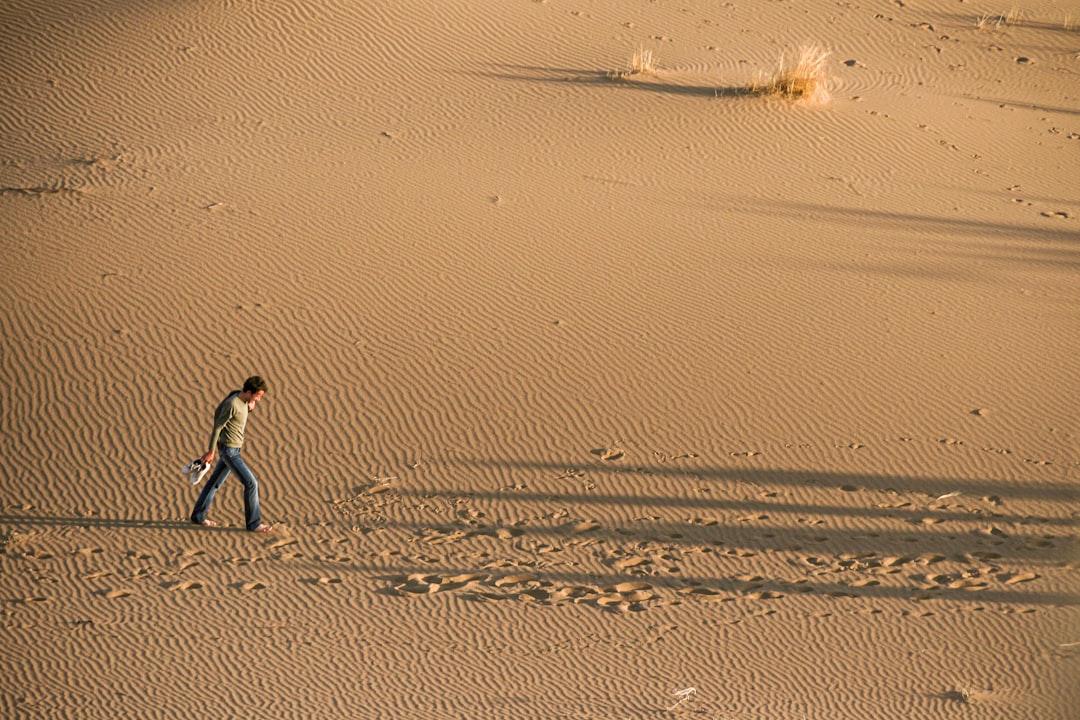
University of Amsterdam researcher Daniel Bonn replicated quicksand in a laboratory. They then placed aluminum beads with the same density as a typical human body atop the mixture, and shook it. The results were eye-opening.
Even though the quicksand collapsed, the beads didn’t get sucked under. Instead, they floated atop the surface, never more than half-submerged. This scientific evidence definitively disproves the Hollywood myth of people disappearing completely beneath quicksand.
The Real Dangers You’d Face
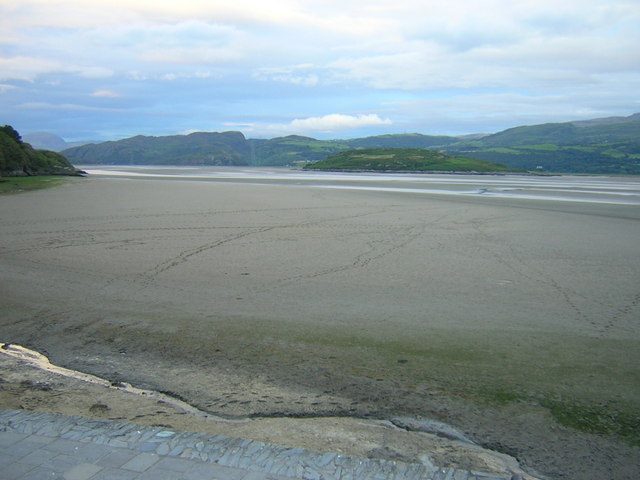
Being immobilized leaves you vulnerable to sunstroke, hypothermia, or dehydration. Wildlife: Depending on the location, you could be at risk from predators or insects. Tides: In coastal areas, the returning tide can lead to drowning if you cannot free yourself in time.
The crocodile might actually be the least of your worries. The biggest danger of quicksand is getting stuck in it on a beach during low tide, and then being drowned when the tide comes in. Exposure to the elements poses a far more immediate threat than most wildlife encounters.
Your Best Strategy for Survival
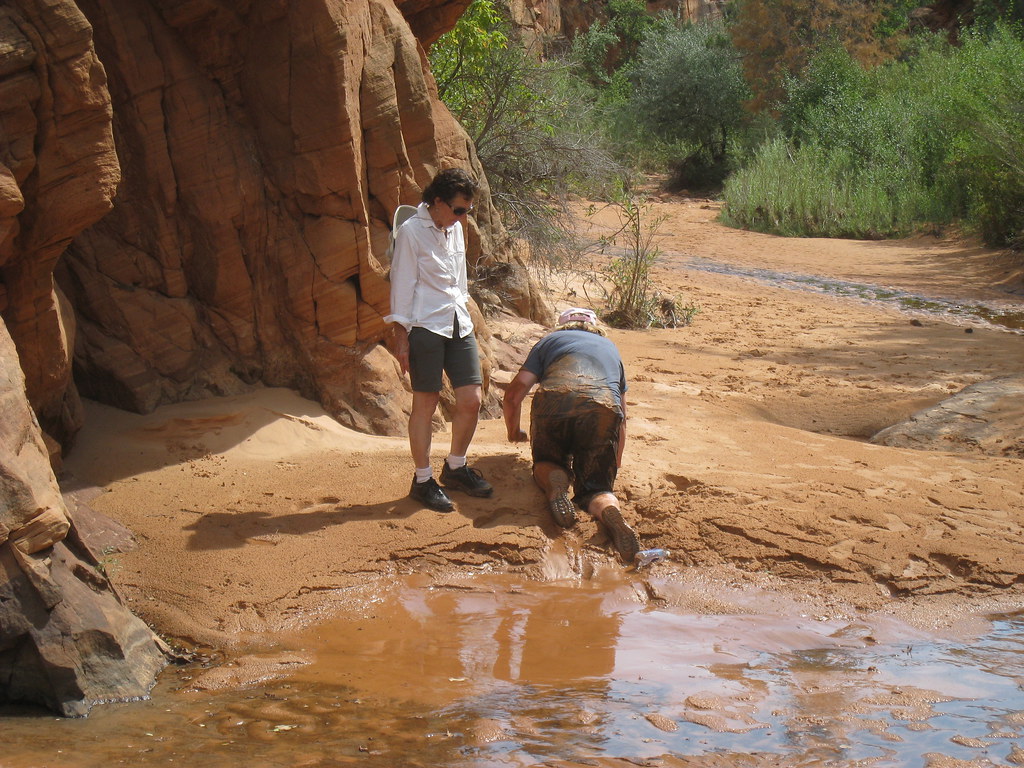
You can get out using this technique, if you do it slowly and progressively. The key is patience and controlled movements. The best way to escape is to stay calm, and focus on steady and deliberate leg and arm movements. With enough tiny movements you can create a space between your legs and the sandy soil.
Regarding the crocodile, your best bet is to remain as still as possible when not actively working to escape the quicksand. Sudden movements or panic could attract the reptile’s attention. Most crocodiles will lose interest in prey that isn’t easily accessible or actively fleeing.
Conclusion
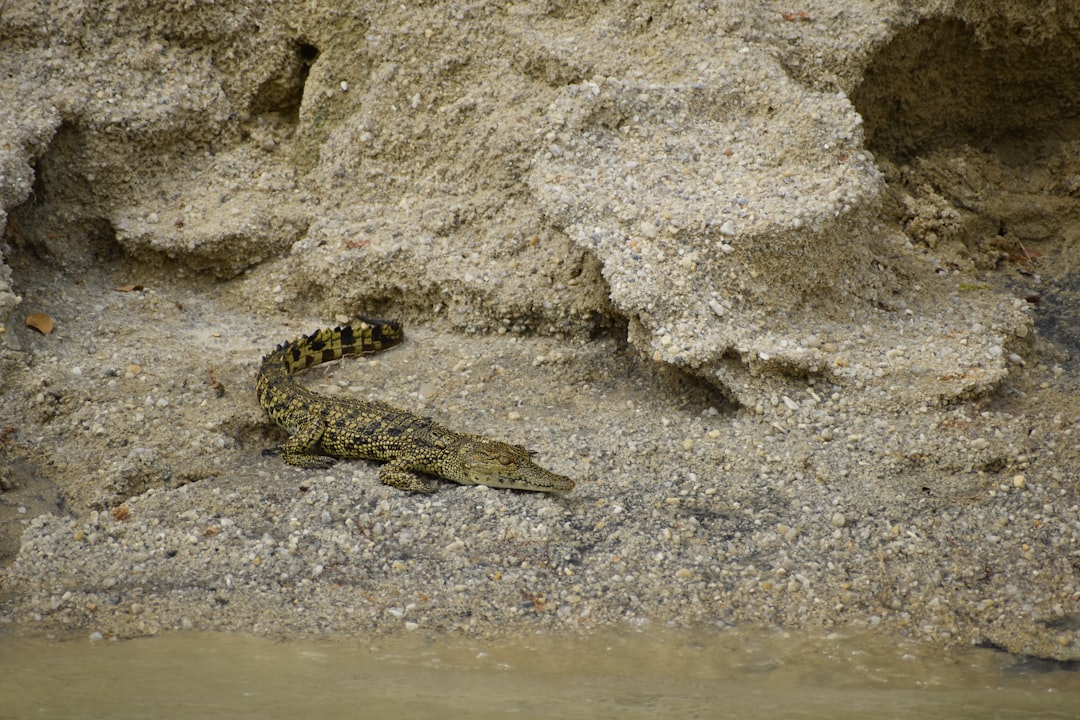
The scenario of falling into quicksand next to a crocodile, while terrifying to imagine, would likely play out quite differently than disaster movies suggest. Science has shown that quicksand won’t swallow you whole, and the methodical process of escape wouldn’t necessarily trigger a crocodile’s hunting instincts. Your biggest enemy would be time, exposure, and panic rather than either the quicksand or the crocodile itself.
The key takeaway? Stay calm, work slowly to free yourself, and remember that both quicksand and crocodile encounters are far less dramatic in reality than in our collective imagination. What do you think would be the most challenging aspect of this survival scenario?
