
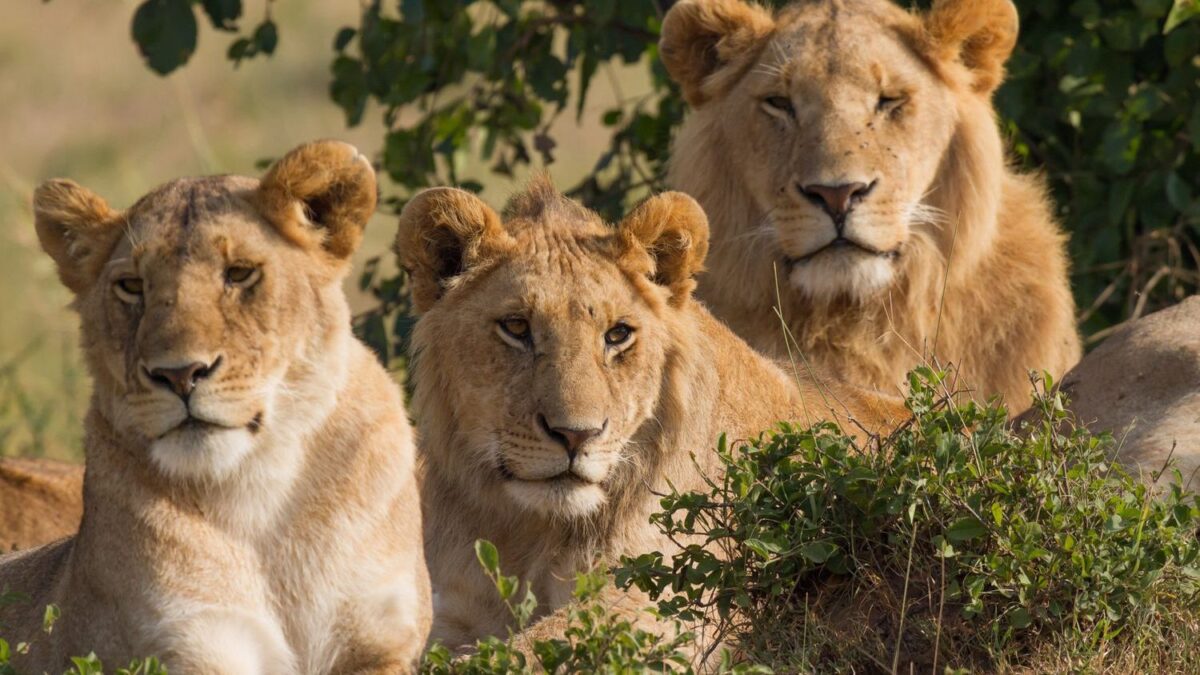
Picture this: two prehistoric titans colliding in a clash that’s as old as Africa itself. The mighty lion, crowned as the savanna’s undisputed ruler, faces off against the ultimate armored survivor from the age of dinosaurs. This isn’t just a battle between predators; it’s a showdown between fundamentally different evolutionary strategies that have dominated their respective domains for millions of years.
Wildlife experts worldwide have studied these encounters with fascination and scientific rigor. The consensus isn’t what you might expect. So let’s get started on this thrilling journey through one of nature’s most spectacular confrontations.
The Science of Size and Strength
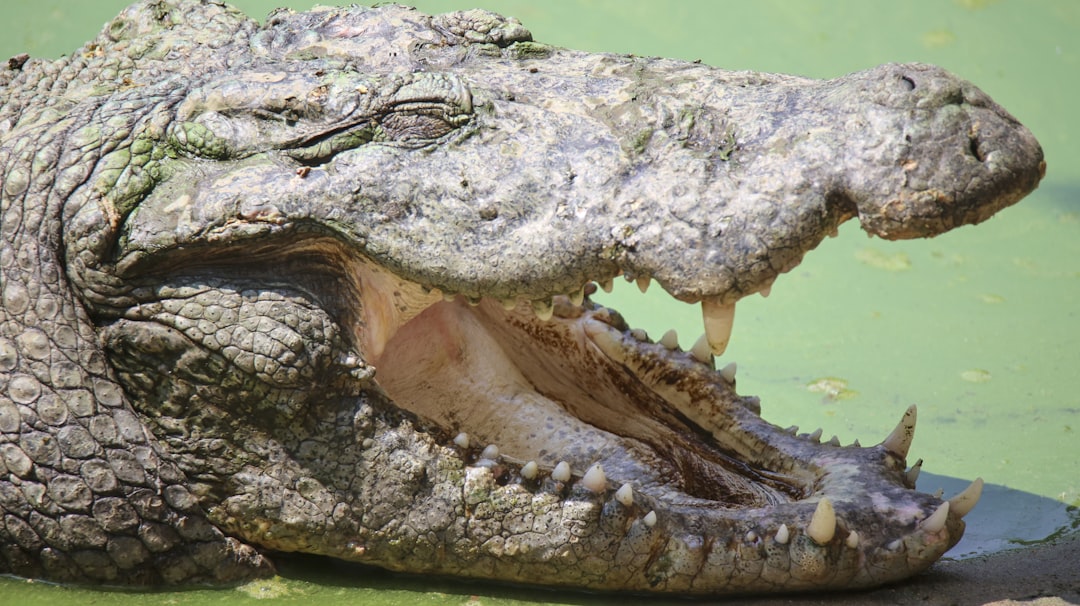
Crocodiles have one of the strongest measured bites at 3,700 PSI, while lions have a strong bite at around 650-700 PSI. This massive difference in jaw power makes the crocodile’s mouth essentially a living vice grip that can shatter bones instantly.
A fully grown crocodile can reach up to 7 meters (22.9 feet) in length and weigh up to 1 ton (2,204 pounds). In contrast, a fully grown lion weighs up to 270 kilograms (595 pounds). The size advantage heavily favors the crocodile, with some specimens being nearly four times heavier than even the largest male lions.
The Terrain Factor That Changes Everything
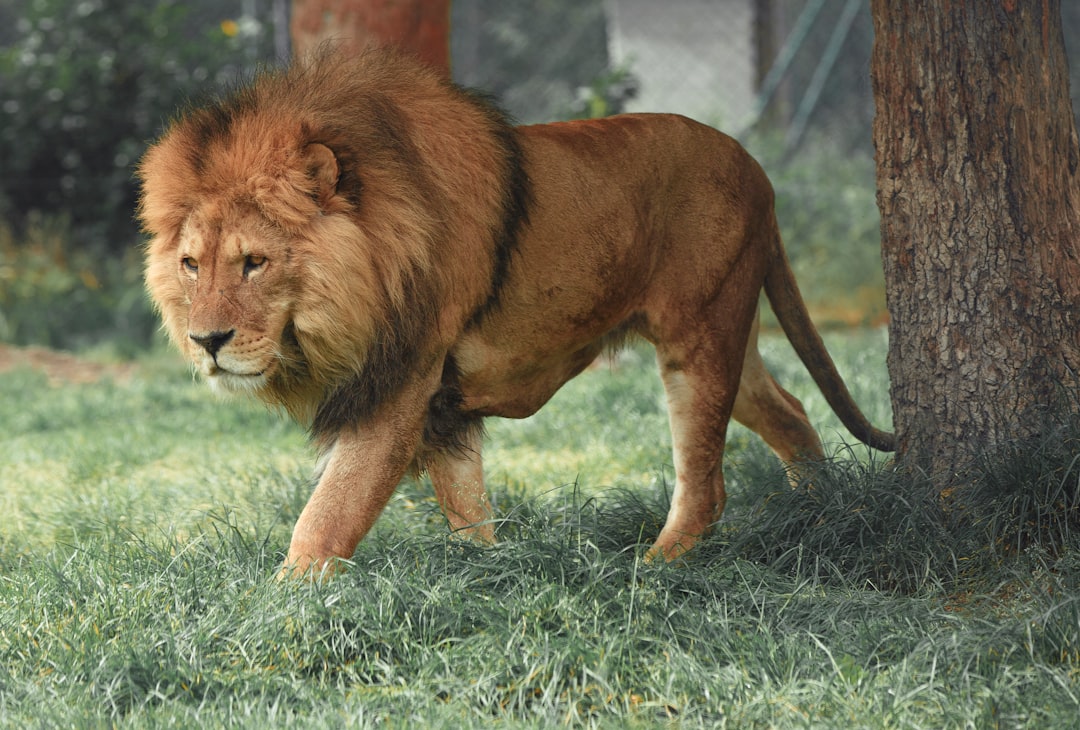
On land, the lion has the advantage due to speed, agility, and intelligence, but it struggles to seriously injure the crocodile. In water, the crocodile wins easily – it is faster, stronger, and perfectly adapted for underwater combat. Experts consistently point to terrain as the ultimate deciding factor in these encounters.
Lions are swift creatures that can reach speeds of up to 35-37 mph in short bursts. That is much faster than a crocodile can manage; they can run 8-14 mph over very short distances. However, crocodiles can reach 15mph in the water, making them the undisputed aquatic champion.
Real World Encounters That Shocked Wildlife Experts
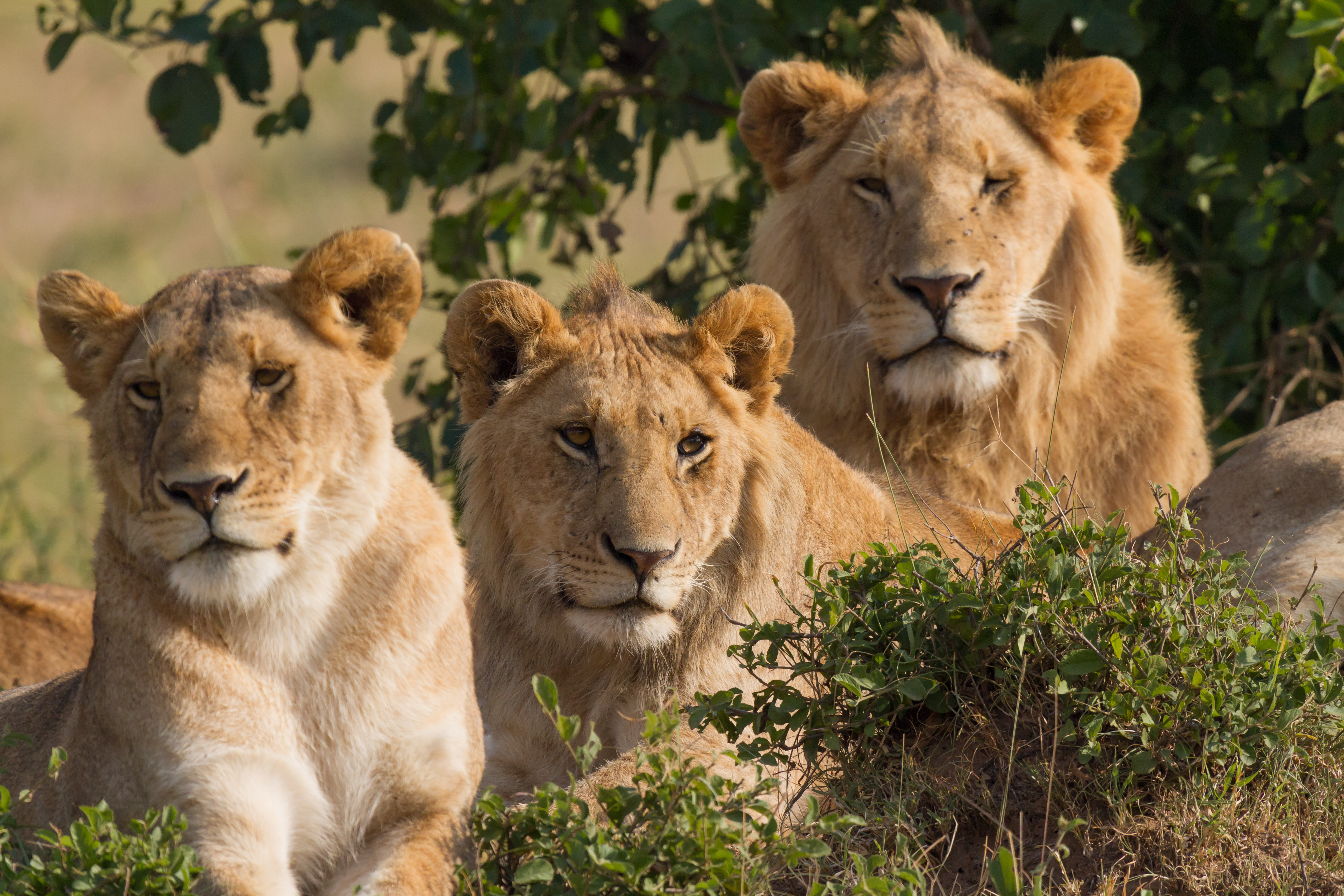
Nile crocodiles are thick-skinned animals capable of withstanding some abuse, but for one croc in Zambia’s Kafue National Park an onslaught by a pride of 13 lions proved its undoing. This remarkable footage, recently uploaded to the Latest Sightings YouTube page, was captured by experienced safari guide Newton Mulenga. The encounter demonstrates that teamwork can overcome even the most formidable natural armor.
“I was shocked that a lion would even think of taking on a crocodile,” Connor admits. “The lion grabbed its back leg and pulled it away from the water… Eventually, the crocodile managed to break free and retreated to the safety of the water… the crocodile was spotted the next day swimming in the dam, unharmed”. This recent 2024 encounter shows both the audacity of lions and the resilience of crocodiles.
The Armor Advantage and Its Limitations
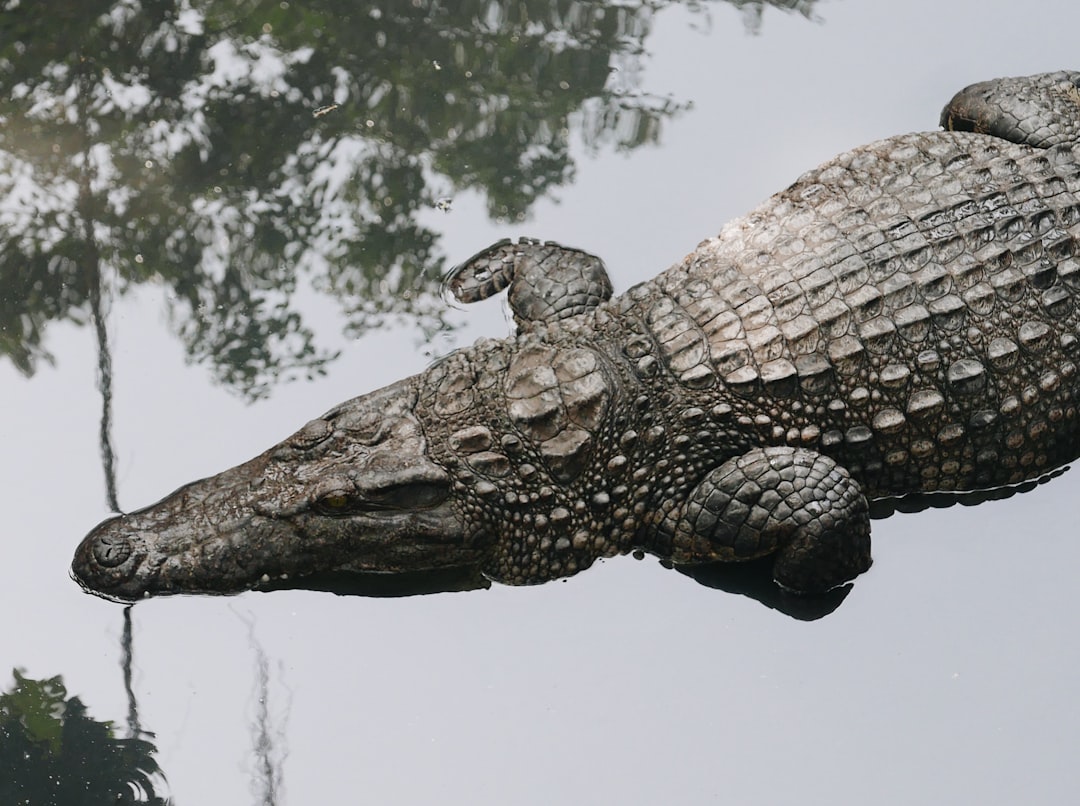
Crocodile: Armored scales provide excellent protection. A lion’s claws and teeth would struggle to penetrate a croc’s tough skin. Winner: Crocodile (Its armor-like skin is nearly impenetrable). This natural armor represents millions of years of evolutionary refinement designed to withstand attacks from other apex predators.
The biggest problem for the lion is the crocs armor. The biggest problem for the lion is the crocs armor. Wildlife researchers consistently identify the crocodile’s protective scales as the primary challenge for any big cat attempting an attack. The belly remains the only consistently vulnerable area, yet positioning to attack it requires exposing oneself to those devastating jaws.
When Lions Actually Win: The Documented Cases
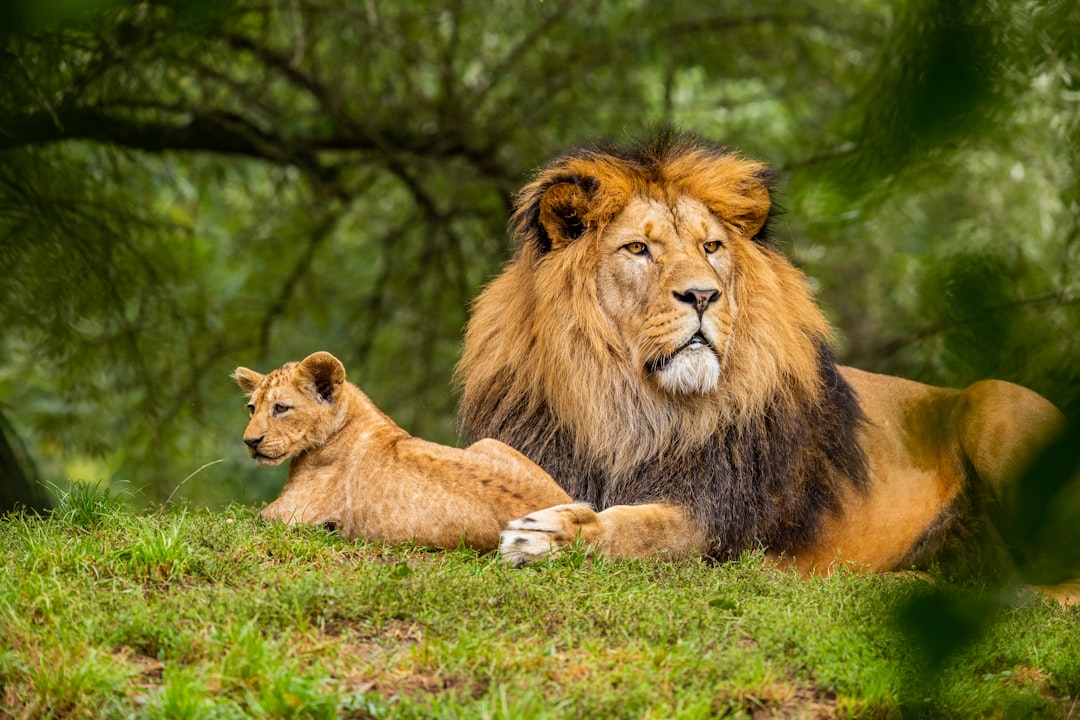
The lions of Matusadona seem to hunt crocodiles – which can be up to 12 feet long – when the reptiles leave the water, possibly in search of a nest site. In Kruger National Park, I also documented lions hunting crocodiles who themselves were out of the water scavenging from elephant and hippo carcasses. Dr. Kris Everatt’s research reveals specific scenarios where lions successfully overcome crocodiles.
At one point, one of the larger female lions (which happens to be wearing a tracking collar and appears to be the leader of the pack) bites down on the croc’s tail and drags it across the field. She continues to wrestle the crocodile while the others circle and keep it distracted… the lions are piled on top of it while the large, collared female sinks her teeth in and immobilizes it. Successful lion victories require precise coordination and exploiting the crocodile’s vulnerability on land.
The Speed Versus Power Debate
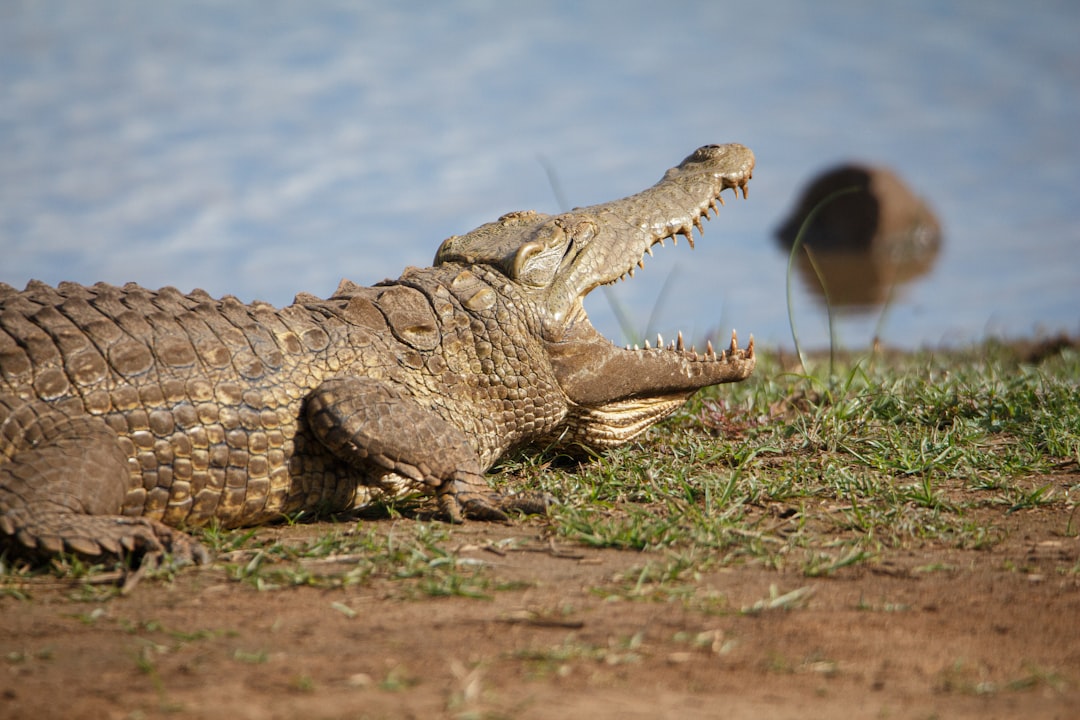
Lion: 35 mph in short bursts, with excellent agility and quick reflexes. Crocodile: 10-12 mph on land, but 22-25 mph in water… Winner: Lion (Superior speed and agility on land). This speed differential creates brief windows of opportunity for lions to strike and retreat before the crocodile can respond effectively.
I think people are underestimating what the crocodile can do on land. Lions don’t nearly have the performance advantage against crocs from what I’ve seen. Usually all they do is go for hits at the snout or at the tough armor on top of its body which results in nothing. However, some experts argue that the speed advantage isn’t as decisive as commonly believed.
The Final Expert Verdict

A crocodile would beat a lion in a fight. Although the lion has a lot of advantages over the crocodile in terms of a fight, the crocodile would win in a fight against a lion. The crocodile is simply too large and powerful for the lion to defeat. The overwhelming scientific consensus favors the crocodile in most one-on-one scenarios.
If the crocodile was able to ambush a lion that was drinking out water from a river, then the fight would be over immediately. The crocodile would drag the lion under and easily kill it… The most likely outcome would have the crocodile landing a bite, it doesn’t matter where, and snapping a leg, puncturing the skull, or biting into the soft underside of the lion. Either way, the crocodile swims away with a few scars and a meal. Near water, the encounter becomes completely one-sided.
The truth about these legendary confrontations reveals nature’s brutal honesty. While lions possess courage, speed, and intelligence, the crocodile’s combination of size, armor, and devastating bite force makes it the statistical favorite. Yet the documented cases prove that under specific circumstances particularly when multiple lions work together against a crocodile caught far from water even these ancient armored predators can fall.
What makes these encounters truly fascinating isn’t just who wins, but how millions of years of evolution have created two such perfectly adapted killing machines. What do you think would surprise most people about these epic confrontations? Tell us in the comments.

- Animal Cognition Says Goats Remember How to Solve a Puzzle Months After Learning It - August 6, 2026
- 10 Facts About the Whooping Crane's Long Road Back - August 6, 2026
- 10 Fascinating Facts About the Petrified Forest's Stone Trees - August 6, 2026