
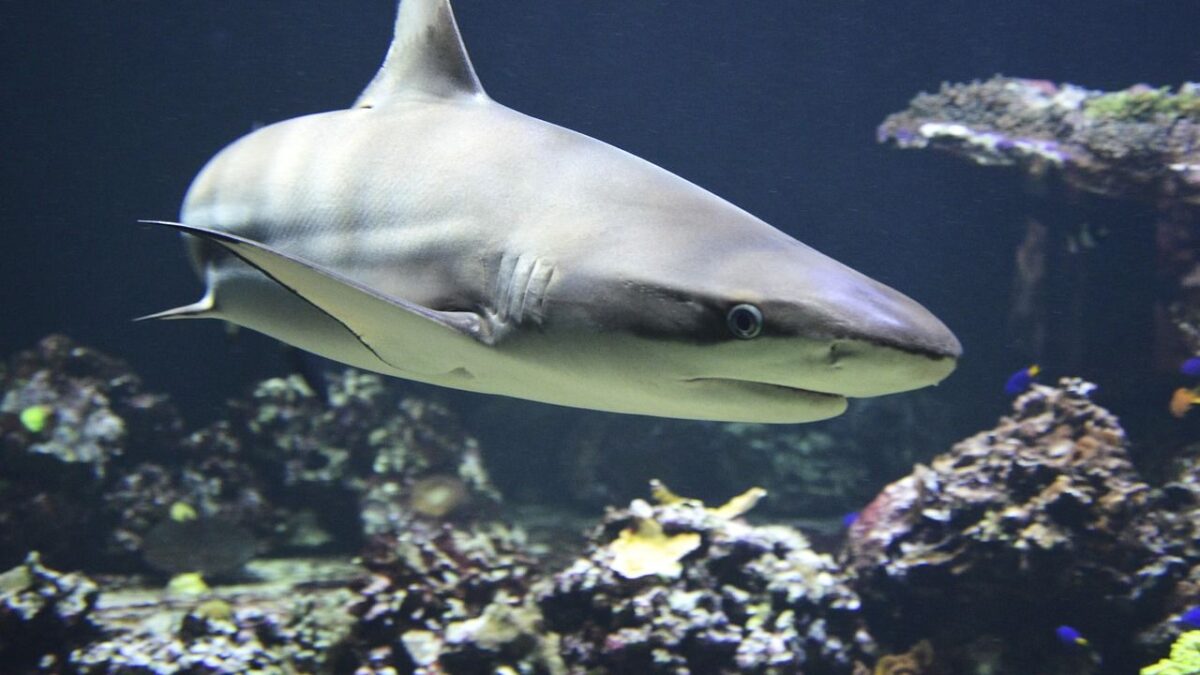
Picture this: you’re diving in crystal-clear tropical waters when suddenly a massive shadow glides into view. Your heart pounds as you realize you’re face-to-face with one of the ocean’s most feared predators. Every instinct screams at you to yell, thrash, or make yourself known. Yet doing exactly that could transform a peaceful encounter into a potentially dangerous situation.
The underwater world operates by different rules than our terrestrial existence, and understanding these rules could save your life. Sound travels differently beneath the waves, and sharks respond to acoustic signals in ways that might surprise you. Let’s explore the fascinating science behind why keeping quiet around sharks isn’t just good manners – it’s essential survival knowledge.
Sound Travels Four Times Faster Underwater
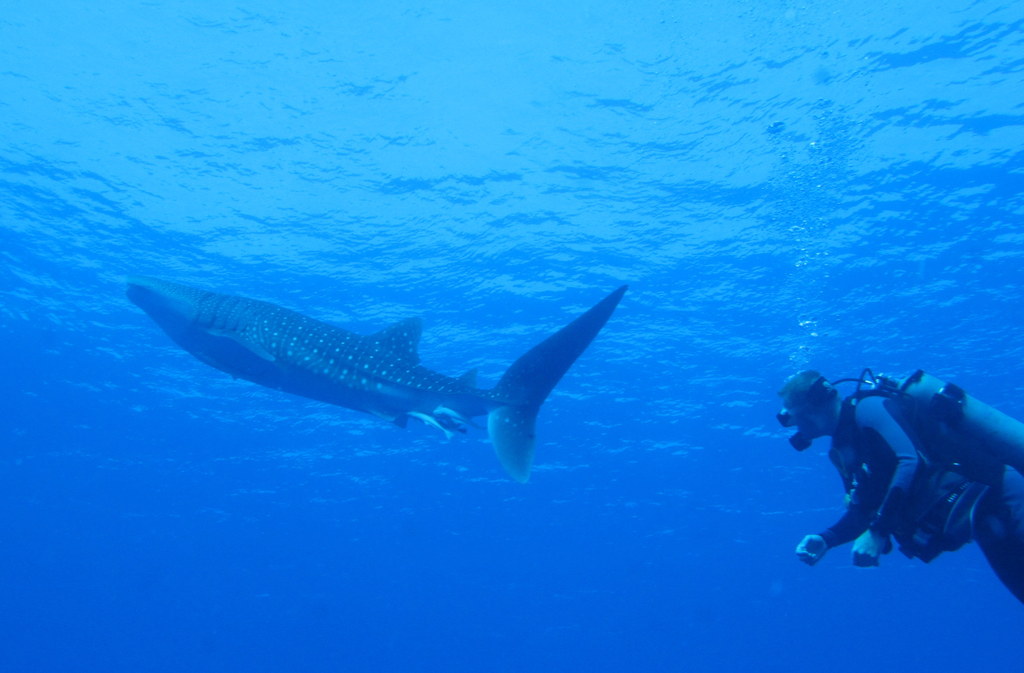
Water’s dense molecular structure creates a highway for sound waves that puts air transmission to shame. Sound travels about four times faster in water than through air, reaching sharks from incredible distances. When you scream underwater, those vibrations don’t just disappear into the blue void.
Instead, they race through the water column at roughly 4,920 feet per second, carrying your panic to every creature within a massive radius. Sound waves of low frequencies below 500 hertz can travel thousands of miles through the ocean without losing much steam. Your underwater scream becomes an acoustic beacon that announces your presence far and wide.
Sharks Have Extraordinary Hearing Abilities
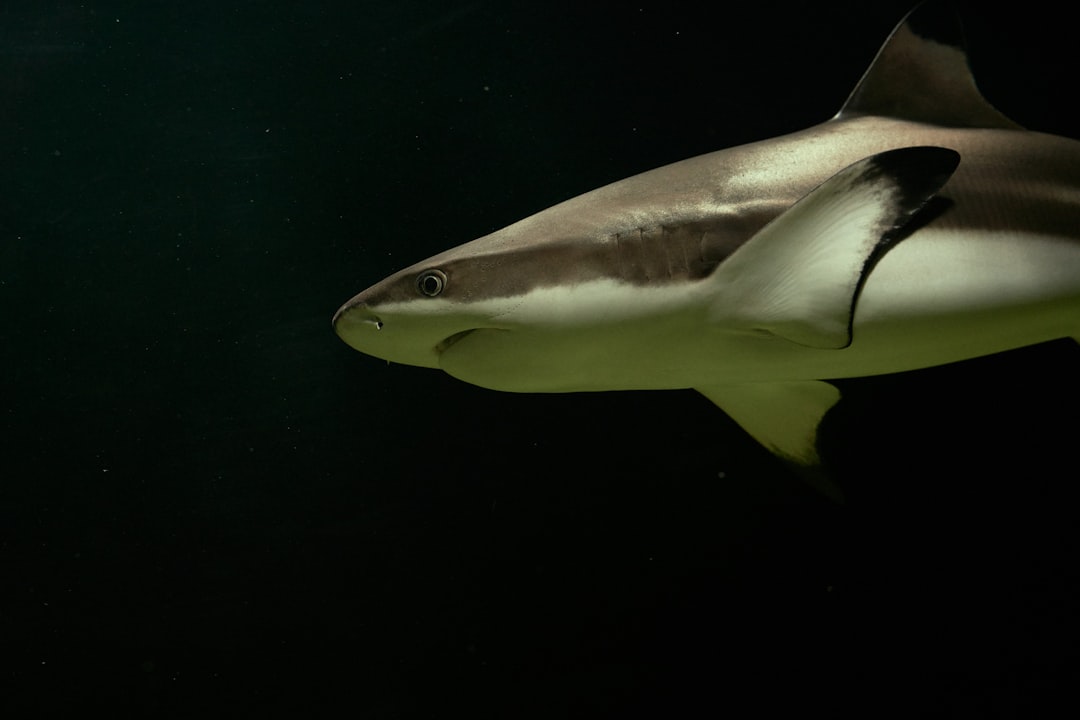
Sharks have a keen sense of hearing, especially for low-frequency sounds. They can detect these vibrations through their lateral line system and inner ears, aiding them in navigation and hunting. Their auditory system evolved over millions of years to detect the faintest sounds that might indicate food or danger.
The lateral lines and inner ears of the shark are used to locate prey, including injured fish as far away as around 800 feet (roughly 250 m). Think of sharks as living sonar systems, constantly scanning their environment for acoustic clues about what’s happening around them.
Your Scream Mimics Distressed Prey
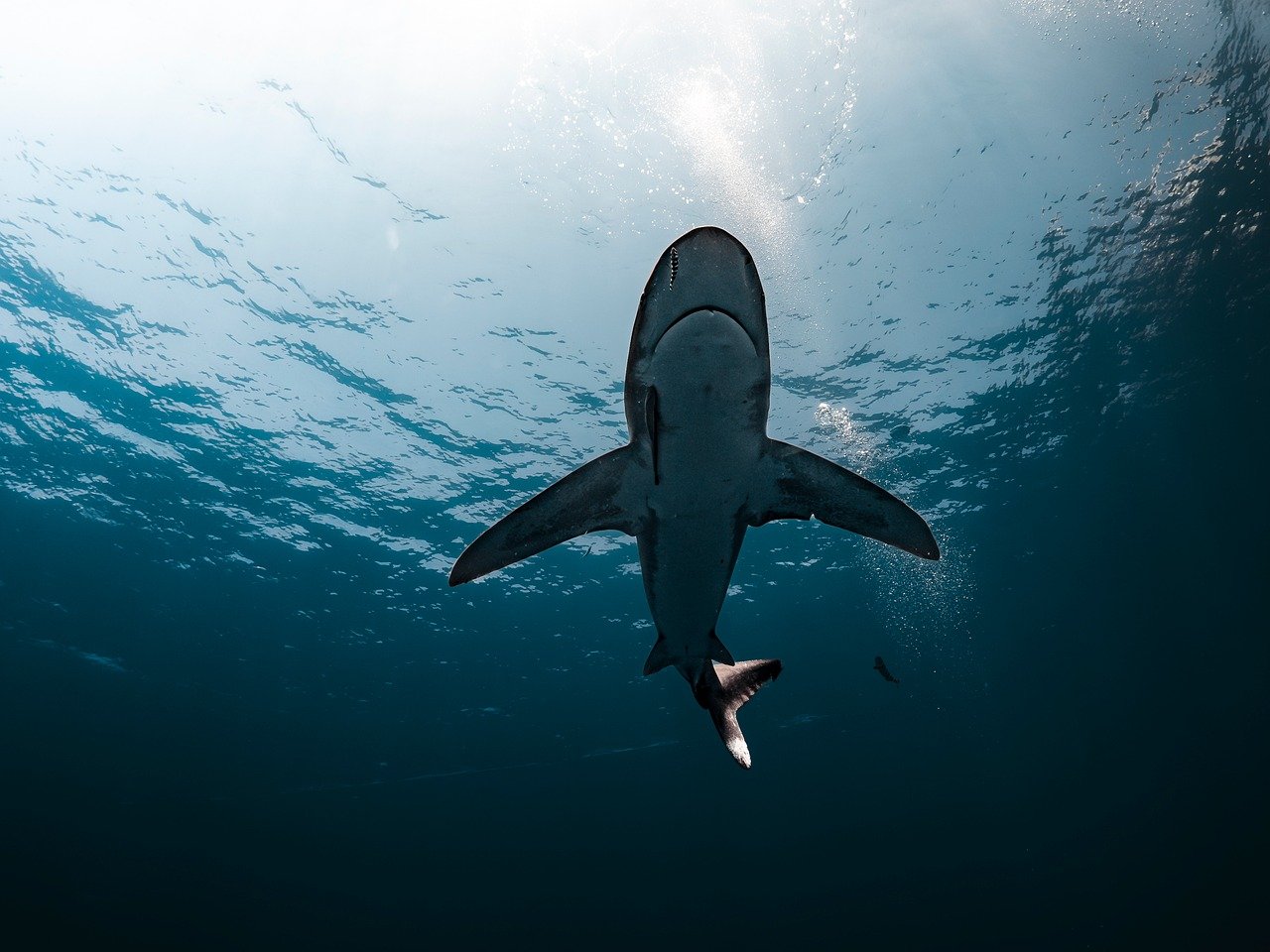
Here’s where things get truly concerning for underwater screamers. Studies have shown that the flapping sounds injured fish make attract sharks. When you panic and create erratic sounds underwater, you’re essentially broadcasting the same acoustic signature as wounded prey.
If you’re a shark and you hear this “yummy hum,” it might mean it’s dinner time. Sharks have learned to associate certain low-frequency, irregular sounds with easy meals. Your panicked vocalizations could trigger their hunting instincts rather than driving them away.
Sharks have been observed to respond even to audio recordings of flapping fish broadcast underwater. This means even artificial sounds that mimic distressed prey can draw sharks from considerable distances.
Recent Research Shows Sounds Alter Shark Behavior
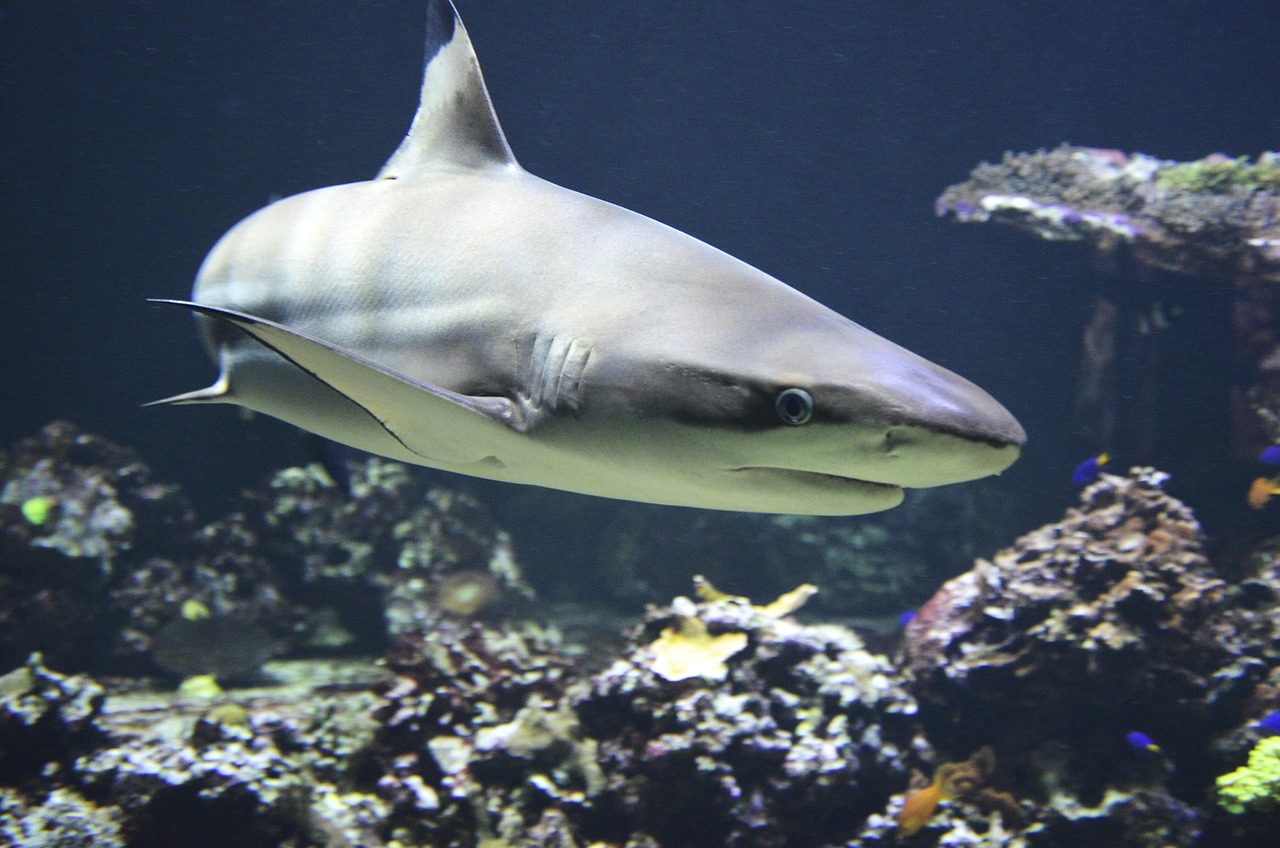
When sounds were playing, reef and coastal sharks were less numerous in the area, were responsible for fewer interactions with the baited test rigs, and displayed less ‘inquisitive’ behaviour, compared to during silent control trials. However, this research used continuous, controlled sounds – very different from sudden screaming.
We predicted an ‘orienting’ response (either towards or away) rather than a startle or a defence reaction, which may be expected following sudden presentation of a novel sensory stimulus. Your scream represents exactly the kind of sudden, novel stimulus that could provoke an unpredictable response.
Scientists found that different types of sounds trigger different reactions. While some artificial sounds might deter sharks, erratic, panic-induced sounds could have the opposite effect.
Expert Safety Guidelines Explicitly Warn Against Noise
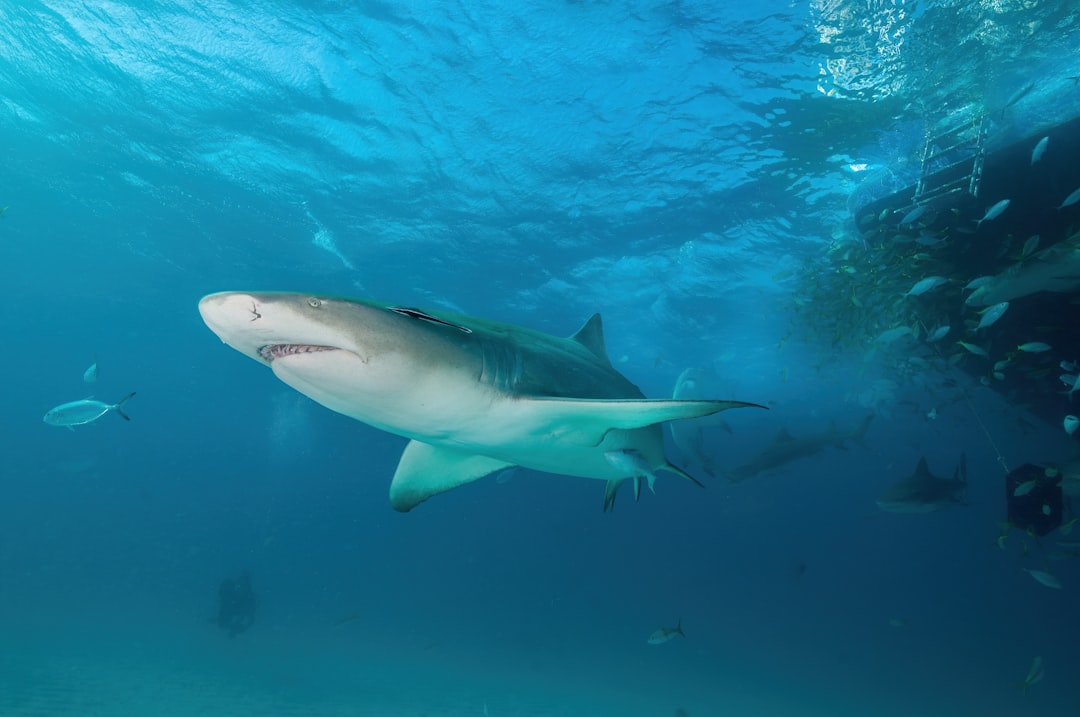
Do not yell or make loud noises when encountering sharks underwater. This isn’t just casual advice – it’s a fundamental safety principle endorsed by marine conservation organizations and diving experts worldwide.
Do Not Splash and Remain Calm: Sharks are typically not interested in humans as a food source, and attacks are usually a result of mistaken identity or defensive behavior. Making loud noises underwater falls into the category of behaviors that could trigger defensive responses.
Don’t splash or scream, simply keep an eye on the shark while quietly swimming towards the shore. Professional safety guidelines consistently emphasize quiet, controlled movements over panicked reactions.
Some Shark Species Are More Sensitive Than Others
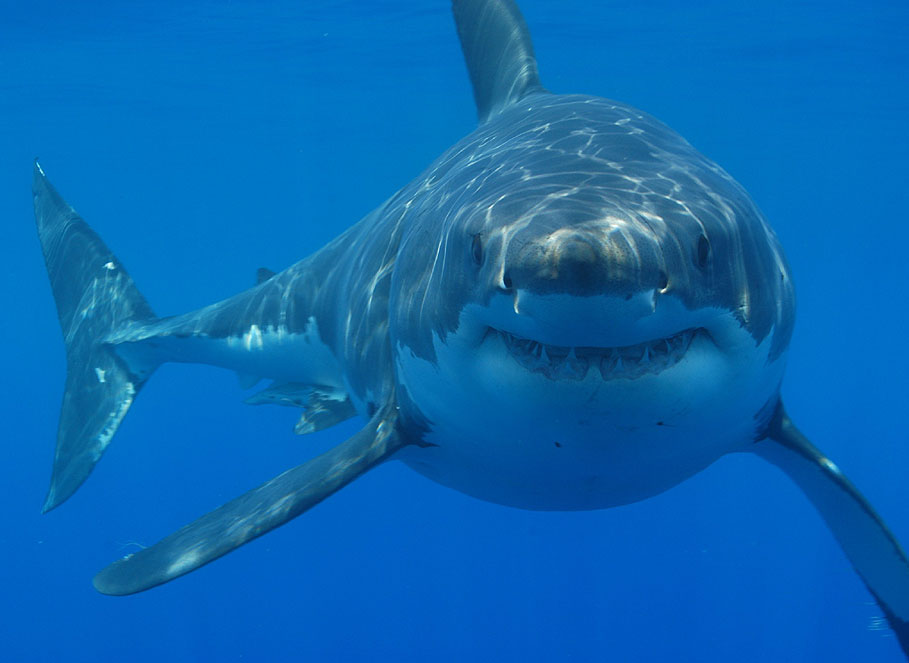
Some sharks are put off by the regulator noise, schooling hammerheads, for instance, while others seem entirely unbothered by mechanical sounds. However, when I film soupfin (tope) sharks and sometimes our local leopard sharks, I have to hold my breath or breathe very slow and shallow as the sound of bubbles definitely scares them.
The unpredictability of different species’ reactions makes screaming underwater even more dangerous. You never know whether the shark you’re encountering belongs to a species that might interpret your vocalizations as a threat, a dinner bell, or simply become more aggressive when startled.
I’ve dived with many sharks that do not seem to be bothered by the sounds, including the 14 ft great white that my dive buddy Wyland said swam behind me a few years ago. Blues and makos in our waters seem more curious than scared. The variability in responses means you’re essentially playing acoustic roulette.
Silence Keeps You Safe and Helps Conservation
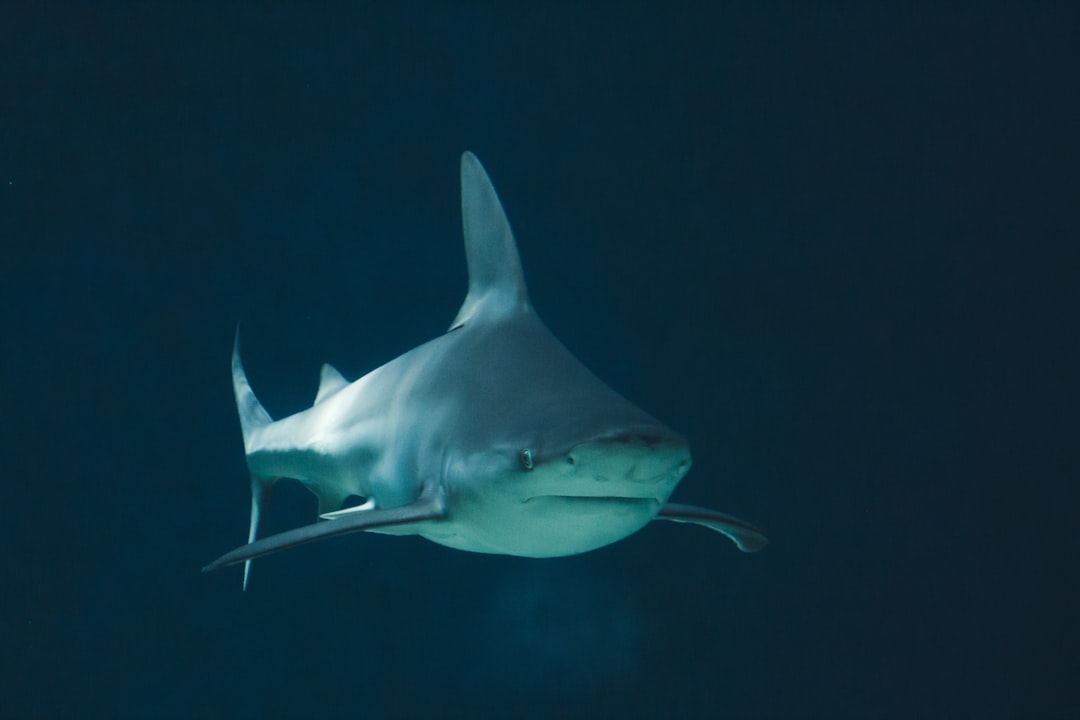
Beyond personal safety, your quiet behavior underwater contributes to shark conservation efforts. When entering the water, be mindful of avoiding loud noises or splashing, as this can alarm the shark. Stressed sharks may avoid areas where humans create disturbances, disrupting their natural behaviors.
Professional underwater photographers and marine biologists have learned that patience and silence yield the best results. Calm, quiet observation allows sharks to behave naturally, providing valuable research opportunities and creating positive human-shark interactions.
Remember, 100 million sharks are killed annually by humans. That number far dwarfs the average of fewer than 10 fatal interactions humans have with sharks per year. These magnificent predators deserve our respect and careful behavior when we enter their domain.
When you find yourself sharing the water with sharks, resist every urge to scream or create noise. Your silence isn’t just good etiquette – it’s a crucial safety measure that could prevent turning a magical wildlife encounter into a dangerous situation. The ocean rewards those who listen to its rhythms rather than disturbing its ancient peace.
What surprised you most about how sharks respond to underwater sounds? The next time you’re planning a dive, you’ll know that sometimes the most powerful thing you can do is absolutely nothing at all.

- What Large Dog Breed Are You According to Your Zodiac Sign - August 8, 2026
- 8 Plants That Help Keep Mosquitoes Away From Texas Patios - August 8, 2026
- 10 Facts About the Grand Canyon Hidden in Its Rock Layers - August 8, 2026