

Picture this: you’re hiking through a peaceful mountain trail when suddenly you spot golden fur moving between the trees. Your heart stops. Those piercing eyes lock onto yours. Time freezes as you realize a cougar has been watching you, maybe even following you. What happens next could determine whether you walk away with an incredible story or become a statistic.
Most people think they know what to do in this situation, yet they’re completely wrong. The instincts that keep us safe in everyday life can become death sentences in cougar country. These magnificent predators operate by rules entirely different from our urban world, and understanding those rules isn’t just helpful – it’s vital for anyone who ventures into the wilderness.
Never Run – It’s a Death Sentence

Running from a cougar is the worst possible decision you can make. According to wildlife experts, running could trigger a “chase, catch and kill response” from the big cat. Think about it from the cougar’s perspective: suddenly, what seemed like a potential threat transforms into fleeing prey.
These cats can reach speeds of 50 miles per hour in a sprint, bound up to 40 feet, and leap 15 feet straight up into a tree. Simply put, you won’t make it. Even Olympic sprinters would be helpless against such athletic prowess.
The tragic 2018 Washington mountain biker incident illustrates the danger of cougar encounters. Two cyclists were attacked by a cougar near North Bend, resulting in one death and one injury – the first fatal cougar attack in Washington state since 1924.
Make Eye Contact and Hold It

This goes against everything you’ve learned about other dangerous animals. Wildlife authorities specifically recommend making eye contact with cougars, as “cougars consider direct eye contact a threat”. Cougars are less likely to attack if they perceive you as a potential threat.
Never take your eyes off the cougar or turn your back. Stay calm and face the cat without turning your head at any time, keeping your gaze fixed on the cougar to avoid breaking eye contact. The moment you look away, you become prey instead of predator in the cougar’s mind.
Some experts suggest a nuanced approach. Maintain eye contact but avoid staring directly into the cougar’s eyes, instead focusing your gaze on the cougar’s feet to show awareness without displaying excessive aggression. However, most survival experts agree that direct, unwavering eye contact sends the strongest message.
Transform Yourself Into a Giant

Try to appear larger than the cougar by getting above it on a rock or stump, and if wearing a jacket, hold it open to further increase your apparent size. Stand up tall, do not crouch or squat, and make yourself look bigger by raising and waving your arms or jacket above your head.
A cougar is less likely to attack something larger than itself. This isn’t just psychological warfare – it’s based on the cougar’s hunting instincts. These cats evolved to take down deer and elk, not to fight creatures that appear bigger and more threatening than themselves.
If you’re in a group, stand shoulder-to-shoulder to appear intimidating. The collective mass of multiple humans standing together creates an imposing silhouette that most cougars will think twice about challenging.
Use Your Voice as a Weapon
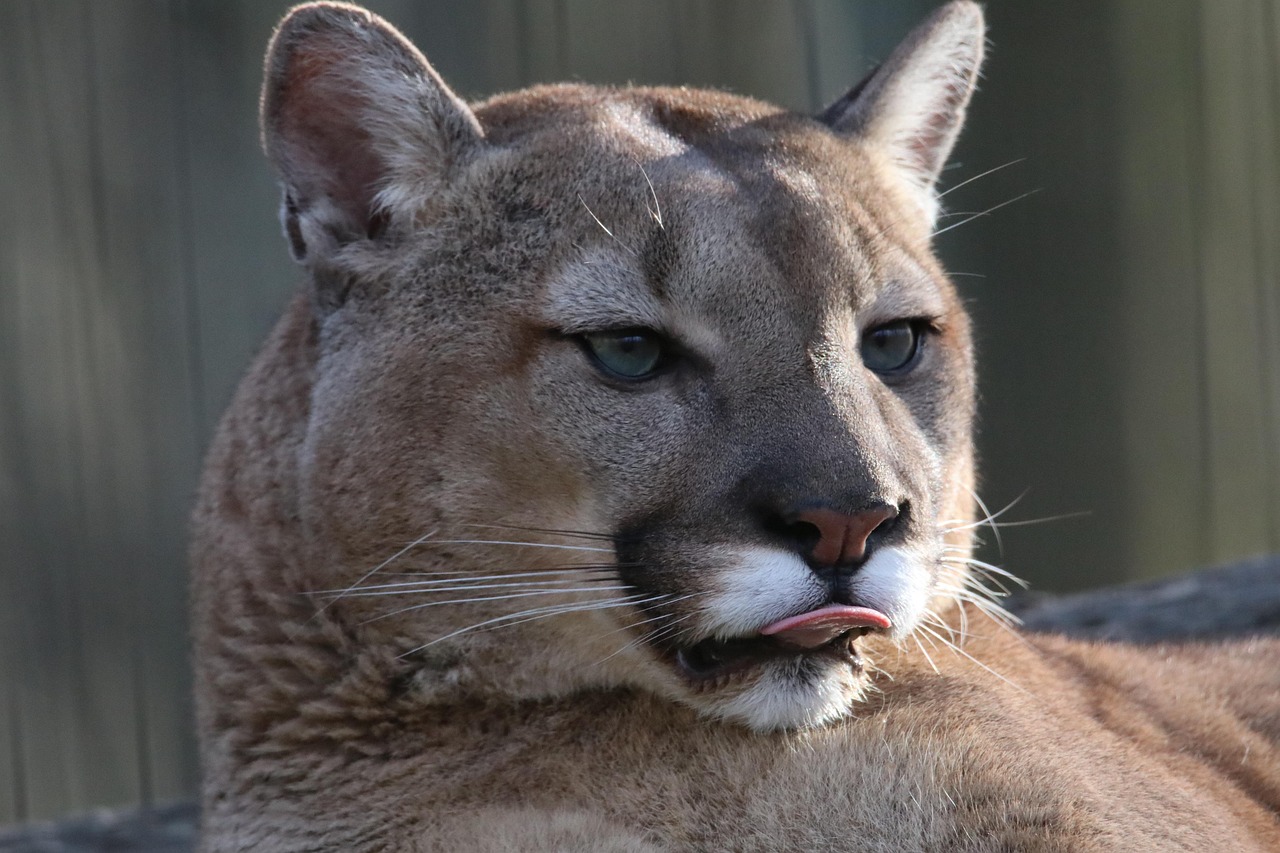
Mountain lions fear the sound of human voices and have sensitive ears, so they will try to avoid areas where they hear human voices. Speak loudly and firmly, as cougars do not like losing the element of surprise, and letting the cougar know you are there may help prevent an attack.
Sudden, loud noises will usually scare a cougar, including yelling, shouting, clapping your hands, blowing a whistle or an air horn. Your voice should be firm, loud, and commanding – not the high-pitched scream of terror, but the deep, authoritative tone of a dominant predator.
Make yourself look as big as possible, use your deterrents, and speak to the cougar in a loud yet firm voice to let it know you are human. The goal is to shatter the cougar’s perception of you as potential prey and establish yourself as an equal or superior force.
Back Away Like Your Life Depends on It

Talk to the cougar firmly while slowly backing away, and always leave the animal an escape route. Back away slowly and leave – sudden movements are bad, but don’t stay near the animal and further agitate it.
The key word here is slowly. Back away slowly, always looking the cougar in the eye, as sudden movement or flight may trigger an instinctive attack. Think of it as a careful dance where one wrong step could be fatal.
Never corner the animal. Always leave the animal an escape route. A trapped cougar is an extremely dangerous cougar. These cats need to feel they have options – when they don’t, they often choose to fight their way out.
When Intimidation Fails, Get Aggressive
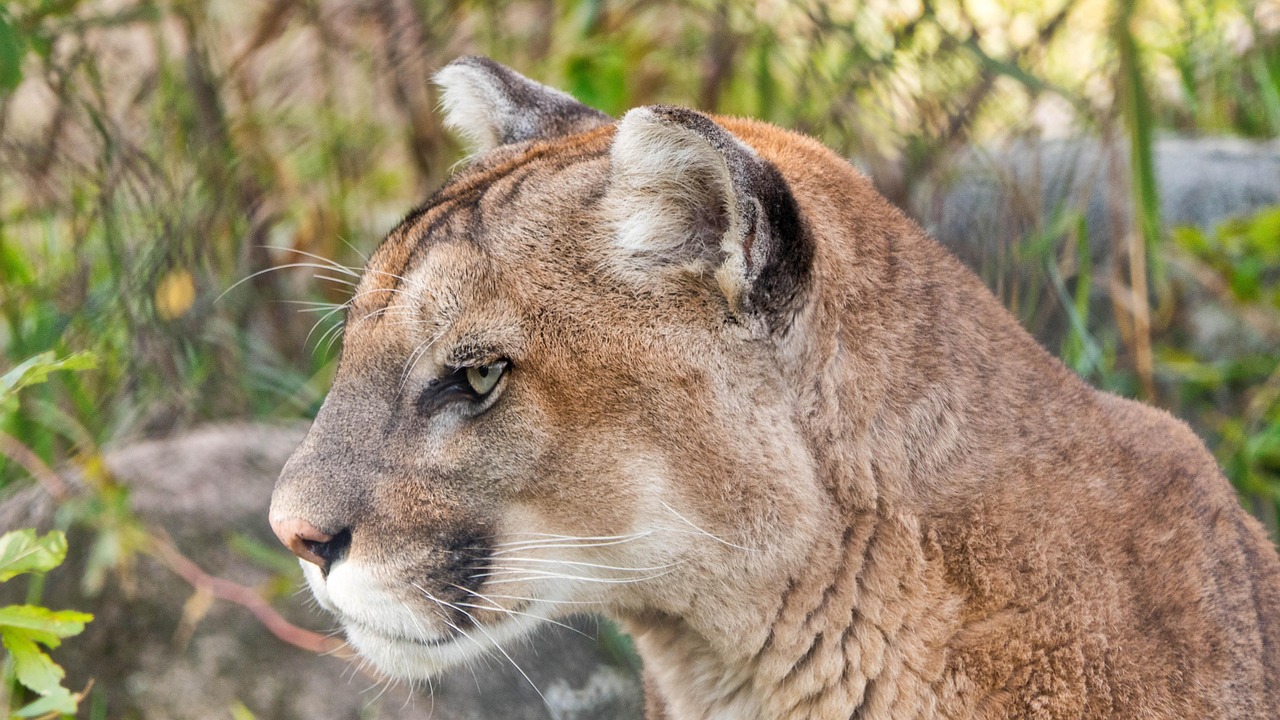
If the cougar does not flee, be more assertive, and if it shows signs of aggression like crouching with ears back, teeth bared, hissing, tail twitching, and hind feet pumping in preparation to jump, shout, wave your arms and throw anything available. This is no longer about peaceful coexistence – it’s about survival.
Throw stones around the cougar as discouragement, but avoid hitting its face to prevent increasing aggression, and if you have a rifle, fire warning shots, or use a hunting knife or walking stick to detract the cougar. Air horns can scare mountain lions, as the loud noise can startle and frighten them, causing them to retreat.
Bear spray is particularly effective. Bear spray is an effective deterrent in mountain lion attacks and pepper spray in the cougar’s face is also effective in the extreme unlikelihood of a close encounter. The range and stopping power of bear spray often provides the decisive advantage you need.
Fight Like Your Life Depends on It – Because It Does

If the cougar attacks, fight back aggressively and try to stay on your feet, as cougars have been driven away by people who fought back using anything within reach, including sticks, rocks, shovels, backpacks, and clothing – even bare hands. Humans that fight back have a much greater chance of survival than those who do not.
Do not play dead – playing dead only works when an animal is attacking defensively, but an attacking cougar wants to eat you, and if you play dead it will happily drag you away and begin its meal. This isn’t a bear encounter where submission might work.
If they attack, fight back by going for the eyes, nose, and ears, as these parts are sensitive and will cause extreme pain for the cat if harmed. When mountain lions charge, they often try to tackle their prey and go for the head or throat, so protect these areas while defending yourself.
The Prevention Strategy That Could Save Your Life
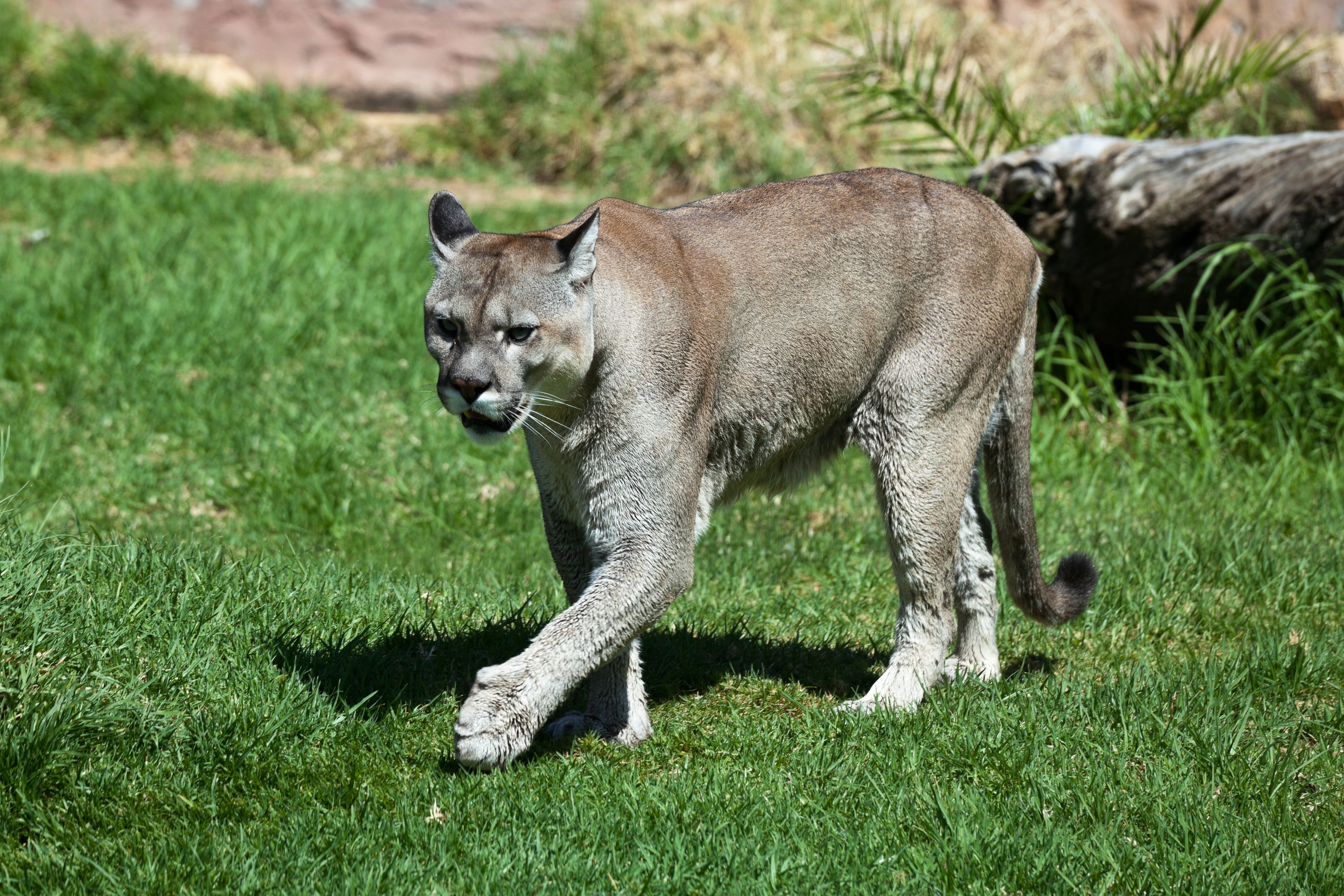
Try to hike with another person or a group if possible, as cougars are much less likely to attack people in groups and don’t like taking on more than one foe at a time. Avoid biking, hiking, or jogging at dawn and dusk, which is a cougar’s preferred hunting time, and if you must go out during these times, definitely go in a group.
Bring a bear bell with you to attach to yourself when hiking, so mountain lions will hear you coming before you actually get to them – it’s better to alert the animal that you are near before making contact. Surprising a mountain lion will increase the chance of a negative interaction.
Leave the area immediately if you come across cougar kittens, as like bears, mountain lions will defend their young. Avoid areas with freshly killed animals, as cougars often stash kills to eat later and will defend their meal.
These strategies aren’t just theoretical advice from textbooks – they’re battle-tested techniques that have saved real lives in genuine encounters. Since the early 20th century, there have been fewer than 125 documented cases of mountain lions attacking humans, and many of those who survived did so by following these exact principles. Remember, cougar attacks on humans are extremely rare, with very few human deaths due to cougars recorded in the Pacific Northwest states.
The wilderness is meant to be enjoyed, not feared. Armed with this knowledge, you can venture into cougar country with confidence rather than anxiety. What would you do if you found yourself face-to-face with one of North America’s most magnificent predators?

- The Ancient Secrets of Yellowstone’s Wild Animals Revealed - August 6, 2026
- Are Some Common Pet Behaviors Actually Signs of Undiagnosed Stress? - August 6, 2026
- 8 US States With the Most Horseshoe Crab Spawning Beaches - August 6, 2026