
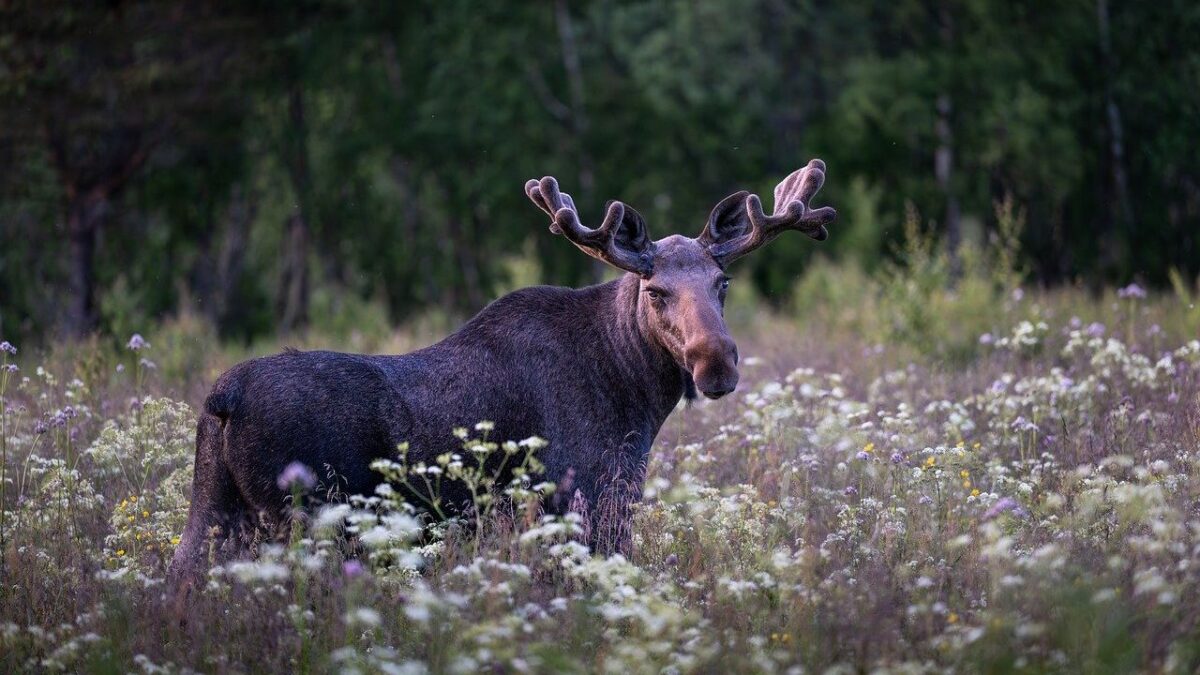
Picture this: You’re on a peaceful morning hike when suddenly, a massive shadow emerges from the willows ahead. Standing seven feet tall and weighing up to 1,800 pounds, a bull moose locks eyes with you. Your heart pounds as you realize you’re face to face with North America’s largest land animal. What happens next could determine whether you walk away unharmed or become another statistic in the surprisingly common world of moose attacks.
While moose are generally perceived to be less dangerous than bears, more people in Alaska are injured by moose than by bears each year. In North America, moose attack more people than bears and mountain lions combined. These gentle giants aren’t actually gentle at all when they feel threatened, and understanding their behavior could save your life.
The Surprising Truth About Moose Danger
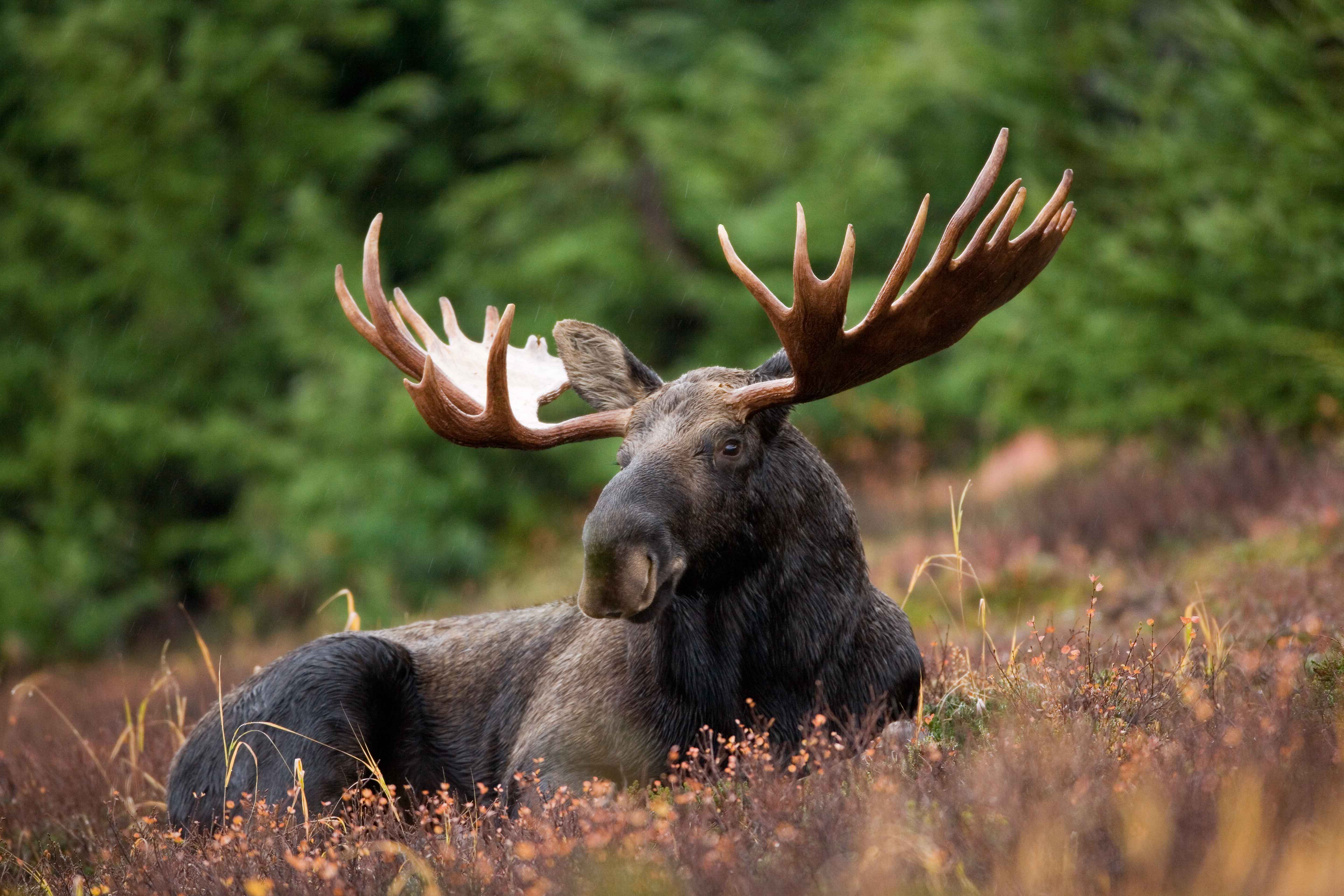
In Alaska, the moose population is between 175,000 and 200,000. Moose outnumber bears and are responsible for wounding five to 10 people in the state annually. Meanwhile, on average, three to four people are hospitalized each year as a result of a bear attack.
The statistics become even more alarming when you consider that park rangers said wild moose are more dangerous than grizzly bears. In some areas of the U.S., wildlife agencies report that more people are injured by moose than bears each year. This isn’t because moose are naturally aggressive predators, but rather due to their sheer size, unpredictable nature, and the frequency of human encounters.
Recognizing the Warning Signs Before It’s Too Late
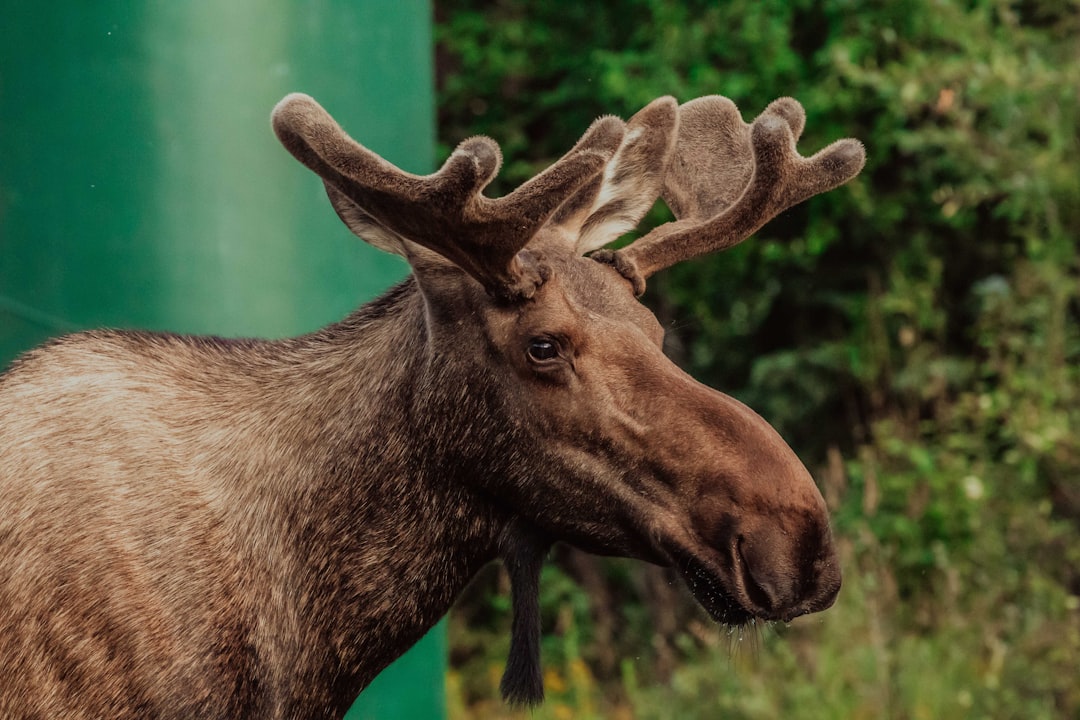
Wildlife officers emphasize that moose rarely attack without warning. The hair on its hump is raised, ears laid back, and it may lick its lips and click its teeth. Other warning signs include lowering its head and walking toward you, urinating, and showing the whites of its eyes.
They may also whip their head back like a horse, which signals imminent danger. These are all signs that a moose may attack. But sometimes it may not even show these signs at all and may just charge without warning. The key is understanding that if you are causing the moose to change its behavior in any way, you are too close.
Why Dogs Turn Moose Into Deadly Weapons
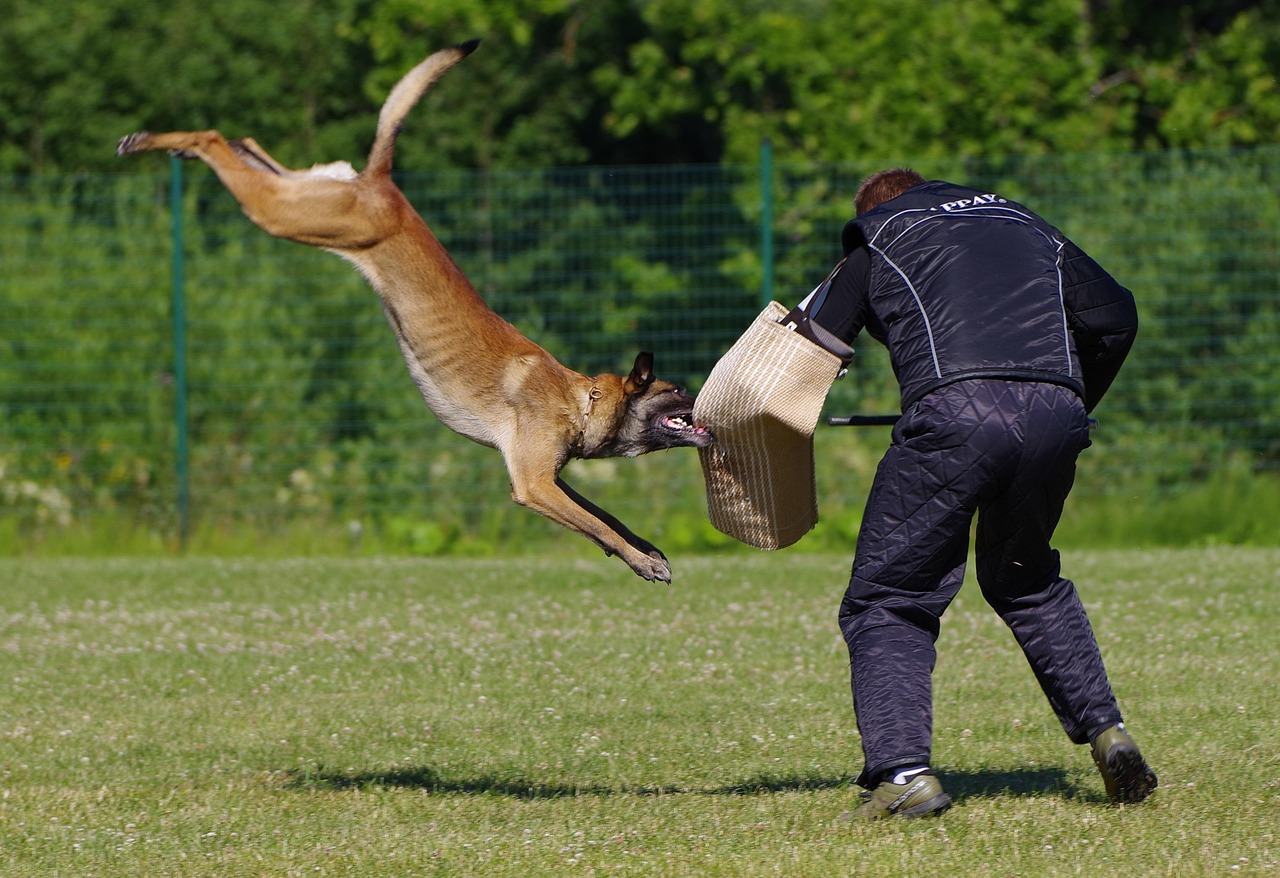
Many moose attacks on humans are actually provoked from dogs. Moose hate dogs and wolves, and become extremely aggressive by their presence, especially at a dog that barks. A dog accompanied by a human will typically bark at the moose, run up to it, and then run back to the human, triggering the moose to attack both the dog and the human owner.
Officials in the State of Colorado reported that many if not all moose attacks on humans involved the presence of dogs aggravating the moose first. Moose react to dogs as they would a wolf, one of their primary predators. The presence of dogs has led to serious moose conflicts resulting in serious injuries to humans and pets. Wildlife officers strongly recommend keeping dogs leashed and under control, or better yet, leaving them at home in moose country.
The Fatal Error Most People Make
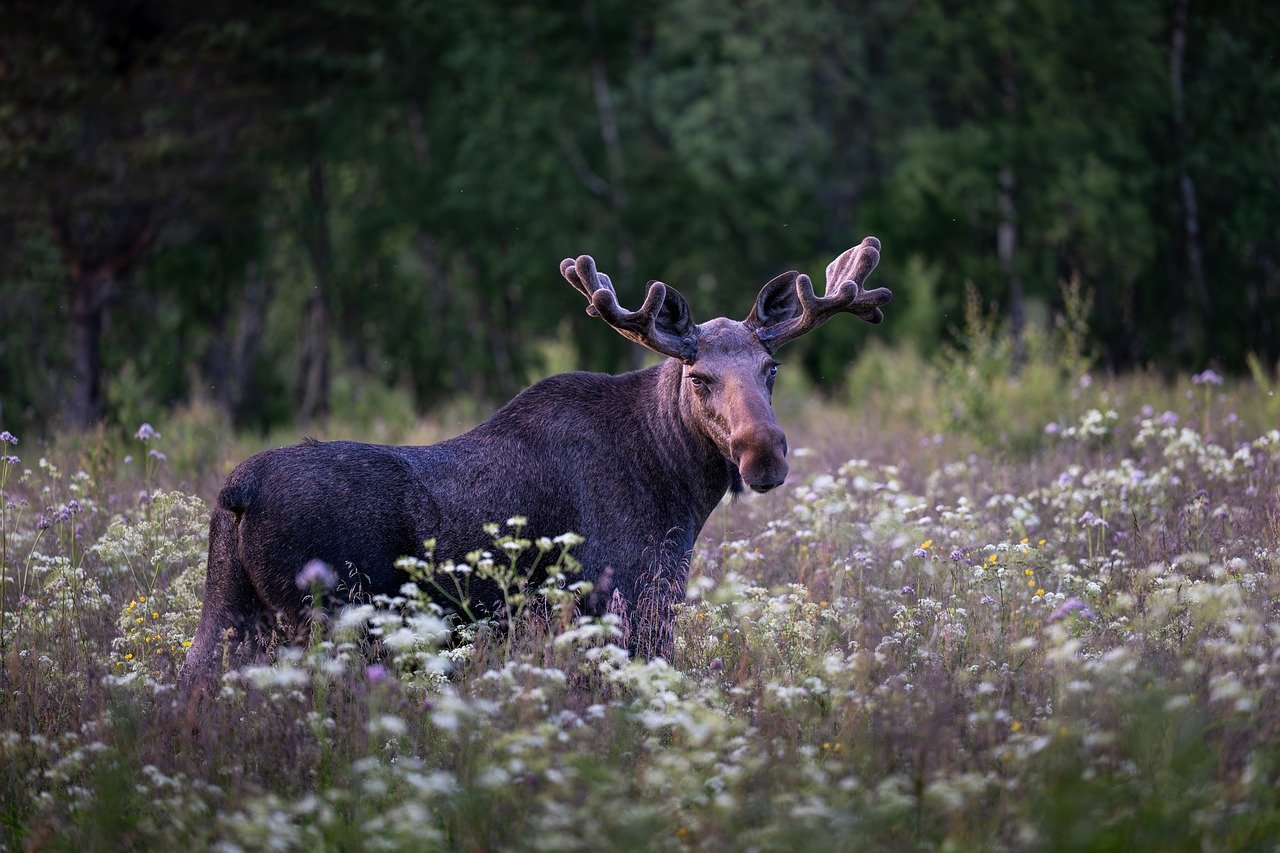
The biggest mistake people make? Unlike deer, moose aren’t usually afraid of humans, so they won’t run away just because you’re there. Their lack of fear makes it more tempting to approach them to pet them, feed them, play with them. Moose have very few natural enemies in the wild and, as a result, do not fear humans as much as most other species. Moose tolerate humans longer and at closer distances. They are extremely curious and often will approach humans or houses.
This false sense of security leads people to dramatically underestimate the danger. Even though they look slow and bored, they can run up to 35 mph, so you’re not likely to outrun a moose. When an animal weighing as much as a compact car can sprint at highway speeds, getting too close becomes a potentially fatal miscalculation.
The Critical Seasons When Moose Turn Deadly
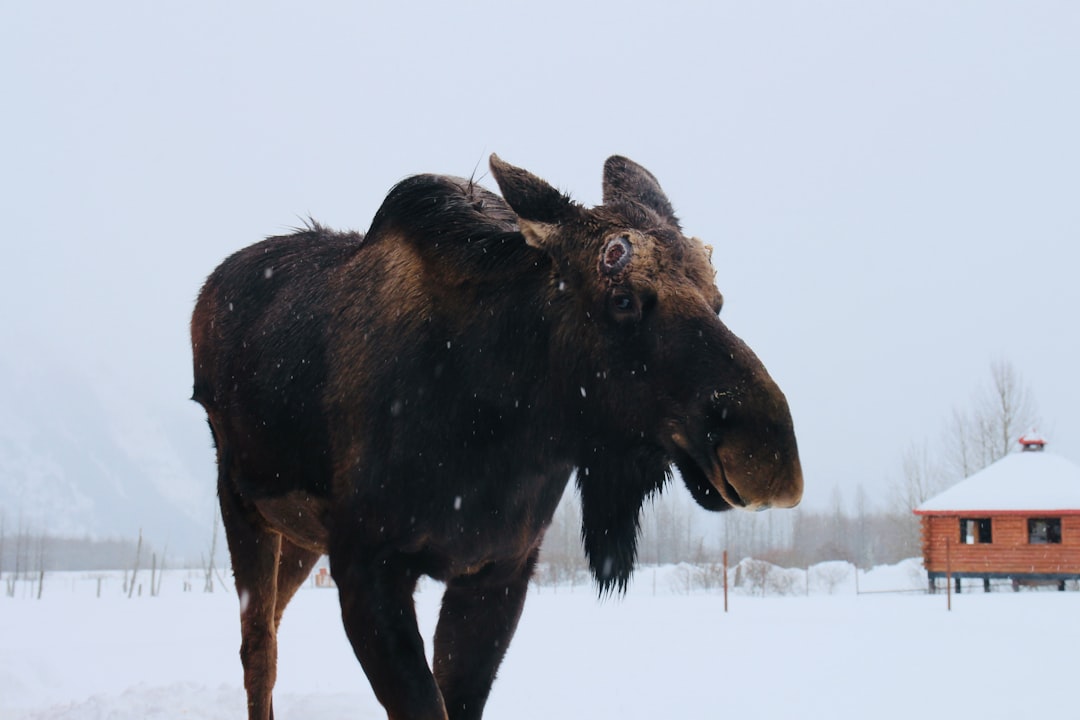
Moose attacks spike in September and October which is mating season, and early Spring also due to young calves being raised. Moose calving season typically runs from late May to mid-June, and during that time, cows can be highly aggressive. While other cervids like deer are likely to run from perceived danger, moose will stand their ground, particularly when there is a calf nearby.
Cows often leave their young bedded in thick vegetation while they graze nearby, and it’s not unusual for people or dogs to stumble into a bad situation without ever seeing the calf. During the fall mating season in late September to October, bull moose can be particularly aggressive to humans. This is partly because their natural aggression is bolstered because of an increase in testosterone. Testosterone is an anabolic steroid so when animals are supped up on this stuff, think along the lines of a bodybuilder with roid rage.
What Actually Works When a Moose Charges
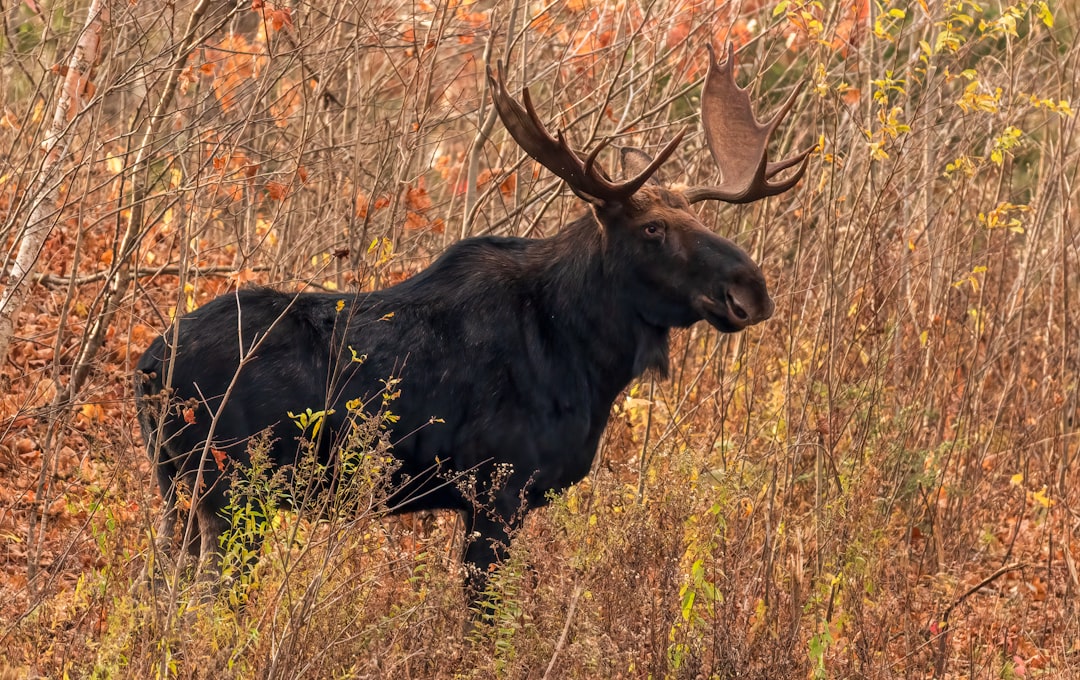
Fortunately most moose charges are bluffs, warning you to stay back. But if a moose does charge, don’t wait to find out if it’s bluffing. Run and get behind something solid, like a tree, or retreat to a safe place, like inside a building or car. Unlike with bears or even dogs, it is usually a good idea to run from a moose because they won’t chase you very far. Get behind something solid; you can run around a tree faster than a moose.
Wildlife officers stress that running is often your best option with moose, unlike with bears where playing dead might work. Unlike bears, moose will generally not chase you if you run. They don’t have a predator’s instinct, so running from them is generally enough to show that you mean no harm. Therefore, run away and get behind something solid such as the nearest tree or vehicle as quickly as you can.
Life-Saving Actions If You Get Knocked Down
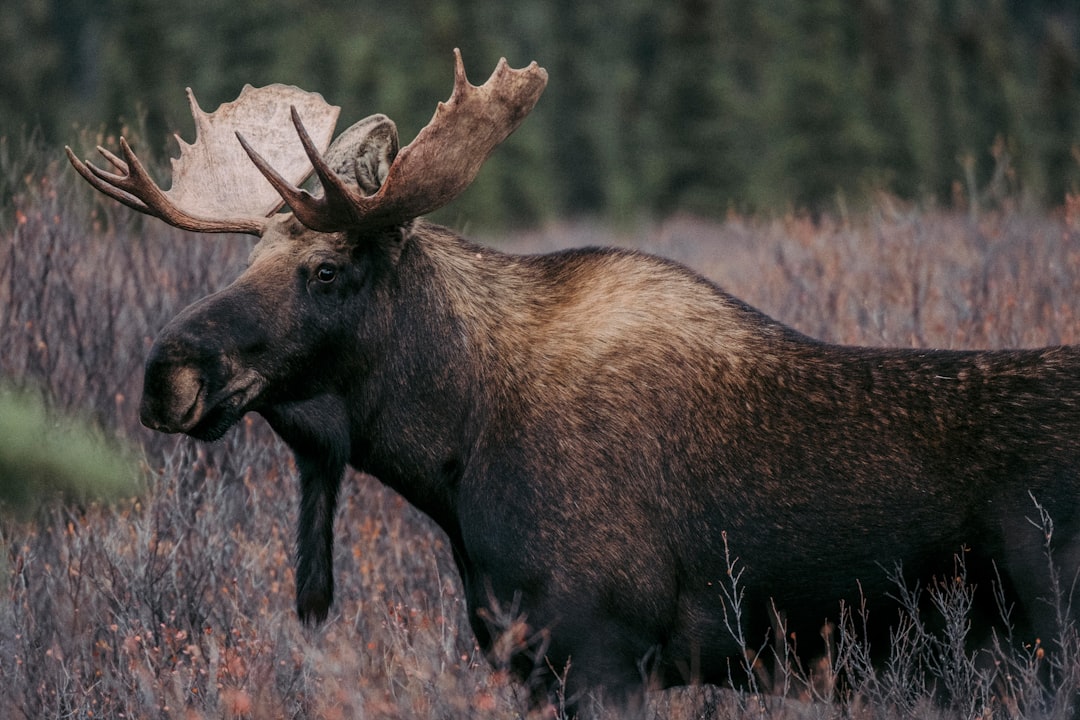
If the worst happens and a moose catches you, wildlife officers have specific instructions that could save your life. If you’re unfortunate enough to come into physical contact with the marauding moose, curl into a ball to protect your head and vital organs. You may be kicked and stomped on, but a moose is unlikely to extend an attack for very long. Once it’s convinced you’re not a threat, it’s going to break off the assault and move on.
If it knocks you down, curl up into a ball and play dead. This position will help protect your head and organs. Don’t get up until it has left the area or it may attack again. Remember, it’s not trying to eat you, just neutralize the threat. Do NOT resist or fight back, as this will only trigger it to keep attacking you. Curl up into the fetal position and cover your head/neck with your arms/hands and stop moving and the moose will likely go away.
The Distance That Could Save Your Life
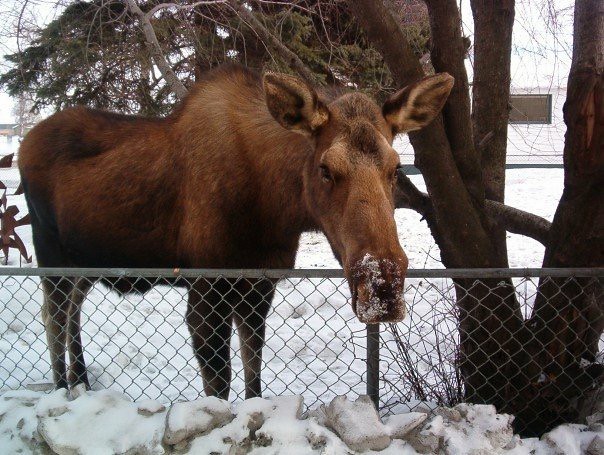
Wildlife biologists have developed a simple rule that could prevent most moose encounters from turning dangerous. You should be far enough away to get behind the nearest tree before a galloping horse could get there, explains Kristine Rines, wildlife biologist with New Hampshire Fish and Game. This translates to maintaining at least 50 feet of distance whenever possible.
As a general rule, if you are causing the moose to change its behavior in any way, you are too close. Follow the rule of thumb: if you can cover the entire wild animal with your thumb you’re at a safe distance. This distance is usually 100 yards from wildlife. Use binoculars or zoom lenses to observe these magnificent creatures safely rather than risking a close encounter that could turn deadly.
The next time you’re hiking in moose country, remember that these seemingly docile giants are responsible for more injuries than the apex predators we typically fear. Understanding their warning signs, respecting their space, and knowing how to react during an encounter could be the difference between an amazing wildlife sighting and a trip to the emergency room. What would you do if you suddenly found yourself face to face with one of these massive creatures?

- 7 Hidden Conditions That Invite Termites Into Your Walls - August 6, 2026
- What It Means When Hummingbirds Return on Nearly the Same Date Every Year - August 6, 2026
- What It Means When a Dog Refuses to Enter a Room It Once Loved - August 6, 2026