

When you imagine natural disasters in America, hurricanes and earthquakes often come to mind first. Yet hiding in the heartland, a different kind of catastrophe holds the record as the most expensive weather event . The story begins on an ordinary Sunday afternoon in Missouri, where high school graduates were celebrating their future while an invisible monster was forming on the horizon.
The May 22, 2011 Joplin tornado holds the devastating distinction of being the costliest single , with damages totaling $2.8 billion, equivalent to about $4 billion today. What makes this figure even more striking is how quickly those billions in losses accumulated during just 38 minutes of destruction.
The Day Everything Changed
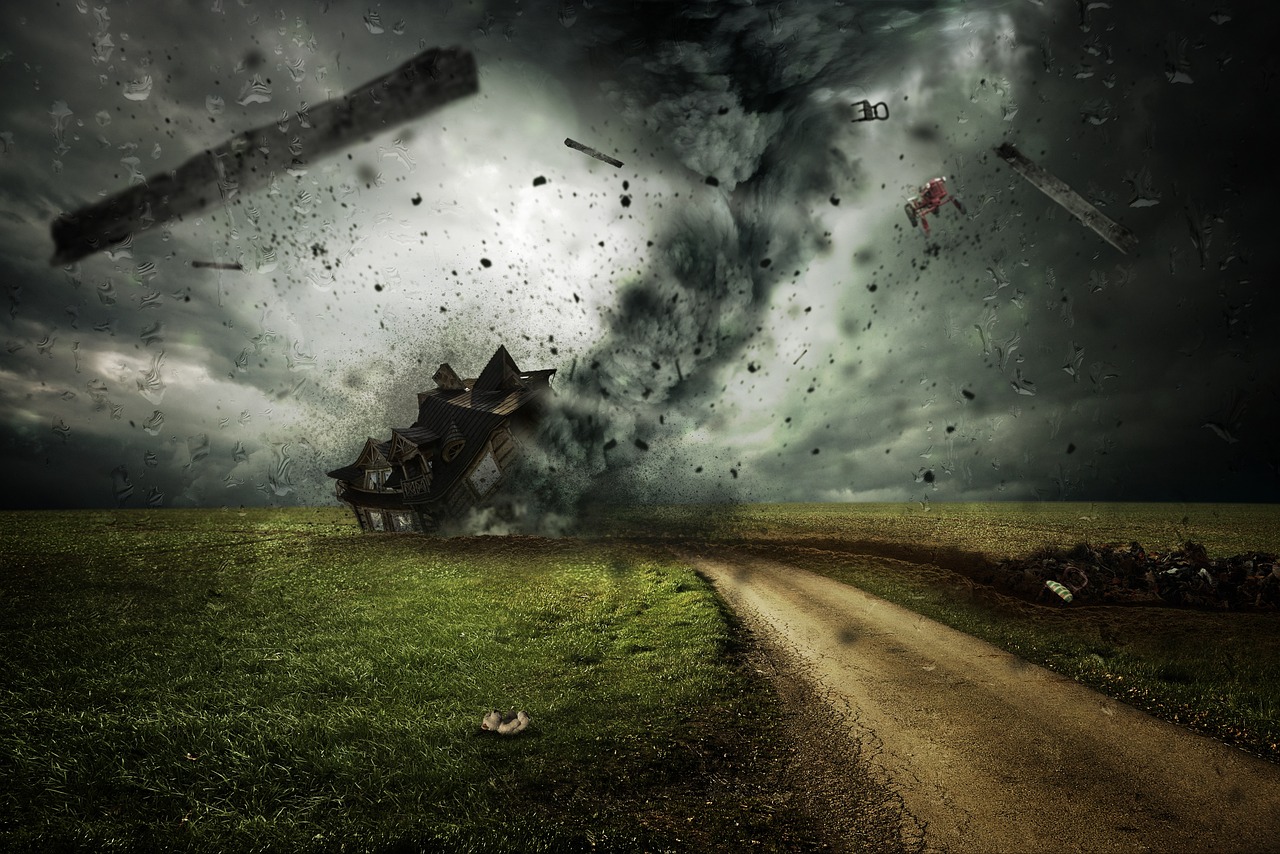
May 22, 2011 began as a celebratory day in Joplin, Missouri, with 455 high school seniors gathering on their football field to celebrate graduation with family and friends. The ceremony ended at 5:17 p.m., and within minutes, tornado sirens began to sound as an EF5 tornado warning was issued, with the twister striking just 24 minutes later.
The tornado initially formed as a weak EF-0 but rapidly intensified to EF5 strength, with winds peaking at 225 to 250 mph and producing catastrophic damage that bent and twisted metal, leveled buildings, and piled cars on top of each other. What made this tornado particularly deadly was its unusual characteristics: it was up to a mile wide at some points and moved relatively slowly through densely populated areas.
The Path of Destruction
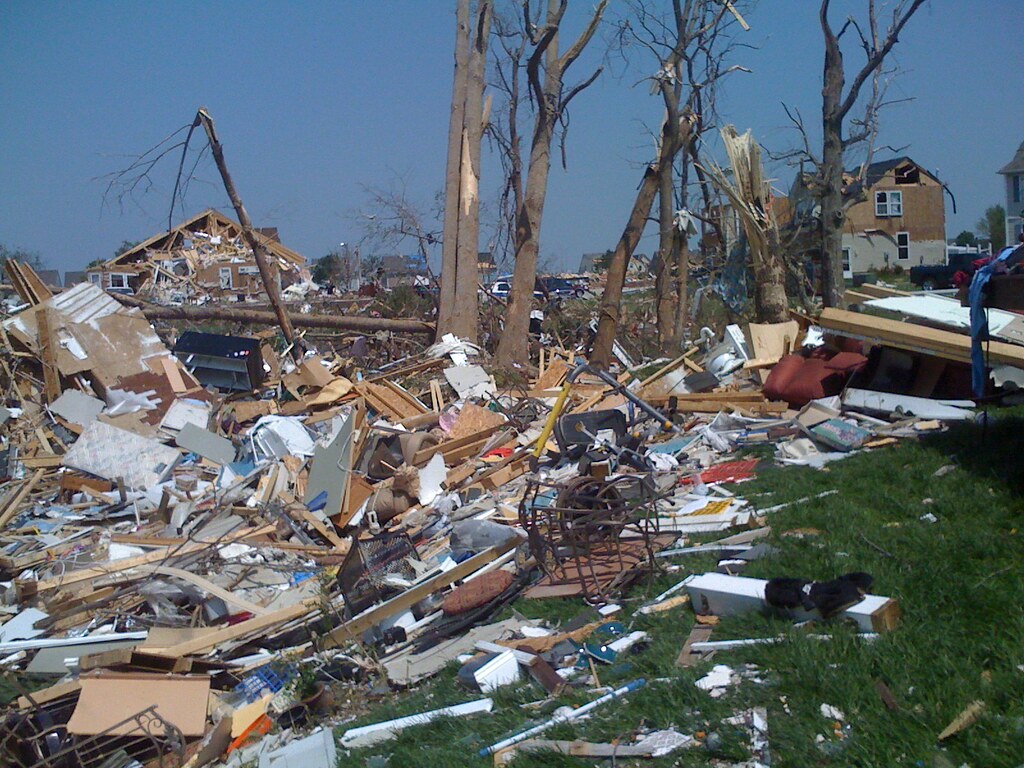
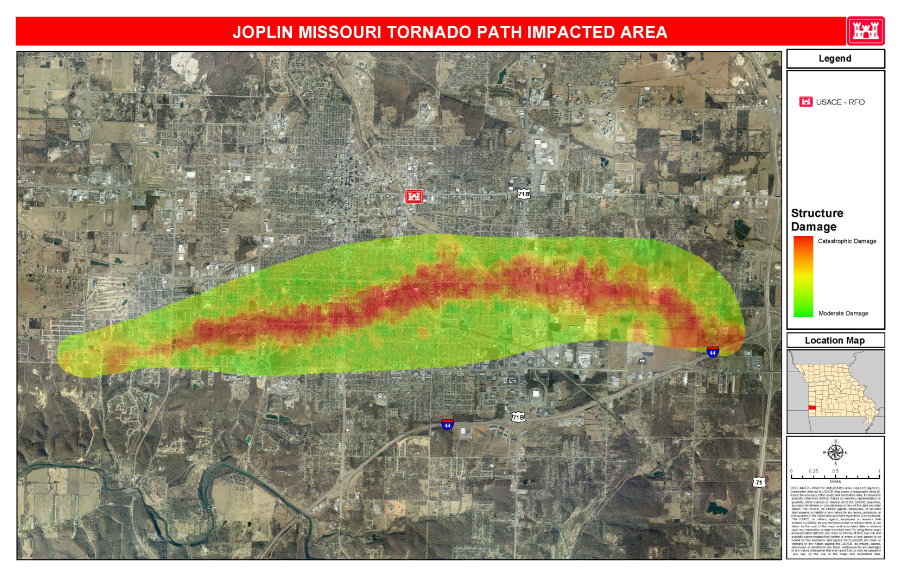
The tornado carved a path 22.1 miles long and up to three-quarters to one mile wide at its widest point, staying on the ground for an estimated 38 minutes from start to finish. More than 75 percent of the city suffered tornado-related damage, with 25 percent completely destroyed, affecting nearly 8,000 buildings and destroying over 4,000 houses.
The damage included major facilities like one of Joplin’s two hospitals as well as much of its basic infrastructure, with a total of 161 people killed and over 1,150 others injured along the path. Critical infrastructure took devastating hits, including schools, fire stations, and the regional medical center that served the entire area.
The Staggering Financial Impact
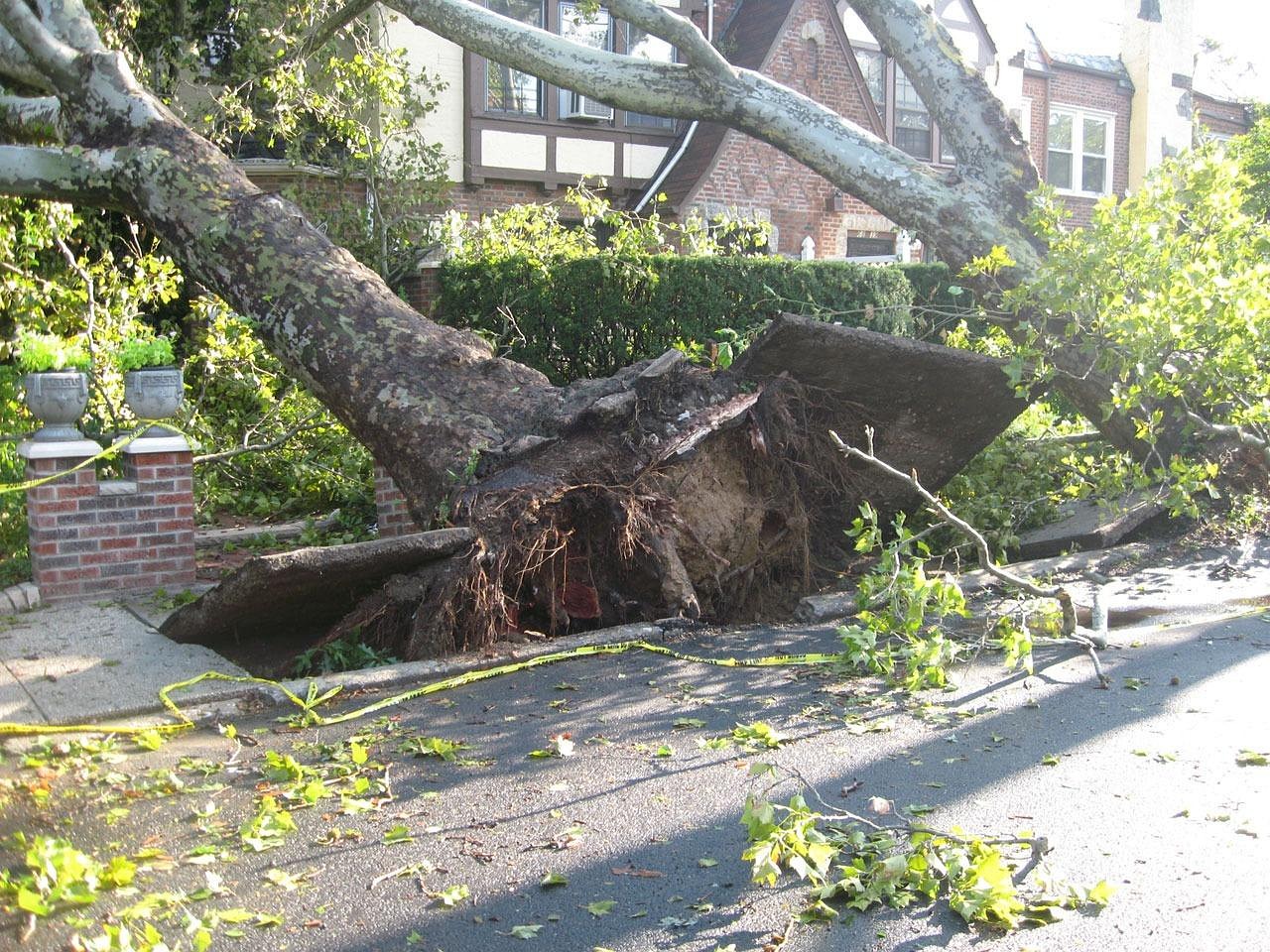
The net result was $2.8 billion in losses citywide due to tornado damage, making the Joplin tornado the costliest on record and one of only three in United States history to exceed $2 billion in adjusted-value losses, with losses including $1.3 billion in commercial property, $554 million in residential property and $51 million in private vehicles. The insurance payout was the highest in Missouri history, breaking the previous record of $2 billion from a hailstorm in 2001.
The calculations included all commercial and residential property affected, the demolition of condemned properties and the disposal of three million cubic yards of residential debris. These numbers represent more than just statistics; they reflect thousands of shattered lives and livelihoods that needed rebuilding from the ground up.
A Hospital Under Siege
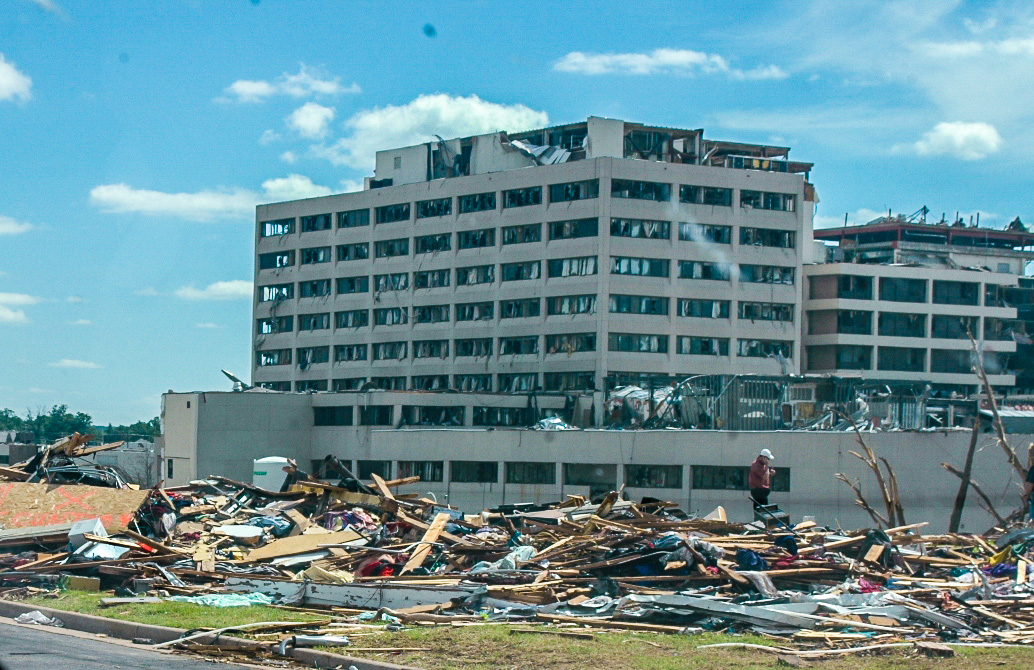
Saint John’s Regional Medical Center suffered a direct hit that resulted in the top two floors being ripped from the structure and every window in the hospital being blown out. Healthcare personnel managed to evacuate 183 patients in just ninety minutes from a building that suffered significant damage and faced water and gas leaks.
In a remarkable display of corporate responsibility, Mercy Health publicly announced their commitment to rebuilding the hospital and continued paying normal wages to coworkers while maintaining physician compensation at pre-tornado levels. This decision proved crucial in preventing economic collapse alongside the physical devastation.
The Human Cost Behind the Numbers
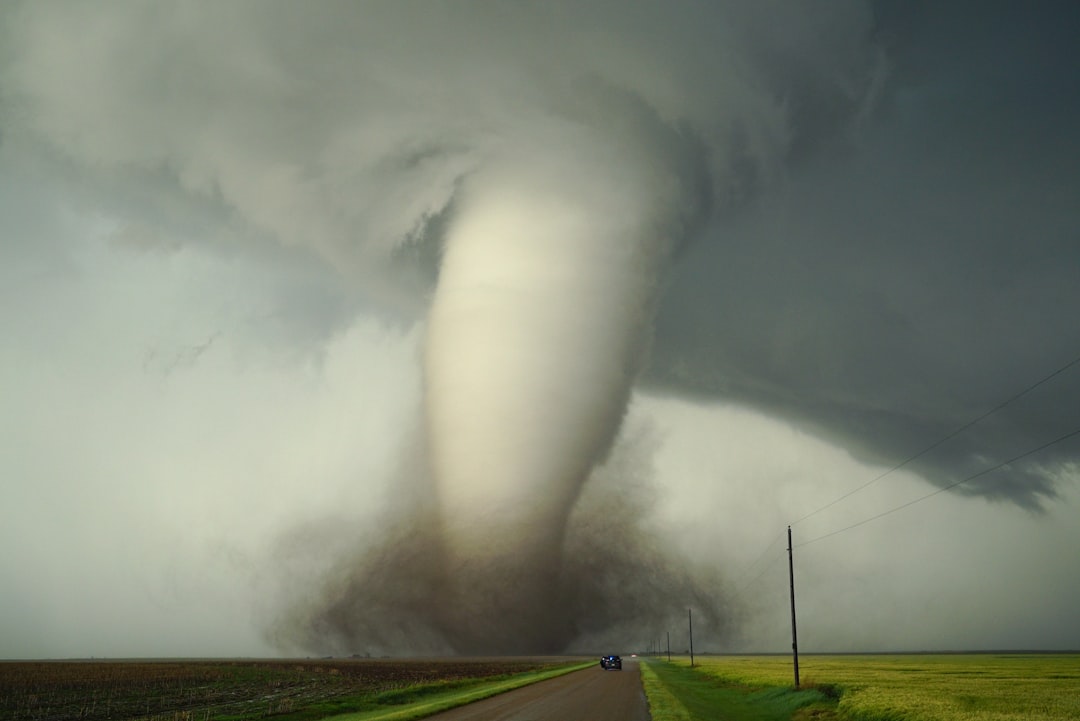
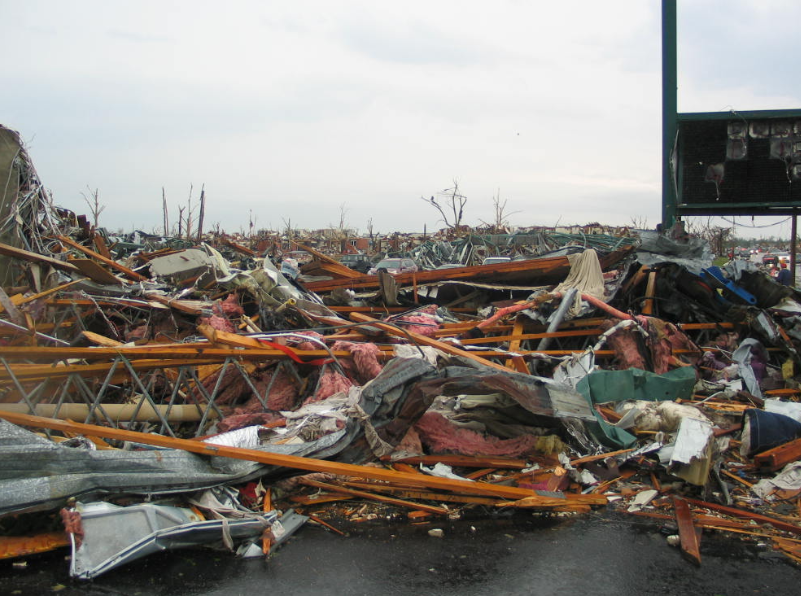
A total of 7,500 residences were damaged by the tornado, with 4,000 of those homes completely destroyed, affecting more than seventeen thousand of Joplin’s fifty thousand residents. Besides the 161 lives lost, more than half of the damaged residences were completely destroyed, leaving 9,200 people displaced from their homes, with entire neighborhoods wiped out in some areas, leaving nothing but debris.
The tornado affected 5,000 employees and 500 businesses, generating more than 3 million cubic yards of debris. The scale of displacement was unprecedented for a single tornado event, creating a refugee crisis in the heart of Missouri that required massive coordination to address basic human needs.
Unprecedented Recovery Efforts
More than 126,800 individuals from across the country put in some 755,300 hours of community service in the Joplin area in the year since the tornado, with their efforts representing more than 82 years of community service. The outpouring included people from all over the world, including a man from Japan who had been helped by Americans after the tsunami and wanted to pay it forward, as well as St. Louis students who gave up their spring break to come to Joplin to help build houses.
Joplin’s rapid recovery resulted from Federal, state and local officials letting the voluntary sector, including businesses, national charities, churches, and local community groups, lead the response and recovery. This approach contrasted sharply with the top-down management seen in other disasters, allowing for more flexible and responsive aid distribution.
Building Back Stronger
The city, warned by federal officials that it should expect to lose 25% of its population following the tornado, responded quickly and built an average of five houses a week between 2011 and 2022, with most businesses reopening and more than 300 new businesses opening between 2011 and early 2016. As of 2014, 90% of the homes and businesses that were destroyed by the tornado were replaced.
Joplin Area Habitat for Humanity constructed 176 new homes with partner families in the ten years following, with 110 of those being tornado-related rebuilds, celebrating their 105th house built in just five years by October 2015. The rebuilding effort became a model for disaster recovery nationwide, showing how communities could emerge stronger from catastrophic loss.
Lessons That Shaped the Future
In response to the tragedy at Joplin and other devastating tornadoes of 2011, the National Weather Service explored and implemented enhancements to improve severe weather warning and response, with the tornado helping inspire FEMA to create the Waffle House Index for disaster preparations. These changes reflected hard-learned lessons about communication and preparedness that continue to save lives today.
In the years following the tornado, the city implemented several measures to improve its disaster response capabilities, including enhanced emergency communication systems, better building codes, and more robust disaster relief plans. The legacy of Joplin extends far beyond its borders, influencing how America prepares for and responds to natural disasters.
The Joplin tornado stands as more than just the costliest tornado in American history. It represents a turning point in disaster response, community resilience, and the power of human compassion in the face of unimaginable destruction. While the $2.9 billion price tag tells one story, the true measure of Joplin’s experience lies in how a community refused to be defined by 38 minutes of devastation and instead chose to build something better than what was lost. What would you have done if your entire community needed rebuilding from scratch?

- 7 Things Skunks Do Before They Spray - August 6, 2026
- 7 Reasons Sea Otters Matter to California's Kelp Forests - August 6, 2026
- 8 Backyard Birds That Remember Safe Gardens After Migration - August 6, 2026