
Across the United States, several national monuments and memorials have become flashpoints for controversy—not only because of who or what they honor, but because of where they stand. For many Native American communities, these sites represent painful histories, broken treaties, or the desecration of sacred landscapes. While public debates often focus on artistic or patriotic symbolism, Indigenous voices highlight a deeper truth: monuments can wound when they ignore the people whose land they occupy or whose suffering they overshadow.
Here are five national monuments and memorials that many Native Americans find offensive or problematic, and why the tension around them continues today.
1. Mount Rushmore National Memorial
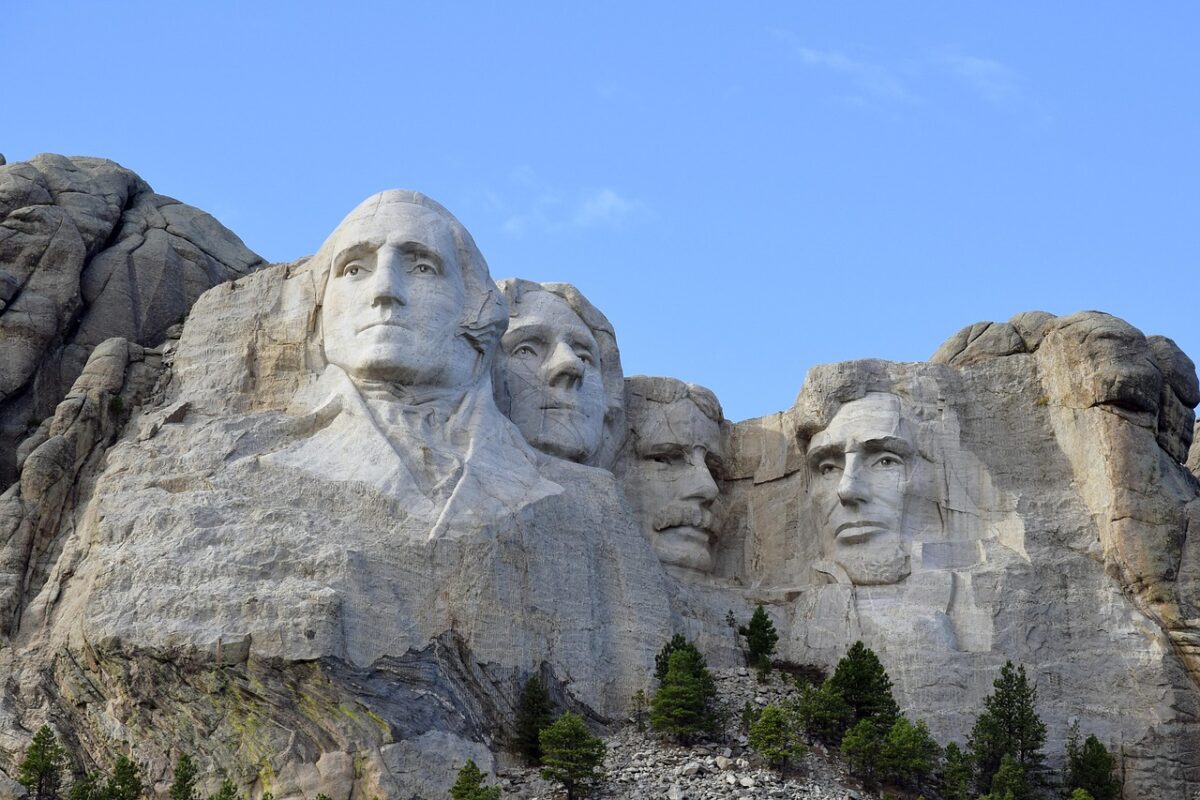
Located in the Black Hills of South Dakota, Mount Rushmore is one of the most recognized monuments in the United States—and one of the most controversial. The Black Hills were promised to the Sioux Nation in the Treaty of Fort Laramie (1868), but the U.S. government seized the land after gold was discovered, violating the agreement.
To many Native Americans, carving the faces of four U.S. presidents—George Washington, Thomas Jefferson, Theodore Roosevelt, and Abraham Lincoln—into a sacred mountain adds insult to injury. These leaders are associated with policies that led to Native displacement, broken treaties, and forced removal. Instead of a patriotic symbol, Mount Rushmore is seen by many tribes as a monument to colonization on stolen land.
2. Crazy Horse Memorial
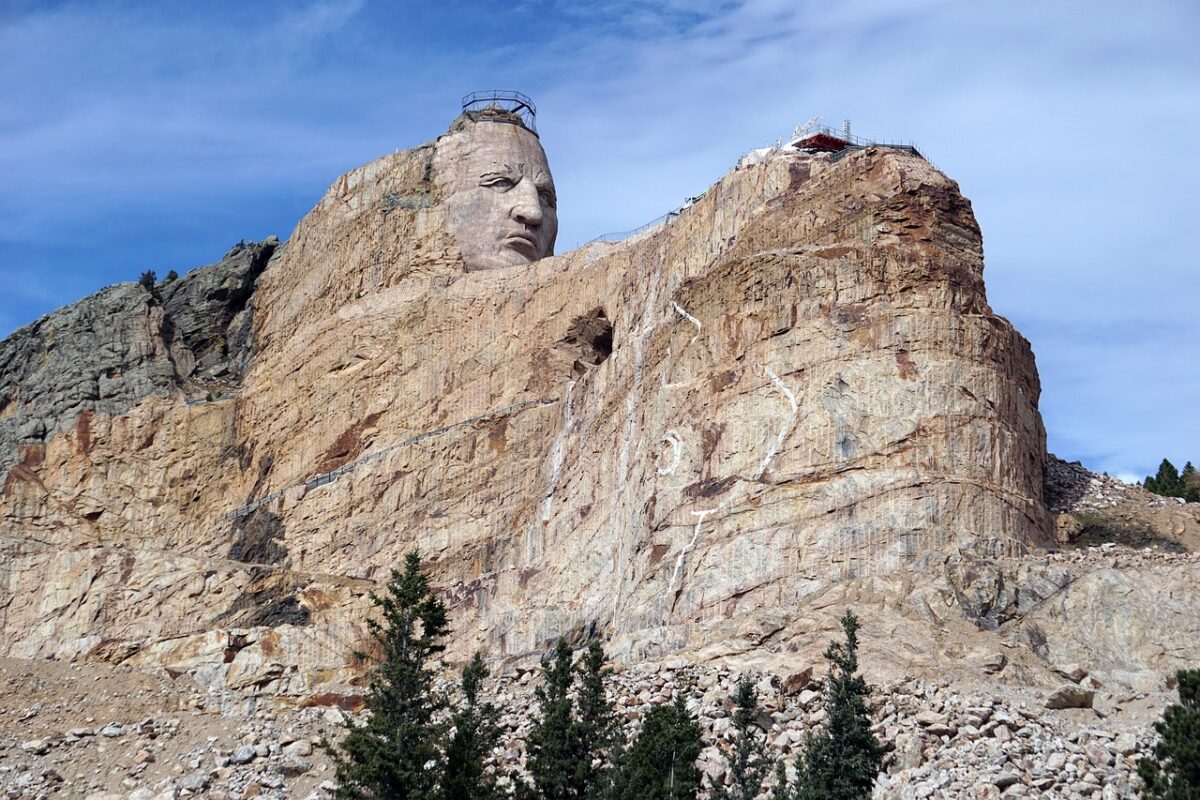
Although the Crazy Horse Memorial was designed to honor the famous Oglala Lakota leader, it remains deeply divisive among Native communities. The massive carving is being sculpted into Thunderhead Mountain, a place held sacred by the Sioux Nation.
Some Indigenous critics argue that Crazy Horse himself would have rejected such a monument, as he opposed having his likeness recorded or celebrated in this way. They see the project as a commercial venture built on exploited land rather than a true tribute to Lakota culture. For them, the carving represents another form of desecration—this time done in the name of honoring a hero who valued humility and spiritual connection to the land.
3. Bears Ears National Monument
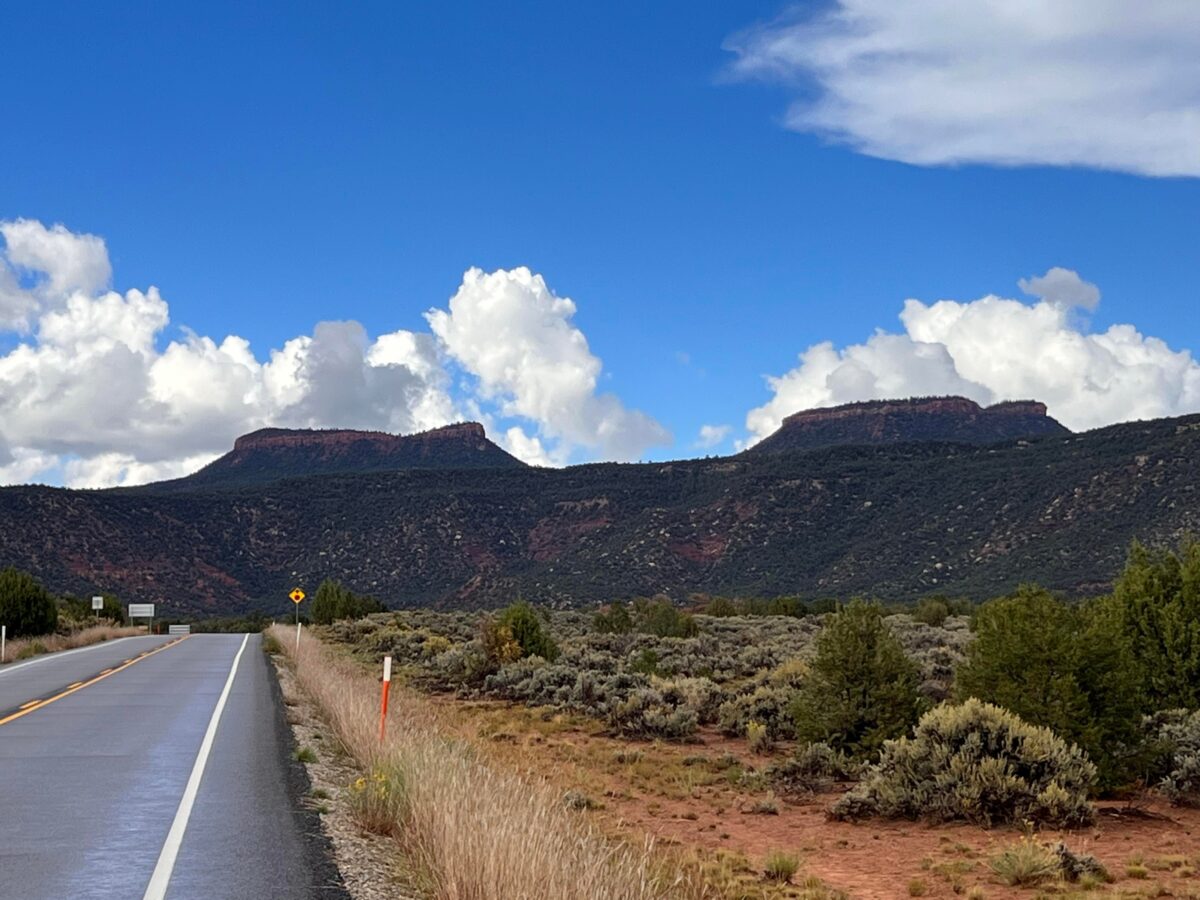
Created in 2016 after years of advocacy, Bears Ears National Monument in Utah protects tens of thousands of archaeological sites and ancestral homelands of the Navajo, Hopi, Zuni Pueblo, Ute Mountain Ute, and Ute Indian Tribes. While many Native nations strongly support its preservation, the monument has not been without controversy—including within Native communities themselves.
Some Navajo residents in Utah initially opposed the designation, worried that federal oversight might restrict traditional activities like gathering medicinal plants, firewood, and conducting religious ceremonies. Others viewed it as an essential shield against looting, mining, and vandalism. The monument became a political battleground when its size was drastically reduced under the Trump administration and later restored by President Biden—a move welcomed by tribal leadership but still debated by some locals.
4. Statues of Colonial Figures
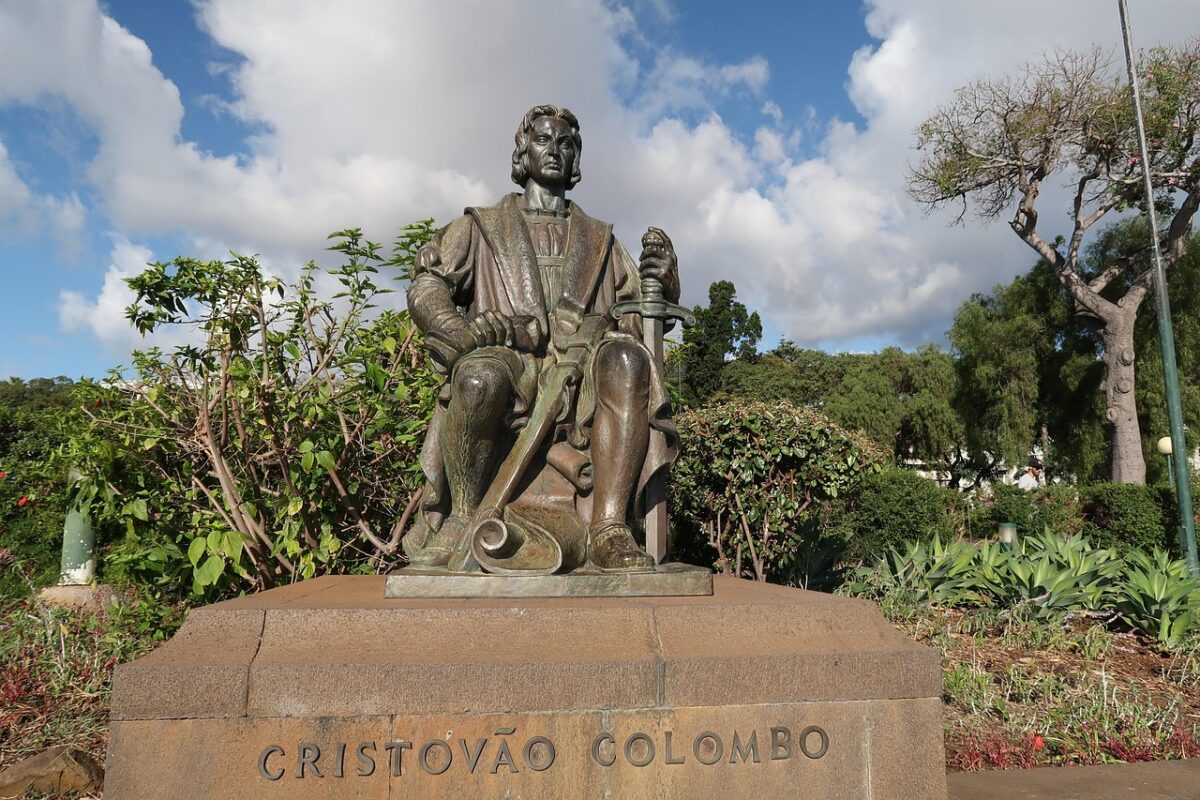
Statues of figures such as Christopher Columbus, Junípero Serra, and Juan de Oñate have sparked intense backlash for their roles in the violence, forced conversion, enslavement, and mass displacement of Native peoples during colonization.
- Columbus is widely criticized for initiating the brutal colonization of the Americas.
- Serra, canonized by the Catholic Church, oversaw mission systems in California that led to the exploitation, abuse, and death of thousands of Native people.
- Oñate, infamous for brutalizing Pueblo communities in the Southwest, is regarded by many Native Americans as a symbol of oppression.
These statues have been removed, toppled, or protested across the U.S. as Indigenous communities demand a reexamination of who deserves to be honored in public spaces.
5. Canyon de Chelly National Monument
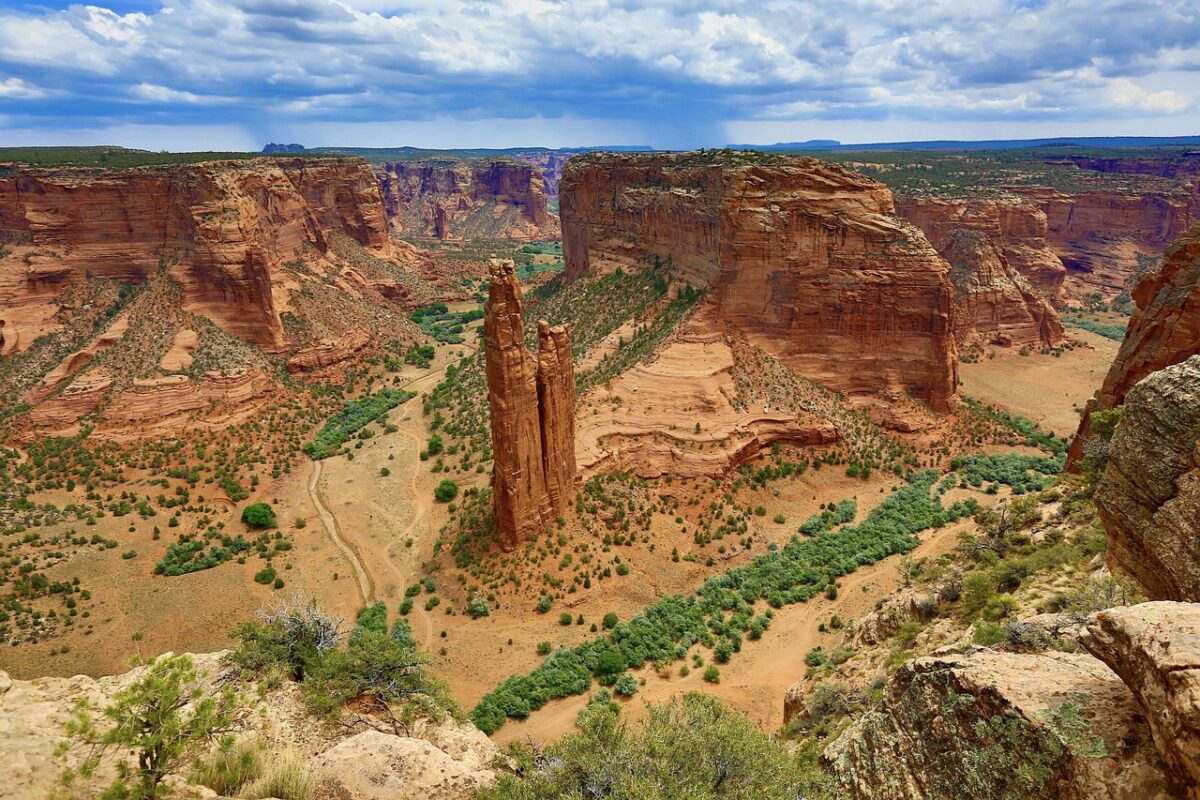
While Canyon de Chelly in northeastern Arizona is beloved for its natural beauty and ancient sites, it is also a place of historical trauma. The canyon was the site of the 1864 forced removal of Navajo people, known as the Long Walk, during which hundreds died on the way to the Bosque Redondo internment camp.
Although the National Park Service manages the monument, the land itself belongs to the Navajo Nation, creating complex tensions between federal administration and tribal ownership. Many Diné (Navajo) people feel that existing government-framed interpretive displays inadequately acknowledge the suffering endured there. For them, Canyon de Chelly is not just a scenic monument—it is a reminder of deep loss, cultural disruption, and survival.

- Wildlife Biology Says River Otters Return Before Most Rivers Are Fully Restored - August 14, 2026
- Wildlife Biology Says Owls Depend on Dead Trees More Than Living Ones - August 14, 2026
- 10 Cat Breeds That Tolerate Dogs Surprisingly Well - August 14, 2026