
The natural world is filled with creatures whose visual capabilities far exceed our own human perception. While we think our sight is impressive, nature has crafted visual systems that can detect ultraviolet patterns, thermal radiation, and even polarized light. These extraordinary adaptations allow animals to navigate their environments with precision we can barely imagine.
From the depths of the ocean to the heights of the sky, evolution has equipped certain species with remarkable visual tools. Their eyes can spot prey from incredible distances, see through complete darkness, or detect subtle color variations that are entirely invisible to us. Let’s explore the fascinating world of animal vision and discover what these extraordinary creatures can truly see.
Mantis Shrimp: The Ultimate Color Champion
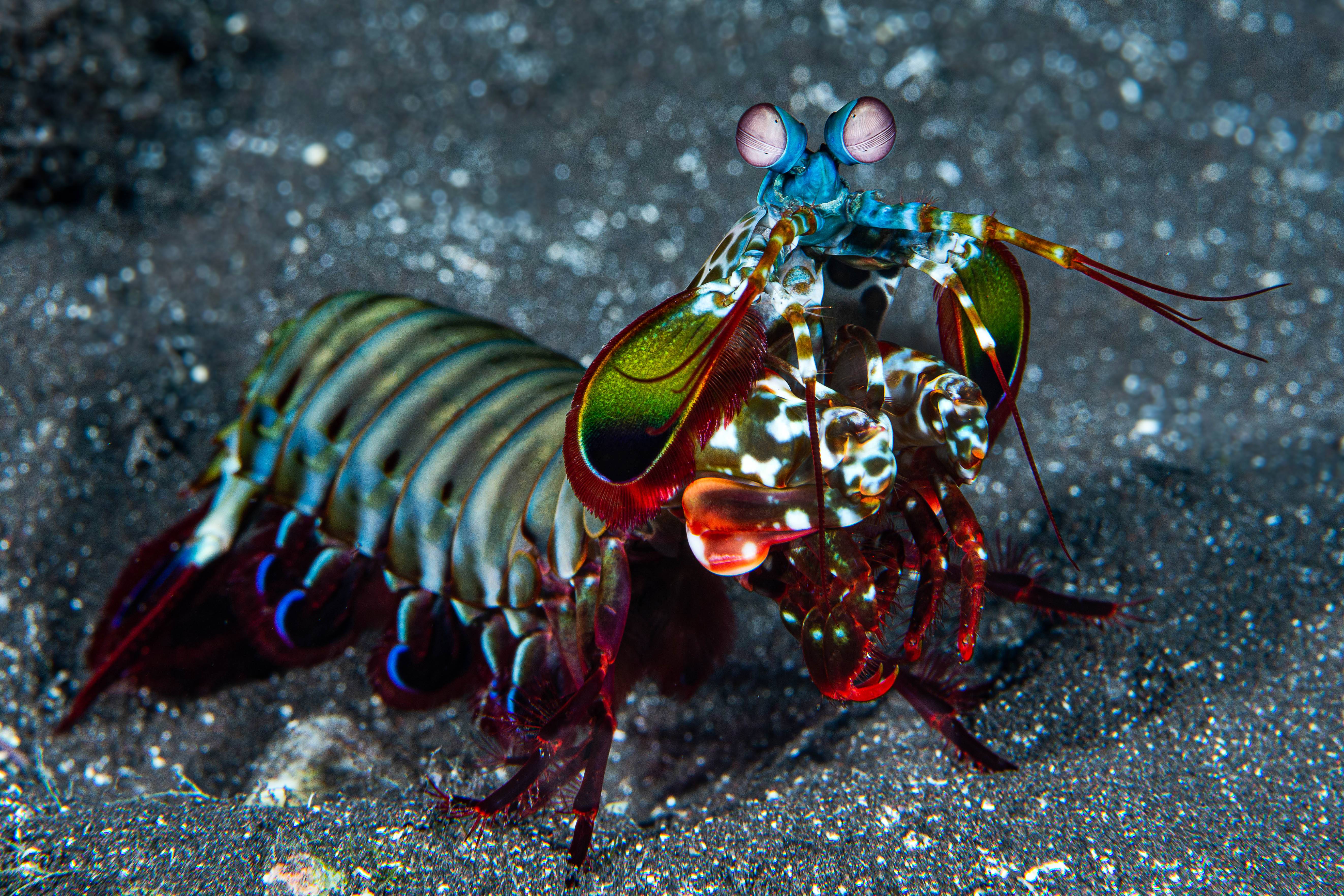
The mantis shrimp possesses one of the most complex visual systems in the animal kingdom, with up to 16 different types of photoreceptor cells compared to just three in humans. With 12 color photoreceptors, they can perceive colors beyond the human spectrum, including ultraviolet and infrared light.
While humans have three types of color-receptive cones (red, green, and blue), mantis shrimp have sixteen types of color receptors, including ones for ultraviolet light. This complex visual system does not necessarily mean they see more colors; instead, it allows for rapid color differentiation, which is crucial in the quick, murky, and competitive environments they navigate. Their eyes, which are mounted on mobile stalks and can move independently, also allow for a 360-degree field of vision.
Peregrine Falcon: The High-Speed Hunter
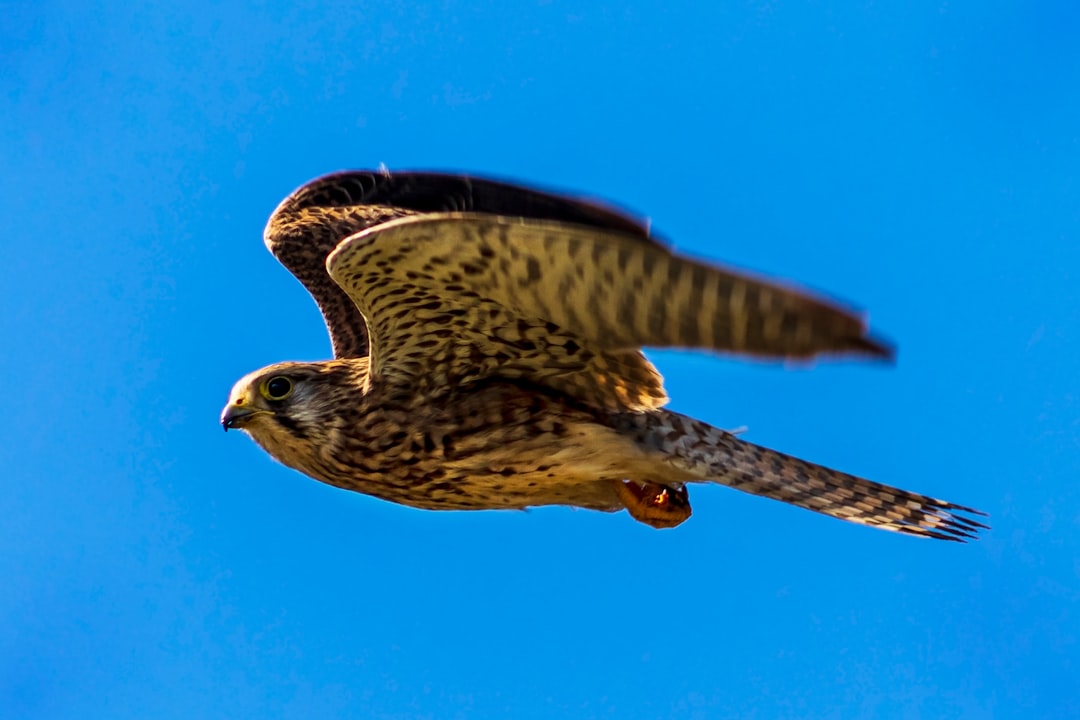
Peregrine Falcons dive at speeds exceeding 240 MPH in pursuit of prey and have eyesight that is 8 times better than humans. They can spot medium size prey from at least 1 mile away, to us it’s like seeing a rabbit from 17.6 football fields.
The results show that the peregrine falcon has the fastest vision and can register 129 Hz (blinks per second) provided the light intensity is high. Under the same conditions, the saker falcon can see 102 Hz and the Harris’s hawk 77 Hz. Extremely acute vision and the ability to rapidly process different visual impressions — these 2 factors are crucial when a peregrine falcon bears down on its prey at a speed that easily matches that of a Formula 1 racing car.
Pit Vipers: Thermal Vision Masters
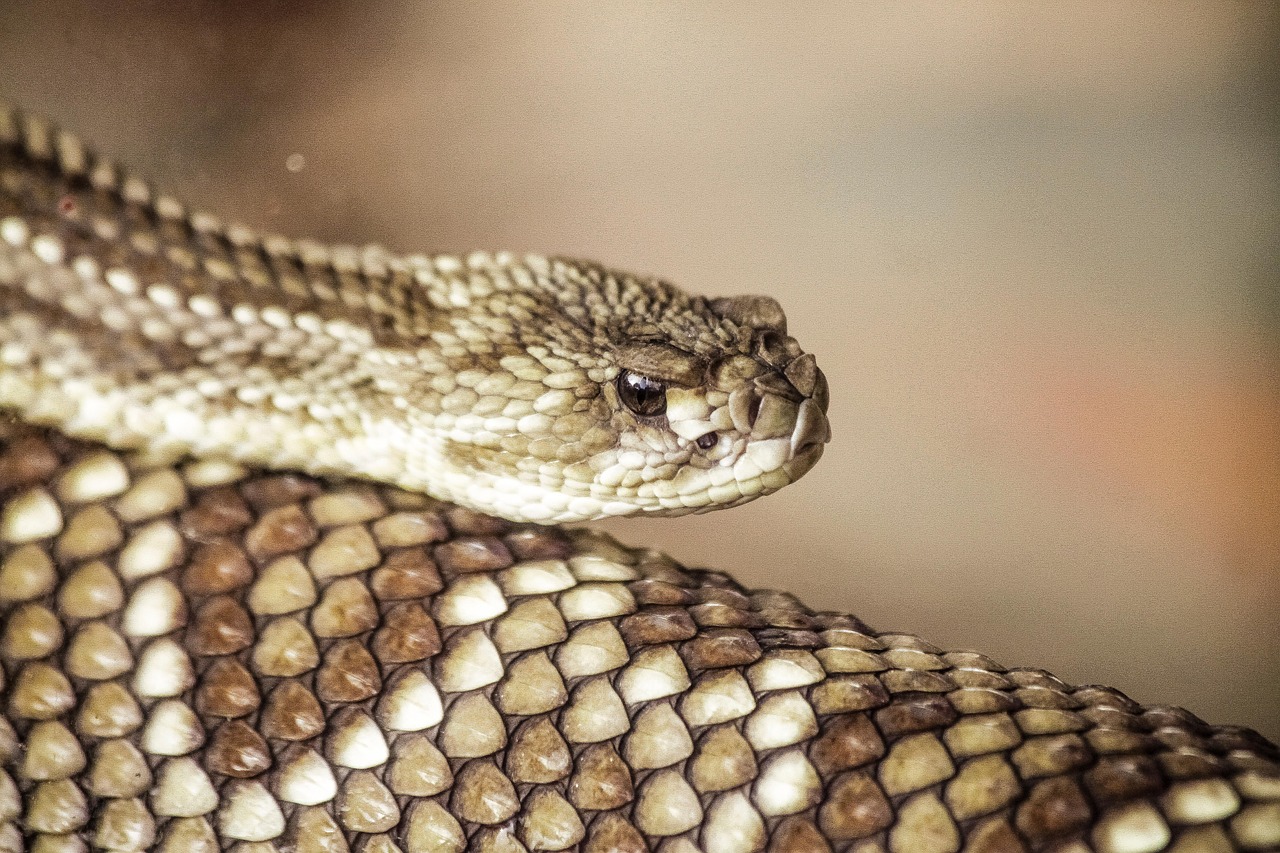
Some vipers and pythons have thermal vision organs (loreal pits) that detect infrared radiation emitted by the body heat of prey. This thermal sixth sense is independent of traditional sight but integrates with it precisely, allowing the snake to detect small mammals in complete darkness. What is commonly called a pit organ allows these animals to essentially “see” radiant heat at wavelengths between 5 and 30 μm. The more advanced infrared sense of pit vipers allows these animals to strike prey accurately even in the absence of light, and detect warm objects from several meters away.
Whatever its transduction mechanism, however, the pit organ is devastatingly effective. The heat “vision” of these snakes can pick up temperature differences on the order of millikelvins against a steady-state thermal background. The Western Diamondback rattlesnake (Crotalus atrox) is a highly evolved viper whose ability to detect infrared radiation (IR) is unmatched by other snakes. IR detection is mediated by specialized loreal pit organs located between the eye and nostril on either side of the viper’s face.
Reindeer: Arctic UV Specialists
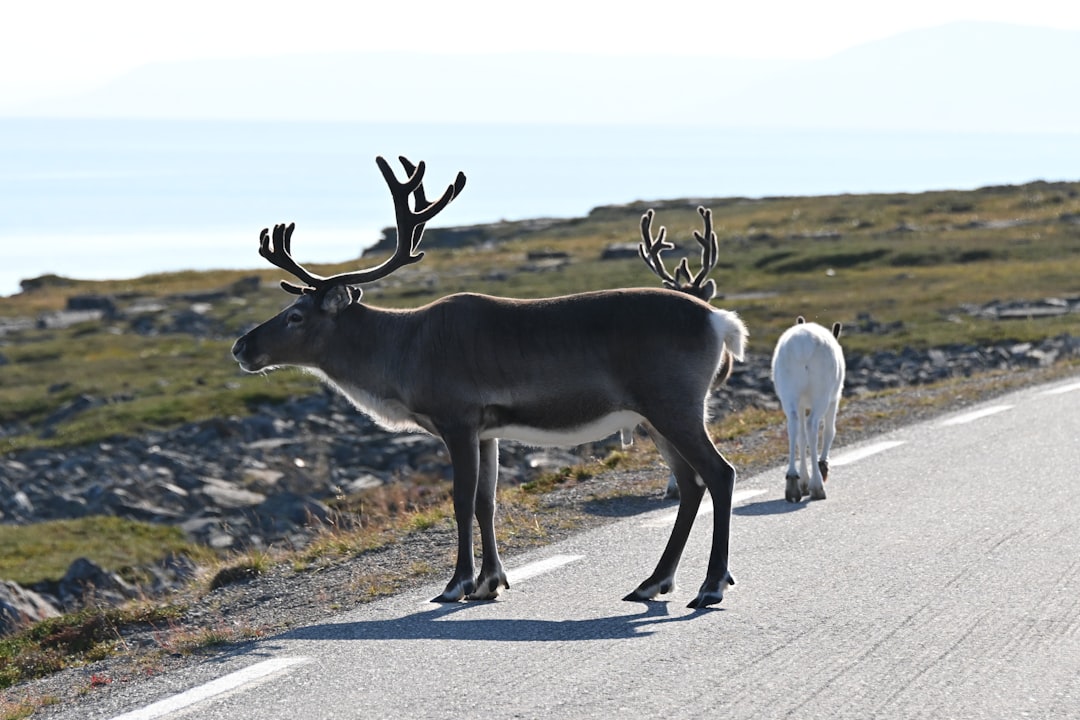
Reindeer (Rangifer tarandus) have evolved an extraordinary ability to perceive ultraviolet radiation (~280–320 nm), which transforms the landscape into a world of contrasts invisible to the naked human eye. Thanks to UV vision, lichens and mosses – vital winter food – absorb UV and appear black against the white snow, making edible patches easier to spot. Similarly, the urine of other animals (a sign of predators or rival herds) and the dark fur of wolves and foxes, also strong UV absorbers, stand out as dark, distinguishable blotches, giving reindeer a crucial advantage in threat detection.
Another marvel is the seasonal change in the tapetum lucidum (a reflective layer behind the retina): in summer it appears greenish, in winter it turns deep blue – optimizing UV light reflection. It’s not all bad news for animals like reindeer: Their UV perception also helps them find their favorite food (lichen) and detect the urine of predators. It also helps keep them away from dangerous power lines.
Eagles: The Sky’s Master Scouts
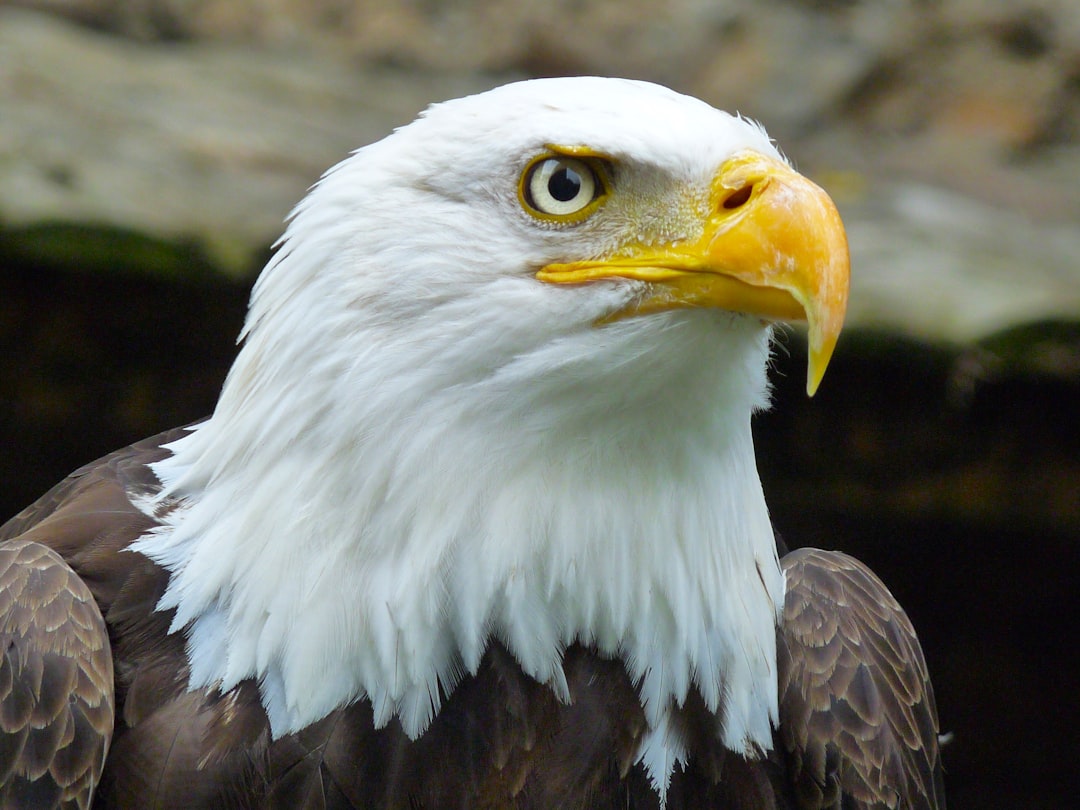
Eagles are renowned for their exceptional eyesight, often cited as being four to eight times sharper than that of a human. What sets eagles apart is their high number of photoreceptors in the retina, particularly cone cells, which enable them to see fine details from great distances. This acute vision is crucial for spotting prey from several kilometers away. Eagles also have a deep fovea, a small pit in the retina packed with cone cells, which gives them a magnified view of distant objects, much like a telephoto lens.
Raptors like eagles, hawks, and buzzards boast a visual system we might call biological radar: their eyes don’t just capture more detail – they filter the world through multiple spectral bands to spot prey and points of interest from kilometers away. Two foveae for double clarity: Unlike humans with a single fovea (the retina’s high-density cone region), many raptors have two foveae per eye: a central one for high-resolution direct vision, and a lateral one for scanning the horizon during flight – key for spotting the tiniest movement.
Butterflies: Ultraviolet Flower Navigators
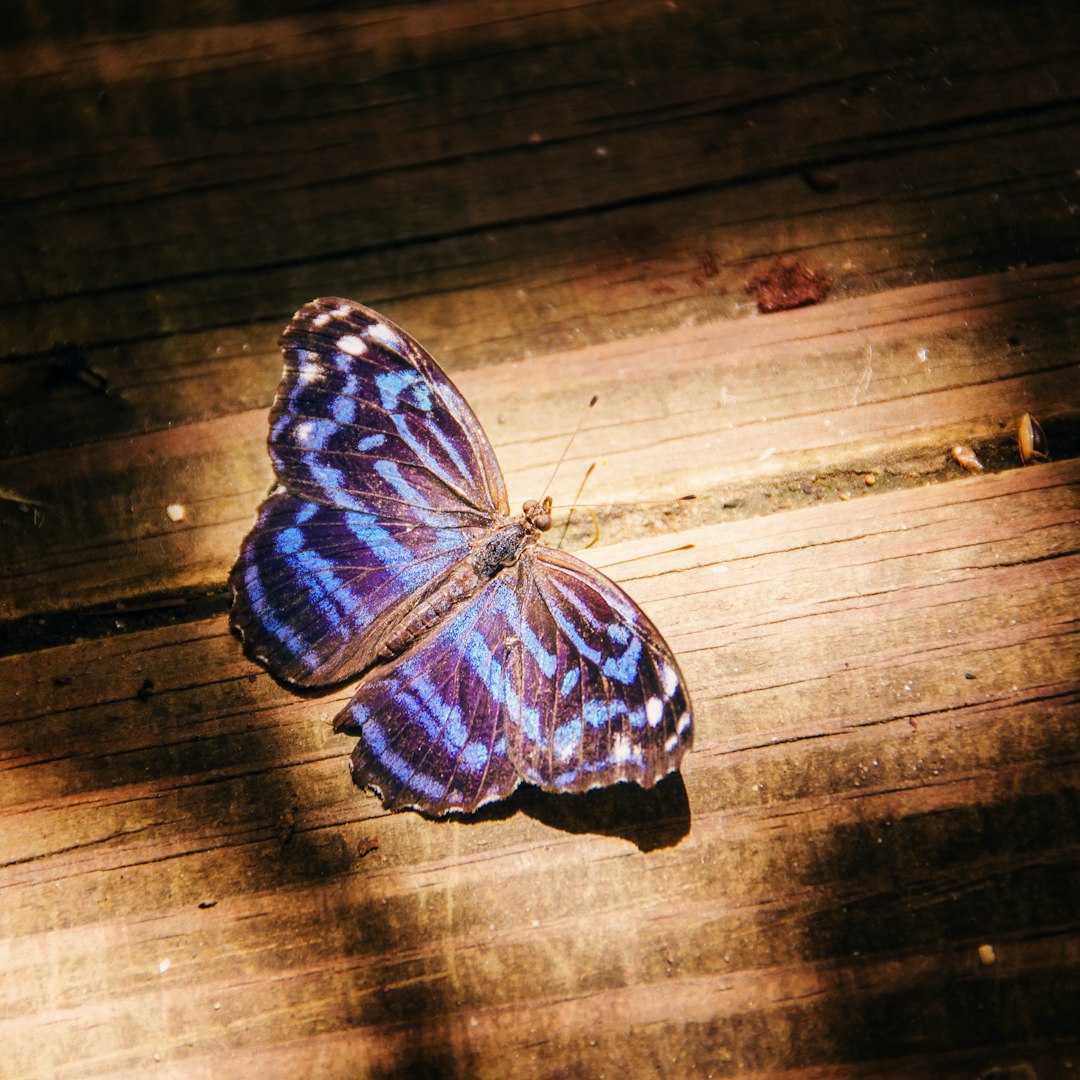
Butterflies have vision that extends into the ultraviolet (UV) spectrum, which is invisible to humans. This ability plays a crucial role in their survival and social interactions. Many flowers have patterns that are only visible under UV light, helping butterflies locate nectar. Moreover, the UV light also highlights patterns on the wings of other butterflies, which aids in mate selection and territorial disputes.
Butterflies may have a half-dozen or more kinds of photoreceptors. Bees have vision that extends into the ultraviolet spectrum, allowing them to see patterns on flowers that are invisible to the human eye. These patterns guide bees to nectar, enhancing their ability to pollinate plants. This adaptation is crucial for the survival of both bees and flowering plants, showcasing an intricate and mutualistic relationship in nature.
Cats: Night Vision Experts
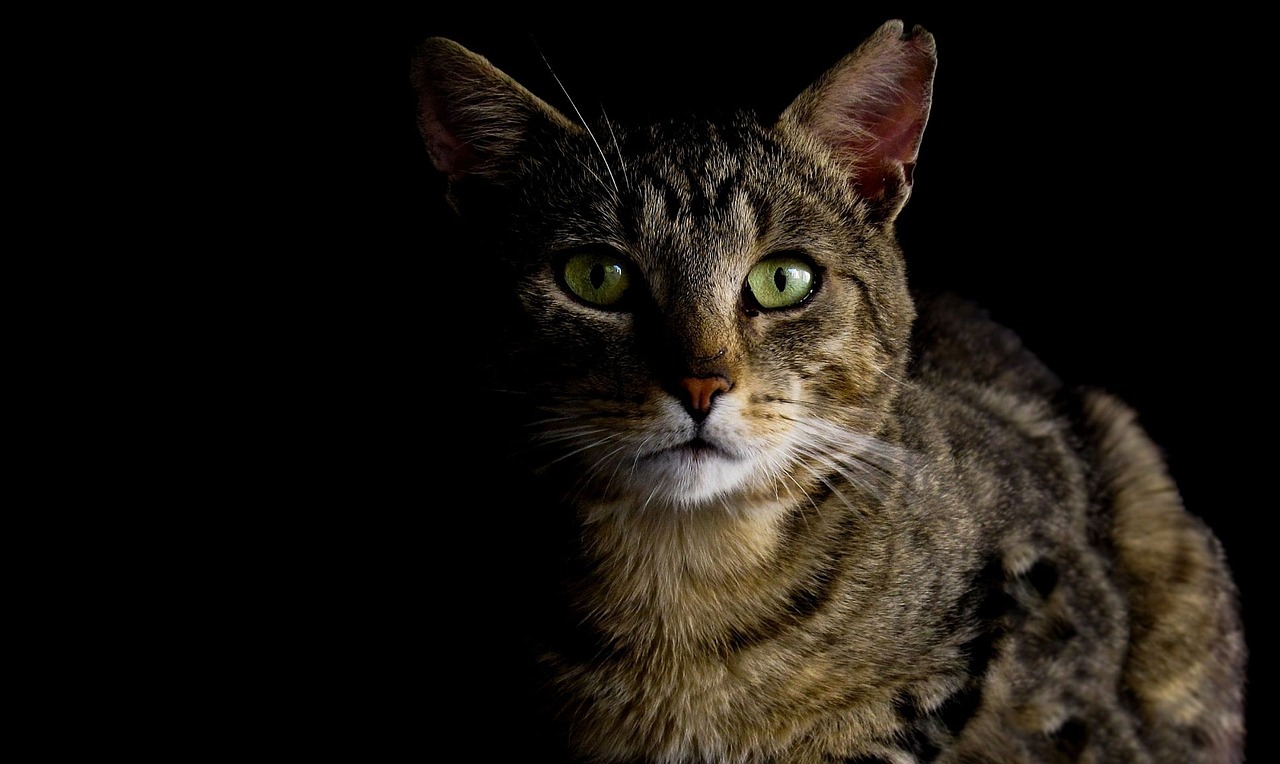
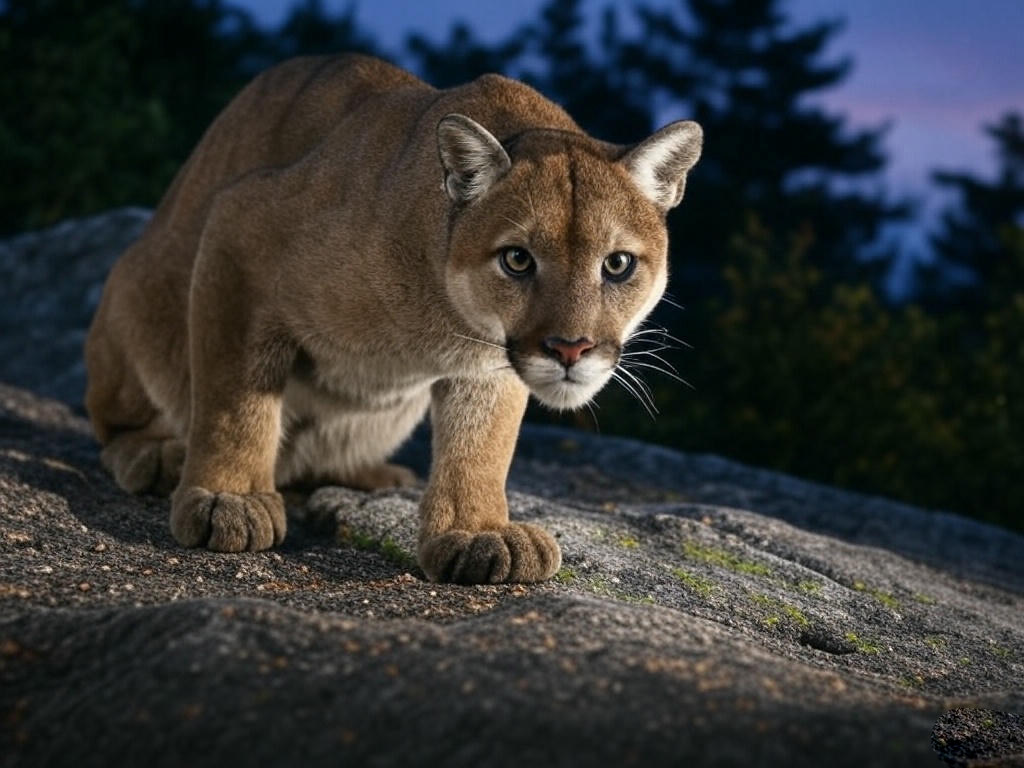
Cats have eyes that are highly adapted to low-light conditions, making them efficient nocturnal hunters. Their eyes have a high number of rod cells, which are more sensitive to low light than cones. Additionally, cats’ eyes include a special reflective layer behind the retina called the tapetum lucidum. This layer reflects light back through the retina, enhancing vision in dim light by providing the photoreceptors with a second chance to absorb light.
Cats have adapted to seeing in low light conditions. Where humans have approximately 200,000 photoreceptors per square millimeter in our retinas, birds of prey have over a million. These rods and cones are distributed between two foveae in each eye, allowing the bird to focus on close and distant objects at the same time. This has been described as “seeing the world through both a macro and zoom lens simultaneously”.
Chameleons: Independent Eye Masters
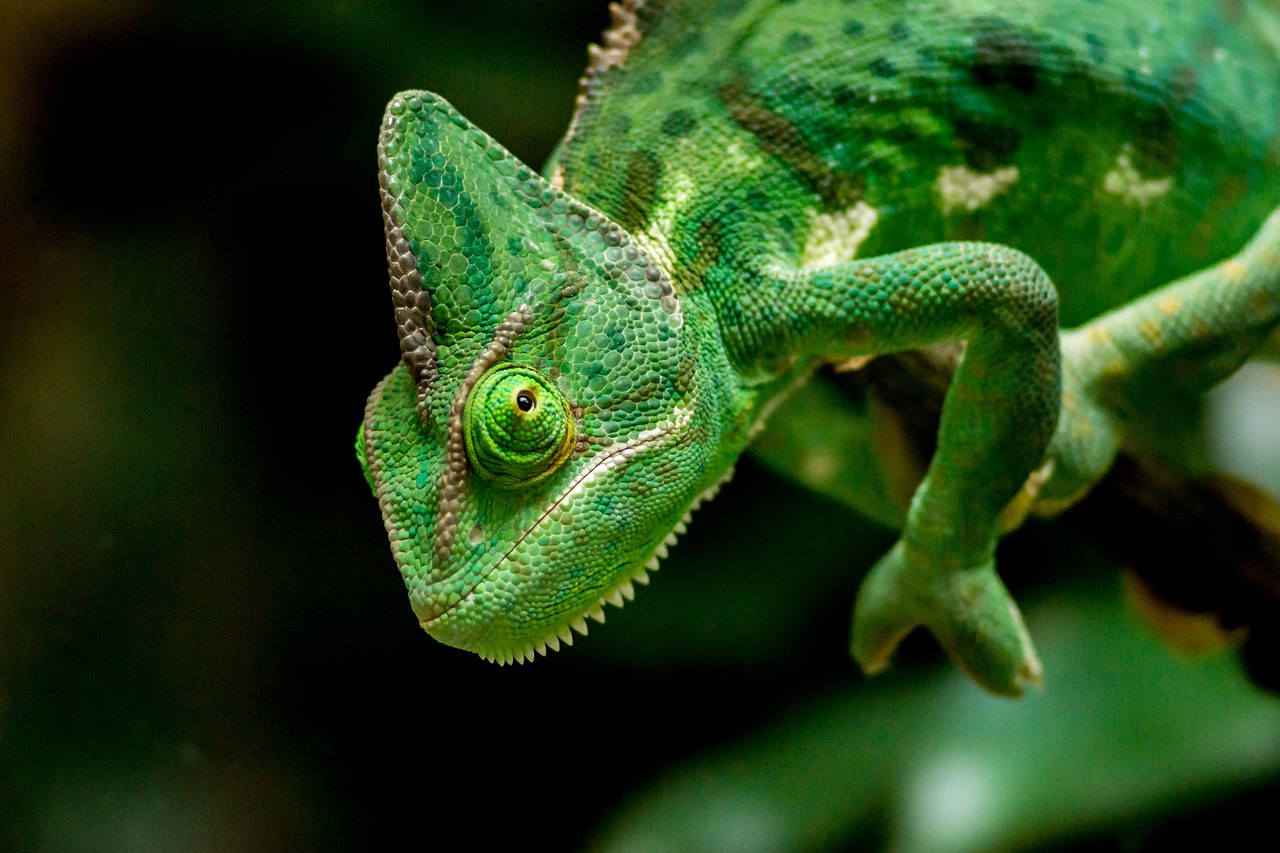
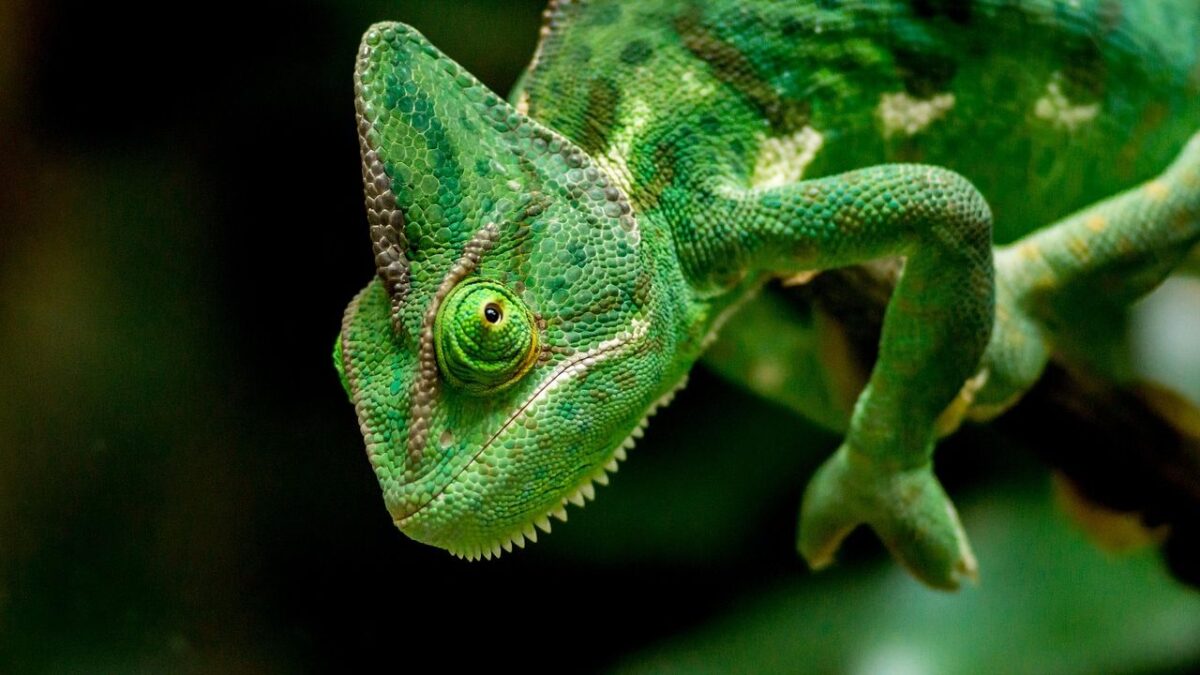
Chameleons possess perhaps one of the most unusual eye arrangements in the animal kingdom. Each eye can swivel independently, allowing them to look in two different directions at once. This panoramic vision helps them spot predators and prey without moving their heads, maintaining their camouflage. When a chameleon focuses both eyes in the same direction, it achieves sharp stereoscopic vision and depth perception, which is crucial for judging distances when striking prey with their tongues.
Their remarkable visual flexibility creates an almost supernatural ability to monitor their entire environment simultaneously. Think of it as having two security cameras that can move independently while your brain processes both feeds at once.
Conclusion
These remarkable creatures remind us that human vision, while sophisticated, represents just one small slice of what’s visually possible in our world. While humans primarily rely on their limited vision, these creatures show us that there’s much more to see in our world than meets the eye. By understanding the vision capabilities of these animals, we gain a broader appreciation of nature’s creativity and complexity. From detecting ultraviolet patterns on flowers to sensing the heat of their prey, these animals live in a world of sight that surpasses human experience, inviting us to explore, conserve, and cherish the wonders of nature.
The next time you step outside, remember that invisible worlds of ultraviolet patterns, thermal signatures, and polarized light surround you constantly. These visual superpowers evolved over millions of years to help each species thrive in their unique environments. What do you think we humans might be missing as we navigate our seemingly familiar world? Tell us in the comments.
