
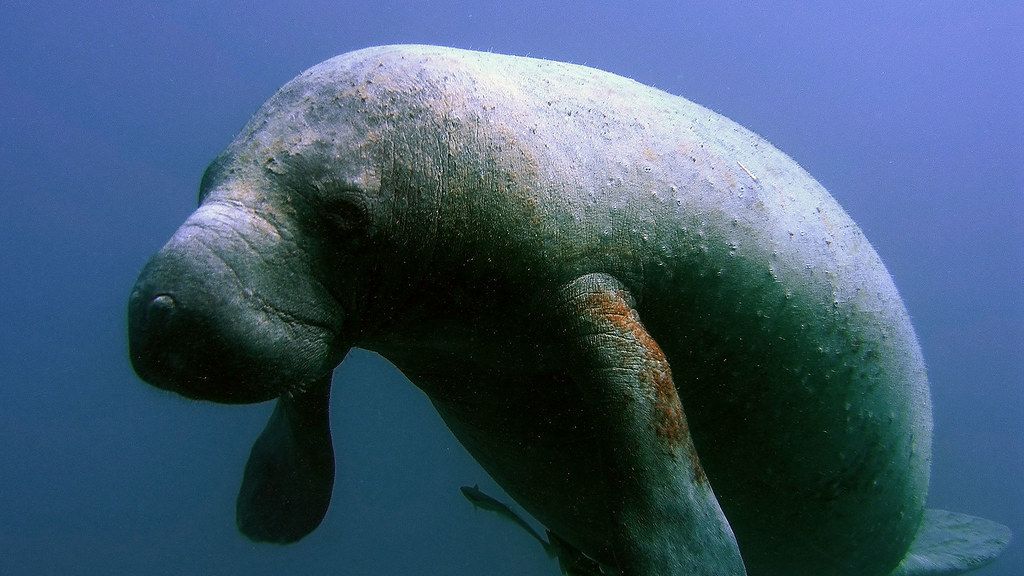
In the warm, crystal-clear waters of Florida, an ancient battle is quietly unfolding. These gentle giants, affectionately known as sea cows, have inhabited Florida’s coastlines for centuries, yet today they face their greatest challenge ever. With populations hovering between survival and crisis, these remarkable creatures must navigate an increasingly hostile environment where human activity collides with their most basic needs.
The past few years have brought unprecedented devastation to Florida’s manatee population. Thousands have perished in ways their species has never experienced before, forcing wildlife experts to take extraordinary measures just to keep them alive. What makes this tragedy even more heartbreaking is that many of the threats manatees face today are entirely preventable.
The Unprecedented Starvation Crisis
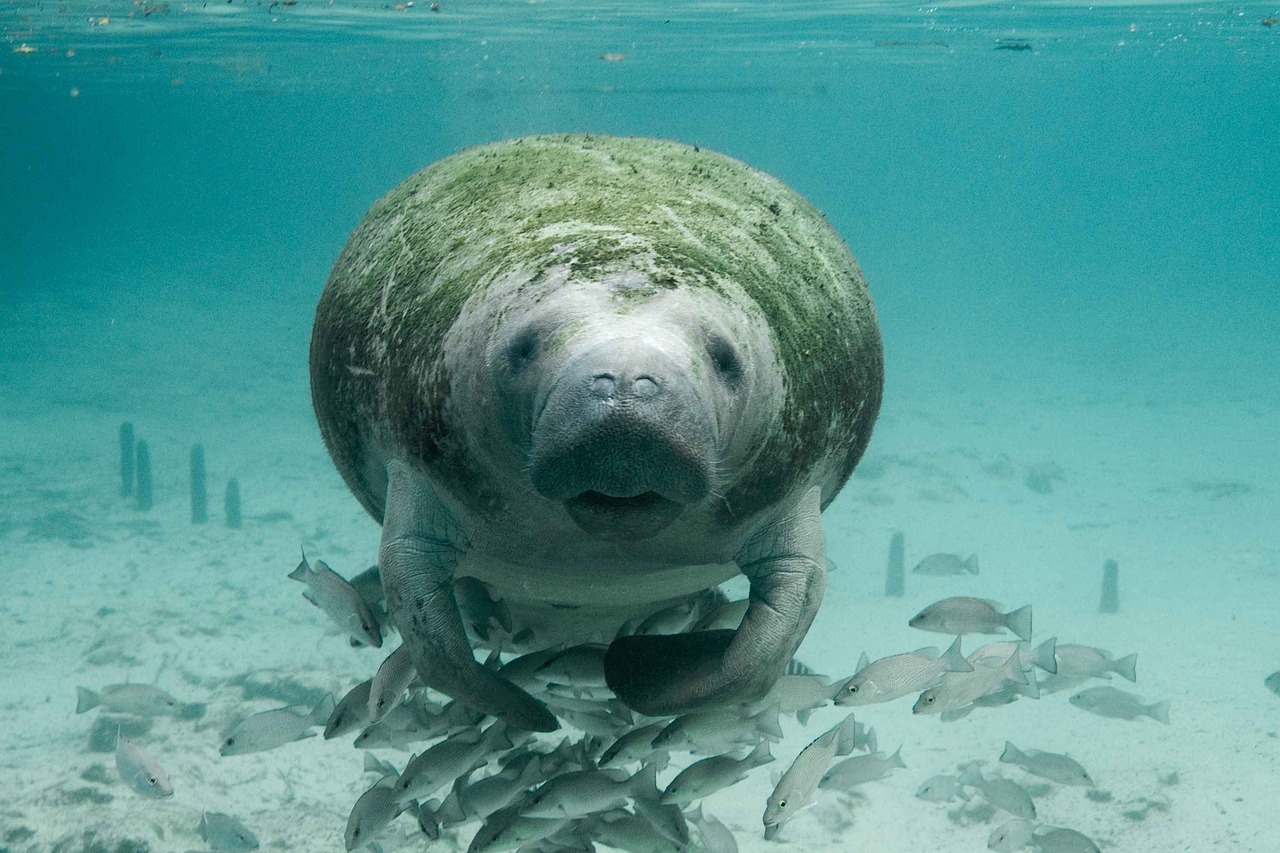
Something truly shocking happened in Florida’s waters that caught even seasoned marine biologists off guard. Starting in late 2020, manatees began dying en masse from starvation, something virtually unheard of for these herbivorous giants. The death toll was staggering: nearly 1,100 manatees perished in 2021 alone, more than doubling the typical annual mortality rate, with another 669 deaths recorded in 2022.
The root cause lay in the Indian River Lagoon, where harmful algal blooms had eliminated approximately 50-60% of the seagrass beds that manatees depend on . Picture trying to survive in a grocery store where nearly all the shelves have been cleared. That’s essentially what these manatees faced in their primary feeding grounds.
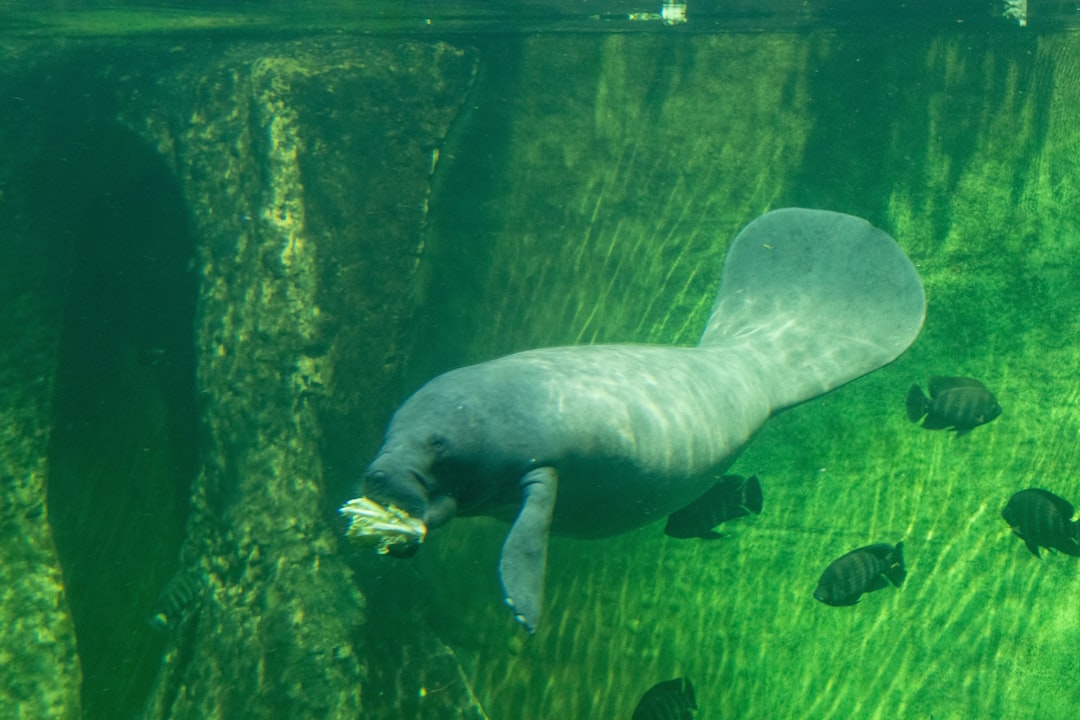
Wildlife officials had to resort to unprecedented measures, including rescuing approximately 180-200 emaciated manatees and even providing supplemental lettuce to starving animals in the wild. The scale of intervention was unlike anything conservation experts had ever attempted, highlighting just how desperate the situation had become.
Deadly Encounters with Boats
Every year, Florida’s waterways witness a tragic pattern that seems almost inevitable given the state’s boating culture. In 2024, approximately 90 manatees died from watercraft collisions. These numbers represent more than statistics; they reflect individual animals that never saw the propellers coming.
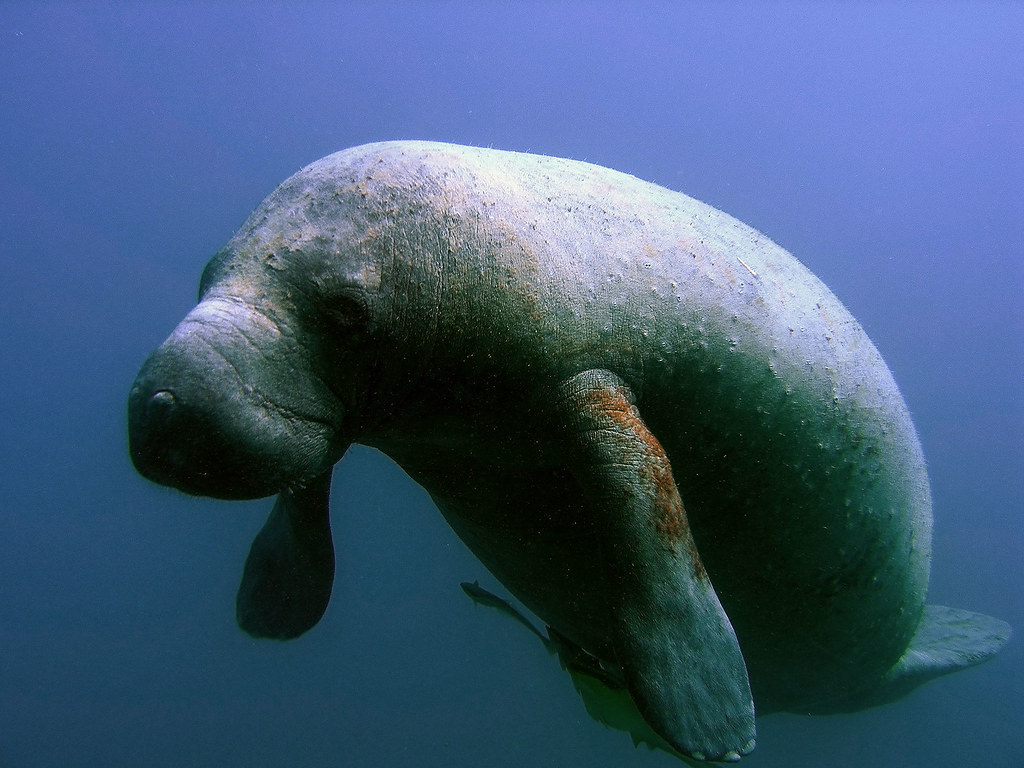
Research reveals an alarming reality: one out of every four adult manatee carcasses shows evidence of 10 or more watercraft strikes, and only 4% of adult manatees remain completely free of boat-related scars. This means that nearly every surviving adult manatee has been hit by boats multiple times throughout their lives.
Watercraft collisions account for roughly 20-25% of all reported manatee deaths annually. The problem has intensified as Florida’s population booms, bringing over one million registered boats into waters where these slow-moving mammals cannot escape fast enough. The state’s hundreds of thousands of watercraft now share increasingly crowded waterways with a growing manatee population, creating more opportunities for fatal encounters.
Vanishing Food Sources
The seagrass beds that manatees have relied on for millennia are disappearing at an alarming rate across Florida. Since 2011, the Indian River Lagoon has lost more than 50% of its seagrass resources due to a series of harmful algal blooms driven by human-generated nutrients from fertilizer, agriculture, and septic runoff.
In Kings Bay, a critical manatee habitat, seagrass biomass has declined by approximately 72% between 2006 and 2013, perpetuated by a combination of increased manatee grazing pressure, water quality issues, nuisance algae growth, and stress from increased salinity. The loss creates a devastating cycle where desperate manatees overgraze the remaining vegetation, further depleting their food sources.
These algal blooms create hypoxic conditions with low dissolved oxygen and increased turbidity, blocking the sunlight that seagrass needs to survive. What emerges is an underwater desert where once-lush meadows of marine vegetation flourished, leaving manatees with few options beyond starvation.
Disappearing Warm-Water Refuges
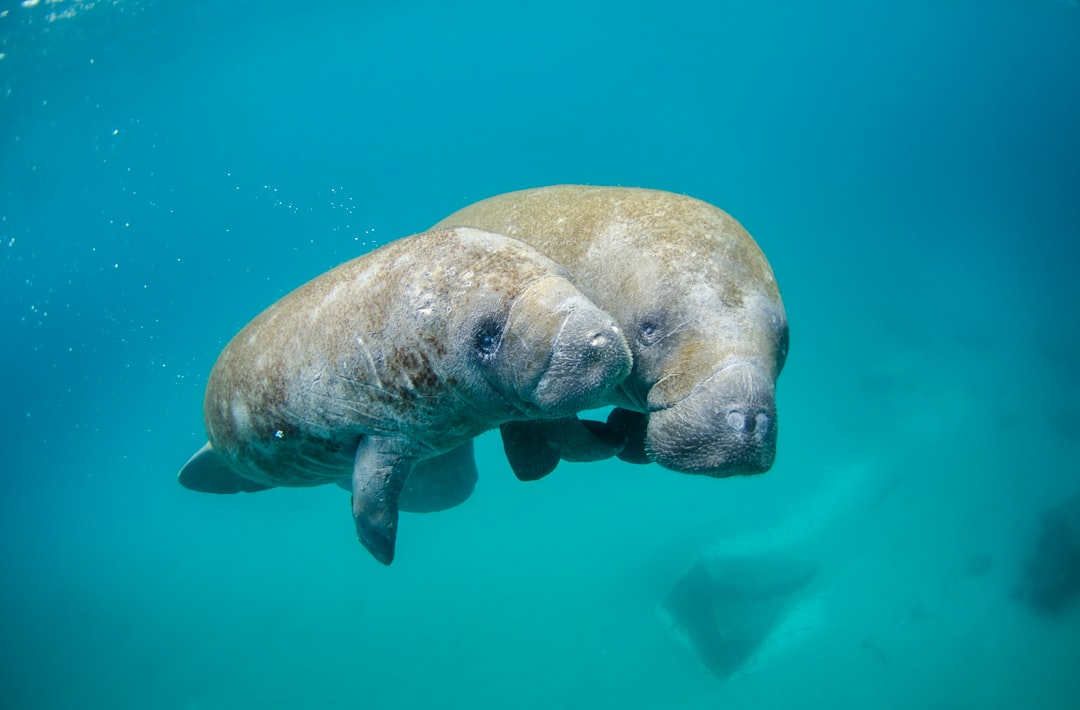
Manatees cannot tolerate prolonged exposure to water below 68°F, making warm-water refuges absolutely essential for their winter survival. Yet the habitats they depend on are vanishing due to human interference and climate pressures. Many natural springs have been altered, degraded, or lost completely due to groundwater pumping for development, while over 60% of the manatee population now relies on artificial warm-water sources from coastal power plants.
The impending closure of aging power plants threatens to eliminate these critical refuges, potentially leaving thousands of manatees without adequate winter shelter. Florida’s natural springs are simultaneously experiencing substantial declines in flows and water quality due to groundwater withdrawals for bottling, industrial, and residential use.
Human consumption of aquifer water can reduce spring flows to levels that cannot provide the volume of warm water necessary to support manatees during winter months. The growing demand from Florida’s expanding population creates direct competition between human needs and manatee survival requirements.
Human Harassment and Disturbance
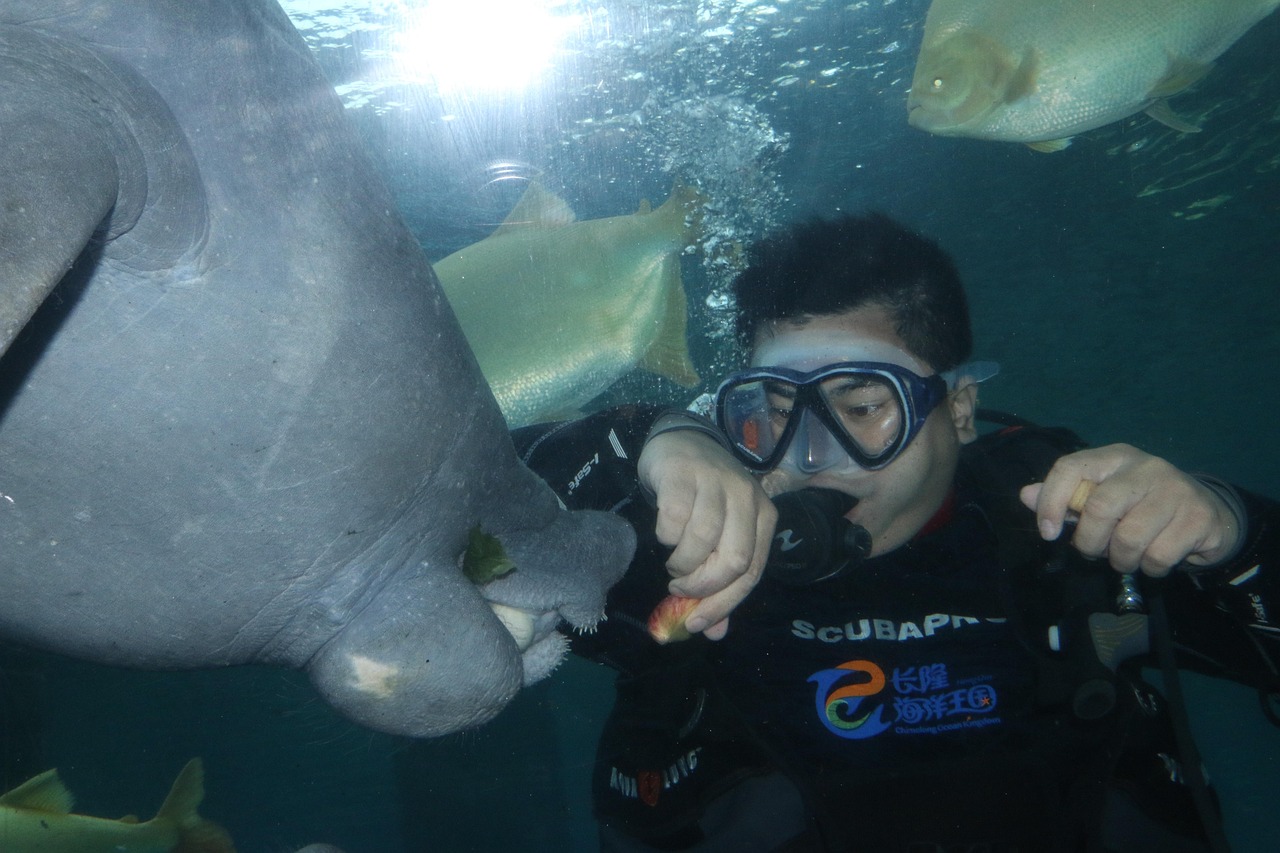
When humans disturb manatees, it can alter their natural behaviors that are important . Florida’s waters attract millions of tourists annually, many eager to swim with these gentle giants without understanding the stress they cause. The cumulative effect of constant human interaction forces manatees to expend precious energy avoiding people rather than resting, feeding, or caring for their young.
Every year, eco-enthusiasts head to areas like Crystal River for up-close encounters with these creatures, but these well-meaning interactions contribute to the ongoing threats manatees face in their struggle for long-term survival. Even seemingly harmless activities like kayaking or swimming near manatees can disrupt critical behaviors like nursing or resting.
The consequences of human disturbance include pain, elevated stress responses, behavioral changes, increased energy expenditure, and potentially decreased mobility, swimming efficiency, compromised immune function, and reduced reproductive output. Each interaction may seem minor, yet collectively they push already stressed populations closer to the brink.
Climate Change and Emerging Threats
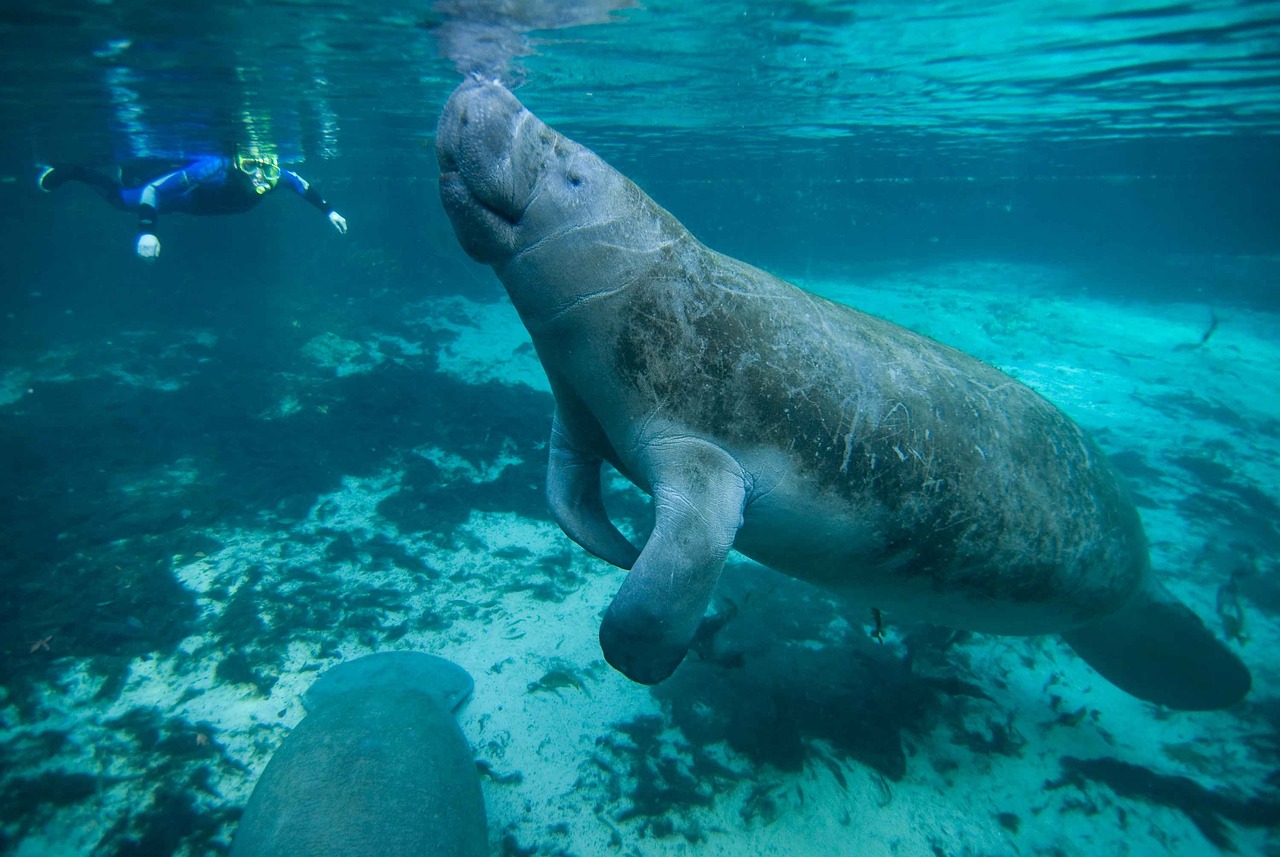
Climate change threatens manatee habitat through multiple pathways: resulting storms and sea-level rise damage seagrass beds, taint freshwater springs, and harmful algae blooms will likely worsen as waters warm. Some blooms, like red tide, are toxic and can directly poison manatees.
The decrease in native vegetation results from interacting factors including changes in salinity regimes due to varying precipitation patterns, lower groundwater levels, freshwater withdrawals, tropical storms, sea level rise, and macroalgae proliferation. These changes create cascading effects that fundamentally alter the ecosystems manatees have depended on .
Florida’s manatees face an uncertain future as they battle multiple threats including dramatic seagrass habitat decline, persistent watercraft mortalities, water pollution, loss of warm-water refuges, and emerging climate impacts that create a complex conservation challenge defying simple solutions. The interconnected nature of these threats makes addressing them even more difficult, as solving one problem often reveals another.
Current Conservation Efforts and Challenges
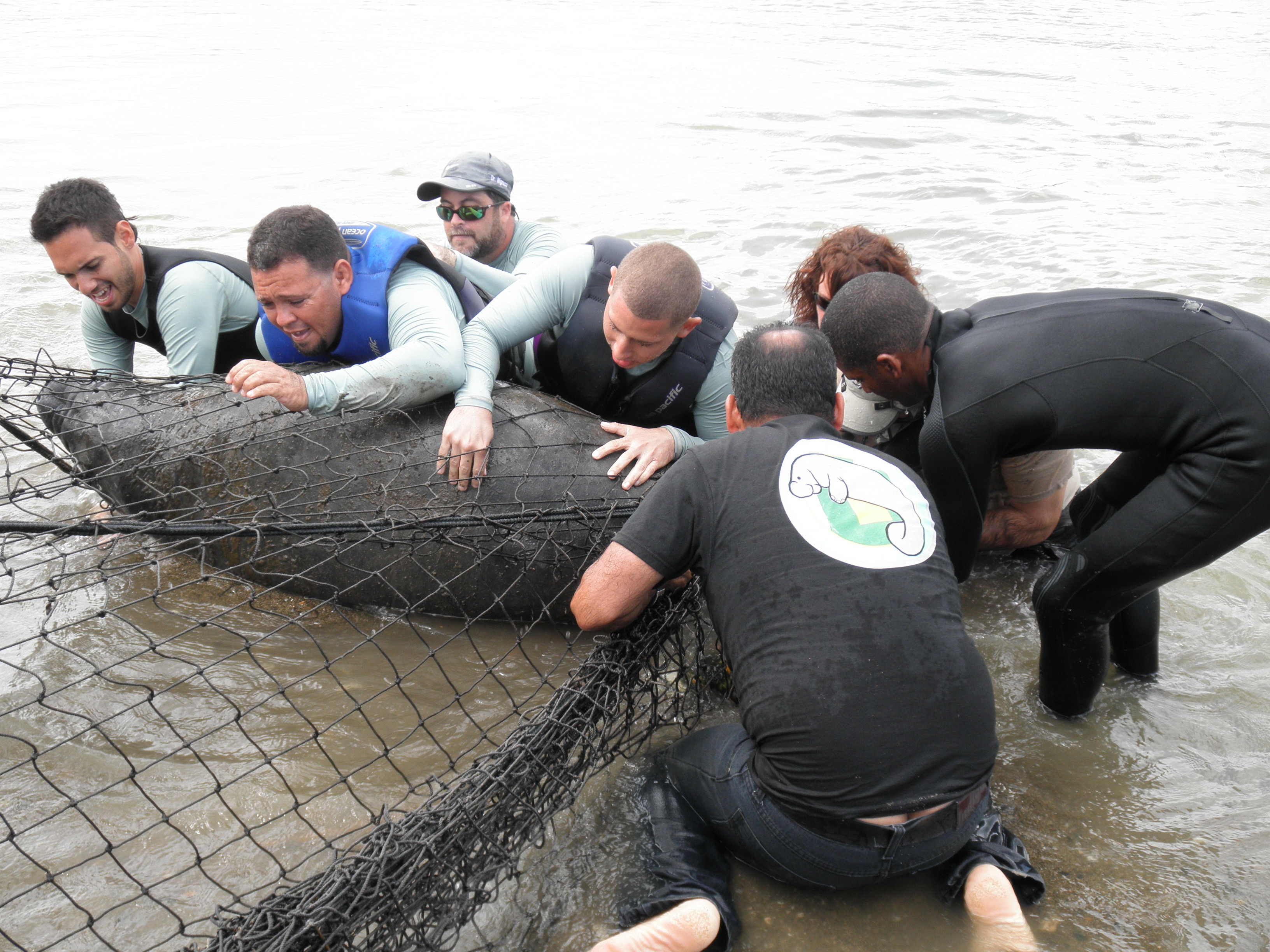
Despite the grim circumstances, dedicated conservationists refuse to give up on Florida’s manatees. On-the-ground conservation efforts coordinated jointly by federal and state agencies include assessing population abundance, tracking movements through photo-identification and satellite telemetry, developing warm-water habitat action plans, rescuing and rehabilitating distressed manatees, and enforcing site-specific protections.
Recent federal assessments determined that Florida manatee population counts show stabilized numbers that don’t warrant upgrading their status to endangered, characterizing them as a threatened species likely to become endangered in the foreseeable future. Current state population estimates place Florida manatees between 8,810 and 11,730 individuals.
Conservation experts point to positive signs, including manatees reproducing again after the starvation period when few live births occurred due to lack of available seagrass forage for female manatees. However, concerns remain about potential future harmful algal blooms and whether underlying problems like nutrient pollution have been adequately addressed, creating a tenuous situation despite some recovery.
Conclusion: A Species at the Crossroads
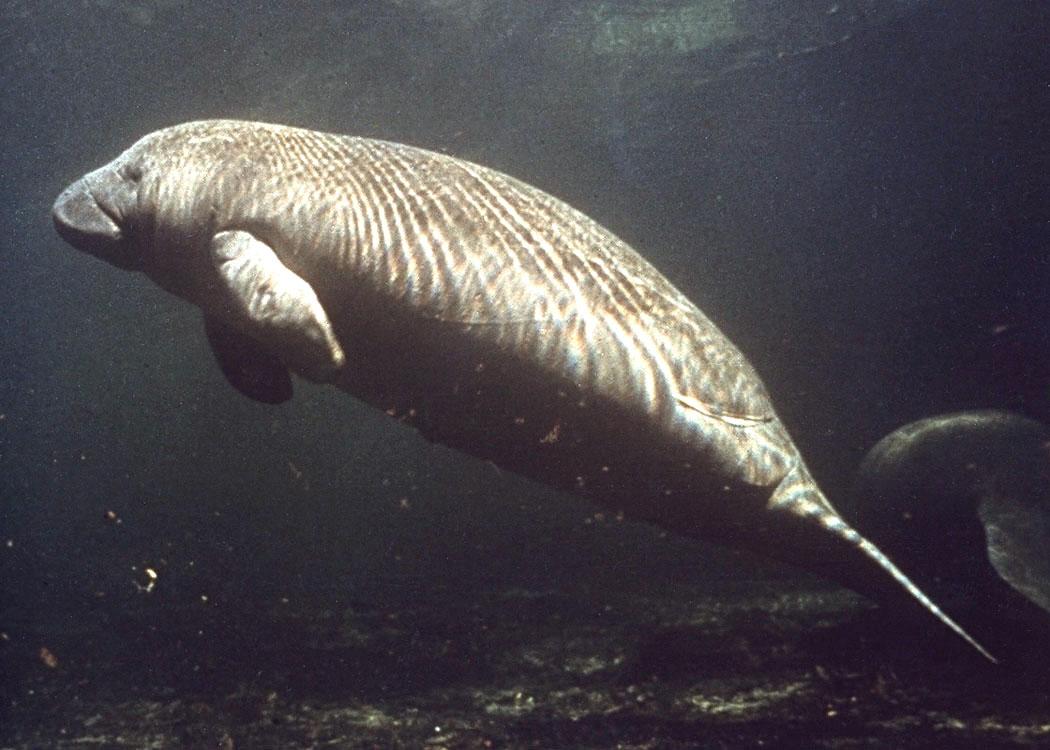
Florida’s manatees stand at a critical juncture where human choices will determine whether these ancient mariners continue to grace the state’s waters for future generations. While rescue and rehabilitation efforts save individual manatees, only systemic changes to water quality management, habitat protection, and human behavior will ensure long-term species survival, serving as an indicator of broader health problems affecting Florida’s aquatic ecosystems.
The story of Florida’s manatees reflects our relationship with the natural world itself. Every action we take, from the fertilizer we use on our lawns to the speed at which we operate our boats, ripples through the ecosystem in ways that can mean life or death for these gentle giants. Their survival depends not just on dedicated conservationists, but on all of us making choices that prioritize the health of Florida’s waters.
What do you think is the most important step we can take to help Florida’s manatees survive? Share your thoughts in the comments below.
