
Worried about unexpected vet bills?
Pet insurance can cover thousands in unexpected vet costs. Get a free quote from Lemonade in under 2 minutes.
Get My Free Quote →Sponsored · Opens Lemonade.com
Your backyard holds incredible potential to become something far more meaningful than just a patch of grass or a collection of pretty flowers. Every day, wildlife across North America loses precious habitat to development and human activity. Significant habitat is lost annually to development and agriculture across North America. Yet, here’s the amazing part: your own outdoor space can become part of the solution.
Creating a wildlife haven doesn’t require vast acreage or extensive expertise. While any small space with native plants and a water source can qualify for certification, if you have a larger area, consider incorporating a broader ecological landscaping approach and a little 100 square foot garden might be capable of providing all the things needed to sustain and nurture wildlife. Sure, maybe not all shapes and sizes of wildlife, but some. And some is better than none! So let’s dive into how you can transform your backyard into a thriving sanctuary that makes a real difference.
Understanding What Wildlife Really Needs
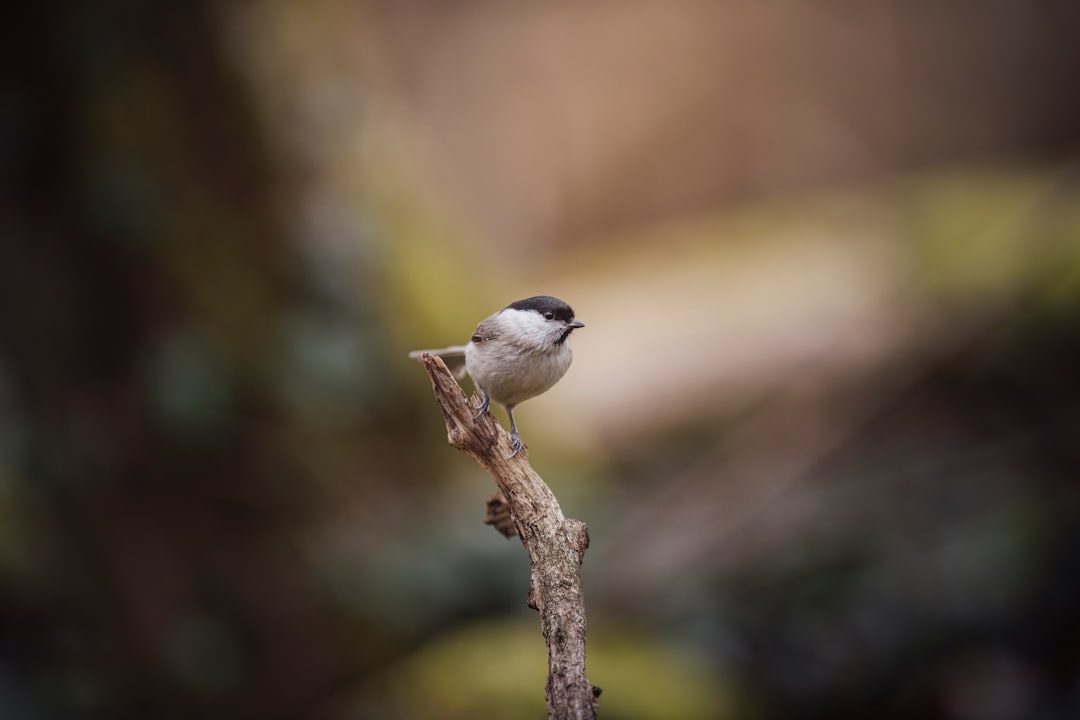
Picture yourself as a bird searching for a place to call home. You’d need reliable food, clean water, safe shelter, and a secure spot to raise your young. These aren’t luxuries for wildlife, they’re essentials. This is as simple as providing for their basic needs: food, water, cover and places for them to raise their young. These four conditions that enable wildlife to survive and thrive were identified by the National Wildlife Federation.
Wildlife need food, water, shelter, and places to raise young – each within an animal’s home range. Providing one or all of these necessities in your backyard can help wildlife survive in urban and suburban habitat. Think of it like creating a neighborhood where every creature can find what they need without traveling dangerous distances. When you provide these elements in your own space, you’re essentially offering a rest stop on the wildlife highway.
Starting with Native Plants – Your Foundation for Success
Native plants are the absolute game-changers in wildlife habitat creation. By providing the habitat essentials and planting native, you can support a wide range of wildlife species in your own outdoor space. Native habitat gardens can support significantly more wildlife when compared to properties with primarily turf lawn. Here’s why this matters so much: native plants evolved alongside local wildlife over thousands of years, creating relationships that simply can’t be replicated with exotic species.
Native plants are the foundation of a wildlife habitat garden. We suggest you strive for a minimum of 70% native plants. Consider this striking fact: research shows that a pair of chickadees may need up to 10,000 caterpillars to raise a single nest – a striking reminder of how native plants sustain food webs. Oak trees alone support over 550 species of caterpillars that birds desperately need to feed their babies.
Native flora provides food and shelter for wildlife and is better suited to the climate and soil. When planting, the key is to create multilayer trees and shrubs in proximity to one another. This resembles a natural habitat and provides both food and shelter.
Creating Layers Like Nature Does
Nature doesn’t organize itself in neat, manicured rows. Instead, forests and natural areas create layers that provide different opportunities for various species. A diversity of native plant structure – native canopy trees, under story trees, shrubs, grasses, sedges, vines, wildflowers and ground covers – provides important nesting habitat and shelter for songbirds and many other animals during the growing season.
Instead of isolated plantings, such as a tree in the middle of lawn, group trees, shrubs and perennials to create layers of vegetation. A forest has, for example, a canopy layer (tallest trees), understory layers (various heights of trees and shrubs beneath the canopy) and a ground layer or forest floor. This approach mimics what wildlife naturally expects to find.
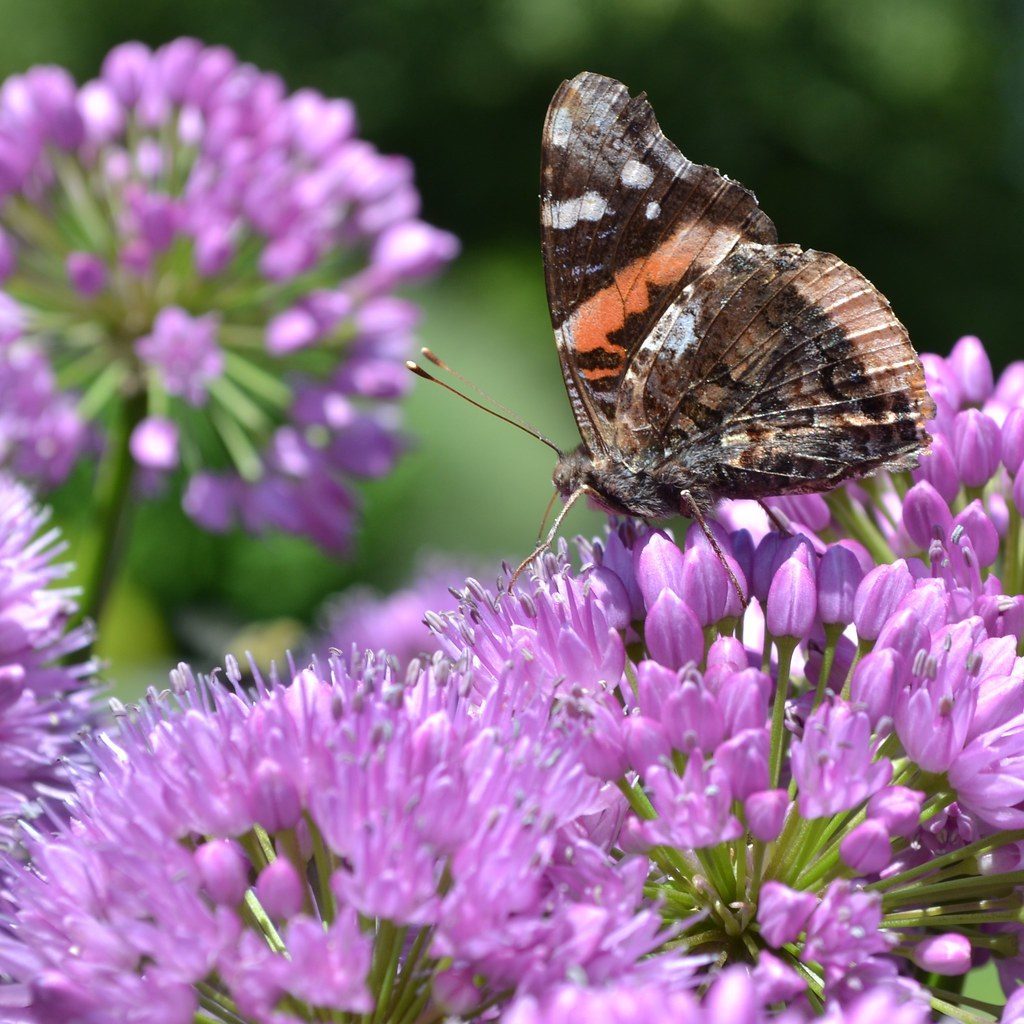
Start by thinking vertically. Plant tall native trees for the canopy, add smaller understory trees and shrubs for the middle layer, and include native grasses and wildflowers at ground level. A layered garden mimics natural habitats and attracts a variety of wildlife. Include tall trees for nesting and food, smaller trees and shrubs for shelter and berries, and ground-level plants like grasses and flowers for seeds and nectar.
Water Sources – The Life-Giving Element
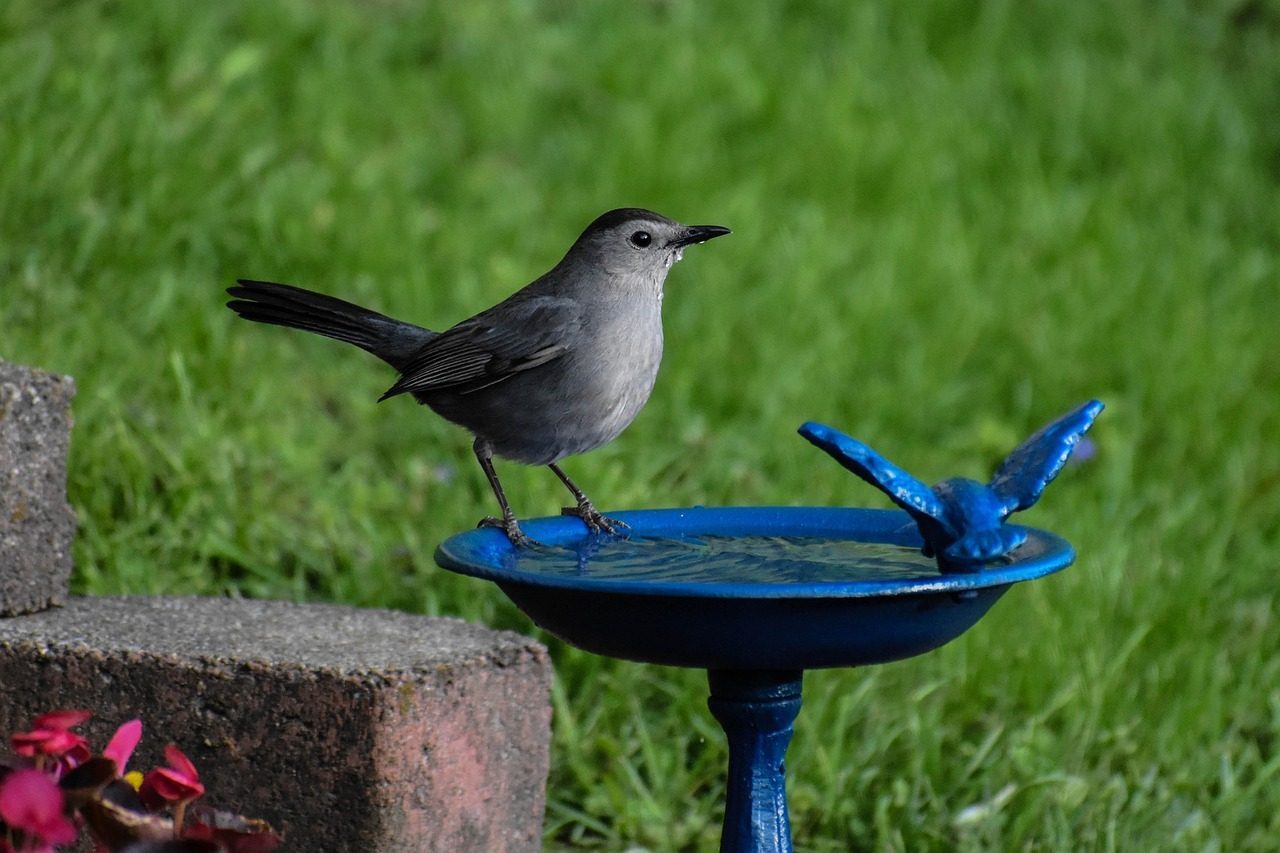
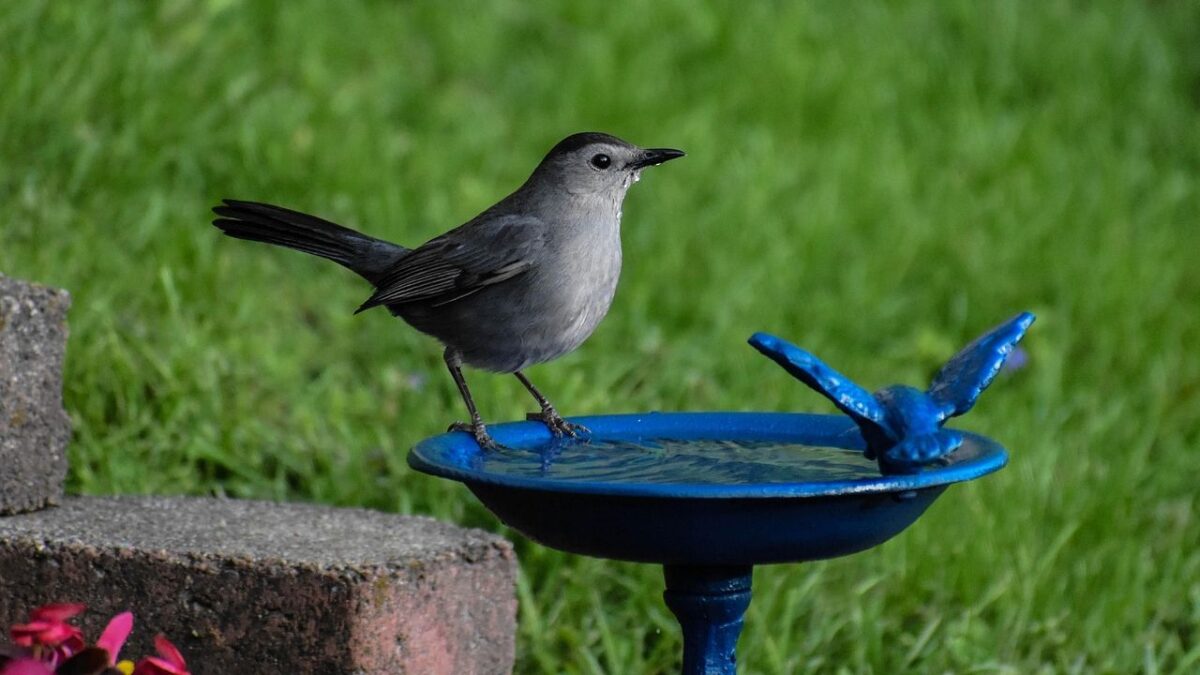
Water transforms any backyard from nice to essential in the eyes of wildlife. All animals need water to survive, and some need it for bathing or breeding as well. The beauty lies in how simple this can be. Even a small dish of water, changed daily to prevent mosquito growth, will provide for some birds and butterflies. Puddles, pools or a small pond can be a home for amphibians and aquatic insects.
Clean water must be available for drinking and bathing. At least one clean water source must be offered, and can include a birdbath, pond, spring, or stream. If you’re feeling creative, consider different approaches for different wildlife. Birds use shallow water for bathing while butterflies absorb nutrients from the soil/water combination found in natural puddles.
Fountains and birdbaths also qualify as acceptable water sources, notes Mizejewski. “If you place the bowl of the birdbath on the ground instead of on a pedestal, turtles and rabbits will be able to get a drink, too,” he adds. The sound of moving water acts like a magnet for birds and other creatures.
Providing Shelter and Safe Havens
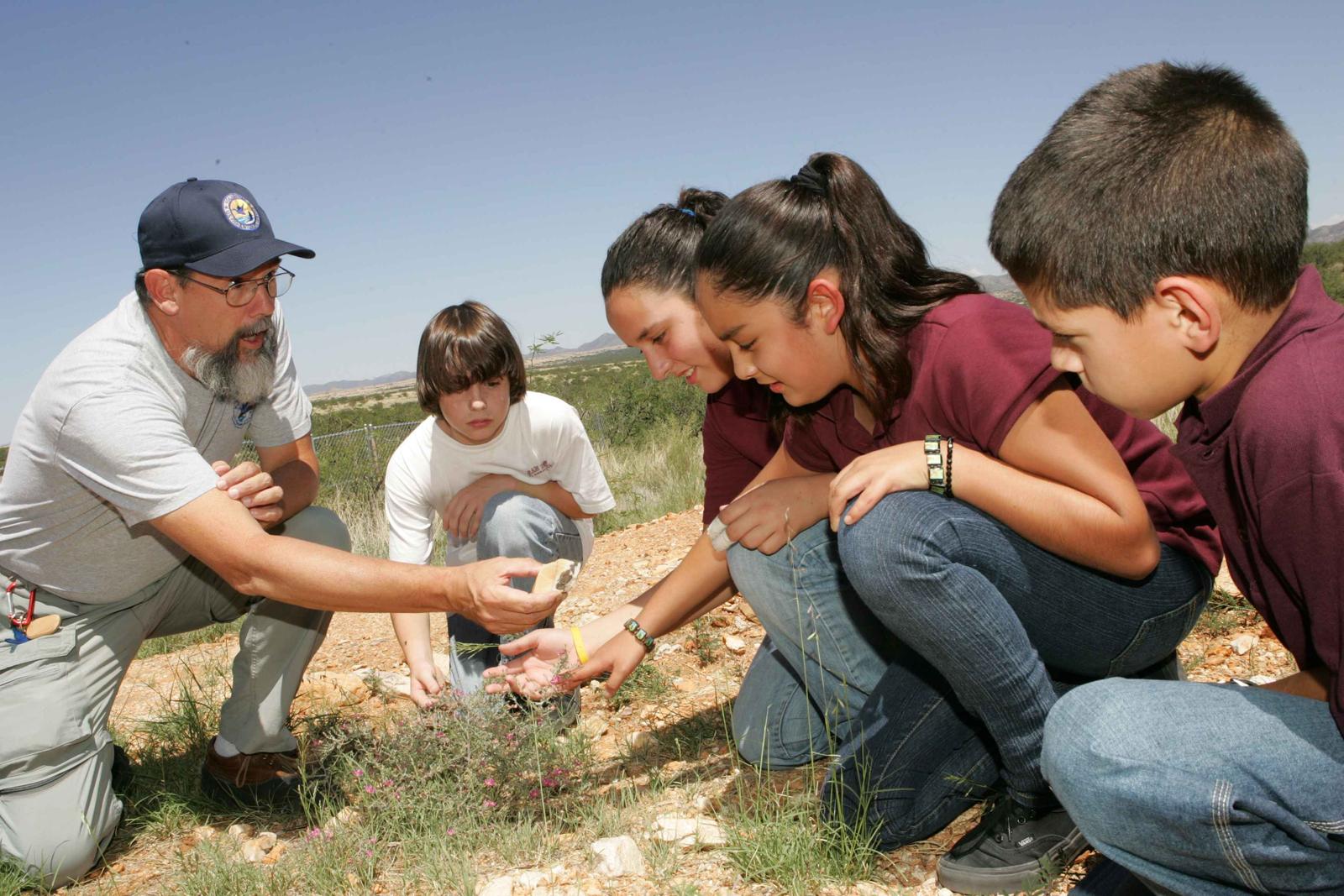
Wildlife needs protection from predators, harsh weather, and disturbances. Creating shelter opportunities throughout your backyard ensures that creatures feel safe enough to stick around. Your green space also needs to include at least two places for wildlife to shelter, like shrubs and thickets. Manmade shelters like birdhouses, log piles, and roosting boxes are also acceptable.
Dense plantings work wonders. “Plants will provide most of the shelter needed in your garden,” Mizejewski says. “Instead of planting one tree or bush, mimic Mother Nature and plant an entire shrub row; dense plantings provide more cover and places for wildlife to hide.” Think about creating little wildlife neighborhoods within your larger yard.
Don’t overlook the power of what might seem like “messy” elements. These areas can provide excellent habitat for insect-munching critters like salamanders and skinks. You can also create a small log pile as habitat but be sure not to place it within 10 feet of your foundation. Log piles too close to the house might invite unwanted visitors. Even leaf litter on the ground provides shelter for small animals like salamanders as well as moth cocoons and some butterflies that overwinter as adults.
Creating Spaces for Wildlife Families
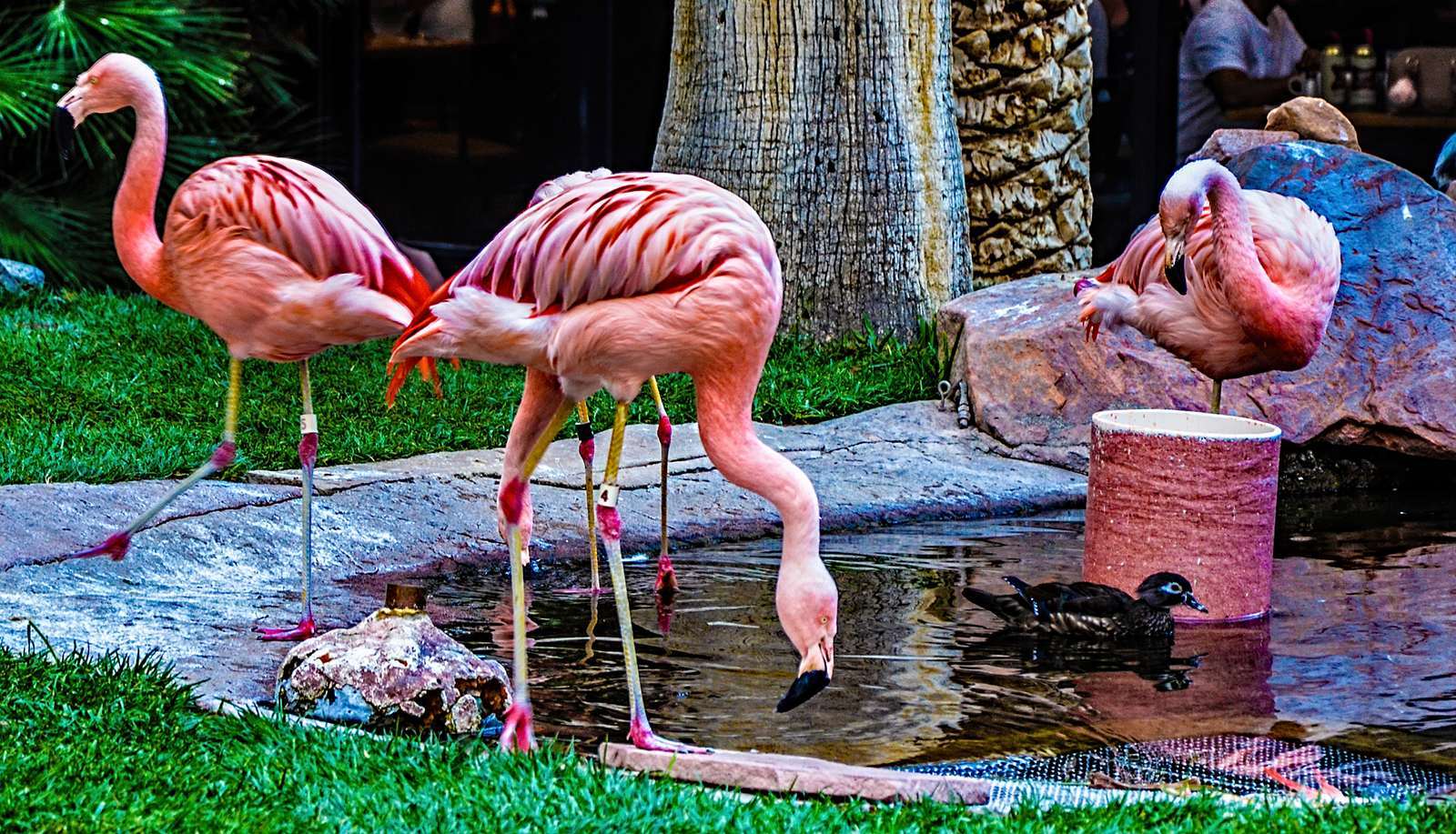
The ultimate sign of habitat success? When wildlife chooses to raise their young in your backyard. Your habitat must have at least two places for wildlife to mate, and bear and raise their young. These can include mature trees, meadows or prairies, dead trees, dense shrubs, or a water garden.
Different species have vastly different requirements for raising their families. Many places used for cover also serve as places to raise wildlife babies – the mature trees, dense shrubs and nesting boxes, naturally, but also, depending on the species’ requirements, the dead trees and rotting branches, wet areas, leaf piles, burrows and host plants for different insects.
Consider leaving some dead trees if they don’t pose safety risks. If dead trees don’t pose a hazard, Mizejewski suggests leaving them in the landscape, explaining, “Woodpeckers will excavate cavities that provide shelter for insects, and 96 percent of backyard birds feed insects to their young.” You can also install species-appropriate nest boxes, though timing and placement matter tremendously.
Sustainable Practices That Make a Difference
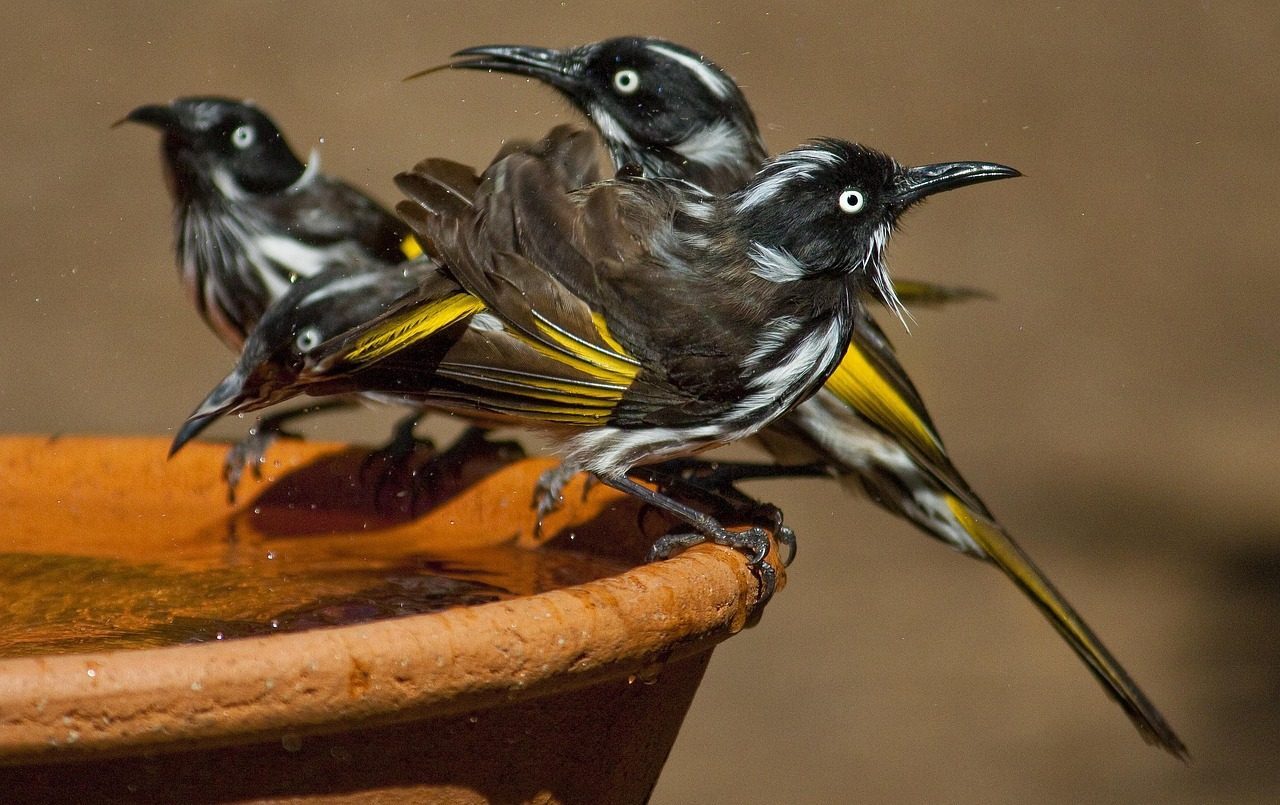
Creating a wildlife haven goes beyond just planting the right plants. Your maintenance approach can make or break the habitat you’re trying to create. Maintaining a sustainable, environment-friendly landscape is also key. To certify your habitat, you need to employ at least two of the NWF’s approved gardening practices for sustainability, which include using native plants, reducing lawn areas, composting, and capturing rain water from the roof.
One of the most impactful changes you can make involves reducing your lawn area. Thirdly, limit the amount of lawn. Lawn offers very little food or cover to most animals while requiring a lot of maintenance. You may replace lawn grass with ground cover plants or perhaps make a butterfly garden. Lawns are essentially food deserts for most wildlife.
Organic gardening is a great way to grow your food without the nasty human-made chemicals. It is also much more wildlife friendly as it does not disrupt the natural balance of the ecosystem. Consider embracing a slightly less “perfect” approach to yard care. Leaving seed heads and plant structure throughout winter provides continuing food and shelter resources for many creatures and gives people opportunities to observe nature up close.
Wildlife habitat certification through organizations like the National Wildlife Federation can provide wonderful validation of your efforts and connect you with a larger community of habitat creators. “To have your property certified, you need to commit to five elements,” she says: food, water, cover, places to raise young, and sustainable practices. The organization has certified hundreds of thousands of Wildlife Habitats across the US, and the program continues to grow. Whether you choose formal certification or not, you’re contributing to something much larger than your individual property boundaries.
Creating a wildlife haven in your backyard isn’t just about helping animals, though that’s certainly important. It’s about reconnecting with the natural world right outside your door and becoming part of a solution to habitat loss. Even small habitat improvements can make a big difference for wildlife! When combined with the efforts of your neighbors and others in your community, you can provide all the resources wildlife need to survive. Every native plant you add, every water source you provide, and every patch of lawn you convert makes a difference. What will your backyard wildlife haven look like?
Worried about unexpected vet bills?
Pet insurance can cover thousands in unexpected vet costs. Get a free quote from Lemonade in under 2 minutes.
Get My Free Quote →Sponsored · Opens Lemonade.com
