

As cities sprawl and suburbs expand into previously wild areas, a surprising phenomenon has emerged: coyotes are not only surviving but thriving in urban environments. Unlike many wildlife species that retreat from human encroachment, coyotes have demonstrated a remarkable ability to adapt to city life, establishing territories in parks, golf courses, and even densely populated neighborhoods. From New York City to Los Angeles, these resilient canids have become permanent residents of our urban landscapes, prompting both fascination and concern among city dwellers. This article explores the complex factors behind coyotes’ successful urban colonisation and why their populations continue to grow despite—or perhaps because of—our ever-expanding cities.
The Remarkable Adaptability of Coyotes

Coyotes (Canis latrans) have demonstrated extraordinary adaptability that few other wild mammals can match. Unlike specialized predators, coyotes are the ultimate generalists—able to adjust their diet, behavior, and even social structures based on environmental conditions. This adaptability is encoded in their biology; research shows coyotes can quickly modify their hunting tactics, dietary preferences, and activity patterns in response to changes in their environment. Urban coyotes have been documented shifting to more nocturnal activity schedules to avoid human interaction, while simultaneously broadening their diets to include everything from rodents and rabbits to fallen fruit, pet food, and occasionally small pets. This flexible approach to survival gives coyotes a significant advantage over other wildlife when confronting the challenges of urbanization.
Expanding Range and Population Growth

Perhaps one of the most remarkable aspects of coyote ecology is their dramatic range expansion over the past century. Historically native to the western plains and deserts of North America, coyotes now occupy nearly every habitat type across the continent, from remote wilderness to downtown metropolitan areas. This expansion has occurred despite intensive lethal control programs that have removed hundreds of thousands of coyotes annually. Research from the Urban Coyote Research Program shows that urban coyote populations have grown by an estimated 3-5% annually in some metropolitan areas. This growth can be attributed to multiple factors, including the removal of apex predators like wolves, coyotes’ high reproductive potential, and their exceptional adaptability to human-altered landscapes. Unlike many wildlife species that require specific habitat conditions, coyotes have proven they can thrive almost anywhere humans settle.
The Urban Buffet: Food Resources in Cities

Cities provide coyotes with an abundant and diverse array of food resources that may actually exceed what’s available in their natural habitats. Urban environments offer a smorgasbord of options, including rodents (which thrive around human settlements), rabbits, squirrels, fruits, vegetables from gardens, discarded human food, compost piles, pet food left outdoors, and occasionally unsupervised small pets. Studies of urban coyote scat reveal that, contrary to popular perception, human garbage constitutes a relatively small portion of their diet, typically less than 5%. Instead, urban coyotes continue to rely primarily on natural prey, particularly rodents, which they help control. This dietary flexibility allows coyotes to maintain stable populations even as development fragments natural habitats, giving them advantages over more specialised predators that cannot adapt to human-dominated landscapes.
Urban Architecture as Habitat
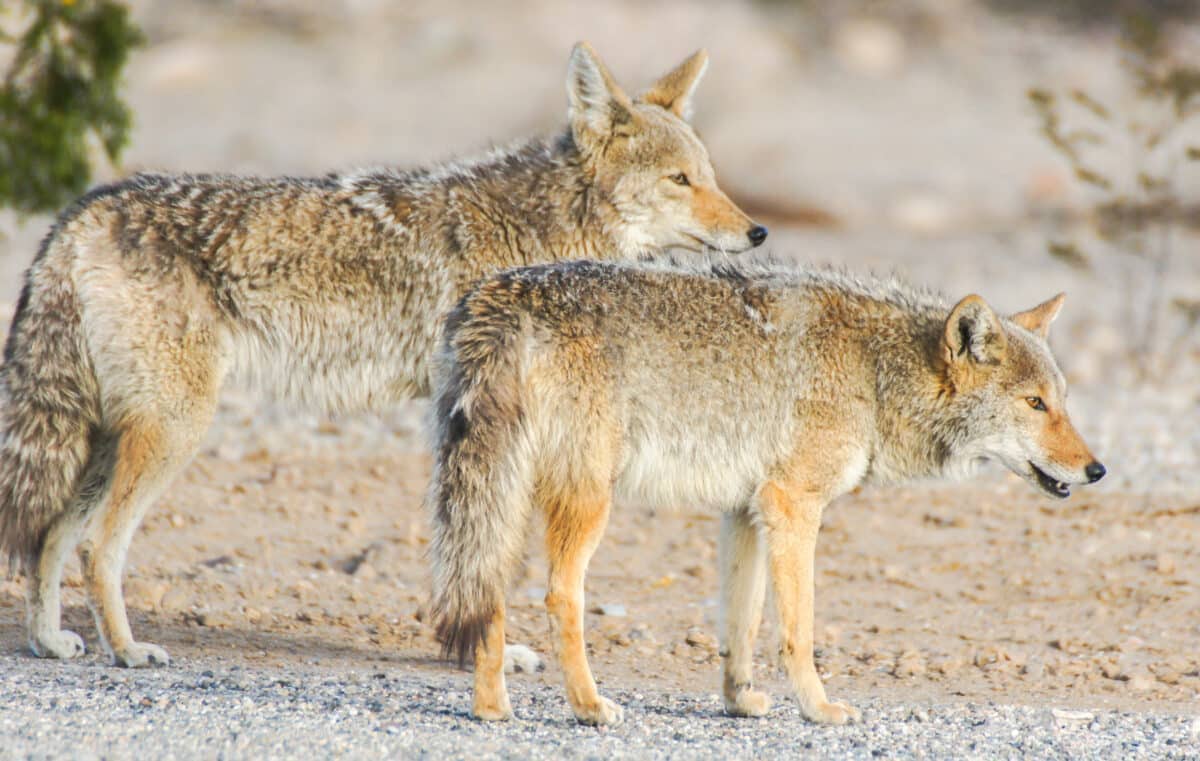
The physical structure of urban environments provides surprisingly suitable habitat for coyotes. Cities feature abundant edge habitat—transitions between different landscape types—which coyotes naturally prefer. Urban green spaces such as parks, cemeteries, golf courses, and undeveloped lots create a patchwork of usable territory. Studies show that urban coyotes require surprisingly small territories compared to their rural counterparts—sometimes as little as 2-5 square miles versus 10-15 square miles in natural areas. Urban infrastructures like drainage culverts, abandoned buildings, and highway medians offer denning sites safe from human disturbance. Researchers have documented coyotes using elevated railroad tracks as travel corridors and storm drainage systems as dens. This ability to repurpose human infrastructure as wildlife habitat allows coyotes to establish permanent territories in highly developed areas where other predators cannot survive.
Behavioral Adaptations to Human Presence
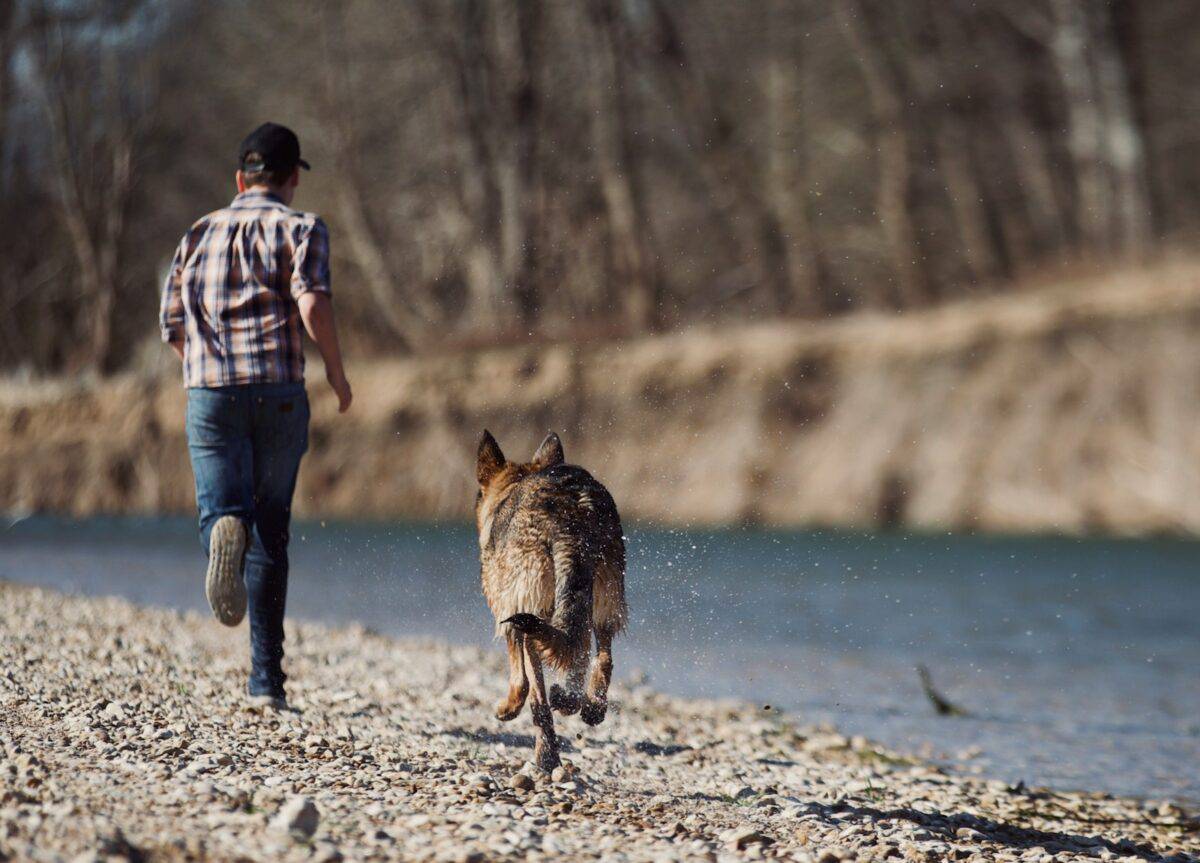
Urban coyotes have developed specific behavioral adaptations that help them avoid conflicts with humans. Recent studies using GPS collar tracking reveal that urban coyotes become more nocturnal, reducing their activity during daylight hours when human presence is highest. They develop complex cognitive maps of their territories, identifying safe movement corridors and creating temporal patterns that minimise human interaction. Urban coyotes also demonstrate increased vigilance and wariness compared to rural populations, maintaining greater flight distances from humans. Interestingly, urban coyotes may actually be more wary of human presence than their rural counterparts, who experience less frequent human contact. These behavioural shifts allow coyotes to remain largely invisible to the human residents with whom they share space, creating a situation where coyotes observe us far more often than we observe them.
Reproductive Advantages in Urban Settings
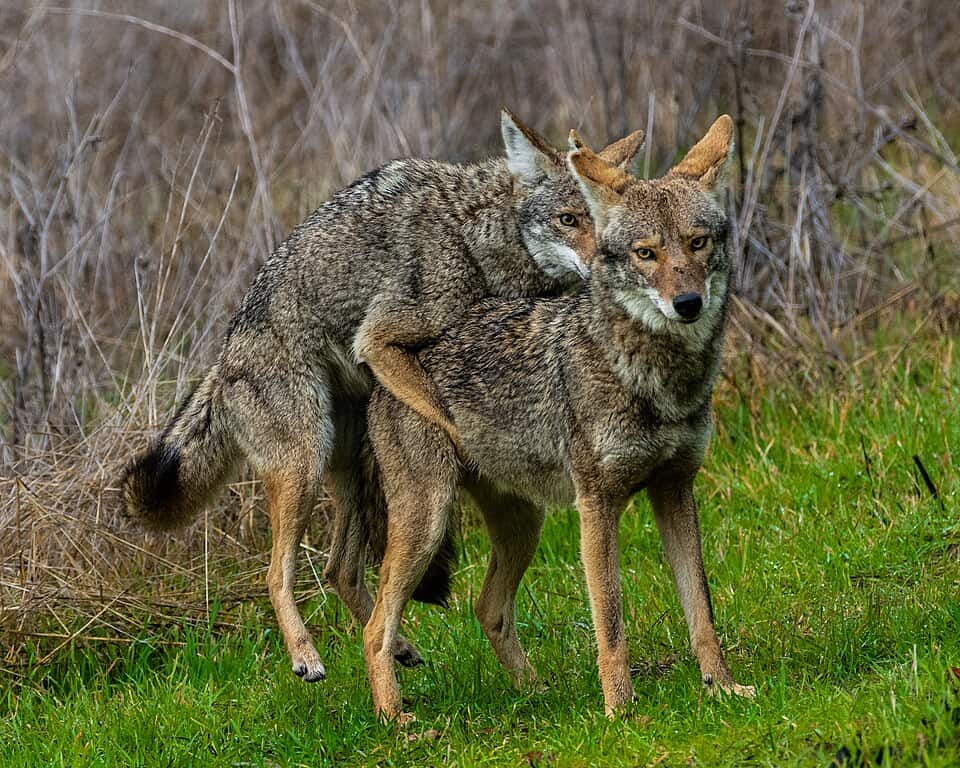
Urban environments may actually enhance coyote reproductive success in several key ways. While rural coyotes face seasonal food scarcity and harsh weather conditions, urban coyotes enjoy relatively stable year-round food supplies and moderated temperatures due to the urban heat island effect. Research indicates urban coyote pups have higher survival rates than their rural counterparts in many regions. Additionally, urban coyotes face fewer natural predators that might otherwise prey on their young. Perhaps most significantly, coyotes possess a biological mechanism called compensatory reproduction—when population numbers are reduced through removal programs, the remaining coyotes respond by having larger litter sizes and higher survival rates among pups. This biological response to population reduction helps explain why decades of lethal control efforts have failed to reduce overall coyote populations and may actually contribute to their continued expansion.
The Mesopredator Release Effect
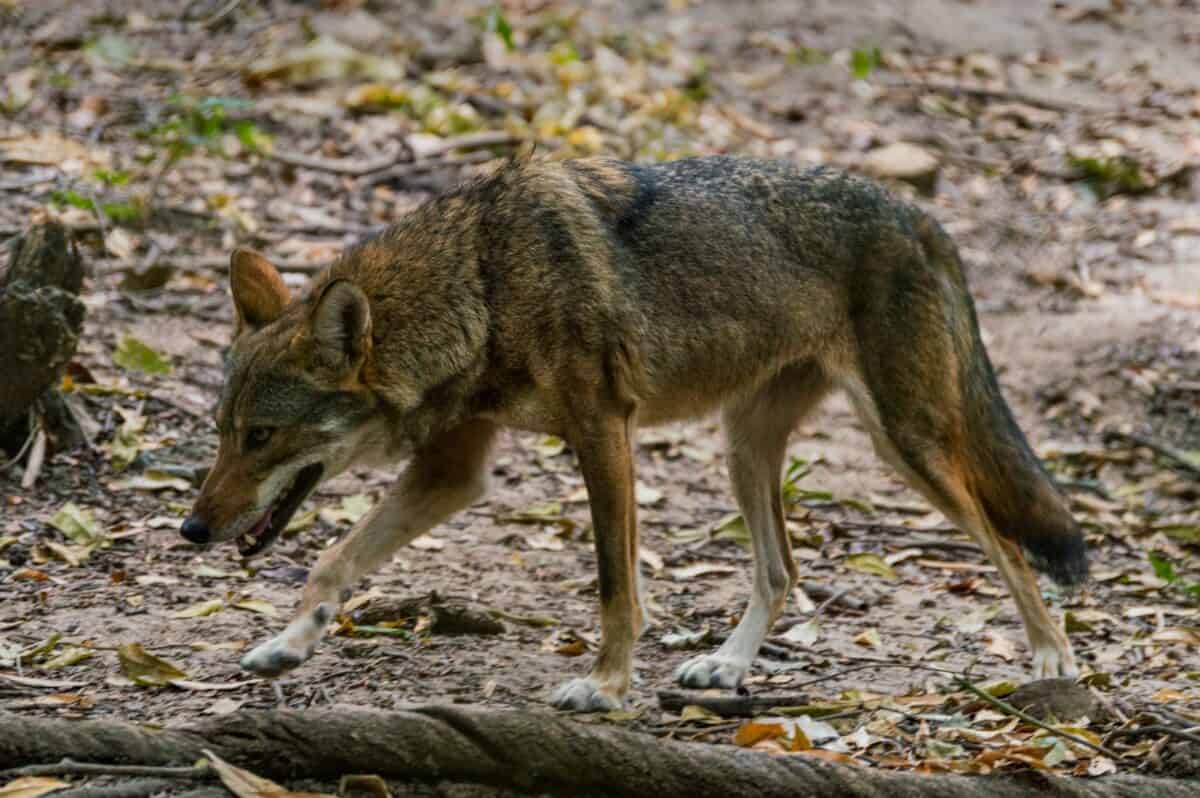
A significant ecological factor contributing to coyote success in urban areas is what scientists call the “mesopredator release effect.” As human development has eliminated apex predators like wolves and mountain lions from most urban ecosystems, medium-sized predators (mesopredators) like coyotes have been released from natural competition and predation pressure. This ecological vacancy creates opportunities for coyotes to assume the role of top predator in urban food webs. Studies show that coyotes help maintain biological diversity in urban ecosystems by controlling populations of smaller predators like foxes, feral cats, raccoons, and opossums—species that can otherwise reach unnaturally high densities in urban areas. By limiting these mesopredator populations, coyotes indirectly protect songbird populations and other small wildlife that would otherwise face increased predation. This ecological service underscores the complex role coyotes play in maintaining balanced urban ecosystems.
Failed Control Efforts and Resilience
Despite extensive efforts to control or eliminate coyote populations over the past century, these adaptable canids have demonstrated remarkable resilience. The U.S. Department of Agriculture’s Wildlife Services program removes approximately 80,000 coyotes annually through various lethal methods, yet coyote populations continue to expand. Research explains this paradox: coyotes respond to population reduction with increased reproduction rates, earlier breeding among females, and larger litter sizes. When alpha pairs are removed from a territory, this can fracture established packs and create opportunities for multiple new breeding pairs to establish themselves. Studies in Chicago have shown that even with intense removal efforts, urban coyote territories are typically recolonized within weeks or months. This resilience challenges traditional wildlife management approaches and has led many cities to adopt coexistence strategies rather than control efforts, recognizing that coyotes have become permanent fixtures of our urban ecosystems.
Urban Coyotes as Ecosystem Service Providers

Urban coyotes provide valuable ecosystem services that benefit human communities, though these advantages often go unrecognized. Chief among these benefits is rodent control. A single coyote can consume 1,800-2,000 rodents annually, helping regulate populations of rats, mice, and voles that can damage property and potentially spread disease. Urban ecological studies have found that areas with established coyote populations typically have lower densities of rodents and feral cats. Coyotes also help control populations of Canada geese, whose droppings can contaminate parks and water sources. By consuming carrion, coyotes provide sanitation services that reduce potential disease spread. Additionally, as mid-sized predators, coyotes help maintain more balanced urban ecosystems by preventing population explosions of smaller predators and herbivores. These ecological benefits highlight the complex role coyotes play in urban environments beyond their common perception as nuisance wildlife.
Human-Coyote Conflicts in Urban Areas

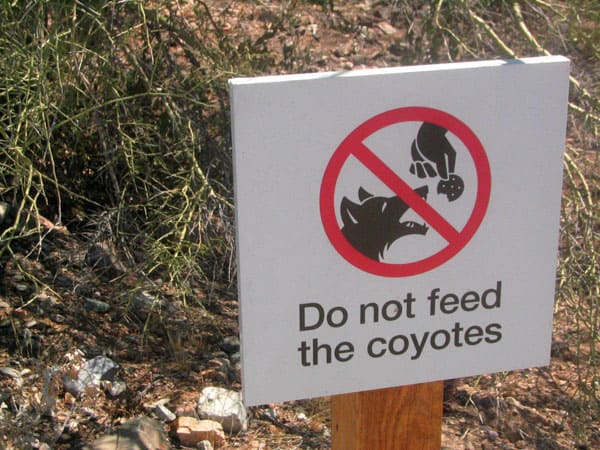
Despite their generally secretive nature, human-coyote conflicts do occur in urban environments. Most commonly, these involve predation on small pets, particularly cats allowed to roam freely and small dogs left unattended. Data from the Urban Coyote Research Program indicates that less than 2% of urban coyote diet consists of domestic cats or dogs, but individual incidents receive significant media attention that can heighten public concern. Actual attacks on humans remain extremely rare—fewer than 30 documented coyote bites occur annually across North America, with most involving coyotes that have been fed by humans and lost their natural wariness. By comparison, domestic dogs bite approximately 4.5 million Americans each year. Most concerning are cases where humans deliberately or inadvertently feed coyotes, which can lead to habituation and increasingly bold behavior. Human feeding, whether direct or indirect through unsecured garbage or pet food, is identified as a factor in nearly all serious coyote-human conflicts.
Urban Planning Considerations for Coexistence

As cities recognize that coyotes are permanent residents rather than temporary visitors, urban planning has begun to incorporate strategies for coexistence. Progressive municipalities now implement coyote management plans that focus on education, habitat modification, and targeted response to problem individuals rather than broad population control. These approaches typically include public education about responsible pet ownership, proper garbage management, and understanding coyote behavior. Some cities have established “hazing” programs that train residents in techniques to reinforce coyotes’ natural wariness of humans. Urban planners increasingly recognize the need to maintain connected green spaces that allow coyotes to move through urban environments without coming into close contact with residents. Research indicates that maintaining healthy coyote populations can actually reduce conflict by allowing stable family groups to establish territories that exclude potentially problematic transient individuals.
Technological Adaptation: How Technology Tracks Urban Coyotes

Modern technology has revolutionized our understanding of urban coyote behavior and ecology. GPS collars now allow researchers to track coyote movements with unprecedented precision, revealing complex patterns of habitat use and human avoidance. Camera trap networks have documented coyotes using urban features in surprising ways—traveling along railroad tracks, crossing through culverts, and establishing territories in industrial areas. Citizen science applications like iNaturalist and urban wildlife reporting systems enable residents to contribute observations that help researchers map coyote distributions across metropolitan areas. These technological tools have revealed that urban coyotes often live in much closer proximity to humans than previously recognized, sometimes establishing territories within densely populated neighborhoods while remaining largely undetected. DNA analysis of urban coyote populations has provided insights into their genetic diversity, movement patterns, and even diet composition. These technological advances continue to deepen our understanding of how coyotes navigate and thrive in urban environments.
The success of coyotes in urban environments represents one of the most remarkable wildlife adaptation stories of our time. Unlike many species that decline in the face of urbanization, coyotes have effectively turned the challenges of human development into opportunities, capitalizing on abundant food resources, reduced competition, and diverse habitat niches created by cities. Their continued presence in our urban ecosystems seems assured, making coexistence strategies more practical than elimination efforts. As climate change and further urbanization alter landscapes, coyote adaptability suggests they will remain successful while less adaptable species may struggle. The urban coyote phenomenon offers valuable insights into wildlife adaptation and resilience that may help inform conservation strategies for other species. Perhaps most importantly, urban coyotes challenge us to reconsider our relationship with wildlife and recognize that even our most developed environments remain part of larger ecological systems where predators play essential roles.

- Can You Train a Cat Like a Dog? - July 26, 2026
- What Wildlife You’ll Spot in Redwood Country - July 26, 2026
- Why Koalas Rarely Drink Water—And What’s Changing That - July 26, 2026