
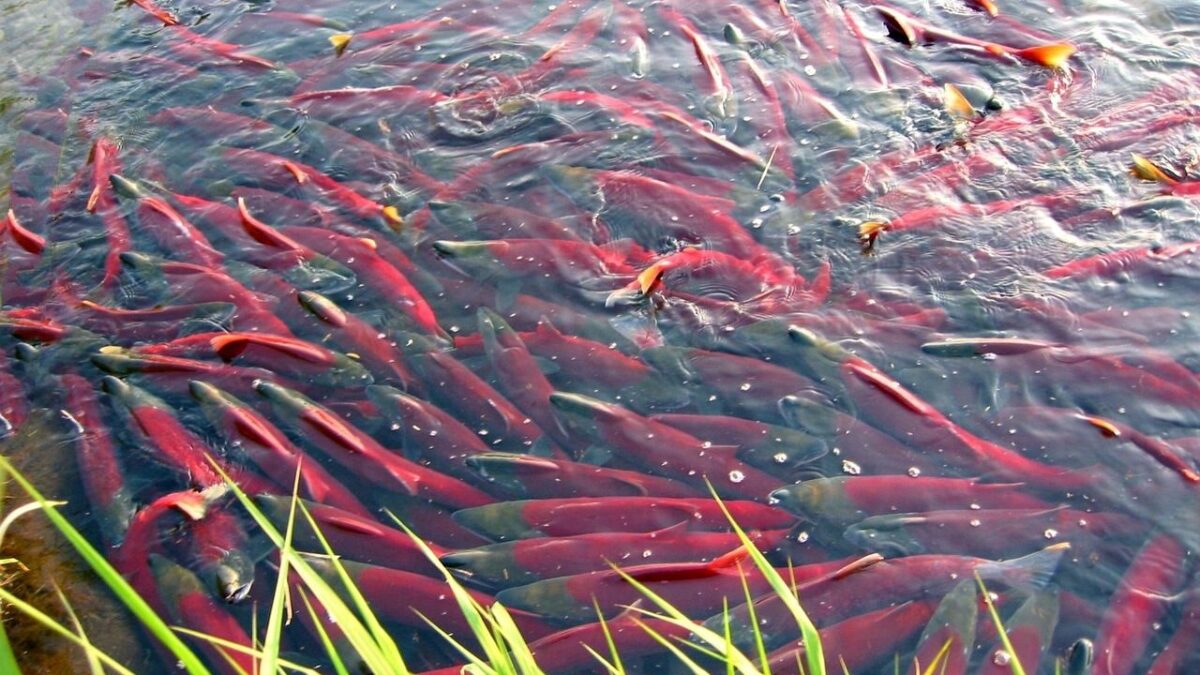
Worried about unexpected vet bills?
Pet insurance can cover thousands in unexpected vet costs. Get a free quote from Lemonade in under 2 minutes.
Get My Free Quote →Sponsored · Opens Lemonade.com
Picture this: a tiny fish, barely bigger than your thumb, leaves its mountain stream home and vanishes into the vast Pacific Ocean. Years later, after traveling thousands of miles through waters where no landmarks exist, it returns with pinpoint accuracy to that exact same gravel bed where it was born. This isn’t science fiction, this is the daily reality for salmon.
The salmon’s spawning journey represents one of nature’s most remarkable navigation feats. These incredible fish somehow manage to find their way home across distances that would challenge our most sophisticated GPS systems, all while facing predators, ocean currents, and countless obstacles. Let’s dive into the fascinating world of salmon navigation and discover how these amazing creatures accomplish their epic journeys.
The Magnetic Highway: Earth’s Natural GPS System
Scientists believe that salmon navigate by using the earth’s magnetic field like a compass. Think of Earth’s magnetic field as an invisible highway system that only salmon can see. While humans can’t sense the magnetic field that directs a compass, a salmon can detect minute variations in the field.
As salmon migrate and feed in the dark blue ocean, they sense minute variations in the magnetic field to determine their location. This evidence of variable migration routes by salmon originating from the same streams suggests that the salmon essentially have their own internal global positioning system (GPS) via the magnetic field. Remarkably, recent studies have shown slight natural movement (drift) of the earth’s magnetic field causes slight shifts in migration route of returning salmon!
While the exact mechanism of geomagnetic homing by salmon is a mystery, it is thought the salmon’s lateral line (a sensory organ that runs down the side of the fish from the gill plate to the tail fin) has the ultra sensitive ability to not only detect magnetic variation but other things like vibrations and electrical current in the water. This biological compass guides them across thousands of miles of seemingly featureless ocean.
The Power of Scent Memory: Nature’s Personal Address Book
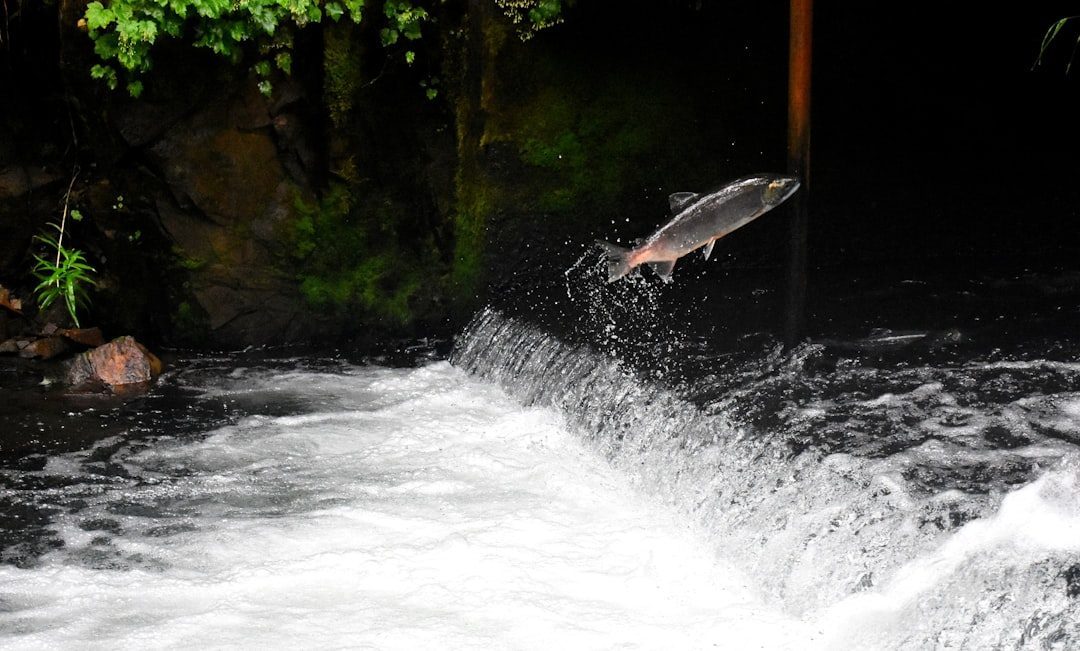
Once salmon get close to their home region, they switch to a completely different navigation system. When they find the river they came from, they start using smell to find their way back to their home stream. It’s like having a personal address book written in scents rather than words.
They build their ‘smell memory-bank’ when they start migrating to the ocean as young fish. A series of experiments beginning in the 1950s demonstrated that young salmon become particularly sensitive to the unique chemical odors of their locale when they enter the smolt period (when they begin their downstream migration to the sea).
Throughout all stages of their development and movement through freshwater lakes and rivers, Chinook salmon, like all salmon, imprint on (that is learn and remember) smells and/or the chemical nature of their surroundings. Not only do they imprint on the smells of their freshwater environment, they also imprint on the smells of their ocean environment in the vicinity of their natal (home) stream. This sophisticated scent memory allows them to distinguish their home river from thousands of others.
Incredible Journey Distances: The Ultimate Endurance Test
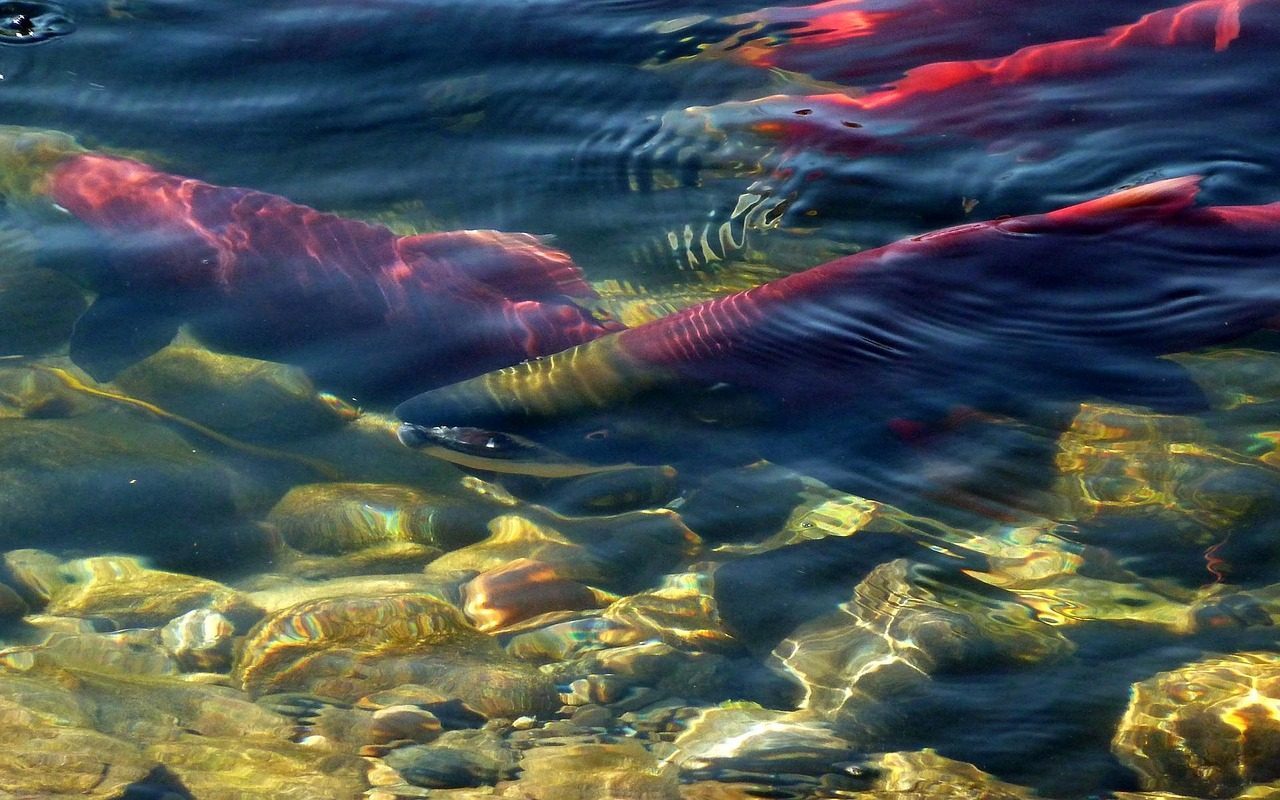
The distances salmon travel are truly staggering. Salmon first travel from their home stream to the ocean, which can be a distance of hundreds of miles. Once they reach the ocean, they might travel an additional 1,000 miles to reach their feeding grounds.
Some journeys are even more extreme. Chinook and sockeye salmon from central Idaho must travel 900 miles (1,400 km) and climb nearly 7,000 feet (2,100 m) before they are ready to spawn. Atlantic salmon can travel impressive distances, typically 1,000 to 3,000 miles during their ocean migrations before returning home to spawn.
Covering more than 30 miles per day against the unrelenting current, this six year-old, thirty pound salmon swam more than two thousand miles from the Bering Sea to reach her spawning grounds. Aside from a handful of incredibly long runs such as these, the average salmon river migration lies somewhere between 200 and 400 miles in larger river systems and 10 to 100 miles in smaller rivers.
Strategic Swimming: When to Stay Deep and When to Surface
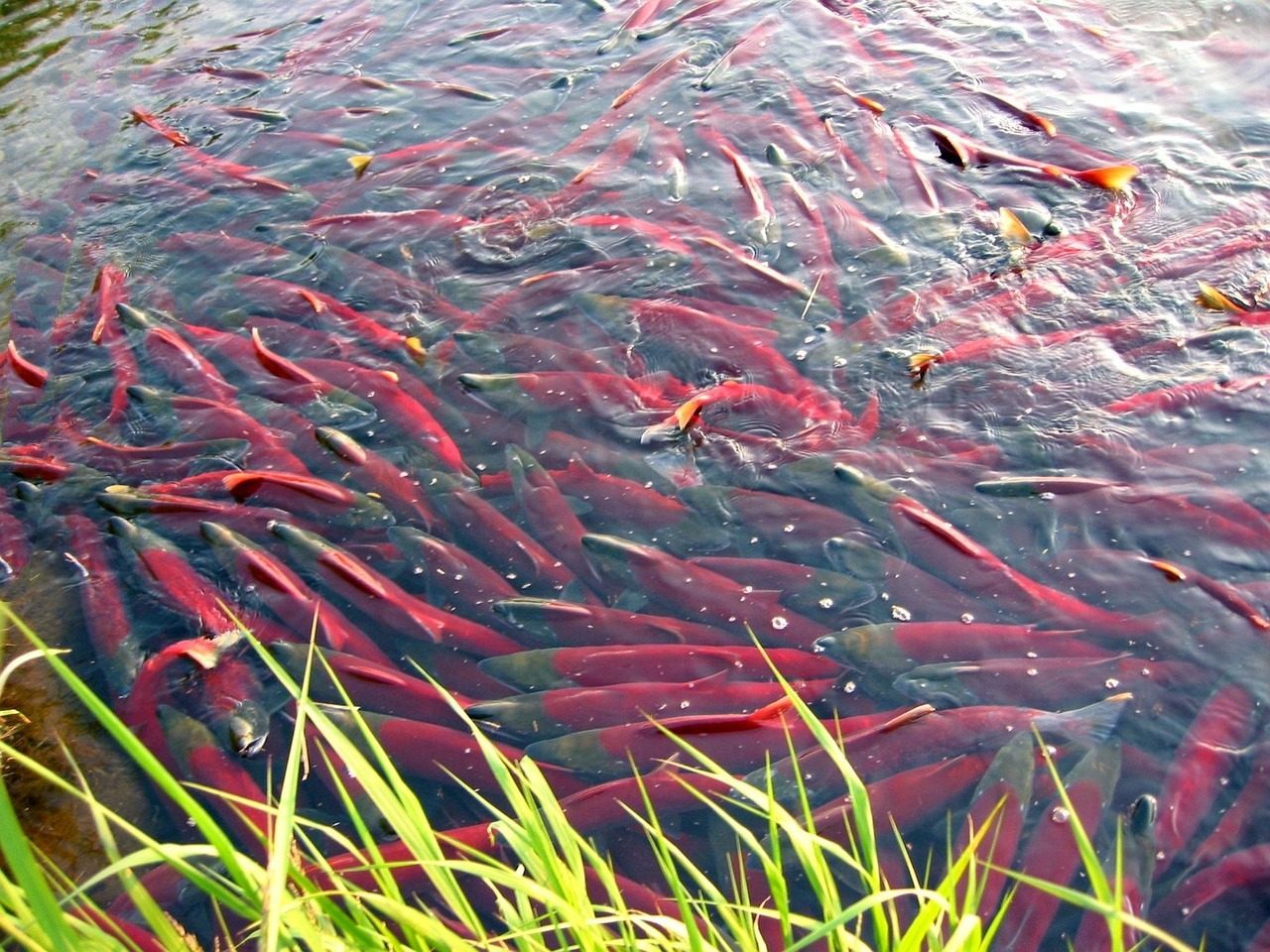
Salmon don’t just swim randomly through the ocean. They employ sophisticated strategies based on environmental conditions. When sea levels rose, resulting in a decrease in sea surface temperature, salmon exhibited active vertical movement through the water column and migrated to the surface layer.
Temperature plays a crucial role in their migration timing. The number of salmon ascending rivers between early October and early December increased when the sea surface temperature decreased below 18 °C, peaking when the water column was mixed during spring tides, and decreased when sea surface temperature dropped below 14 °C.
Once they reach rivers, their behavior changes dramatically. In rivers, salmon favored gravelly riverbeds over sand/silt substrates, stayed in deep and shaded areas during the day, and advanced upstream at night. This strategic timing helps them avoid predators and conserve energy for the challenging upstream journey ahead.
The Ultimate Sacrifice: Running on Empty to Reach Home
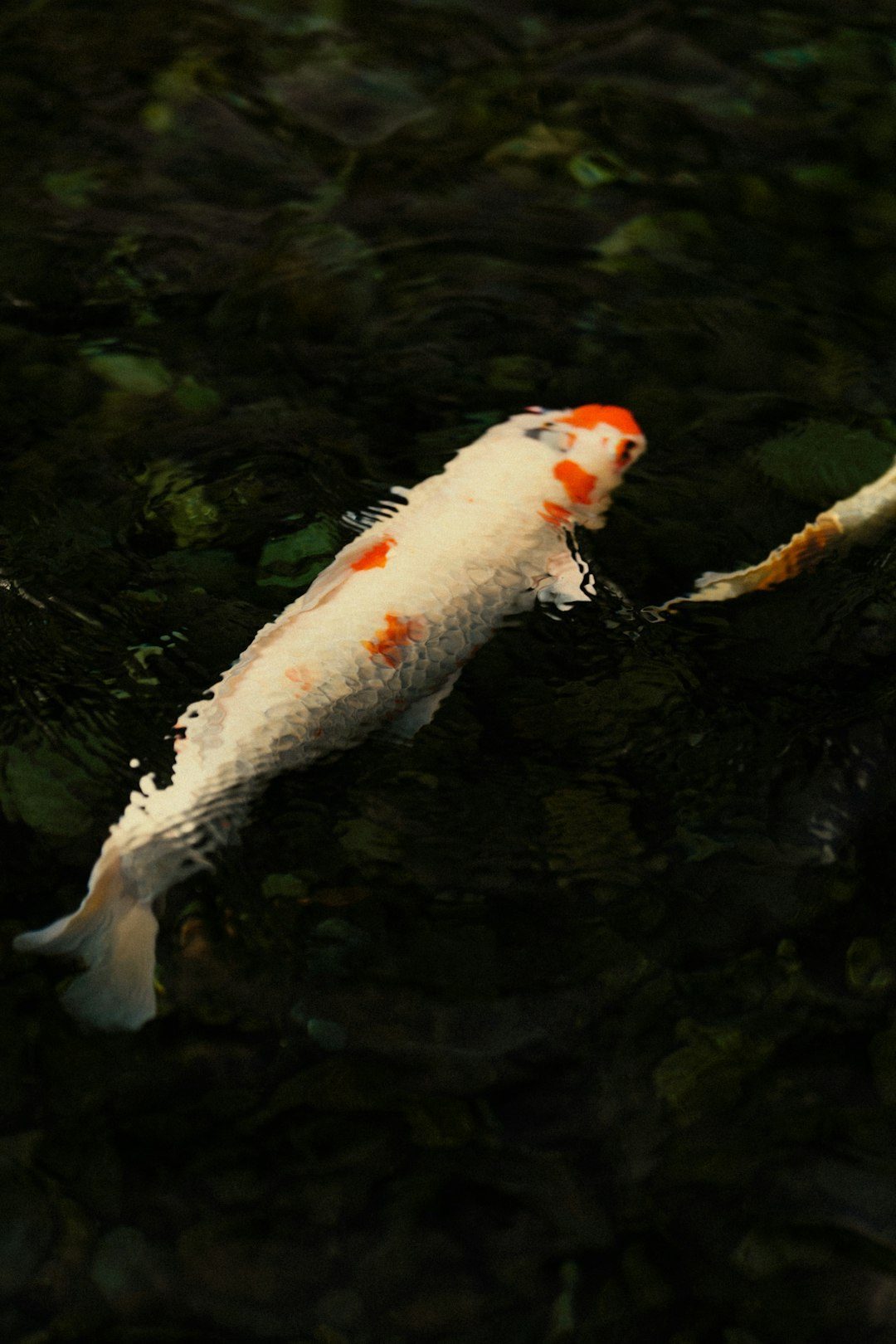
Perhaps the most remarkable aspect of salmon migration is that they accomplish this epic journey while fasting. Pacific salmon use all their energy for returning to their home stream, for making eggs, and digging the nest. Most of them stop eating when they return to freshwater and have no energy left for a return trip to the ocean after spawning.
Salmonids are capital breeders, relying entirely on endogenous energy stores to fuel return migration to their natal spawning sites and reproduction upon arrival. They’re literally burning their own body fat and muscle to power this incredible journey home.
Salmon change color to attract a spawning mate. This color change isn’t just for looks, it’s part of their body’s transformation as they prepare for their final act of reproduction. After spawning, other animals eat them (but people don’t) or they decompose, adding nutrients to the stream.
Navigation Challenges: When Things Go Wrong
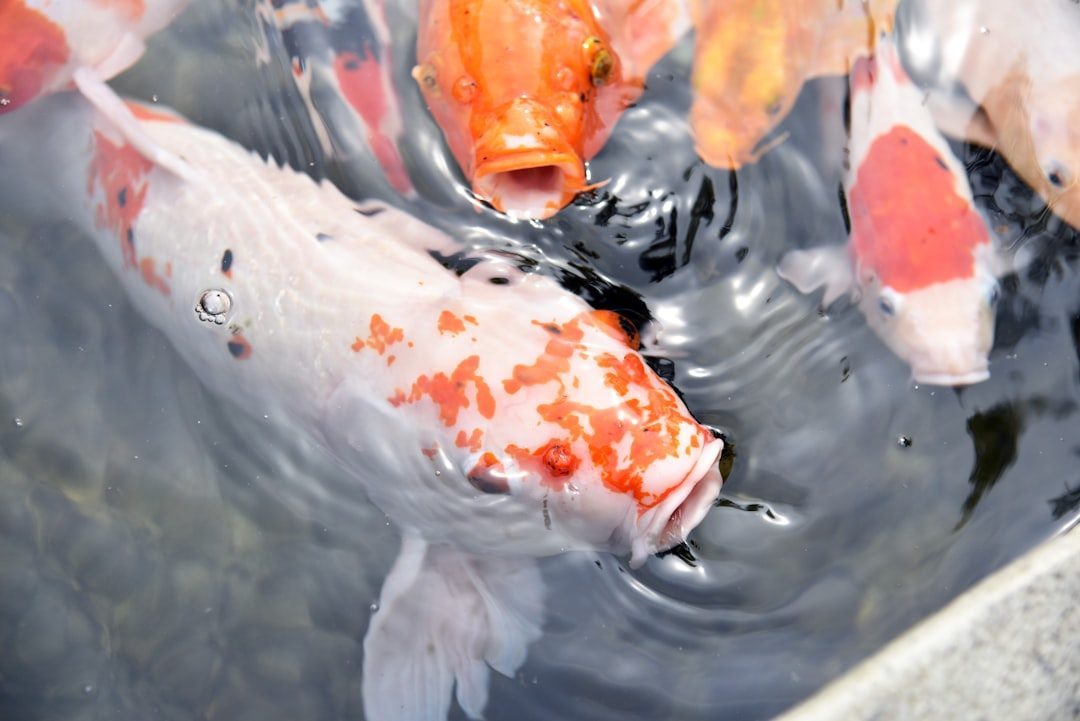
Even with their sophisticated navigation systems, salmon sometimes face challenges. If a salmon can’t find its stream, some continue to search for the right stream until they use up all their energy and die, but most simply try to find other salmon with which to spawn.
Tagging studies have shown a small number of fish do not find their natal rivers, but travel instead up other, usually nearby streams or rivers. On their return journey, salmon sometimes get lost or can’t return to their historic grounds. When this happens, some salmon search for the right spot until they die. Others adapt and find places with suitable habitats occupied by other salmon and spawn there.
Climate change is creating new navigation challenges. Increasing ocean acidity and warming temperatures can also throw off their smell, impeding their sense of direction. This shows how delicately balanced their navigation systems are and how environmental changes can disrupt millions of years of evolutionary fine-tuning.
Vision Doesn’t Matter: The Blind Salmon’s Success Story
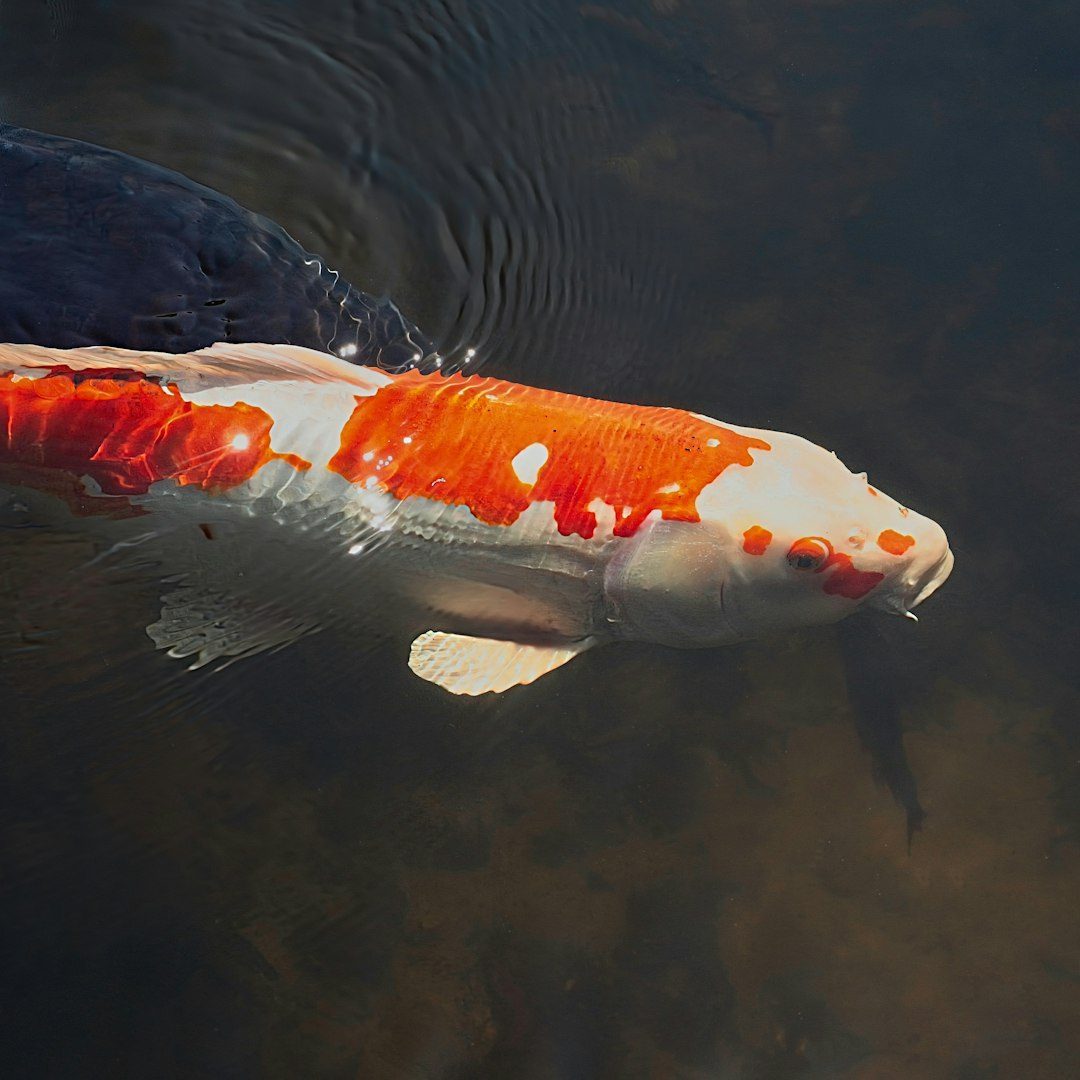
One of the most fascinating discoveries about salmon navigation came from an unexpected source. Research has documented cases of salmon with impaired vision successfully completing their migrations, demonstrating that visual cues are not essential for navigation.
Such findings demonstrate that vision plays a smaller role compared to their other navigational senses. There is little evidence salmon use clues from the sun for navigation. Migrating salmon have been observed maintaining direction at nighttime and when it is cloudy. Likewise, electronically tagged salmon were observed to maintain direction even when swimming in water much too deep for sunlight to be of use.
Studies of visually impaired salmon demonstrate that salmon navigation relies primarily on magnetic fields and chemical cues rather than visual landmarks. It’s a testament to the sophistication of their other sensory systems.
Conclusion
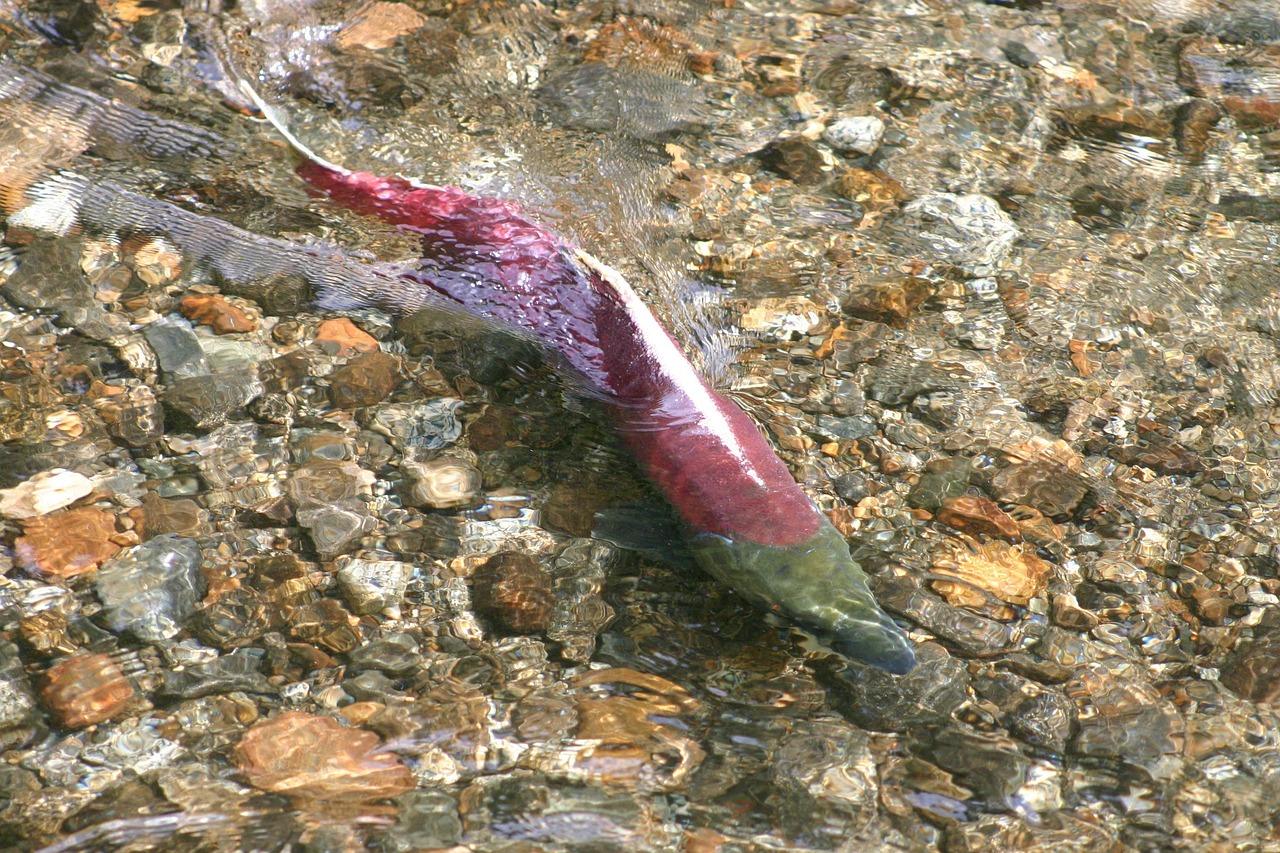
The salmon’s ability to navigate thousands of miles across featureless oceans and return home with pinpoint precision remains one of nature’s most incredible achievements. Through a combination of magnetic field detection, scent memory, and environmental awareness, these remarkable fish accomplish what seems impossible. Their journey represents the ultimate testament to the power of instinct, endurance, and the mysterious forces that guide life across our planet.
Survival rates for returning adult salmon vary widely depending on species, location, and environmental conditions, with some populations experiencing very low return rates. Yet despite these odds, salmon continue their epic migrations year after year, driven by an ancient calling that connects them to their birthplace. Their story reminds us that sometimes the most extraordinary journeys begin with the smallest steps, and that home truly is where the heart is, no matter how many thousands of miles away it might be. What do you think drives this incredible homing instinct? Tell us in the comments.
Worried about unexpected vet bills?
Pet insurance can cover thousands in unexpected vet costs. Get a free quote from Lemonade in under 2 minutes.
Get My Free Quote →Sponsored · Opens Lemonade.com
