
Worried about unexpected vet bills?
Pet insurance can cover thousands in unexpected vet costs. Get a free quote from Lemonade in under 2 minutes.
Get My Free Quote →Sponsored · Opens Lemonade.com
Living with an anxious dog can feel overwhelming, both for you and your furry friend. Every thunderstorm becomes a crisis, every unexpected visitor turns into a drama, and leaving for work might trigger a full-scale panic. Sound familiar? You’re not alone in this journey.
Anxiety can be caused by anything from separation anxiety and fear of loud noises to changes in routine and environment, and it can become debilitating for some dogs. The good news is that helping your dog find peace doesn’t require expensive equipment or years of training. Sometimes the simplest approaches make the biggest difference. Let’s explore five proven strategies that can transform your anxious pup into a more relaxed companion.
Create a Predictable Daily Routine
It’s essential to establish a routine for your dog so they feel comfortable and secure. Dogs are creatures of habit and thrive on predictability and structure. Think about it like this: imagine if you never knew when your next meal was coming or when you’d get to go outside. That uncertainty would stress anyone out, including your dog.
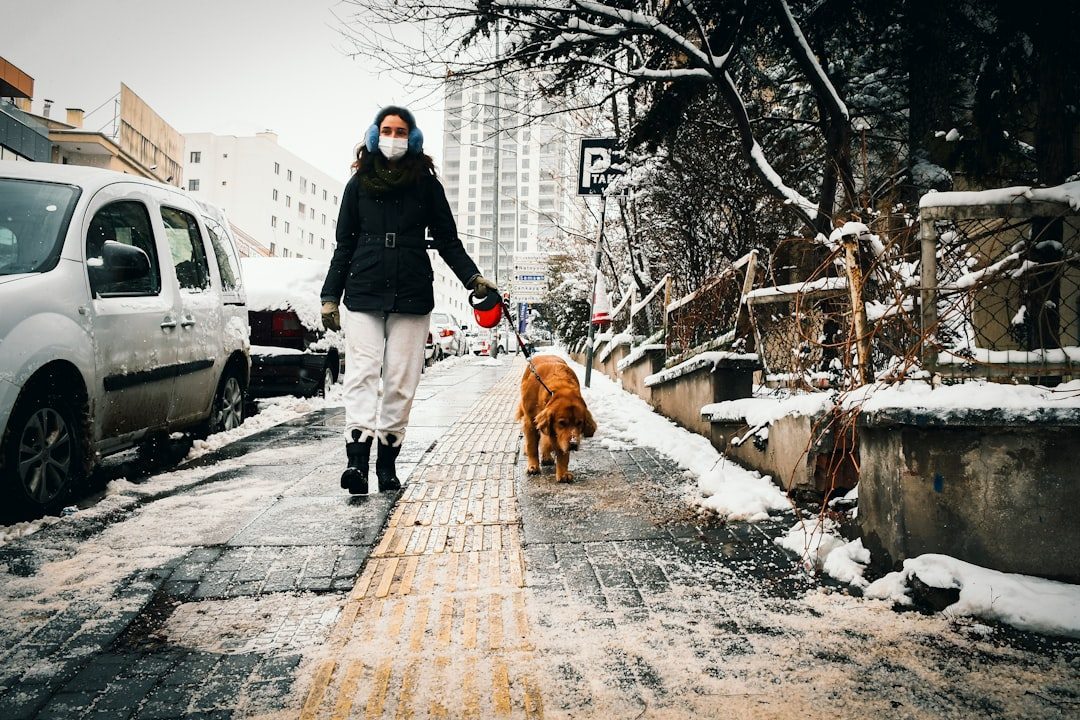
Feeding times, exercise times, playtimes, and sleep times are all part of a routine. Stay consistent as much as possible so your dog doesn’t get confused or stressed. I’ve seen dogs completely transform when their owners commit to walking them at the same time each morning and feeding them on schedule. Small changes in a schedule can trigger stress.
Making your dog’s day more predictable helps calm an anxious pet. Establish a daily routine so that your dog knows when they can expect to go for a walk, eat, play, “do their business,” get attention, and, most importantly, when they will be alone. Start tomorrow morning with the same wake-up time, and watch how your dog begins to relax into this new predictability.
Master the Art of Calming Touch
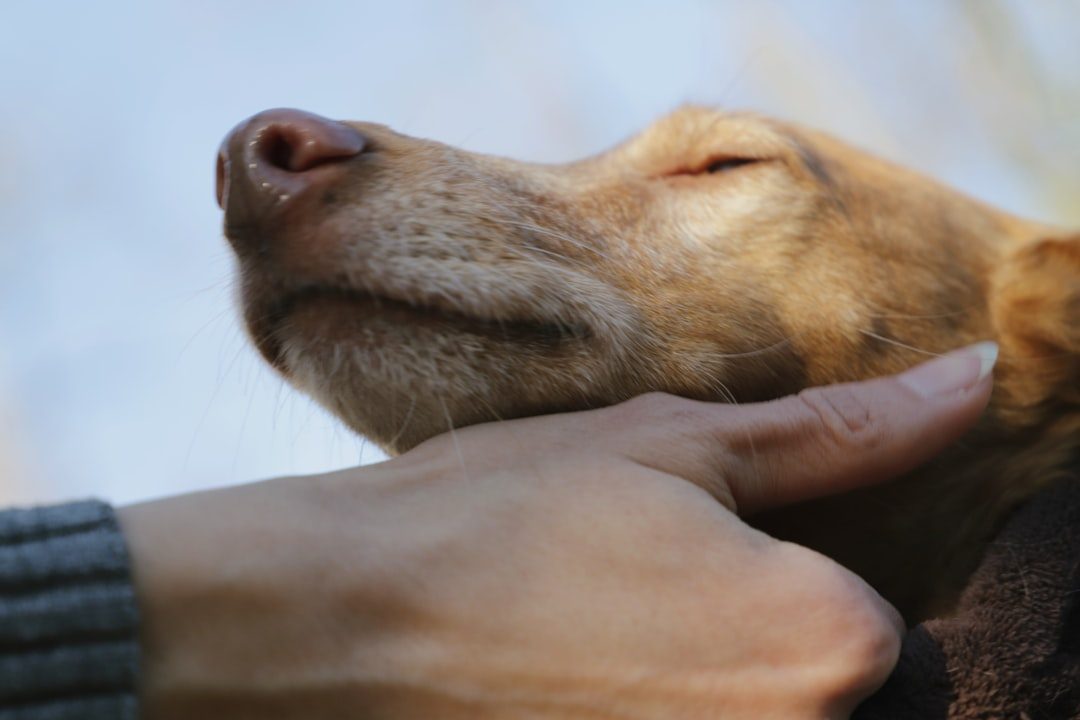
While we might want to pet our dogs to make them feel better, not all petting helps anxious dogs. While fast, rapid petting can excite dogs, slow, gentle pets can calm your dog down quickly. This might sound simple, but the way you touch your anxious dog can either soothe or agitate them further.
Certain massage techniques can also help relax dogs. But Dalton says to be careful and watch your dog’s body language to see if they’re okay with being petted, as not all dogs enjoy it. Look for signs like leaning into your touch, soft eyes, or a relaxed body posture. Gentle massage and petting can help relax your dog and release tension. Pay attention to your dog’s body language to determine which areas they enjoy being touched.
Some dogs find comfort in pressure-based solutions too. Thundershirts and anxiety wraps are snug-fitting garments that apply gentle pressure to your dog’s body, similar to swaddling a baby. This pressure can have a calming effect on anxious dogs. These work particularly well during stressful events like storms or fireworks.
Use Your Voice as a Calming Tool
The tone and volume of our voices can affect our dogs. “Just as higher-pitched, fast-talking can get dogs more excited, low, slow tones can help them calm down,” Dalton says. Your voice is one of the most powerful tools you have for calming an anxious dog, yet many people don’t realize how much their speaking style affects their pet.
If you want your dog to stay relaxed, keep your volume low and tone soft while you talk to them. Practice speaking in a lower register when your dog seems stressed. Think of how you’d speak to comfort a frightened child, that same gentle, reassuring tone works wonders for anxious dogs.
Notice how your dog responds to different vocal cues throughout the day. When you come home excited and speak in a high, fast voice, does your dog become more hyper? By keeping hellos and goodbyes calm, you are signaling to your anxious pet that there is nothing to worry about while you are gone. Calmly say goodbye when you leave and, when you return, calmly greet them.
Harness the Power of Sound Therapy
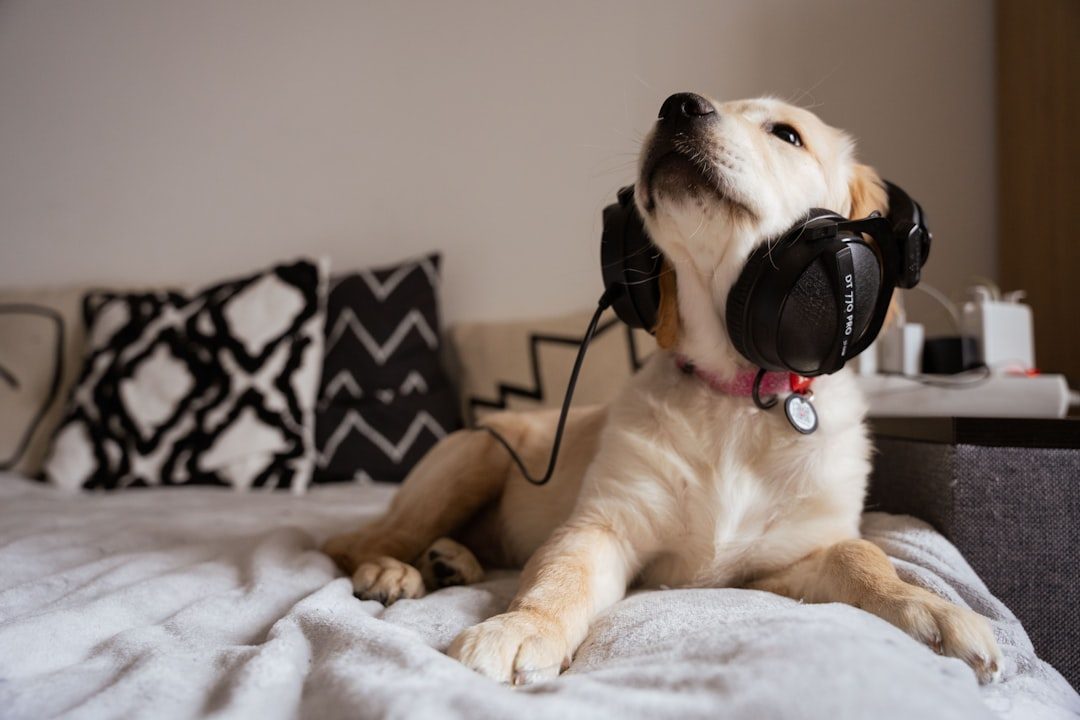
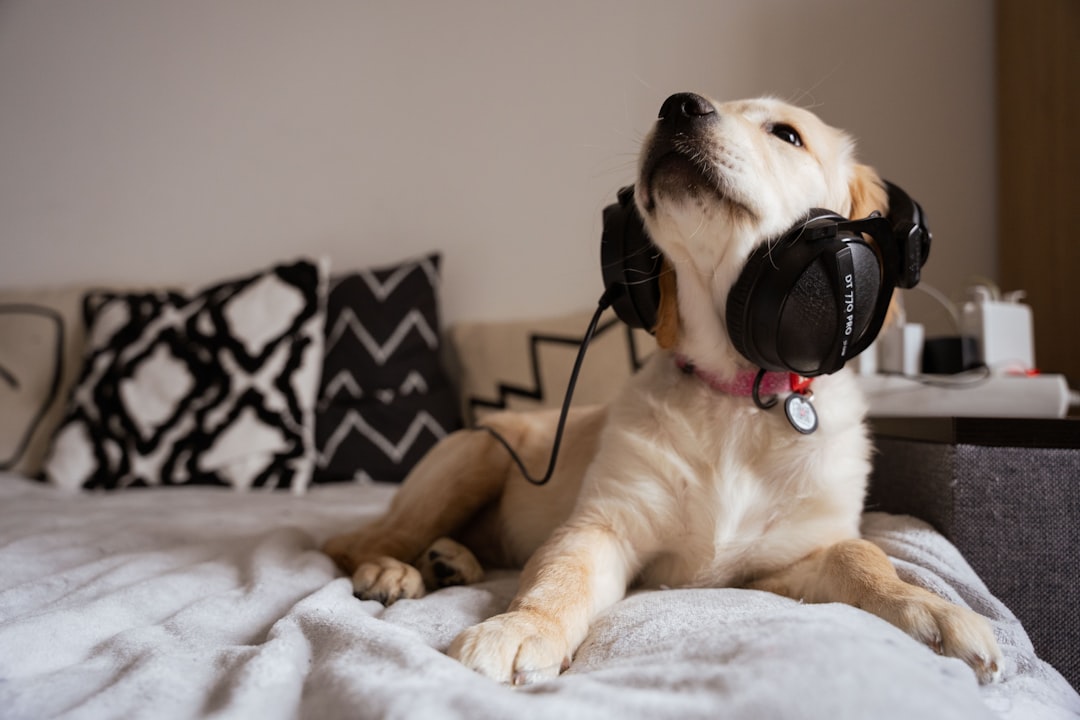
Studies show that soft music, especially classical music, can help dogs relax. Some streaming services even have playlists made just for calming dogs. Sound therapy isn’t just a trendy concept for humans; it’s backed by real science when it comes to our four-legged friends.
White noise or music can also drown out the unpredictable noises from thunderstorms or fireworks that trigger anxiety. Luckily, many apps and playlists are specifically curated to calm and soothe dogs. The key is choosing the right type of music. But avoid heavy rock or metal music, as it might make some dogs more anxious.
Music therapy has been proven to be beneficial for both humans, as well as our canine and feline friends. The power of music can be calming and relaxing while you’re home, in the car, or away from your pet. Music can also alleviate noise sensitivity by blocking the street or scary noises that bother some dogs and create anxiety. Try leaving calming music on when you go out, especially if your dog struggles with separation anxiety.
Build Mental Confidence Through Exercise and Enrichment
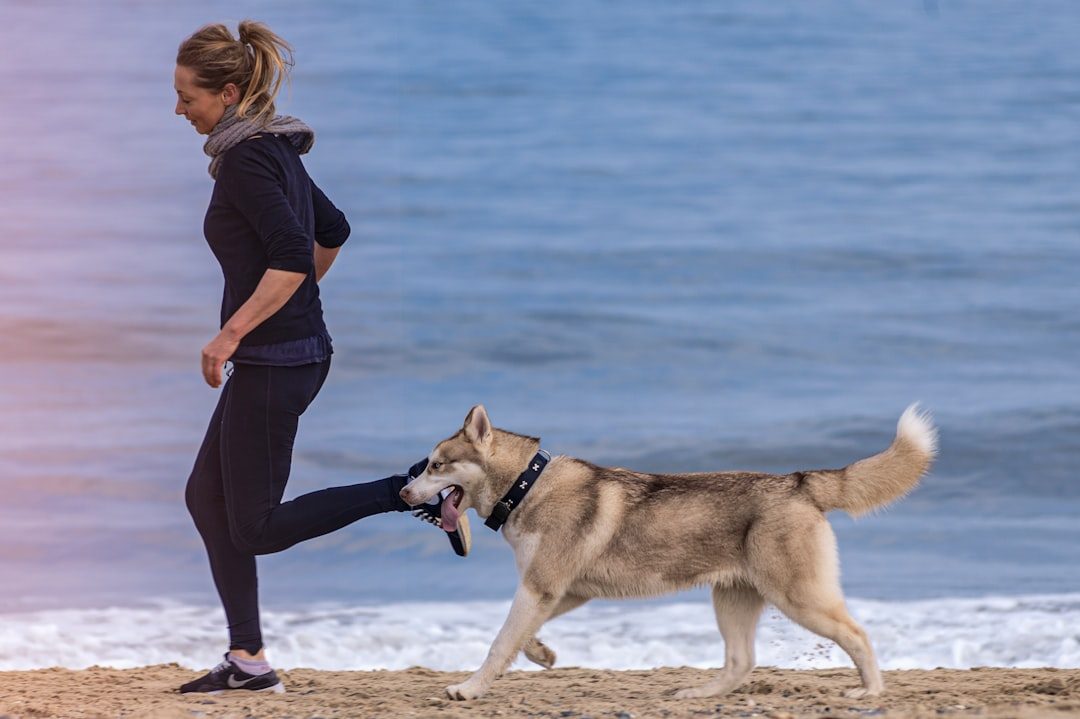
Physical activity is the best (and most fun) way for your dog to blow off steam. This is especially true for high-energy breeds. A long walk or short run is good for both you and your dog. A game of fetch in the back yard, a trip to the dog park, or a brisk walk before you leave will stimulate and tire out your dog and make them more likely to settle when you are gone.
However, physical exercise alone isn’t enough for many anxious dogs. Believe it or not, most dogs love a cognitive challenge. Working breeds in particular need metal stimulation and are most content when doing the job they were bred for. Mental exercise can be just as tiring as physical exercise, and it builds confidence in anxious dogs.
If you can’t get outdoors, try hiding a treat in the next room and letting them sniff it out or buy a puzzle game that makes them work for a snack. A mental workout can be just as beneficial to a dog as a physical workout. And a stimulated and challenged dog is less likely to act out. Start with simple puzzle feeders and gradually increase the difficulty as your dog’s confidence grows.
Conclusion
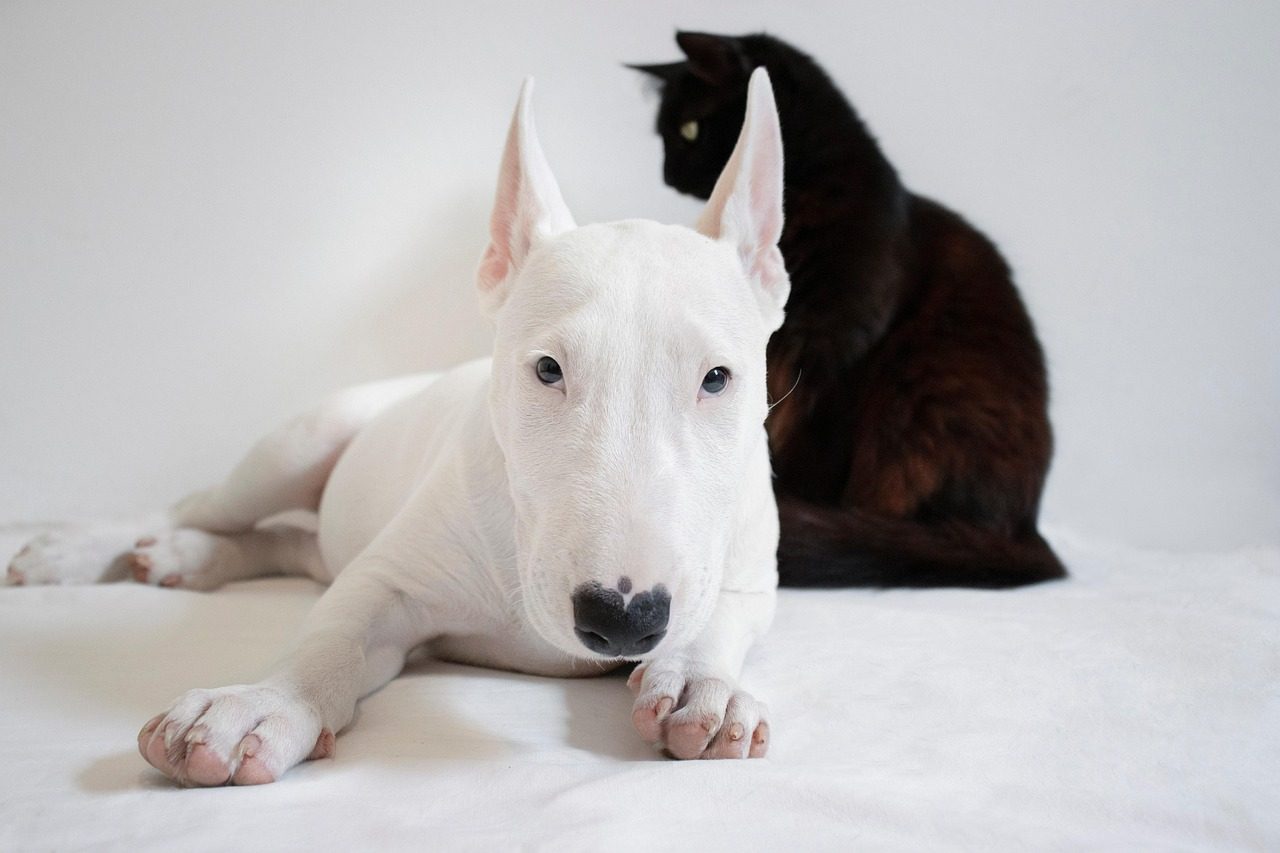
Transforming an anxious dog into a calmer companion doesn’t happen overnight, but these five simple strategies can create remarkable changes when applied consistently. Remember that every dog is unique, so it may take some trial and error to find the methods that work best for calming your furry friend. Patience, consistency, and positive reinforcement are key to helping your dog overcome anxiety and stress.
The most beautiful part of this journey is watching your dog discover that the world isn’t as scary as they once thought. When you see that first tail wag during a thunderstorm or notice them sleeping peacefully instead of pacing, you’ll know these simple changes are working their magic. What techniques do you think will work best for your anxious pup? Tell us in the comments.
Worried about unexpected vet bills?
Pet insurance can cover thousands in unexpected vet costs. Get a free quote from Lemonade in under 2 minutes.
Get My Free Quote →Sponsored · Opens Lemonade.com
