
Worried about unexpected vet bills?
Pet insurance can cover thousands in unexpected vet costs. Get a free quote from Lemonade in under 2 minutes.
Get My Free Quote →Sponsored · Opens Lemonade.com
Picture this: thousands of whales suddenly beaching themselves on shores worldwide, despite perfect navigation abilities. Moths drinking tears from sleeping animals. Sperm whales hanging motionless in vertical formations beneath the ocean surface. Welcome to the perplexing world of animal behaviors that continue to baffle even our most brilliant scientists.
Nature has always been our greatest teacher, yet some lessons remain mysteriously encoded in behaviors we can observe but can’t fully explain. These aren’t simple survival instincts or learned behaviors, but complex actions that seem to defy logic and challenge our understanding of animal cognition. From the magnetic mysteries of migrating creatures to the social puzzles of collective decision-making, the animal kingdom is full of enigmatic behaviors that make us question what we really know about intelligence, communication, and survival in the natural world.
The Magnetic Marvel Mystery That Confounds Science
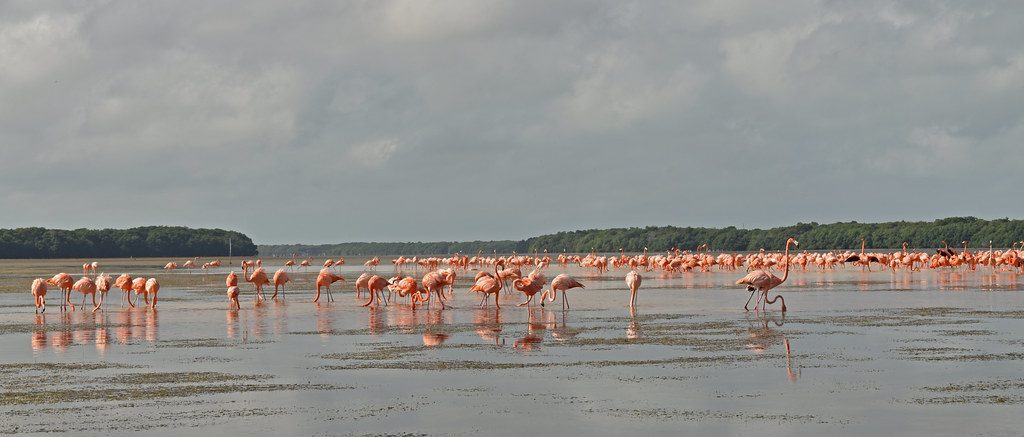
Imagine having an internal GPS system that’s more precise than any human technology, yet no one understands how it works. Sea turtles and salmon have the ability to sense the Earth’s magnetic field and use this sense for navigation. Diverse animals, ranging from invertebrates such as molluscs and insects to vertebrates such as sea turtles and birds, exploit information in Earth’s field to guide their movements over distances both large and small. What has remained mysterious is exactly how they do this.
The cells that function as receptors for the magnetic sense have not been identified with certainty in any animal. Scientists have discovered that Cry4a levels in migratory birds are highest during spring and autumn migration periods, and the Cry4a protein from the European robin is much more sensitive to magnetic fields than similar proteins from non-migratory birds, suggesting that the Cry4a of migratory birds has been selected for its magnetic sensitivity.
What makes this even more fascinating is that hatchling sea turtles use a touch-based magnetic sense to determine their location and find their way across vast ocean routes. Yet despite decades of research, the complete mechanism remains one of biology’s greatest puzzles.
Sperm Whales and Their Vertical Sleep Phenomenon
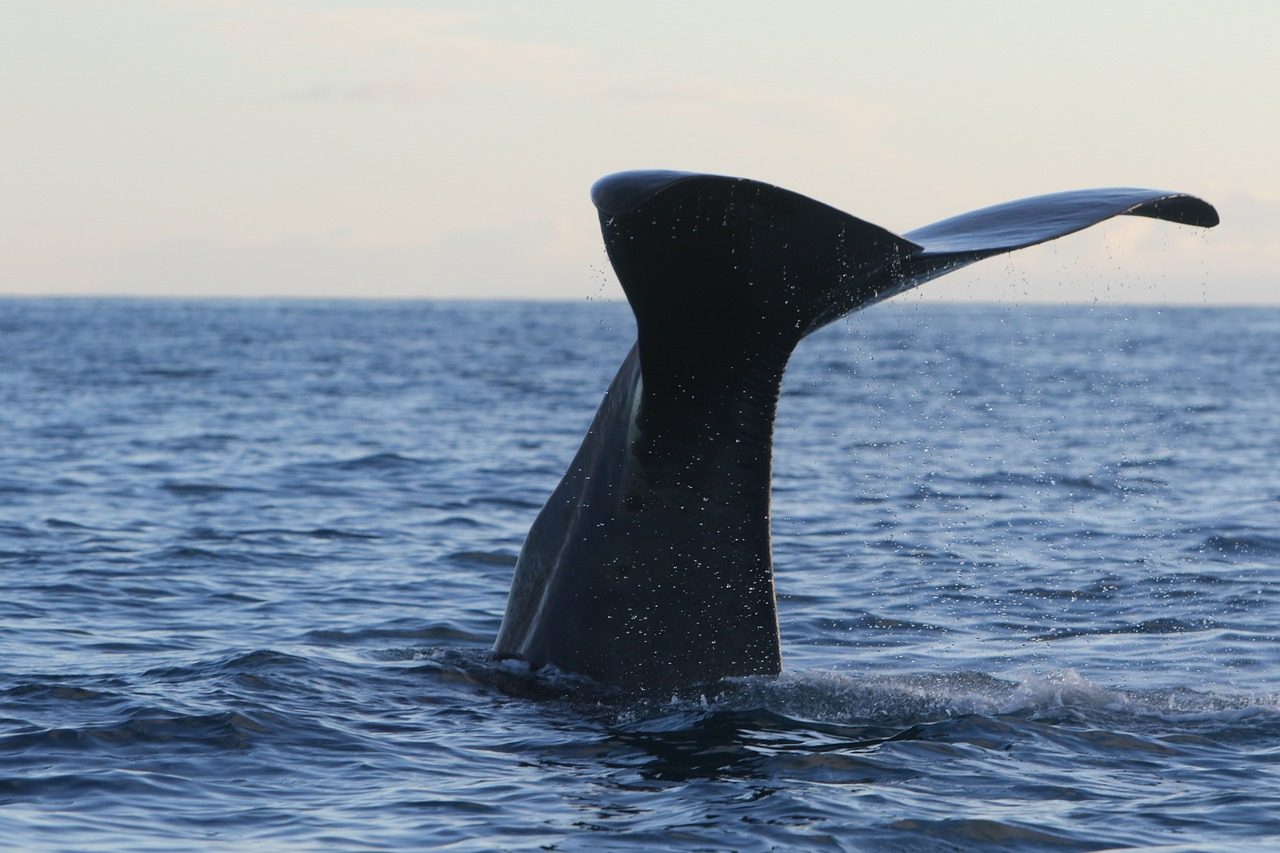
When sperm whales need a nap, they take a deep breath, dive down about 45 feet, and arrange themselves into perfectly level, vertical patterns, sleeping sound and still for up to two hours at a time between breaths, typically in pods of five or six whales. This bizarre sleeping behavior wasn’t even discovered until 2008, and it completely revolutionized our understanding of marine mammal rest.
The whales were found to spend seven percent of their day in these vertical sleeping positions near the surface of the water, where they napped from 10 to 15 minutes, suggesting they might be one of the world’s least sleep-dependent animals. The study presents the first evidence that whales in the wild may sleep with both sides of the brain, supported by the fact that the whales did not react to boats even though they were visible to both eyes, and since sperm whales have very little time for sleep, it would make more sense for them to sleep both sides at once.
What’s particularly mystifying is how they maintain perfect buoyancy in this position. Their ability to hold a stationary, head-up, vertical position for long durations is due to the internal structure of their bulbous heads which contain massive air-filled sinuses and an abundance of spermaceti oil, believed to play a key role in controlling their buoyancy.
Mass Animal Strandings Without Clear Explanation
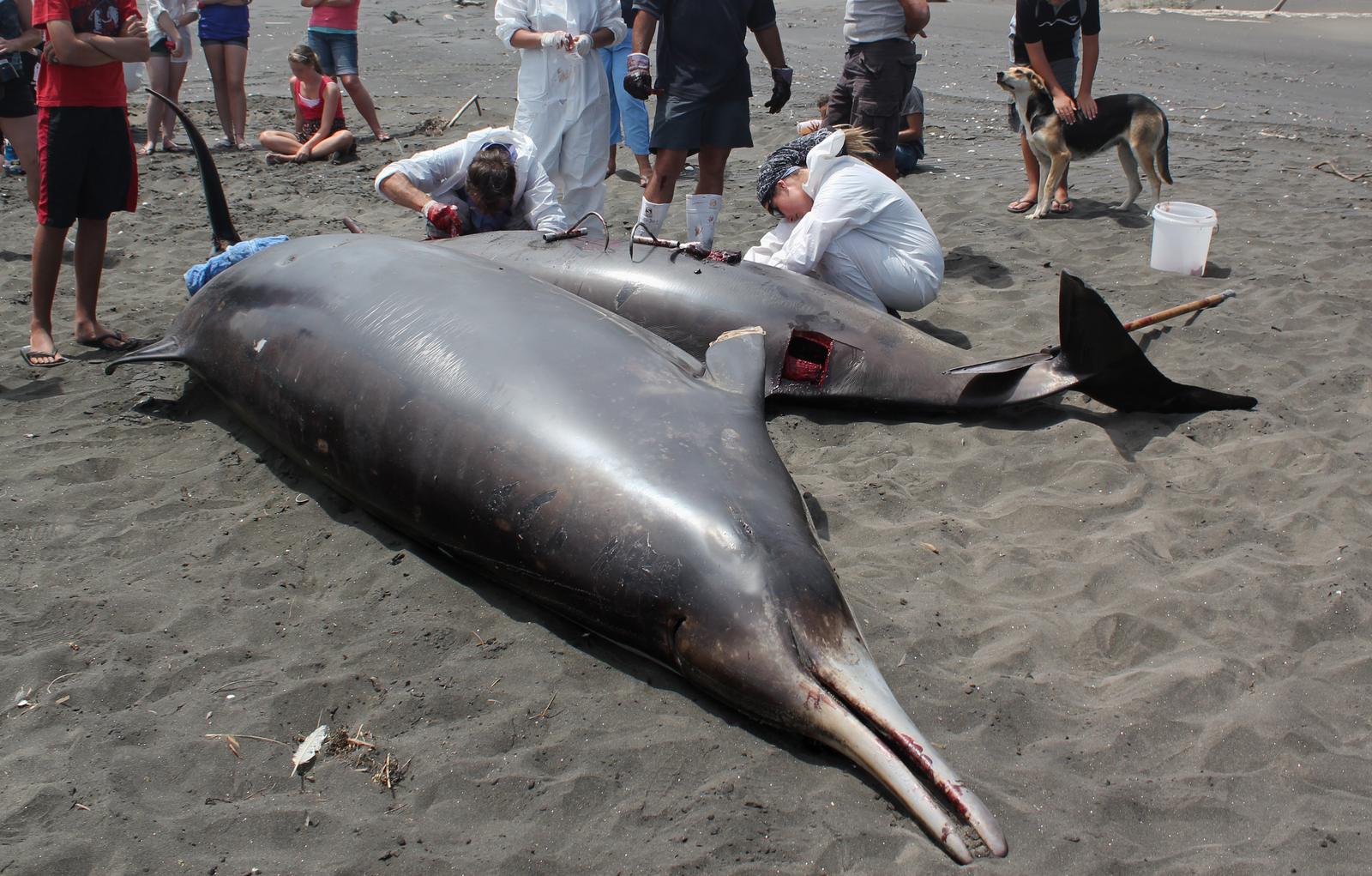
One of the most disturbing and mysterious phenomena in the animal kingdom is mass strandings of whales and dolphins, where these intelligent marine mammals occasionally beach themselves in groups of dozens or even hundreds, although they navigate vast oceans with precision. These events have puzzled scientists for generations and continue to occur worldwide without clear patterns.
Mass strandings, where groups of whales and dolphins beach themselves, often simultaneously across miles of coastline, continue to baffle marine biologists, and while some cases can be attributed to factors like disease or naval sonar, many mass strandings defy these explanations, particularly when apparently healthy animals repeatedly attempt to return to shore even after being rescued.
The most haunting aspect is the apparent intelligence behind these decisions. These are creatures capable of complex problem-solving and navigation, yet they make choices that seem to defy their own survival instincts, suggesting there might be environmental or social factors we simply don’t understand.
The Earthquake Prediction Enigma

Animals can sense earthquakes seconds before they happen since ancient Greece, and we know why: two types of waves come out of an earthquake, a large S-wave and a tiny P-wave that typically arrives seconds before the S-wave, and animals, unlike humans, can sense the tiny P-wave. However, the mystery goes much deeper than this simple explanation suggests.
Some researchers propose that animals may detect subtle environmental changes imperceptible to humans, such as electromagnetic field fluctuations, ground tilting, or infrasound waves that precede seismic events, but controlled studies have yielded inconsistent results, and no specific sensory mechanism has been definitively identified.
What’s truly puzzling is the wide range of species that supposedly demonstrate these predictive behaviors, from mammals to birds to insects, suggesting either multiple independent sensing mechanisms or some fundamental environmental signal that crosses species boundaries, and despite monitoring programs in earthquake-prone regions, this potential early-warning system remains largely unexplained.
The Great White Shark Navigation Mystery
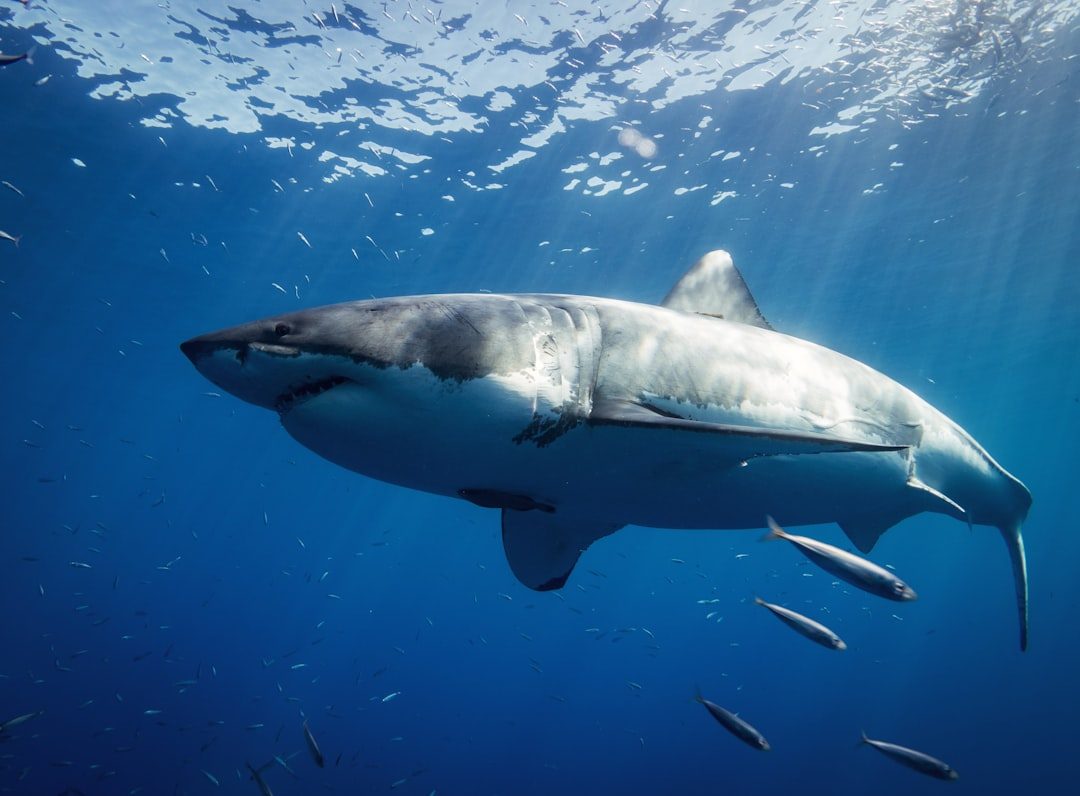
One of the biggest mysteries about great white behavior is where exactly they go, and how they get there, as Great Whites have possibly the weirdest migration patterns of any shark. These apex predators can travel thousands of miles across seemingly empty ocean with pinpoint accuracy, yet scientists remain baffled by their navigation methods.
In 2003-2004, scientists reported that a great white shark swam from South Africa to Australia and back again in nearly a straight line, and since at least the 1970s, researchers have suspected that elasmobranchs can detect magnetic fields. Recent research has confirmed that when subjected to southern magnetic fields, sharks persistently changed their headings to swim north toward home, suggesting they’re able to use magnetic fields for long-distance migration.
Still, there’s plenty about sharks we don’t know, like how exactly they navigate the ocean, as despite much of it being dark, empty, watery space, sharks can effortlessly go wherever they need to go, sometimes over thousands of miles, without getting lost, and we’re flummoxed as to why.
Octopuses Throwing Objects With Intent
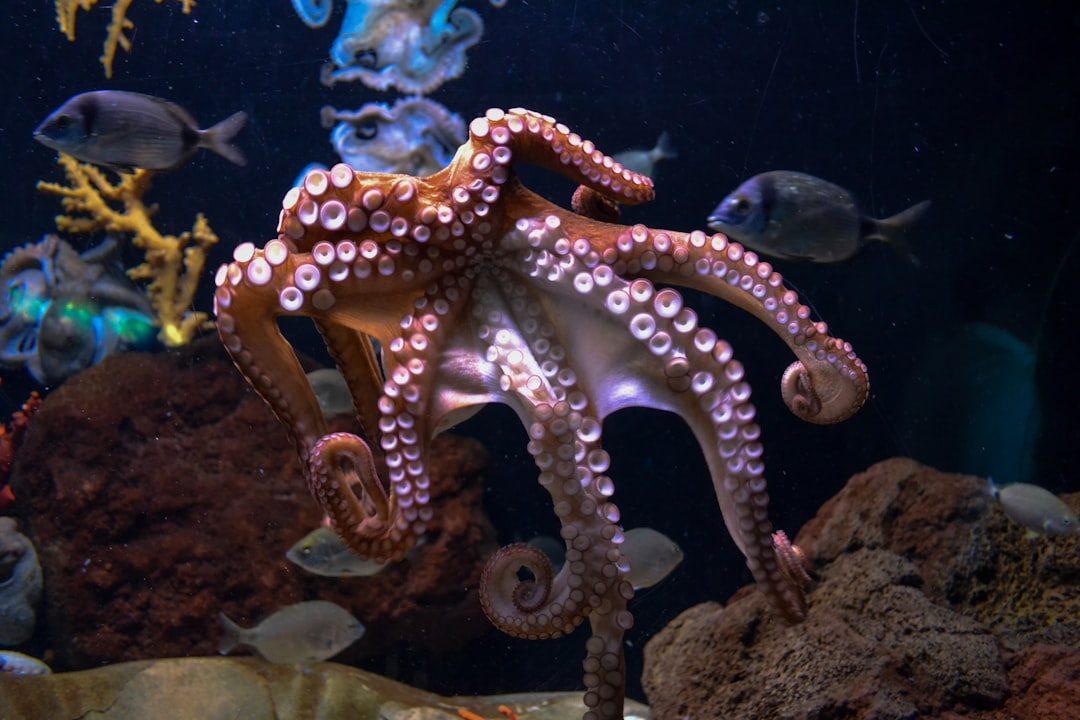
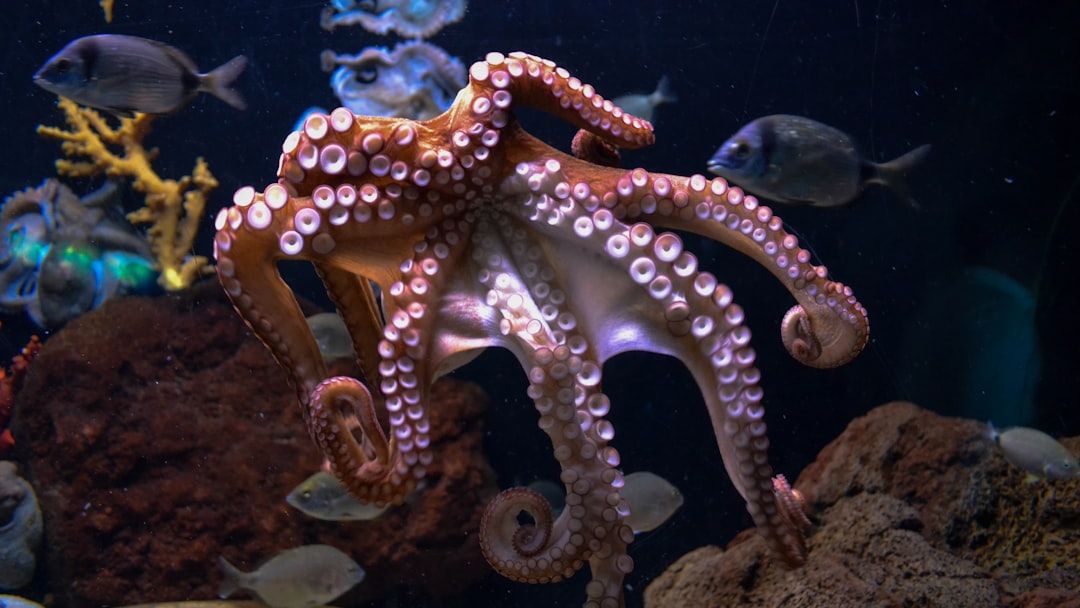
Like a New Yorker declaring “Hey, I’m walkin’ here!” gloomy octopuses living in dense conditions off the coast of Australia might communicate with their fellows by throwing things, as underwater cameras captured the cephalopods collecting shells, silt and algae with their arms and hurling them at one another by using jets of water from their siphon to propel the scraps, and researchers even observed the receiving octopuses ducking to avoid a hit.
This behavior suggests a level of intentional communication that we’re only beginning to understand. The precision with which these solitary creatures aim their projectiles and the defensive responses of their targets indicate this isn’t random aggression but potentially sophisticated social interaction.
What makes this particularly intriguing is that octopuses are known for their intelligence and problem-solving abilities, but deliberate object-throwing as communication represents a cognitive leap that challenges our understanding of invertebrate social behavior.
The Lemming Population Cycle Puzzle
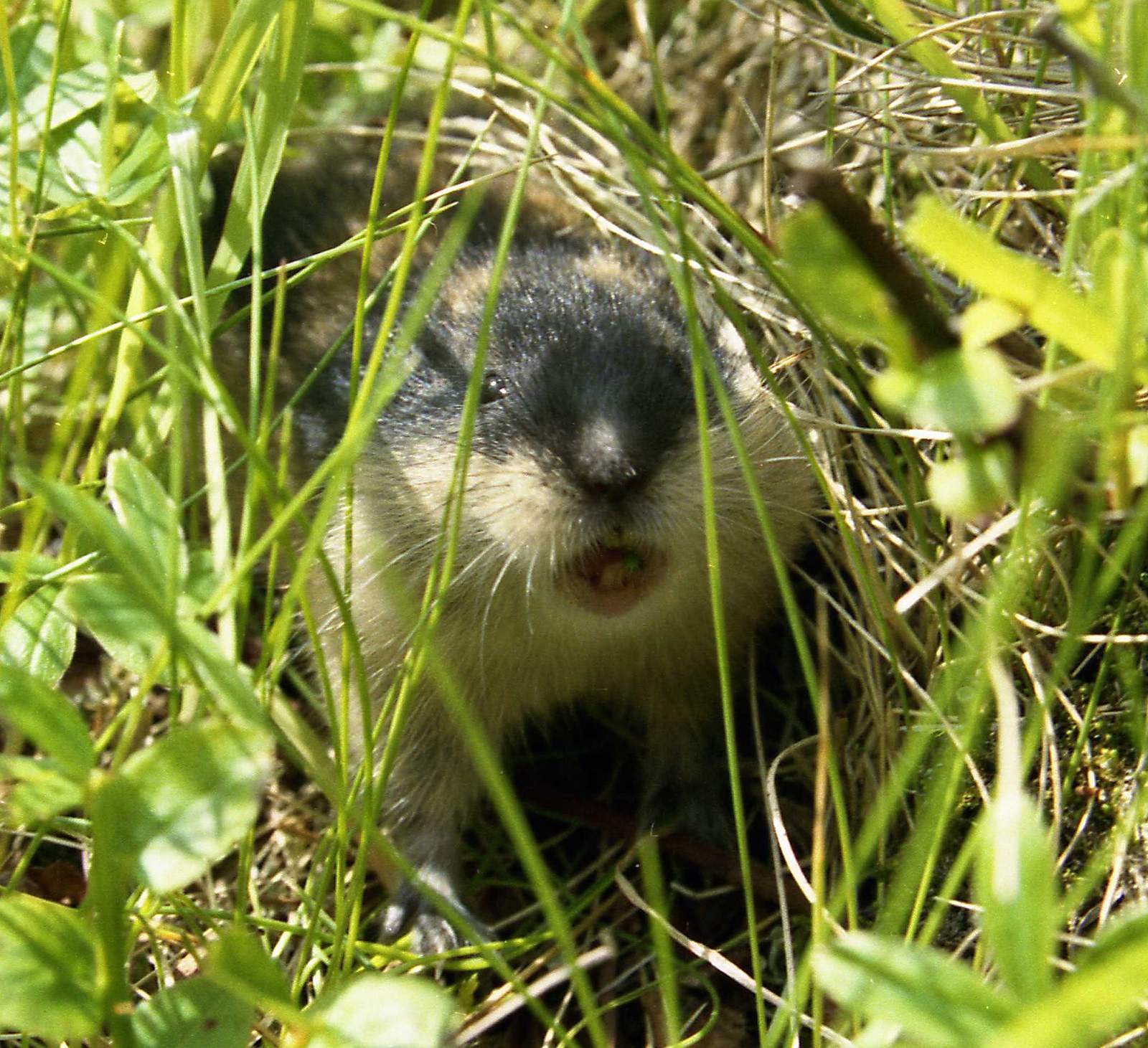
While the myth that lemmings commit mass suicide was fabricated, lemmings do exhibit strange population behaviors that scientists still don’t completely understand, as during peak population cycles, Norwegian lemmings undergo mass migrations where thousands travel together, sometimes swimming across bodies of water, and during these events, many drown or die from exhaustion.
Researchers understand the population cycles are linked to food availability, predator abundance, and reproductive surges, but the precise triggers for these coordinated movements and why they seem to occur with such dramatic self-destructive consequences remain incompletely explained, illustrating how even when we debunk myths, the underlying animal behaviors can still contain genuine scientific mysteries.
The coordination aspect is what truly mystifies scientists. How do thousands of individual lemmings make the same life-or-death decision simultaneously? This collective behavior suggests communication or environmental cues we haven’t fully identified.
Cattle’s Mysterious North-South Dining Preference

Aside from “at the table” or “in front of the TV,” you probably don’t think much about what direction you face when you eat, but cows do, as almost universally, a cow will face either north or south come dinnertime, and while we know how they do it, we have not one idea why.
This behavior has been observed across different continents and climates, ruling out local environmental factors as explanations. Cows consistently orient themselves along the magnetic north-south axis during feeding and resting, but the adaptive advantage remains completely unknown.
What’s particularly puzzling is that this magnetic alignment appears to serve no obvious survival function. Unlike migration or navigation, mealtime orientation seems unnecessary, yet it’s so consistent that there must be some evolutionary benefit we simply haven’t discovered.
The Unexplained Drive to Play

It seems like the easiest conclusion in the world that animals play because it’s fun and they learn stuff by doing so, as play-fighting teaches them how to fight for real and playful romps build lifelong friendships, but as it turns out, we actually know nothing definitive about why animals play because, when you break it down, the very idea makes very little sense.
From an evolutionary perspective, play is costly and dangerous. Animals expend precious energy, make noise that attracts predators, and risk injury during play behaviors. Yet play is widespread across species, from dolphins to ravens to elephants, suggesting it serves crucial functions we don’t fully grasp.
The mystery deepens when considering the complexity of play behaviors. Animals seem to understand rules, take turns, and even appear to laugh. This suggests cognitive abilities that challenge our understanding of animal consciousness and emotional intelligence.
Understanding these mysterious behaviors reminds us that despite centuries of scientific advancement, the natural world still holds secrets that elude our comprehension. Each unexplained behavior represents a puzzle piece in the grand story of life on Earth, challenging our assumptions about intelligence, communication, and survival strategies. These mysteries aren’t just scientific curiosities, they’re windows into the remarkable complexity of animal cognition and the intricate ways creatures have adapted to their environments.
What do you think drives these puzzling behaviors? Could there be environmental factors or forms of intelligence we haven’t discovered yet?
Worried about unexpected vet bills?
Pet insurance can cover thousands in unexpected vet costs. Get a free quote from Lemonade in under 2 minutes.
Get My Free Quote →Sponsored · Opens Lemonade.com

- 15 Horse Breeds Vets Say Have Become Dangerously Popular With First-Time Owners – And It Never Ends Well - June 10, 2026
- Neuroscience Says Your Cat Kneads You Because It’s Reliving a Comfort Memory From Infancy - June 10, 2026
- Anthropology Says Ancient Humans Who Buried Their Dead With Flowers 130,000 Years Ago May Have Had a Concept of an Afterlife Far Earlier Than Any Religion We Know - June 10, 2026