
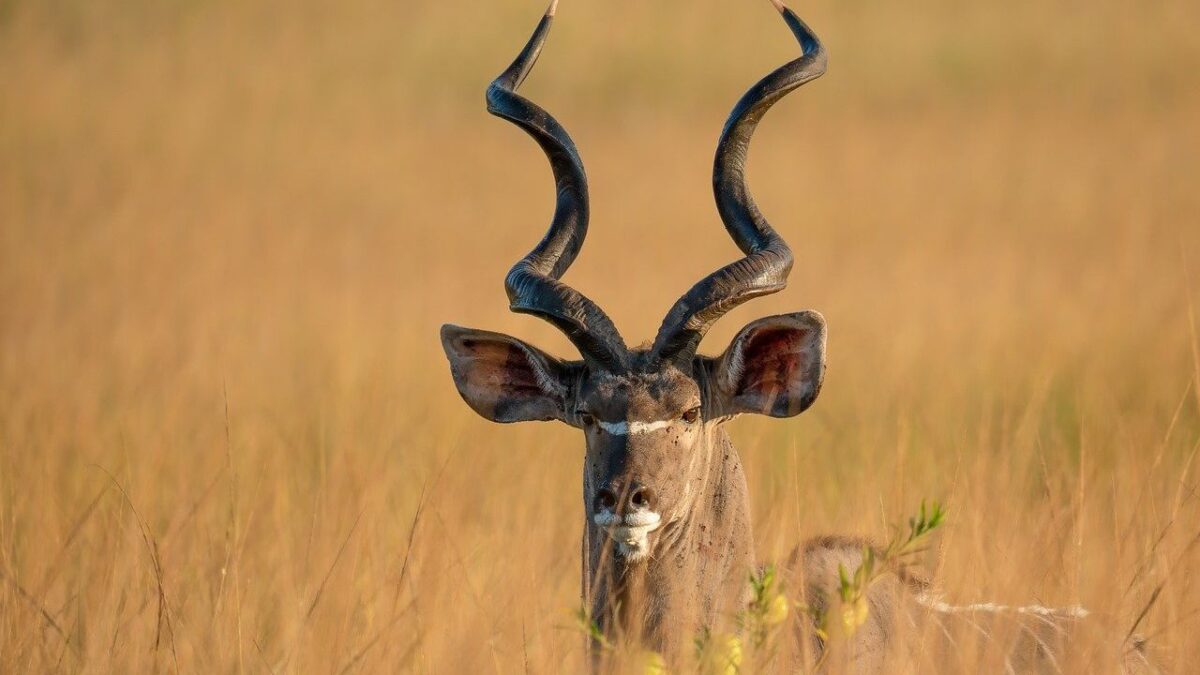
America’s wild places hold remarkable stories of recovery, conservation, and hope. From rescued grizzly bears finding peace in the Rocky Mountain foothills to endangered species thriving under careful protection, wildlife sanctuaries across the nation offer visitors extraordinary encounters with nature’s most magnificent creatures. These aren’t zoos or entertainment venues – they’re sacred spaces where animals who can’t return to the wild live out their lives with dignity while educating thousands about conservation’s vital importance.
Whether you’re drawn to watching wolves form pack bonds or witnessing massive bison roam freely under endless skies, these sanctuaries promise unforgettable experiences that will change how you see wildlife forever. Let’s explore seven of America’s most remarkable wildlife havens that welcome visitors.
The Wild Animal Sanctuary – Colorado’s Big Cat Haven
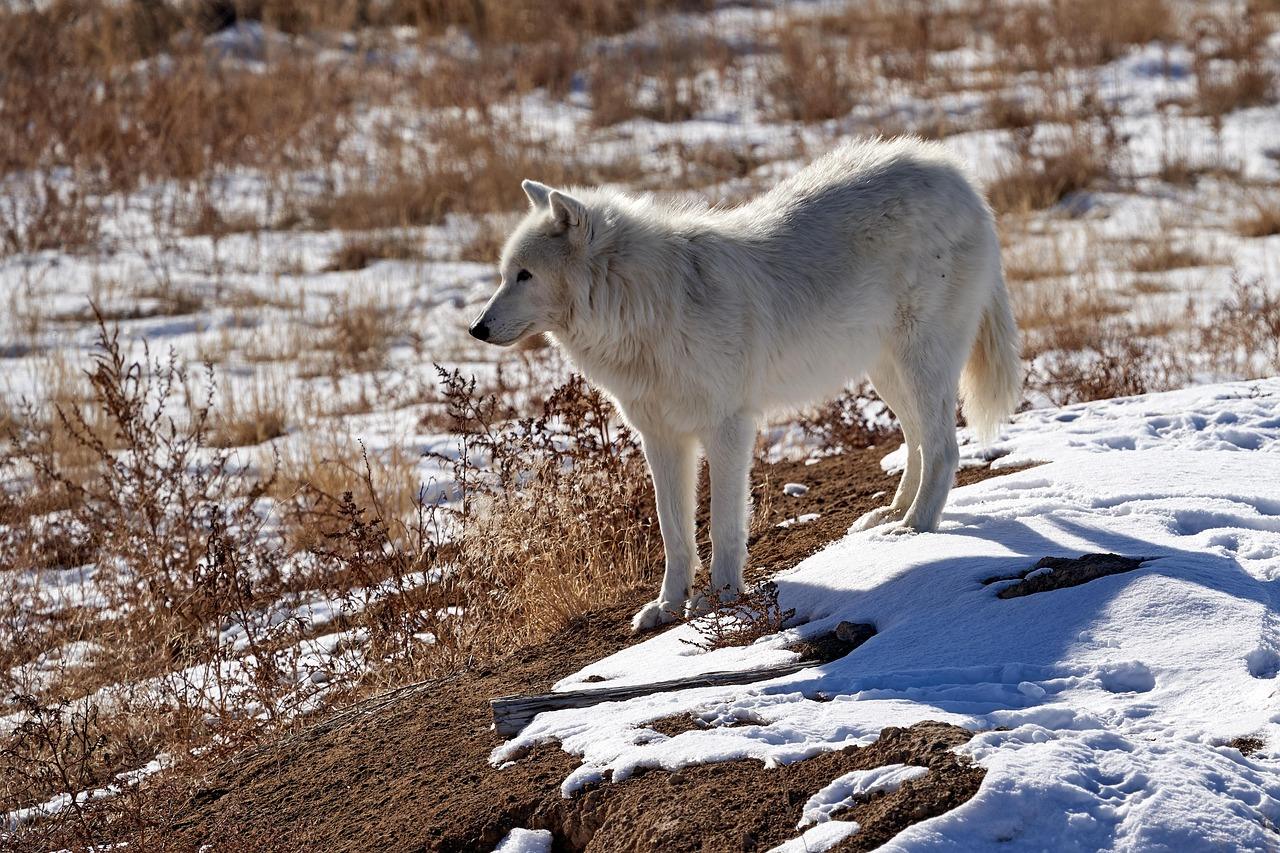
Picture this: walking along an elevated boardwalk stretching for miles across Colorado’s grasslands, watching below as over 460 lions, tigers, bears, wolves, and other rescued animals (many of whom were held captive as pets or for entertainment purposes) living their best lives on the sprawling plains against the backdrop of the Rocky Mountains. This isn’t a dream – it’s reality at The Wild Animal Sanctuary, a sanctuary spanning thousands of acres just northeast of Denver.
The Wild Animal Sanctuary currently operates three facilities within the United States. Two of our Sanctuaries specialize in saving captive-born exotic animal species, while the other is entirely dedicated to saving Colorado Mustangs. What makes this place truly special is its approach to rehabilitation – TWAS’s Mile into the Wild Walkway is a unique system of elevated walkways and observation platforms which allows visitors to view the animals roaming freely within their habitats. This elevated system is a critical part of our ability to accommodate visitors, as it prevents humans from posing a threat to the animals’ territory.
Yellowstone Wildlife Sanctuary – Montana’s Native Species Haven
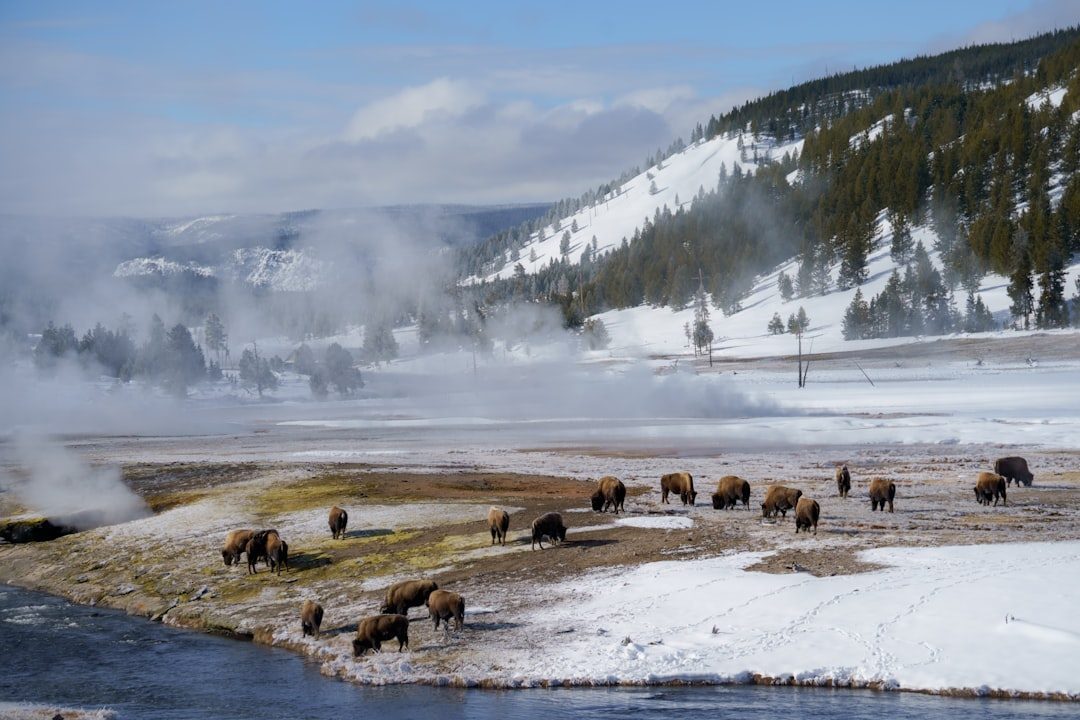
The Yellowstone Wildlife Sanctuary is an American Sanctuary Association accredited sanctuary that provides lifelong homes to non-releasable native Greater Yellowstone Ecosystem wildlife. Located in Red Lodge, Montana, this sanctuary has been providing homes to animals like bison, bears, mountain lions, wolves, hawks, owls, and foxes that rescue/rehab centers declare to be too badly injured, too habituated to humans, or too emotionally damaged to live in the wild for over three decades.
What sets this sanctuary apart is its focus on native species from the Greater Yellowstone region. Come visit some of the most iconic species in the ecosystem, including bison, black bears, wolves, coyotes, mountain lion, bobcat, lynx, fox, hawks, falcons, owls, and many more. The sanctuary operates May – Oct: 10 am – 4:00 pm – Closed Tues. Nov – Dec: 10 am – 4:00 pm – Fri, Sat, Sun only, making it accessible to visitors throughout most of the year.
Best Friends Animal Sanctuary – Utah’s Massive Rescue Haven
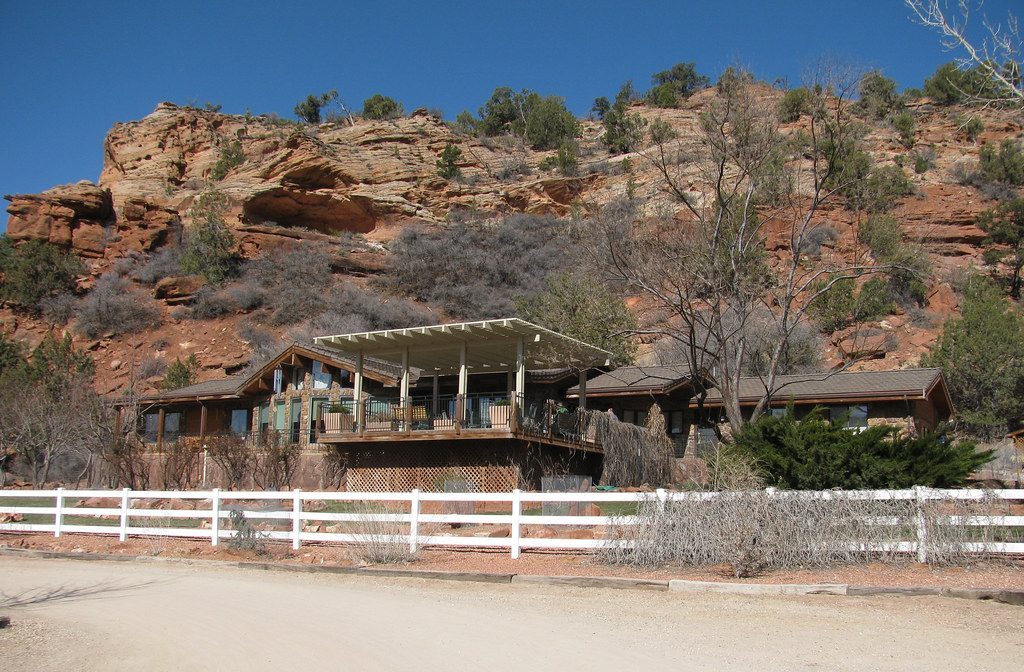
In the heart of Utah’s red rock country lies something extraordinary – this massive sanctuary is home to more than 1,600 cats, dogs, pigs, horses, birds, bunnies, and other rescued friends. Visitors can take a guided tour of the grounds, volunteer to help care for the animals (which ensures extra up-close time with the residents), enjoy a vegan lunch at the on-site cafe, and explore the many hiking trails that wind through the beautiful canyons.
The sanctuary’s mission goes beyond just animal care. “We hope visitors are compelled by the magic they experience at the sanctuary to help animals in their own community,” says Best Friends spokeswoman Michelle Sathe. “Best Friends is dedicated to ending the killing of shelter pets by 2025, and this will only happen if we get every animal-lover in America on board.” For an extra-special experience, stay at one of the on-site cottages or cabins and have a “sleepover” with an adoptable sanctuary animal.
Okefenokee National Wildlife Refuge – Georgia’s Mysterious Swampland
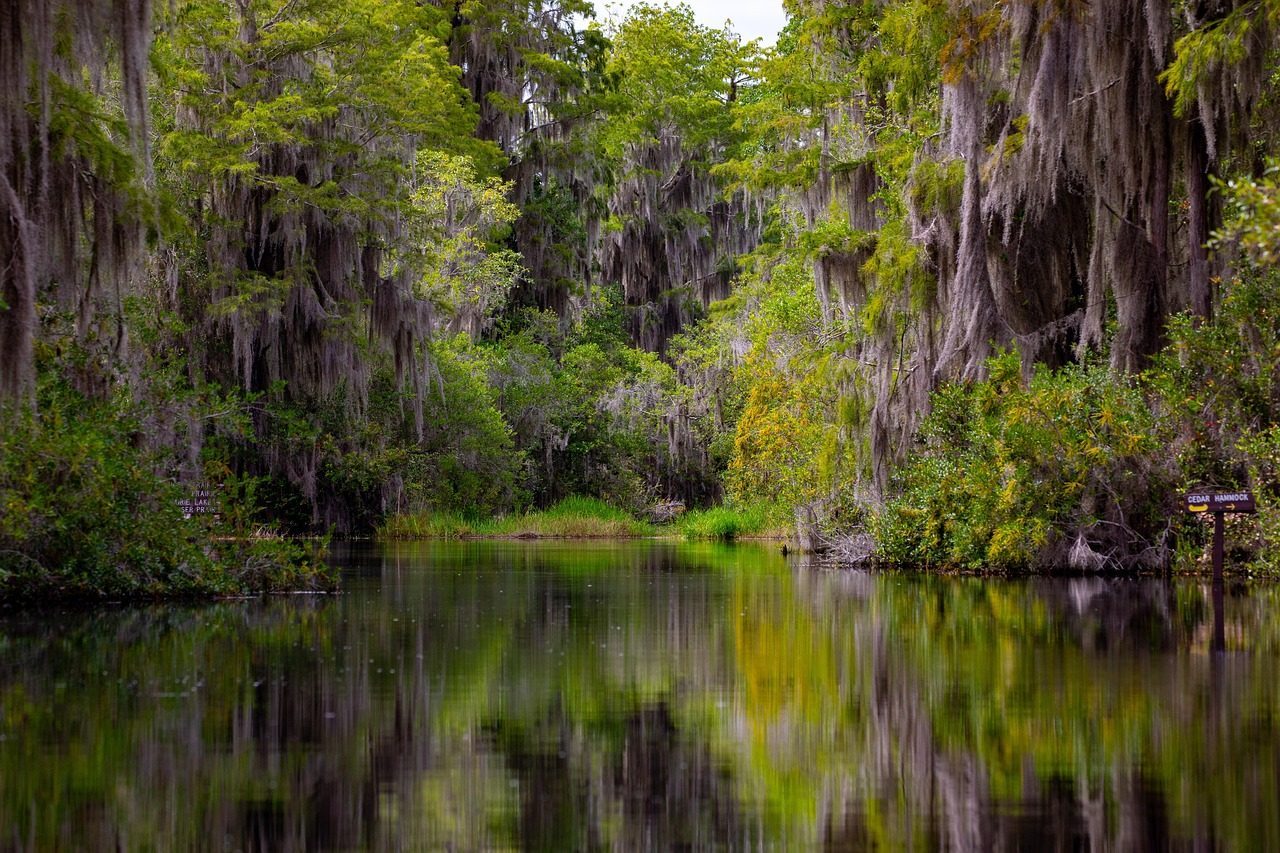
You never know what you’ll see and what you’ll miss at Okefenokee National Wildlife Refuge in Georgia. Exploring the wilds of this unique swamp takes patience. Walk carefully, paddle slowly and look everywhere. This ancient swampland ecosystem offers visitors a glimpse into one of America’s most mysterious and biodiverse habitats.
Historically damaged, the refuge is on the road to recovery and home to endangered alligators and tortoises. The refuge represents a conservation success story, where careful management has helped restore this unique ecosystem. Loud Sandhill Cranes are easy to find, but you might have to look hard to see Eastern screech owls like these cute owlets. This swampland sanctuary challenges visitors to slow down and truly observe nature’s subtle movements.
Rocky Mountain Arsenal National Wildlife Refuge – Colorado’s Urban Oasis
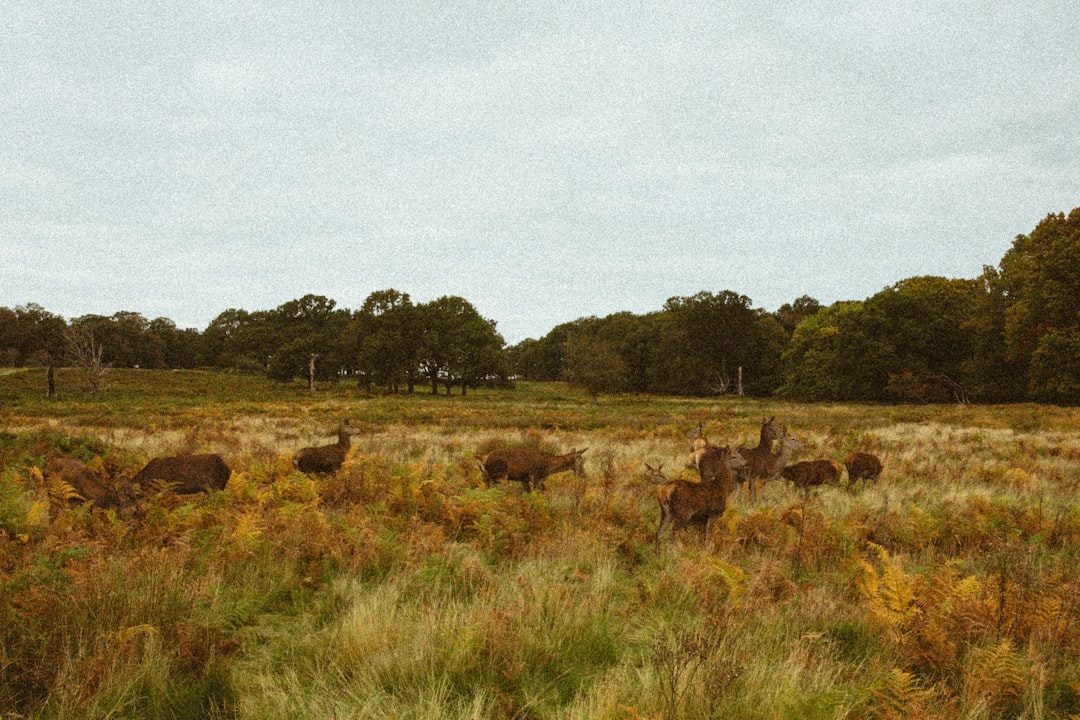
Imagine watching massive bison graze peacefully while Denver’s skyline glimmers in the distance. Today, they roam freely in Rocky Mountain Arsenal National Wildlife Refuge, ignoring the Denver skyscrapers in the distance and the land’s former military use. Joined by deer, coyotes, bald eagles and owls, the refuge’s inhabitants can easily be viewed along hiking trails or on the wildlife drive auto tour.
It’s a true conservation success story. What makes this sanctuary particularly remarkable is its transformation from a former military site to thriving wildlife habitat. The refuge’s inhabitants can easily be viewed along hiking trails or on the wildlife drive auto tour, making it accessible to visitors who want to experience wilderness without traveling far from urban centers.
Key Deer National Wildlife Refuge – Florida’s Tropical Paradise
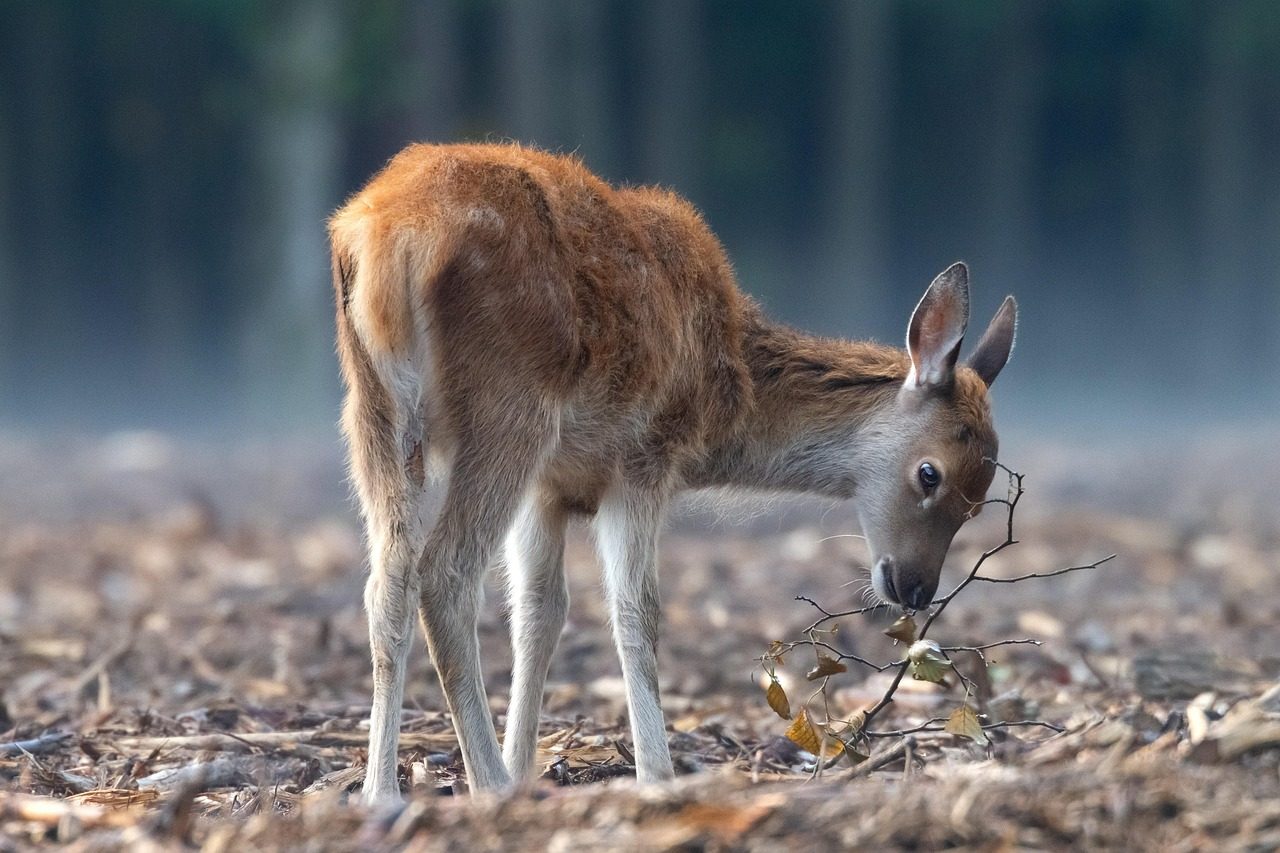
Imagine warm air, gentle waves, soft bird calls and miniature deer slowly prancing by you. This is morning at Key Deer National Wildlife Refuge. The refuge was established in 1957 to protect and preserve Key deer and other wildlife resources in the Florida Keys. It currently consists of approximately 9,200 acres of land that includes pine rockland forests, tropical hardwood hammocks, freshwater wetlands, salt marsh wetlands, mangrove forests and absolutely stunning views.
This refuge protects one of America’s most endangered deer species in a setting that feels like paradise. The Key deer, found nowhere else on Earth, have adapted to island life in ways that will amaze visitors. The refuge showcases how conservation efforts can protect unique species while allowing people to witness their beauty in natural habitats that seem almost otherworldly.
Izembek National Wildlife Refuge – Alaska’s Arctic Wilderness
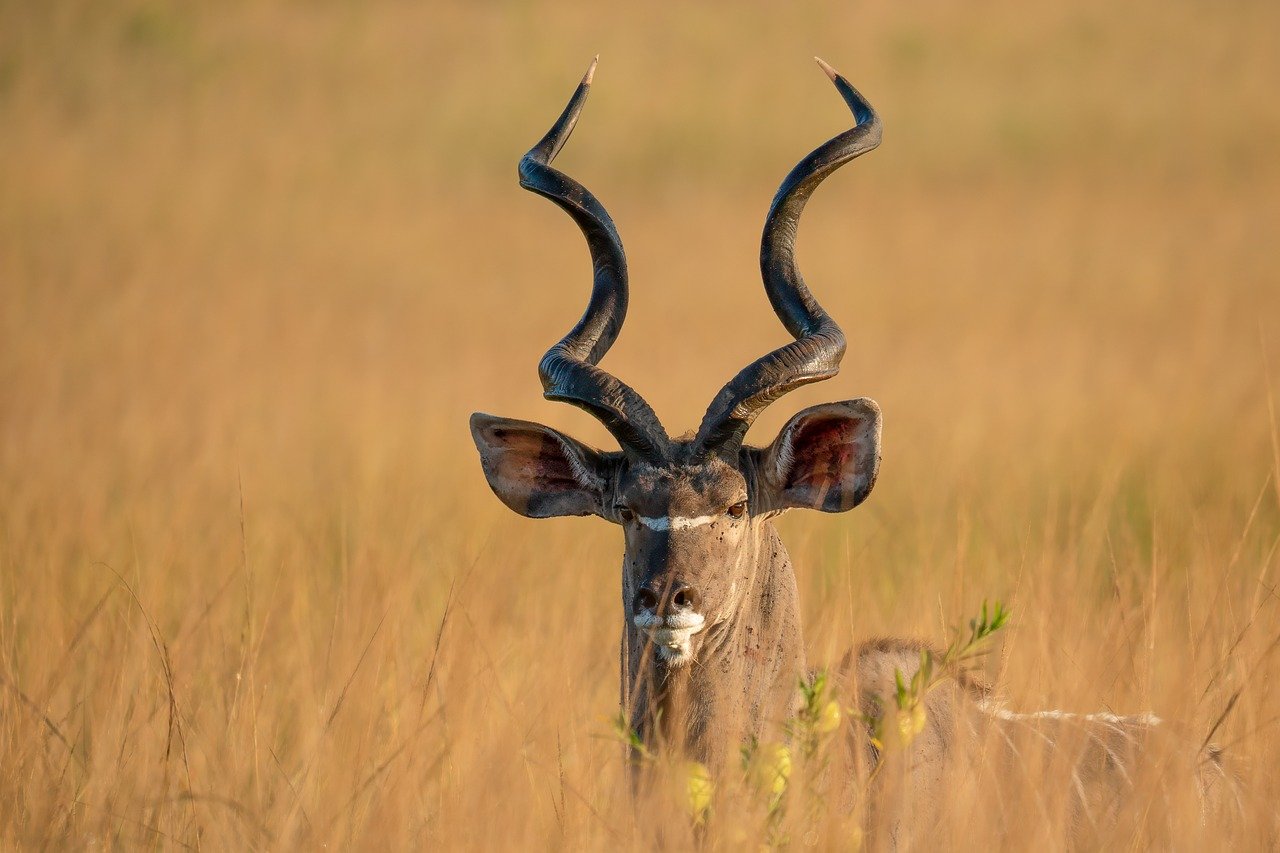
At 315,000 acres (492 square miles), Izembek National Wildlife Refuge is one of Alaska’s wildlife refuges. But as this little fox can show, you don’t have to be large to be special. Famous for its numerous and diverse inhabitants, wildlife at Izembek includes foxes, wolverines, caribou, moose, brown bears, shorebirds, seabirds and an incredible array of waterfowl.
The waters offshore are home to salmon, sea lions, seals, otters, walruses, and whales. This remote Alaskan sanctuary offers visitors the chance to experience true wilderness where wildlife populations remain largely undisturbed by human development. While getting there requires significant planning, those who make the journey witness Arctic ecosystems in their most pristine state.
Conclusion
These seven wildlife sanctuaries represent more than just places to see animals – they’re living testament to America’s commitment to conservation and second chances. Each sanctuary tells stories of rescue, rehabilitation, and hope that remind us why protecting wildlife matters. From Colorado’s high plains to Alaska’s remote coastlines, these sanctuaries prove that with dedication and care, we can create spaces where both wildlife and humans thrive together.
Planning a visit to any of these sanctuaries isn’t just about entertainment – it’s about connecting with nature’s resilience and understanding our role in protecting it. What would you have guessed about the transformative power these places hold?
