


The Earth beneath our feet holds secrets that have puzzled scientists for generations. Despite centuries of geological research and modern technology, our planet continues to surprise us with phenomena that challenge our understanding of how the world works. From massive craters that appear overnight to ancient rock formations that seem to defy the laws of physics, these geological mysteries remind us just how much we still don’t know about our own planet.
Some of these enigmas have been staring us in the face for decades, while others have only recently emerged from the depths of scientific discovery. Each one represents a fascinating puzzle piece in the grand story of Earth’s evolution, leaving researchers scratching their heads and developing increasingly creative theories to explain the unexplainable.
The Exploding Craters of Siberia
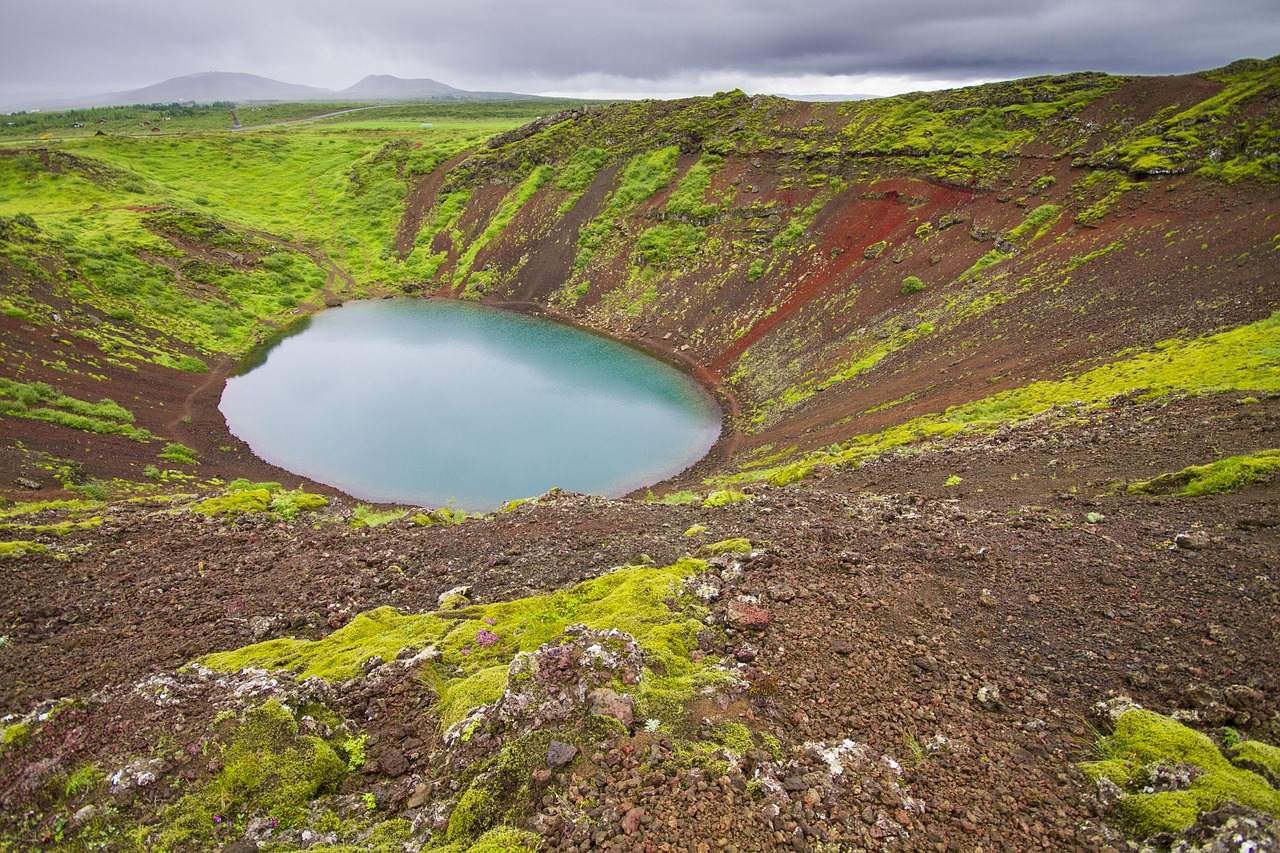
Picture this: you’re flying over the vast Siberian tundra when suddenly you spot a massive hole in the ground, surrounded by chunks of ice and debris scattered like confetti from some underground celebration. Multiple giant craters up to 160-foot-deep (50 meters) in the Siberian permafrost have baffled scientists since their discovery around 2014, with more than 20 mysterious craters, each hundreds of feet wide, having torn open the Russian Arctic’s permafrost since 2014.
The craters are unique to Russia’s northern Yamal and Gydan peninsulas and are not known to exist elsewhere in the Arctic. Scientists have discovered that there are “very, very specific conditions that allow for this phenomenon to happen,” describing it as “a very niche geological space”. Recent research suggests these mysterious craters were caused by climate change-driven pressure changes that explosively released methane frozen underground, with the region’s unusual geology, coupled with climate warming, kickstarting a process that led to the release of methane gas from methane hydrates in the permafrost.
The Great Unconformity – Earth’s Missing Billion Years
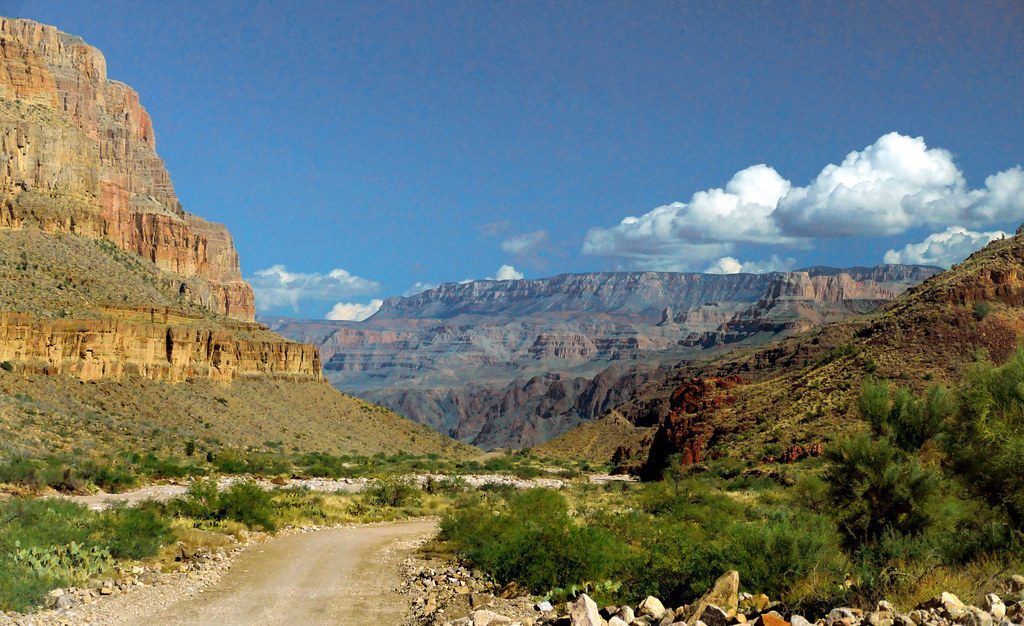
Imagine opening a history book only to find that an entire chapter covering a thousand years has been mysteriously ripped out. Geologists found this great “unconformity” – a break in the geologic rock record – everywhere, with the same billion years of rock simply gone all around the world. When the first geologists explored the Grand Canyon, they discovered a billion-year mystery that we still haven’t solved.
According to a new paper published in the journal Proceedings of the National Academy of Sciences, there’s evidence that this erosion didn’t all happen at once, and there might have been many events involved – lots of little unconformities – the origins of which can be traced to about a billion years ago on the supercontinent Rodinia. One hypothesis holds that when Earth was repeatedly covered in ice for many millions of years, glaciers slid and moved over continents and abraded them down by a mile or more, while another hypothesis relates to heat during the time when all of Earth’s land surface was concentrated in one supercontinent called Rodinia.
The Eye of the Sahara’s Perfect Circles
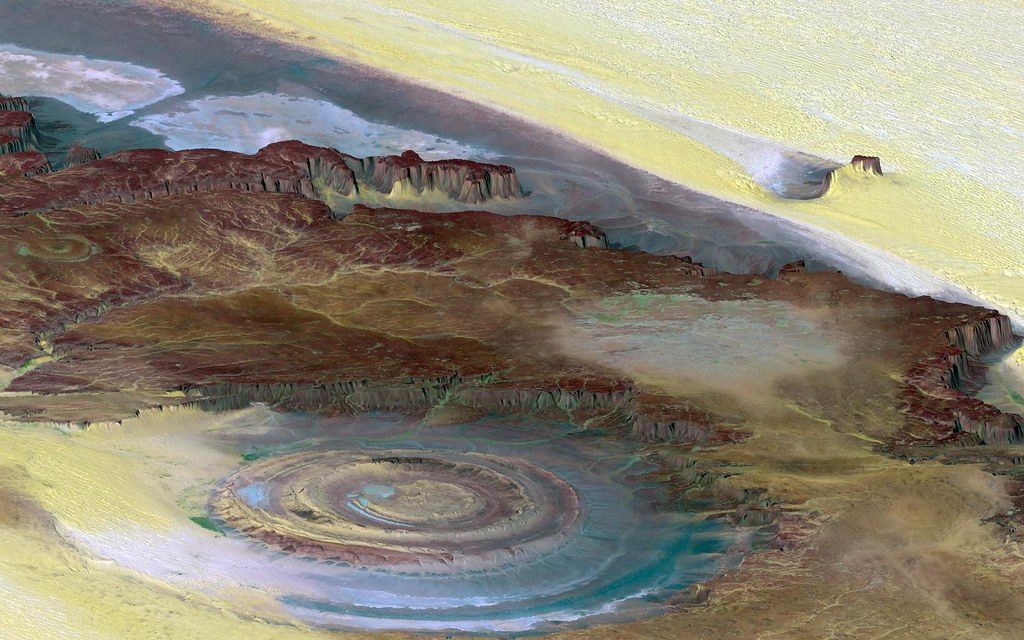
Deep in the Mauritanian desert sits one of Earth’s most photographed geological mysteries. The Eye of the Sahara, also known as the Richat Structure, is a 31-mile-wide site of huge concentric circles found in the western African nation of Mauritania. Geologists initially thought the site was created by an asteroid impact, but there isn’t enough melted rock among the rings to support this theory, and similarly, there’s no evidence to suggest a volcanic eruption.
More recently, geologists have proposed that the Eye of the Sahara could be an eroded, collapsed geological dome, formed some 100 million years ago when the supercontinent Pangea broke up, with ancient rocks found on the surface that originated as much as 125 miles beneath the Earth’s crust and before life existed on Earth. New Age enthusiasts hint that the Eye of the Sahara could represent the remains of the mythical sunken island of Atlantis, though scientists remain focused on more earthly explanations.
Easter Island’s Ancient Mantle Plume Puzzle
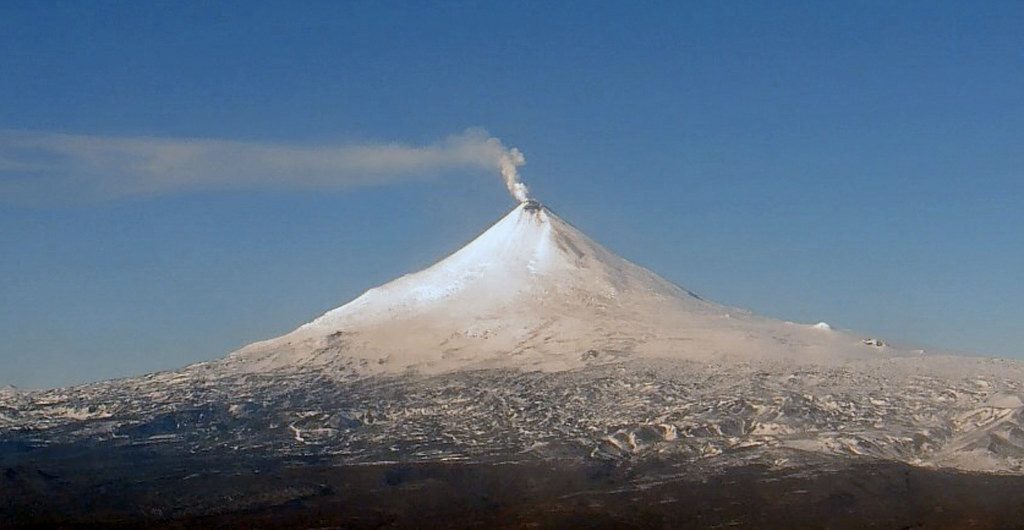
Easter Island isn’t just famous for its mysterious stone heads. A mysterious find on Easter Island, investigated by a team of geologists, suggests that the Earth’s mantle seems to behave differently than once thought, with Cuban, Colombian and Utrecht geologists among others finding that the Earth’s mantle seems to behave quite differently. Geography textbooks describe the Earth’s mantle beneath its plates as a well-mixed viscous rock that moves along with those plates like a conveyor belt, but that idea, first set out some 100 years ago, is surprisingly difficult to prove.
Recent research revealed that when scientists added a large volcanic plateau to reconstructions at the site of present-day Easter Island 165 million years ago, that plateau must have disappeared under the Antarctic Peninsula some 110 million years ago, coinciding with a poorly understood phase of mountain building and crust deformation in that exact spot. This would solve the geological mystery of Easter Island: the ancient zircon minerals would be remnants of earlier magmas that were brought to the surface from deep inside the earth, along with younger magmas in volcanic eruptions.
The Nastapoka Arc’s Perfect Curve
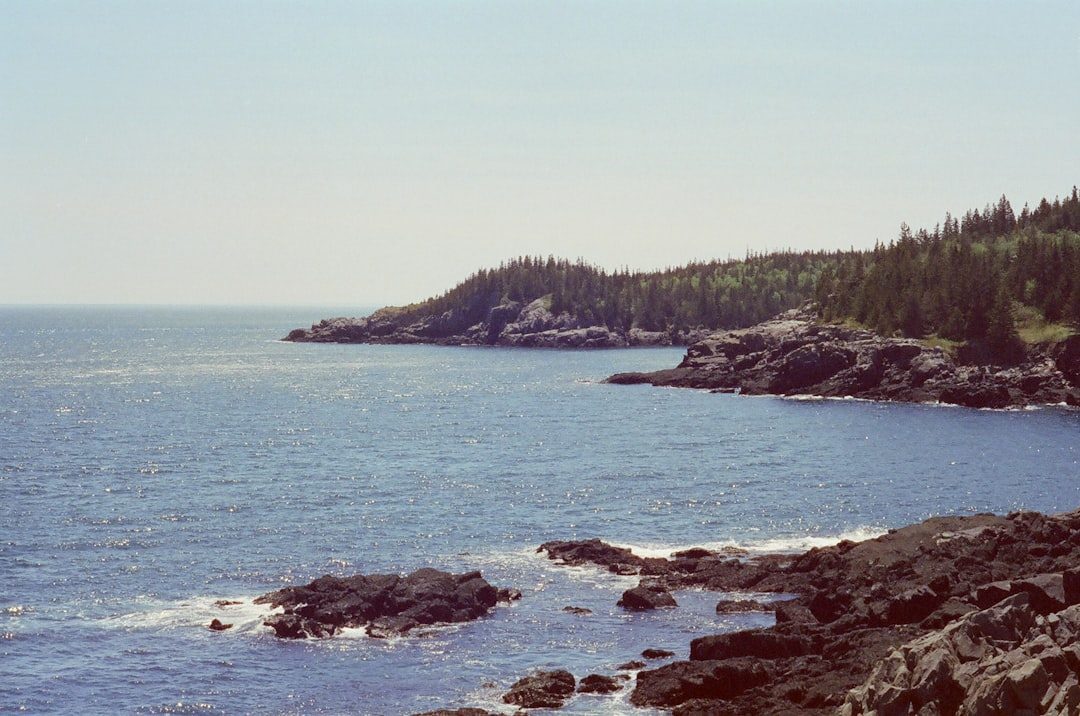
Honestly, when you look at Hudson Bay from space, one feature jumps out immediately. In the southeast corner of Hudson Bay, Canada, lies a near-perfect arc known as the Hudson Bay Arc, which was first thought to be an impact crater from a meteorite. However, none of the usual confirming evidence, such as shatter cones or unusual melted rocks, has been found in the vicinity, and the most commonly accepted theory for the arc is that it is a boundary formed when one shelf of rock was pushed under another.
That doesn’t explain how or why is it’s so perfectly round – so the Nastapoka Arc remains subject to ongoing study. The most commonly accepted theory for the arc, based on geological evidence collected in the 1970s and later, is that it is a boundary formed when one shelf of rock was pushed under another, though that doesn’t explain how or why it’s so perfectly round.
The Mima Mounds’ Mysterious Formations

Scattered across Washington State’s grasslands near Olympia lies a landscape that looks like it was designed by some cosmic artist with a peculiar sense of symmetry. The Mima Mounds are mysterious, uniform undulations in the grasslands ranging from 10 to 164 feet in diameter and up to 6.5 feet tall. When American explorer Charles Wilkes set eyes on them in 1841, he believed they were human-made burial mounds and had three of them excavated, only to find them filled with loose stones.
Similar mounds are found from California to Colorado and have puzzled naturalists for years, with scientists suggesting that some of the mounds may be 30,000 years old, which makes decoding them complex since humans are believed to have arrived in North America several thousand years later than that. The fact that these formations predate human presence in North America makes their regular, almost geometric patterns all the more intriguing.
The Faint Young Sun Paradox

Here’s a puzzle that sounds like something out of a cosmic detective novel. In 1972, the late astronomer Carl Sagan and his colleague George Mullen formulated “The faint early sun paradox,” which consisted in the fact that the earth’s climate has been fairly constant during almost four of the four and a half billion years that the planet has been in existence, despite radiation from the sun increasing by 25-30 percent. Scientists have formerly used the relationship between the radiation from the sun and earth’s surface temperature to calculate that earth ought to have been in a deep freeze during three billion of its four and a half billion years of existence, yet Sagan and Mullen brought attention to the paradox that the oceans had not frozen.
Science found one probable answer in 1993 when American atmospheric scientist Jim Kasting performed theoretical calculations showing that 30% of the earth’s atmosphere four billion years ago consisted of CO2, which entailed that the large amount of greenhouse gases layered themselves as a protective greenhouse around the planet, thereby preventing the oceans from freezing over. Yet this explanation remains hotly debated among climate scientists today.
Deep Earth’s Ancient Seafloor Remnants
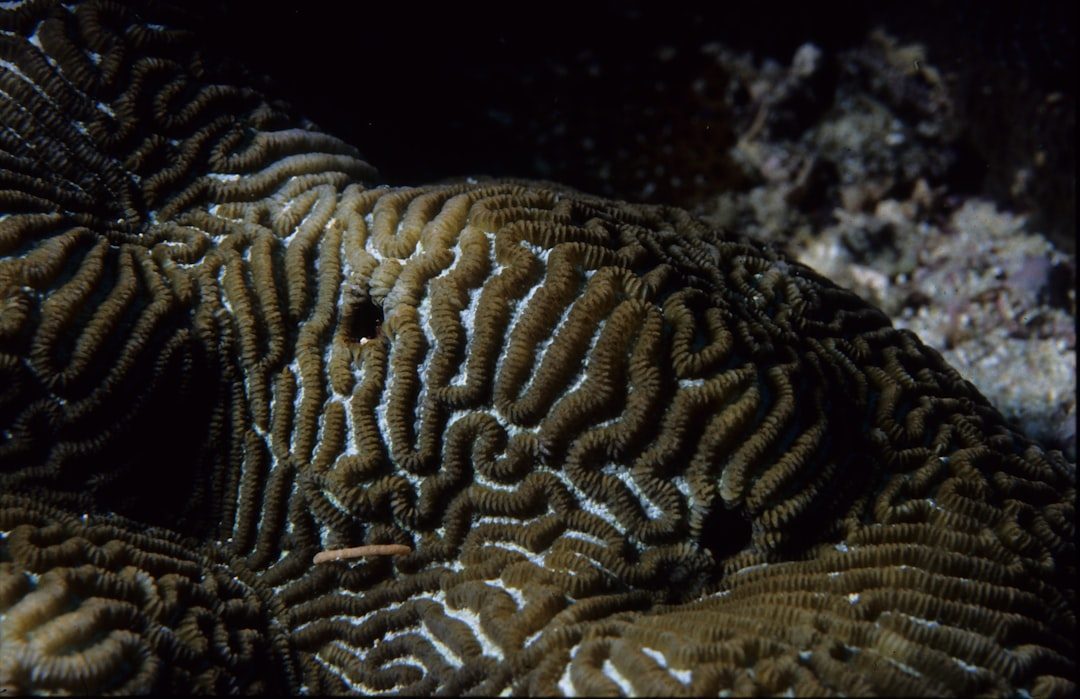
Sometimes the most mind-bending discoveries happen when scientists peer deep into our planet’s interior. In late 2024, geologists used new seismic-tomography techniques to spot what looks like a long-subducted patch of ancient seafloor lurking hundreds of kilometers down, east of the East Pacific Rise. The distance is uncertain, so scientists can’t pin down its true size or age, and depending on which estimate you pick, it’s either surprisingly young and nearby or big and old.
During the Mesozoic era, between 250 and 120 million years ago, an ancient seafloor sank deep into Earth in the East Pacific Rise, a tectonic plate boundary. These discoveries challenge our understanding of how Earth’s interior processes work and how long geological features can persist in the deep mantle. Think of it as finding prehistoric artifacts buried not in the ground, but hundreds of miles beneath the ocean floor.
The Origin of Plate Tectonics
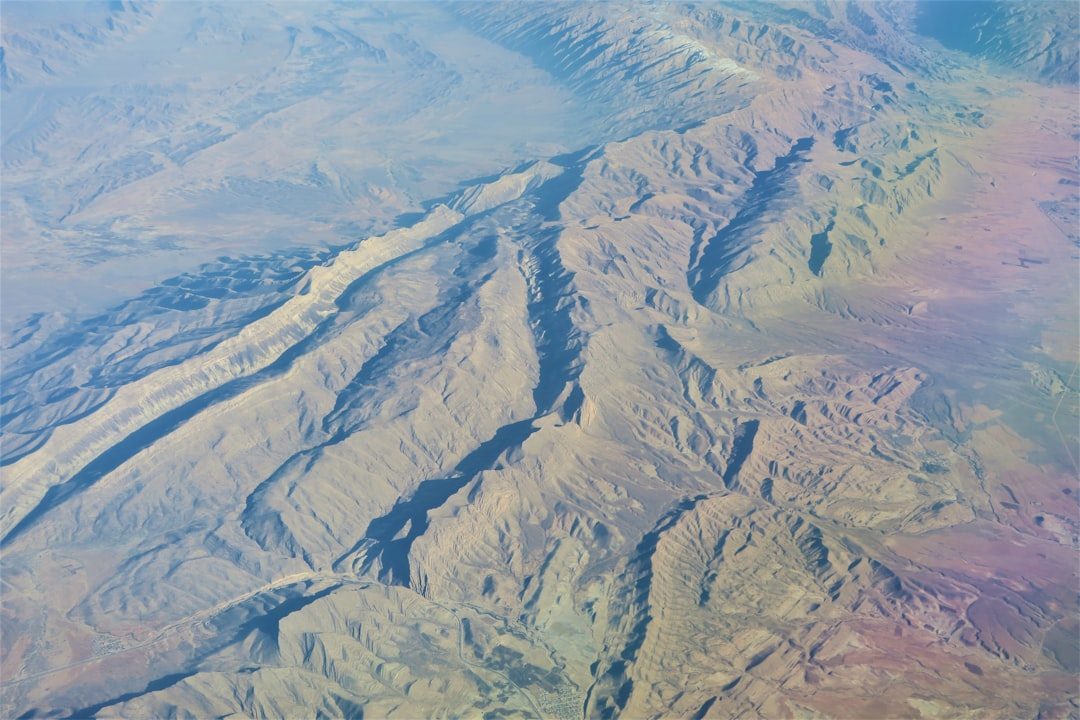
You might think we’d have figured out when and how the massive tectonic plates beneath our feet started moving, but this fundamental question remains surprisingly elusive. Scientists can only speculate about when and how the process began, partly because there’s virtually no geological evidence remaining from such a long time ago, though scientists can approximate that tectonic activity began around three billion years ago. Recent findings suggest plate tectonics got off to an early start in Earth’s history, with layers in rock bearing scars of 3-billion-year-old landslides that may have been caused by an earthquake that could have been triggered by slabs of crust colliding, though other geologists are not convinced that this quake marks the start of global plate tectonics.
The debate continues as scientists try to piece together how our planet’s surface evolved from a static shell into the dynamic, constantly shifting system we see today. Understanding this process is crucial because plate tectonics drives everything from mountain building to ocean formation, essentially shaping the world as we know it.
The beauty of these geological mysteries lies not just in their scientific importance, but in their ability to remind us that Earth is far from being a solved puzzle. Each discovery leads to new questions, and every answer seems to reveal another layer of complexity in our planet’s incredible story. What do you think about these mind-bending mysteries? Tell us in the comments which one surprised you the most!
