

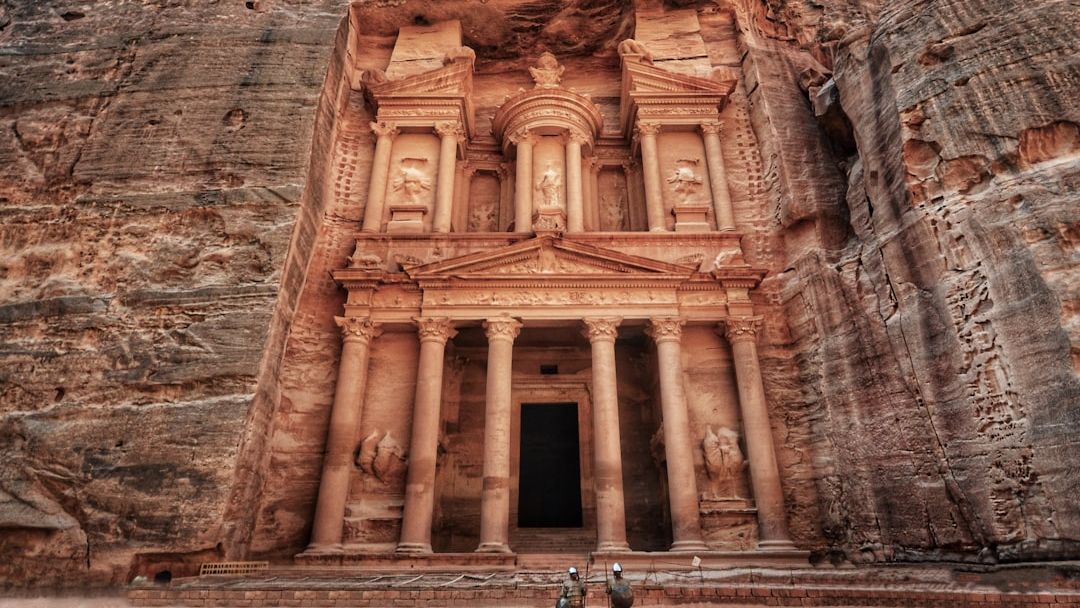
Have you ever wondered what secrets lie carved into rose-colored cliffs in the middle of an unforgiving desert? Petra isn’t just another ancient ruin gathering dust in history books. This place defies logic, really. How does a thriving metropolis exist where water barely falls, where the heat scorches everything, where survival seems impossible? The Nabataeans didn’t just survive there. They built something magnificent. Something that still leaves archaeologists scratching their heads today, searching for answers among the sandstone facades and hidden chambers.
Let’s be honest, most people recognize Petra from that one Indiana Jones movie. They see the Treasury and think that’s it. That’s hardly scratching the surface. Behind that famous facade lies a city of mysteries, engineering marvels, and stories that challenge everything we thought we knew about ancient civilizations. Ready to dive deeper into what makes this place truly extraordinary?
The City Was Originally Called Raqmu
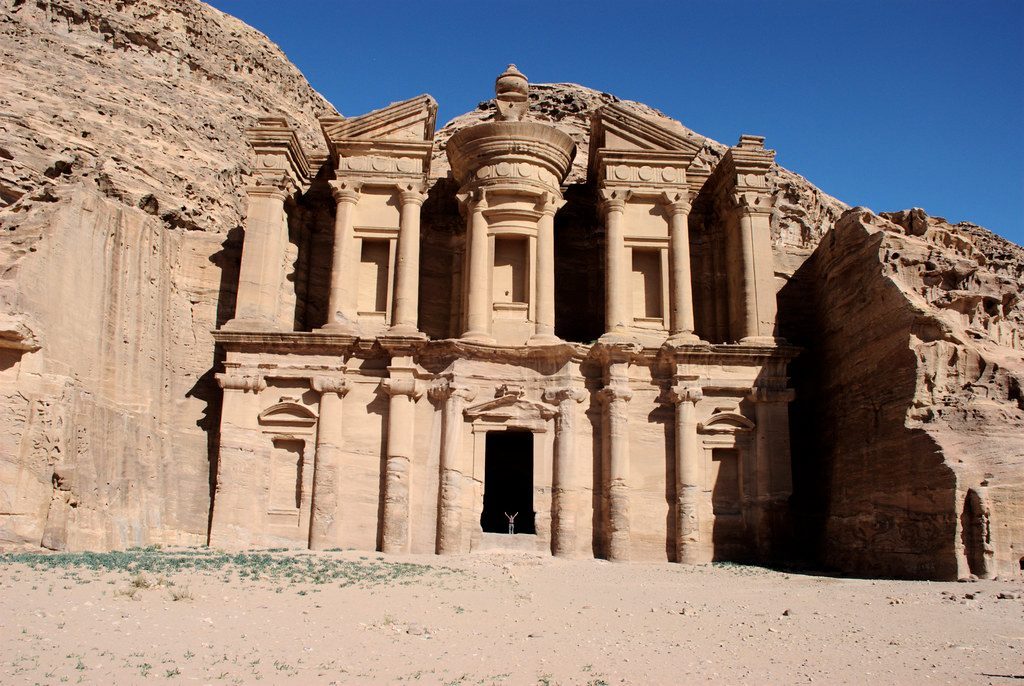
Petra was originally known to its inhabitants as Raqmu in Nabataean Aramaic, a name that held significant meaning for the people who actually lived there. Ancient inscriptions bearing the original name can still be found throughout the site. The Greek name we use today, Petra, simply means rock. Which makes sense given that nearly everything was carved from stone.
The Greek name Petra probably replaced the biblical name Sela, showing how different cultures left their linguistic marks on this incredible place. It’s fascinating how names evolve through conquests and cultural exchanges. The Nabataeans themselves probably never called their capital by the name we know so well today.
An Ingenious Water System Sustained Life in the Desert
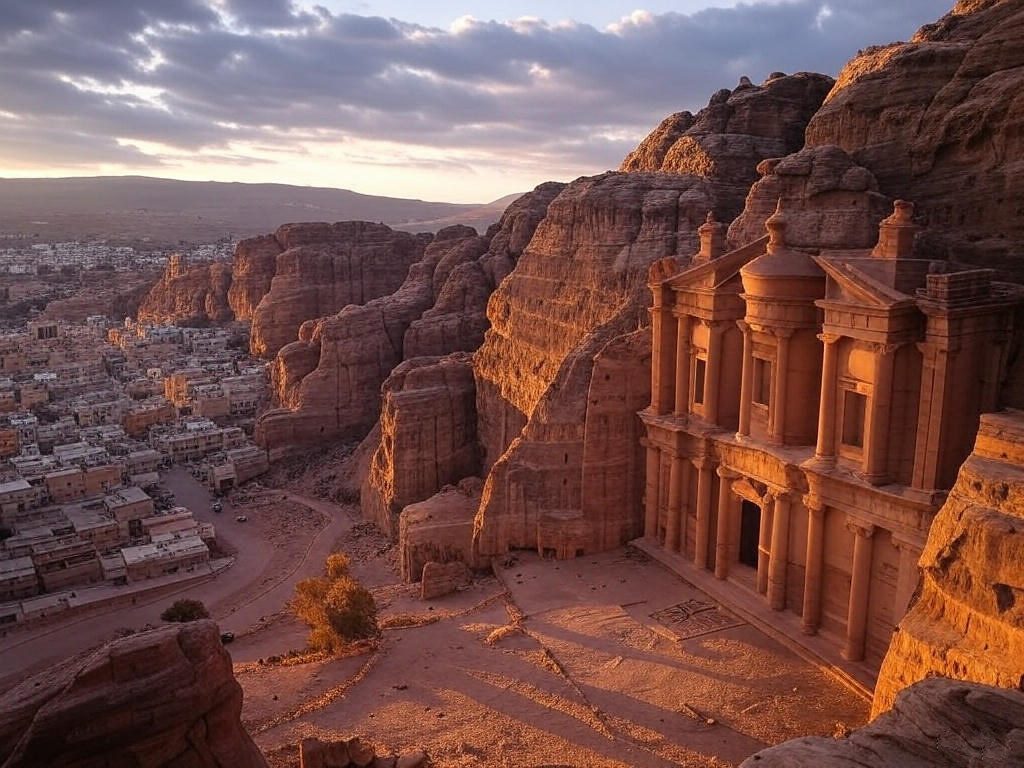
Here’s where things get really interesting. Excavations have demonstrated that it was the ability of the Nabataeans to control the water supply that led to the rise of the desert city, creating an artificial oasis. Think about that for a second. In a region where annual precipitation is only 6 inches per year, they managed to support tens of thousands of people.
Archaeological evidence shows that the Nabataeans controlled floods by the use of dams, cisterns, and water conduits, and these innovations stored water for prolonged periods of drought and enabled the city to prosper from its sale. The slope of pipelines consistently follows the very significant angle of about 0.15 degrees (1:400 gradient), which maximizes flow rate for this specific pipeline, and deviation of even a single degree would cause a decrease in flow rate and frequent leakage. That’s precision engineering that that demonstrates their advanced engineering prowess.
The Treasury Hides a Recently Discovered Secret
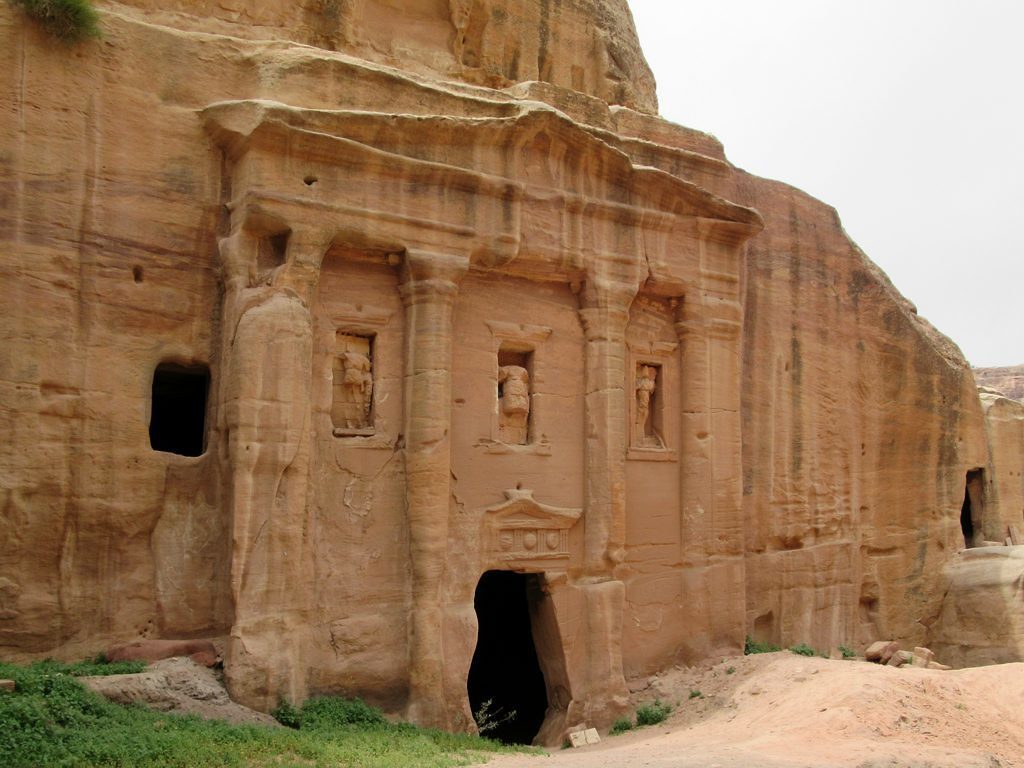
The Treasury, that iconic structure everyone photographs, just revealed one of its best-kept secrets. The excavation revealed a previously unknown tomb containing 12 skeletons and artifacts that are estimated to be around 2,000 years old. This discovery happened in 2024, proving there’s still so much we don’t know.
Only a few tombs have ever contained any human remains, and those are very fragmentary, whereas this has got 12 complete bodies within it. One skeleton was even found holding a ceramic vessel resembling a chalice, drawing immediate comparisons to the Holy Grail from Indiana Jones. Truth really is stranger than fiction sometimes. The burials found beneath the Treasury provide crucial insight into the Nabataeans’ funerary practices, and the remains in this newly discovered tomb were largely intact, which is exceptionally rare.
Petra Controlled Lucrative Ancient Trade Routes
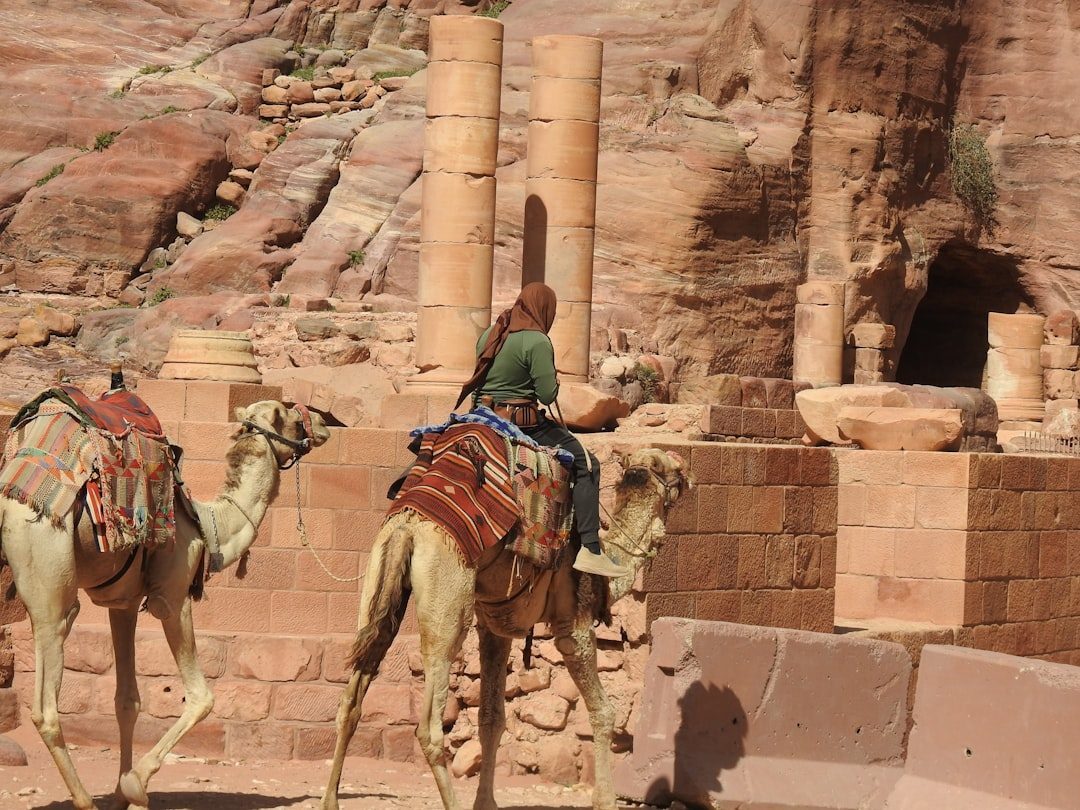
The Nabataeans invested in Petra’s proximity to the incense trade routes by establishing it as a major regional trading hub, which gained them considerable revenue. Location, location, location. That ancient real estate wisdom applied thousands of years ago too. This Nabataean caravan-city, situated between the Red Sea and the Dead Sea, was an important crossroads between Arabia, Egypt and Syria-Phoenicia.
The Nabataeans served as middlemen between the producers of goods in southern Arabia, Africa and India, and Greek and Roman consumers, transporting commodities such as frankincense, spices and silk, and they levied a tax of 25 percent on imports. That’s a serious profit margin. No wonder they could afford such elaborate architecture. The wealth flowing through Petra literally carved its legacy into stone.
The City Once Housed Up to 30,000 People
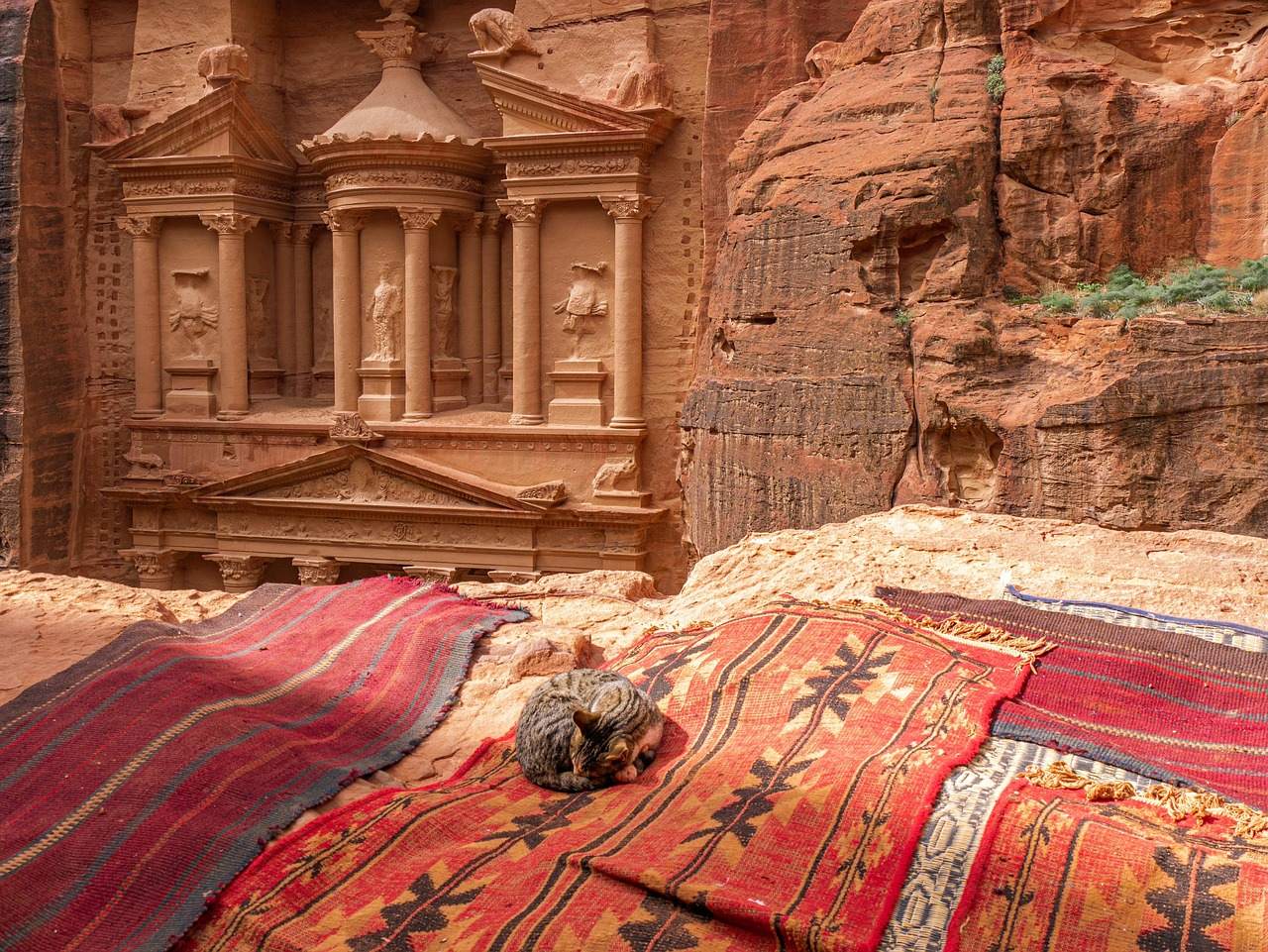
During its peak in the 1st century BCE, Petra housed 30,000 inhabitants and controlled lucrative trade routes connecting Arabia, Egypt, and the Levant. That’s roughly the size of a small modern city, all carved into and around red sandstone cliffs. Before earthquakes damaged the city, Petra probably had around 30,000 people, supporting a bustling urban center with temples, markets, homes, and public spaces.
The site contains over 800 monuments, including tombs, temples, altars, and a 7,000-seat amphitheater. Most tourists only see a fraction of what’s actually there. The entire site spans a massive area, with structures hidden in valleys and carved into cliff faces that most visitors never reach.
It’s Been Inhabited Since 7000 BC
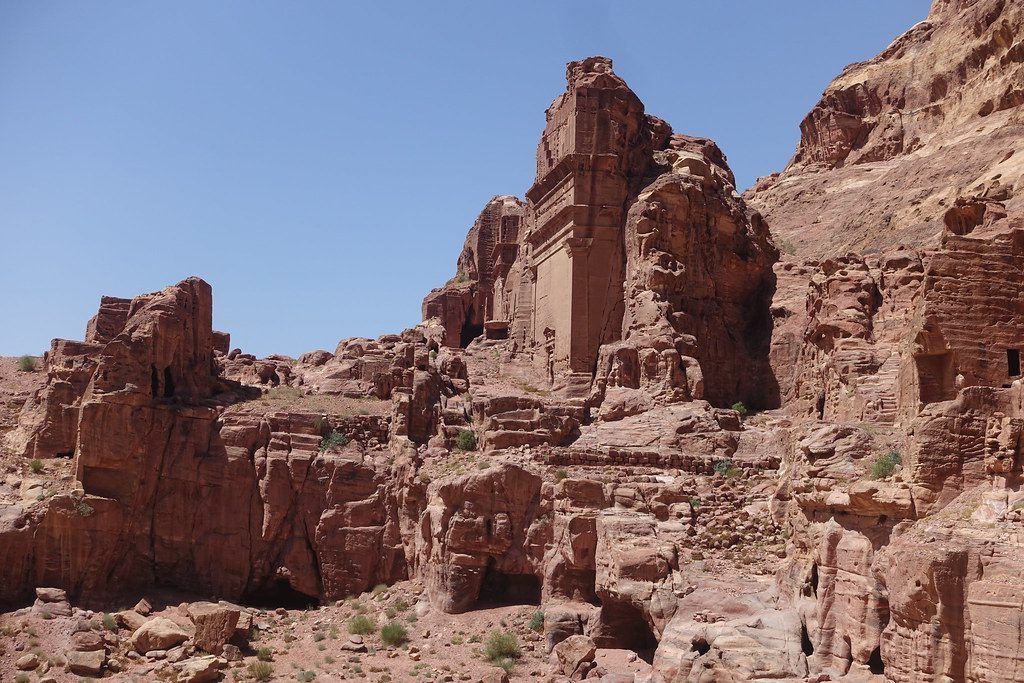
Long before the Nabataeans arrived, people recognized something special about this location. The area around Petra has been inhabited from as early as 7000 BC, showing continuous human presence spanning millennia. Remains from the Paleolithic and Neolithic periods have been discovered at Petra, and Edomites are known to have occupied the area about 1200 bce.
The area was settled by the Nabataeans, a nomadic Arab people, in the 4th century BC, and Petra would later become the capital city of the Nabataean Kingdom in the second century BC. These nomadic traders transformed a strategic desert location into one of the ancient world’s most impressive cities. Their architectural and engineering achievements still inspire awe today.
A Swiss Explorer “Rediscovered” Petra in 1812
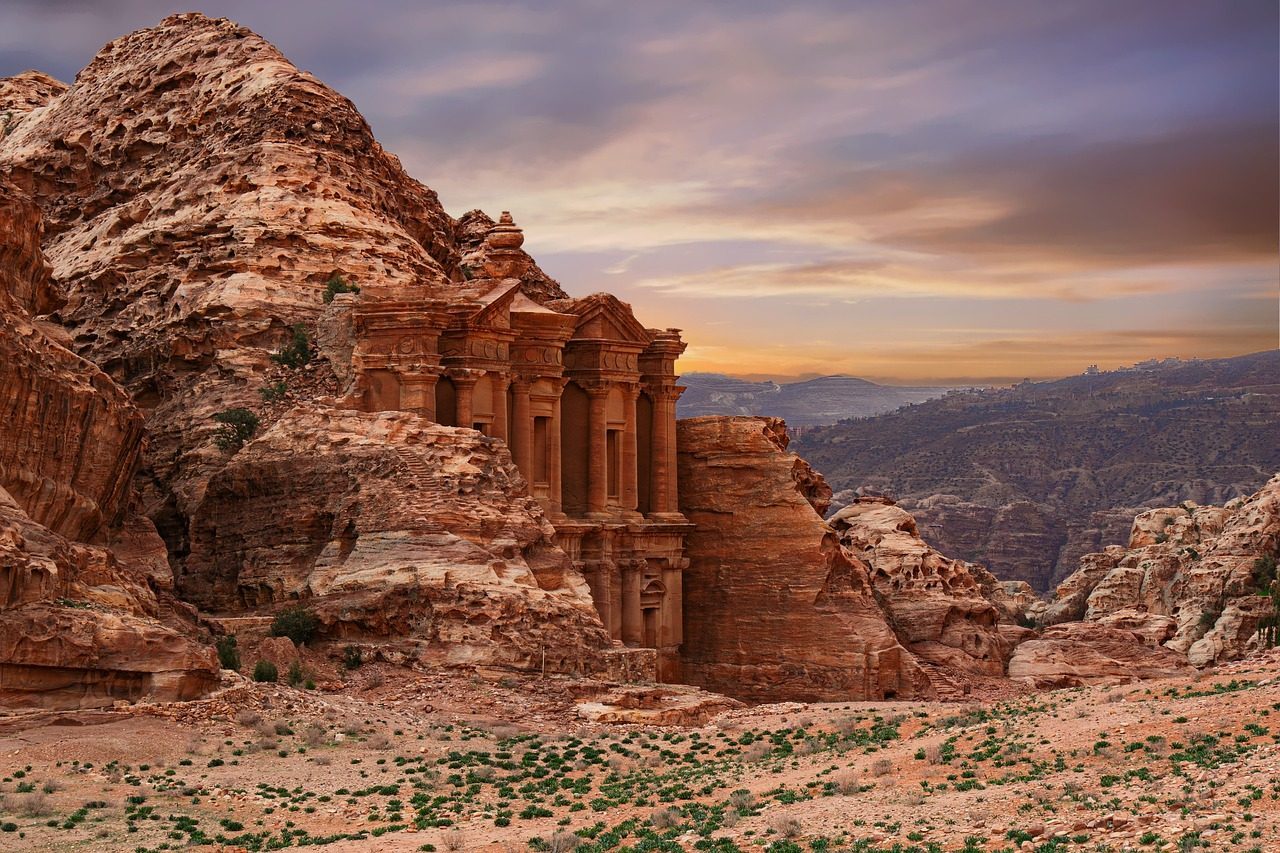
For centuries, Petra faded from Western memory, becoming a legend whispered in stories. The first European to describe them was the Swiss traveler Johann Ludwig Burckhardt during his travels in 1812. The story of his rediscovery reads like an adventure novel. Burckhardt heard stories of a dead city that held the tomb of the Prophet Aaron, then dressed himself up as a local, and only spoke in Arabic, bringing a goat with him with the intent of sacrificing it in honor of Aaron’s Tomb, and after one day of exploring, he was convinced that he had found the lost city of Petra.
His clever disguise and determination brought Petra back into the world’s consciousness. I can’t help but wonder what went through his mind when he first glimpsed the Treasury emerging from that narrow gorge. That moment must have been absolutely breathtaking.
The Nabataeans Blended Multiple Architectural Styles
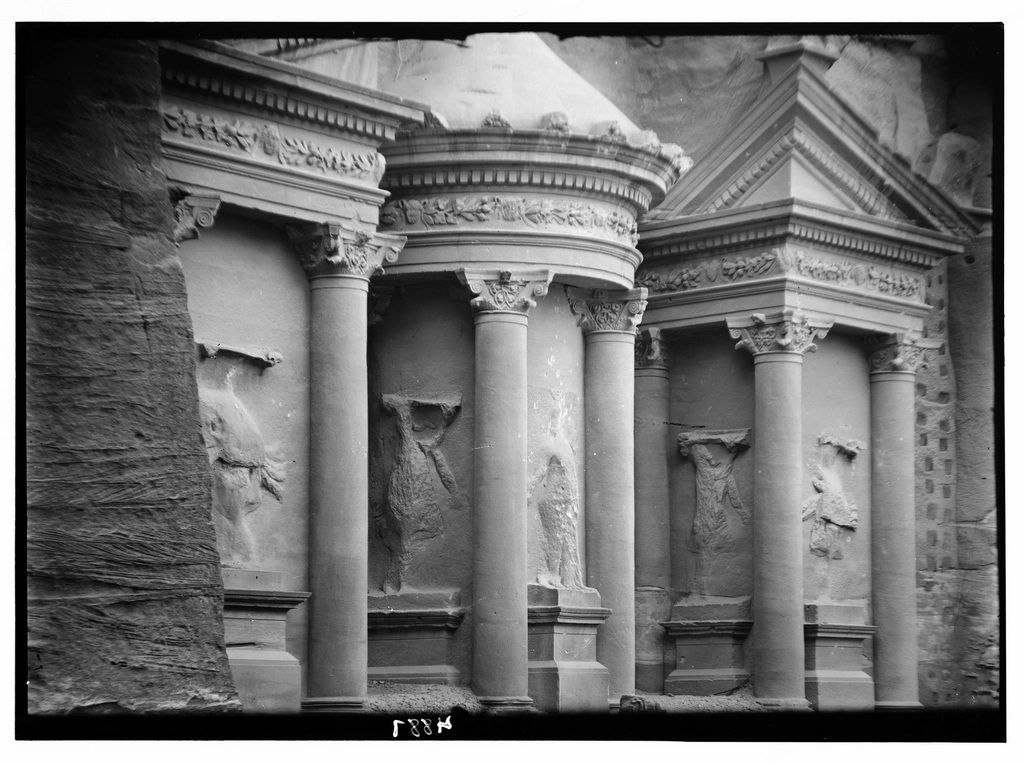
Petra is one of the world’s most famous archaeological sites, where ancient Eastern traditions blend with Hellenistic architecture. Walking through the ruins, you see cultural fusion carved into every facade. These structures blend Nabataean, Roman, and Byzantine architectural styles, reflecting centuries of cultural exchange.
The Nabataean kings had to present both themselves and their city as equal partners in the international community, which meant adopting the styles, tastes and the mores of western Hellenistic civilization, and Petra was to be built as a first-order Greco-Roman city ruled by western-looking kings. This wasn’t just copying. The Nabataeans took influences from Greece, Rome, Egypt, and Syria, then created something uniquely their own. The Treasury itself exemplifies this fusion, with Hellenistic columns supporting distinctly Eastern decorative elements.
Most of Petra Remains Unexcavated
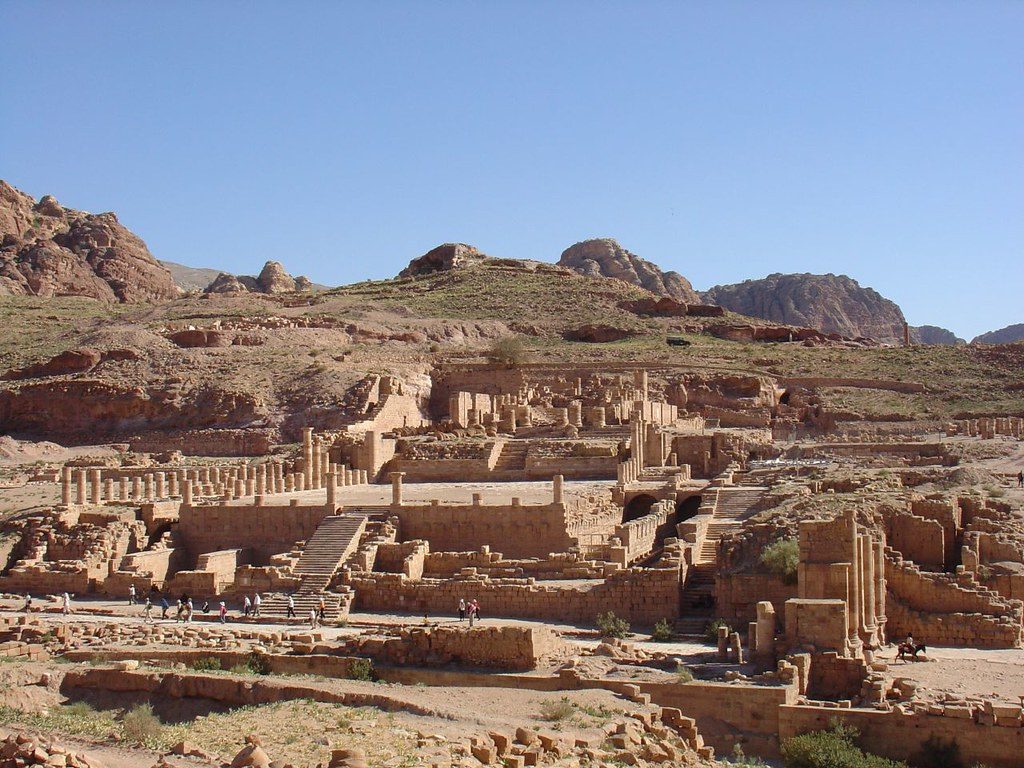
Much of the city remains unexcavated and documents describing the Nabataeans are scarce, meaning countless secrets still lie buried beneath sand and rubble. The majority of Petra, including dwellings, remains unexcavated, and there are hundreds of questions that are still awaiting answers. We’ve barely begun to understand this place.
The Nabataeans didn’t really leave their own written records, making archaeological investigation crucial for understanding their civilization. Every excavation season brings new discoveries, like that recent tomb beneath the Treasury. Who knows what else waits to be found? The ground beneath Petra likely holds generations of stories we haven’t even begun to hear.
Petra Is Both a UNESCO World Heritage Site and a New Wonder of the World
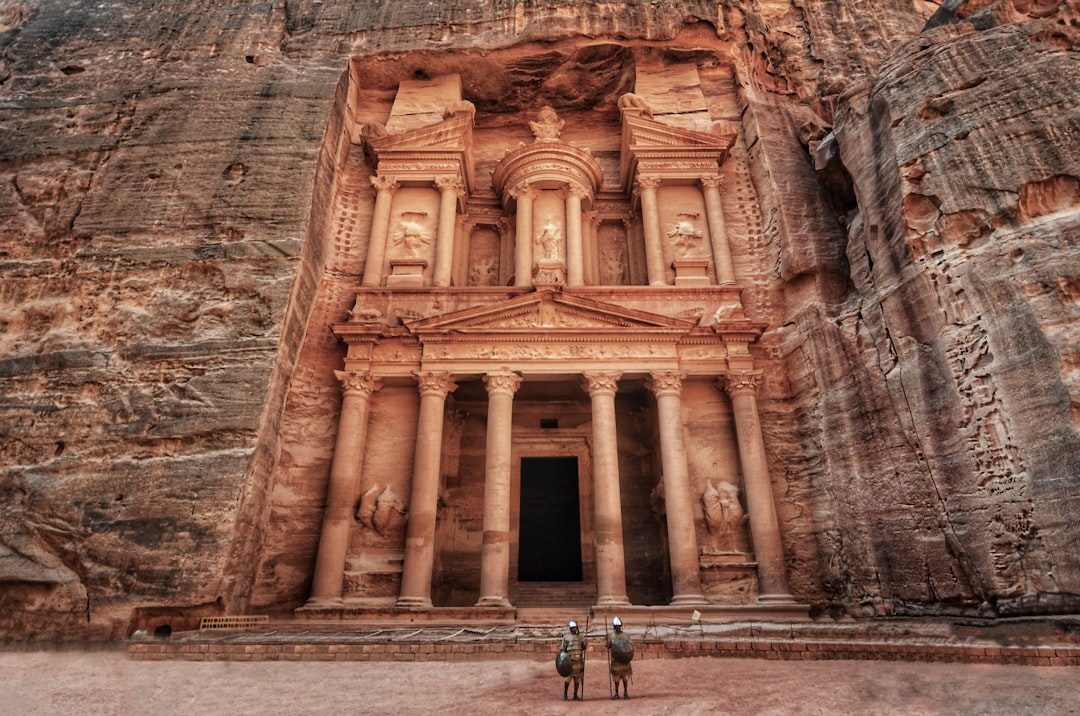
In 1985 Petra was designated a UNESCO World Heritage site, recognizing its outstanding universal value to humanity. That designation helps protect this irreplaceable site for future generations. On December 6, 1985, Petra was designated a World Heritage Site, and in a popular poll in 2007, it was also named one of the New 7 Wonders of the World.
These recognitions brought increased tourism, which creates both opportunities and challenges. Wind and water erosion threaten Petra’s rose-colored sandstone structures, with facades eroding at 40mm per century, and mass tourism accelerates monument degradation through foot traffic, touching, and vibrations from development. Preserving Petra requires balancing access with conservation, ensuring this ancient marvel survives for centuries to come.
Conclusion
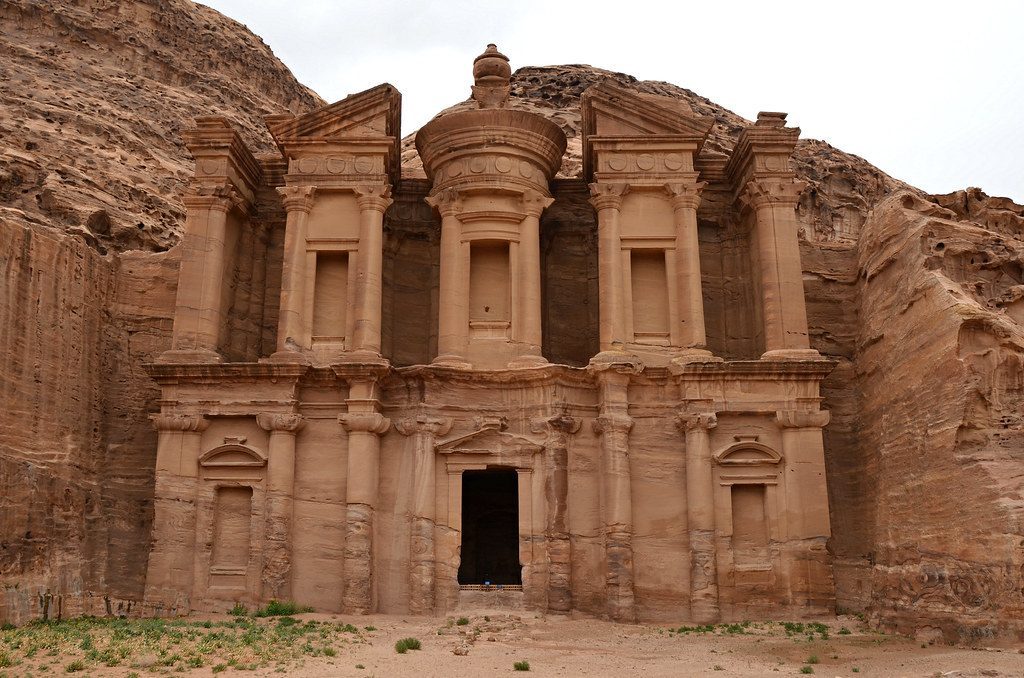
Petra stands as testament to human ingenuity, determination, and the ability to thrive against impossible odds. The Nabataeans carved more than buildings into those rose-red cliffs. They carved a legacy that transcends time, proving that ancient peoples possessed knowledge and skills that still challenge our modern understanding. From revolutionary water systems to architectural fusion, from hidden tombs to unexcavated mysteries, Petra keeps revealing new layers of its fascinating story.
Next time you see that famous Treasury shot, remember there’s an entire lost city surrounding it, most of which remains unexplored. What do you think still lies hidden beneath the sands? Tell us in the comments.

- 17 Rare Dog Breeds You Might Not Have Heard of Before - June 30, 2026
- 15 Exotic Animals People Bond With – And the Hidden Dangers They Bring - June 30, 2026
- 22 Coolest Animals Gifted with Extreme Abilities of Survival - June 30, 2026