
Worried about unexpected vet bills?
Pet insurance can cover thousands in unexpected vet costs. Get a free quote from Lemonade in under 2 minutes.
Get My Free Quote →Sponsored · Opens Lemonade.com
Chances are, you’ve seen lakes that take your breath away with their sheer beauty. The crystal waters, dramatic mountain backdrops, or peaceful marshlands offer vistas that stay with you long after you’ve left. Yet there’s something even more captivating beneath those stunning surfaces, something that most people miss entirely when they visit. Hidden among the reeds and soaring above the waters are birds so rare that spotting one becomes a memory you’ll talk about for years.
These aren’t your everyday ducks and geese. We’re talking about species clinging to survival, birds that have chosen specific American lakes as their last refuge. Some exist in populations so small you could count them on your fingers. Let’s explore where these incredible winged creatures make their homes.
Lake Erie’s Western Basin: Haven for Endangered Plovers
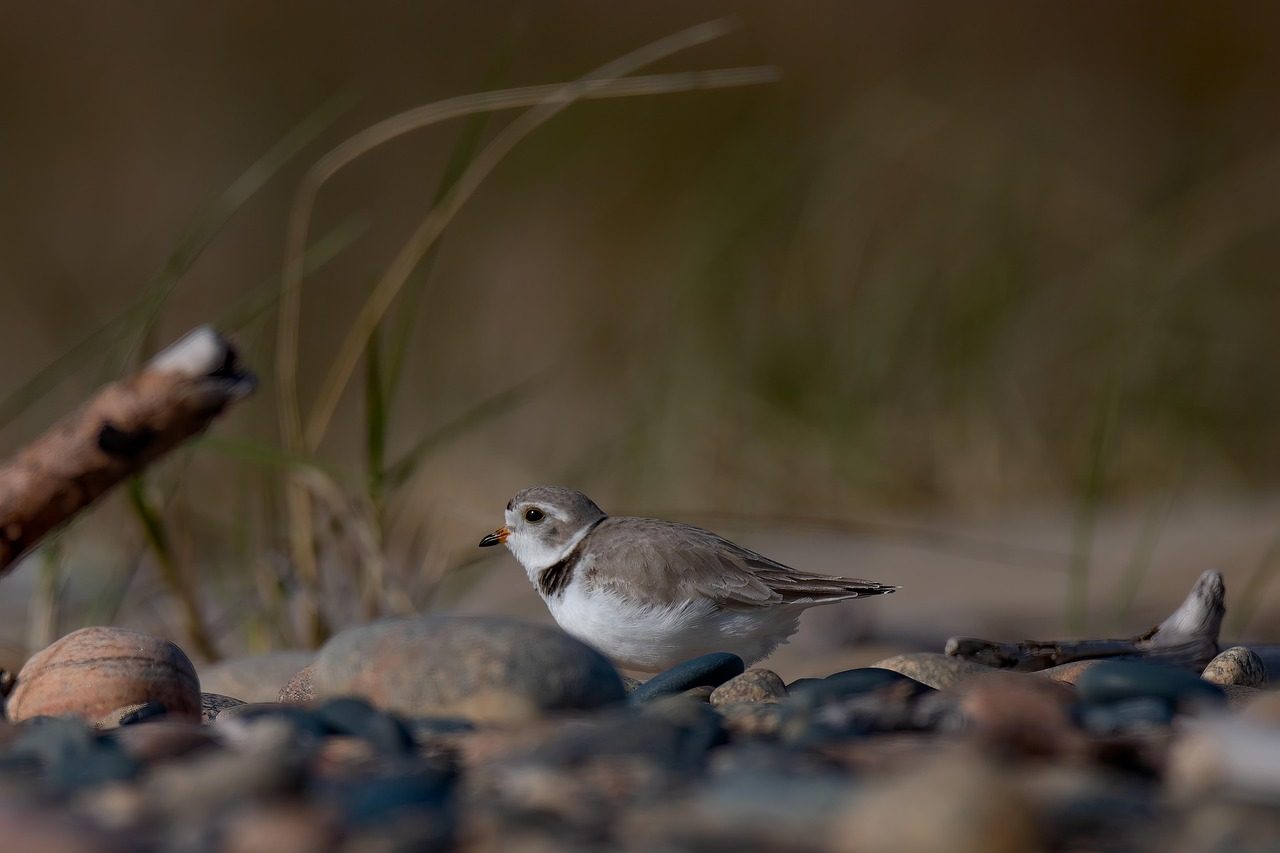
The Great Lakes population of piping plovers represents one of the most endangered bird populations in North America, and Lake Erie’s western shoreline has become their critical sanctuary. What makes this spot so special? Not seen in Ohio for 83 years, piping plovers returned to the beaches of Maumee Bay in 2021, marking a conservation triumph that few believed possible.
The birds are once again nesting on all five Great Lakes, though their recovery remains fragile. These small shorebirds need beaches without too much disturbance, a tall order when thousands of tourists flock to these same shores each summer. Each spring nearly 100,000 visitors flock to the area to observe rare migratory birds as they make their journeys to more northern breeding grounds.
The marshlands surrounding western Lake Erie also attract Cerulean Warbler, Worm-eating Warbler, Kirtland’s Warbler, and Prothonotary Warbler, making this basin one of the finest birdwatching destinations in the entire continent.
Great Salt Lake: Millions Depend on Shrinking Waters
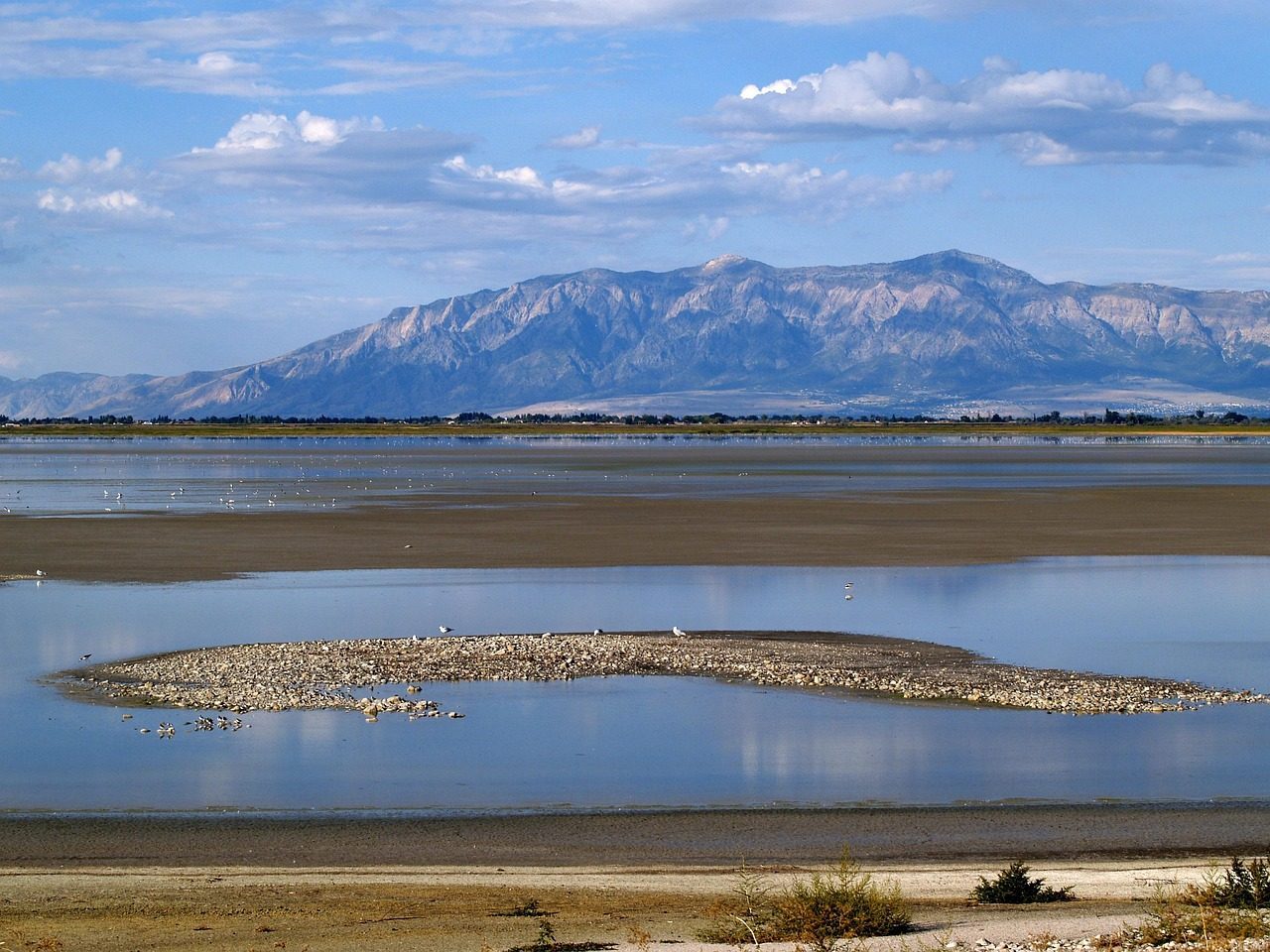
Here’s the thing about Great Salt Lake. Each year, millions of birds depend on the vast, shimmering waters and wetlands. From the striking American Avocet to the swirling murmurations of Wilson’s Phalaropes, these birds rely on these unique saline ecosystems to feed, rest, and breed during critical stages of their life cycle. The sheer numbers are staggering when you really think about it.
These birds, and others like the Snowy Plover, don’t just pass through Great Salt Lake – they depend on it. Yet the lake faces unprecedented threats. Decades of water diversions, drought, and rising temperatures have pushed the lake to historically low levels, threatening wildlife habitat, air quality, local economies, and cultural resources.
The 2025 recognition of saline lake ecosystems in Utah’s conservation framework came not a moment too soon. For the first time, saline lake ecosystems, including Great Salt Lake and its associated wetlands, are officially recognized as a distinct habitat type. In recent years the lake has experienced historic lows, resulting in declining surface water coverage and salinity fluctuations which threaten the integrity of the lake’s food web.
Mono Lake: Feeding Station for Marathon Migrants
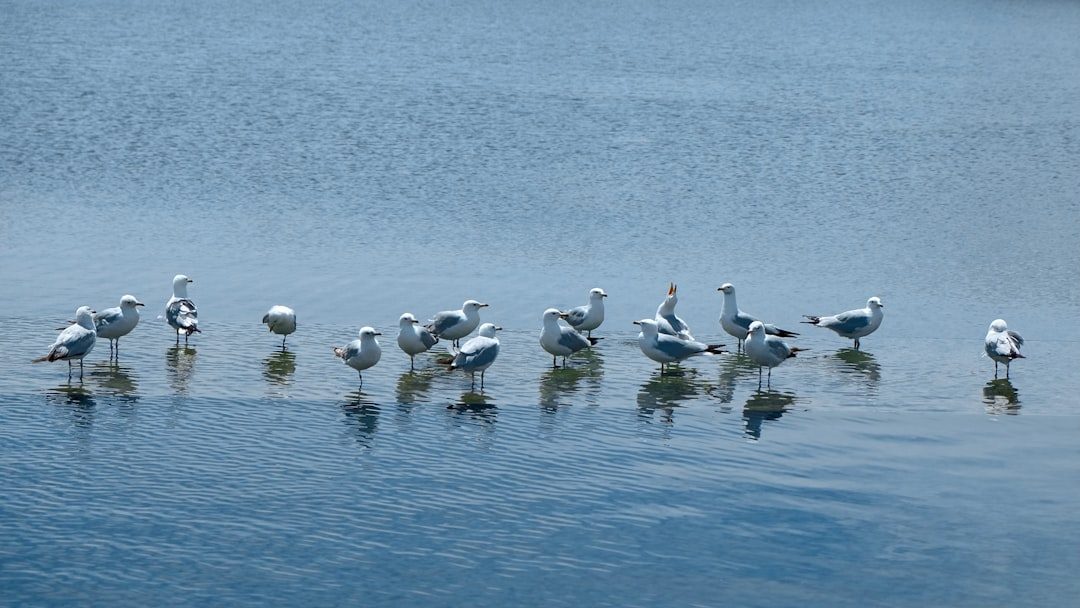
Picture this: Tens of thousands of these small shorebirds, not much larger than a fist, arrive at Mono Lake in mid-summer after breeding in the northern United States and southern Canada. Wilson’s Phalaropes make Mono Lake their crucial stopover, and what they do next is remarkable. At Mono Lake they molt their feathers and double their weight in preparation for their non-stop, three-day, 3,000 mile flight to the high elevation saline lakes of South America.
Because large numbers of phalaropes, gulls, and grebes depend on the lake, along with approximately 100 species of other birds, Mono Lake was designated as a part of the Western Hemisphere Shorebird Reserve Network. Honestly, the sheer volume of birds passing through this Eastern Sierra gem defies expectations for such a stark, alkaline landscape.
Mono Lake is home to one of the largest California Gull rookeries in North America with around 50,000 California Gulls nesting on the lake’s islands each summer. The colonies on these volcanic islands create a spectacle of sound and motion that few other American lakes can match.
Salton Sea: California’s Accidental Wildlife Paradise
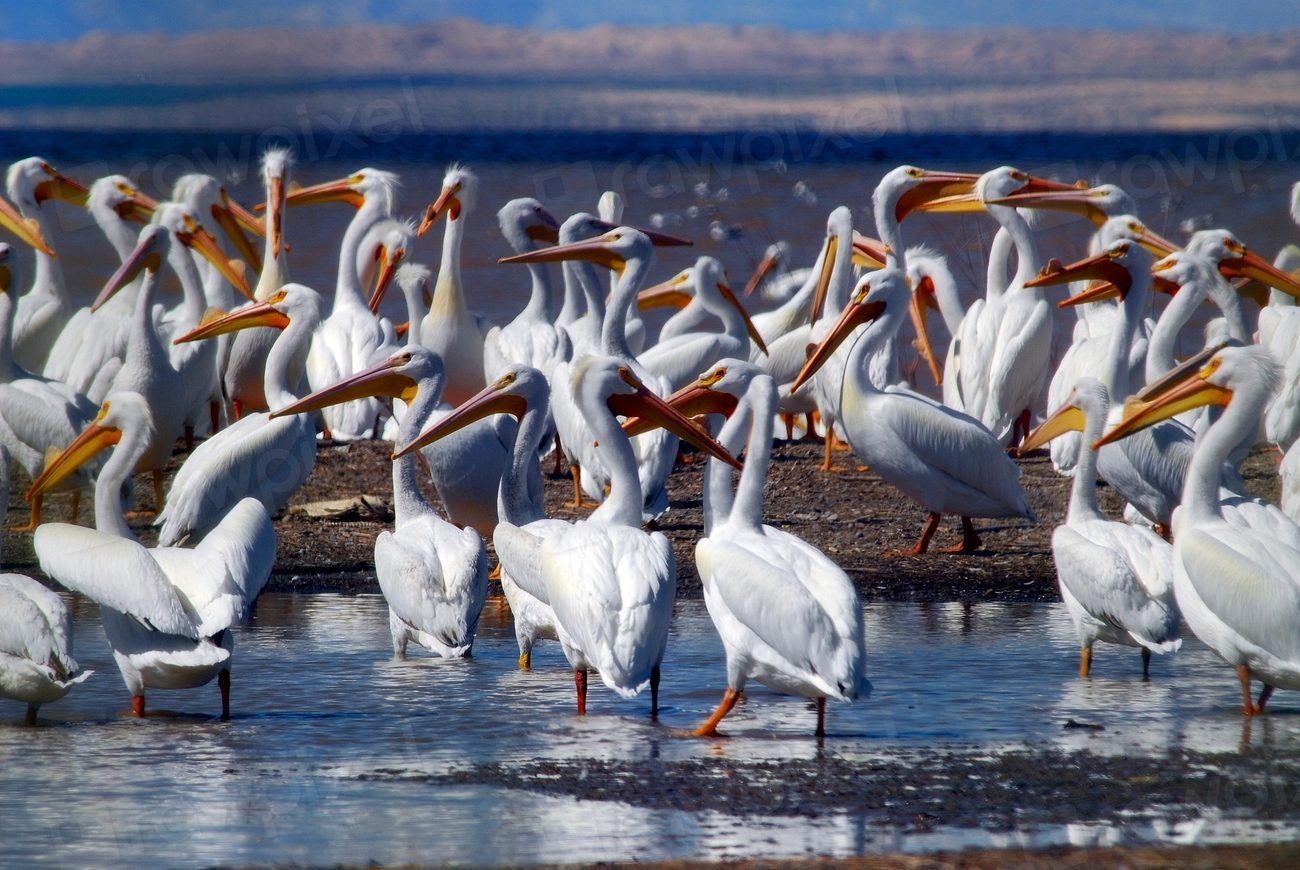
Let’s be real, the Salton Sea wasn’t supposed to exist at all. This massive inland lake in Southern California formed by accident in 1905, yet it became something extraordinary for birds. Until 2021, the refuge had the distinction of having the most diverse bird species of any national wildlife refuge in the West with over 400 different species recorded and continues to be a birding hotspot for rare vagrant species.
The numbers tell an incredible story. Historically, as many as 95% of the North American population of eared grebes migrated through the Sea, along with 90% of American white pelicans, 50% of ruddy ducks, and 40% of Yuma Ridgeway’s rails. Think about that for a moment: nearly every eared grebe on the continent depended on this single lake.
The gull most closely associated with the area is the large, massively billed, black-mantled Yellow-footed Gull. It breeds on islands in the Gulf of California and comes north in large numbers toward the end of summer. The Salton Sea is the only spot in the U.S. where it can be found regularly. Rare species such as the endangered Yuma Ridgeway’s rail, Western gull-billed tern, and black skimmer nest around its shores during summer months.
Tamarac National Wildlife Refuge: Minnesota’s Glacial Treasure
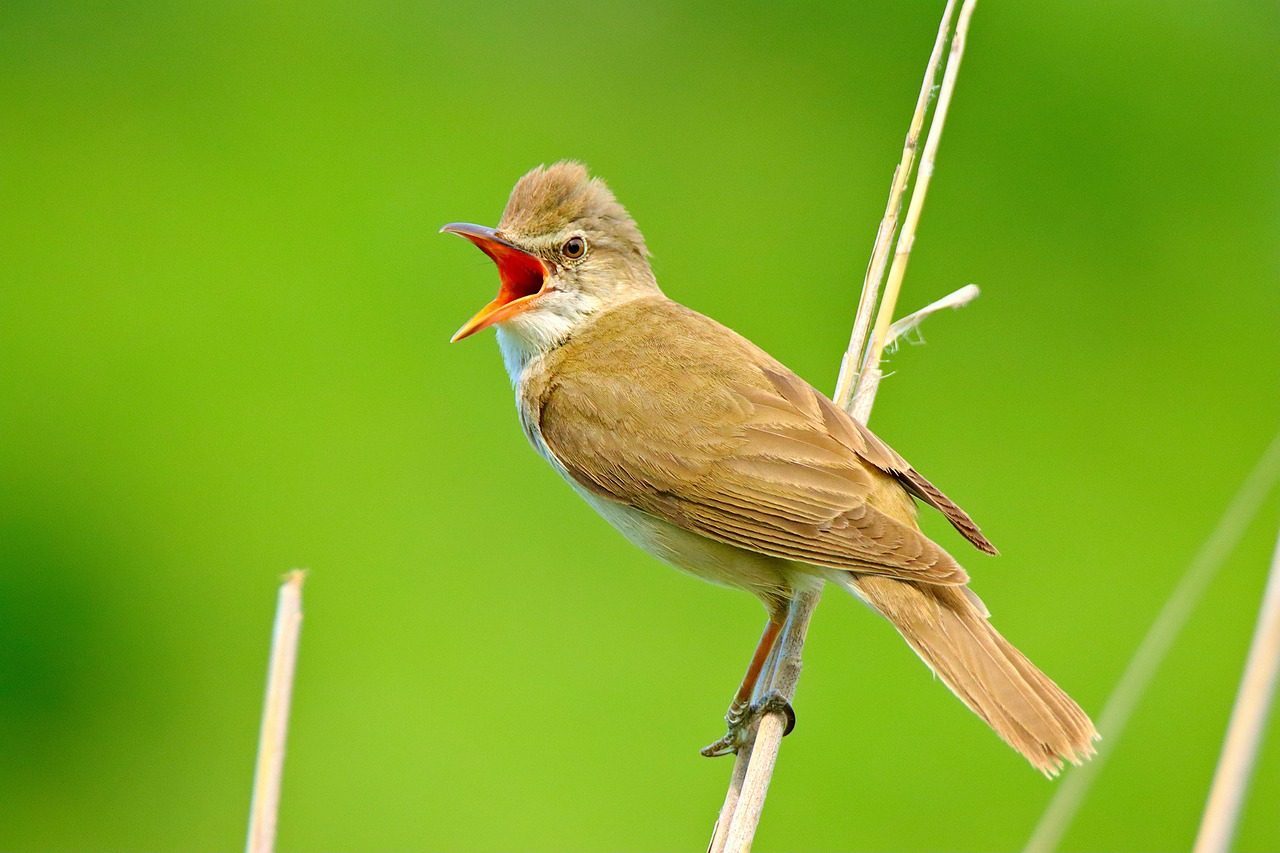
Lying in the heart of Minnesota’s glacial lake country, the 42,724-acre Tamarac National Wildlife Refuge is a vital breeding ground and sanctuary for resident and migratory birds. There are few other places where you can see a prairie wetland species like the Yellow-headed Blackbird and turn around to spot a Red Crossbill of the boreal forest, while listening to the call of an Ovenbird from deep within a nearby deciduous forest.
This transition zone creates something magical. More than 250 bird species have been observed in the refuge, including 25 warbler species that arrive each spring. Visitors usually hope to glimpse the sought-after Golden-winged Warbler, whose populations have declined dramatically across its range.
Visitors usually come hoping to see the Golden-winged Warbler, marvel at the large number of Trumpeter Swans, or watch the evening dance of the American Woodcock. The refuge represents what happens when diverse ecosystems converge in one spectacular location, creating habitat variety that few other areas can replicate.
Klamath Basin Lakes: Pacific Flyway Powerhouse
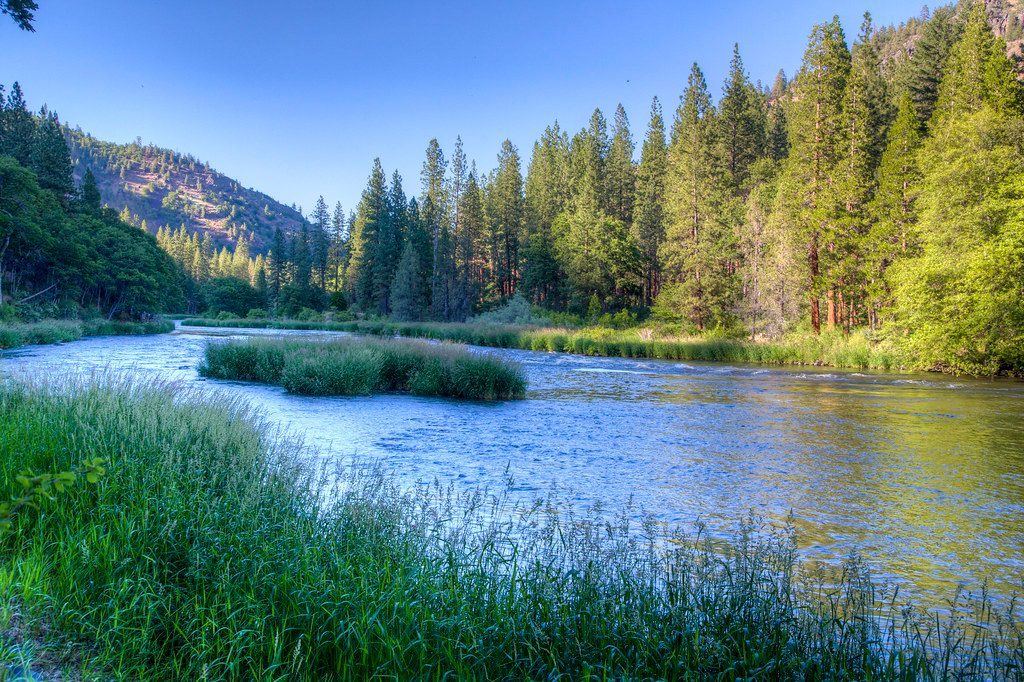
This vast wetland area is essential for migratory birds, providing critical habitats along the Pacific Flyway. Each year, over 80% of the waterfowl migrating on this path pass through, creating an exceptional spectacle for birdwatchers. The Klamath Basin straddles California and Oregon, and its importance cannot be overstated.
I think what surprises most visitors is the sheer concentration of birds in spring and fall. Imagine standing amid wetlands with breathtaking views while flocks of migratory birds fill the sky above. Big Marsh boasts the northernmost nesting site in Oregon for the sought-after Yellow Rail, while Klamath Marsh National Wildlife Refuge to the south hosts Oregon’s highest concentration of these elusive little birds.
The basin’s network of shallow lakes and marshes creates perfect conditions for waterfowl staging during migration. Northern Pintails and American Black Ducks arrive in numbers that darken the sky during peak seasons.
Lake George: Adirondack Haven for Eagles
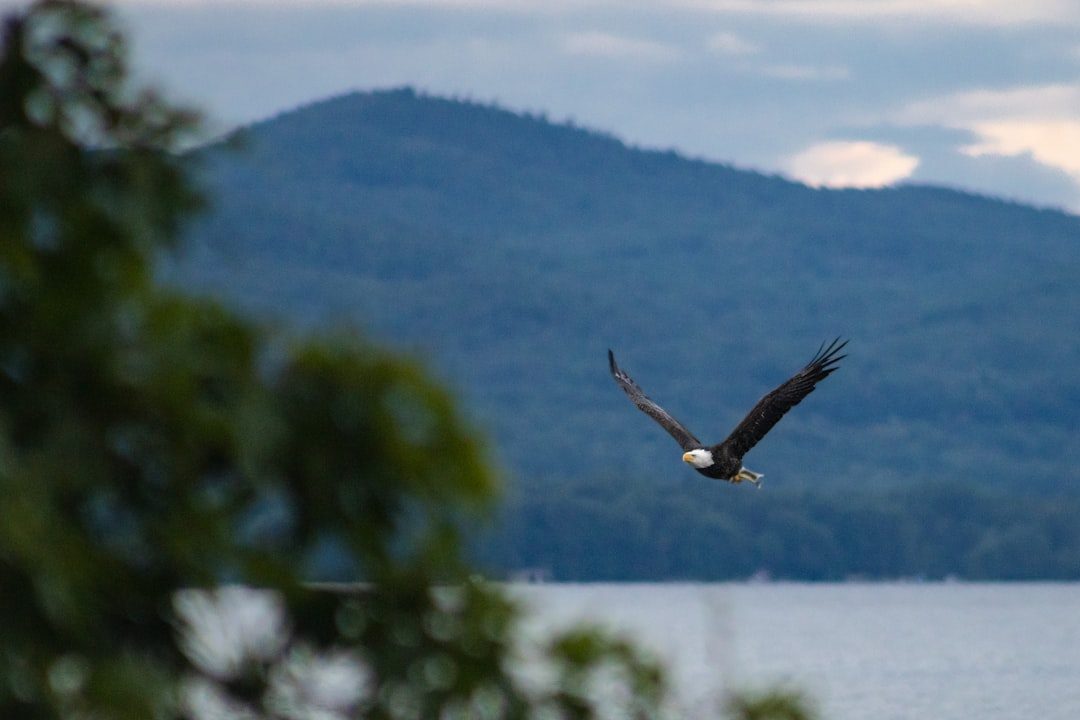
Nestled in New York’s Adirondack Mountains, Lake George offers a different kind of beauty. Lake George birds associated with marshes, ponds, lakes, and streams include: common loon, pied-billed grebe, great blue heron, green-backed heron, American bittern, and a variety of waterfowl. The lake’s pristine waters and surrounding forests create ideal habitat for species that need both aquatic and woodland environments.
In recent years they have spent a lot of time on Lake George and Lake Champlain; even in the winter, these semi-migratory birds have chosen to remain, feeding on fish and ducks in ice-free areas. Bald eagles, once nearly extinct, now thrive here year-round. Their recovery represents one of conservation’s greatest success stories.
The peregrine falcon also calls these cliffs home. The peregrine falcon was seriously endangered in the mid-20th century due to the effects of DDT and other pesticides, yet today they nest along the dramatic rock faces surrounding the lake.
Magee Marsh: The Warbler Capital
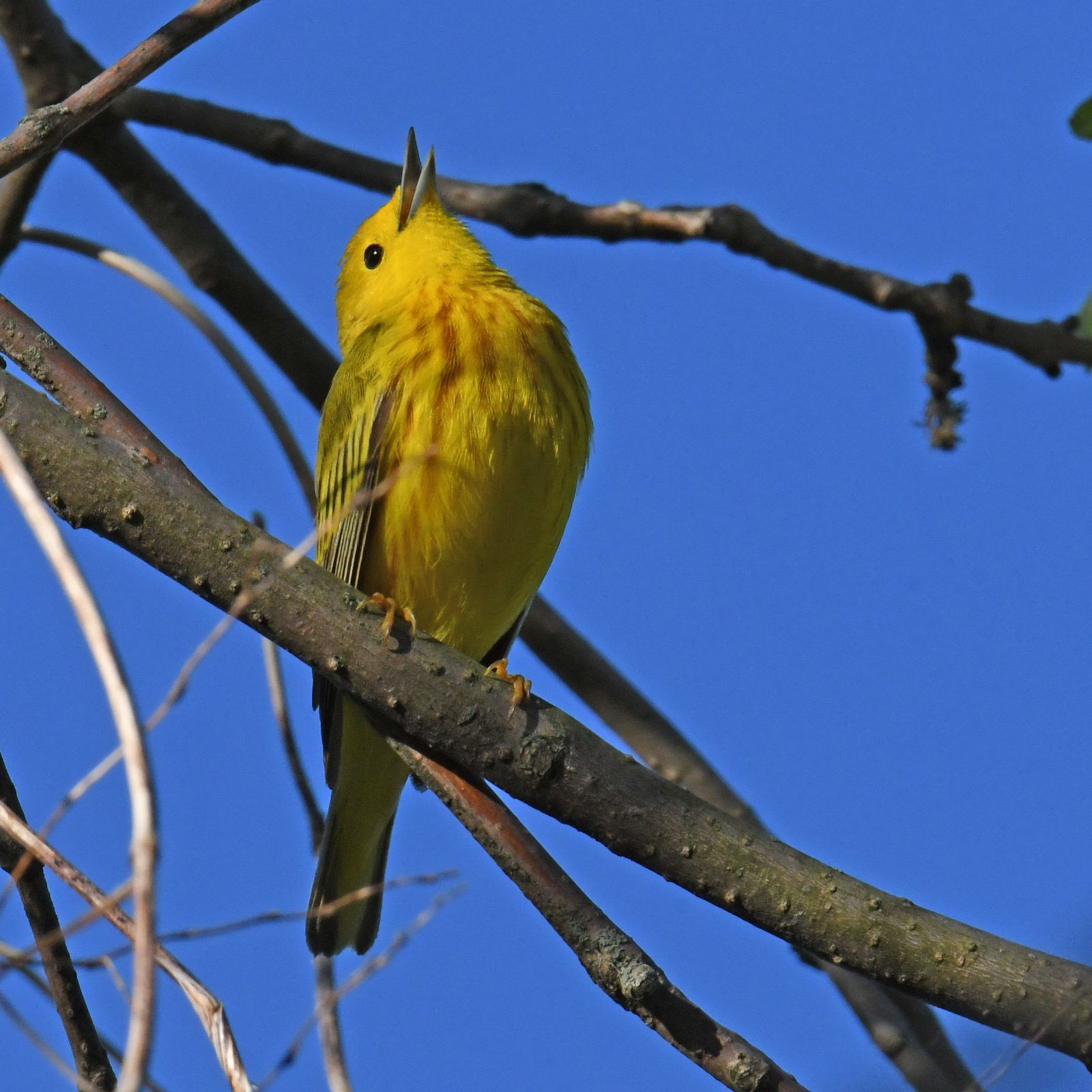
Nestled on Lake Erie’s southern shore, Magee Marsh protects 2,202 acres of Ohio’s finest remaining wetlands. In spring, the marsh transforms into a veritable birder’s paradise, offering some of the best birding in North America. What makes it truly special is timing and geography combined.
Lake Erie’s southern shores become the unofficial warbler capital of the world every May as more than 300 species travel from South America to the Great White North. Weary migrating warblers stop around Toledo to refuel before continuing across Lake Erie into Canada. The concentration of colorful warblers in early May creates a spectacle that attracts birders from around the world.
In total, around 310 species of birds have been found here in spring, but the 2,200 acres of unspoiled wetlands along western Lake Erie draw plentiful species of birds in the fall, too. A boardwalk allows visitors intimate access to birds feeding at eye level in the trees, making photography and observation remarkably easy.
Upper Mississippi Backwaters: River Meets Lake
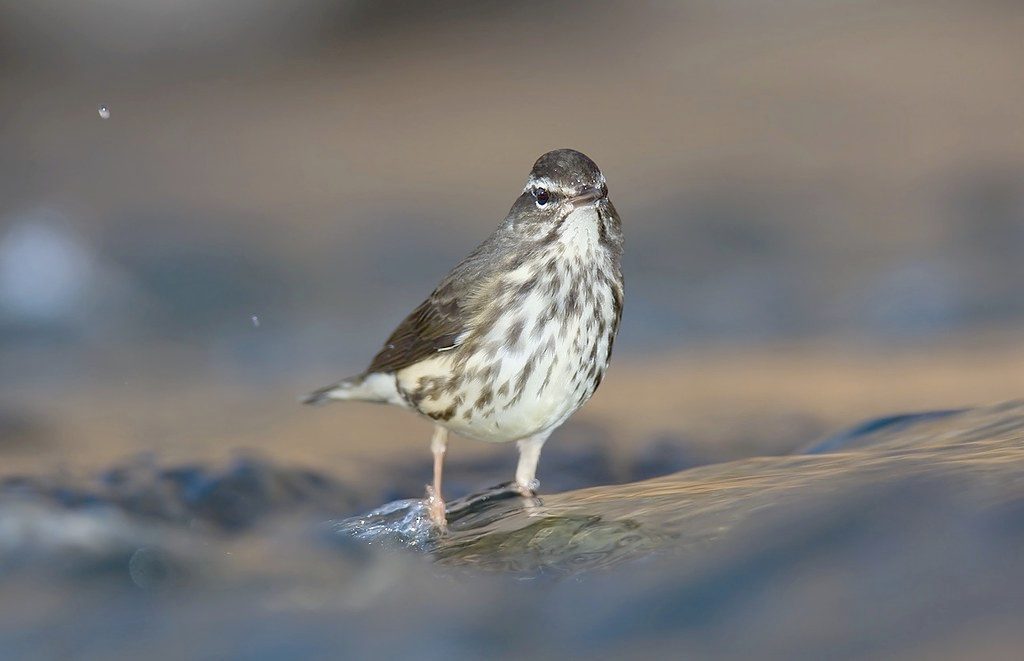
The Mississippi River’s backwaters host thousands of swans and ducks in early spring and late fall, as well as providing a migration corridor for passerines. These expansive shallow lakes and wetlands along the river create stopover habitat that birds desperately need during their long journeys.
The convergence of river and lake ecosystems produces remarkable biodiversity. Many species of birds, for example, Acadian Flycatcher, Louisiana Waterthrush, Prothonotary, Cerulean, Yellow-throated, and Kentucky warblers, reach the northern edges of their breeding ranges following these river valleys. These southern species push northward along the Mississippi corridor, using the backwater lakes as stepping stones.
At Emiquon along the Illinois River in Illinois, TNC and its partners are working on one of the largest floodplain restoration projects in the Midwest, providing habitat for hundreds of thousands of migrating birds each year, such as snow geese and tundra swans. The restoration of these vital areas shows what’s possible when conservation gets adequate support.
Crater Lake Region Marshes: High Elevation Refuges
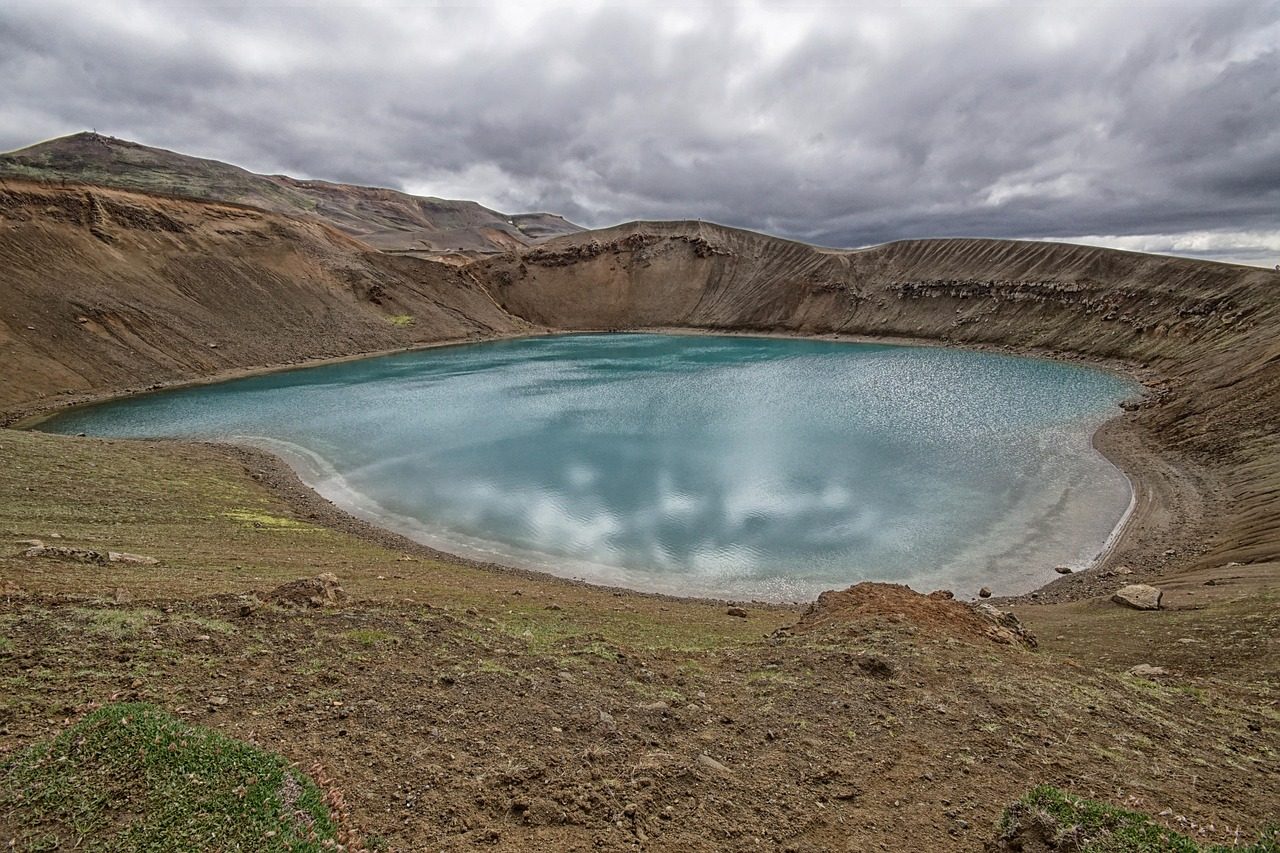
While Crater Lake itself hosts relatively few water birds due to its depth and volcanic origins, the surrounding region tells a different story. A wide range of species due to the diverse habitats including, Blue Grouse, Clark’s Nutcracker, Gray Jay, American Dipper, Red Crossbill, Townsend’s Solitaire and, with careful searching, birds like Gray-crowned Rosy Finch. These high-elevation specialists thrive in the harsh mountain conditions.
The marshes near Crater Lake hold special significance. Below the Crater Lake rim lie some of the most productive marshes in Oregon. Big Marsh boasts the northernmost nesting site in Oregon for the sought-after Yellow Rail. These secretive birds inhabit dense wetland vegetation and are notoriously difficult to observe.
These include the Bald Eagle, Golden Eagle, Clark’s Nutcracker, raven, Mountain Chickadee, Steller’s Jay, and Dark-Eyed Junco. The combination of deep mountain lakes, alpine meadows, and surrounding marshes creates habitat diversity that supports both common and rare species throughout the seasons.
Conclusion
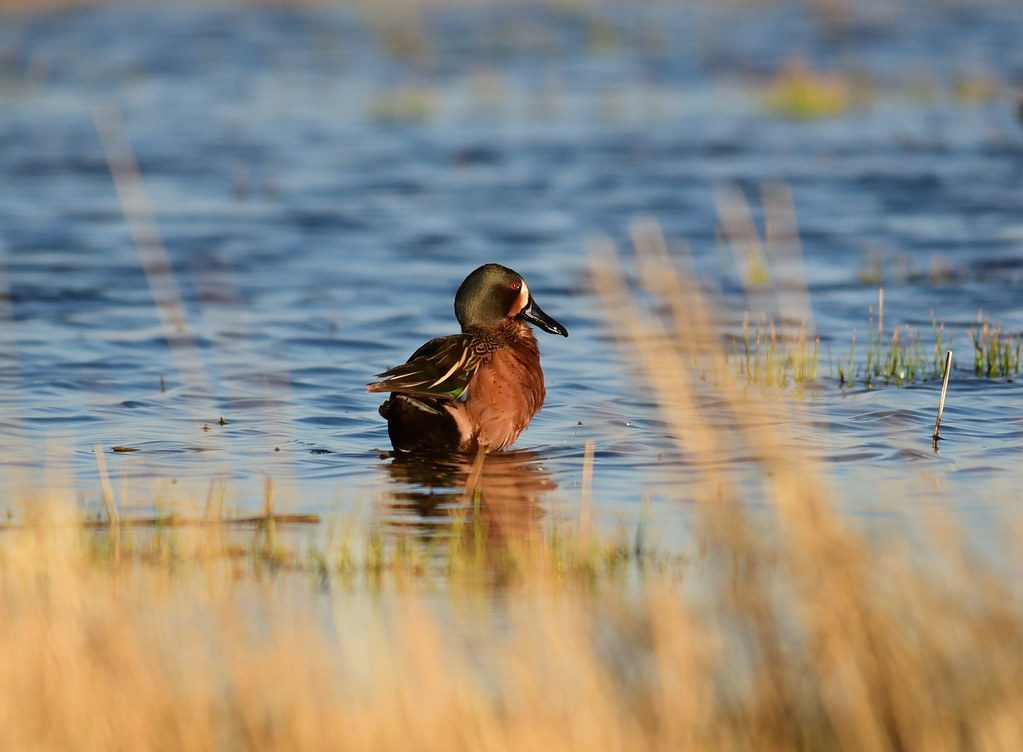
America’s lakes harbor avian treasures that most people never realize exist just beyond their everyday horizons. More than one-third of U.S. bird species are of high or moderate conservation concern, including 112 Tipping Point species that have lost more than 50 percent of their populations in the last 50 years. These lakes represent lifelines for species teetering on the edge.
The good news? Conservation efforts are working when given proper support and funding. From the piping plovers returning to Lake Erie after 83 years to the continuing presence of rare species at the Salton Sea, these success stories prove what’s possible.
Yet the work continues. Climate change, water diversions, habitat loss, and human disturbance threaten even our most protected lakes. Visiting these incredible places brings responsibility. Share the shore with wildlife, keep your distance, and support conservation efforts that ensure future generations can experience these same breathtaking moments.
Did you ever imagine that such rare birds lived so close to some of America’s most popular vacation destinations? What do you think about these hidden avian sanctuaries?
Worried about unexpected vet bills?
Pet insurance can cover thousands in unexpected vet costs. Get a free quote from Lemonade in under 2 minutes.
Get My Free Quote →Sponsored · Opens Lemonade.com
