
Worried about unexpected vet bills?
Pet insurance can cover thousands in unexpected vet costs. Get a free quote from Lemonade in under 2 minutes.
Get My Free Quote →Sponsored · Opens Lemonade.com
Imagine standing at the edge of a wilderness so pristine that creatures you’ve only glimpsed in documentaries roam freely before your eyes. There’s something about witnessing rare wildlife in its natural habitat that changes you, a moment that reminds us we’re sharing this planet with beings far older and more mysterious than ourselves. America’s national parks are more than scenic backdrops for selfies or quick pit stops on a road trip – they’re sanctuaries where some of Earth’s most elusive animals have found their last refuges.
Sure, you’ve probably heard about spotting elk or deer on a standard park visit. That’s nice enough. Here’s the thing, though – there are places within the national park system where you might lock eyes with creatures so rare that many wildlife enthusiasts spend years searching for just a single sighting. From wolves that vanished from entire landscapes to fish species clinging to existence in a single desert pool, these eight parks offer encounters that’ll have you telling stories for decades. Let’s explore where you need to go if you’re serious about witnessing nature at its most extraordinary.
Yellowstone National Park: Where Wolves Reclaimed Their Throne
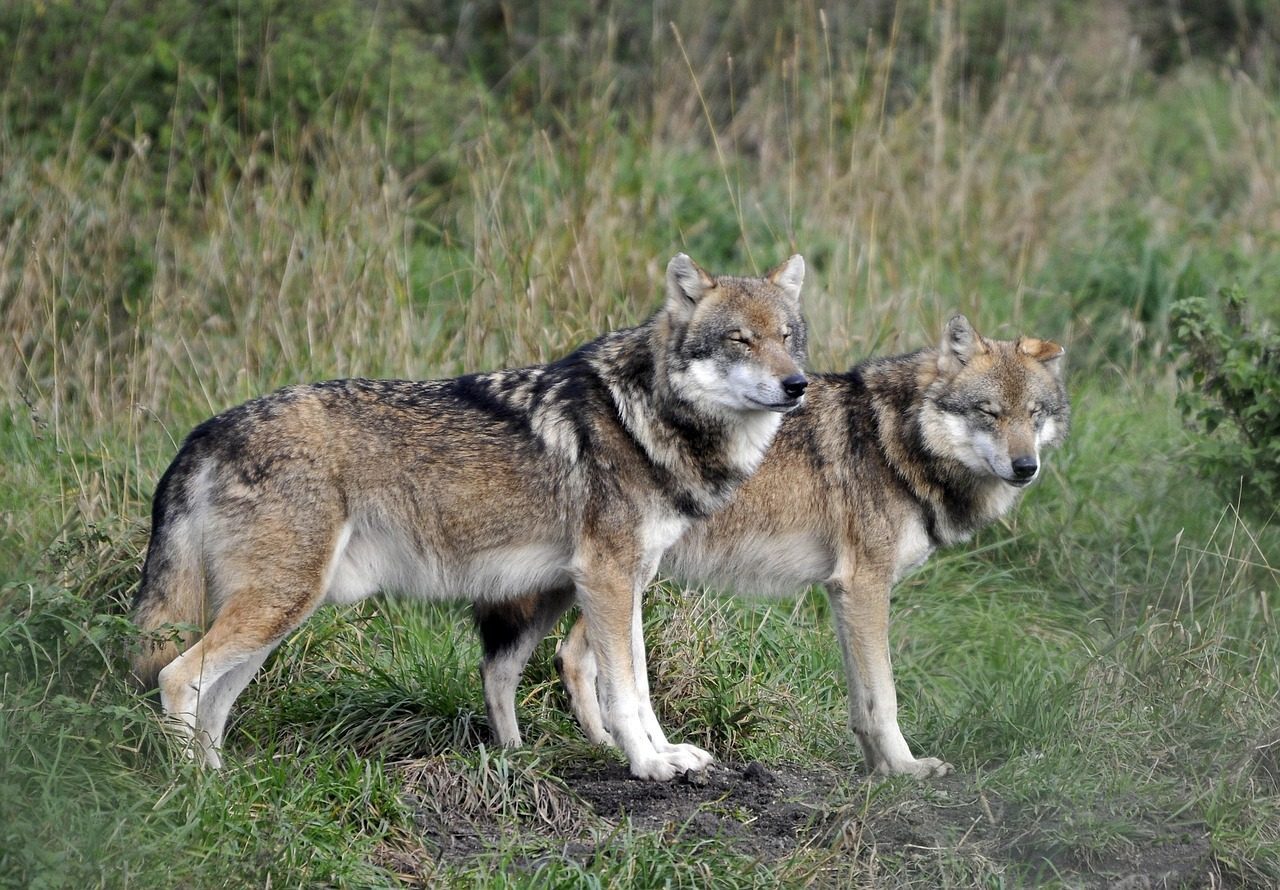
Yellowstone National Park has the lower 48 states’ largest concentration of mammals, including bighorn sheep, bison, moose, wolves, mountain lions, and grizzly bears. The park’s most celebrated comeback story belongs to the gray wolf, reintroduced in the mid-1990s after being hunted to extinction in the region decades earlier. Spotting these apex predators remains thrilling yet challenging, especially in the early morning hours when mist still clings to the valleys.
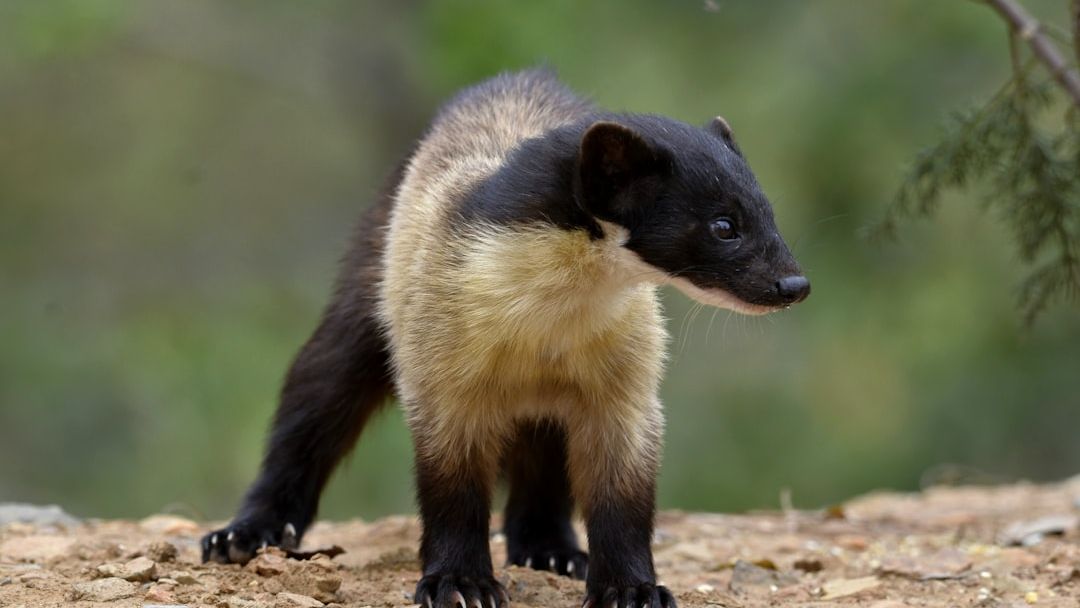
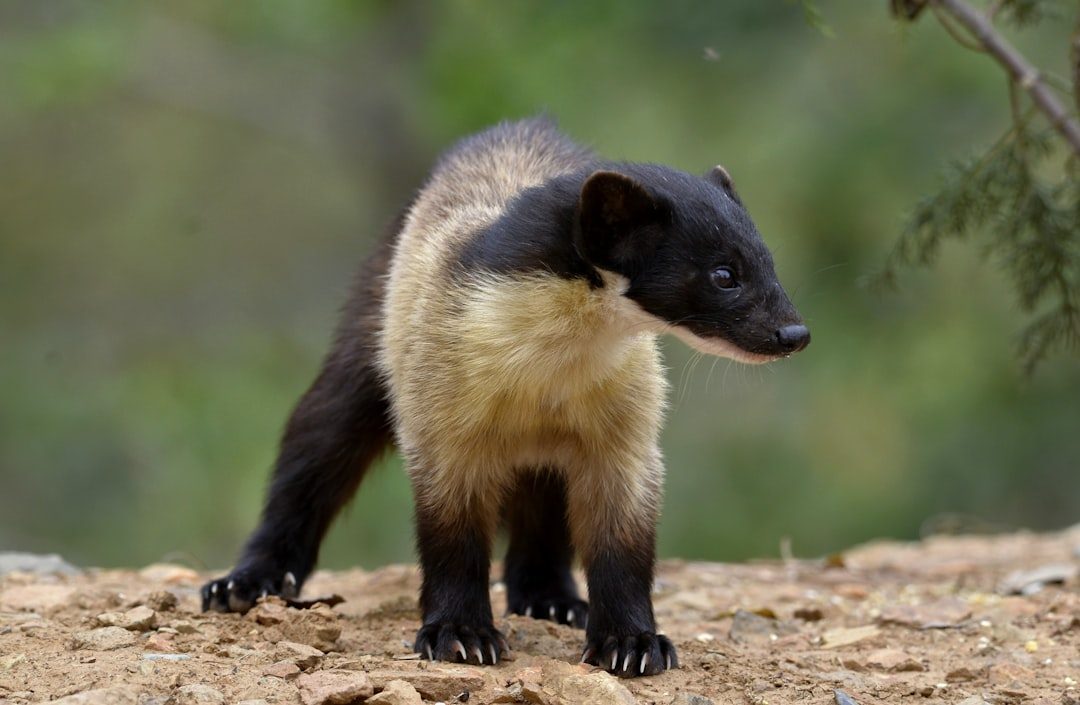
Wolverines are some of the rarest animals in Yellowstone, living in high-elevation alpine and forest habitats. These fierce members of the weasel family are so elusive that capturing them on camera makes headlines. Lamar Valley stands out as the best location for wildlife viewing, where the grasslands attract the park’s biggest species and create perfect conditions for observation from Highway 212.
Badlands National Park: The Black-Footed Ferret’s Second Chance
Once thought to be extinct, the black-footed ferret is a remarkable conservation success story. These nocturnal predators rely almost entirely on prairie dog colonies for survival, and the Conata Basin in Badlands National Park is one of the few places where black-footed ferrets have been successfully reintroduced. Night drives during summer or fall offer the best chances, when these masked bandits emerge from burrows under the cover of darkness.
I know it sounds crazy, but you might drive past dozens of prairie dog towns without realizing you’re in ferret territory. The trick is patience and a good flashlight used responsibly. These creatures represent one of North America’s most successful recovery efforts, moving from being considered the world’s rarest mammal to having roughly a thousand individuals living wild again.
Glacier National Park: The Mist Forest Stonefly’s Glacial Haven
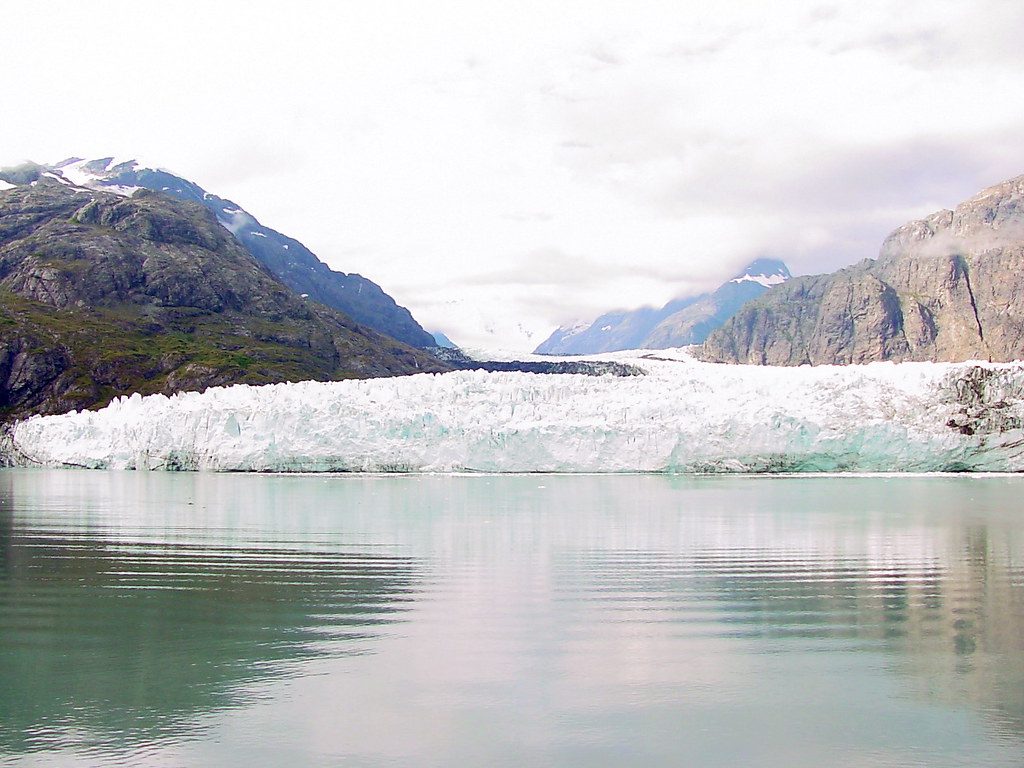
The disappearing glaciers at Glacier National Park in Montana have long been a concern of scientists studying climate change, and a relatively recent discovery is the accompanying threat to the small mist forest stonefly which lives in streams fed by these melting glaciers. As the climate warms, the stonefly’s ability to survive in its natural habitat of this coldest of cold water is increasingly in danger. This tiny insect lives exclusively in the frigid waters near the park’s shrinking glaciers.
Glacier National Park is one of the few strongholds for wolverines in the lower 48 states, as these creatures inhabit remote alpine terrain and travel vast distances in search of food. Spotting either species requires serious dedication and perhaps extreme luck. The high country trails during spring reveal wolverine tracks in the snowpack, though glimpsing the animal itself remains extraordinarily rare.
Olympic National Park: Pacific Fisher Returns to Ancient Forests
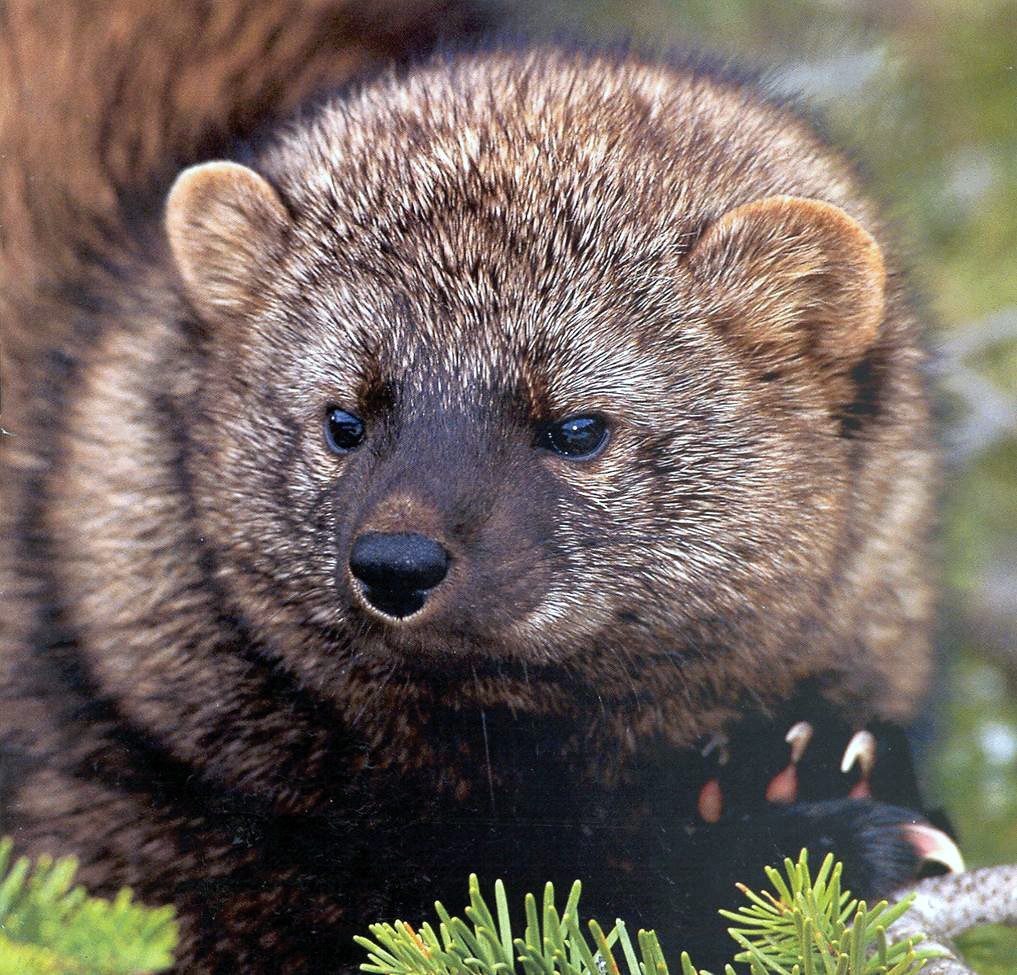
The Pacific fisher is even rarer than its eastern cousin and lives in remote old-growth forests of the Pacific Northwest. High elevation forests in Olympic National Park and the Cascades are prime habitats, with these tree-loving predators active during twilight and often seen chasing squirrels through the canopy. The park’s temperate rainforests provide perfect conditions for these elusive members of the weasel family.
Olympic’s nearly one million acres contain mountain ecosystems, coastal areas, and ancient forests protecting remarkable biodiversity. River otters slip through waterways while rare marbled murrelets nest in old-growth trees. The remote valleys of the Hoh Rainforest shelter black bears and mountain lions that prefer to keep their distance from human visitors.
Death Valley National Park: The Pupfish’s Improbable Survival
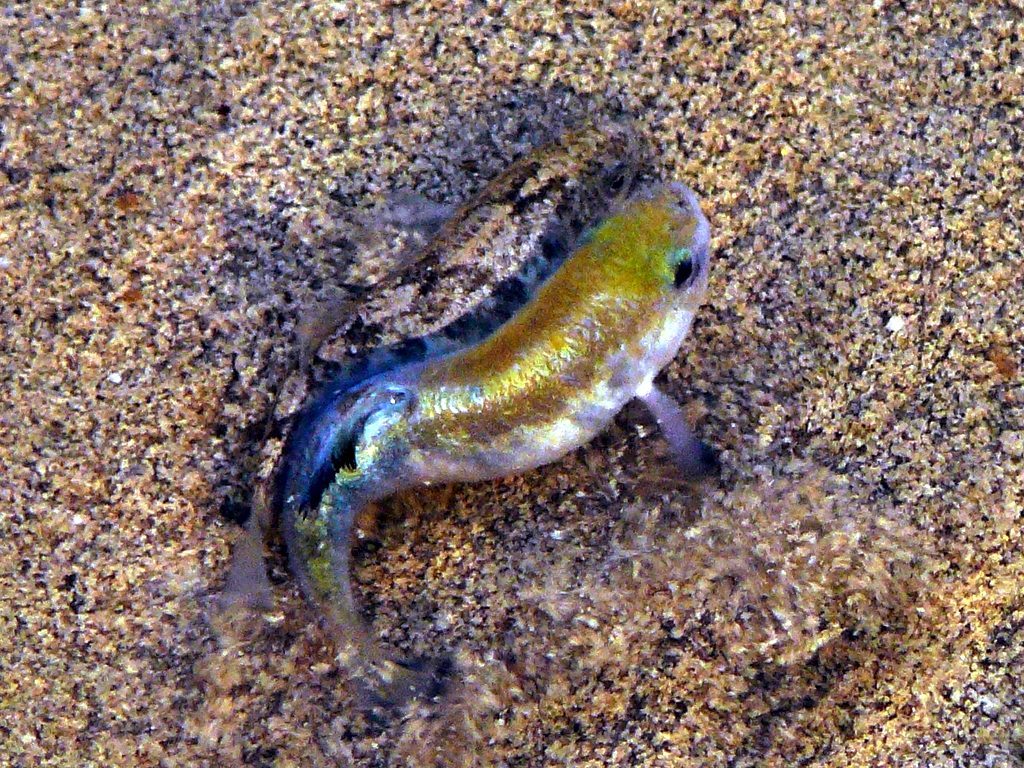
Death Valley National Park has an extremely rare species that’s not quite as visible as the desert tortoise – an underground lake in Death Valley’s detached Devils Hole unit in Nevada serves as home to one of the world’s rarest fish. The Death Valley pupfish is only found in this 215-square-foot subterranean pool. These tiny fish have adapted to consistently warm water temperatures around 92 degrees Fahrenheit, thriving in conditions that would kill most other species.
It’s hard to say for sure, but the pupfish might be one of nature’s most stubborn survivors. The fenced-off cave prevents direct viewing, though knowing such a rare creature exists just beneath your feet in one of Earth’s harshest environments feels almost surreal. Desert tortoises offer more accessible rare sightings throughout the park, especially if you explore carefully during cooler morning hours.
Biscayne National Park: Underwater Rarities Off Miami’s Coast
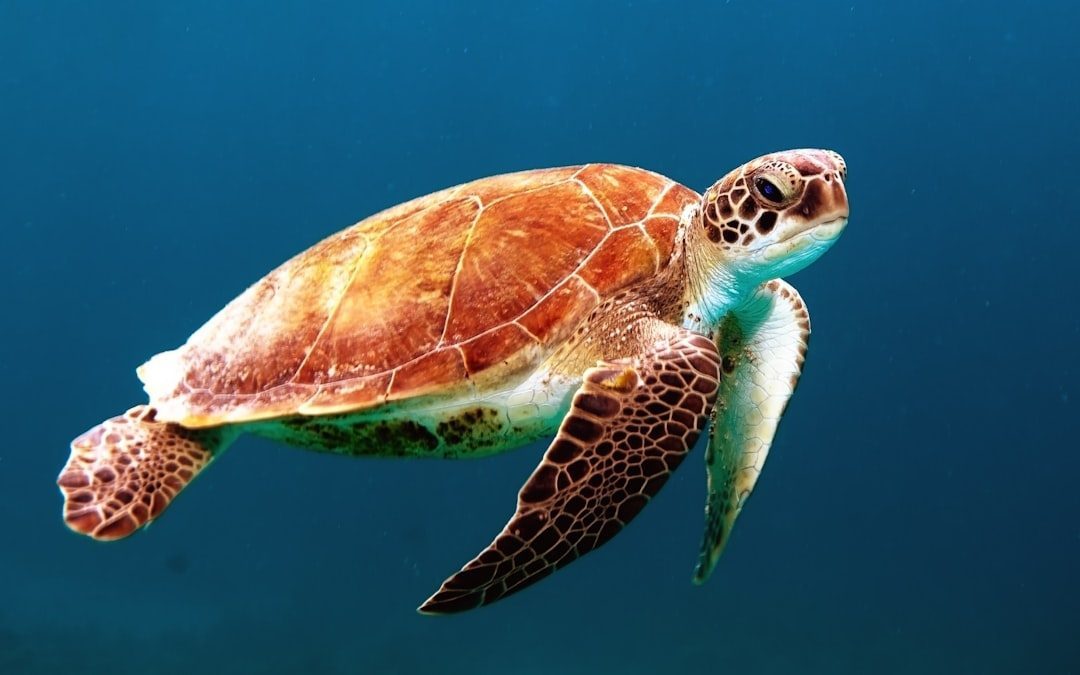
The most notable of Biscayne National Park’s endangered residents are perhaps its population of sea turtles, as Biscayne is home to several species including the endangered loggerhead, hawksbill, and leatherback turtles. The park provides a safe haven and dedicated conservation efforts for these threatened species and offers excellent turtle viewing opportunities along its many snorkeling and scuba diving spots. Most of this Florida park lies underwater, creating unique marine ecosystems just minutes from downtown Miami.
Biscayne is also home to rare marine mammals, most notably the lovable but vulnerable West Indian manatee, and while the park’s wetlands contain numerous alligators, it’s also home to the much rarer American crocodile. Spotting the difference between these two reptiles becomes easier once you know crocodiles have narrower snouts and are generally more reclusive. The coral reefs and mangrove forests create a haven for species found nowhere else in the continental United States.
Channel Islands National Park: The Island Fox Found Nowhere Else
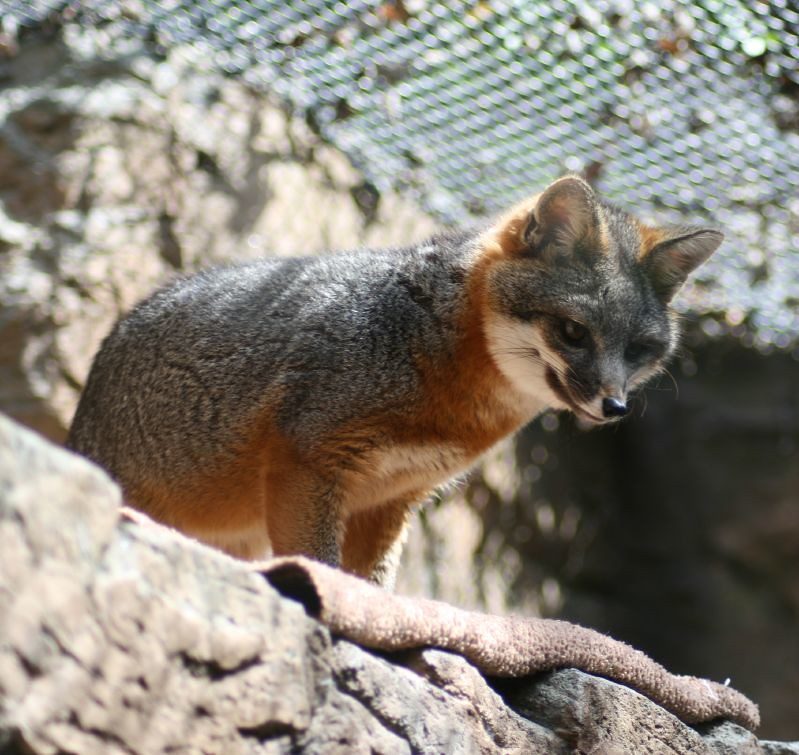
On the opposite coastline from Biscayne, California’s Channel Islands National Park protects a different but equally valuable coastal ecosystem. The park is deceptively close to Los Angeles, but the several islands that comprise the park take advantage of their isolated geography to hold off any encroaching development. As a result, Channel Islands National Park has one of the state’s most unique coastal ecosystems, with populations of animals found nowhere else on Earth.
The Channel Island fox is a species that exists on six of the eight islands and absolutely nowhere else on the planet. These diminutive foxes, smaller than their mainland cousins, evolved in isolation for thousands of years. Let’s be real – conservation efforts here have been remarkable, bringing several subspecies back from the brink of extinction. Sea otters float in kelp forests offshore, cracking open shellfish on their bellies in one of nature’s most charming displays.
Shenandoah National Park: The Salamander Capital of the East
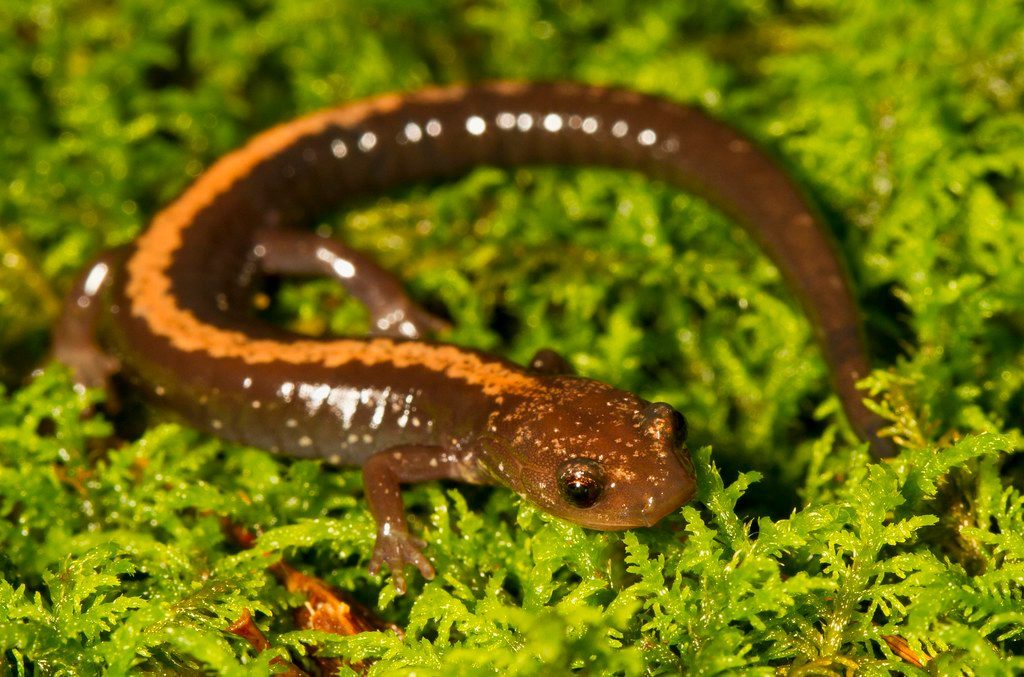
The Shenandoah salamander is only found in Shenandoah National Park, where they actually breathe through their skin and need moist conditions like those found in forested areas. They eat small invertebrates they find under rocks, sticks, logs, and leaves. This rare amphibian lives on just a few high-elevation peaks within the park and nowhere else in the world.
The bobcat is a master of the Shenandoah forests with its stealthy movements and keen hunting skills. These elusive cats are rarely seen as they prefer to hunt at dusk and dawn, with their tufted ears and short tail being distinctive features. Bobcats prey on various animals from rabbits to birds, showcasing their adaptability, and bobcats are excellent swimmers though they rarely take to water. Spotting one of these secretive felines represents a rare treat and testament to the park’s thriving ecosystem where predators and prey coexist. The Blue Ridge Mountains here shelter an astonishing diversity of life despite being relatively close to major East Coast cities.
Conclusion: Patience Rewarded in Nature’s Theater
Witnessing rare wildlife in national parks isn’t about checking boxes or guarantees. It’s about immersing yourself in landscapes where nature still operates on its own terms, where a patient observer might be rewarded with sights that defy expectation. These eight parks represent some of America’s most important wildlife refuges, places where conservation efforts meet wild possibility.
From the wolves of Yellowstone to the pupfish of Death Valley, each species tells a story of survival, adaptation, and resilience. The experience changes depending on when you visit, how quietly you move, and honestly, a bit of luck doesn’t hurt either. These encounters remind us why protecting wild spaces matters – not just for the animals, but for ourselves.
What rare creature would you most want to encounter in the wild? Have you already had a wildlife sighting that left you breathless? The magic of these parks lies in never knowing what might appear around the next bend or across the valley.
Worried about unexpected vet bills?
Pet insurance can cover thousands in unexpected vet costs. Get a free quote from Lemonade in under 2 minutes.
Get My Free Quote →Sponsored · Opens Lemonade.com
