


There’s something endearing about thinking of dogs as part of the Nativity story. We imagine them wagging their tails, padding through ancient Bethlehem streets, perhaps nuzzling close to the baby Jesus. Most of us have seen nativity scenes featuring oxen, donkeys, and sheep, but dogs rarely make an appearance in the popular versions we grow up with. Yet there’s a centuries-old legend from Grenada, Spain, that tells of three faithful canines who accompanied the shepherds to witness the birth of Christ.
This Grenadian tale speaks of three dogs that followed the shepherds into Bethlehem, where they gazed upon the infant Jesus and received his blessed smile. It’s a story passed down through generations, giving these loyal animals a sacred role in one of history’s most significant moments. So let’s explore this fascinating legend, the names that still echo through time, and why dogs have such a special connection to Christmas traditions across cultures.
The Three Legendary Dogs of Grenada
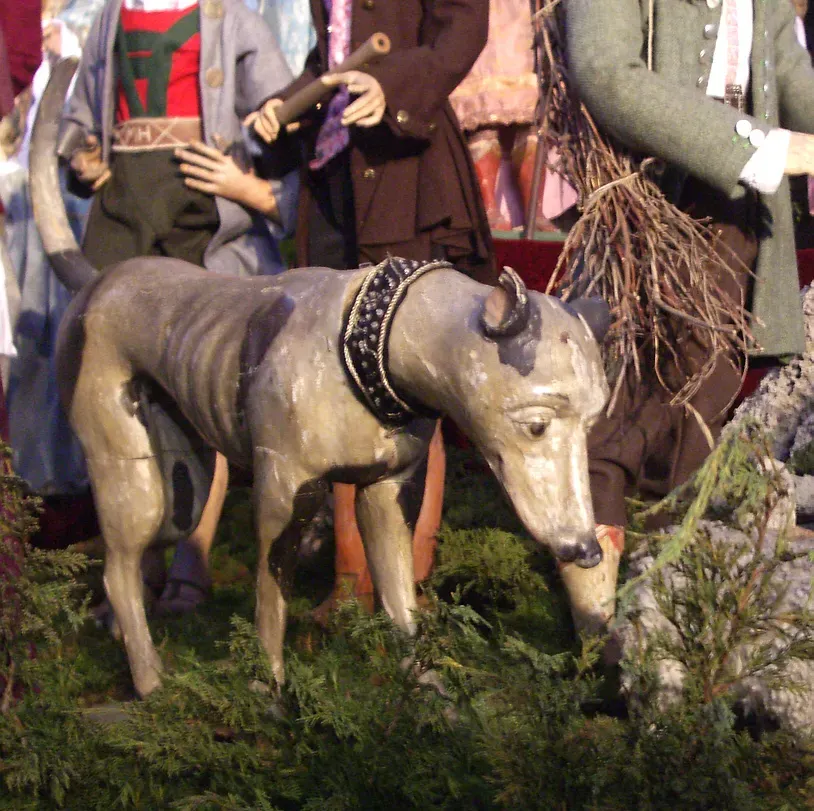
The names of these three dogs were Cubilon, Lubina, and Melampo. These aren’t just random names tossed into folklore. They carry weight in Grenadian tradition, where people have kept these names alive for centuries.
Many people in Grenada still give their dogs these names as a sort of good luck charm. Imagine calling your puppy Melampo, knowing you’re connecting to a story that links your furry friend to the night Christ was born. There’s something deeply touching about that continuity, that thread stretching from ancient times to modern dog parks.
When Shepherds Actually Used Working Dogs
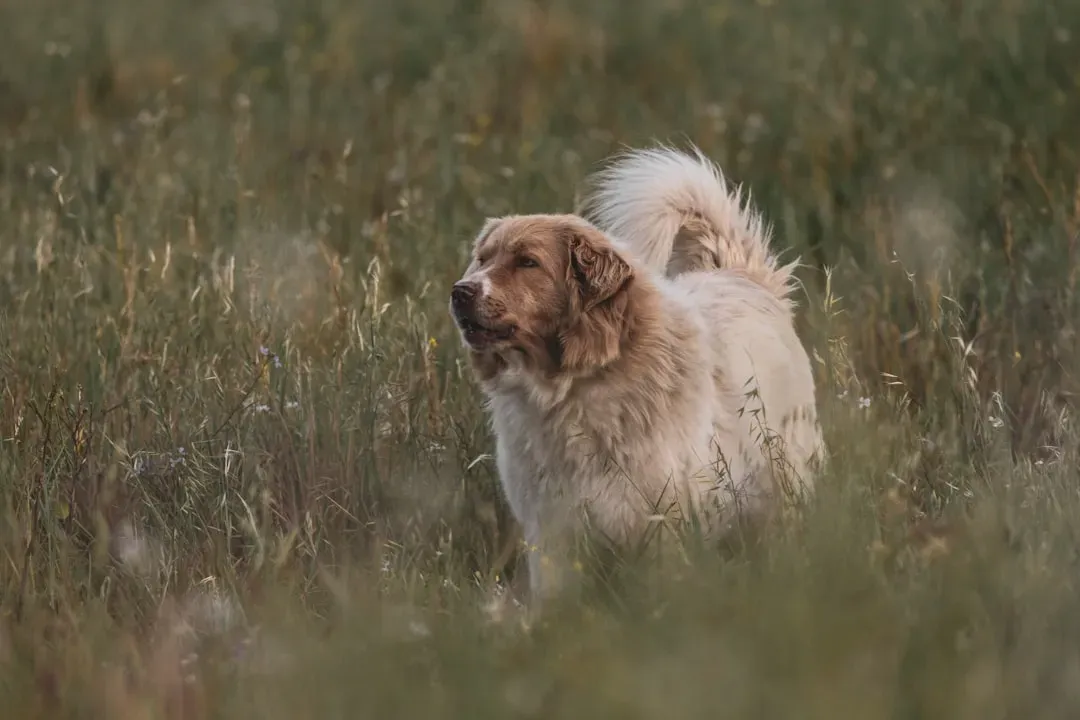
Let’s be real, shepherds without dogs would have had a rough time. These weren’t just companions lounging by the fire. Shepherding required serious help managing flocks, especially at night.
The shepherds most likely took their sheep with them when they embarked on the journey to find Mary, Joseph, and baby Jesus. If the shepherds brought their flocks along, it makes perfect sense they’d have their working dogs with them too. Dogs would have been essential for keeping the sheep together during that nighttime journey through Bethlehem’s streets.
The Spanish Connection to This Legend
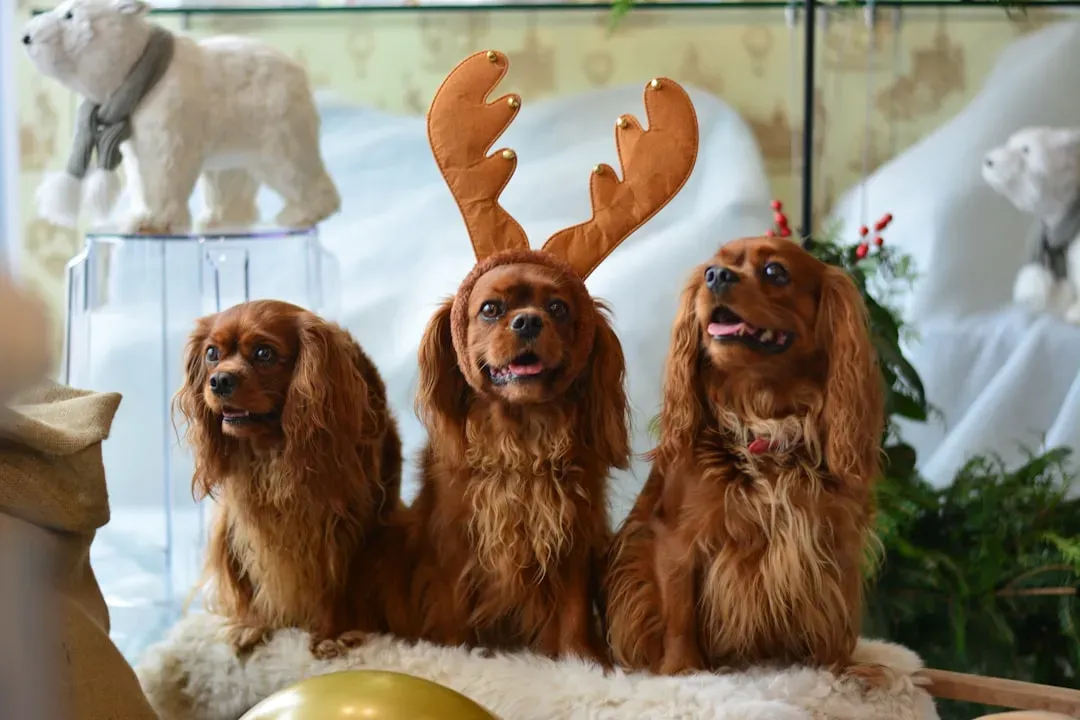
A Spanish legend tells about three dogs named Cubillon, Melamp and Lubino who accompanied their master to Bethlehem to worship the Christ child. Notice the slight variation in spellings? That’s typical of oral traditions passed through different regions and time periods.
The legend appears to have roots deep in Spanish culture, particularly in the Grenada region. These stories often evolved as they traveled from one generation to the next, with families adding their own details while preserving the core narrative.
Were There Really Dogs in the Stable?
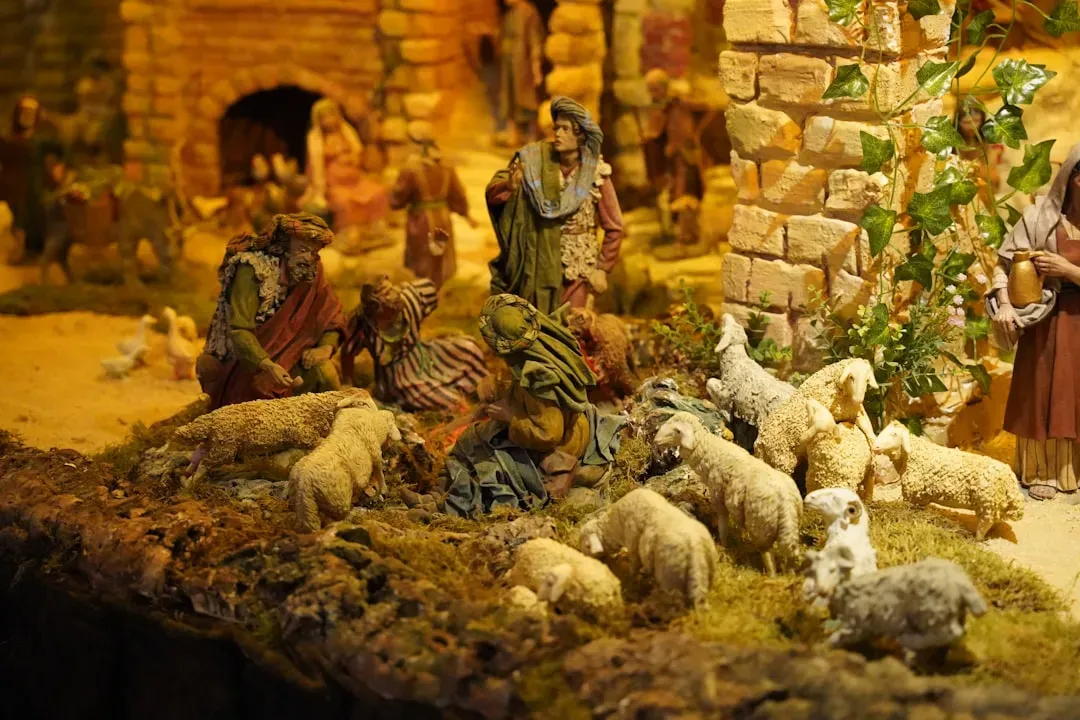
Here’s the thing that might surprise you. Neither Luke nor Matthew tell us about animals at all in their Gospel accounts. The Bible doesn’t specifically mention what creatures, if any, were present when Jesus was born.
The various creatures crept into the Bethlehem stable as the centuries unfolded and the nativity story accumulated accretions, traditions, elaborations and lessons. Yet that doesn’t make these traditions meaningless. They reflect how different cultures connected with the story and found ways to make it resonate with their daily lives.
Dogs as Symbols of Loyalty in Italian Nativity Scenes
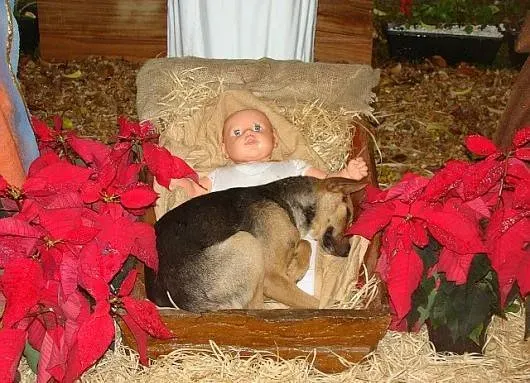
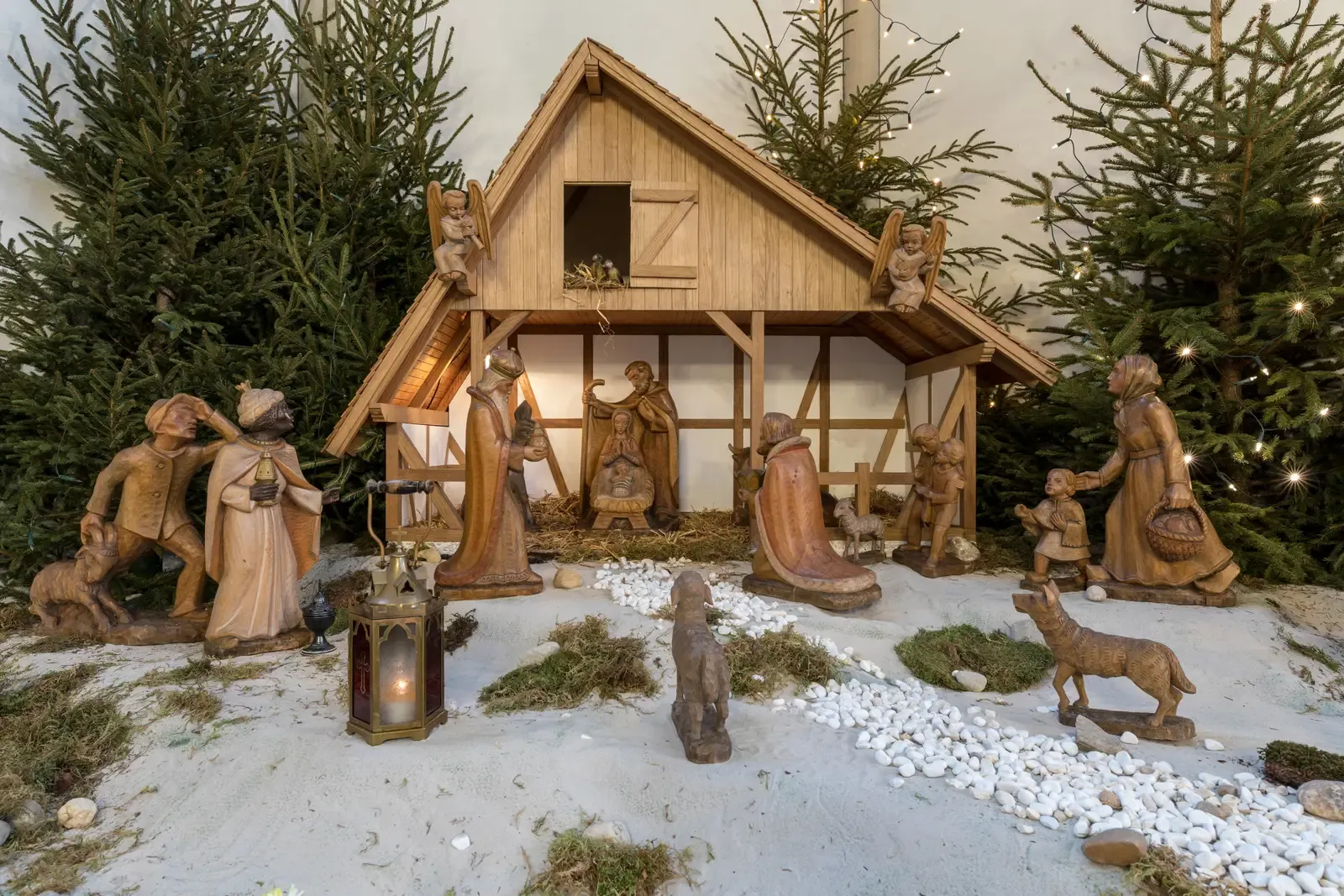
In Italy the nativity scene often features dogs among the traditional animals, associated with shepherds and symbolizing loyalty and vigilance. This makes complete sense when you think about the relationship between shepherds and their working dogs throughout history.
Italian artisans have been crafting elaborate nativity scenes for centuries, and they understood that shepherds would naturally have dogs nearby. The symbolic meaning layered onto this practical reality gives dogs a beautiful role representing devotion and watchfulness.
The Tradition of Animals Speaking on Christmas Eve
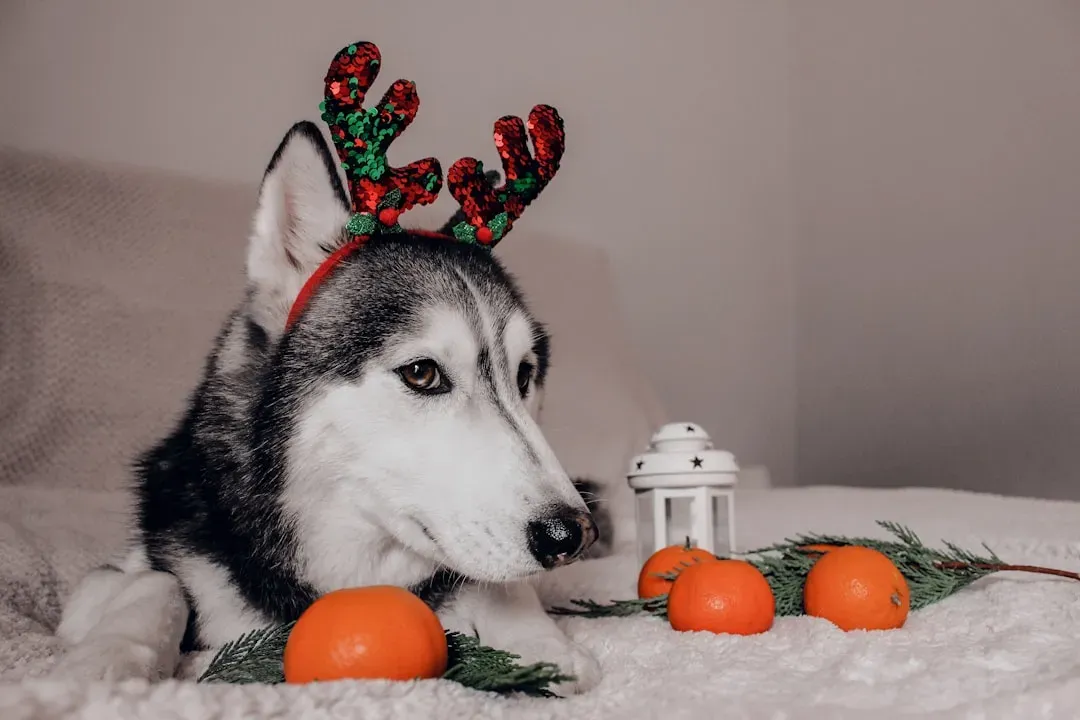
The story goes that God chose to mark this particular event by granting animals the ability to speak at midnight on every Christmas Eve. This enchanting belief spread throughout Christian Europe, adding magical elements to the Nativity story.
Folklore credited God with granting Christmas animals of the stable the ability to speak for an hour at midnight on Christmas Eve. Imagine the wonder children felt, tiptoeing to barns at midnight hoping to hear their animals praise the birth of Christ. Whether or not anyone ever heard actual words, the tradition kept alive a sense of reverence for all creation.
How European Christmas Traditions Featured Dogs
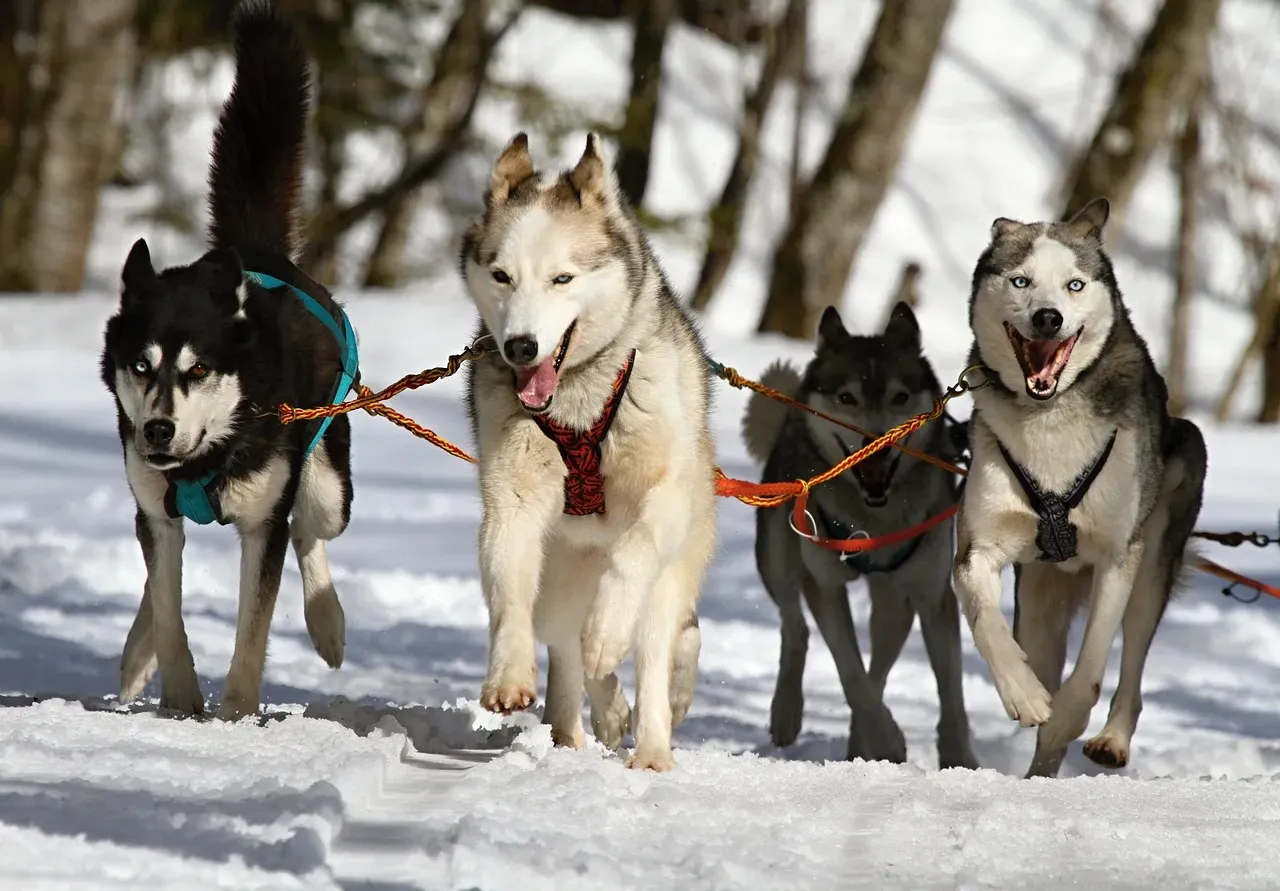
Different cultures across Europe created interpretations of a mystical bringer of gifts to good children at Christmas, with these manifestations coming at night in a carriage drawn by goats or dogs. Before reindeer became synonymous with Santa’s sleigh, various European traditions featured dogs pulling gift-laden sleds.
This shows dogs weren’t just passive observers in Christmas lore. They played active roles in how different cultures imagined the magic of the season unfolding.
The Link Between Shepherds and Christmas Dogs
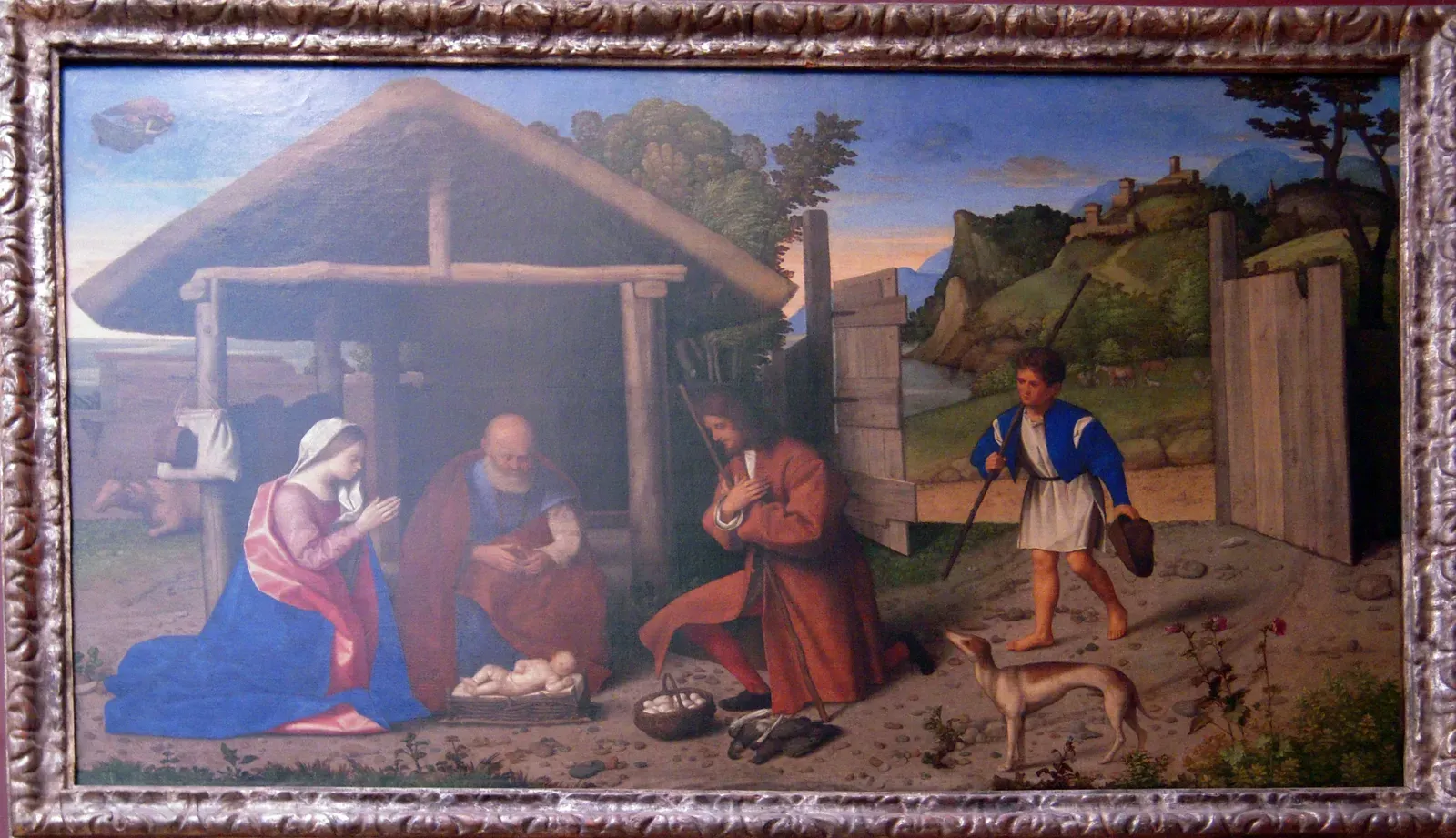
The Christian account of Jesus’s birth has him surrounded by shepherds, and since shepherds require dogs it has become traditional to show dogs with the people gathered around the manger in nativity scenes. This practical consideration gradually evolved into a theological and artistic tradition.
Shepherds relied on dogs for their livelihood. Those relationships weren’t casual. A good shepherd dog meant the difference between lost sheep and a secure flock, between financial ruin and survival.
Regional Variations in Nativity Animals
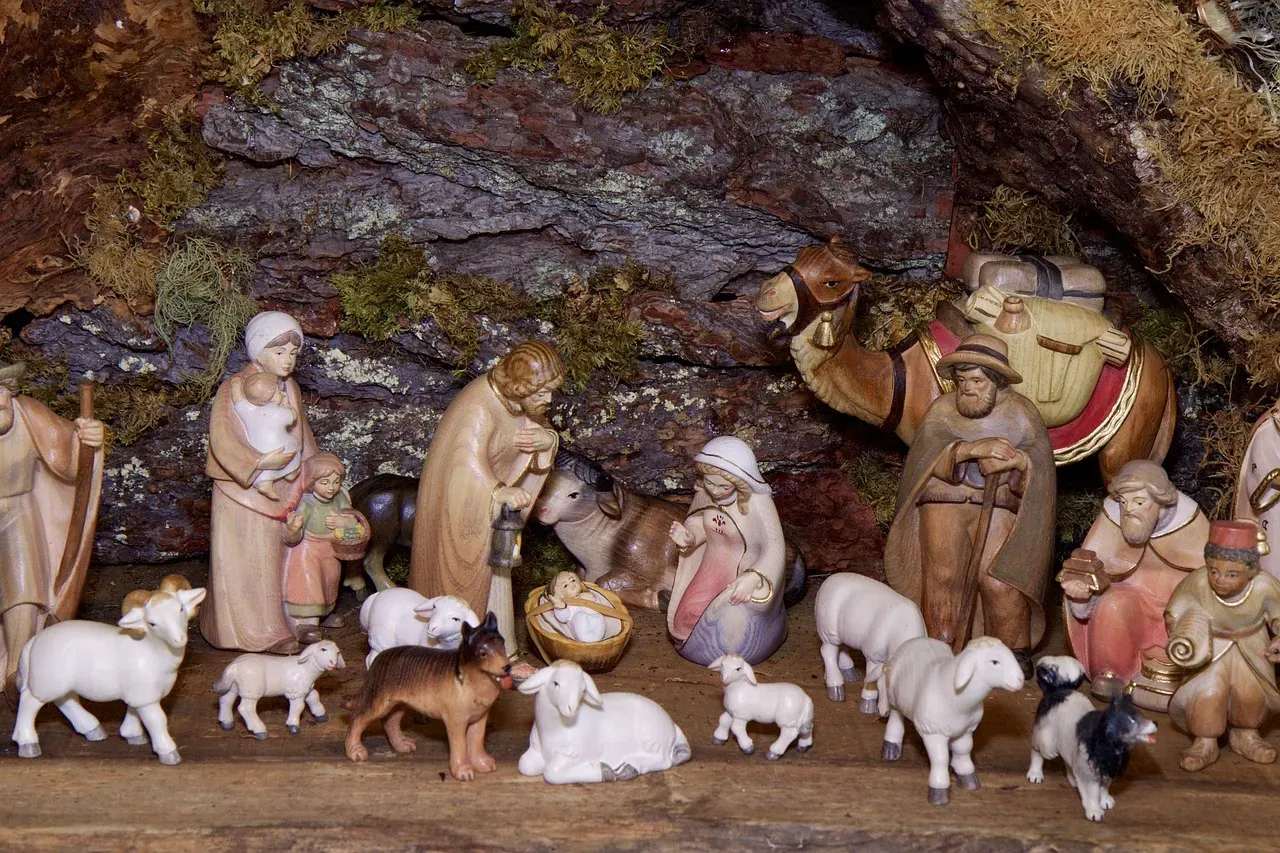
Different parts of the world have added their own local animals to nativity scenes. South American nativity scenes often include native animals such as llamas and alpacas, celebrating regional cultural heritage.
This pattern makes the Grenadian legend of the three dogs feel less unusual and more part of a broader human tendency to include familiar animals in sacred stories. People naturally connect spiritual narratives to the creatures they know and love.
Why the Names Cubilon, Lubina, and Melampo Matter
Names carry power in folklore. When visitors came to Granada, they learned that the names of the three dogs that got to see baby Jesus were Cubilon, Lubina, and Melampo, and that it was a tradition for many people in Granada to give their dogs one of these names as a sort of good luck charm.
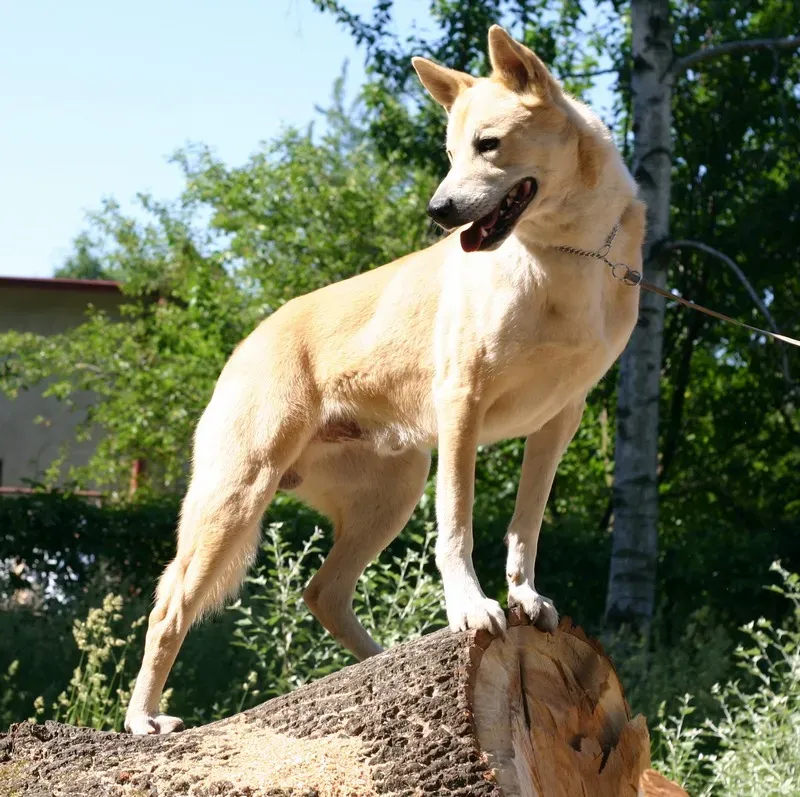
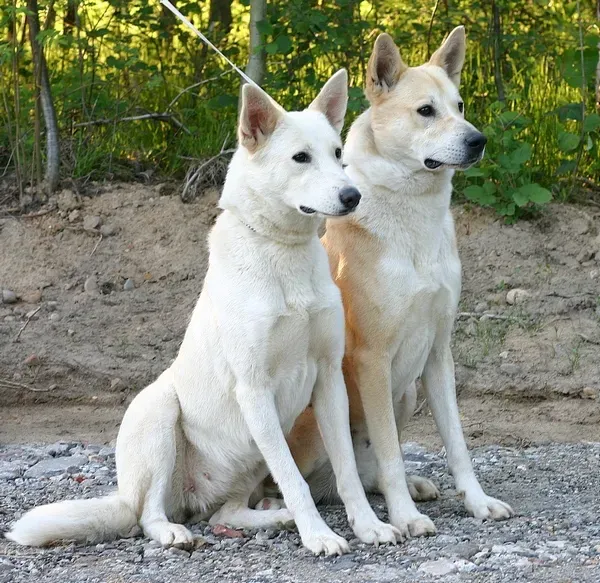
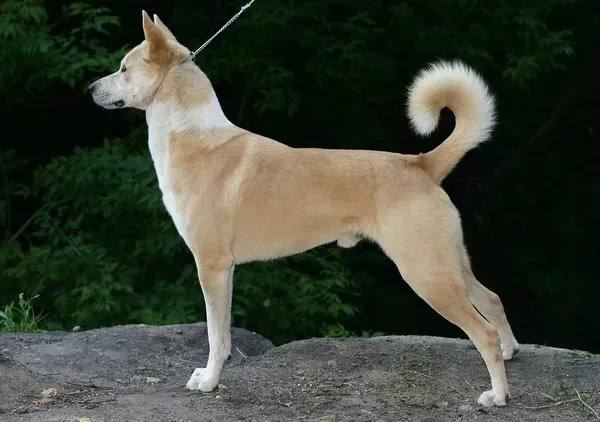
These names transformed from characters in a story into living tradition. Every time someone in Grenada calls their dog Melampo, they’re participating in a ritual that connects them to their ancestors and to that legendary night in Bethlehem. Moreover the dog breed was most probably a Canaan which is a strong candidate due to its historical use and connection to the area. These dogs were originally a working type from the Middle East, capable of surviving in arid conditions and guarding livestock, and are considered the ancestors of many modern shepherd breeds.
Dogs in Modern Christmas Celebrations
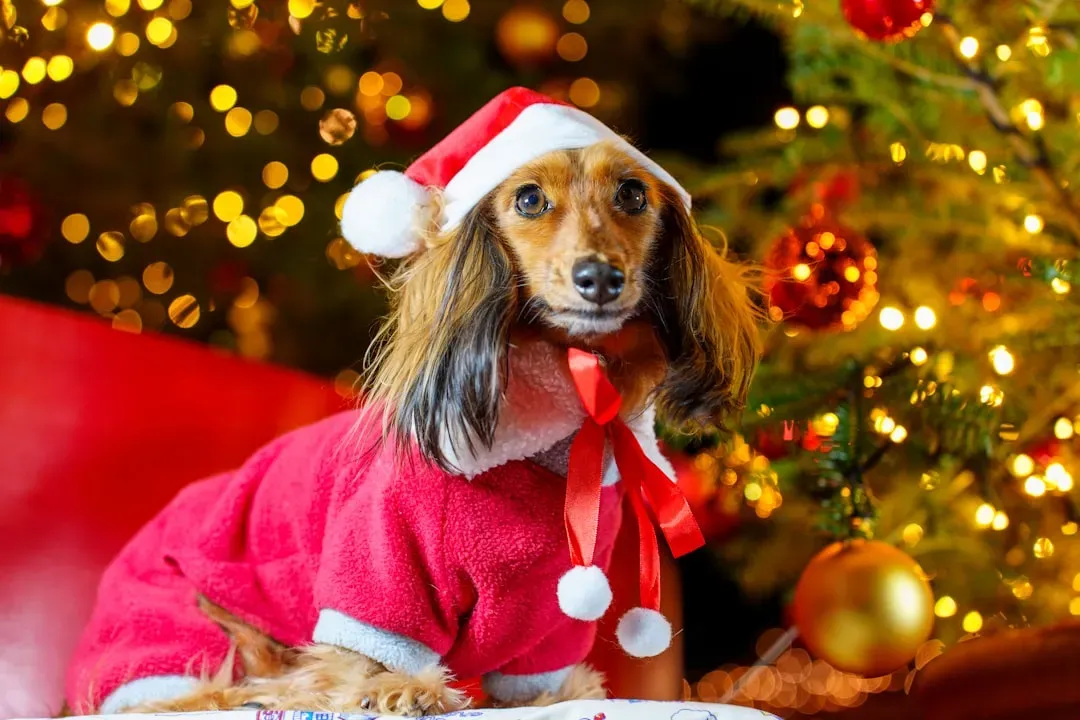
Today, dogs have become integral to how many families celebrate Christmas. Pet stores host Santa photos with dogs, families buy Christmas sweaters for their pups, and countless holiday cards feature four-legged family members.
This modern embrace of dogs during the Christmas season feels like a continuation of that ancient impulse to include our most loyal companions in our most meaningful moments. Whether it’s the legend from Grenada or a contemporary Christmas card, we want our dogs to be part of the joy.
The Spiritual Meaning Behind Including Dogs
Think about what dogs represent: unconditional love, loyalty, protection, vigilance. These aren’t trivial qualities. They mirror some of the most profound aspects of the Christmas message itself.
When the Grenadian legend places dogs at the Nativity, it’s saying something about how all creation participates in sacred moments. Dogs, who give themselves so completely to their human companions, become witnesses to divine love entering the world.
How This Legend Survived Across Centuries

Oral tradition was preserved through formal controlled methods where the community gathered, someone told a traditional story, and if the storyteller departed from the essential facts, the elders and teachers corrected him. This explains how a legend like the three dogs of Grenada could survive with such specific details intact.
Communities valued these stories enough to correct anyone who got them wrong. That’s how we still know the dogs were named Cubilon, Lubina, and Melampo centuries later.
The Broader Christmas Animal Folklore
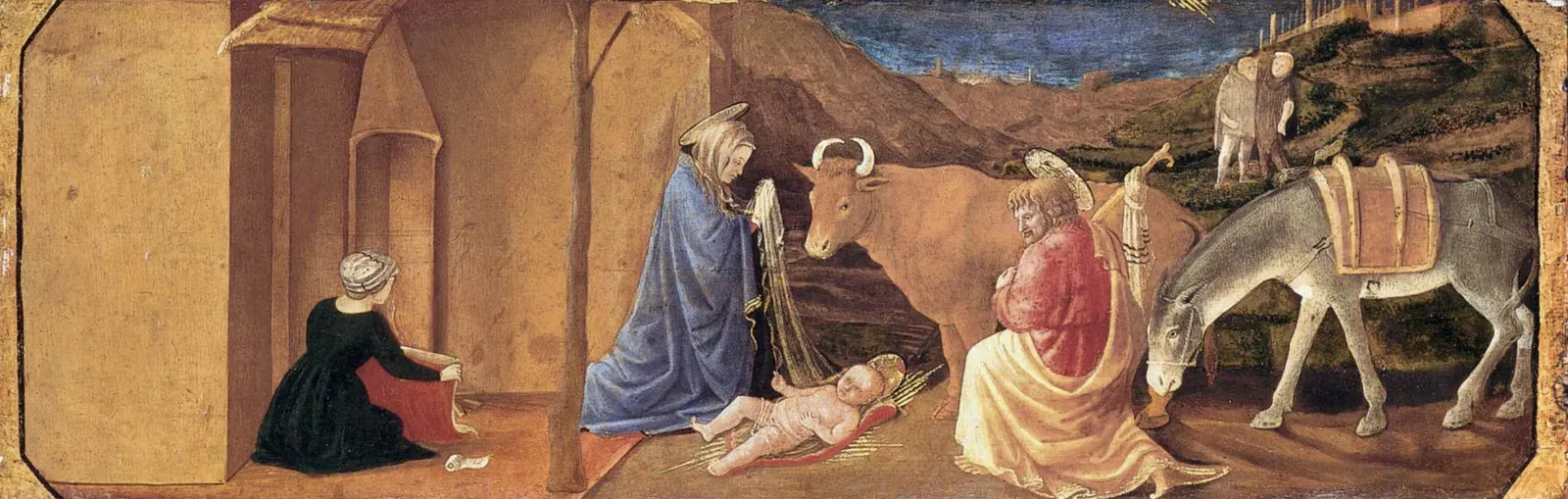
There are any number of myths and legends connecting animals to the twelve days of Christmas, with many Christmas animals having their origins in pagan animal cults, sacrifices and fertility rites. Christianity often absorbed and transformed earlier traditions rather than erasing them completely.
The Grenadian dog legend fits this pattern. It likely combined pre-Christian reverence for working animals with the Christian Nativity narrative, creating something that honored both the practical importance of shepherd dogs and the sacred significance of Christ’s birth.
What This Legend Teaches Us Today
The story of Cubilon, Lubina, and Melampo reminds us that the ordinary and humble have places in extraordinary moments. These weren’t mythical creatures or angels. They were working dogs doing what shepherds’ dogs do, following their masters.
Yet the legend grants them recognition, a blessing, and eternal remembrance. That feels deeply appropriate for animals who give so much loyalty and ask so little in return. The fact that Grenadian families still name their dogs after these three suggests the legend continues to resonate because it speaks to something true about the bond between humans and dogs.
Conclusion
Did three dogs named Cubilon, Lubina, and Melampo really trot alongside the shepherds to Bethlehem that night? We can’t know for certain. Historical records don’t confirm their presence any more than they confirm most specific details about animals at the Nativity.
What we can say is that this Grenadian legend has endured because it touches something real in human experience. Dogs have been our companions, protectors, and friends for thousands of years. They work beside us, comfort us, and share our most important moments. Including them in the Nativity story, whether through legend or artistic tradition, honors that profound relationship. These three legendary dogs remind us that love, loyalty, and devotion have their place in the Christmas story, regardless of whether they walk on two legs or four.
What do you think? Would you name your dog after one of these legendary canines? Tell us in the comments.
