
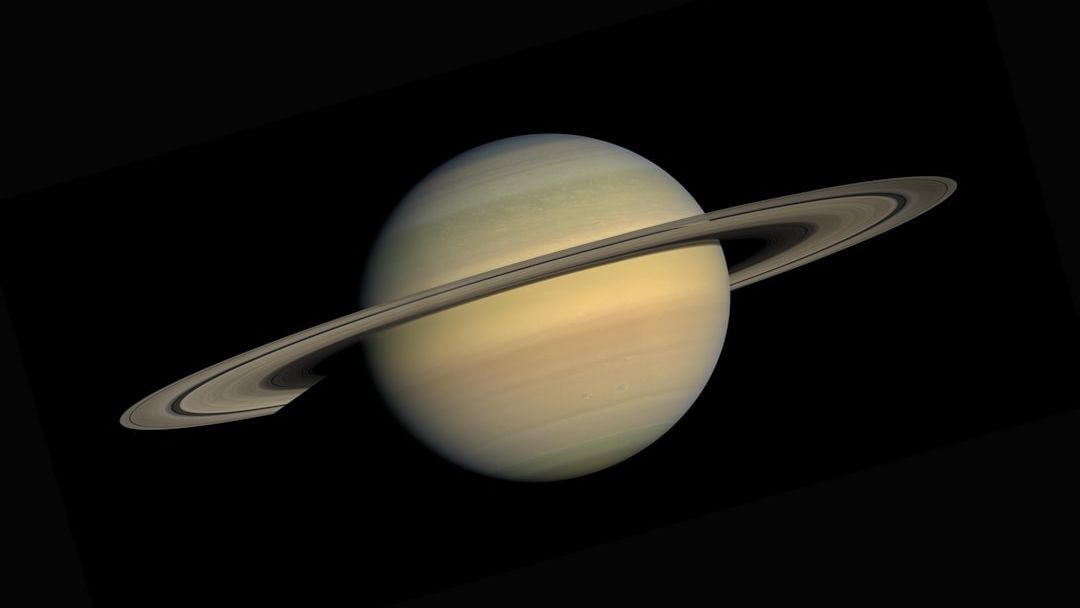
Picture our cosmic neighborhood as a sprawling mystery novel where every page reveals something unexpected. Most of us grew up learning the basics about planets orbiting a star, but here’s the thing: those textbooks barely scratched the surface. The solar system holds secrets so strange they seem pulled from a sci-fi blockbuster.
From planets that defy the rules to moons harboring hidden oceans, our corner of the galaxy constantly surprises even veteran astronomers. Let’s dive in and uncover some truths that might just make you see the night sky a little differently.
The Sun Hoards Nearly Everything
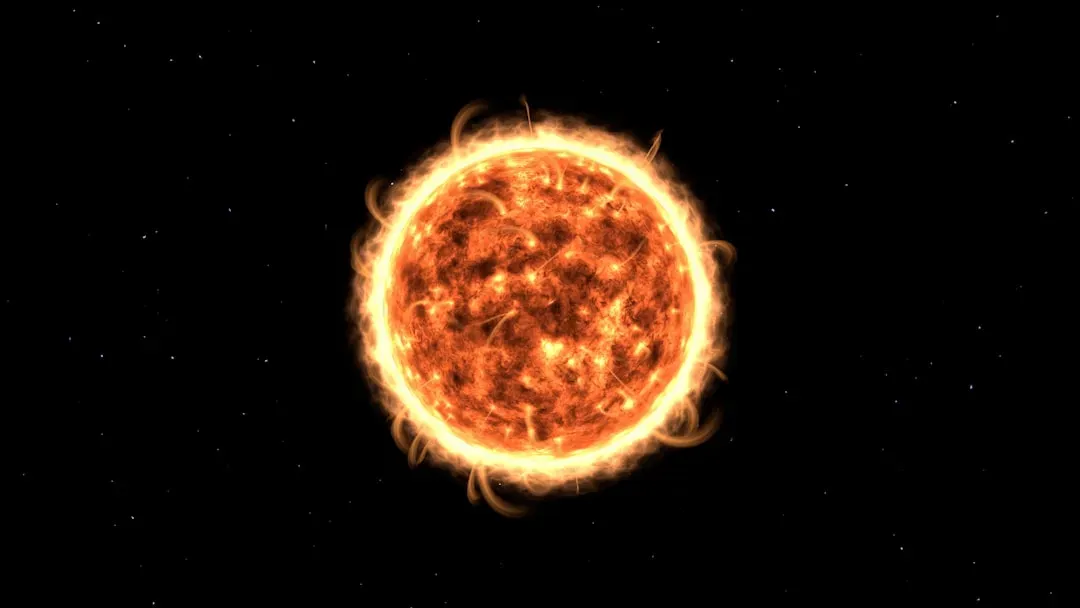
Our solar system orbits the center of the Milky Way galaxy at about 515,000 mph, but here’s what truly stuns most people. The Sun accounts for 99.86% of the total mass of the solar system, leaving all eight planets, their moons, asteroids, and comets to share the remaining scraps. Think about that for a second.
Everything you’ve ever seen in space documentaries, every planet that captured your imagination as a kid, collectively represents less than a fraction of a percent of our solar system’s mass. Jupiter might seem massive, but compared to the Sun, it’s practically weightless. This gravitational monopoly explains why everything circles our star with such devotion.
Venus Spins Backward Through Time
Venus rotates on its axis from east to west, in a direction opposite to its orbit around the Sun. This retrograde rotation means that on Venus, the Sun rises in the west and sets in the east. Let’s be real, that’s bizarre enough on its own.
Venus takes about 243 Earth days to complete one full spin on its axis, but takes only 225 Earth days to orbit the Sun. This means a day on Venus – the time it takes to spin once – is longer than a year on Venus. Imagine celebrating your birthday before your alarm clock could finish one full day. Scientists suspect ancient collisions might explain this cosmic oddity, though no theory fully captures the weirdness.
Saturn Sports a Perfect Hexagon Storm
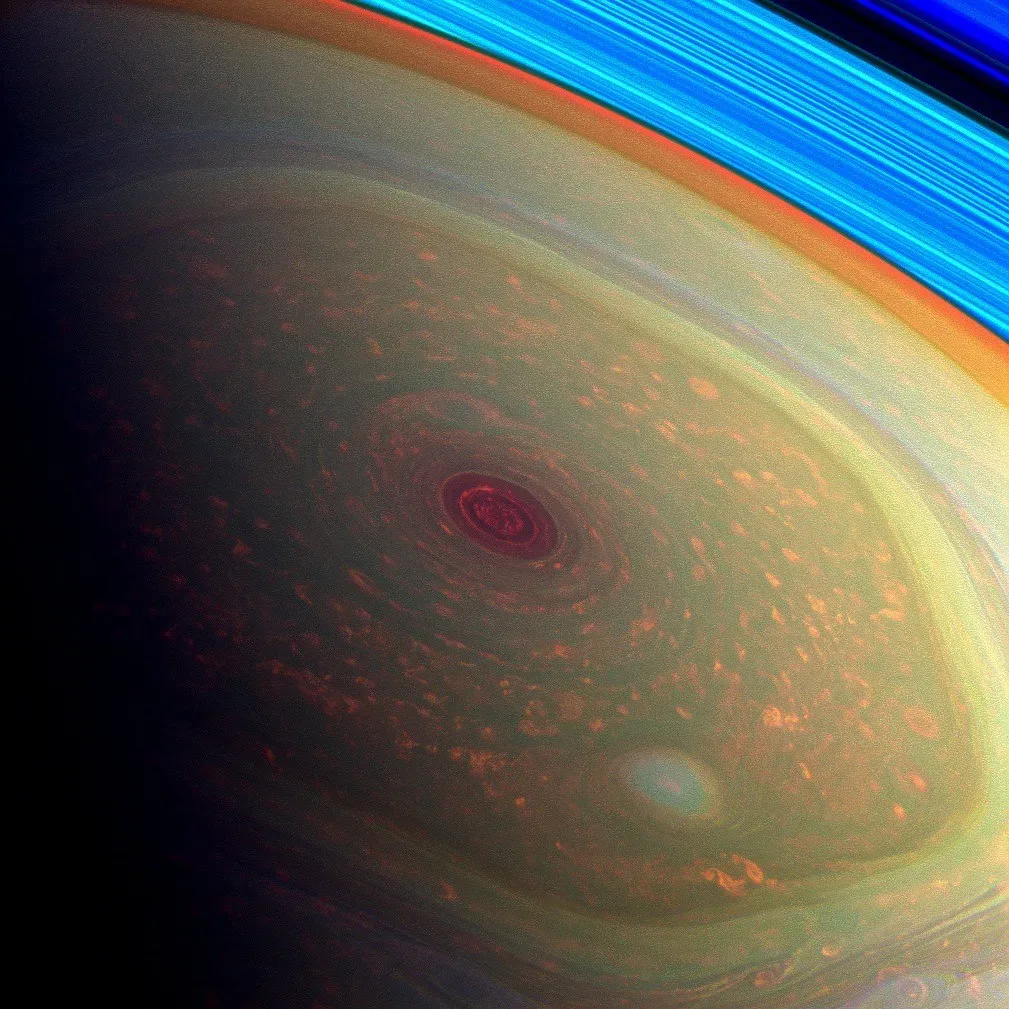
At Saturn’s north pole sits one of the most bizarre and persistent features in the solar system: a perfect hexagon of clouds that’s been stable for decades. Not a circle, not an oval, but a geometric six-sided shape. This massive storm has sides about 13,800 kilometers (8,600 miles) long, greater than the diameter of Earth.
Computer simulations can recreate hexagonal patterns in rotating fluids under lab conditions, yet Saturn’s version maintains its precision in a chaotic swirl of atmospheric gases. Scientists spotted this phenomenon decades ago during Voyager flybys, and it hasn’t budged since. What cosmic forces sculpt such geometric perfection in a storm system remains one of space’s most visually stunning mysteries.
Jupiter Has Over 90 Confirmed Moons
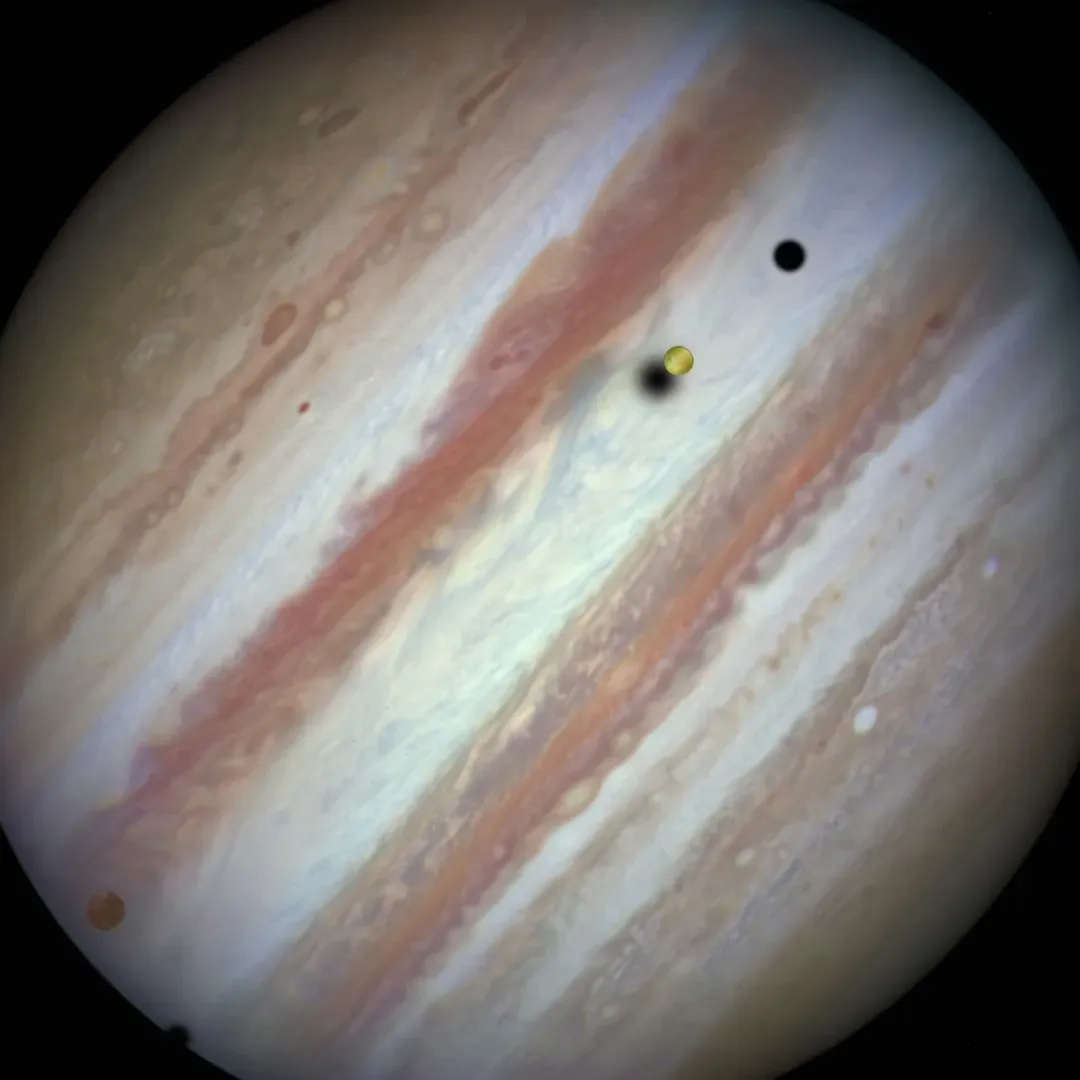
Forget Earth’s lonely satellite. Jupiter and Saturn alone have 97 and 274 confirmed moons, respectively, with new discoveries continuing as telescope technology improves. Jupiter essentially operates its own miniature planetary system, with moons ranging from tiny rocky fragments to massive worlds larger than Mercury.
Some of these moons harbor more mysteries than entire planets. Io gets tormented by volcanic eruptions, while Europa hides what might be a vast ocean beneath its icy crust. Every new telescope upgrade seems to reveal yet another moon we somehow missed before. Scientists now estimate our solar system is home to over 400 known moons orbiting planets, with even more orbiting dwarf planets and small bodies.
Uranus Literally Rolls Through Space
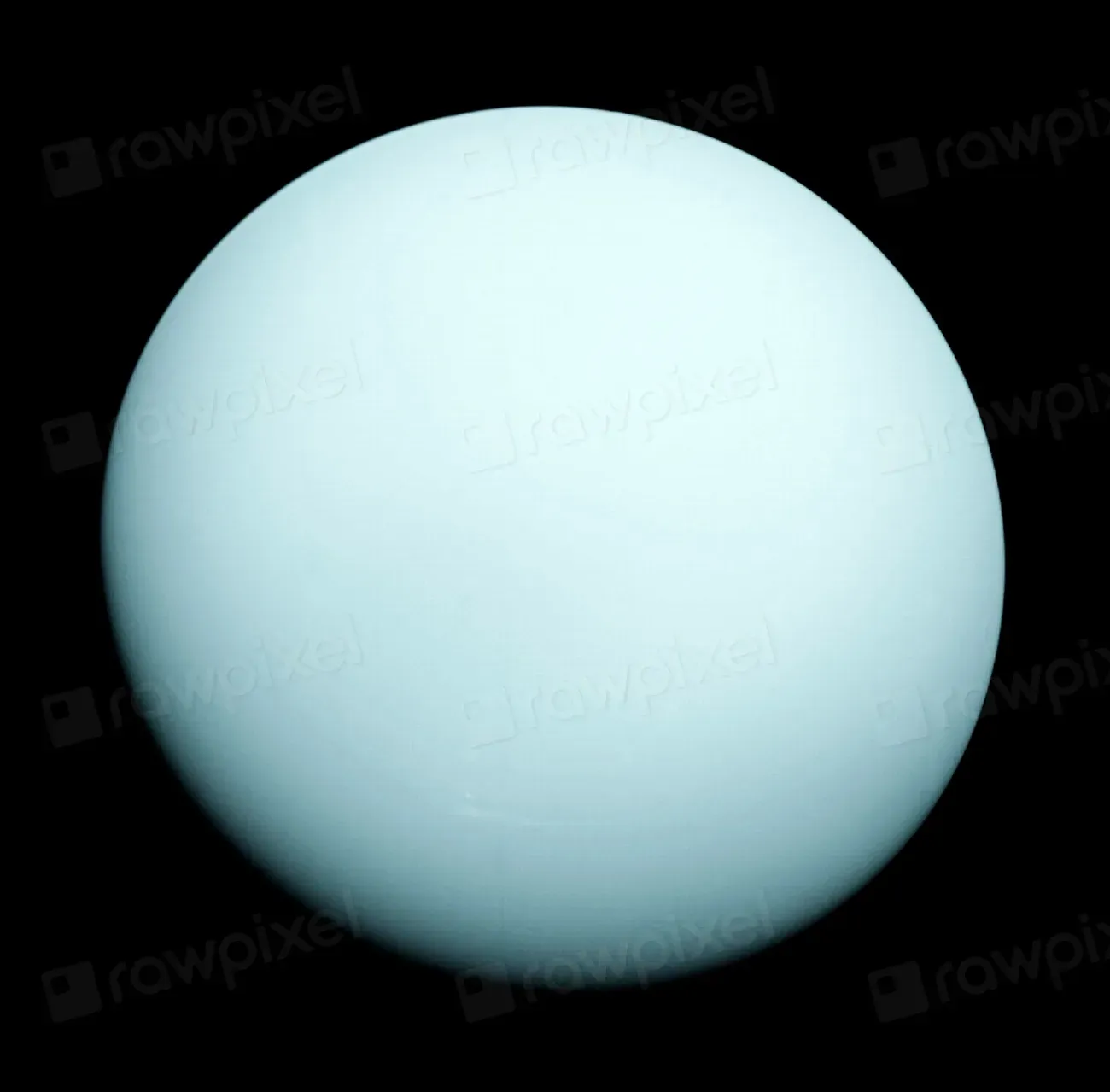
Uranus is unique among the planets in the solar system because it rotates on its side. Its axis is tilted at an angle of about 98 degrees, meaning it essentially rolls around the Sun like a ball. Most planets spin somewhat upright, like tops, but Uranus decided to break the mold entirely.
For about a quarter of each Uranus year (or 21 Earth years, as each Uranus year is 84 years long), the sun shines directly over the north or south pole of the planet. That means for more than two decades on Earth, half of Uranus never sees the sun at all. Scientists believe a massive collision billions of years ago knocked the planet onto its side, creating the most extreme seasons imaginable.
Mercury Hides Ice in Scorching Shadows
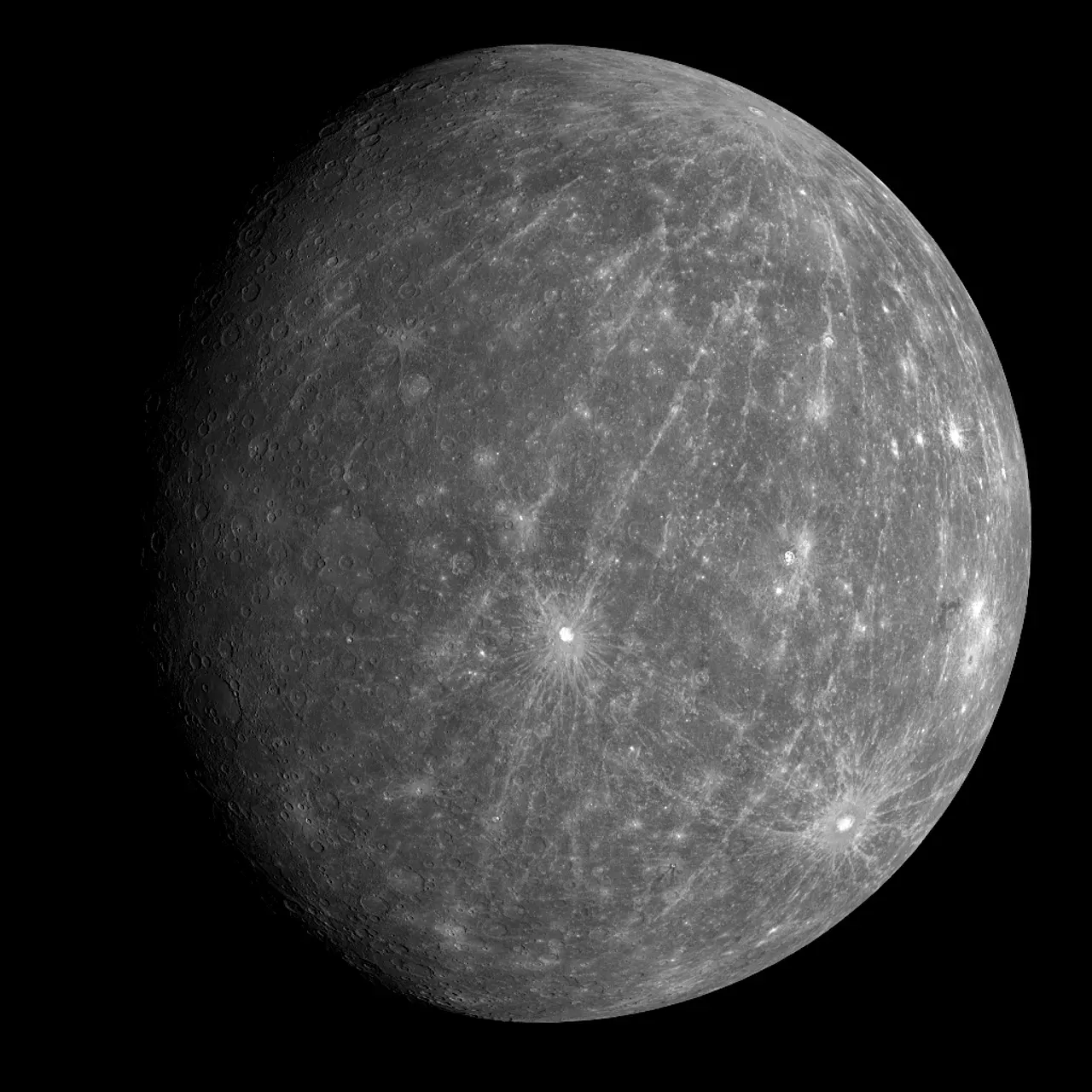
Here’s something counterintuitive: the planet closest to our blazing Sun contains frozen water. Despite being the closest planet to the Sun, Mercury has ice in some of its polar craters. These areas are permanently shadowed and cold enough to preserve water ice, even on this scorching planet.
These craters never receive direct sunlight, creating permanent freezers in one of the hottest neighborhoods in the solar system. Temperatures on Mercury’s sunlit surface can soar past 400 degrees Celsius, yet just meters away in these shadowed pockets, ice remains frozen solid. It’s like finding a working freezer in the middle of a furnace.
Our Solar System Takes 230 Million Years to Orbit the Galaxy
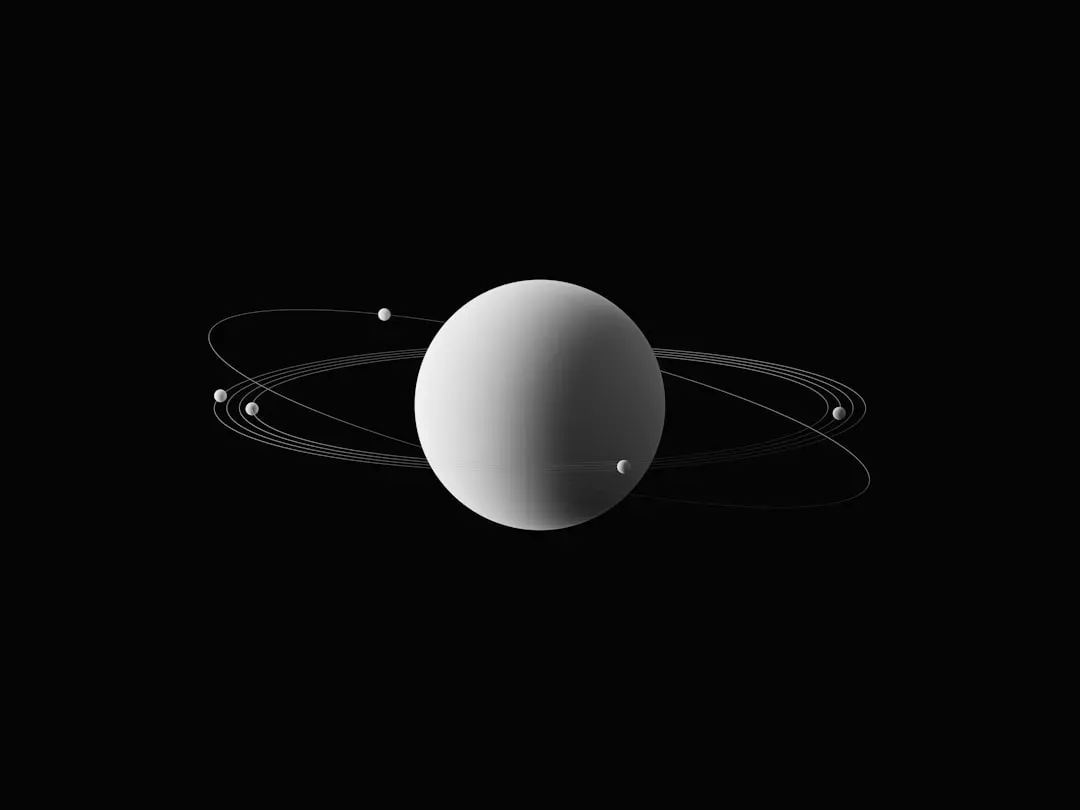
You might think Earth’s yearly trip around the Sun defines our cosmic calendar, but there’s a much grander cycle at play. It takes our solar system about 230 million years to complete one orbit around the galactic center. That means since dinosaurs first appeared, our solar system hasn’t even completed one full galactic year.
The last time we were at this exact spot in the Milky Way, Earth looked completely different. Pangaea was still forming, and the ancestors of mammals were just beginning to emerge. We’re traveling through space at breakneck speeds, yet this cosmic carousel moves so gradually that civilizations rise and fall between galactic birthdays.
Astronomers Recently Found Three Planets Orbiting Two Suns
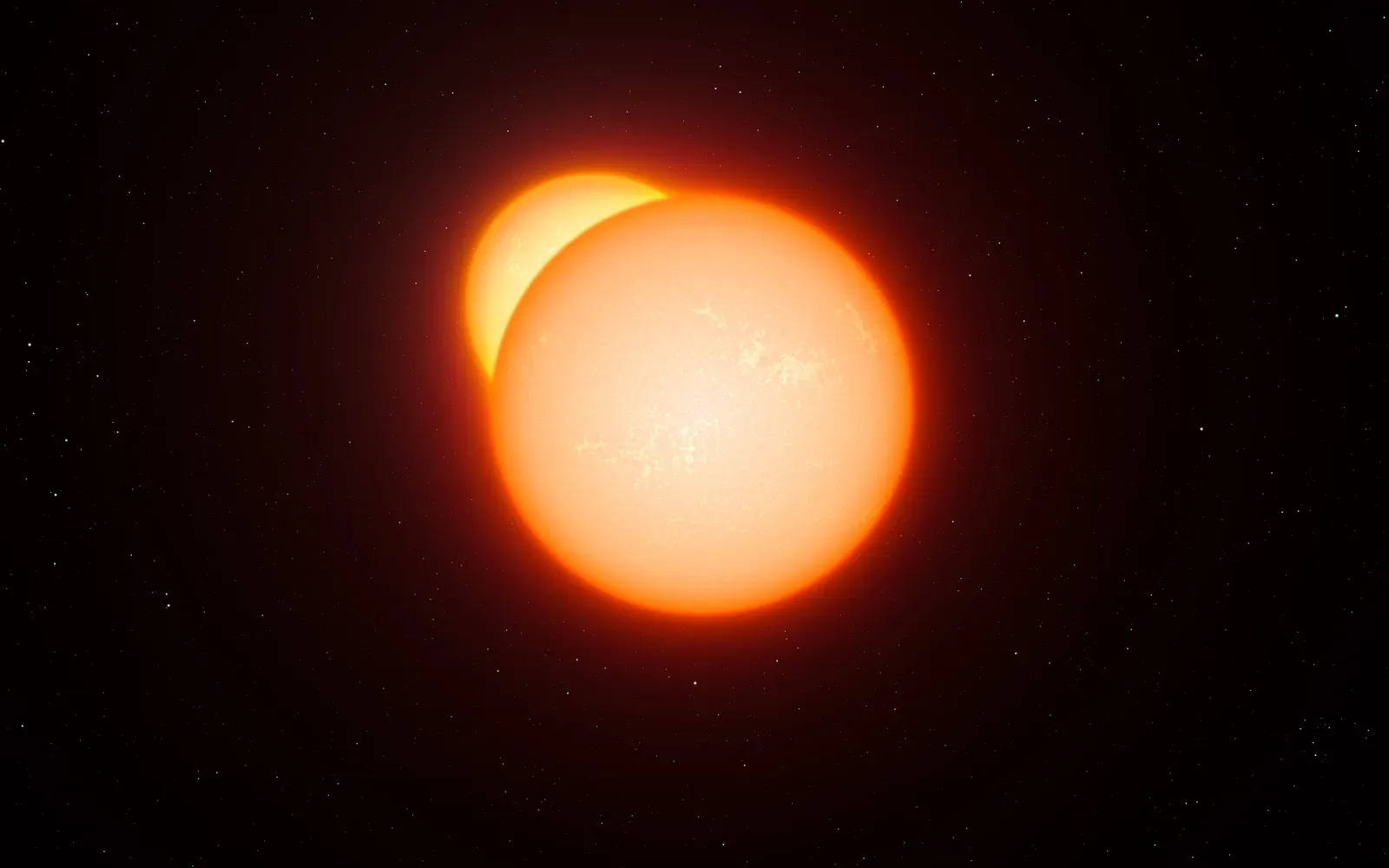
Science fiction became reality in late 2025. Scientists have identified three Earth-sized planets orbiting two stars in the TOI-2267 system. Remarkably, planets transit around both stars – a first in astronomy. Located roughly 190 light years away, this system resembles something straight out of Star Wars.
The system’s compact, cold nature defies conventional theories of planetary formation. Gravitational forces from two stars should theoretically disrupt planet formation, making stable orbits nearly impossible. Yet these three worlds persist, challenging everything scientists thought they understood about how planetary systems develop. Future observations with advanced telescopes might reveal what these unusual worlds are truly made of.
Neptune Radiates More Heat Than It Receives
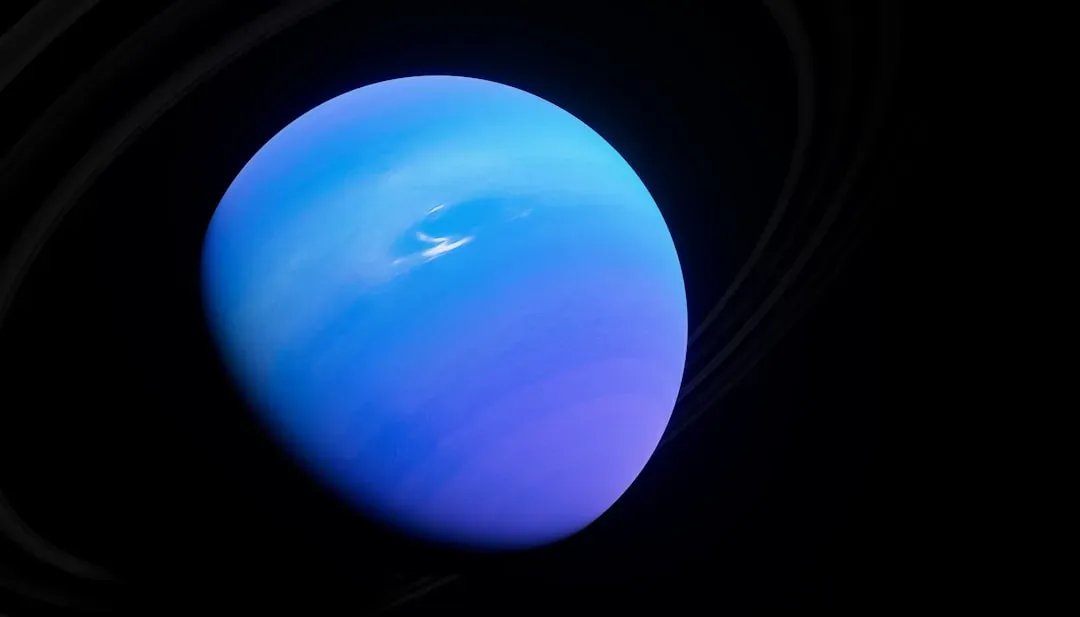
Neptune, the eighth and farthest planet from the Sun, is an icy giant that radiates more than twice the amount of heat it receives from the Sun. This shouldn’t be possible according to basic physics. Planets typically just reflect or absorb solar energy, but Neptune generates its own internal heat somehow.
Some scientists propose diamond rain falling through Neptune’s atmosphere creates friction and heat. Others suggest leftover heat from the planet’s formation billions of years ago still radiates outward. Honestly, it’s hard to say for sure what mysterious furnace operates deep inside this distant ice giant, heating it from within like a cosmic radiator.
Scientists May Have Discovered Evidence of Planet Y
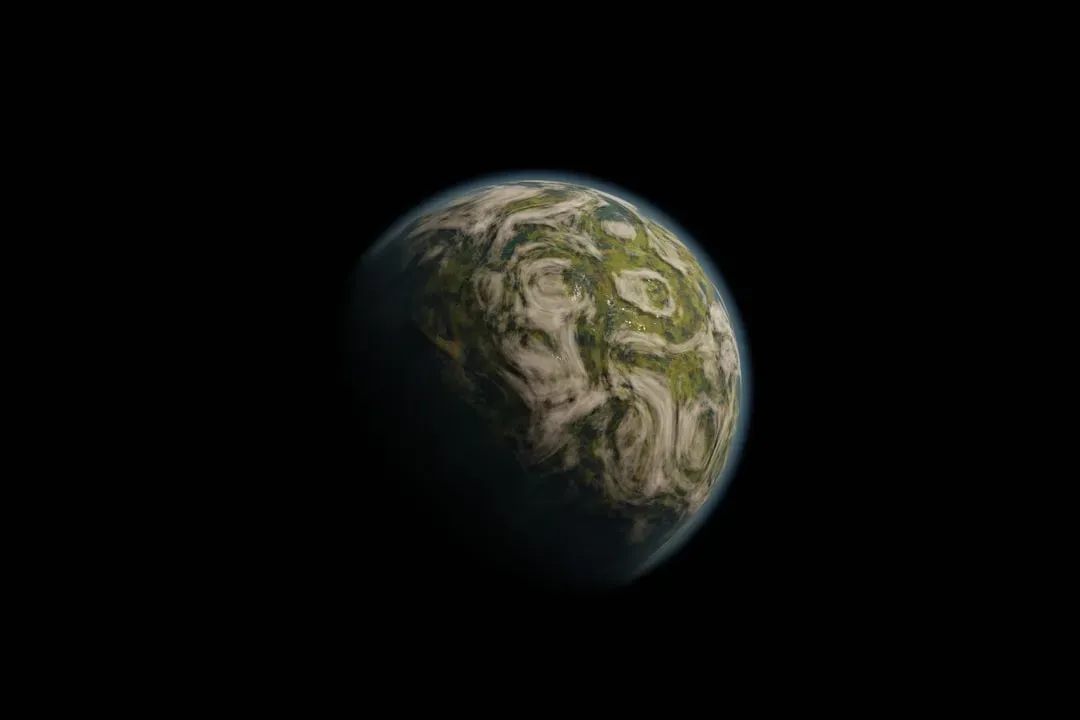
A recent study suggests a potential new candidate, which the paper’s authors have dubbed Planet Y. The planet has not been detected but merely inferred by the tilted orbits of some distant objects in the Kuiper Belt. Something massive lurks in the outer solar system, disturbing the orbits of distant icy bodies.
One explanation is the presence of an unseen planet, probably smaller than the Earth and probably bigger than Mercury, orbiting in the deep outer solar system. This joins several other hypothetical ninth planets that astronomers have proposed in recent years. A new telescope called the Vera C. Rubin Observatory is gearing up to start its 10-year survey of the night sky. “I think within the first two to three years, it’ll become definitive,” researchers believe. The hunt continues for this elusive world hiding in the cosmic darkness.
Conclusion
Our solar system refuses to be boring. Every mission reveals something that rewrites textbooks and challenges assumptions scientists held for decades. From backward-spinning planets to mysterious hexagonal storms, from hidden oceans on distant moons to potential undiscovered worlds lurking beyond Neptune, our cosmic backyard brims with wonders that seem almost too strange to be true.
These discoveries remind us how little we truly understand about even our immediate neighborhood in space. Technology advances, telescopes sharpen, and spacecraft venture farther, yet the solar system keeps serving up surprises. What would you have guessed? Did any of these facts completely change how you picture our corner of the galaxy? The universe clearly has more secrets waiting to be uncovered.
