

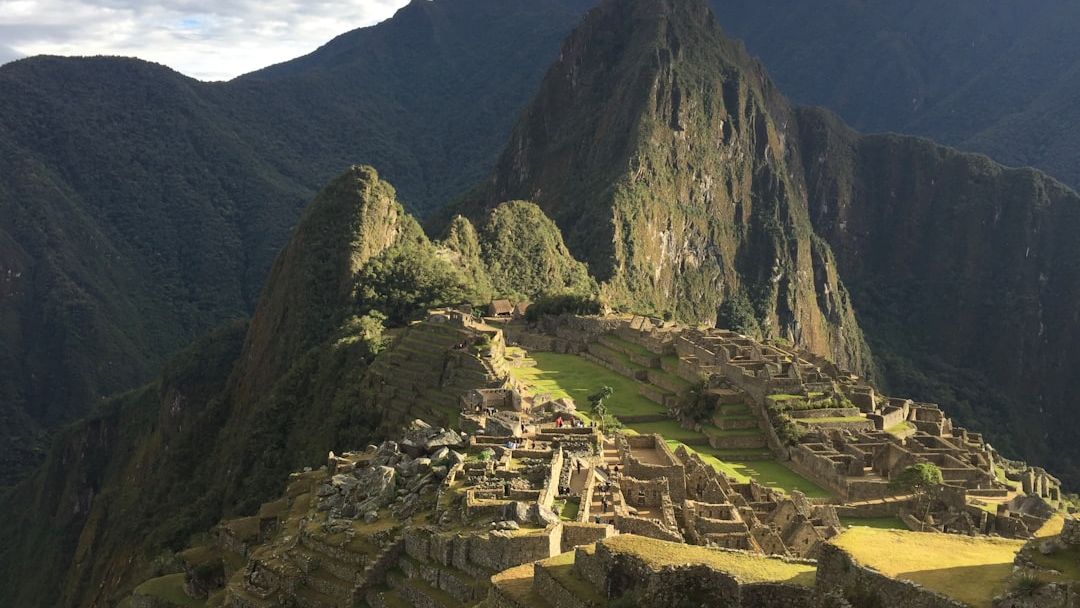
Think about building an entire city on the side of a mountain without steel tools, without wheels, without written plans. Sounds impossible, right? Yet more than five centuries ago, Inca engineers accomplished exactly that. Perched high in the Peruvian Andes, Machu Picchu stands as one of humanity’s most astonishing architectural achievements, a place where ancient innovation challenges our modern understanding of what was possible in the 15th century.
What makes this citadel so remarkable isn’t just its breathtaking location or mystical atmosphere. It’s the sophisticated engineering systems hidden beneath every stone and within every terrace. The builders of Machu Picchu weren’t simply constructing a royal estate; they were solving complex problems of geology, hydrology, and seismic activity with solutions that continue to baffle experts today. Let’s dive into the genius engineering behind this ancient wonder.
Earthquake-Resistant Stonework That Dances With Seismic Waves
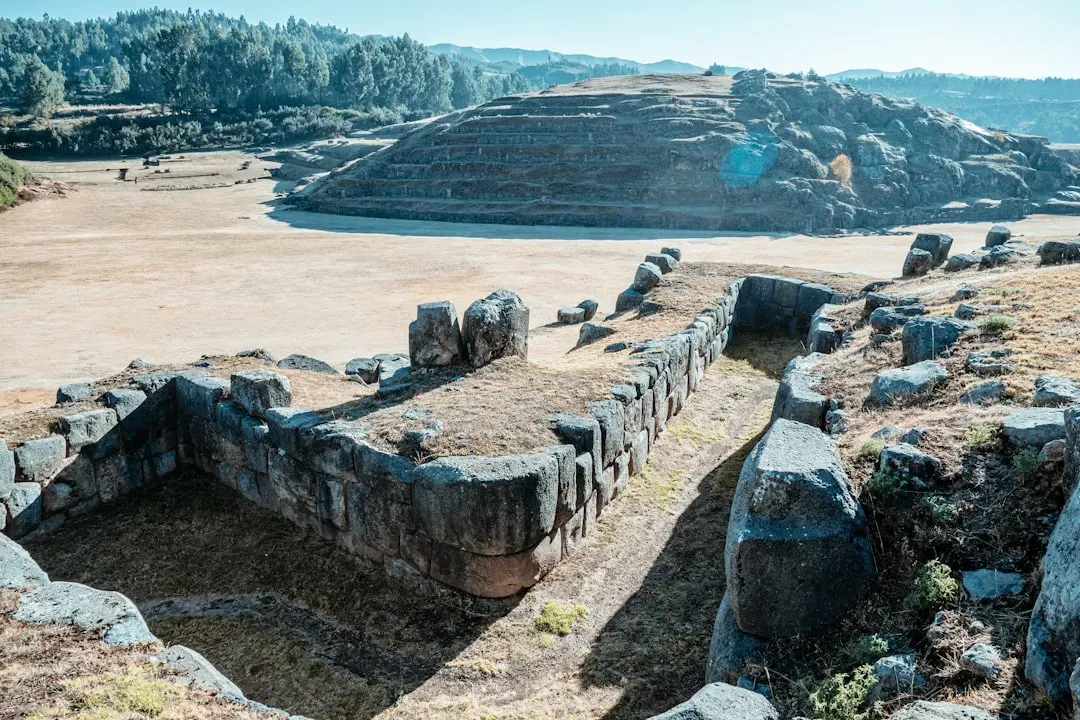
The Incas employed a technique called ashlar masonry, where stones were cut with such precision that they fit together without the need for mortar. Here’s the thing though: this wasn’t just about creating beautiful walls. The masonry might sway and move during earthquakes but it wouldn’t topple, always settling back into place, earning these structures the name “dancing stones.”
The precision involved is almost unnerving. Massive stone blocks fit together so perfectly that not even a knife blade can slide between them. Modern engineers struggle to replicate this level of accuracy even with contemporary tools. What’s really clever is that while many Spanish colonial buildings in Cusco collapsed during a massive earthquake in 1650, the Inca walls there and the walls at Machu Picchu were unharmed by the tremors. It makes you wonder what secrets they knew that we’ve forgotten.
Foundations Built to Defy Gravity and Geography
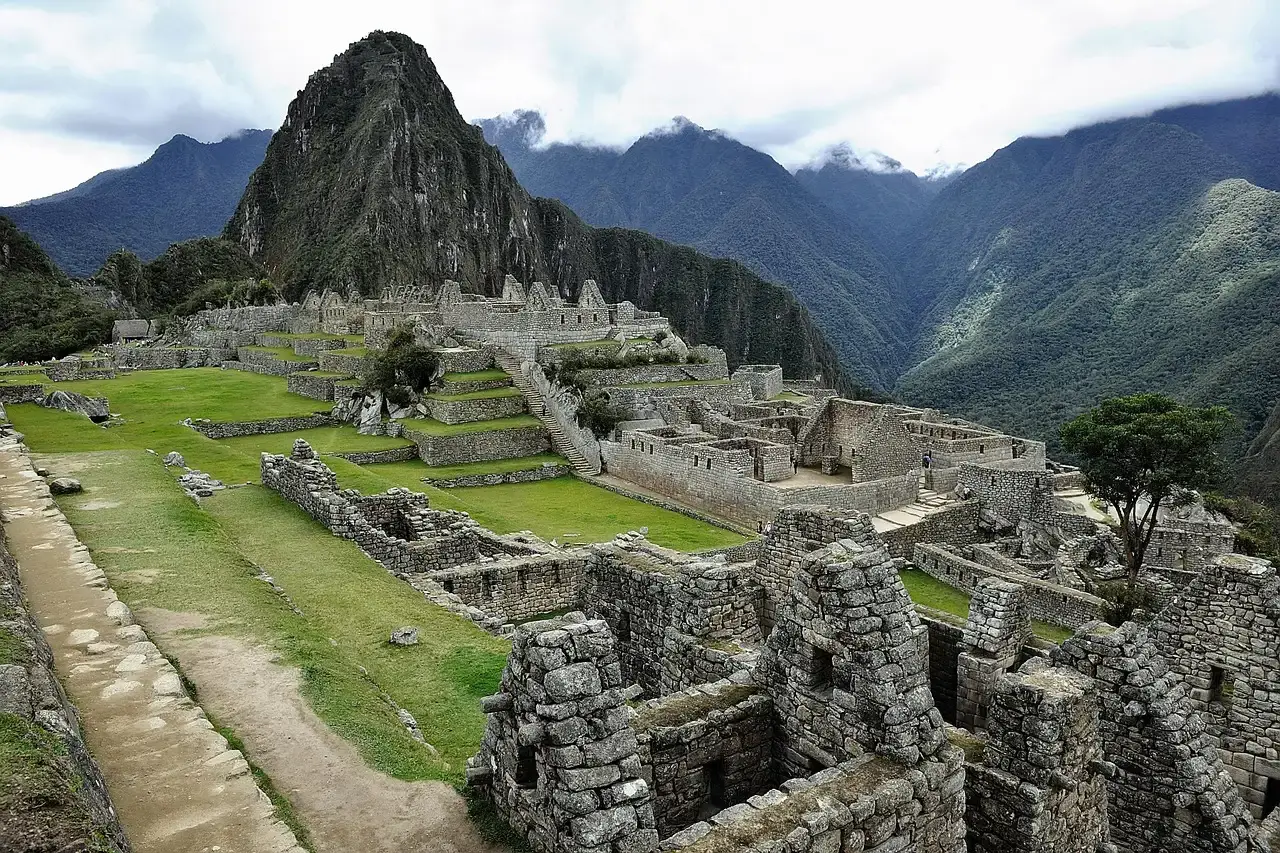
Machu Picchu’s foundations represent remarkable adaptations to challenging topographical and geological conditions, with deep foundation stones extending six feet or more below grade to anchor buildings to bedrock. The site sits on a mountainside with a roughly fifty percent slope, making the engineering challenge almost absurd by modern standards.
The real genius lies underground, where you can’t see it. The masterful engineering of Machu Picchu includes sixty percent of the building effort that lies underground in the form of foundations and subsurface drainage. Excavations nearly nine feet below the surface revealed rich topsoil carefully curated for optimal drainage and sandy, gravelly substrata engineered for water filtration. They weren’t just building on the mountain; they were transforming it into a stable platform capable of supporting an entire city for centuries.
Agricultural Terraces That Doubled as Structural Support
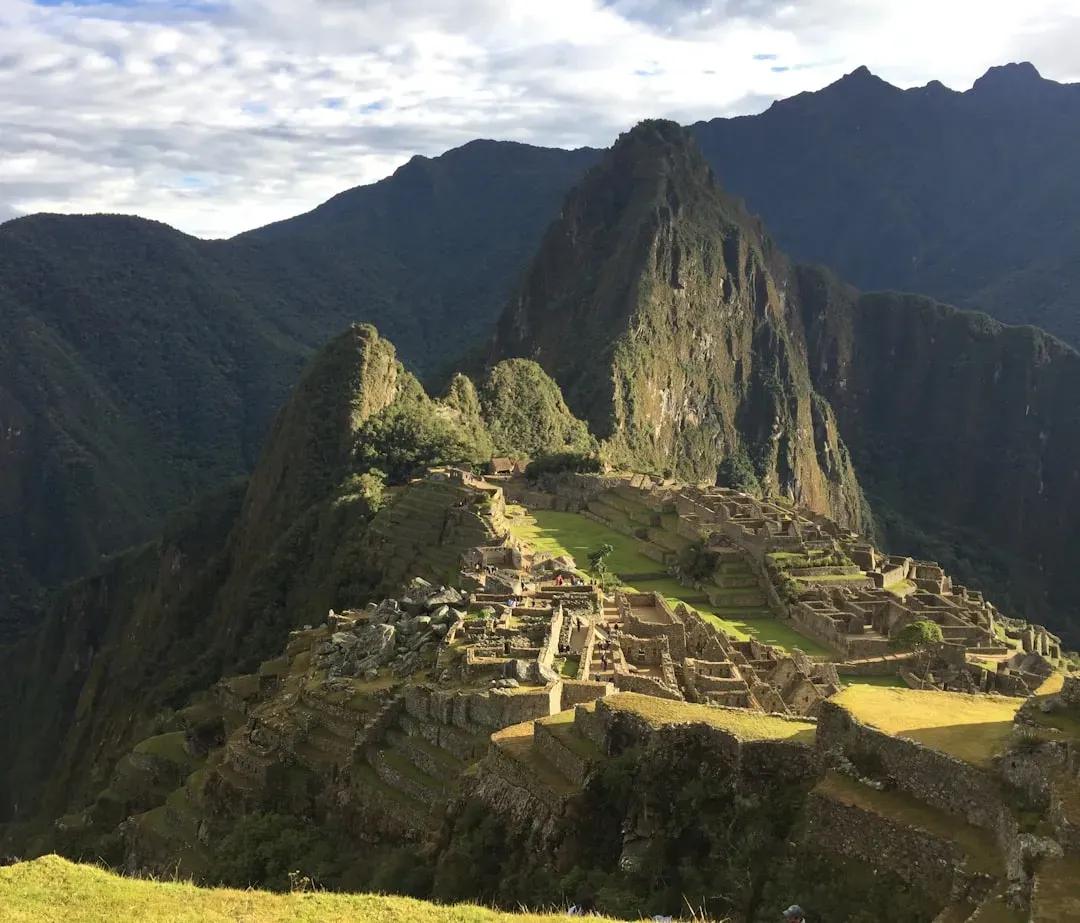
Roughly 700 terraces carved into the mountain and fortified by granite walls help keep Machu Picchu stable. These stepped platforms aren’t merely decorative or agricultural features. They’re actually massive retaining walls that prevent the entire mountainside from sliding into the valley below during Peru’s heavy rainy seasons.
The Inca constructed the terraces with subsurface drainage in mind, layering each terrace with stones at the bottom, followed by gravel, sandy material, and topsoil. This layering system is remarkably sophisticated. The stepped platforms allowed for efficient drainage and soil retention, enabling the cultivation of crops in the high-altitude climate. It’s hard to say for sure, but this might represent one of the earliest examples of integrated sustainable design, where every element serves multiple essential functions.
Water Management Systems That Still Function After 500 Years
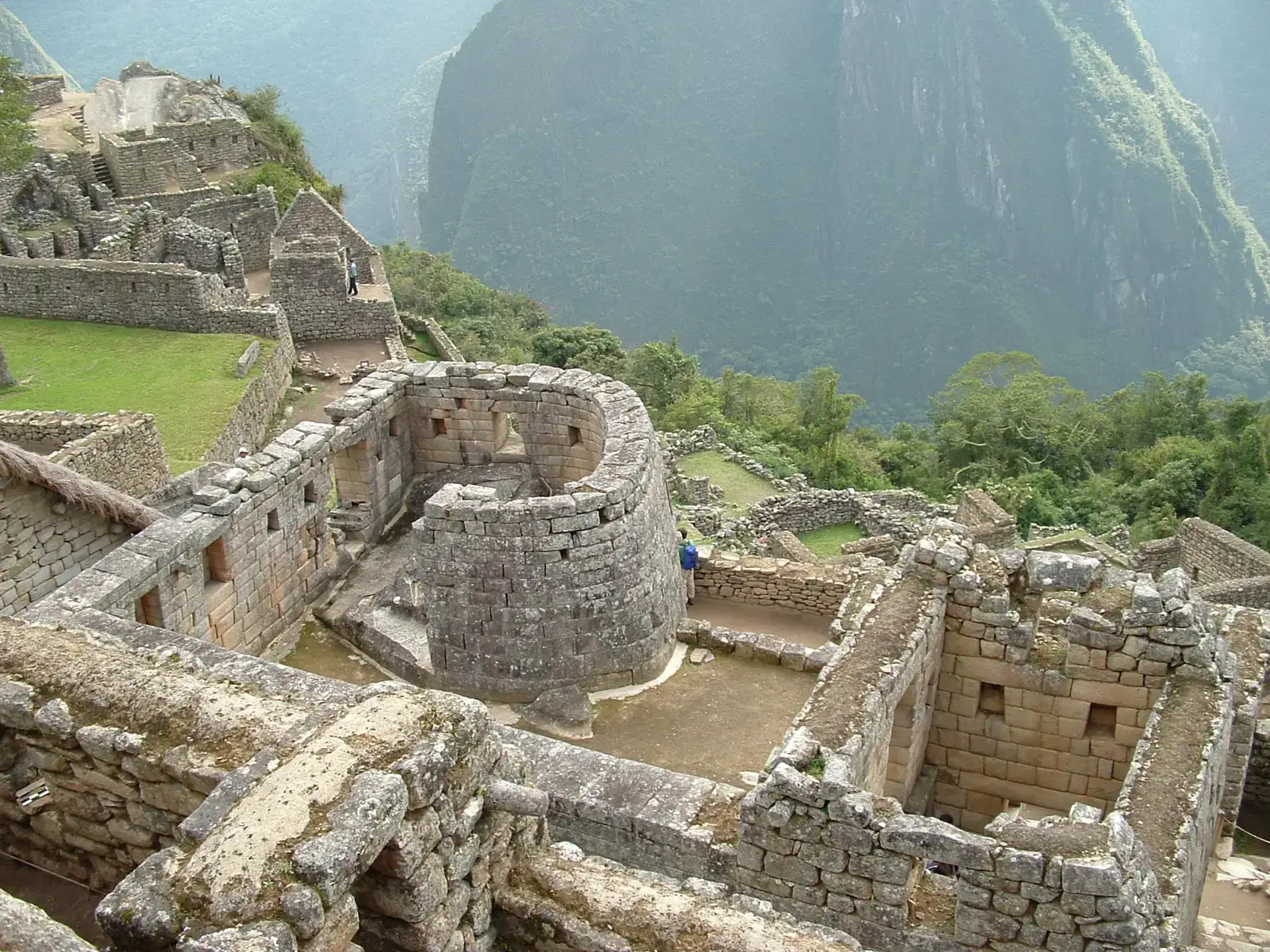
Machu Picchu’s water management system represents one of the most sophisticated hydraulic engineering achievements of the ancient world, with a network of canals, fountains, and drainage features that still function perfectly after more than 500 years. Let’s be real: how many modern water systems can claim that kind of longevity?
The 750-meter-long stone canal was built at a three-percent slope and was roughly fifteen centimeters wide. Inca engineers constructed an elaborate stone channel system that transports water through the urban center via sixteen ornamental fountains, with each fountain precisely engineered with specific flow rates and overflow systems arranged in descending elevation using gravity. The attention to detail is staggering. They understood hydraulic principles that European engineers wouldn’t formally document for centuries.
Drainage Infrastructure That Prevented Disaster
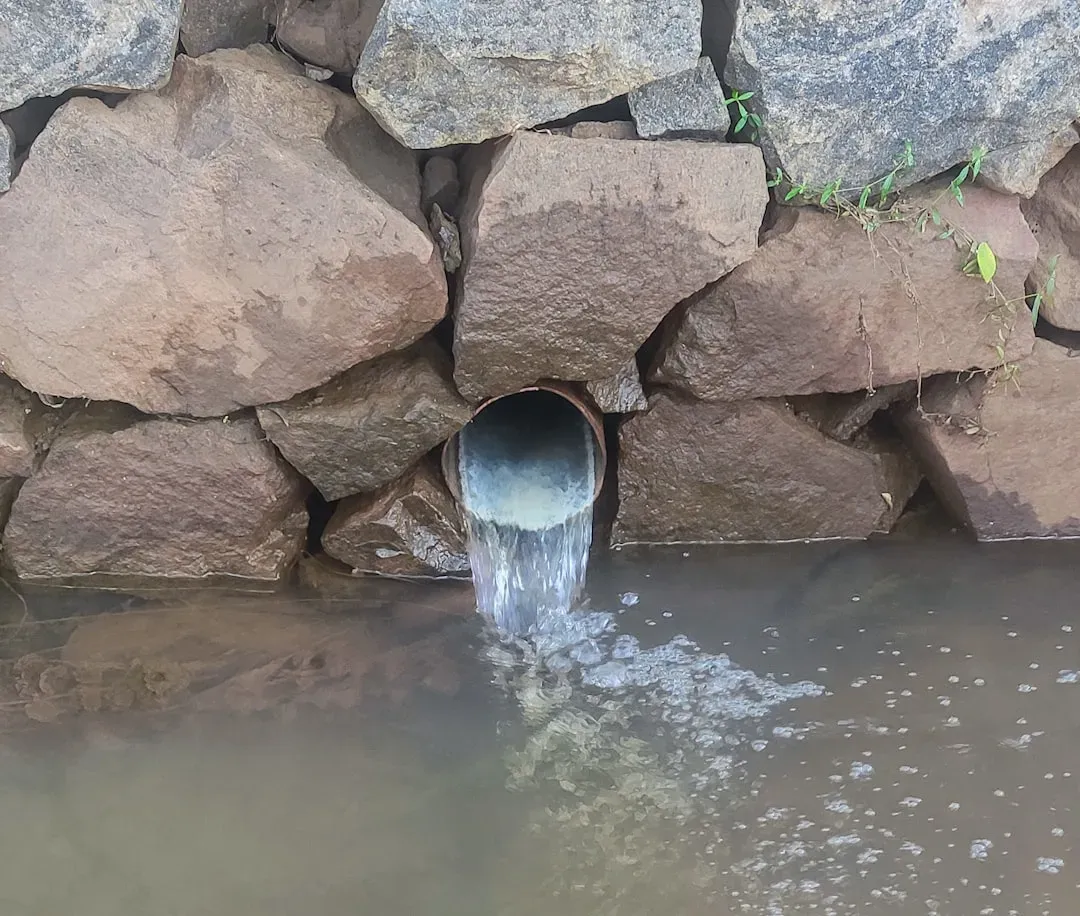
Overall, some 130 drainage holes were planned during the initial construction of the walls, not put in as afterthoughts, because the Inca were better urban drainage engineers than we are at the present time. Think about that for a moment. A civilization without written language outperformed modern drainage design by planning ahead comprehensively.
The site received almost 2,000 mm of rainfall and rested on top of a ridge with a roughly 50 percent slope, requiring innovative solutions to keep the city from sliding down the mountain. The city incorporated many drainage channels into stairways, walkways, and buildings that carry runoff to the main drain, and the Incans built channels that collected water from the roofs of their buildings to protect building foundations. Nothing was left to chance. Every raindrop had a designated path away from structures and living areas.
Construction Without Modern Tools or Technology
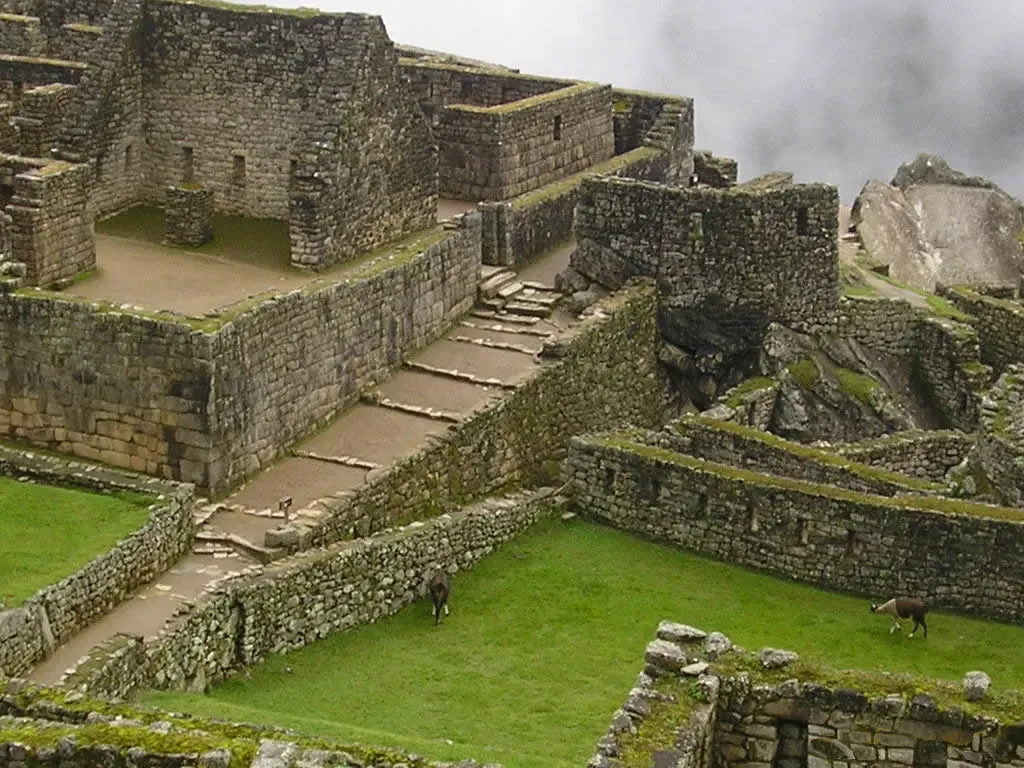
Machu Picchu demonstrates the ingenuity of prehistoric civil engineers who did not have the advantage of the wheel, a written language, iron, or steel. Honestly, this might be the most mind-blowing aspect of the entire achievement. How did they transport stones weighing tens of tons up steep mountain paths without wheels or pack animals?
The stones were brought from far away, 16-32 kilometers, without wheels or iron tools. A vein of granite crosses the land with semi-finished pieces found in the quarry showing hints of how the stone was processed with impact from smaller stones, though the transportation method remains anyone’s guess. Despite decades of research, we still don’t fully understand their methods. The knowledge they possessed, passed down through generations of master builders, achieved results that continue to inspire and humble modern engineers five hundred years later.
Conclusion
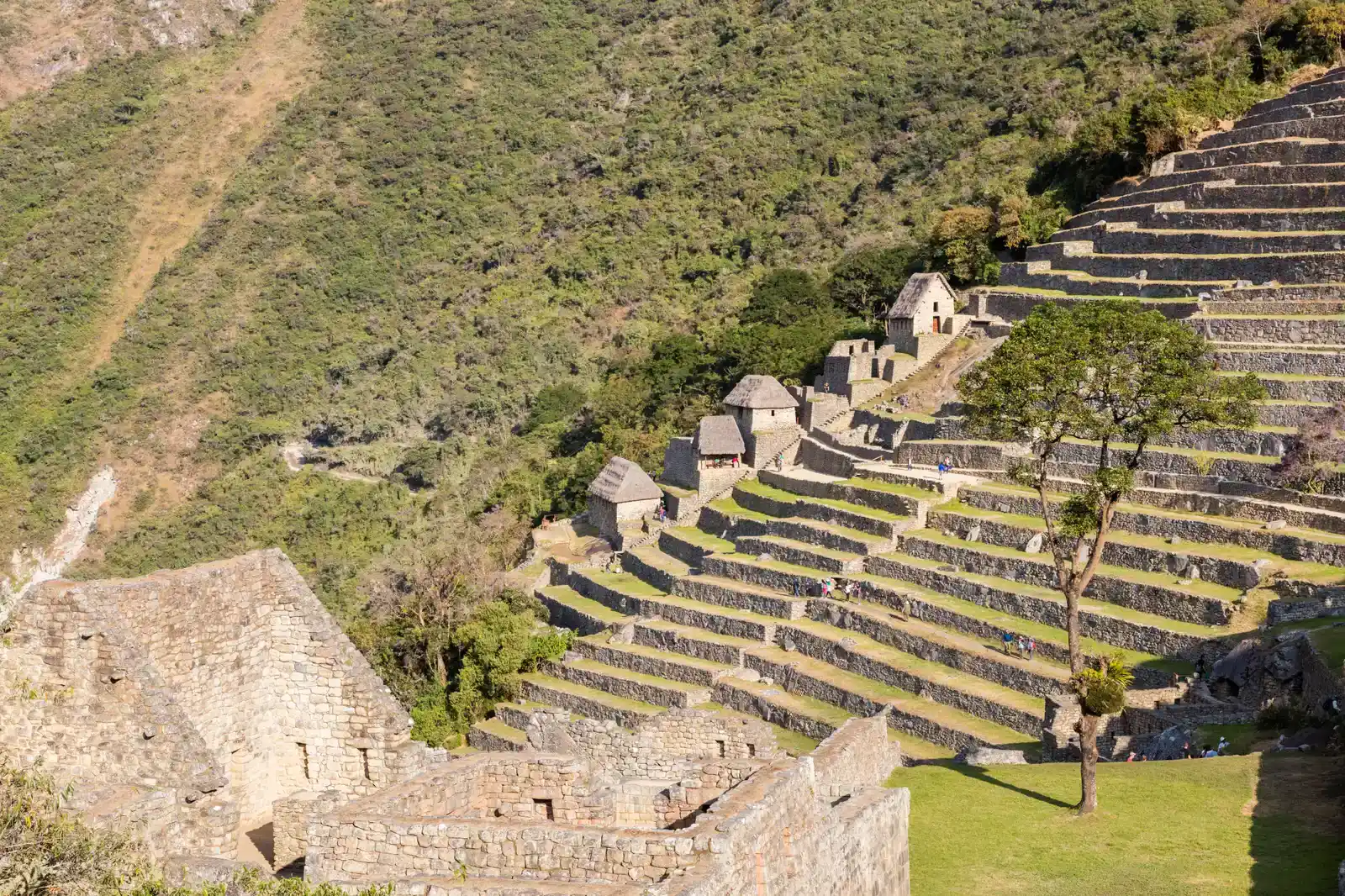
Site preparation and foundation engineering are exemplary, hydrological and hydraulic engineering were thorough, and its urban drainage design sets a standard of care for modern engineers. Machu Picchu represents far more than ancient ruins on a mountaintop. It’s a masterclass in integrated engineering, environmental design, and long-term planning that modern societies would do well to study.
The Inca engineers who built Machu Picchu understood something fundamental: working with nature rather than against it produces structures that endure. Their earthquake-resistant walls still stand while modern restorations crumble during tremors. Their drainage systems still function while contemporary infrastructure requires constant maintenance. They created a city designed not just for their generation, but for eternity. What lessons might we learn if we paid closer attention to the wisdom hidden in these ancient stones?

- 10 Land Animals That Can Fly - June 24, 2026
- 15 Most Breathtaking Hiking Trails Around the World - June 24, 2026
- An Octopus Changes Color and Other Extraordinary Ways How Animals Sleep - June 24, 2026