
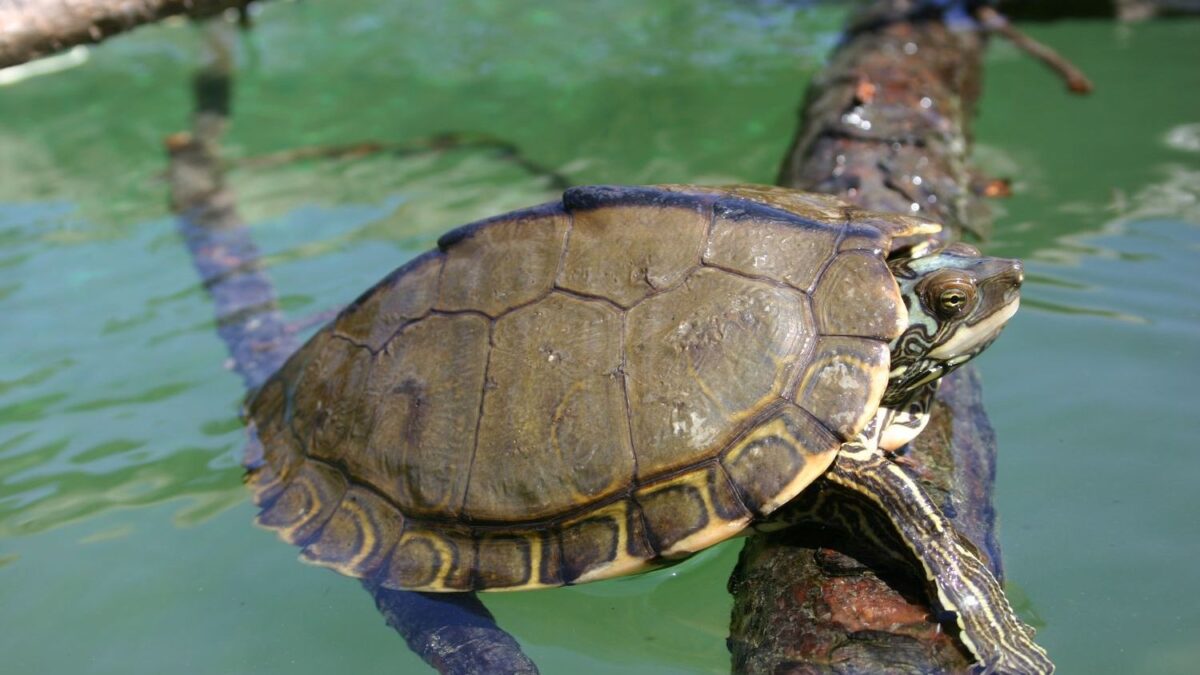
Louisiana is a land of mystery. The southern state holds secrets in its swamps and waterways that few places on Earth can claim. When you think about unique wildlife, your mind probably drifts to exotic rainforests or remote islands. Yet right here in the American South, creatures exist that call only these bayous and rivers home. They’ve adapted over thousands of years to thrive nowhere else.
These aren’t animals that just prefer Louisiana. We’re talking about species that literally cannot be found in any other corner of the planet. It’s a testament to how special this ecosystem really is, from the murky cypress swamps to the clear flowing streams hidden in national forests. Let’s dive into the fascinating world of Louisiana’s endemic wildlife and discover what makes these creatures so extraordinary.
The Ringed Map Turtle
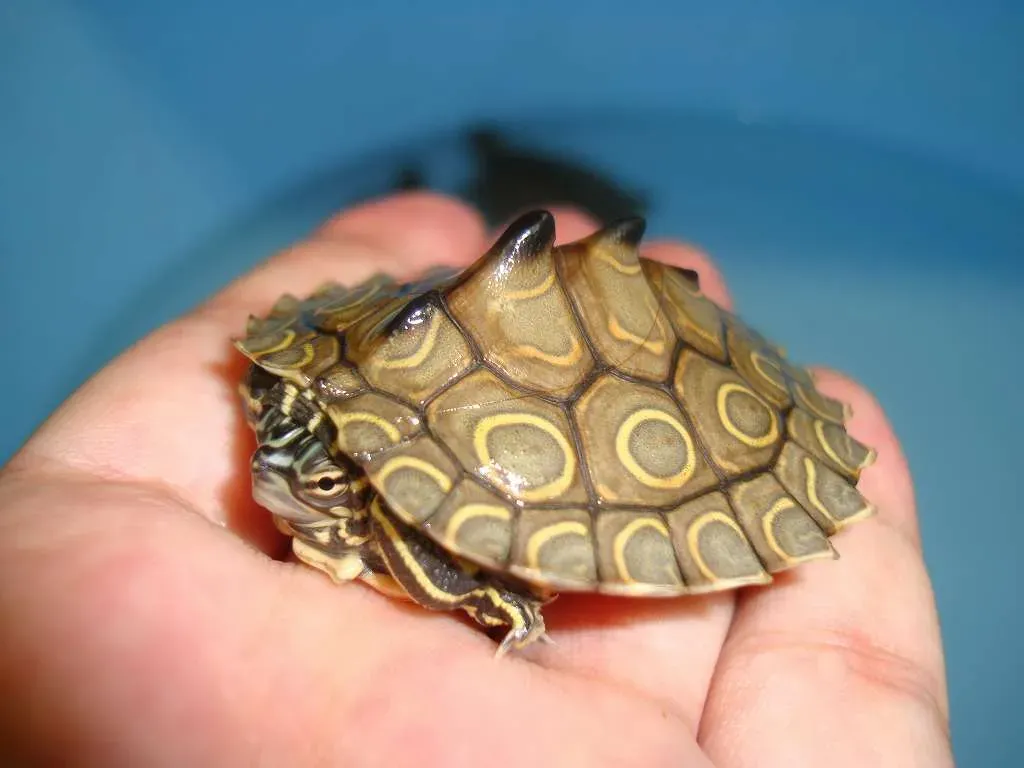
The ringed map turtle has been federally listed as a threatened species since 1986, and for decades it was considered endemic to the Pearl River system of central Mississippi and southeastern Louisiana. This small sawback turtle gets its name from the distinctive yellow ringed patterns on its dark olive-brown shell. These markings look almost like tiny halos circling each shield on the carapace, creating an appearance that’s both intricate and beautiful.
What makes this turtle truly remarkable is how specialized its habitat needs are. The ringed map turtle inhabits a riverine habitat where the river channel is narrow and currents are moderate. They spend hours basking on fallen logs in the Pearl River, often stacking themselves on top of one another like plates on a shelf. When danger approaches, they slide into the water with barely a ripple.
The species faces significant challenges in the modern world. Construction of the Ross Barnett Reservoir between 1960 and 1963 destroyed a portion of their habitat, and water quality degradation continues to threaten their food sources. They feed primarily on aquatic snails and mollusks, so when siltation increases and water becomes murky, their food disappears.
In the wild, females are expected to live between 31 and 37 years, and males 23.5 to 25.5 years. That’s quite a lifespan for such a small creature. Yet despite living for decades, their populations remain vulnerable. Surprisingly, recent discoveries have expanded our understanding of where these turtles live, proving that even species we think we know well can still surprise us.
The Pearl River Map Turtle
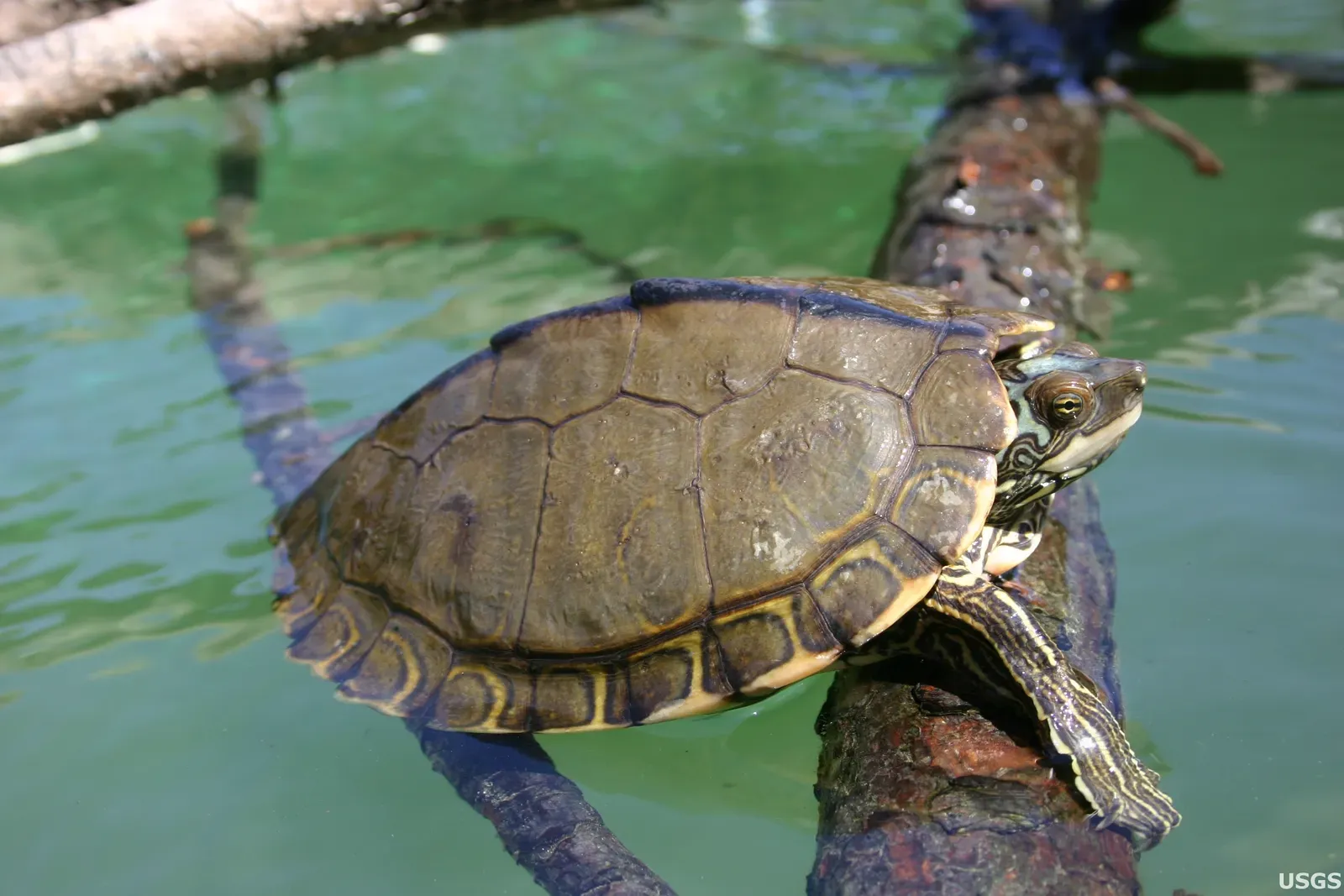
The Pearl River map turtle and the ringed map turtle are only found in Louisiana and neighboring State of Mississippi. While they share the same river system with their ringed cousins, Pearl River map turtles are a distinct species with their own unique characteristics. These turtles belong to what scientists call the megacephalic, or big-headed, group of map turtles. Their larger heads evolved to help them crush the shells of mollusks and snails.
These beautifully patterned creatures truly live up to the map turtle name. Map turtles get their names from the patterns on their backs that resemble topographical maps. The intricate lines and swirls across their shells look like someone drew elevation contours on their backs. It’s nature’s cartography at its finest.
The habitat requirements for Pearl River map turtles are incredibly specific. Pearl River map turtles are beautifully patterned freshwater turtles that are endemic to the Pearl River in Mississippi and Louisiana. These turtles depend on the river’s flowing freshwater to find food and shelter, and they need its sandy beaches to build their nests. They can’t survive in lakes or reservoirs where water becomes stagnant.
Listed as threatened in 2024, fewer than 22,000 individuals are estimated to exist in the wild. Climate change, habitat loss, and proposed dam construction all threaten their survival. The good news? Their federal protection means any major construction projects must now consider how it impacts these rare turtles. Conservation efforts continue working to ensure these river dwellers don’t vanish from Louisiana’s waterways forever.
The Louisiana Pearlshell Mussel
The Louisiana pearlshell is a unique freshwater mussel endemic to narrow streams with low gradients in four watersheds of central Louisiana. This oblong, kidney-shaped mollusk might not look like much at first glance, but it’s one of the rarest creatures in North America. Growing to about four inches long, its brown to black outer shell hides a white to purple interior that sometimes has a pitted surface texture.
These mussels are incredibly picky about where they live. You’ll find them partially buried in the sand and gravel of fast-flowing stream sections, their posterior ends pointed upward to filter food from the current. Endemic to Grant and Rapides parishes, Louisiana, in headwater streams on the Kisatchie National Forest and privately owned land. That’s it. That’s their entire world distribution.
The life cycle of the Louisiana pearlshell reads like science fiction. Females brood developing embryos in their gills before releasing larvae called glochidia into the water. These microscopic larvae must attach to a specific host fish within hours or die. The grass pickerel is documented as suitable host fish to produce juveniles in captivity. Once attached, they undergo metamorphosis on the fish’s gills for about a month before dropping to the streambed.
When first listed as endangered in 1988, the species was thought to exist only in the Bayou Boeuf river system. Discovery of additional populations led to it being downlisted to threatened status in 1993. Still, it faces severe challenges including sedimentation from forestry operations, beaver dams that fragment habitat, and extremely low genetic diversity. Recovery efforts now include translocation programs and captive breeding at fish hatcheries, fighting to bring this species back from the edge.
The White Leucistic Alligator
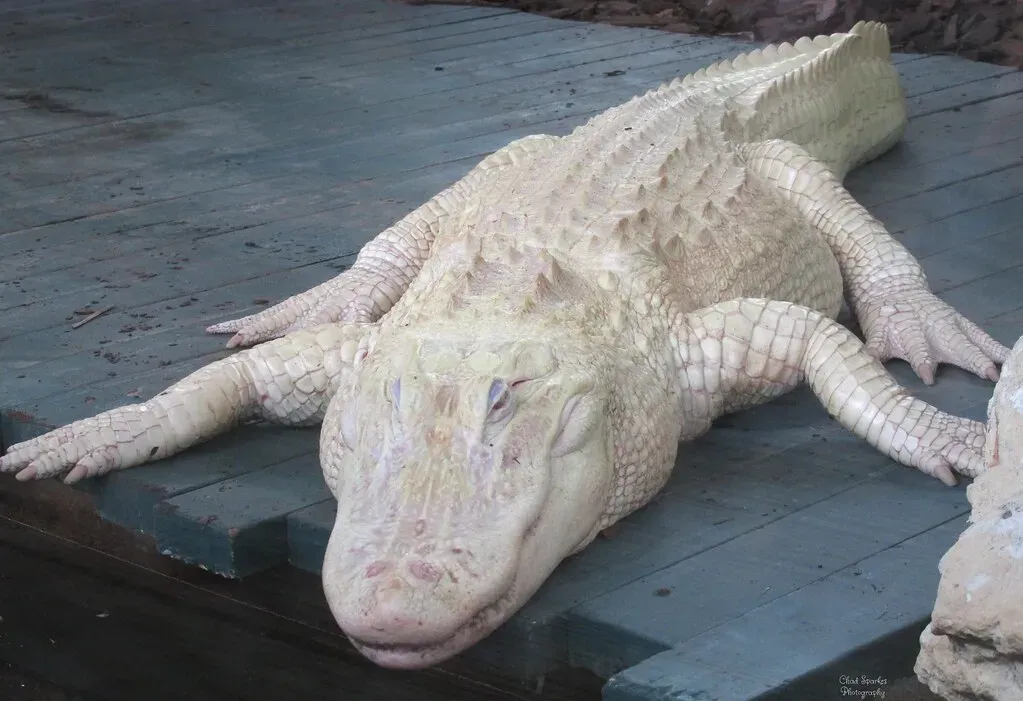
Louisiana is the only place where the rare wild leucistic alligators can be found. These ghostly white reptiles look like something from a fantasy novel. Unlike albino alligators, which lack all pigment and have pink eyes, leucistic alligators have brilliant blue eyes and patches of normal pigmentation. Their condition results from a rare genetic mutation that affects melanin distribution.
Let’s be real, seeing one of these creatures in the wild would be the wildlife encounter of a lifetime. They’re extremely rare, with scientists believing only about a hundred exist in the entire world. Their white coloration makes survival in the wild incredibly difficult since they can’t camouflage themselves in murky swamp water like their normally colored relatives.
They can be found in freshwater lakes, marshes, swamps, and rivers in the southeastern region of the United States. White alligators are native to Louisiana. The state’s unique combination of swamp ecosystems provides the only known wild habitat where these genetic rarities appear naturally. Most white alligators you’ll encounter live in captivity at places like zoos and aquariums, protected from predators and the harsh realities of life in the bayou.
The existence of leucistic alligators in Louisiana speaks to the incredible biodiversity hidden in these wetlands. Regular American alligators number in the millions here, roughly two million throughout the state. Yet within that vast population, these white variants appear as nature’s occasional masterpiece. They remind us that even in well-studied species, Louisiana’s swamps can produce wonders that exist nowhere else on Earth.
The Caddo Chimney Crawfish
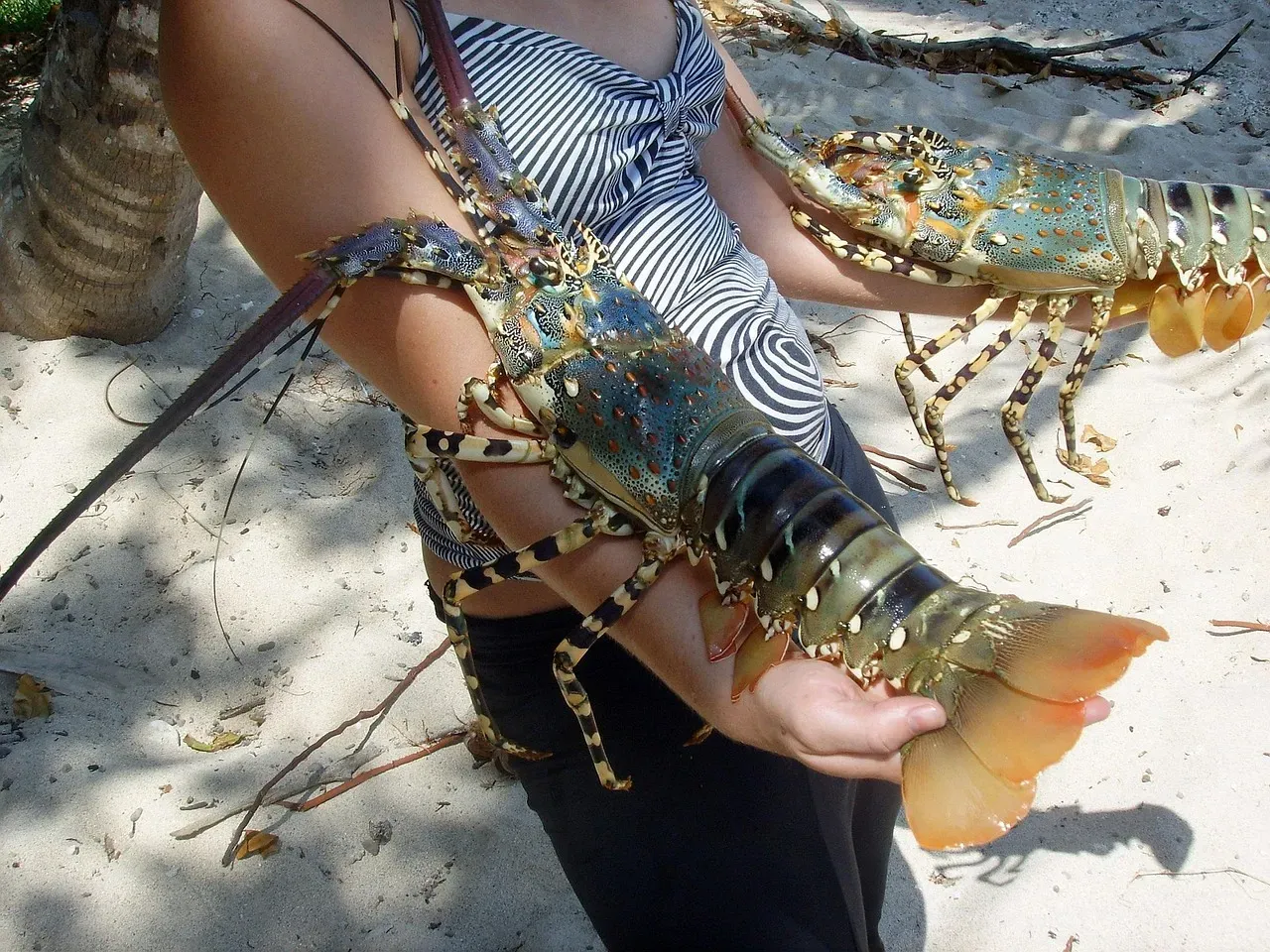
Technically only found in the Walter B. Jacobs Memorial Nature Park in Louisiana, the Caddo chimney crawfish is classified as Procambarus machardyi. Given its limited habitat occupation and its recent discovery in 2006, this particular crawfish is extremely endangered. Imagine a species so rare that its entire wild population exists in a single nature park. That’s the reality for this remarkable crustacean.
Crawfish are typically associated with Louisiana cuisine rather than conservation concerns. Throughout the state, dozens of crawfish species scuttle along stream bottoms and dig burrows in wetland soils. The Caddo chimney crawfish, however, occupies its own category of rarity. Discovered less than two decades ago, scientists are still learning about its basic biology and habitat needs.
To protect themselves from predators, most crawfish create burrows or stacks of dirt known as chimneys, and the Caddo chimney crawfish is no exception! These mud towers mark the entrance to their underground homes, rising several inches above the soil surface. You can spot them dotting the wetland areas of Walter B. Jacobs Memorial Nature Park like tiny earthen monuments.
The extreme habitat restriction makes this species incredibly vulnerable. Any environmental change within that single park could potentially wipe out the entire species. Climate change, water quality issues, invasive species, or even well-meaning but misguided land management could spell disaster. Conservation efforts focus on understanding the crawfish’s ecology and potentially establishing additional populations in suitable nearby habitats. For now, this tiny crustacean’s entire existence depends on the protection of one special patch of Louisiana wetland.
Conclusion
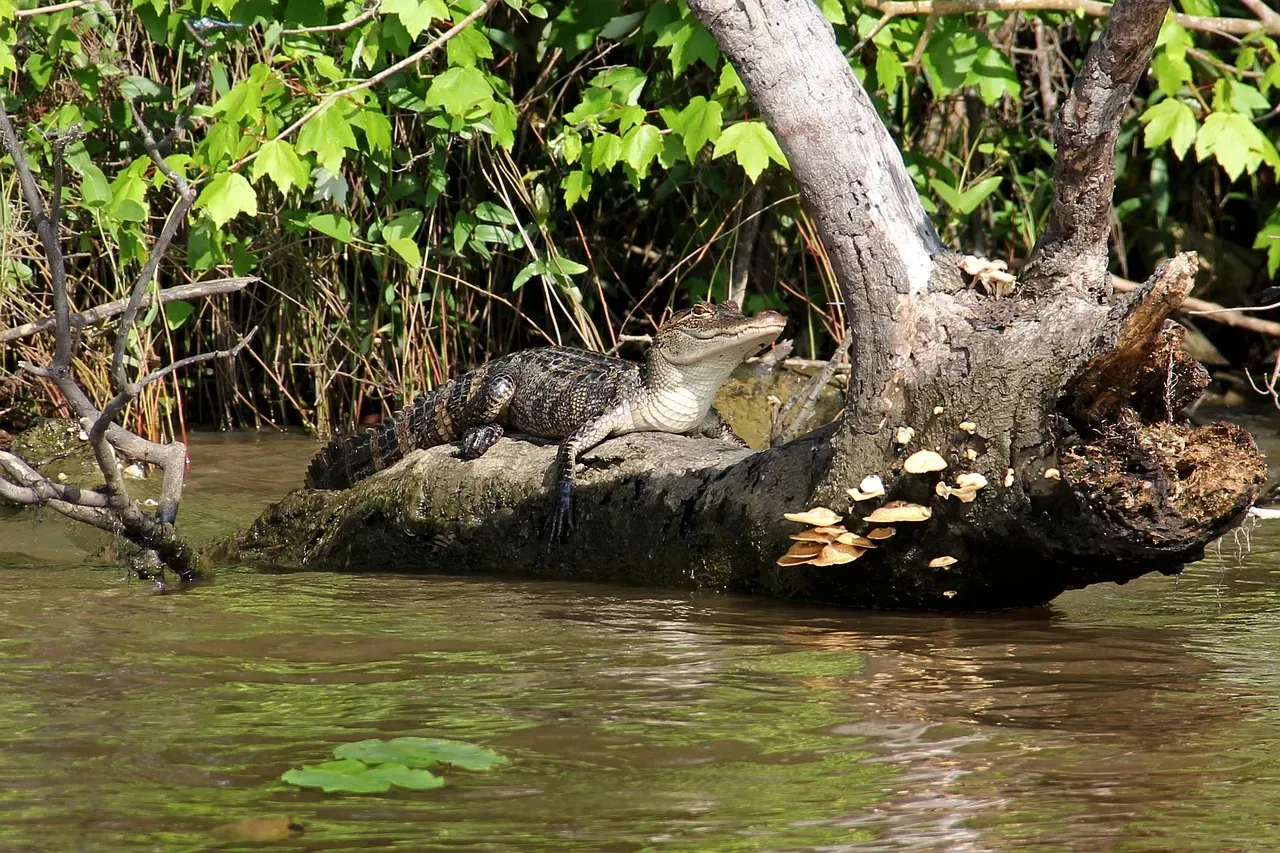
Louisiana’s endemic species remind us that extraordinary wildlife isn’t limited to distant continents or tropical islands. Right here in the American South, creatures exist that have carved out such specialized niches that they literally cannot survive anywhere else on the planet. From turtles with map-like shells to ghostly white alligators, from hidden mussels to chimney-building crawfish, Louisiana shelters biodiversity that’s irreplaceable.
These species face an uncertain future. Habitat loss, water quality degradation, climate change, and human development all threaten their survival. Yet conservation efforts continue making progress. Federal protections have been established, habitat restoration projects move forward, and scientists work tirelessly to understand and protect these rare creatures before it’s too late.
The next time you think about Louisiana, remember it’s more than just gumbo and jazz. It’s a biodiversity hotspot hiding treasures in its swamps and streams. These five species represent just a fraction of what makes this state ecologically unique. Have you ever wondered what other secrets might be lurking in those murky waters, waiting to be discovered?
