
Ever looked up at that blazing ball of fire in the sky and wondered how long it’s got left? I mean, it seems so permanent, so unstoppable. Yet here’s the thing: nothing lasts forever, not even our Sun.
The star that bathes our world in warmth and light is on a clock, ticking down to an inevitable end. It sounds unsettling, doesn’t it? The thought that one day, billions of years from now, will fade away. Still, understanding this cosmic timeline reveals not just the fate of our solar system, but also the incredible journey every star takes from birth to death. Let’s dive in.
The Sun’s Current Age and Life Expectancy
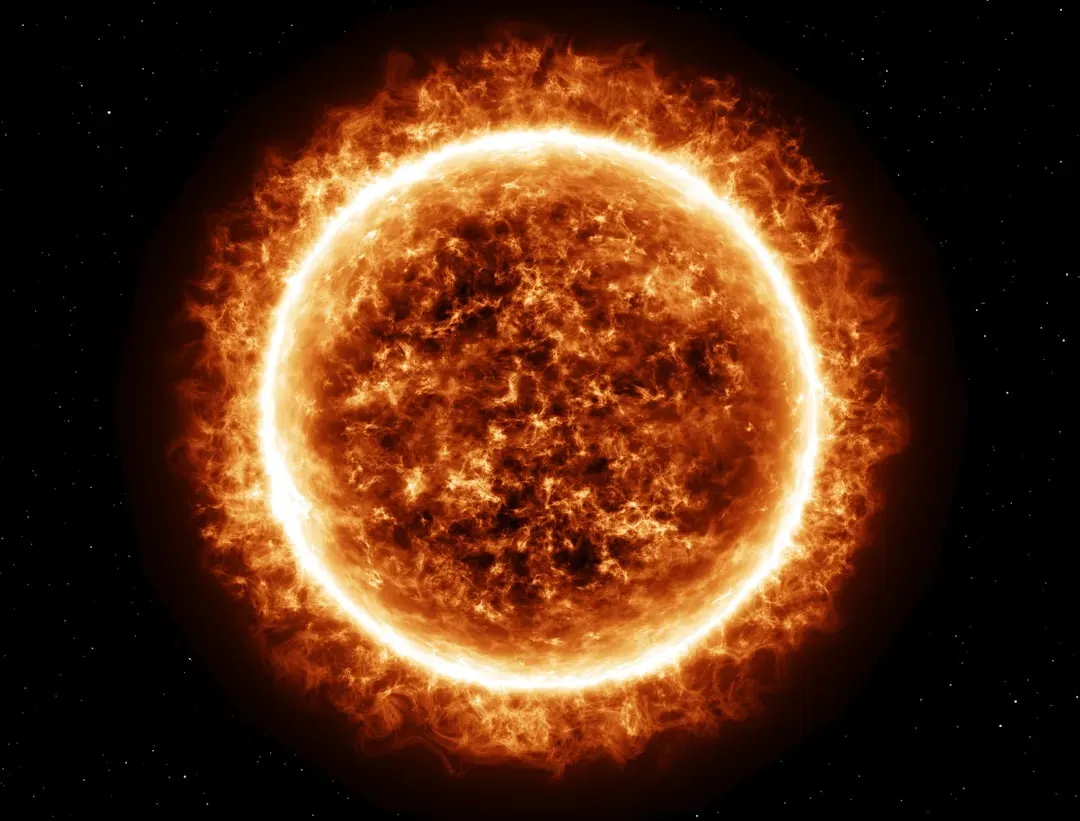
Our sun has about 5 billion years of life left, which honestly sounds like a lot until you realize it’s already middle-aged. The Sun is approximately 4.6 billion years old and stars like our Sun burn for about nine or 10 billion years. So yeah, we’re sitting right at the halfway point.
Think about it this way: the Sun has been shining since before Earth even had complex life, and it’ll keep shining long after we’re gone. At present, the Sun is roughly middle aged, somewhere between a third and halfway through its life, depending on how scientists measure stellar death. That’s both comforting and eerie at the same time.
The Sun won’t just blink out one day like a light bulb. The sun will begin to in about 5 billion years when it runs out of hydrogen. Hydrogen is the fuel that keeps the nuclear furnace going, and once that’s depleted, everything changes.
What Happens When Hydrogen Runs Out
Roughly 5 billion years in the future, the sun will stop generating heat via nuclear fusion, and its core will become unstable and contract. This is where things get dramatic. The core, no longer able to sustain the pressure needed to keep the star stable, begins to collapse under its own weight.
Here’s where it gets wild. As the core gets smaller, it heats up until it can kick off another round of nuclear reactions, fusing helium into heavier elements such as carbon, nitrogen and oxygen. The Sun isn’t done yet – it’s just switching fuels. Imagine a car running out of gas and suddenly finding a backup tank you didn’t know existed.
The Sun’s transition from the main sequence to the red giant phase is a gradual process, spanning approximately a billion years. So it’s not an overnight thing. The changes happen slowly, but they’re irreversible. Eventually, the outer layers of the Sun start to puff up, responding to the increased energy output from the core.
The Red Giant Phase: A Swelling Monster
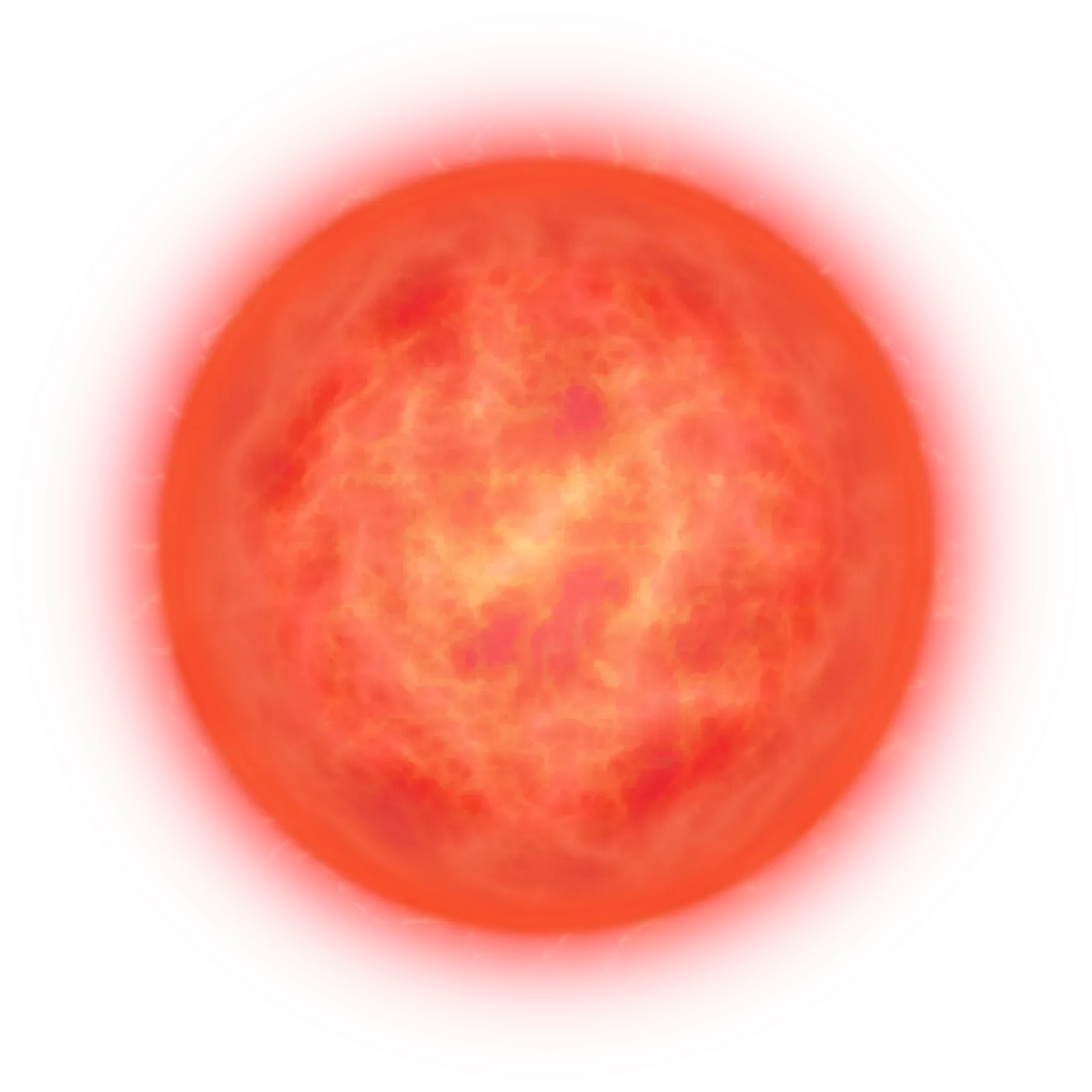
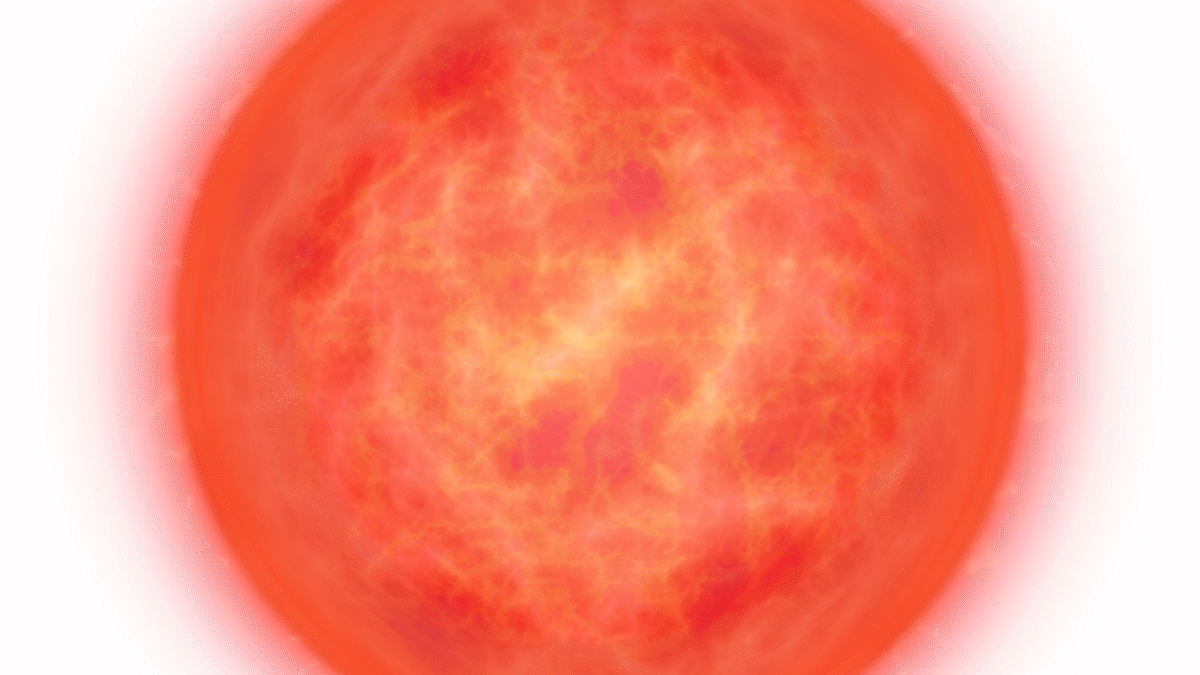
Let’s be real: this is when the Sun becomes terrifying. The energy production increases dramatically and forces the star to expand more than 200 times in order to reach a new equilibrium state. That’s not a typo. The Sun will balloon to over 200 times its current size.
In about 5 billion years, our Sun will reach the red giant stage. Mercury and Venus will be consumed, and it’s extremely likely that Earth will be as well. Yeah, you read that right. Our planet might get swallowed whole. Theoretical modeling and observations indicate that the sun could well swallow up the Earth when it reaches its maximum size.
Even if Earth somehow escapes being engulfed, it won’t matter. Its new proximity to the intense heat of this red sun would scorch our planet and make it completely impossible for life to survive. The oceans would boil away, the atmosphere would strip off, and everything we know would be reduced to a barren, lifeless rock – or worse, vaporized entirely.
But honestly, life on Earth will be long gone before that. After about a billion years the sun will become hot enough to boil our oceans. This 10% increase in the sun’s brightness will occur over the next billion years or so. So we’ve got roughly a billion years before Earth becomes uninhabitable, not five billion.
The Planetary Nebula: Casting Off the Outer Layers
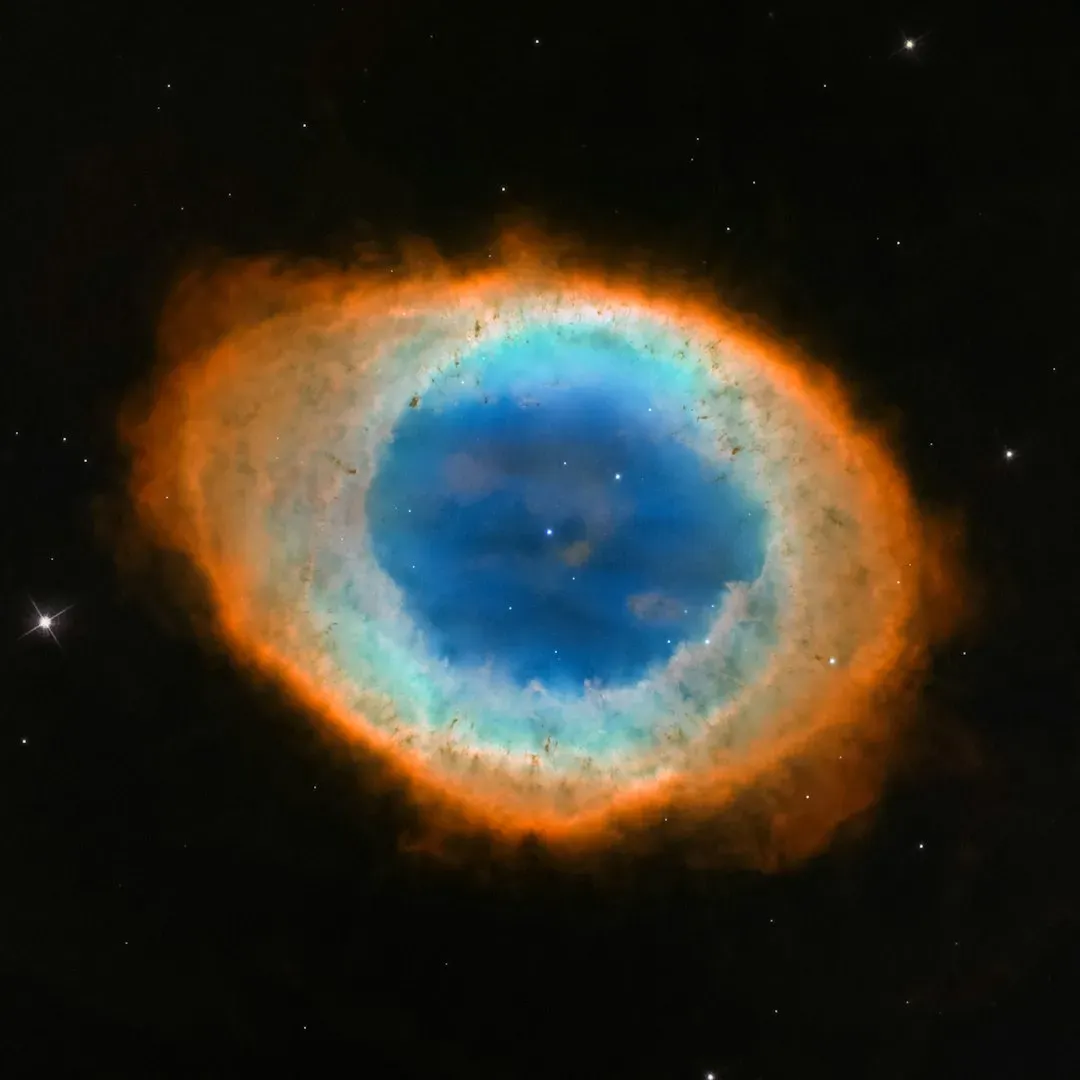
Once the red giant phase wraps up, the Sun doesn’t just settle down quietly. The sun will undergo significant mass loss as it pulses and sheds its outer layers. This creates one of the most beautiful sights in the universe: a planetary nebula.
When a star s it ejects a mass of gas and dust into space. The envelope can be as much as half the star’s mass. Think about that – half of the Sun’s mass just… ejected into space, glowing and expanding outward like a cosmic breath. These nebulae glow with vibrant colors, illuminated by the intense radiation from the exposed core.
The name “planetary nebula” is misleading, by the way. They’re named planetary nebulae because when the first ones were discovered by William Herschel in the late 18th century, they were similar in appearance to planets through the telescopes of the time. They have nothing to do with planets – they’re just the dying gasps of Sun-like stars.
The White Dwarf: A Dense Stellar Corpse
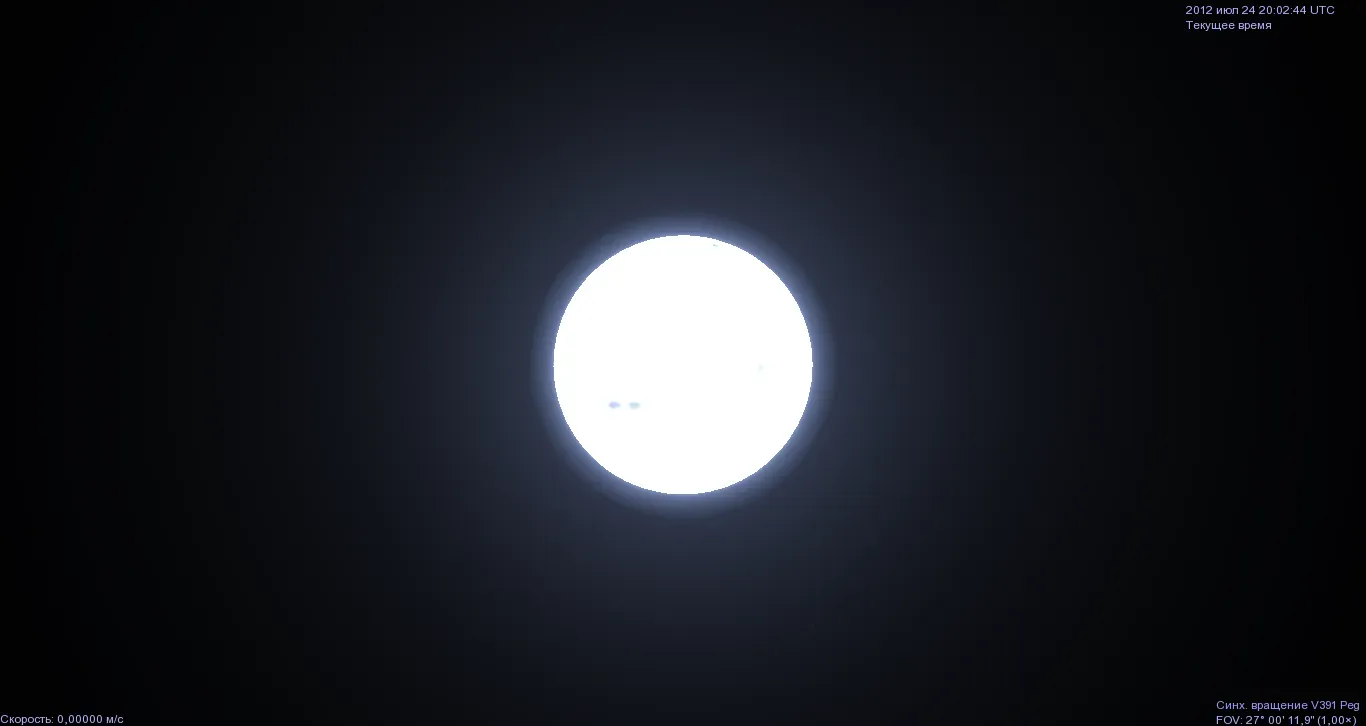
After all the drama, what’s left? Once all the helium disappears, the forces of gravity will take over, and the sun will shrink into a white dwarf. This is the final act, the curtain call. The Sun, once a massive glowing sphere, will compress into something roughly the size of Earth.
A white dwarf packs mass comparable to the Sun’s into a volume that is typically one millionth of the Sun’s. It’s hard to even wrap your head around that kind of density. A teaspoon of white dwarf matter would weigh 5.5 tons on Earth – about the same as an elephant!
The white dwarf now has a long, quiet future ahead of it. As trapped heat trickles out, it slowly cools and dims. No more fusion, no more dramatic flares. Just a slow fade into cosmic obscurity. Astronomers estimate that the sun has about 7 billion to 8 billion years left before it turns into a white dwarf, counting from today.
The Final Fade: Becoming a Black Dwarf
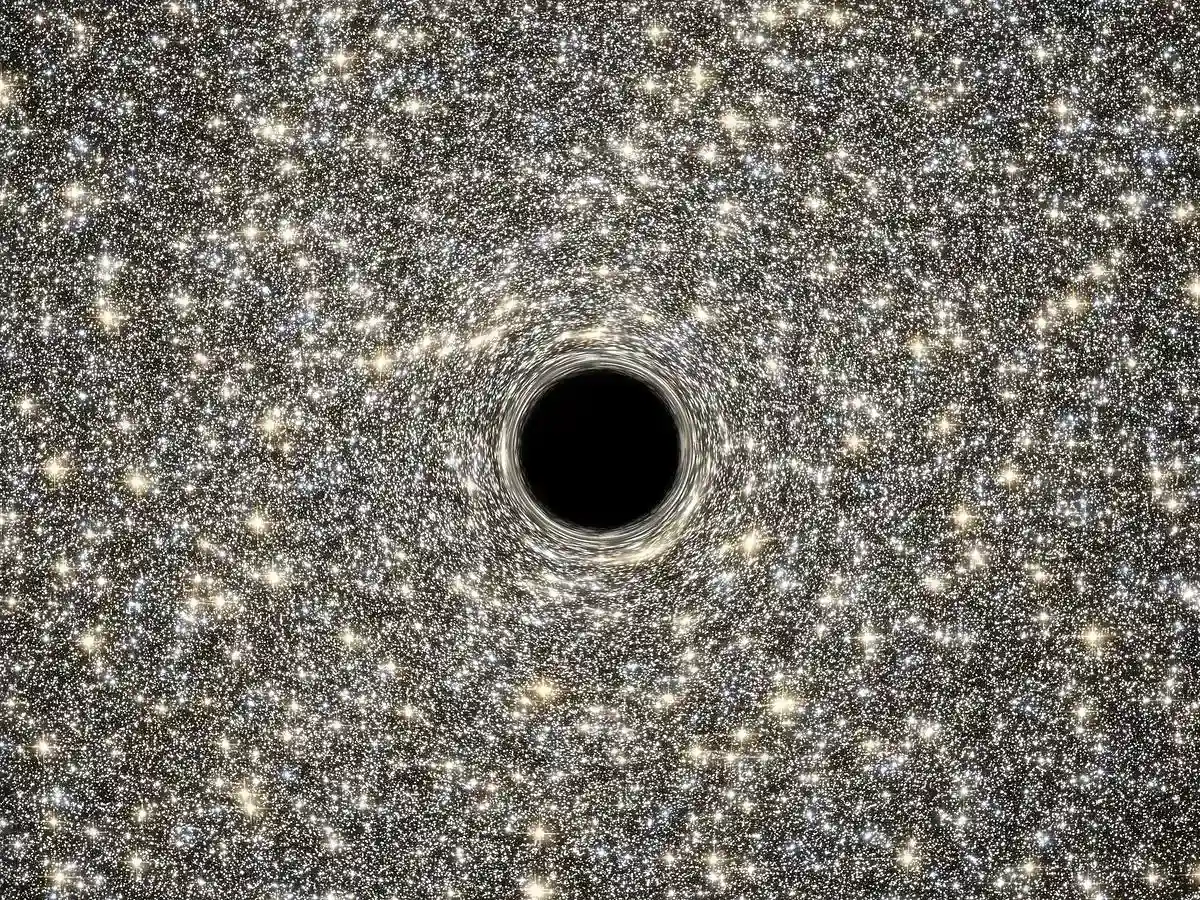
So what’s the absolute end? Eventually it will become an inert lump of carbon and oxygen floating invisibly in space: a black dwarf. However, the universe isn’t old enough for any black dwarfs to have formed. That’s right – the universe itself is too young for this final stage to have happened anywhere.
What remains of the sun will spend trillions of years cooling off before ultimately becoming a non-emitting object. Trillions of years. That’s an almost incomprehensible stretch of time, far longer than the universe has even existed. By the time the Sun becomes a black dwarf, the universe will be a vastly different, colder, darker place.
Our current understanding of white dwarfs is that they simply continue to cool for eternity, with no additional changes in their structure. It’s a quiet, lonely end for a star that once gave life to an entire world. Yet there’s something poetic about it, don’t you think? Even in death, the Sun will persist, a silent monument to billions of years of shining.
Conclusion
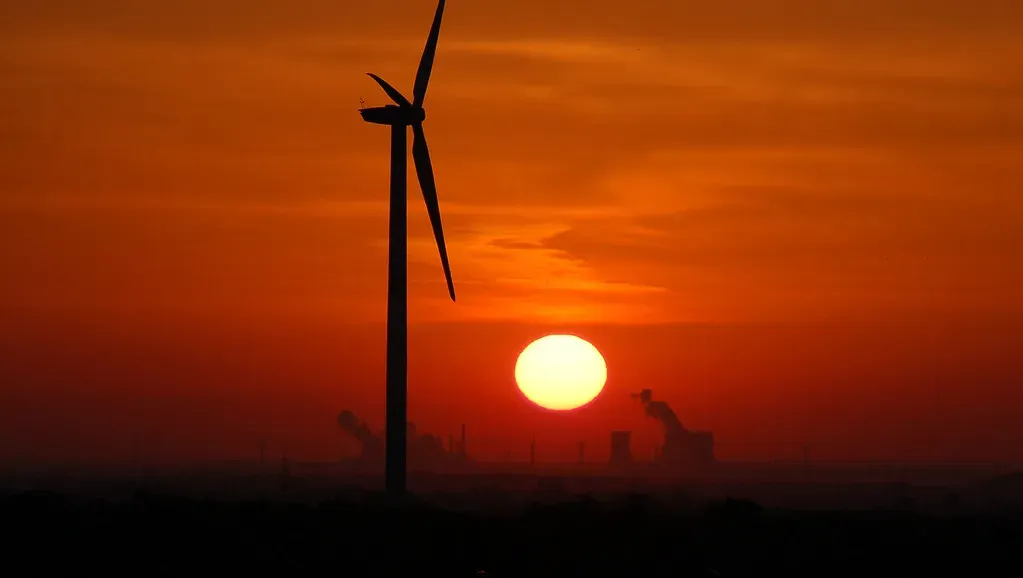
The Sun will , that much is certain. But it’s not going to happen anytime soon – not in any timeframe that humanity will ever witness. Still, knowing the Sun’s fate reminds us that everything in the universe, no matter how grand or permanent it seems, has a beginning and an end.
From a blazing young star to a bloated red giant, then a glowing white dwarf, and finally a cold black dwarf drifting through the darkness – the Sun’s journey is the journey of countless stars across the cosmos. It’s a story written in the laws of physics, played out over billions upon billions of years.
So next time you feel the Sun’s warmth on your face, take a moment to appreciate it. That ancient light has traveled across space to reach you, and it’s been doing so for longer than life itself has existed on Earth. What do you think about the Sun’s eventual fate? Does it change how you see that bright disk in the sky?
