
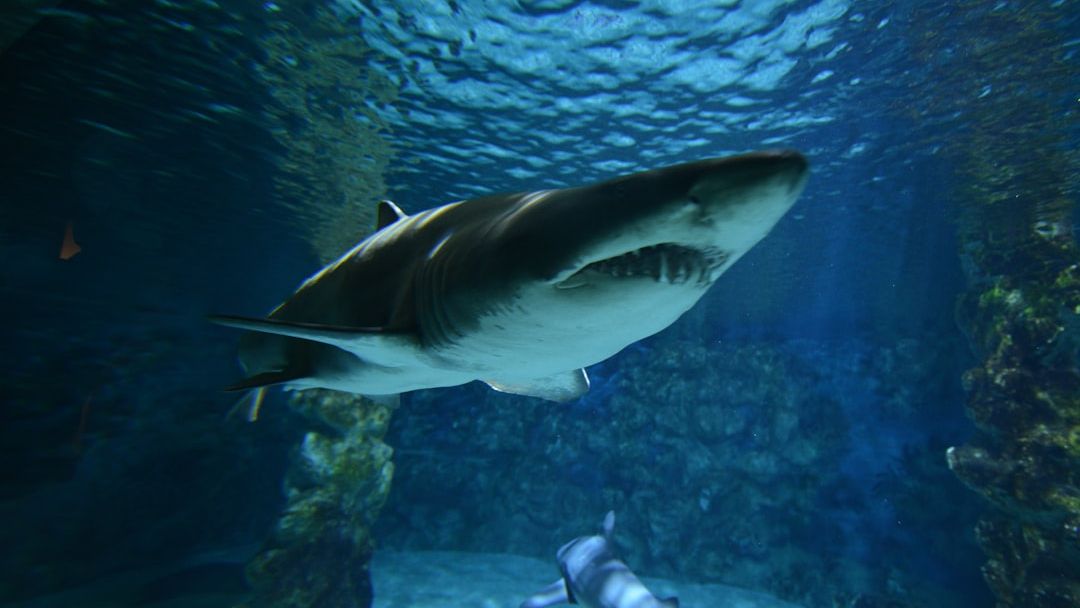
Think you know everything about sharks? Think again. These creatures have been around longer than trees, surviving events that wiped out nearly everything else. But that’s just scratching the surface.
What we see in movies barely scratches the truth of what makes these animals so fascinating. From bizarre hunting tactics to strange biological abilities, sharks are far more complex and surprising than most people realize. Let’s dive into some of the wildest facts that might just change how you see these ocean dwellers forever.
They’ve Been Around Longer Than Trees
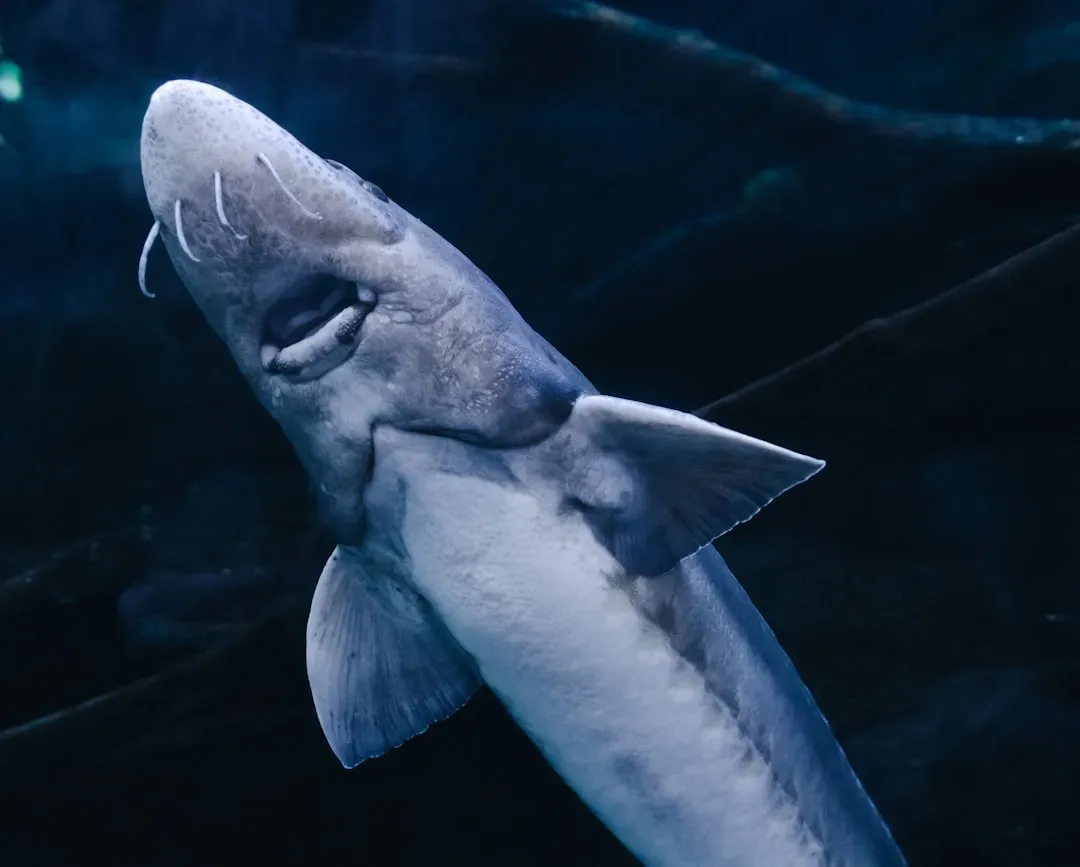
Sharks date back roughly 450 million years ago, meaning they existed millions of years before dinosaurs walked the Earth. Picture that for a moment. While the land was barren rock and primitive plants, sharks were already cruising through ancient seas.
These creatures have survived five major extinction events, including the one that wiped out the dinosaurs 65 million years ago. Trees didn’t even appear until around 385 million years ago. That means sharks had already been perfecting their craft for tens of millions of years before forests existed.
Some species, like the Sevengill Cow shark, have remained virtually unchanged for more than 150 to 190 million years. It’s hard to say for sure, but their success comes down to adaptability and a body design that simply works. When you’ve got a winning formula, why change it?
Their survival through such dramatic planetary changes shows just how resilient these animals really are. Most other creatures didn’t stand a chance, but sharks? They kept swimming.
Their Teeth Are Like a Conveyor Belt System
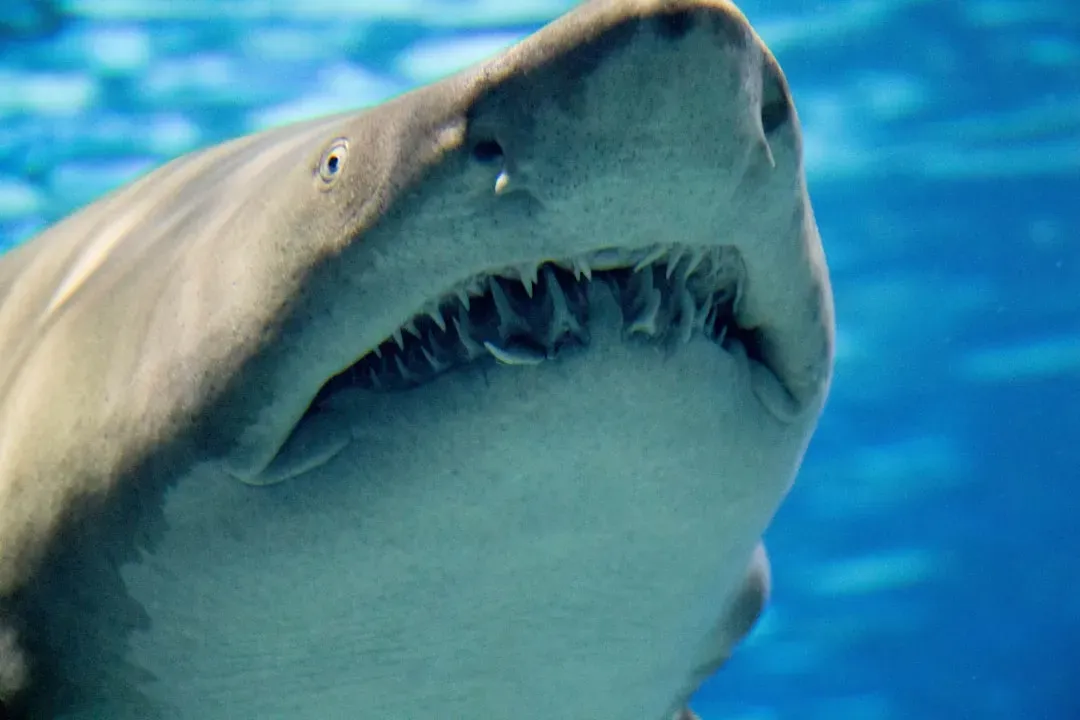
Sharks get through up to 30,000 teeth in a lifetime. That’s not a typo. Thirty thousand teeth. Imagine if humans had that kind of dental backup plan.
Shark teeth are embedded in the gums rather than directly affixed to the jaw, and are constantly replaced throughout life. Multiple rows of replacement teeth grow in a groove on the inside of the jaw and steadily move forward in comparison to a conveyor belt. When a tooth in the front row breaks or falls out, there’s always another one ready to slide into place.
The rate of tooth replacement varies from once every 8 to 10 days to several months. Different species replace teeth at different speeds depending on their diet and hunting style. Honestly, it’s like nature gave them unlimited ammo.
Tooth shape depends on the shark’s diet: those that feed on mollusks and crustaceans have dense and flattened teeth used for crushing, those that feed on fish have needle-like teeth for gripping, and those that feed on larger prey such as mammals have pointed lower teeth for gripping and triangular upper teeth with serrated edges for cutting. Every tooth tells a story about how that shark survives.
Some Species Can Walk on Land
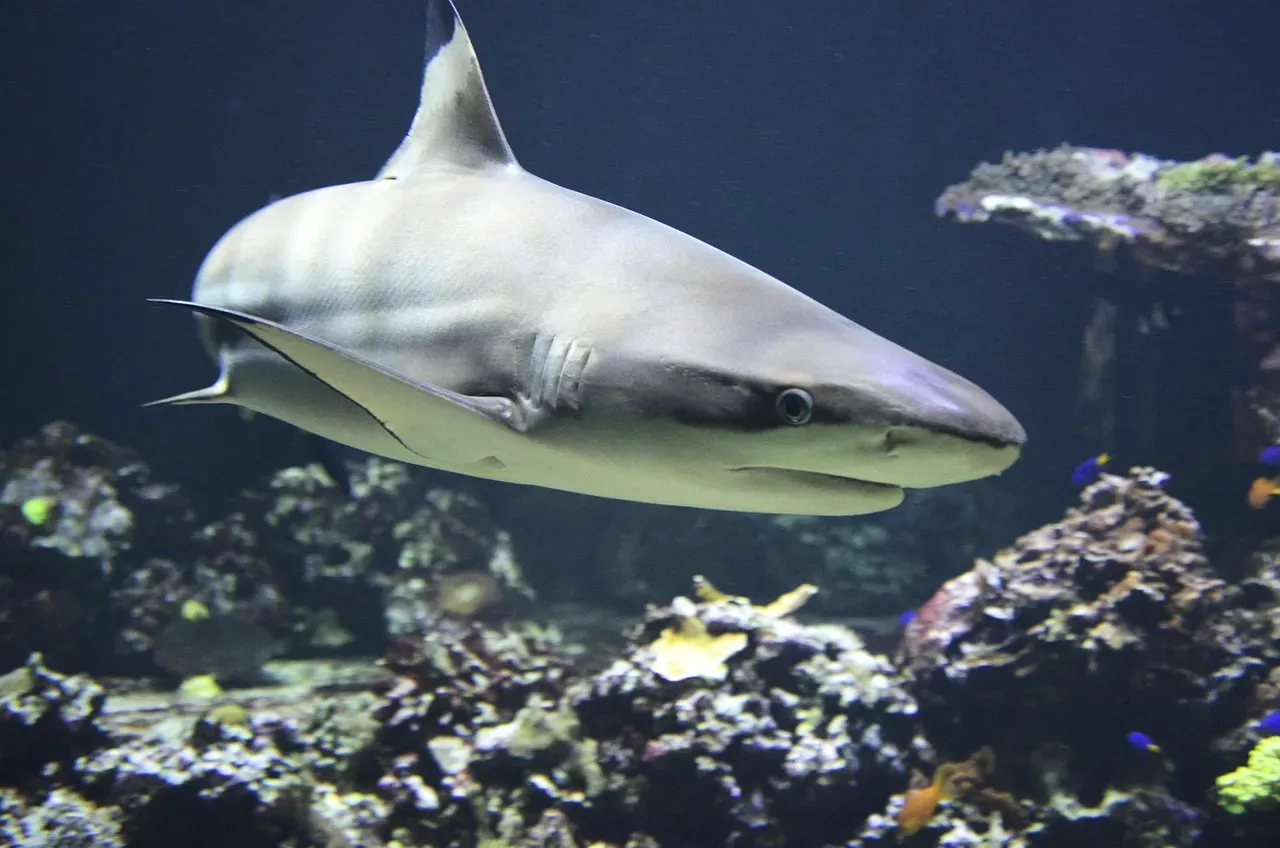
This one sounds wild, but it’s true. The epaulette shark, which is found around coral reefs in New Guinea and Australia, can leave the sea by climbing out of the water at low tide and walking between tide pools to hunt stranded prey. Yes, walking sharks are real.
These sharks use their paired fins almost like little legs to crawl across rocks and coral. It’s not graceful, but it’s effective. Additionally, it can survive for extended periods with little to no oxygen, allowing it to hunt for prey in isolated low oxygen tide pools and walk across exposed reef sections.
There are nine known species of walking sharks found in Australia, Indonesia, and Papua New Guinea. They’re mostly small, bottom dwelling species that have adapted to life in shallow coral reefs where the tide can be unpredictable. When the water recedes, they simply get out and walk to the next pool.
It’s hard to say whether this behavior evolved out of necessity or opportunity. Either way, it’s one of the strangest shark adaptations out there. Be surprised by what evolution can produce when survival is on the line.
They Have a Sixth Sense That Detects Electricity
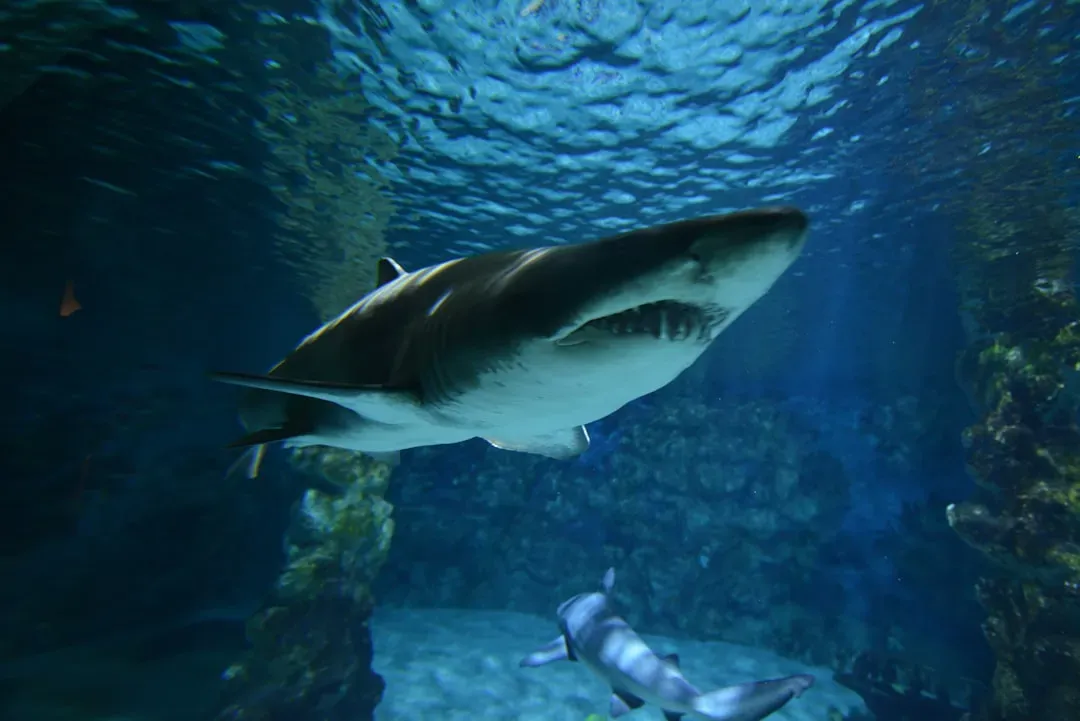
Sharks have small black spots near the nose, eyes, and mouth. These spots are the ampullae of Lorenzini, special electroreceptor organs that allow the shark to sense electromagnetic fields and temperature shifts in the ocean. It’s like having built in radar that works underwater.
Sharks sense electrical signals given off by muscles and hearts of other animals. Every living creature produces a tiny electrical field when their muscles contract or their heart beats. Sharks can detect these signals, even when prey is buried under sand or hiding behind rocks.
Tiny pores in the end of a shark’s snout are filled with a gel that is very sensitive to electrical signals in the water. This is known as an electrical sense, and makes up one of the shark’s three primary senses. They use those three senses at different times: to initially approach prey, they use smell, then the electrical signal is used for more fine scale hunting, with vision kicking in at the last minute only.
This ability makes sharks incredibly efficient hunters. You can’t hide from something that can sense your heartbeat. It’s one reason why they’ve been so successful for so long.
The Greenland Shark Can Live for Centuries
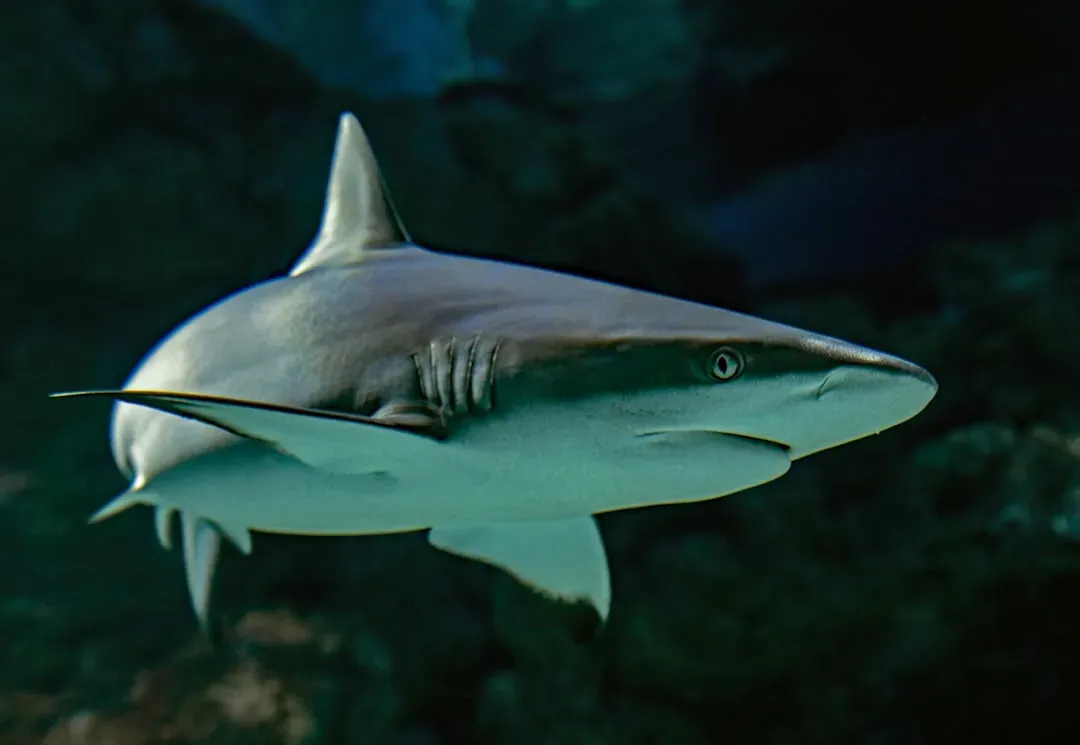
Greenland sharks can live for more than 500 years. Scientists worked this out by using radiocarbon dating on the shark’s eye lens nucleus. Five hundred years. Let that sink in for a moment.
The Greenland shark is the longest living vertebrate, living over 390 years in icy deep waters. Some individuals swimming in Arctic waters today may have been born before the United States was even a country. They move slowly through freezing cold water, barely expending any energy.
It’s also thought that female Greenland sharks may only be able to reproduce after they’ve reached 100 years of age. Imagine waiting a century before you can have offspring. Their slow metabolism and frigid habitat likely contribute to their extreme longevity.
Scientists are fascinated by these sharks because understanding how they live so long could provide insights into aging in other species. What do you think about it? It’s like they’re living in slow motion while the rest of the world speeds by.
Thresher Sharks Hunt With Their Tails Like Whips
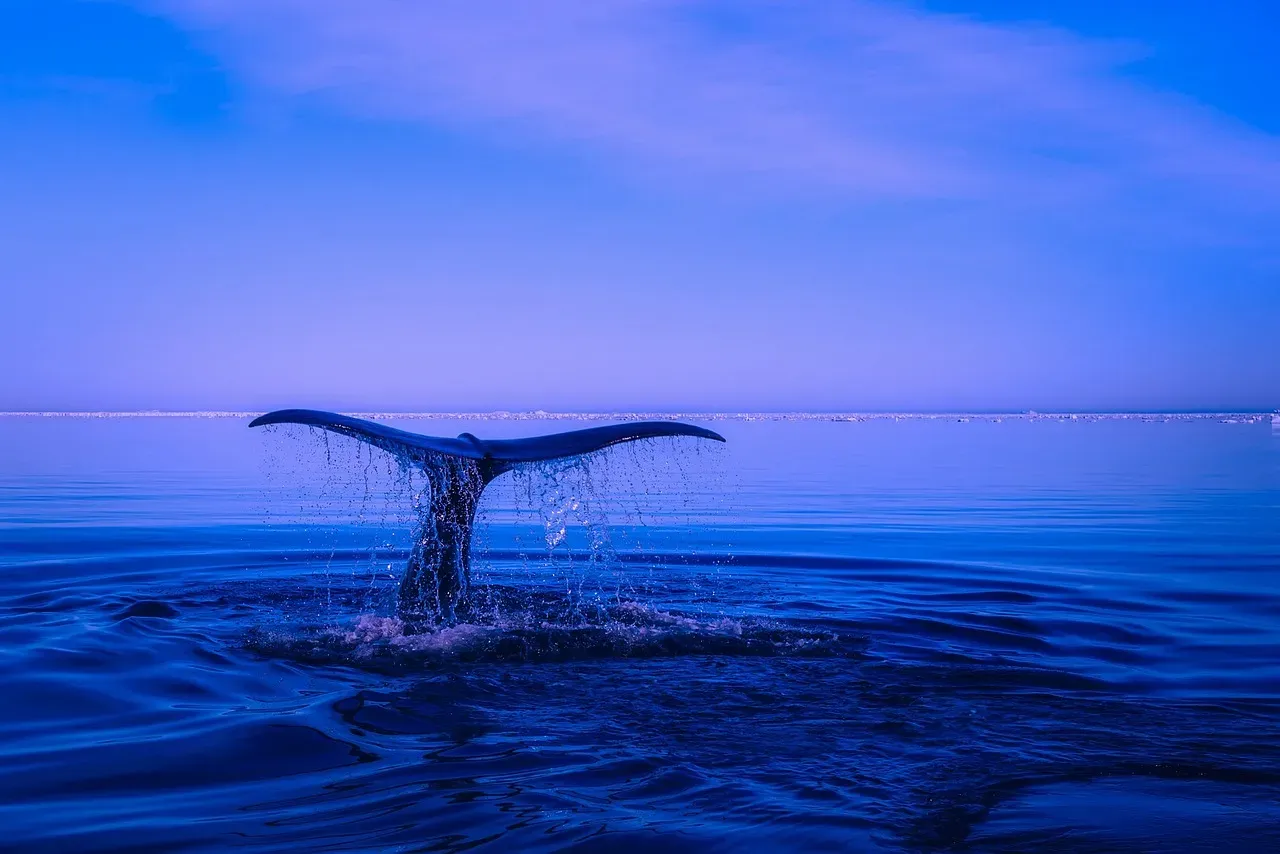
Thresher sharks have an incredibly long upper caudal (tail) fin, which they use like a whip to stun and kill their prey. Their tail can be nearly as long as their entire body, sometimes even longer.
Their stunning, very long, whip like tail is their secret superpower. With these sharks reaching nearly 6 metres in length, their tails are often the length of the entire body or even longer. They swim beneath schools of fish, then whip their tail through the group with incredible speed and force.
The impact stuns or kills multiple fish at once, making them easy pickings. It’s one of the most unique hunting strategies in the ocean. Some researchers have clocked the tail moving at speeds that create an audible crack underwater, like a bullwhip.
Honestly, it sounds like something from a fantasy novel, but nature came up with it first. These sharks prove that sometimes the best weapon isn’t your teeth.
Some Sharks Glow in the Dark
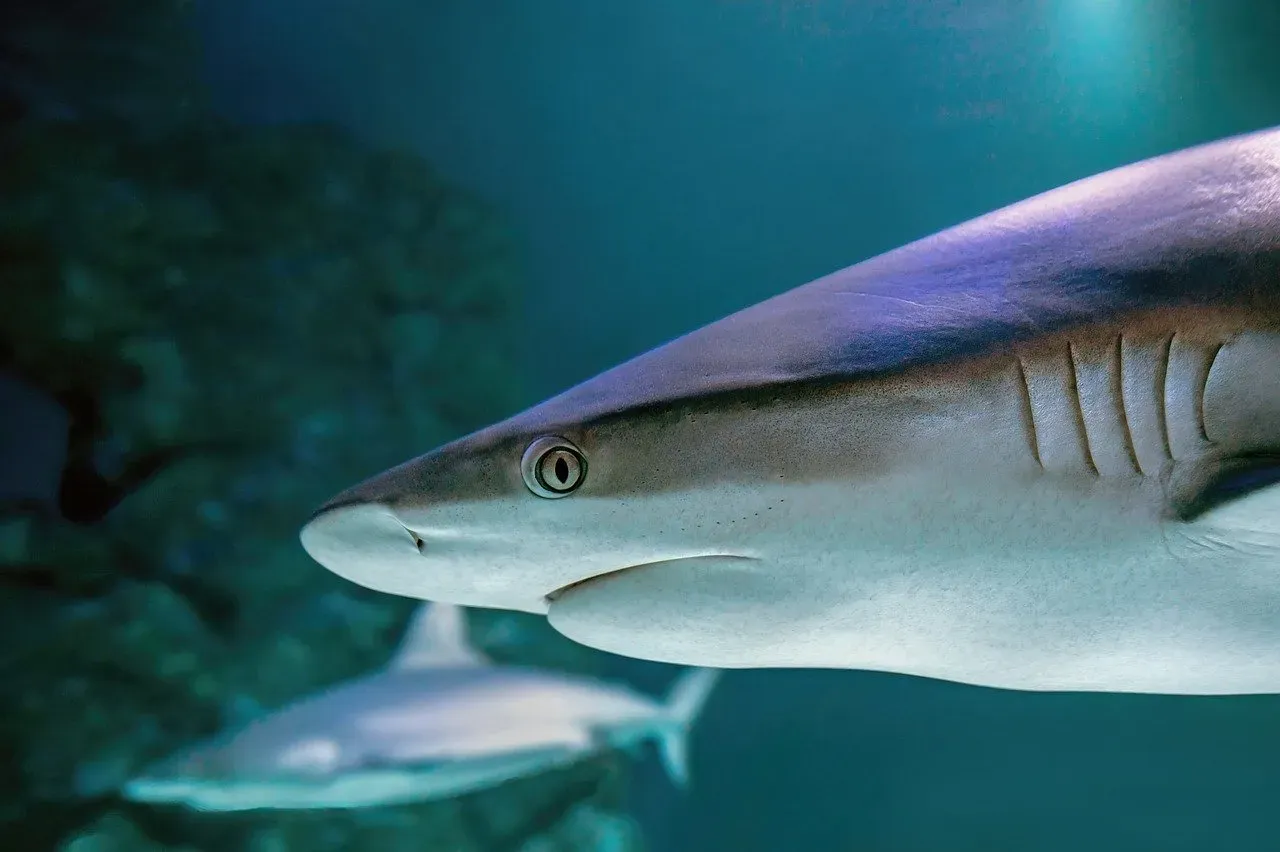
Using specialized cells found in their skin, sharks can create a soft blue green light. Before a 2021 study, bioluminescence had been discovered in only about a dozen species of sharks, but now the list is growing. They literally make their own light in the deep ocean darkness.
Lantern sharks, which inhabit the mesopelagic (deep sea) zones below 200 metres filled with darkness, can generate light thanks to photopores, tiny pores in their skin. Researchers believe they may be using this superpower for recognition by other catsharks and for schooling; it may also improve their vision.
To another chain catshark swimming 1,600 to 2,000 feet below the surface, the fish glows in the dark. Pigments in the sharks’ skin absorb the blue light in the ocean and reflect it as green. These sharks have special cells in their eyes called receptors to see it. Because the glow patterns are different for males and females, scientists think these shy sharks use this ability to attract mates.
The deep ocean is pitch black, so having your own light source is both practical and mysterious. It’s like they’re carrying their own flashlight in a world where sunlight never reaches. Did you expect that?
Bull Sharks Can Survive in Freshwater
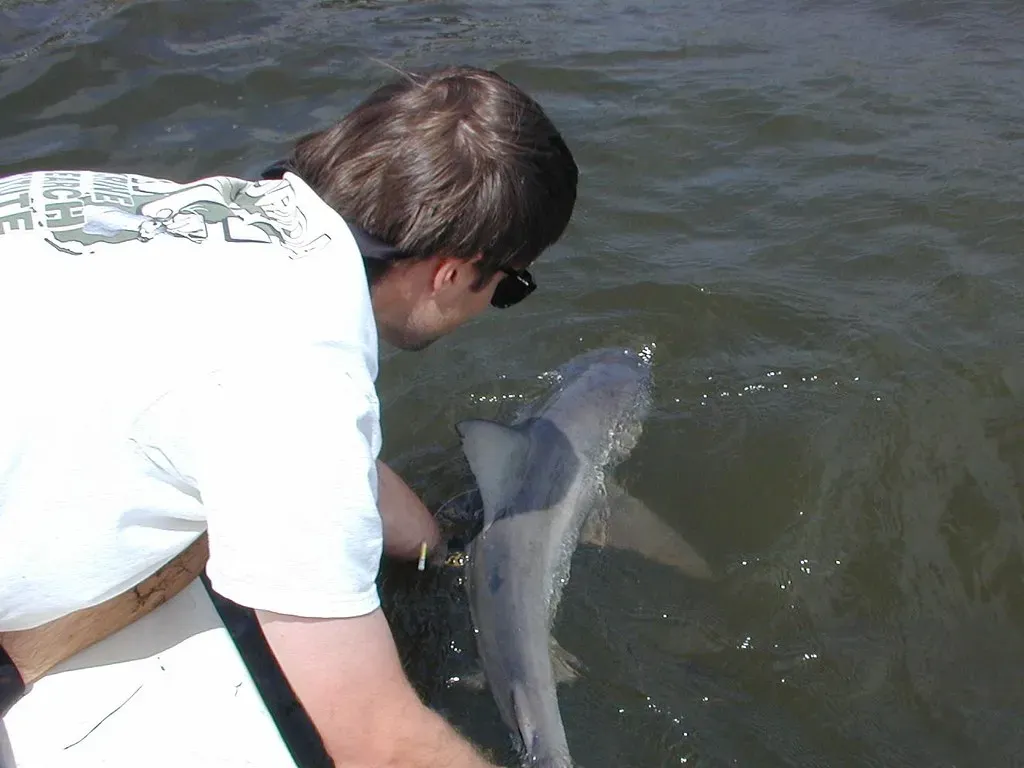
The sea isn’t the only place sharks can be found, as a few species have the ability to venture into freshwater systems. In the Bahamas, South Africa and Australia, bull sharks will travel up and down rivers. It takes a lot of energy for them to move between saltwater and freshwater, but being able to do so opens up a whole new set of prey for them.
Bull sharks have been spotted hundreds of miles inland in major river systems. They’ve adapted special kidneys and glands that help them regulate salt levels in their bodies. Most fish can only survive in either salt or fresh water, but bull sharks don’t play by those rules.
This ability makes them one of the more dangerous sharks to humans, simply because they can show up in places people don’t expect sharks to be. Rivers, lakes, even golf course ponds in some cases. Let’s be real, finding a shark in a river is unsettling.
Their adaptability shows just how versatile these predators can be. When other sharks are limited to the ocean, bull sharks have double the hunting grounds.
Great Whites May Never Actually Sleep
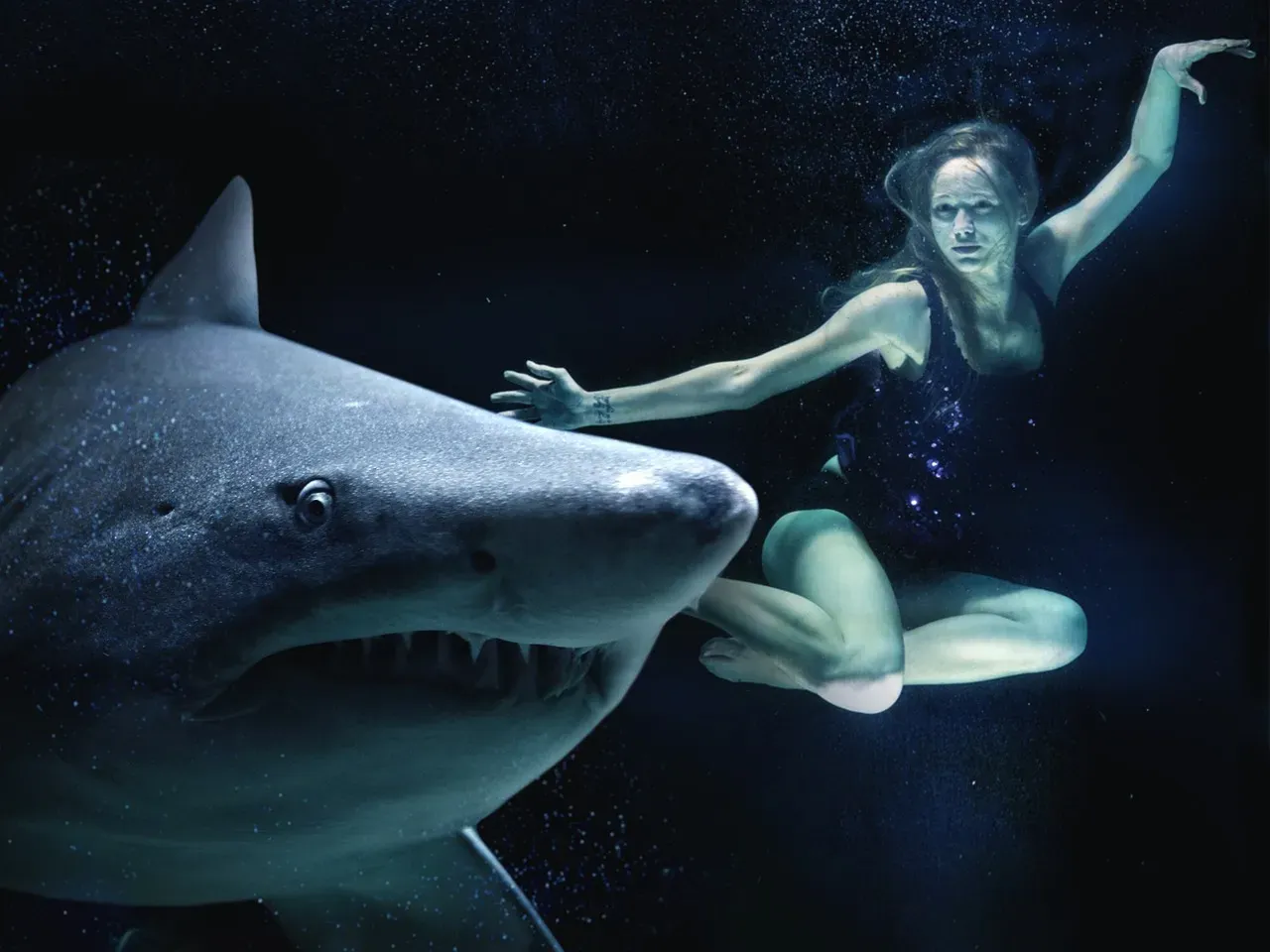
Some sharks have evolved in a way that means they have to keep swimming to breathe: the great white is one example. We don’t really understand how this impacts them sleeping, but there has been recent footage showing a female great white, where she minimises as many of her bodily functions as possible while still moving. It could be a similar system to dolphins, as they can shut down one side of the brain so just the other half is regulating them.
Great whites and several other species are known as obligate ram ventilators. They need to keep moving forward to force water over their gills. Stop swimming, stop breathing. That creates an interesting problem when it comes to rest.
Scientists think they might be able to shut down half their brain at a time, similar to dolphins. That way they can rest while still maintaining enough function to keep swimming. It’s still not entirely understood, but the footage researchers have captured shows them in what looks like a semi conscious state.
Imagine never being able to fully stop. Your whole life spent in constant motion. That’s the reality for some of the ocean’s top predators. What would you have guessed?
Shark Attacks Are Incredibly Rare
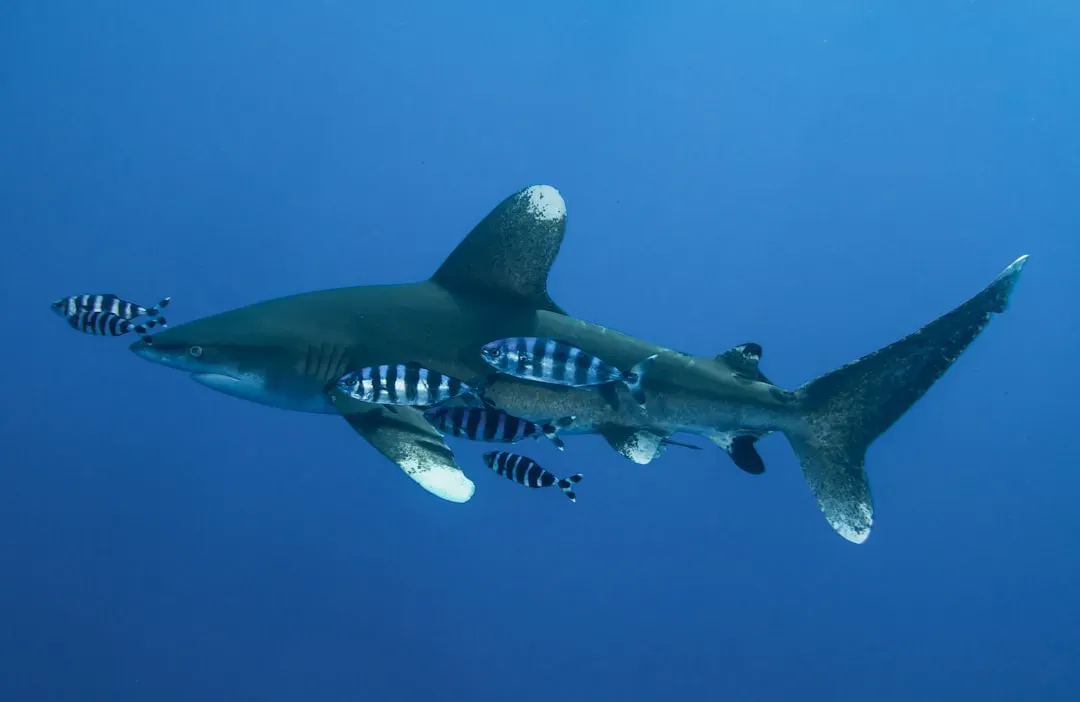
While many species of sharks are apex predators and have the potential to be dangerous, shark attacks are actually rather rare, with only 47 unprovoked recorded shark bites recorded in 2024. Despite all the fear and hype, you’re statistically more likely to be struck by lightning.
You’re 75 times more likely to be killed by lightning than by a shark. Most shark bites happen because the shark mistakes a person for its natural prey, like a seal. A shark will often retreat after biting which shows they are not hunting.
For every human killed by a shark, two million sharks are killed by humans, with a quarter of the world’s shark species now at risk of extinction. The real danger is what we’re doing to them, not the other way around. Overfishing, habitat destruction, and finning have devastated shark populations worldwide.
The fear doesn’t match the reality. Sharks aren’t monsters lurking to attack humans. They’re just trying to survive in an ocean we’re rapidly changing. Maybe it’s time we rethink who the real predator is.
Conclusion
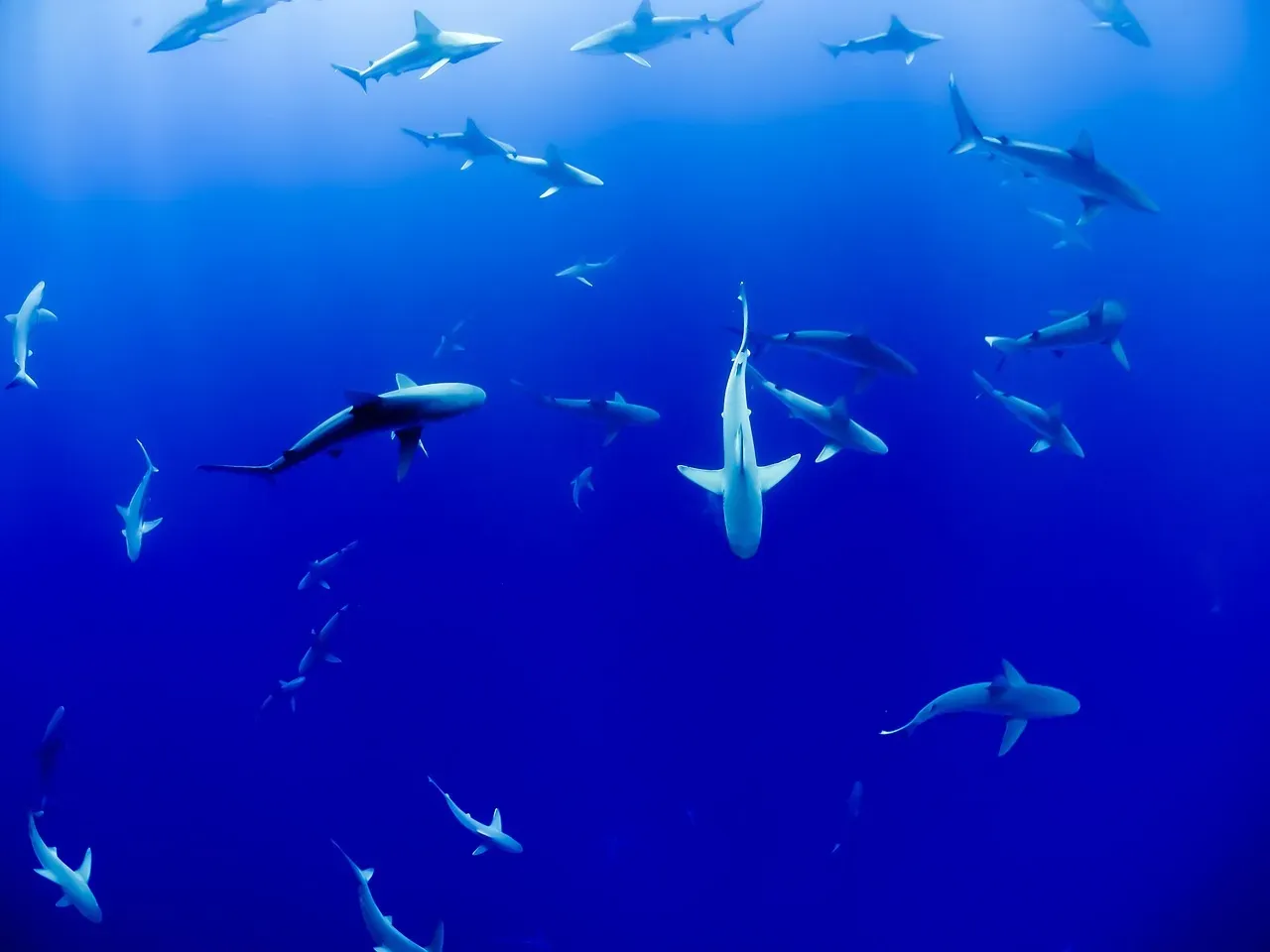
Sharks are so much more than the villains Hollywood makes them out to be. They’re ancient survivors, biological marvels, and essential parts of ocean ecosystems. From their ability to detect electricity to walking on land, these creatures continue to surprise scientists and enthusiasts alike.
Understanding these wild facts helps us appreciate just how unique and irreplaceable sharks really are. They’ve been perfecting their existence for nearly half a billion years, adapting to changes that wiped out countless other species.
The ocean would be a very different place without them. So next time you hear about sharks, remember these surprising truths. What do you think about it? Tell us in the comments.
