

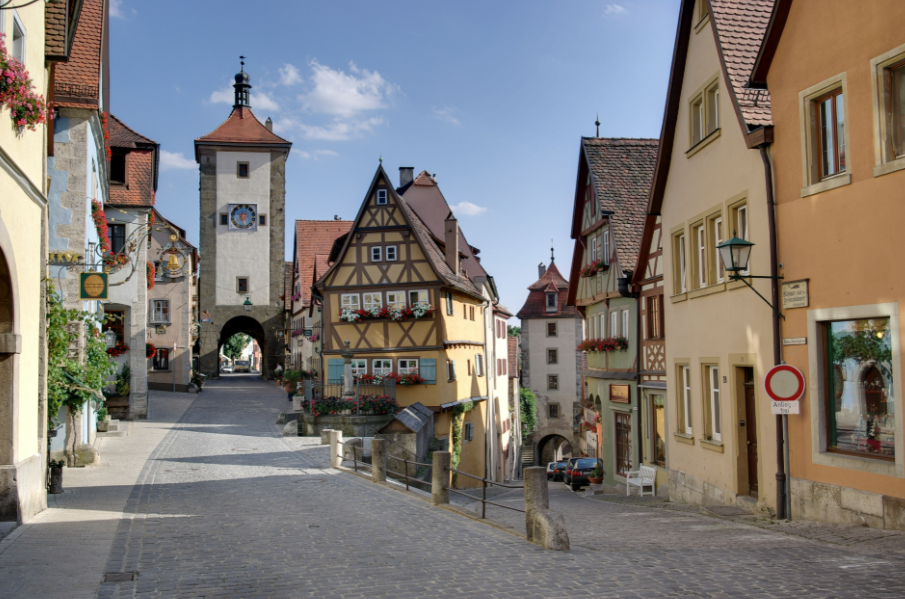
Picture this. You’re standing on ancient cobblestones, surrounded by half-timbered houses that lean toward each other across narrow lanes. Church bells echo off stone walls that have stood for centuries. The smell of fresh pastries drifts from a bakery window, and somewhere nearby, a horse-drawn carriage clatters past.
This isn’t a movie set or a theme park. These places actually exist. Across Europe, medieval towns have survived wars, fires, and the relentless march of time, preserving their storybook charm for us to wander through today. Let’s be real, visiting these places feels like stepping through a portal into another era. So pack your walking shoes and prepare to lose yourself in narrow alleys and hidden squares that seem plucked straight from the pages of a Brothers Grimm tale.
Rothenburg ob der Tauber, Germany
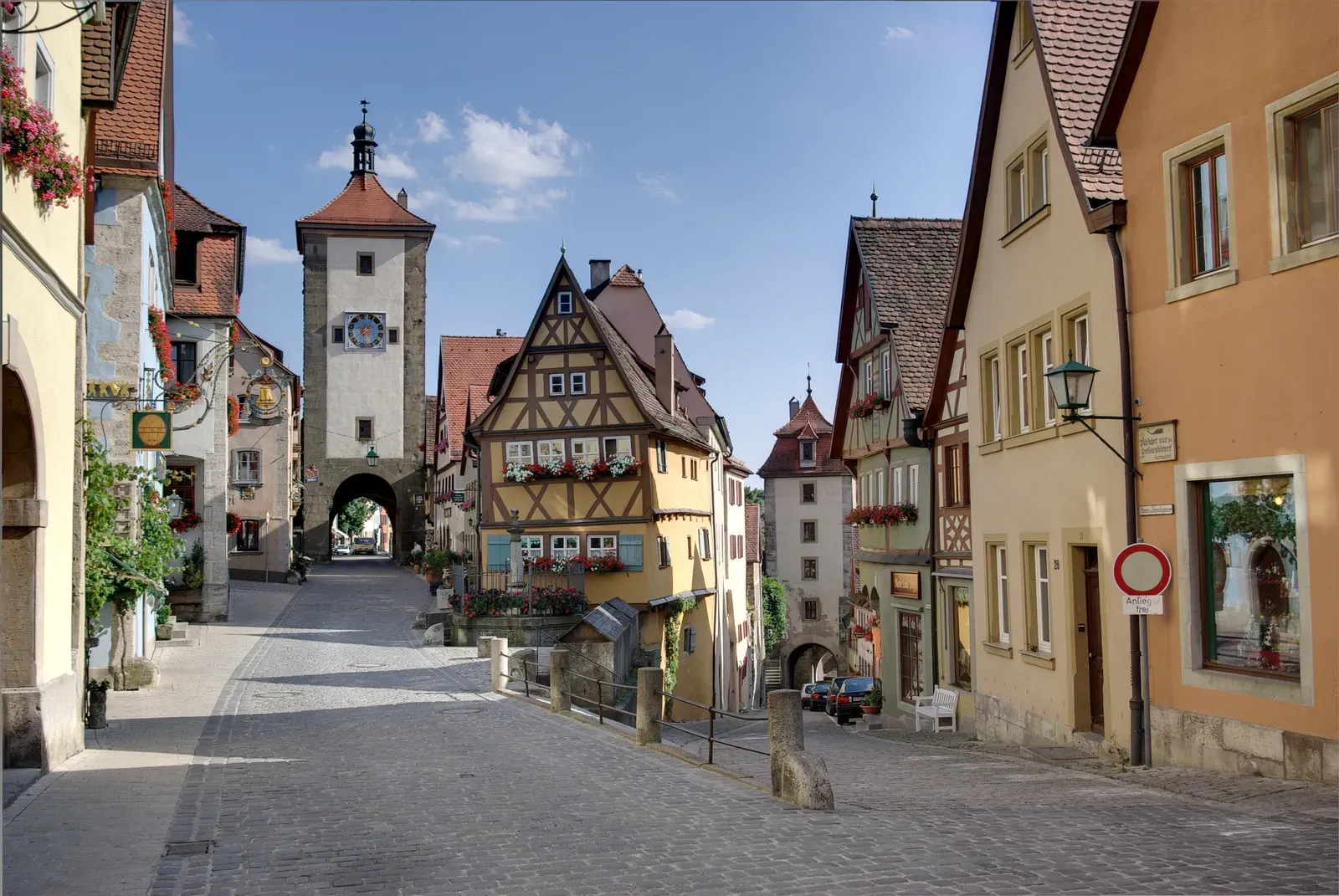
Rothenburg ob der Tauber is Germany’s best-preserved walled town, and honestly, it feels almost too perfect to be real. The town is well known for its well-preserved medieval old town and is part of the popular Romantic Road through southern Germany. Walking through its gates is like activating a time machine set to the 15th century.
Rothenburg is one of only four towns in Germany that still have completely intact city walls. You can actually walk along the entire circuit, peering through arrow slits and imagining what it must have been like to defend this place. The lopsided, brightly-painted gabled homes that line twisting streets and entrances like the arched 13th-century Röder Gate are straight out of a bedtime story.
Bruges, Belgium
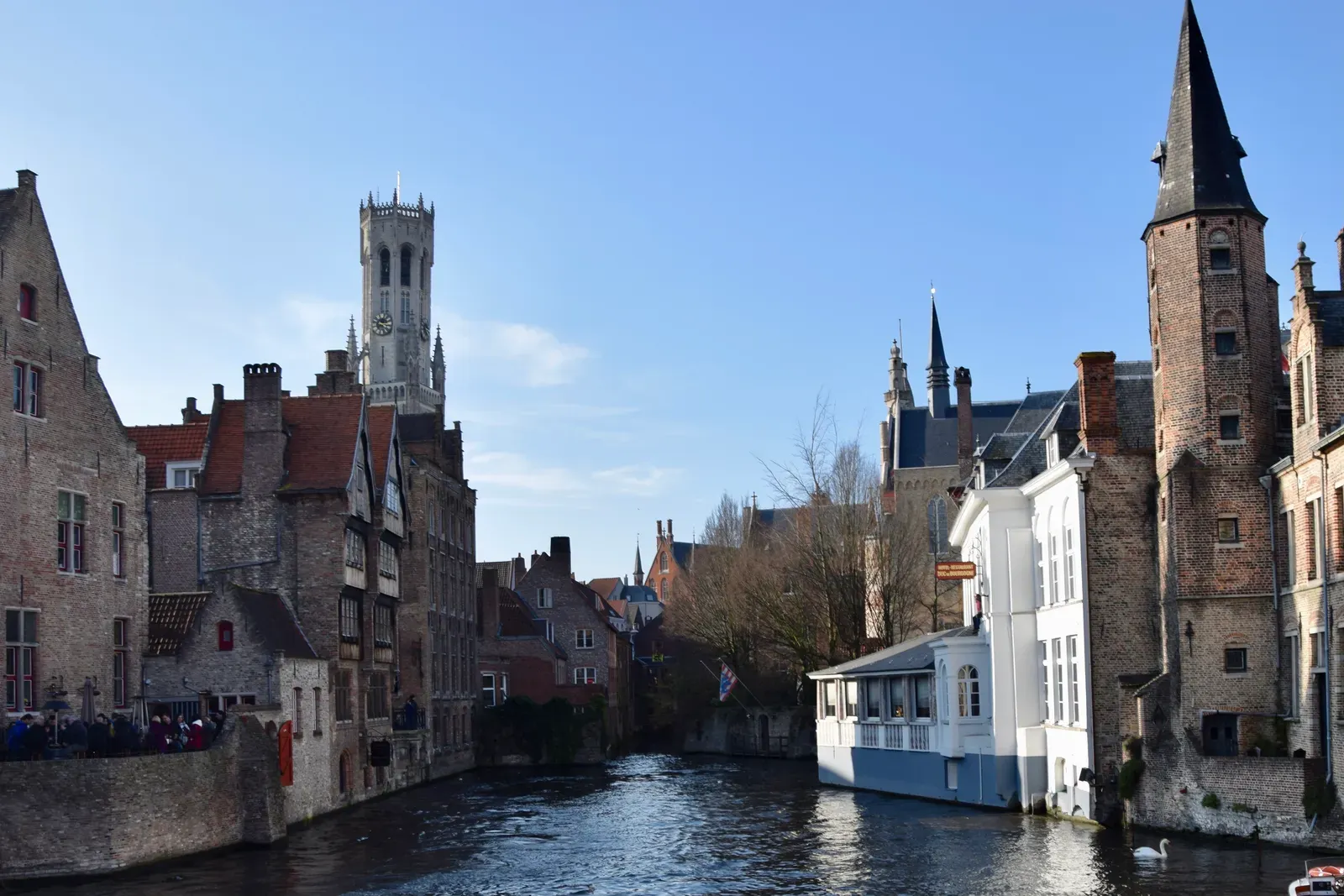
The medieval architecture in Bruges is mostly intact, making it one of the best-preserved medieval towns in Europe. Honestly, when you first glimpse those canals lined with medieval buildings, it’s hard not to gasp. Bruges represents one of the best-preserved examples of a medieval European settlement, first settled by Vikings in the early Middle Ages.
Bruges’ best-known landmark is the Belfry of Bruges, a 13th-century belfry housing a municipal carillon comprising 47 bells. Climb those stairs if you dare, though your legs will remind you about it the next day. The city managed to escape serious damage during both World Wars, which is why the city was spared from major damage, leaving its architectural heritage intact. Sometimes luck is just as important as stone walls.
Český Krumlov, Czech Republic
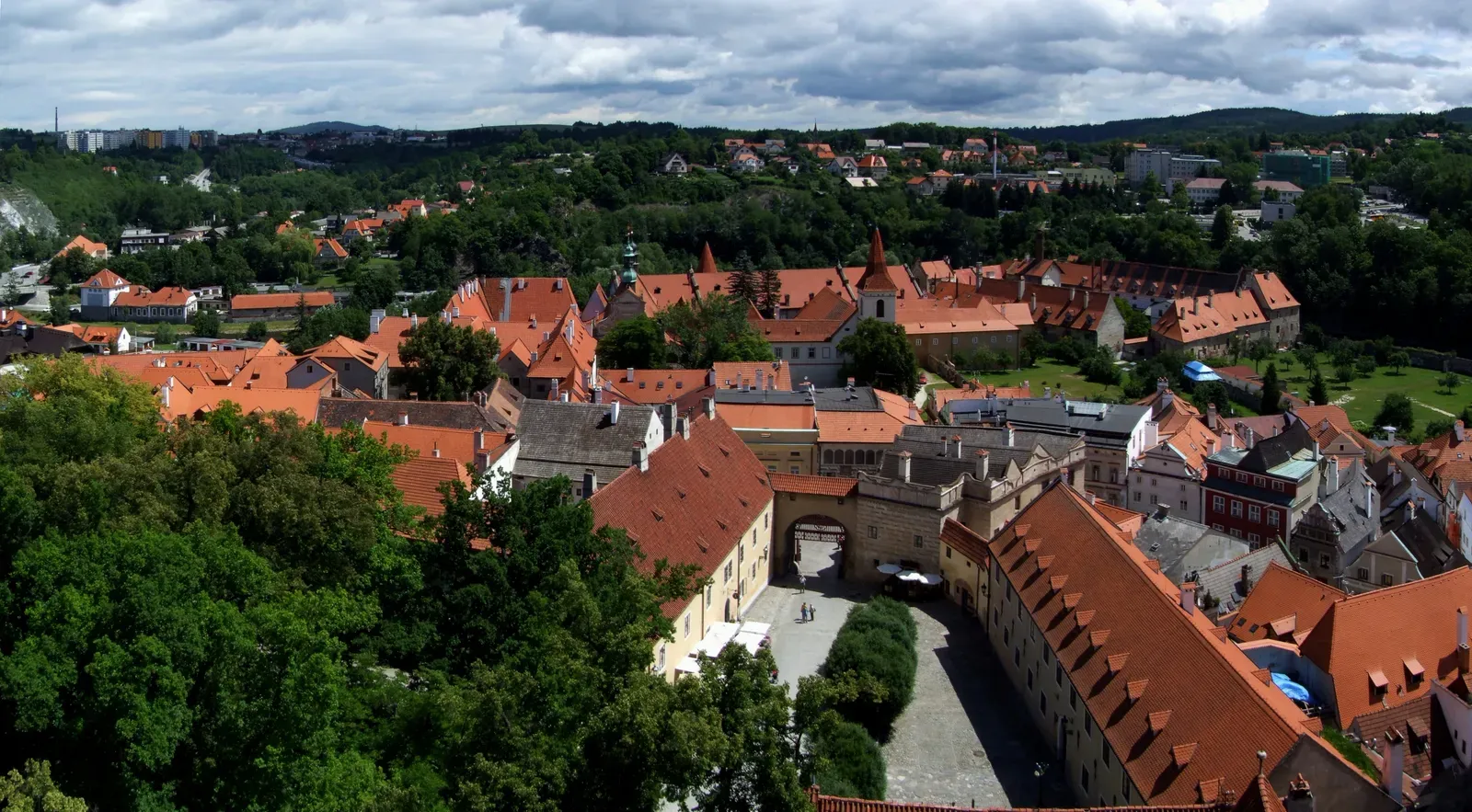
If you close your eyes and imagine a medieval European town, you’re likely visualizing Cesky Krumlov, the crowning jewel of South Bohemia and arguably the Czech Republic. The Vltava River wraps around this town like a protective embrace, and trust me, the view from the castle hill will make your camera work overtime.
The Historic Centre of Český Krumlov is an outstanding example of a small Central European medieval town whose architectural heritage has remained intact thanks to its peaceful evolution over more than several centuries. The town’s theater is one of only two Baroque theaters that survive in good shape and are open to tourists. The Baroque Theater features original stage machinery with wood-and-rope contraptions that still work today. It’s the kind of place where history doesn’t just sit behind glass, it breathes.
Tallinn, Estonia
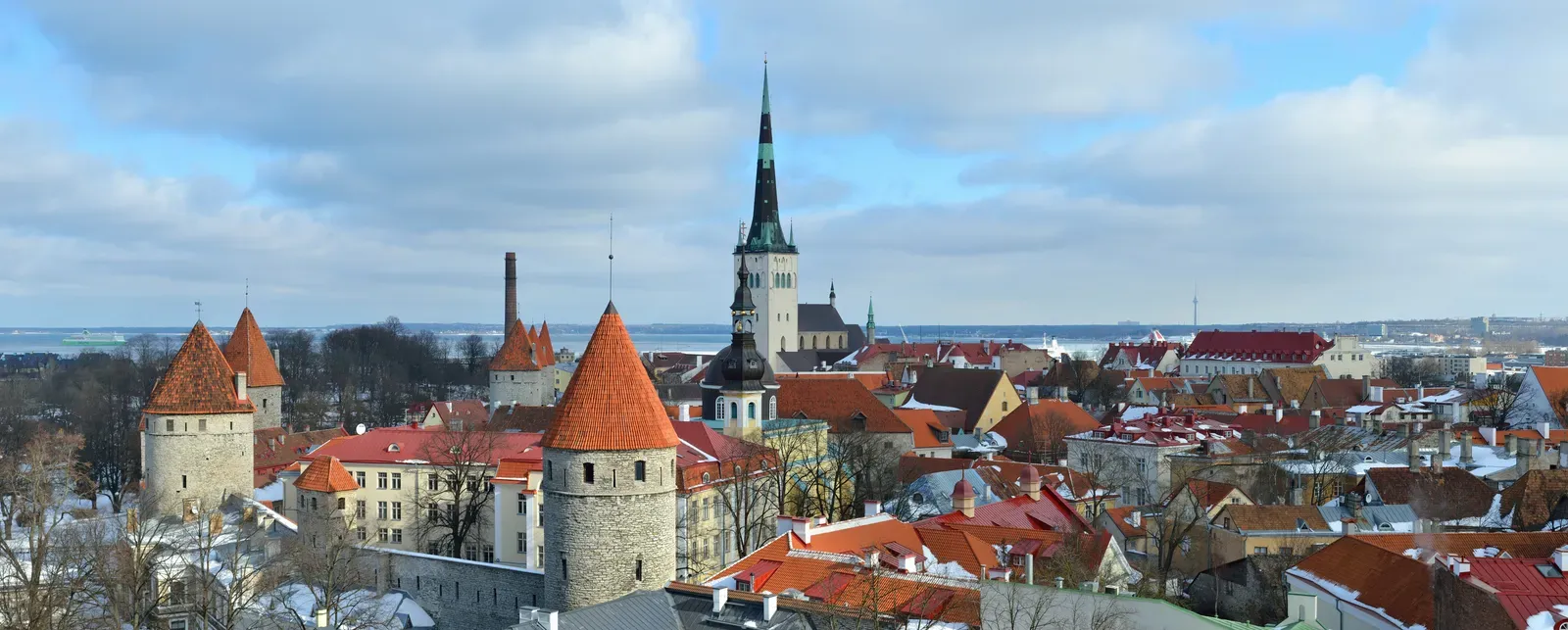
Let’s head north to the Baltic. The Historic Centre of Tallinn is an exceptionally complete and well-preserved medieval northern European trading city on the coast of the Baltic Sea, developing as a significant centre of the Hanseatic League during the 13th-16th centuries. What makes Tallinn special isn’t just its age but how much of it survived.
With almost 2 kilometres of its original city wall and 20 defensive towers still standing, Tallinn City Walls are one of Europe’s best preserved medieval fortifications, giving Tallinn’s Old Town its fairytale-like charm. Those spires rising above the red-tiled roofs create a skyline that photographers dream about. Tallinn bursts with charm like no other European city, filled with historic architecture, sky-scraping church bell towers, and winding cobblestone streets.
Colmar, France
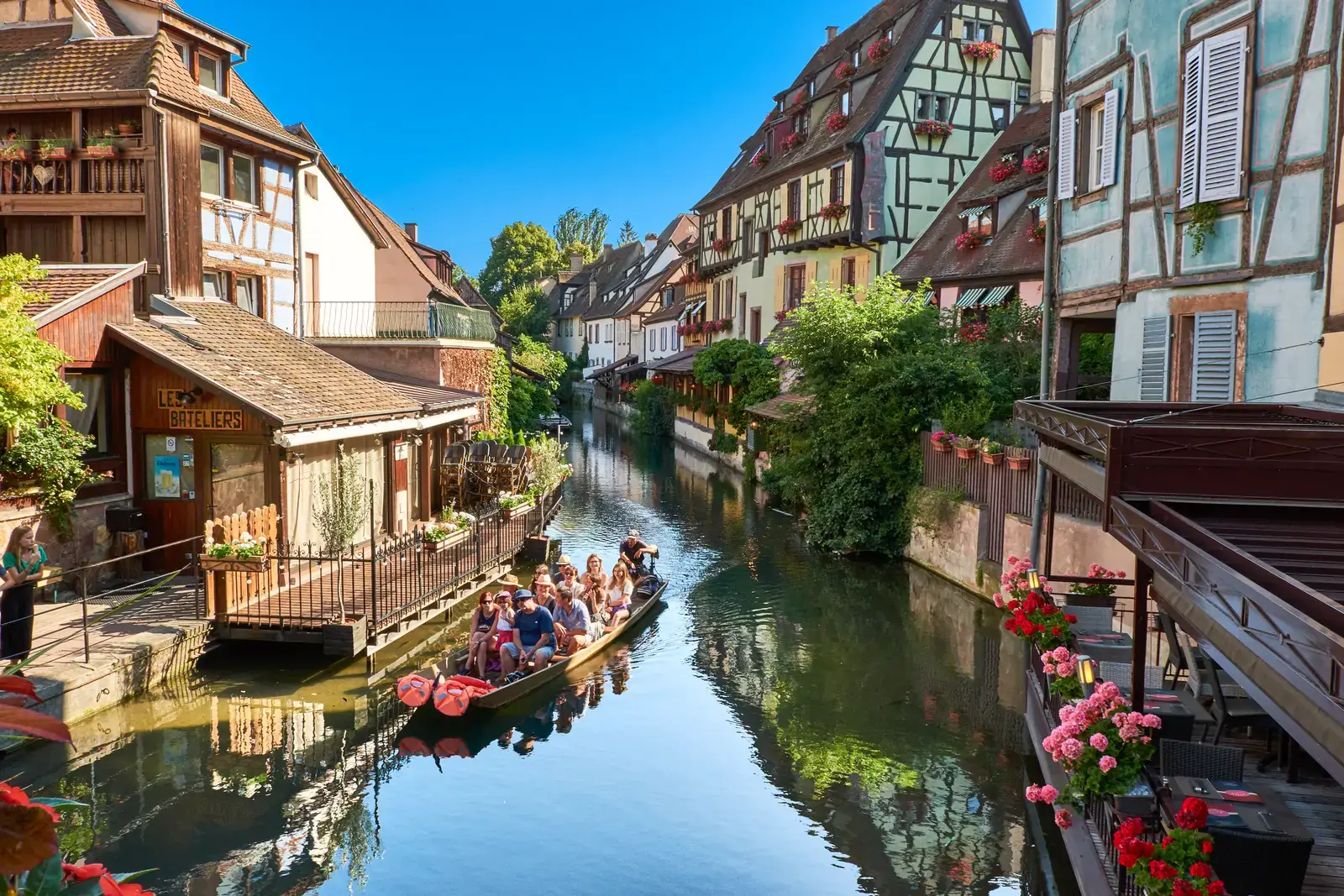
The French town of Colmar dates back to the early 9th century and was granted imperial town status in the 13th century by Frederick II, later occupied by Sweden in the 17th century and by Germany during World War Two. Despite all that upheaval, Colmar managed to keep its soul intact.
Today, Colmar is impeccably preserved, featuring ancient churches, half-timbered houses and glorious fountains. The Little Venice quarter is exactly what it sounds like, canals reflecting colorful medieval houses in a way that makes you want to sit by the water forever. Walking through Colmar feels like wandering through a watercolor painting where someone forgot to add the modern bits.
Carcassonne, France
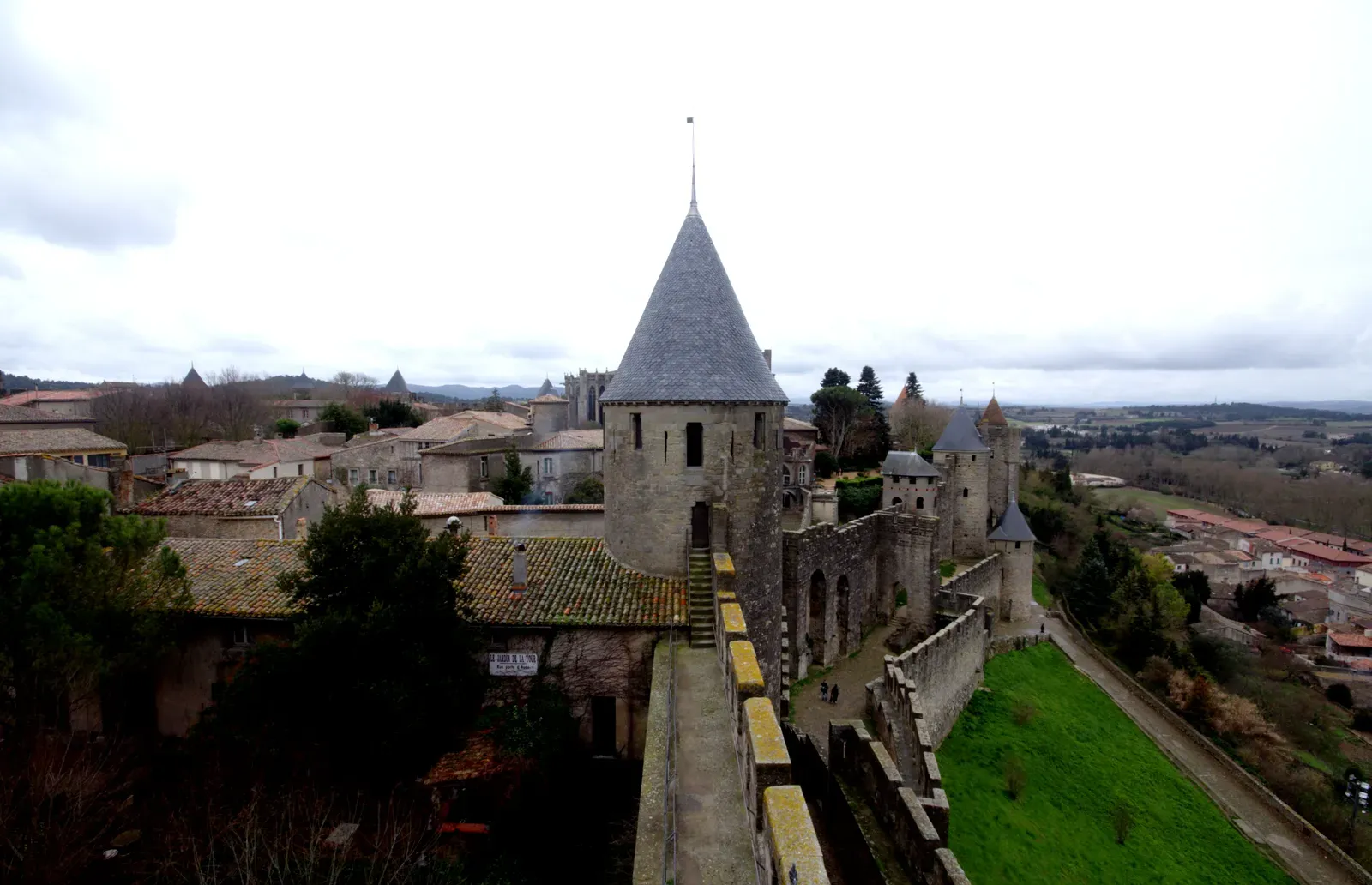
Flush against the banks of the Aude River stands Carcassone, a medieval walled city that’s one of most well-preserved fortifications on the continent, with homes still inhabited and protected by 52 towers and two walls that loop three kilometres around the city. This isn’t a museum piece, people actually live here. Imagine calling a 13th-century fortress home.
Inside these hardy stones stand the Saint Nazaire Basilica, which dates back to 925 and the Count’s Castle complete with moat and barbican. The fortress looks particularly magical at sunset when the golden light hits those ancient stones. Here’s the thing, Carcassonne proves that fairytales can have permanent residents.
Siena, Italy
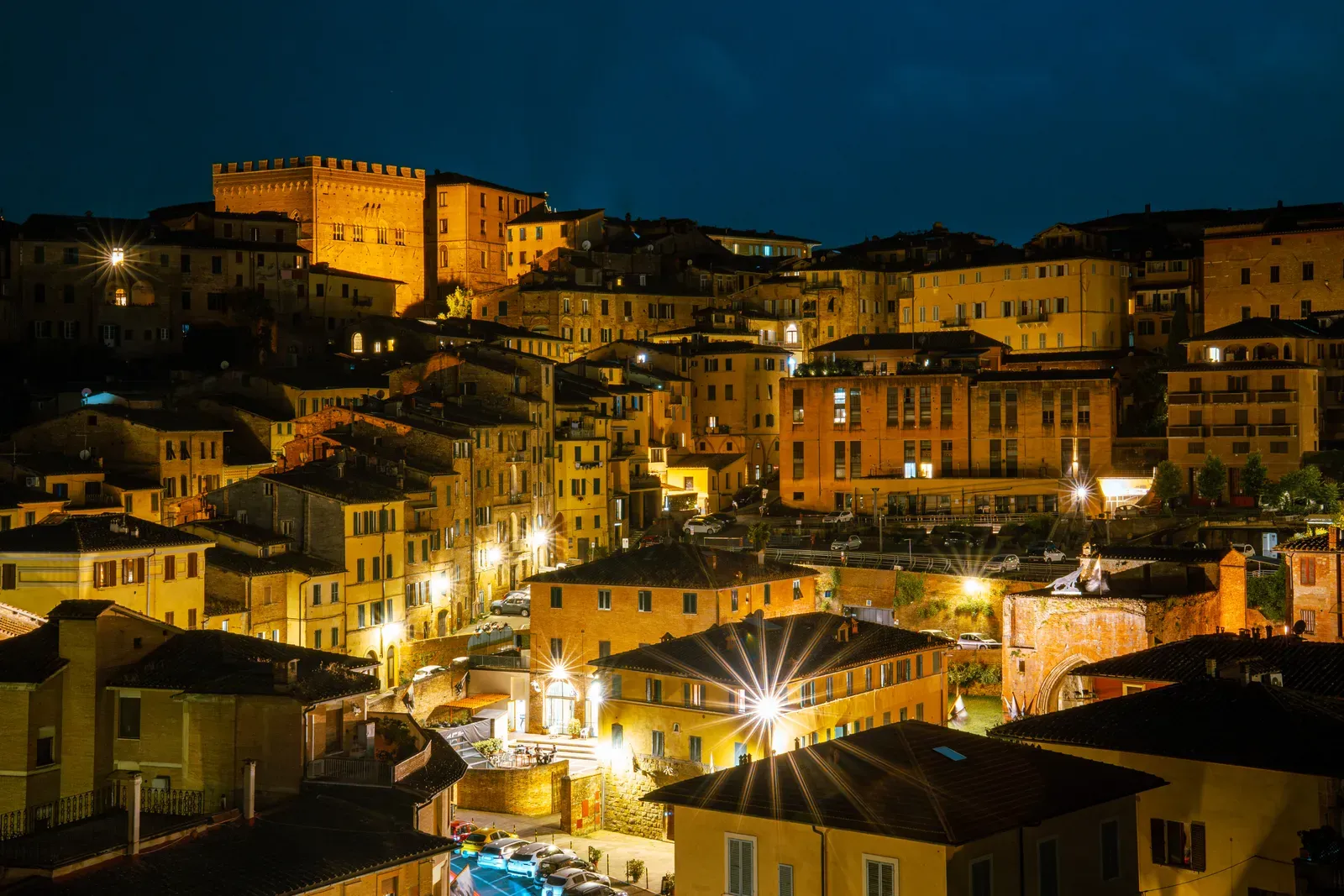
For many people, the magical historic center of Siena is the most beautiful in Italy. That’s saying something in a country overflowing with beautiful historic centers. The famous Piazza del Campo isn’t just a square, it’s a shell-shaped masterpiece where the medieval Palio horse race still thunders twice each summer.
The terracotta buildings seem to glow from within, especially as afternoon turns to evening. Siena’s medieval streets spiral up and down hills in a pattern that makes GPS systems weep, so just embrace getting a little lost. The Gothic cathedral with its striped marble façade stands as a testament to medieval ambition and artistic genius. Walking through Siena, you understand why Renaissance artists fought to work here.
Hallstatt, Austria
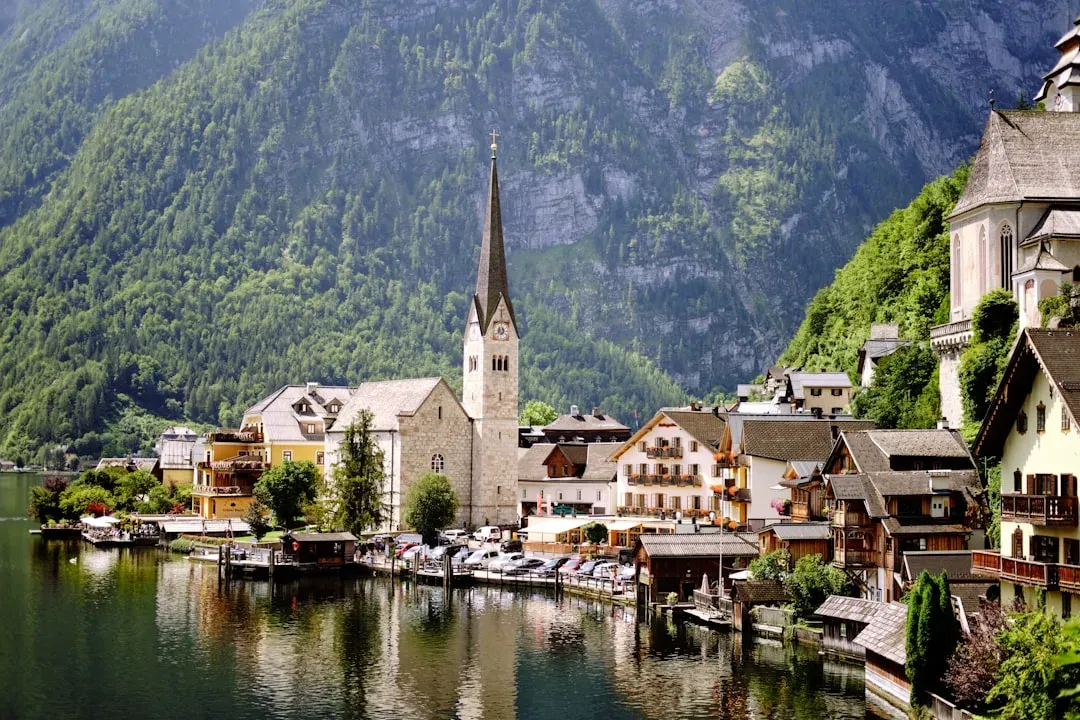
For a true fairytale experience, visit this lakeside town in the middle of winter when snow coats the angled roofs of every building, though less than a thousand people live in this alpine village that’s so popular a replica was built in China. That’s right, China loved Hallstatt so much they copied it. I’m not sure whether that’s flattering or slightly creepy.
The town clings to a narrow strip of land between steep mountains and a gorgeous lake. A devastating fire in the mid-1700s destroyed many of the medieval buildings in Hallstatt, but the town has retained its natural beauty. The reflection of colorful houses in the still lake water creates one of Europe’s most photographed scenes. Getting there by boat only adds to the dreamlike quality.
Ávila, Spain
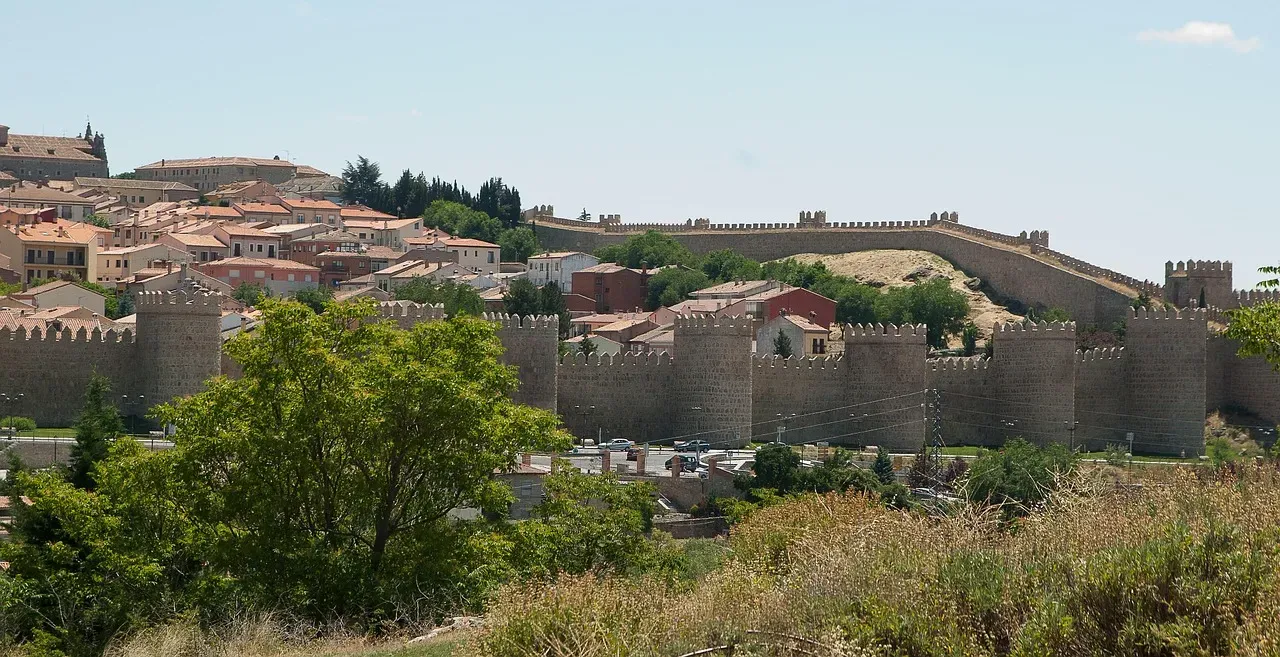
The Walls of Ávila were originally completed between the 11th and 14th centuries to keep people out. Now tourists walk along the very ramparts designed to repel invaders. The irony is delicious. These walls form the most complete medieval fortification in Spain, encircling the entire old town in a stony embrace.
Ávila sits on a rocky outcrop in the Castilian plateau, and the cathedral is actually built into the city walls themselves, serving double duty as both house of worship and defensive tower. Winter here can be harsh, but summer evenings are perfect for strolling those ancient ramparts as the setting sun paints the stones amber. Saint Teresa of Ávila was born here, and you can still feel that mystical medieval atmosphere in the narrow streets.
Ghent, Belgium
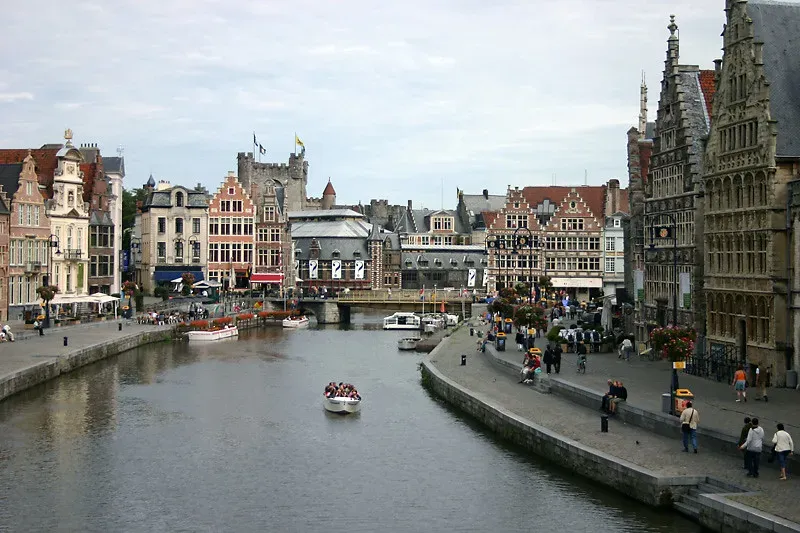
Ghent is such an amazing medieval town filled with structures you can’t imagine and many wondrous churches, with the most picturesque sights. Ghent used to be an incredibly important city in Europe, but now is rather overlooked, which makes for fewer crowds. Honestly, Ghent being overlooked is everyone else’s loss and your gain.
The medieval port area along the Graslei and Korenlei is where wealthy merchant guilds built their headquarters, each trying to outdo the others in architectural splendor. The result is a waterfront that looks like a greatest hits collection of medieval and Renaissance architecture. Gravensteen Castle sits right in the city center, a genuine medieval fortress complete with torture museum for those with strong stomachs. The best part? You can enjoy all this without fighting through the tourist hordes that descend on Bruges.
Conclusion
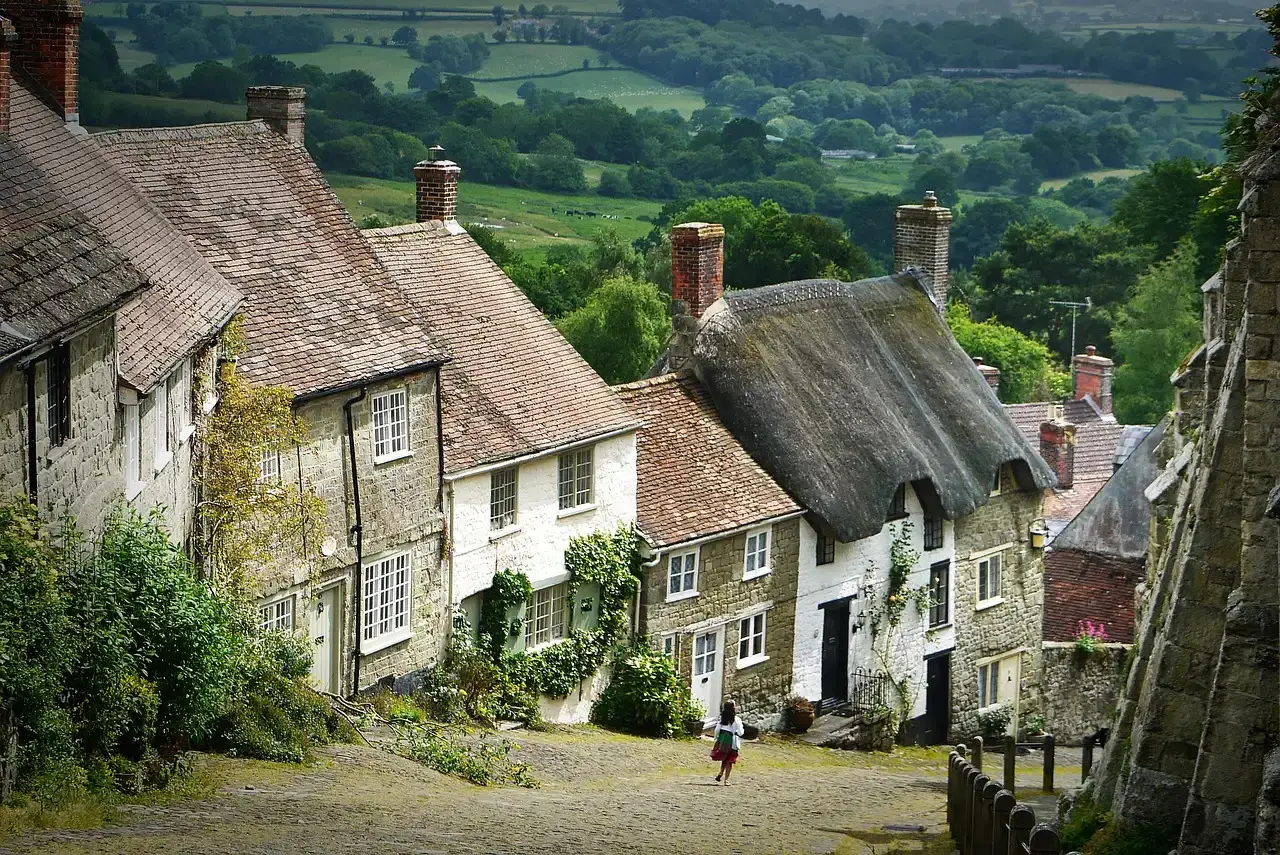
These medieval towns aren’t frozen in amber, they’re living, breathing places where history and modern life coexist in ways that feel almost magical. From Germany’s perfectly preserved Rothenburg to Estonia’s Baltic jewel Tallinn, each town offers its own unique doorway into the past. The cobblestones have been worn smooth by centuries of footsteps, and the walls have weathered storms that would have demolished lesser constructions.
What strikes me most about these places is how they make you reconsider what “old” really means. We’re so used to tearing down and rebuilding that encountering structures from the 13th or 14th century that still stand strong feels almost revolutionary. These towns survived because people valued them enough to maintain them, generation after generation. They’re proof that beauty and utility can last far longer than we typically imagine. Which of these fairytale towns would you visit first? Let us know in the comments.
