

Have you ever wondered what it takes to reign at the very top of the food chain? Picture yourself face to face with creatures so perfectly evolved for hunting that they’ve survived millions of years virtually unchanged. These aren’t just dangerous animals. They’re nature’s elite assassins, each wielding their own arsenal of deadly adaptations. From the icy Arctic to tropical jungles, from ocean depths to mountain peaks, you’re about to discover that’ll make you question everything you thought you knew about survival.
Let’s be real, when most people think about fierce , they picture lions or sharks. Those are impressive, sure. Yet some of the most formidable hunters operate in ways that’ll genuinely surprise you. We’re talking about animals that have mastered the art of killing with such precision that their very presence reshapes entire ecosystems. So let’s dive in and explore these remarkable creatures that command both fear and respect.
The Orca: Ocean’s Supreme Strategist
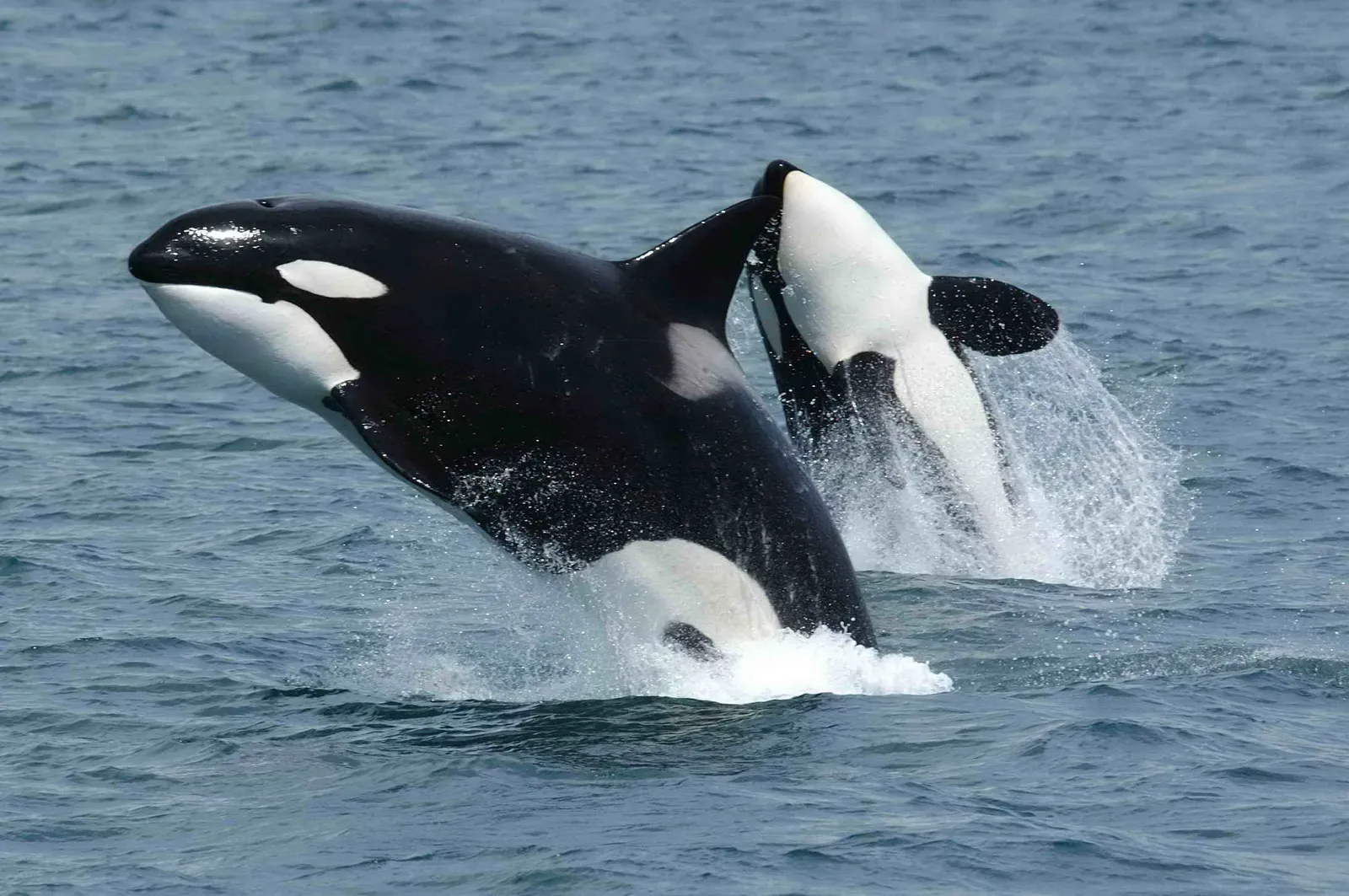
You’re looking at marine intelligence at its peak when you witness orcas using sophisticated strategies, including coordinated pod attacks and innovative techniques like intentionally beaching themselves to catch seals. These massive cetaceans aren’t just brutally efficient killers. They’re problem solvers that adapt their hunting methods based on what’s on the menu.
What makes them truly terrifying is their use of echolocation to pinpoint prey locations even in total darkness, and when they find a group of prey, they work together to trap them, with some whales diving below to block escape routes into deep canyons. Orcas are even the only natural predators of great white sharks. Think about that for a second. They’re the fastest sea creatures in the world, sailing at around 30 miles per hour. Their combination of speed, intelligence, and teamwork makes them utterly unstoppable in their domain.
The African Lion: Cooperative Killer of the Savanna
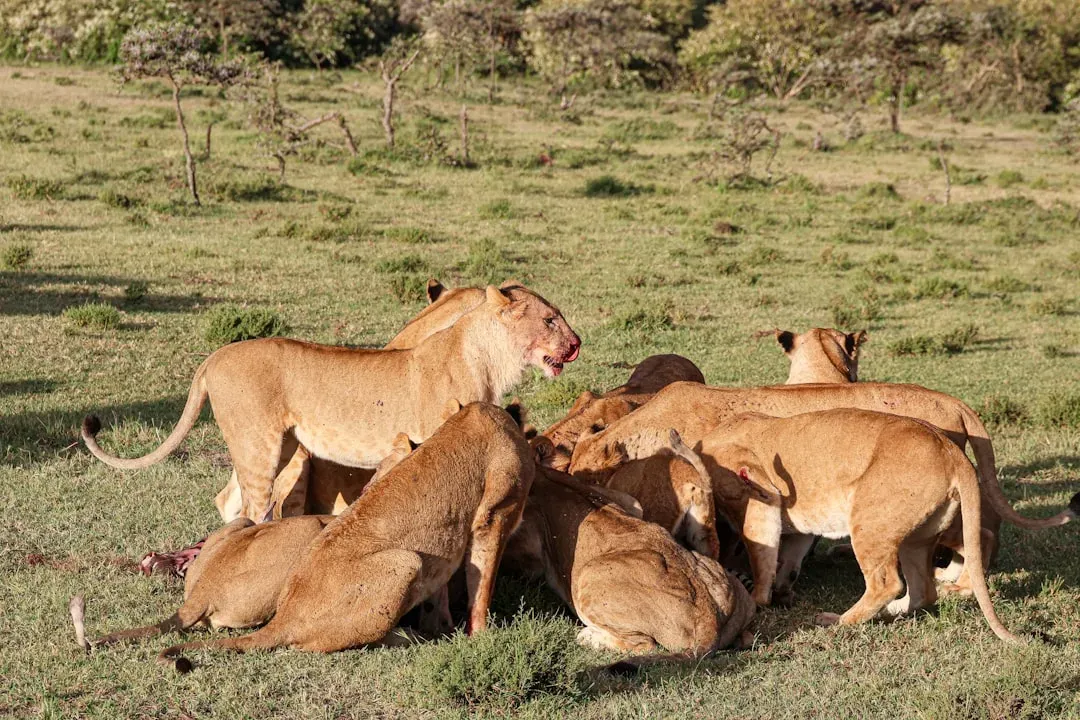
African lions earn their reputation through exceptional cooperative hunting strategies within pride structures, coordinating complex ambush tactics to bring down large prey like buffalo, zebras, and wildebeest. You might think hunting is all about individual prowess, but lions prove that teamwork can be deadlier than any solo effort. Female lions do most of the hunting, fanning out to encircle prey before driving them toward waiting ambushers.
The lion is an obligate carnivore, meaning it relies entirely on flesh from animal tissues for its nutritional needs and must eat meat to survive. Their powerful jaws and massive shoulder strength make them capable of taking down prey many times their own weight. Lions are remarkably opportunistic hunters, killing whatever crosses their path, and in many areas have adapted to hunting particular prey species where their success rate is notably higher. It’s this adaptability combined with social structure that keeps them firmly planted at the top of their food chain.
The Saltwater Crocodile: Ancient Ambush Expert
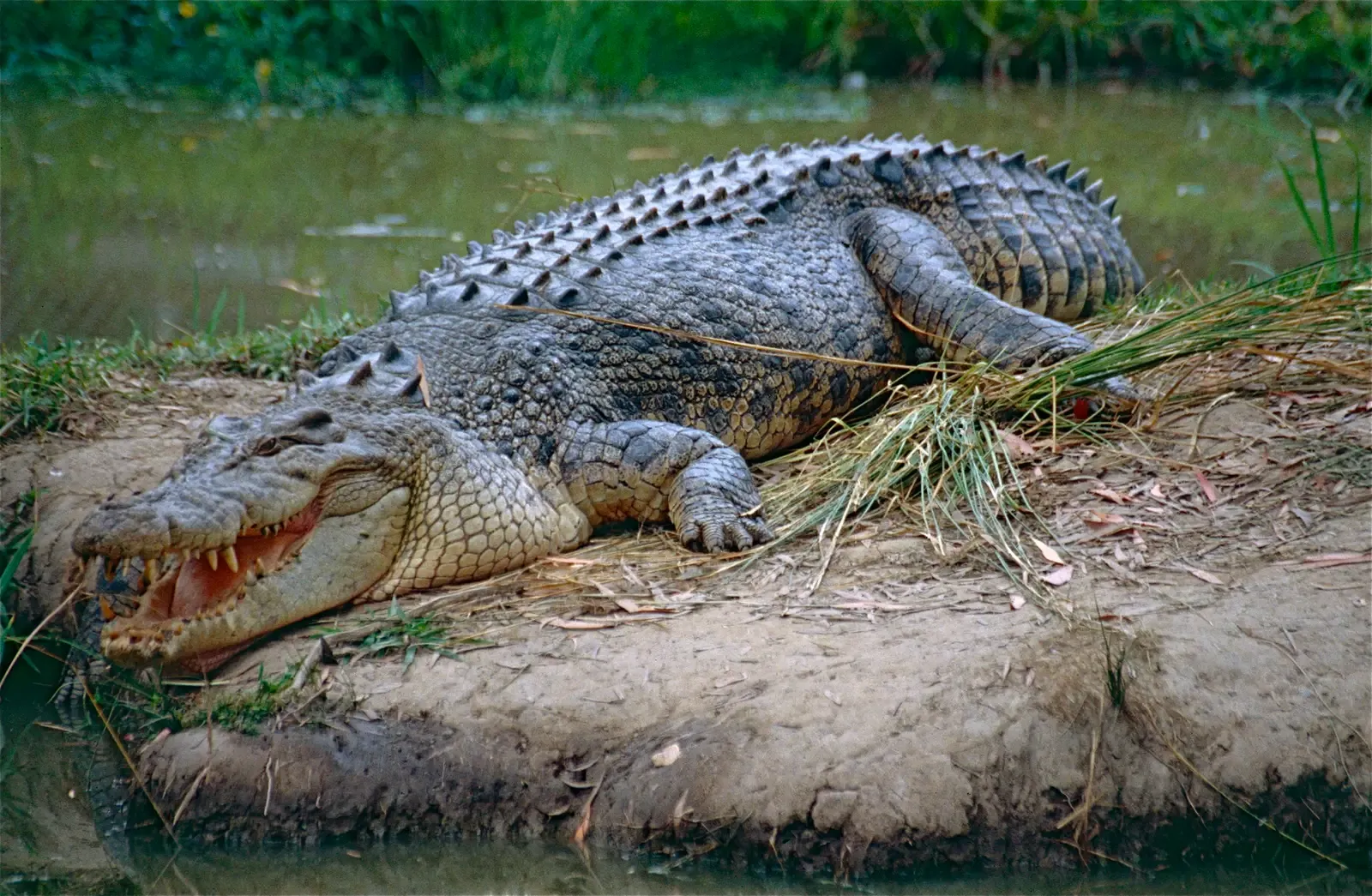
Here’s where things get properly terrifying. The saltwater crocodile is the largest living reptile, with the biggest confirmed individuals reaching almost 7 meters in length and weighing over 2 tons, possessing a bite force ten times stronger than a great white shark. Honestly, these prehistoric monsters haven’t needed to evolve much because they got it right the first time.
In water they can reach speeds of 27 kilometers per hour, and unlike many predators that avoid people, saltwater crocodiles see humans as prey, with records of killing everything from sharks to water buffalo and even elephants. They’re the ultimate lurkers, remaining perfectly still beneath the water’s surface before exploding into action with startling speed. Crocodiles lurk beneath the water’s surface to go undetected, moving very minimally and stealthily so they can sneak up on their victim. You won’t see them coming, which is precisely what makes them so formidable.
The Tiger: Solitary Powerhouse
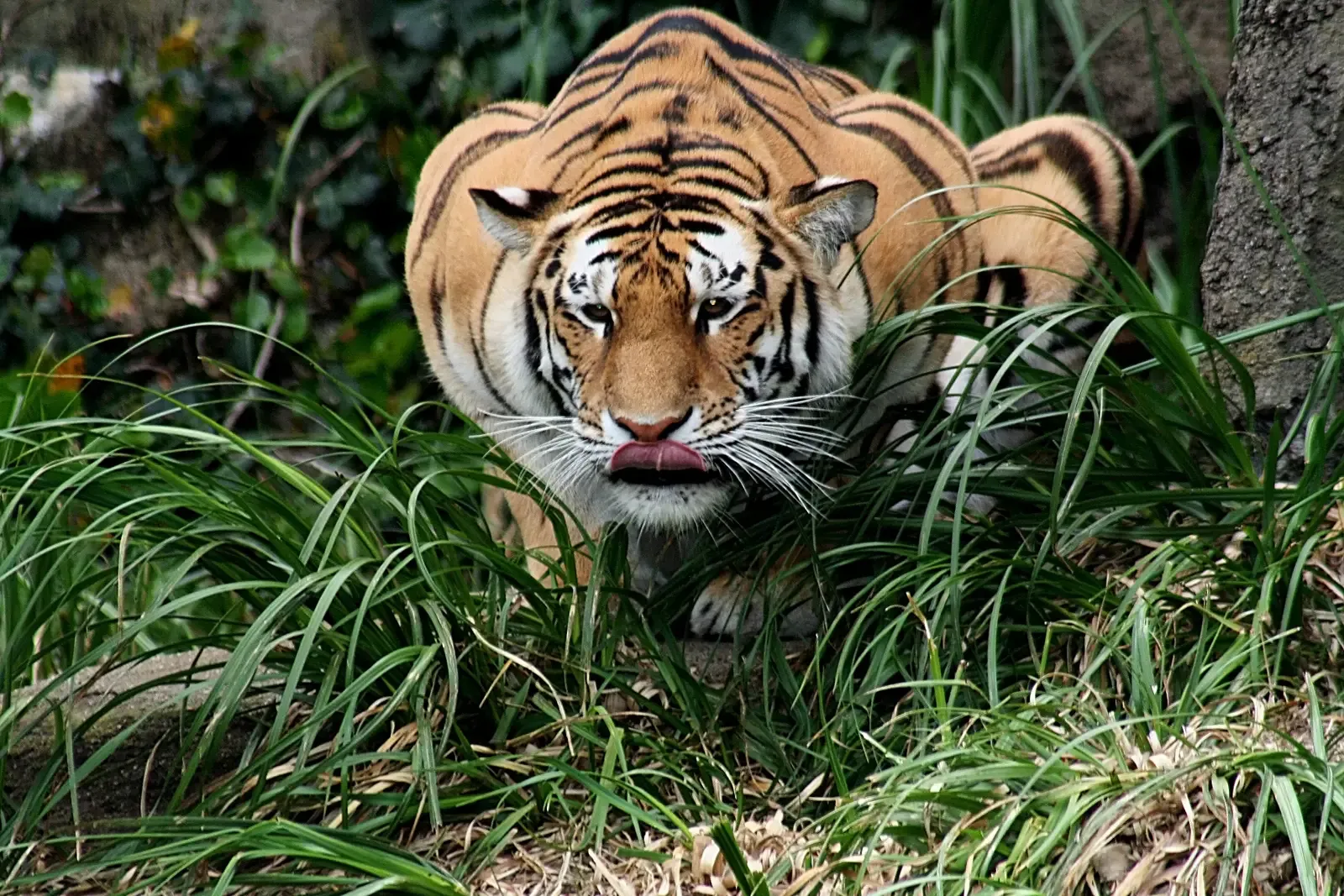
Tigers are solitary hunters built for silent, lethal ambushes in dense forests and swampy terrain, with massive paws and incredible shoulder power that allows them to drag prey twice their size and pin down animals as large as bears. Let that sink in for a moment. They are the only apex predator known to hunt adult bears.
Though symbols of raw power, tigers are also masters of camouflage and adapt swiftly to changing environments, acting as ecosystem guardians that regulate prey populations and help maintain ecological balance across Asia. Tigers even have striped skin, not just fur, for ultimate camouflage. Their combination of stealth, power, and adaptability makes them one of the most complete predators on the planet. Trail cameras have captured their strength in action, showing enormous leaps and explosive lunges that showcase why few predators dare challenge them.
The Polar Bear: Arctic’s Massive Hunter
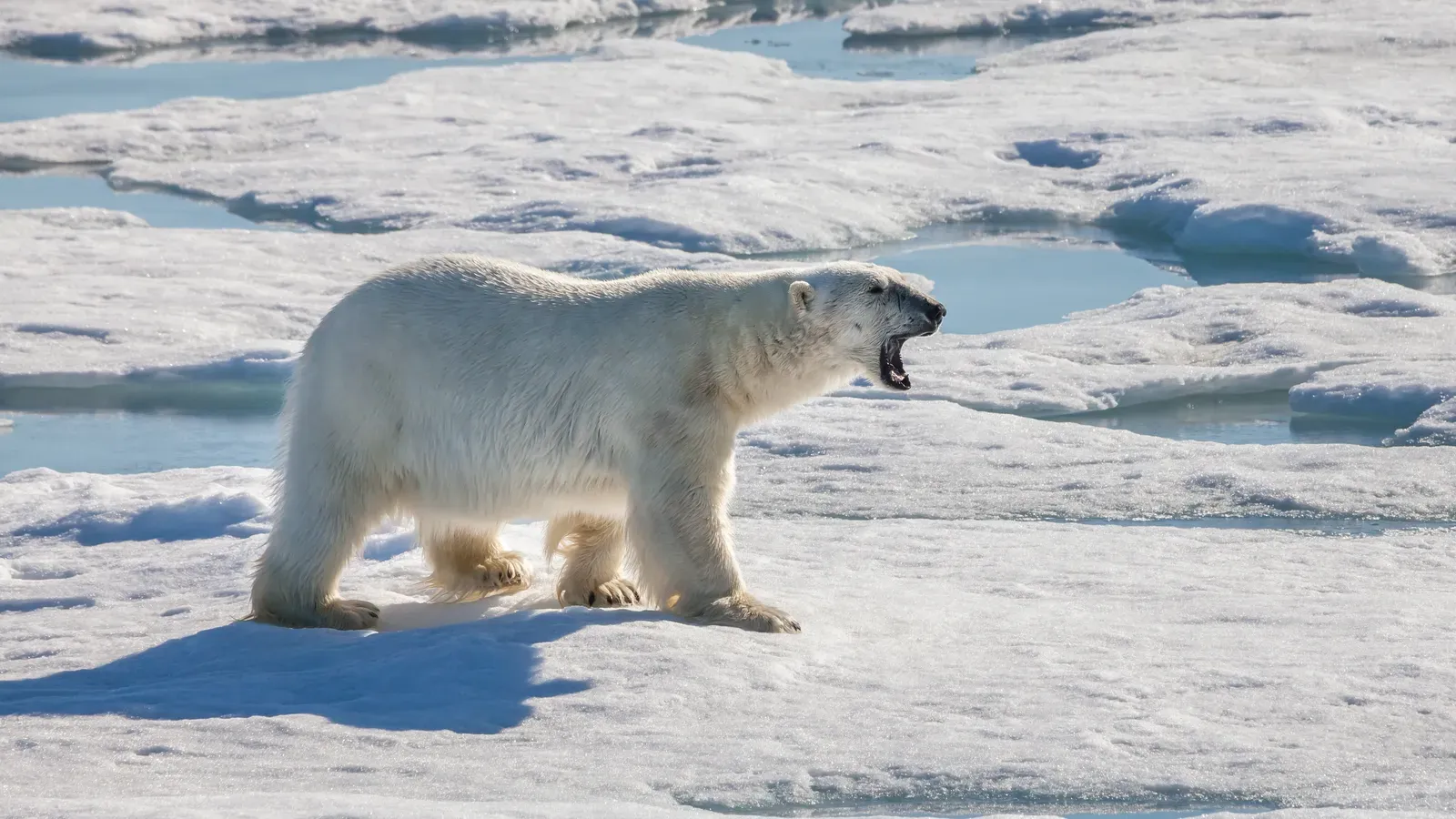
The largest bear species and apex predator in the world, the polar bear can grow to 10 feet in length and weigh up to 1,500 pounds, living in the arctic regions of Norway, Greenland, Canada, Alaska, and Russia. You’re looking at pure carnivorous dominance wrapped in a thick white coat. These bears are built for one of Earth’s harshest environments.
Adult male polar bears are huge carnivores weighing an average of 700 kilograms and standing around 3 meters tall on their hind legs, with their size alone making them fearsome apex predators with no natural enemies other than humans, spending most of their life on sea ice hunting seals. Adapted to survive in freezing temperatures, they depend on sea ice to hunt their favorite prey, seals, with exceptional swimming abilities and an acute sense of smell. It’s hard to say for sure, but their sheer size and power in such an unforgiving environment make them truly remarkable survivors.
The Great White Shark: Ocean’s Precision Predator
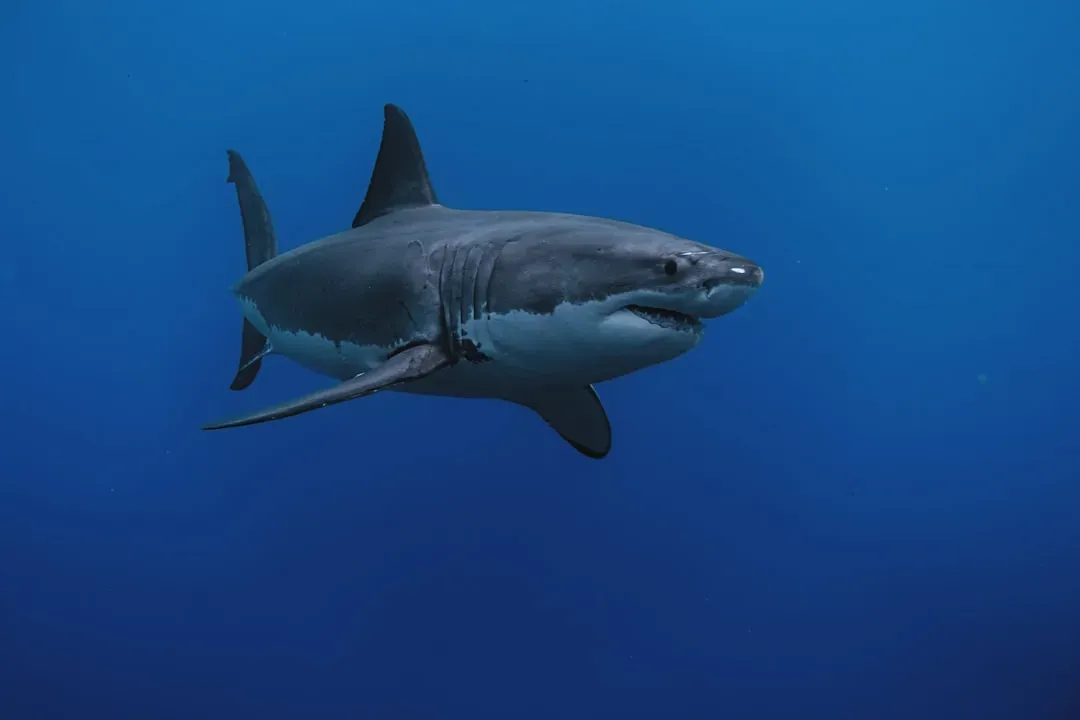
The great white shark reigns supreme in the aquatic world, known for their size, speed, and stealth, with rows of serrated teeth and an acute sense of smell that can detect blood from miles away. You’ve probably seen the movies, but the reality is even more impressive than Hollywood’s version. These fish are evolutionary masterpieces.
Great whites predominantly prey on marine mammals such as seals, using precision attacks to stunning effect, and their ability to breach the water surface in pursuit of prey demonstrates both their power and predatory prowess. What’s fascinating is how they combine raw power with calculated strategy. They often attack from below, using the sun’s position to mask their approach. Their hunting success comes from millions of years of refinement, making them one of the ocean’s most efficient killing machines.
The Gray Wolf: Pack Hunting Perfection
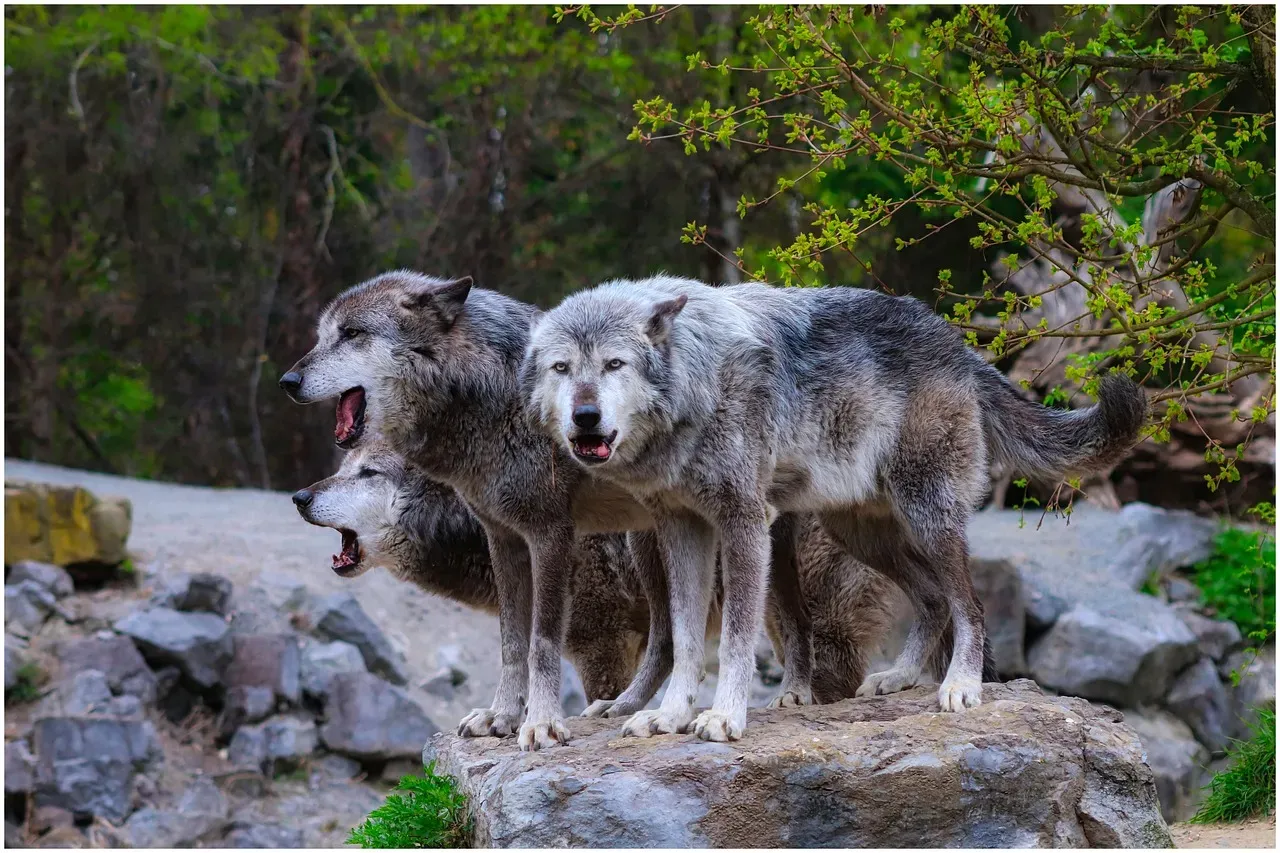
The gray wolf is a highly adaptable predator found in diverse habitats across the Northern Hemisphere, living in social packs as skilled hunters capable of taking down large herbivores including elk, moose, and musk oxen, with their cooperative nature and well-coordinated tactics making them formidable apex predators. Unlike most predators on this list, wolves prove that intelligence and teamwork can overcome physical limitations.
Wolves coordinate their attacks to strategically surround and overwhelm their prey. Most of the world’s top predators are strict loners, but gray wolves run in a pack for a reason – their coordinated efforts make them one of the most successful and deadly animals. Wolves limit the number of deer and elk in an area by hunting them, and may also disrupt activities of other animals by their presence, triggering avoidance behaviors in smaller predators and prey animals. Their impact extends far beyond just killing prey, essentially sculpting the entire ecosystem around them.
The Leopard: Master of Stealth
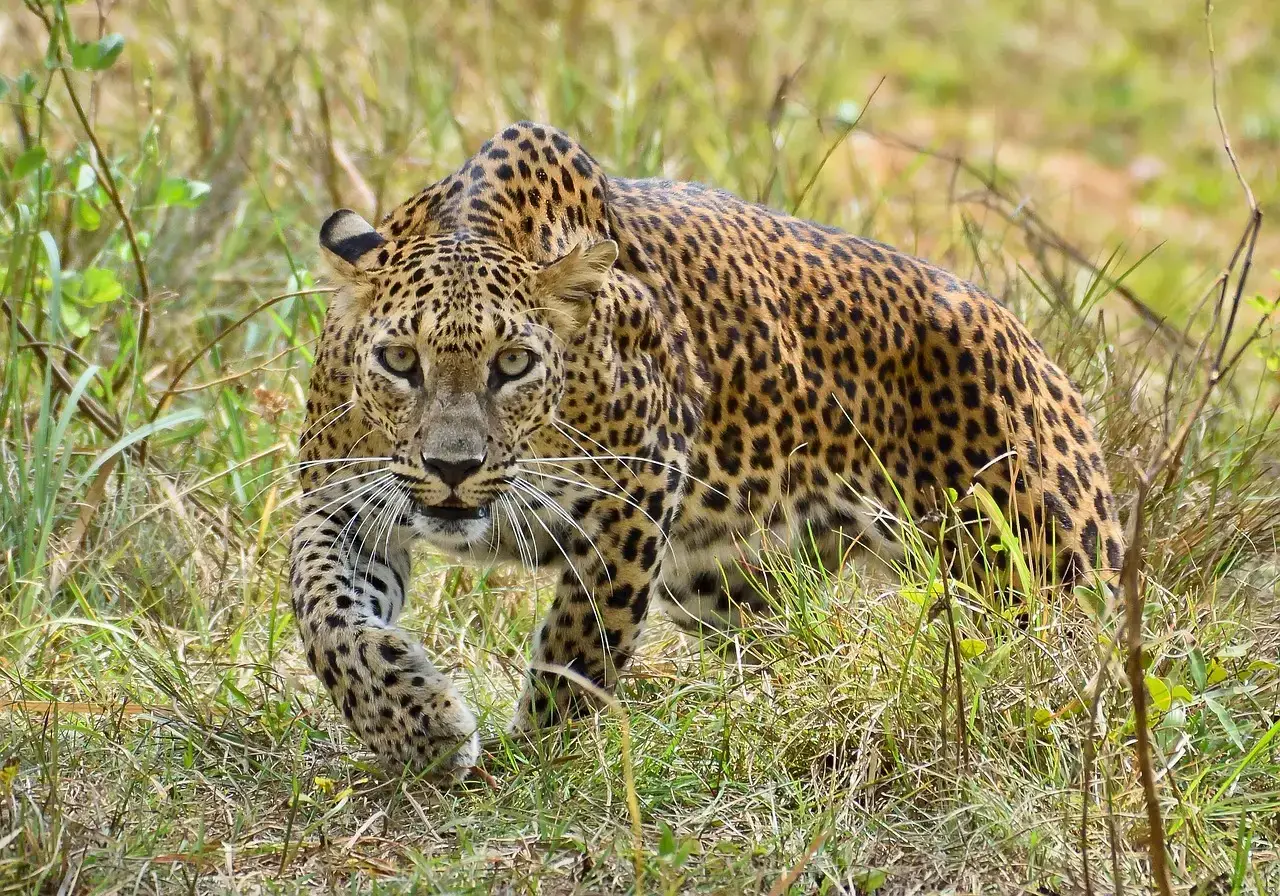
Leopards are masters of stealth, using their spotted coats to camouflage into the dappled light of desert, grassy, and rocky landscapes, allowing them to silently watch their prey and get very close without being detected. You could be standing mere feet from a leopard and never know it. That’s not just impressive, it’s downright eerie.
Leopards use a combination of stealth and patience when hunting, moving in as close as possible to prey before attempting a charge or lying in wait, and the power of the leopard enables it to pull carcasses into trees away from other predators such as lions and hyenas that steal kills. This tree-climbing ability is crucial for survival. They move in as close as possible to prey before attempting a charge or lie in wait for prey to come within range, with their power enabling them to pull carcasses into trees. This combination of patience, stealth, and raw strength makes them incredibly versatile hunters.
The Komodo Dragon: Venomous Giant Lizard
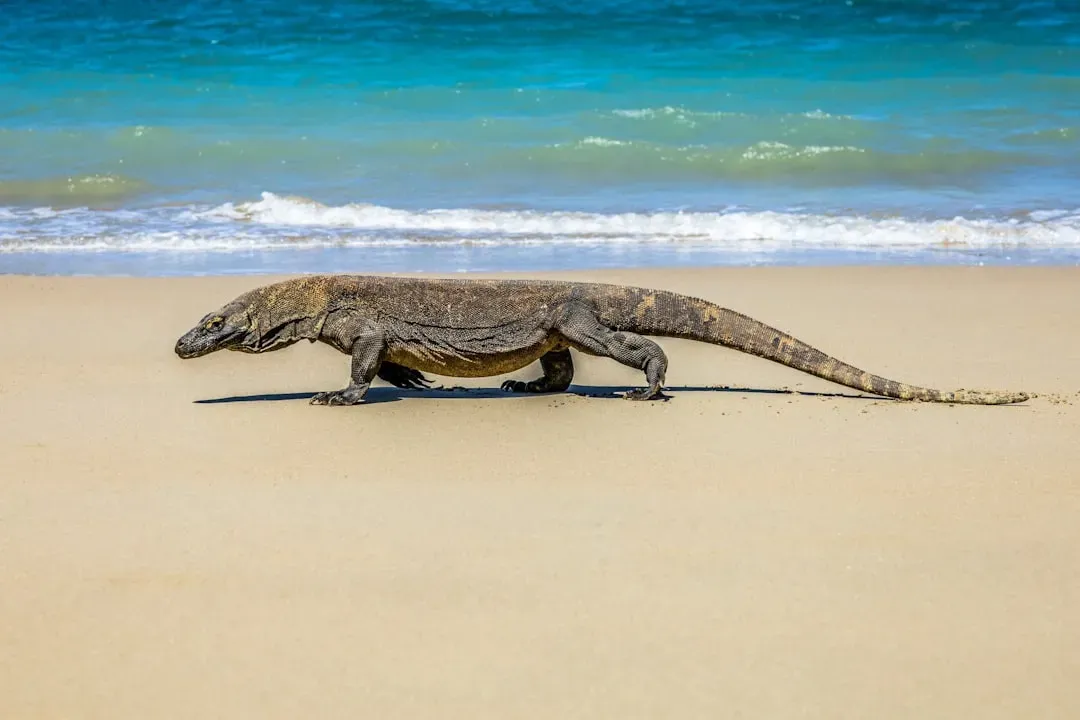
The Komodo dragon is the largest of all lizards, a mighty reptile that weighs up to 300 pounds and can reach more than 10 feet long, with multiple predatory advantages including speed, strength, tenacity to bring down prey twice its size, and a toxic bite. These aren’t your garden variety lizards. They’re relentless prehistoric predators that dominate their island homes.
Komodo dragons boast a powerful, venomous bite enabling them to take down larger prey such as deer and water buffalo, using stealth and patience by often lying in wait for hours before executing a quick strike, with prey succumbing to both physical injuries and infections. They are fast runners and exceptional swimmers, making them a deadly triple threat, and once they’ve nabbed their prey, Komodos can devour up to half their own body weight in a single meal. That’s genuinely impressive for a reptile, showcasing why they’ve survived so successfully on their isolated islands.
The Snow Leopard: High-Altitude Phantom
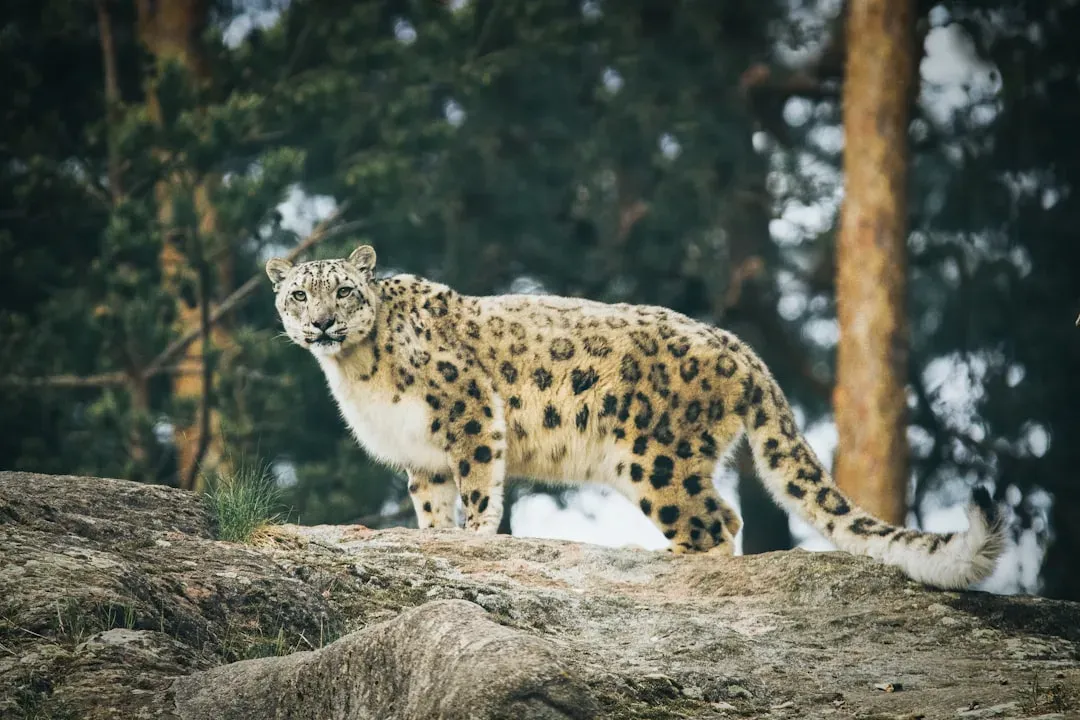
The snow leopard earns its title as the phantom of the Himalayas thanks to its beautiful patterned coat that lets it vanish into snow-covered cliffs with expert stealth, adapted for high altitudes with fur-lined paws and long balancing tails to navigate steep, rocky terrain. You’re witnessing one of evolution’s most elegant solutions to extreme environments. These cats operate where oxygen is thin and temperatures plummet.
With strong claws and a crushing bite, snow leopards take down large prey like blue sheep and ibex, with leaps reaching 10 feet into the air or spanning 50 feet across gaps. Think about those numbers for a second. Surviving in low-oxygen, freezing conditions where few others can, snow leopards help stabilize mountain ecosystems by managing prey populations. Their plush, multi-layered coat doesn’t just provide warmth but also glistens beautifully in sunlight, making them as stunning as they are deadly.
The Harpy Eagle: Sky’s Mightiest Raptor
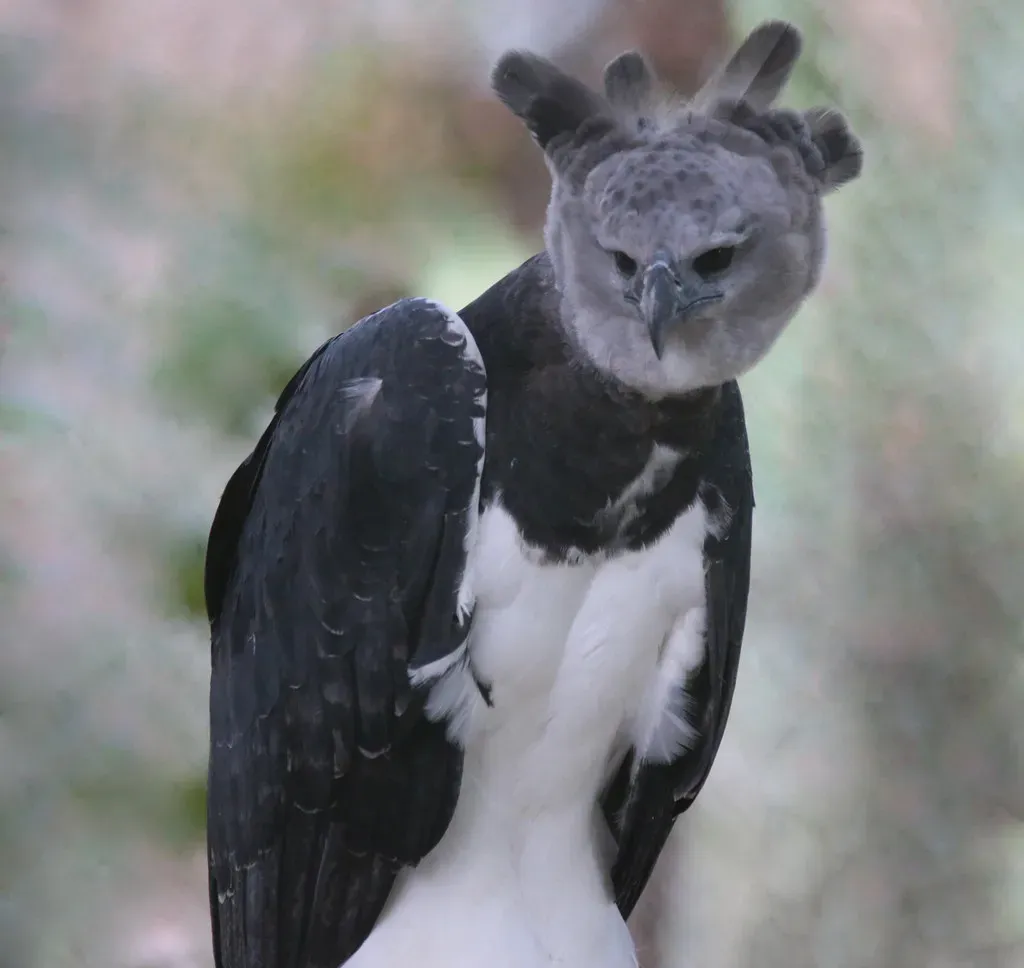
The magnificent harpy eagles of Central and South America are legendary for being the most powerful eagles in the world, with a female’s very long, sharp black talons bigger than brown bear claws that can pierce muscle and break a man’s arm. When you think about aerial predators, this is the pinnacle. These eagles dominate the rainforest canopy with unmatched power.
Harpy eagles dominate neotropical rainforest canopies as one of the most powerful flying apex predators, with incredible talons stronger than grizzly bear claws that allow them to snatch sloths and monkeys from treetops with devastating efficiency. They can strike their victims with clenched talons, casually crush a monkey’s skull in their claws, and tear large fish apart in seconds. Their combination of size, power, and precision makes them virtually untouchable in their treetop domain.
The Golden Eagle: Versatile Mountain Hunter
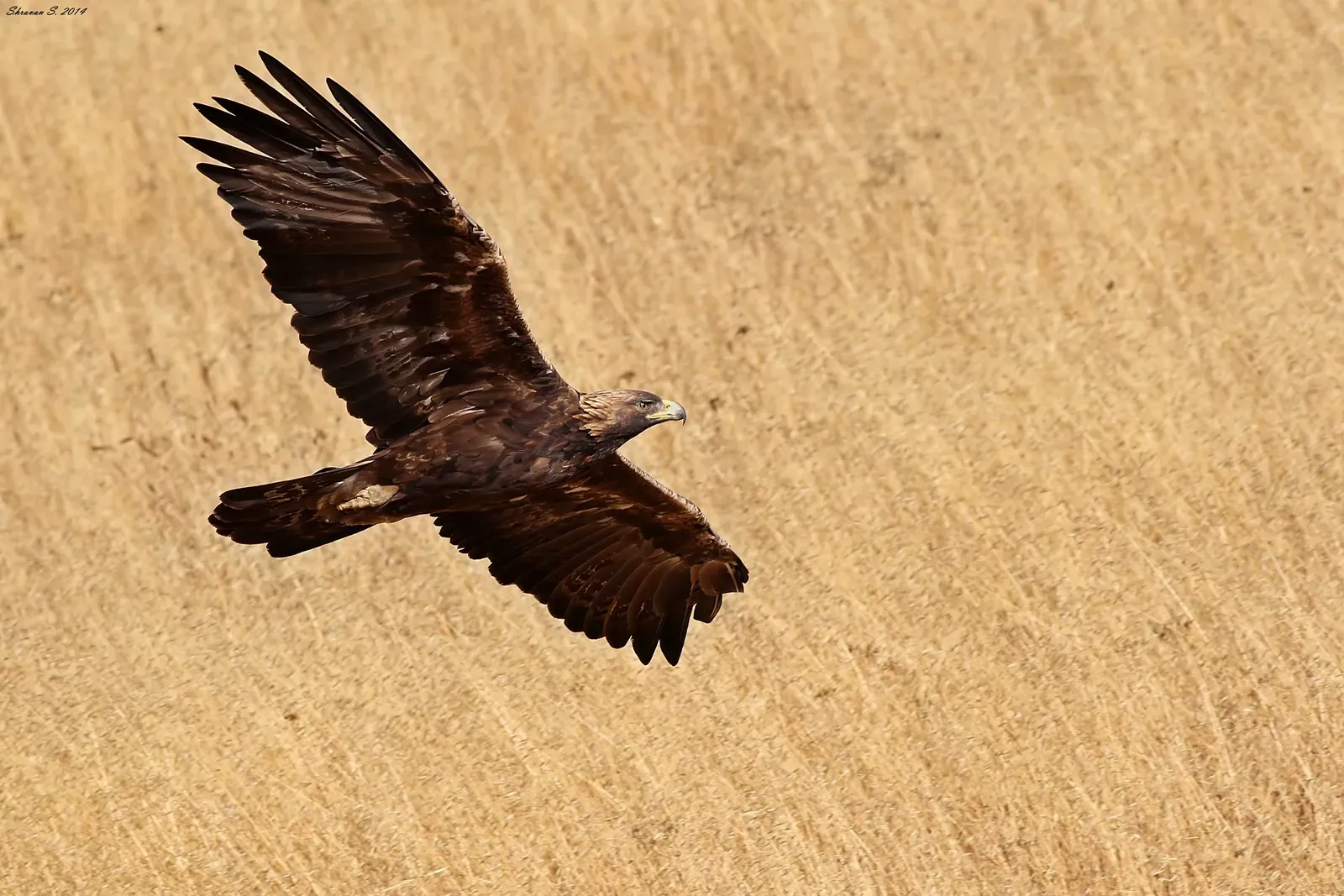
Golden eagles inhabit mountainous grasslands, heaths, and steppes across the northern hemisphere from Asia to North America and north Africa, making them the most widely distributed eagle species, with females having up to a 230-centimeter wingspan, weighing about 5 kilograms. These raptors are incredibly adaptable, thriving in diverse environments across multiple continents.
Golden eagles are known to predate medium-sized birds such as geese and pheasants, with their speed, agility, powerful feet, and huge curved beak helping them make short work of dispatching prey. The golden eagle can swoop down from the sky, pick up animals as heavy as 260 pounds mid-flight, and throw them off the side of a mountain. I know it sounds crazy, but that’s precisely the kind of devastating hunting strategy that keeps them at the top of their food chain. Their ability to carry massive prey while soaring at high altitudes is genuinely remarkable.
The Spotted Hyena: Misunderstood Powerhouse
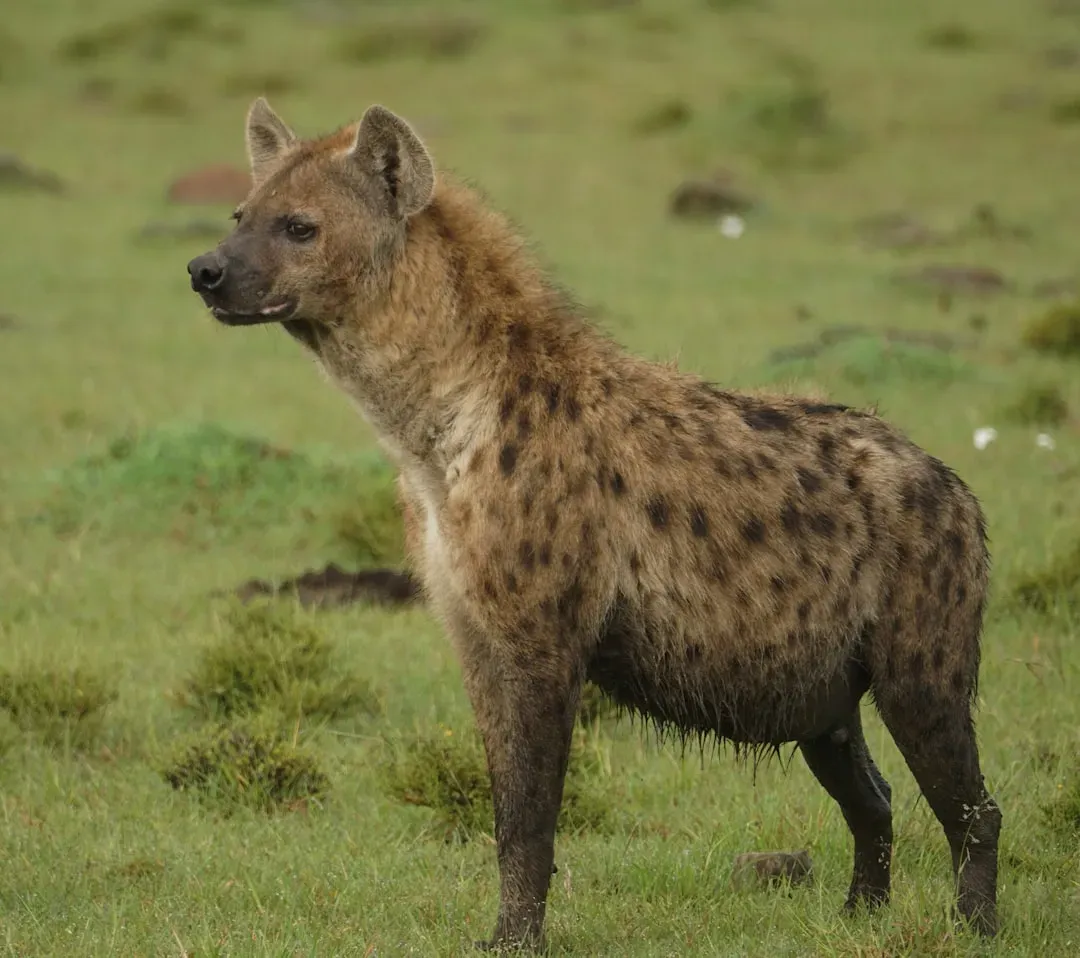
The spotted hyena is an incredibly successful predator despite their bad reputation, found throughout sub-Saharan Africa as highly intelligent and sociable animals with complex social structures and powerful jaws making them skilled scavengers and effective hunters capable of taking down prey as large as wildebeests. Let’s be honest, hyenas get a raw deal in popular culture. They’re portrayed as cowardly scavengers when they’re actually .
Hyenas hunt in coordinated packs and can take down large prey like wildebeests and zebras, with one of the most powerful bites in the animal kingdom capable of crushing bones. They’ve even been known to defeat lions when necessary. Their bone-crushing jaws and cooperative hunting strategies make them far more dangerous than most people realize. Plus, their intelligence allows them to adapt quickly to changing conditions, ensuring their continued success across Africa’s diverse landscapes.
The Cheetah: Speed Specialist
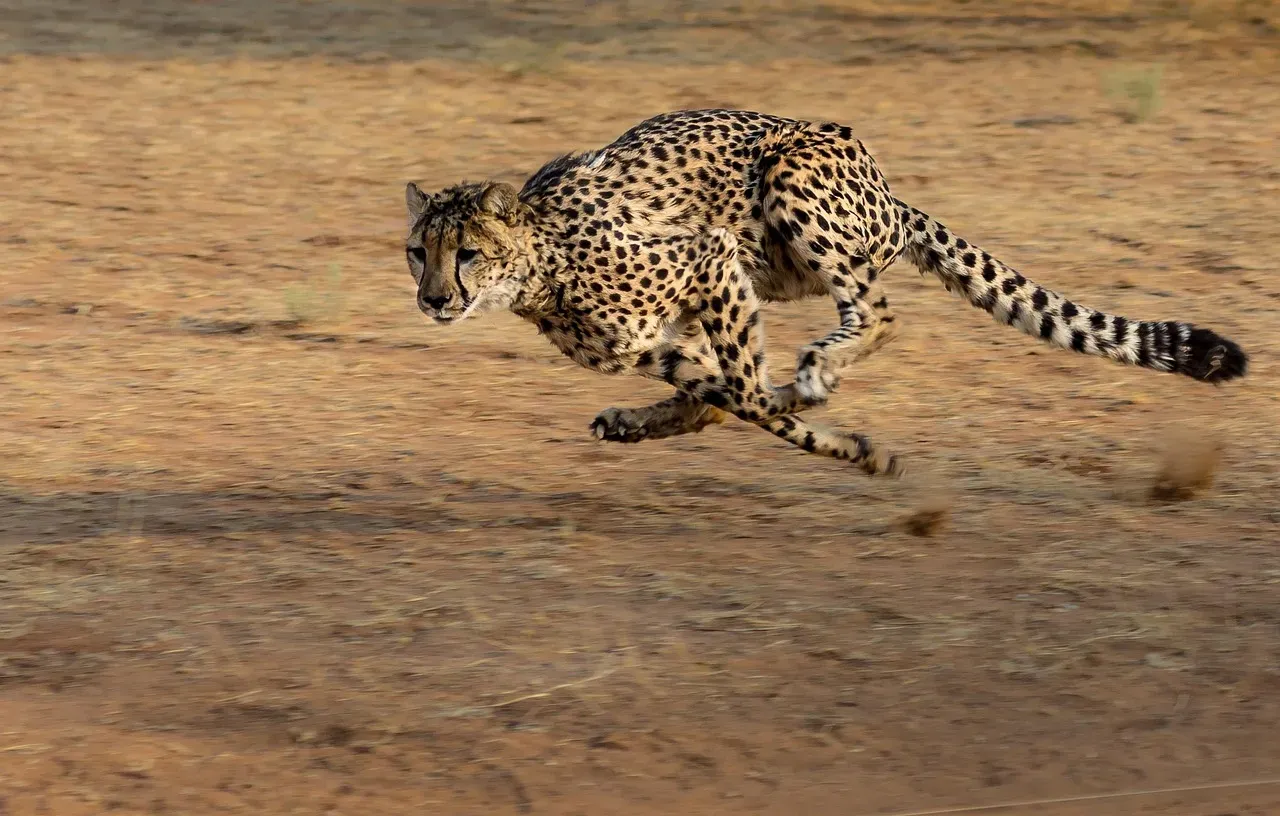
Cheetahs are the fastest land animals on the planet, using exceptional speed and agility to chase down fast prey on open grassland with streamlined bodies built for bursts of energy that can reach speeds up to 60 miles per hour in a matter of seconds. When you witness a cheetah at full sprint, you’re seeing pure evolutionary engineering focused on one thing: speed. Nothing on land moves faster.
Although capable of catching prey very quickly, they need to make the dash at the right time, using their acute senses and precise judgment to successfully catch and eat prey. Here’s the thing, though. Cheetahs don’t have stamina and generally hunt alone or in pairs, meaning their prey is limited to small antelope, and they can only keep up the chase for short distances, becoming exhausted after a kill and unable to fight back when other predators steal carcasses. This vulnerability shows that even the fastest predator must balance their gifts with significant trade-offs.
The Brown Bear: Omnivorous Giant
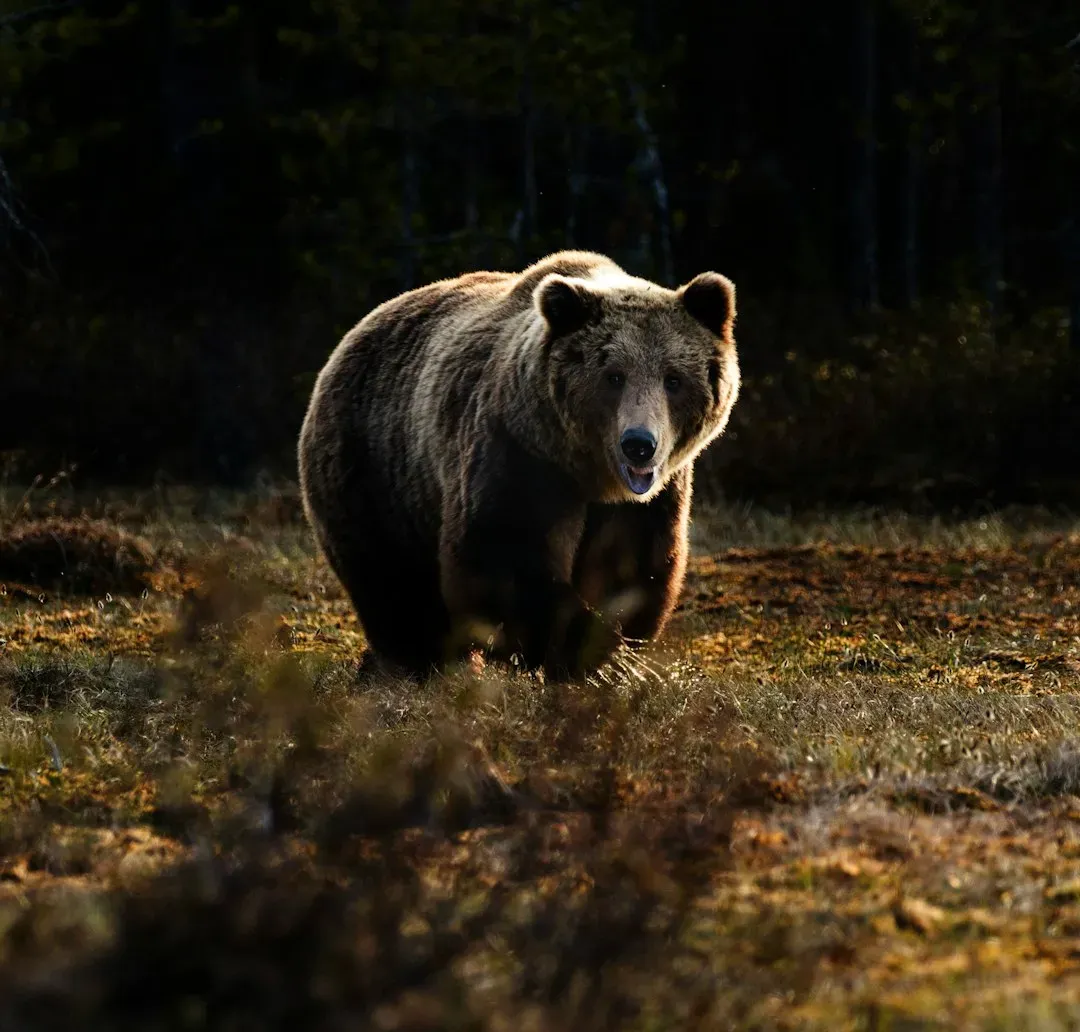
The brown bear is one of the largest land predators in the world and a pure apex predator, omnivorous and happy to hunt or scavenge, with a typical diet consisting of fruit, honey, insects, crabs, salmon, birds, eggs, rodents, squirrels, deer, elk, and wild boar. You’re looking at adaptability personified in a massive, furry package. These bears aren’t picky eaters, which is part of their success strategy.
Their size and power make them virtually unchallenged in their territories. Brown bears can weigh well over 600 kilograms, giving them the physical dominance to take whatever they want. Powerful North American bears have a varied diet and significantly impact their ecosystems, found in Eurasia and North America as omnivores with significant influence on their habitats. Their combination of intelligence, adaptability, and sheer physical might ensures they remain apex predators across diverse habitats from coastal regions to mountain forests.
The Nile Crocodile: Africa’s Patient Assassin
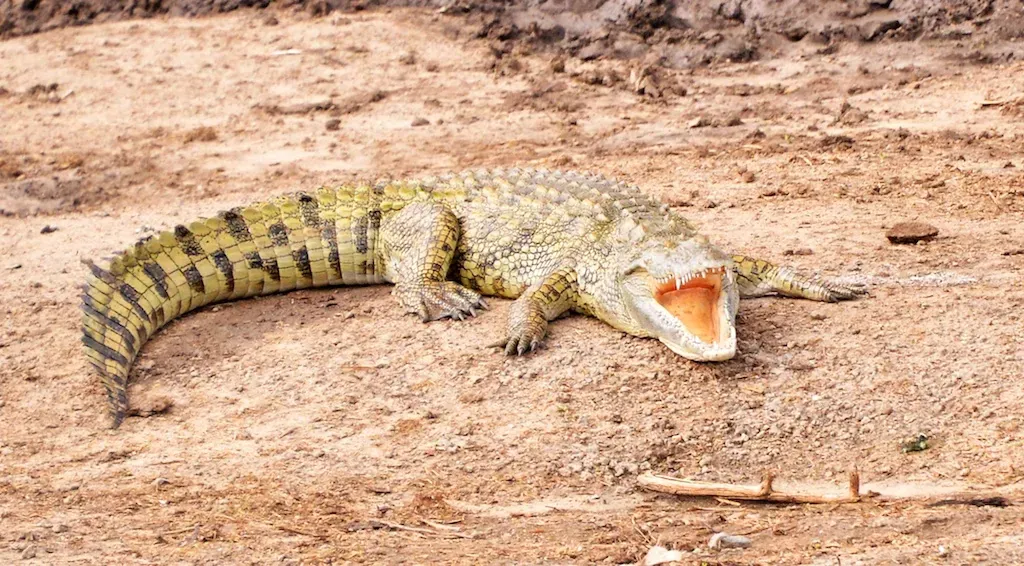
The Nile crocodile is one of the top apex predators found throughout sub-Saharan Africa, especially in rivers, lakes, and swamps in the Nile basin, possessing immense power as opportunistic hunters known for ambushing prey that comes to drink from the water’s edge. You can almost feel the tension when animals approach water in Africa, knowing what might be waiting beneath the surface.
Their diet consists of fish, birds, and mammals including large ungulates, and for humans, the Nile crocodile may be the most dangerous of different crocodile species due to both their habitat near humans and their lethality. These crocodiles have perfected the art of the ambush over millions of years. They can remain motionless for hours, conserving energy while waiting for the perfect moment to strike. Once they latch onto prey, their death roll is nearly impossible to escape, making them one of Africa’s most feared predators.
Conclusion
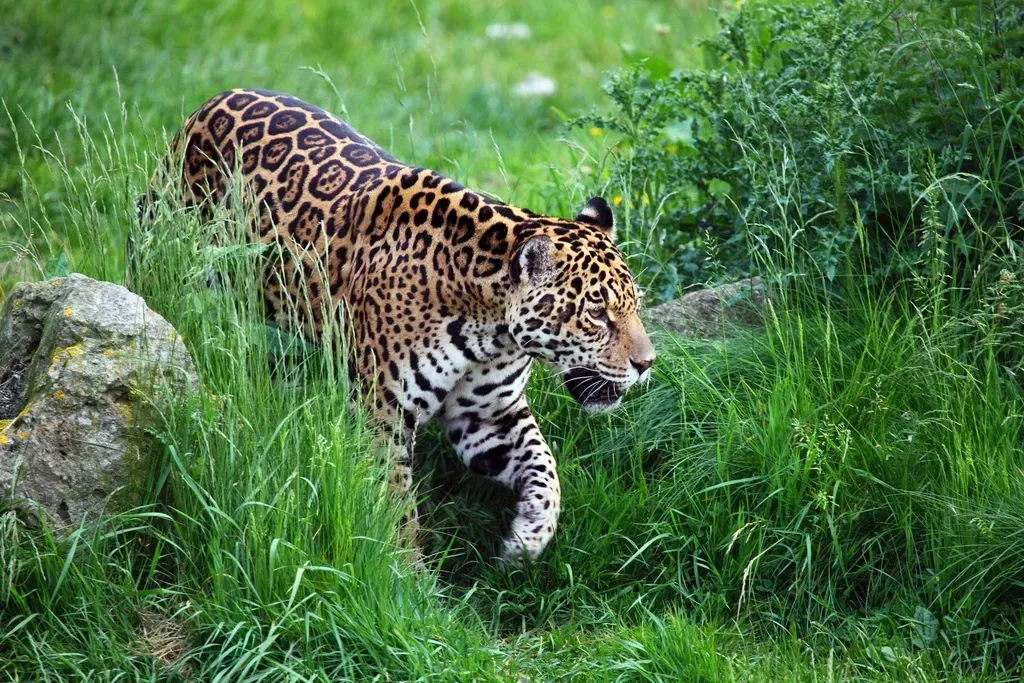
Apex predators can have profound effects on ecosystems as a consequence of both controlling prey density and restricting smaller predators, being central to the functioning of ecosystems, the regulation of disease, and the maintenance of biodiversity. These fifteen represent millions of years of evolutionary refinement, each perfectly adapted to dominate their specific environments. From the icy Arctic to tropical rainforests, from ocean depths to mountain peaks, these hunters maintain the delicate balance of nature through their predatory prowess.
What strikes me most is how diverse these predators are in their strategies. Some rely on raw power, others on speed or stealth, and many on intelligence and cooperation. Humans have hunted many apex predators close to extinction, but in some parts of the world these predators are now returning, though they are increasingly threatened by climate change. Their survival depends not just on their hunting skills but on our willingness to protect their habitats and respect their vital role in maintaining healthy ecosystems. Which of these magnificent hunters impressed you most? What do you think about their remarkable adaptations?
