
Picture yourself stepping into your backyard on a warm Texas morning. The air’s already heavy with that distinct heat we know all too well. You catch a flash of orange and black dancing past the lantana. Then another butterfly appears, this time pale yellow, hovering over the salvia. Before long, there are half a dozen of these winged visitors swirling through your garden like living confetti.
It’s a scene that’s entirely possible in any Texas yard, from El Paso to Houston, from the Hill Country to the Gulf Coast. Texas is actually home to over four hundred butterfly species, more than any other state. Yet many gardeners struggle to attract these beneficial pollinators. The secret isn’t complicated, though. It comes down to understanding what butterflies truly need at every stage of their remarkable lives.
Plant Both Nectar Sources and Host Plants
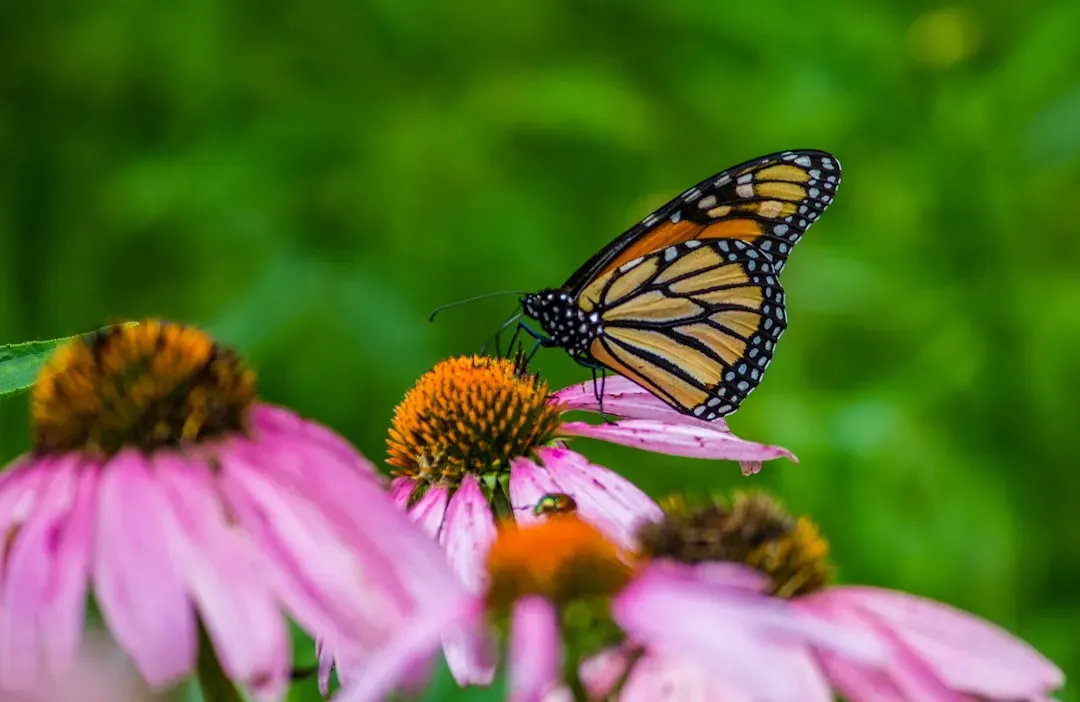
Here’s the thing most folks don’t realize right away. Butterflies need both nectar plants and host plants, where nectar plants serve as food for adults while host plants are where butterflies lay their eggs, and once eggs hatch, larvae feed on the host plant vegetation. Think of nectar plants as the restaurants and host plants as the nurseries.
A butterfly garden provides food sources for the adults, though if you want to observe butterflies through their whole life cycle, you’ll need to plant food sources for caterpillars and have plants where butterflies will lay their eggs. It’s honestly a bit like running a bed and breakfast specifically for butterflies.
Many gardeners plant gorgeous flowers but then wonder why butterflies never stick around. They’re missing the host plants. Without them, female butterflies won’t consider your garden a suitable place to raise their young. Host plants are where butterflies and moths lay their eggs on specific plants that they know their caterpillars will be able to eat.
Popular host plants for Texas include milkweed for Monarchs, passion vine for Gulf Fritillaries, and dill or fennel for Black Swallowtails. Milkweed grows well in dry, poor soils, while passion vine boasts stunning, artistic blossoms through the summer. Don’t worry if these plants look a bit ragged sometimes; chewed leaves mean your garden’s working exactly as intended.
Choose Native Texas Plants Whenever Possible
When you choose Texas natives as host plants, you get higher butterfly diversity, with more species able to use your garden, plus better drought and heat tolerance since native plants are adapted to Texas summers and erratic rain. Let’s be real, anything that survives a Texas summer with less fuss deserves a spot in your garden.
Native plants have coevolved with local butterflies for thousands of years. The relationship between local butterflies and native plants runs deep through thousands of years of coevolution, with native plants typically requiring less water and maintenance than exotic varieties while providing exactly what local butterfly populations need to thrive.
Some stellar native choices include lantana, which thrives with plenty of sun and heat, producing profuse blooms on low-growing plants that attract butterflies all summer long. Blue mistflower is one of the top plants for attracting bees and butterflies. Goldenrod, despite its bad reputation among allergy sufferers, is one of the best nectar plants you’ll ever find.
Henry Duelberg salvia, a true Texas native discovered in Central Texas at the grave of the person for whom it’s named, can bloom spring through fall if cut back regularly. Purple coneflower is another absolute must for any Texas perennial garden.
Create the Right Growing Conditions
Most butterfly plants require full sun and well-draining soil, so if building a butterfly garden from scratch, situate it where plants will get at least six hours of direct sun per day. Butterflies are solar-powered creatures, honestly. They need warmth to fly, so selecting a garden spot that receives at least six hours of direct sunlight creates the perfect dining area for these winged visitors who prefer to feed in bright, warm conditions.
Grouping nectar-rich flowers in clusters rather than scattered individual plants makes your garden more visible from above, and when gardens are rearranged into colorful masses, butterfly visits can noticeably increase within just a week. I think this makes perfect sense when you consider butterflies flying overhead, scanning for promising feeding spots.
Texas clay soil can be brutal, though. Amend black clay ground soil with high-quality compost and expanded shale if building a butterfly garden from scratch. Rich, organic soil helps your plants reach their full potential, which in turn produces more nectar and healthier foliage for caterpillars.
Shelter matters too, especially during our notorious Texas thunderstorms and those blustery spring days. Planting shrubs or creating windbreaks protects butterflies when they’re most vulnerable. Even just leaving some stems and leaf litter in a wild corner provides safe spots where pupae can complete their transformation.
Provide Water Sources and Puddling Areas
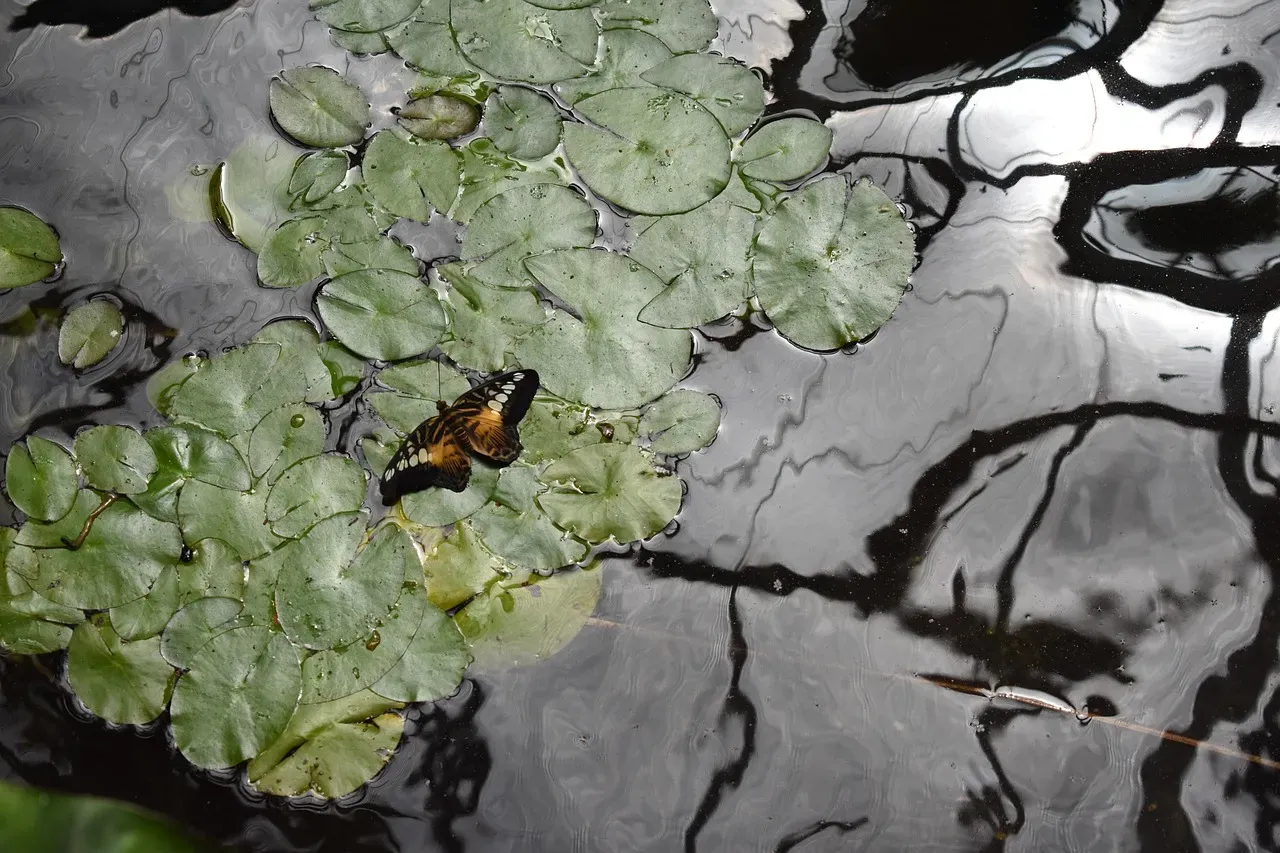
Butterflies need water sources, with bird baths, fountains, ponds, and even a bare patch of soil where water can collect keeping butterflies happy and healthy. Here’s something surprising, though. Butterflies can’t land in deep pools without drowning, so creating shallow puddles with pebbles gives butterflies safe drinking spots where they can perch while sipping.
Male butterflies particularly seek out mineral-rich mud puddles to extract salts and nutrients they pass to females during mating, and adding a pinch of sea salt to your butterfly puddling area makes it even more attractive. Who knew butterflies craved salt just like we do?
During our brutal Texas summers, these water sources become absolutely essential. Providing shallow pools and even mud puddles works well since butterflies prefer to drink water mixed with soil and sand, which provides essential minerals, salts and other nutrients. A simple saucer filled with wet sand and a few flat stones can bring remarkable results.
Flat stones serve double duty in your butterfly garden. They provide a place for butterflies to perch and sunbathe, which raises their body temperature so they can fly and remain active. Place a few around your garden in sunny spots where butterflies can spread their wings and bask.
Avoid Pesticides Completely
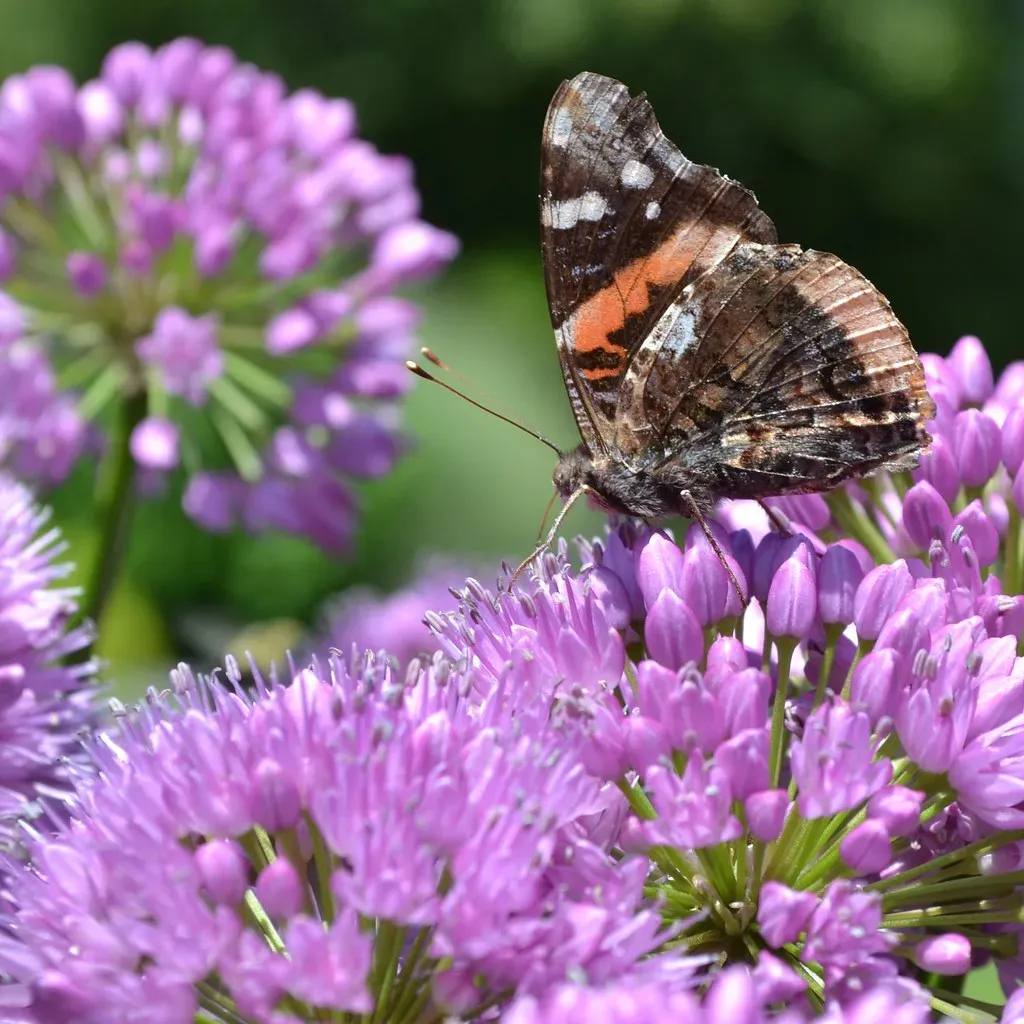
This one’s critical. If you’re serious about attracting butterflies, nothing should be sprayed on your landscape that’s artificial, man-made or poisonous. Even organic options need extreme caution. Do not use pesticides on butterfly plants, especially Bt pesticides, which are bacterial, organic pesticides that only kill caterpillars.
Here’s the uncomfortable truth. Many well-meaning gardeners spray something to control aphids or other pests, not realizing they’re also killing butterfly eggs and caterpillars. Most sprays harm eggs, caterpillars, and adult butterflies. Even systemic pesticides that plants absorb can remain toxic to butterflies feeding on nectar or caterpillars munching leaves.
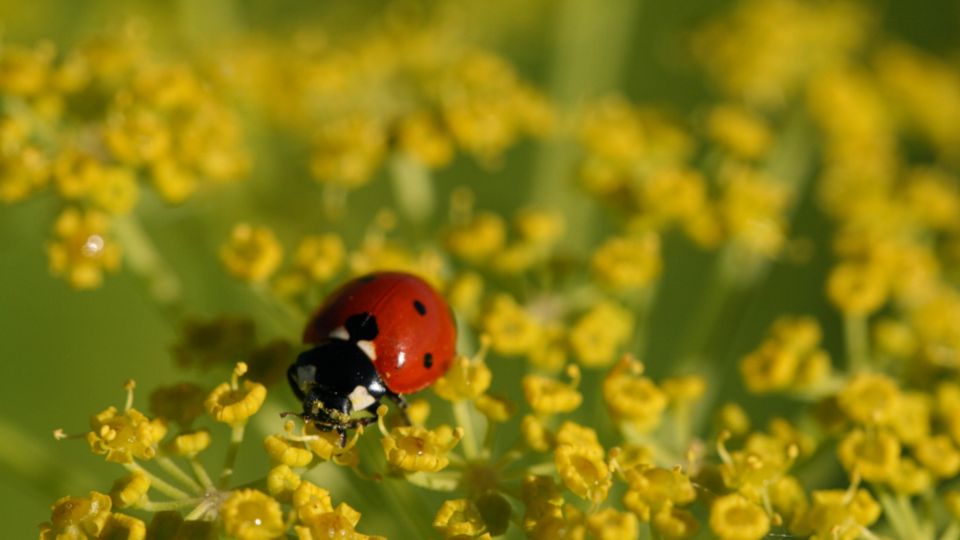
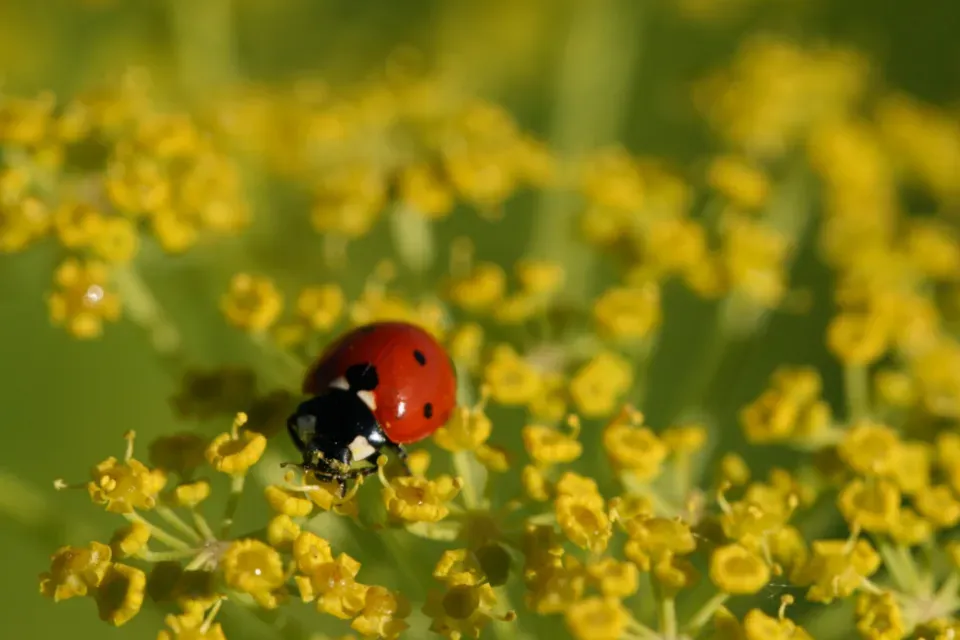
Beneficial insects like ladybugs and praying mantises will naturally move into your pesticide-free garden, helping control unwanted pests while leaving butterflies to flourish in the Texas sunshine. It’s hard to say for sure, but patience usually proves the best strategy. A healthy, balanced garden develops its own pest management system over time.
Accept that some leaf damage is inevitable and actually desirable. Ragged milkweed or passion vine means your garden is working. Those chewed leaves represent baby butterflies growing and thriving in your yard. The plants will recover once the caterpillars pupate.
Plan for Continuous Blooms Throughout the Seasons
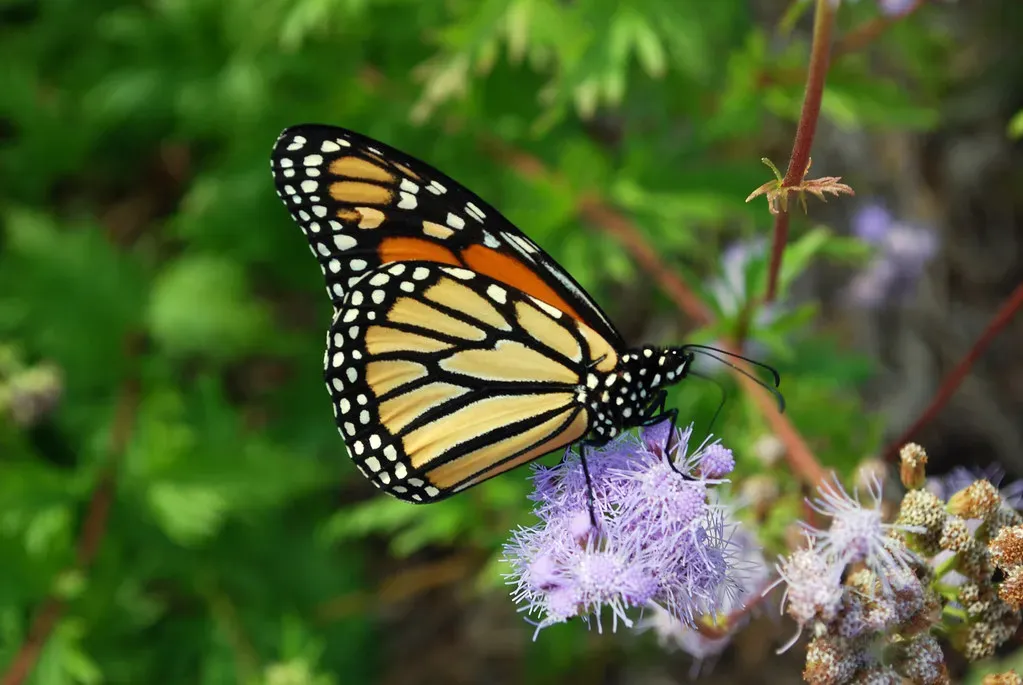
The most important consideration is to create a landscape that has a succession of flowering plants that provide nectar all season. Butterflies need fuel from early spring through late fall, especially here in Texas where our growing season stretches longer than most places.
When planted late summer, fall zinnias can play a crucial role in providing butterflies food in the fall, often up until the first frost, and they’re available in a variety of bright colors year-round. Gregg’s mistflower serves as a good food source in the fall for migrating butterflies like the Monarch.
Think about spring bloomers like phlox and verbena, summer stalwarts like pentas and lantana, and fall favorites like goldenrod and fall asters. Mystic spires blue salvia flowers freely during the growing season and is a plant butterflies love, with very tubular flowers requiring the butterfly to use its long proboscis to get down into the nectar.
Honestly, diversity keeps things interesting for both you and the butterflies. Different species prefer different nectar sources, so having lots to choose from attracts a wider variety of butterflies throughout the year. Some butterflies emerge early in spring, others peak in summer, and many migrate through Texas in fall seeking food before their long journey south.
What’s your garden going to look like next spring when those first butterflies start searching for the perfect place to call home?

- These Endangered Species Are Making Remarkable Comebacks Thanks to Dedicated Efforts - July 17, 2026
- 10 Fascinating Facts About the Badlands: America’s Ancient Fossil Kingdom - July 17, 2026
- 10 Fascinating Facts About Monument Valley: The Ancient Landscape That Shaped the American West - July 17, 2026