

When you think of , your mind probably wanders to towering skyscrapers piercing clouds and architectural wonders that seem to defy gravity itself. Yet beauty in architecture isn’t just about height or size. It’s about the stories etched into stone and steel, the details that make you stop and stare, and the way a structure can make you feel small and inspired all at once.
New York’s streets are a living museum of architectural brilliance. From Art Deco spires that gleam in the afternoon sun to Gothic cathedrals that stand peacefully amid the urban chaos, each building tells a different chapter of the city’s history. So let’s get started on a journey through some of the most breathtaking structures that make Manhattan’s skyline utterly unforgettable.
The Chrysler Building
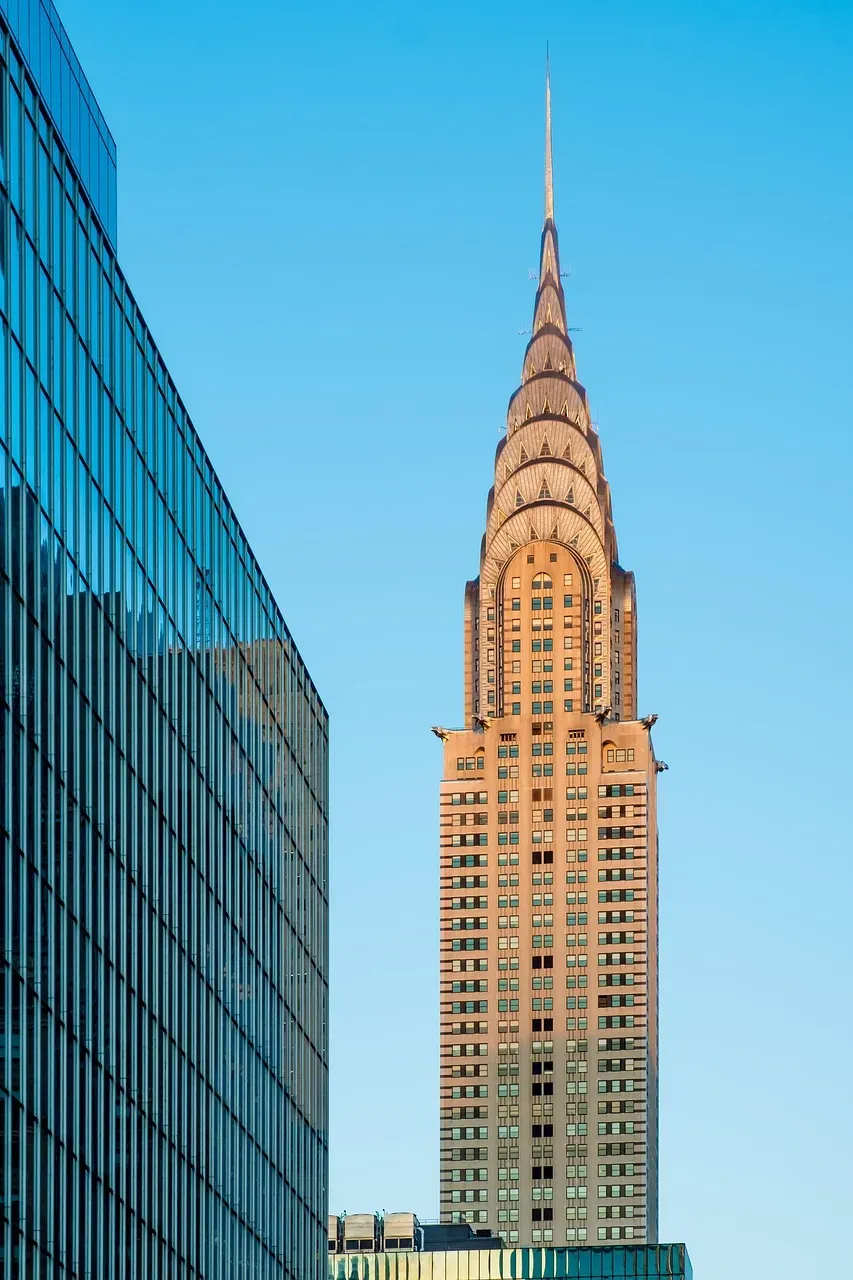
The art deco Chrysler Building is perhaps the most beautiful of all New York buildings. Its sunburst-patterned stainless steel spire remains one of the most striking features of the Manhattan skyline, built between 1928 and 1930, reaching 1,046 feet. What makes this tower truly special isn’t just the distinctive spire. Look closer and you’ll notice gargoyle-like ornaments resembling automobile parts, paying homage to the Chrysler Corporation.
Upon completion it held the title of world’s tallest building for a mere 11 months before being surpassed by the Empire State Building in 1931. The building’s crown, with its radiating terraced arches, catches light in ways that change throughout the day, creating an ever-shifting spectacle. Surrounded by giants, the Chrysler Building today seems almost diminutive – yet perhaps no other New York building attracts such admiration.
Empire State Building
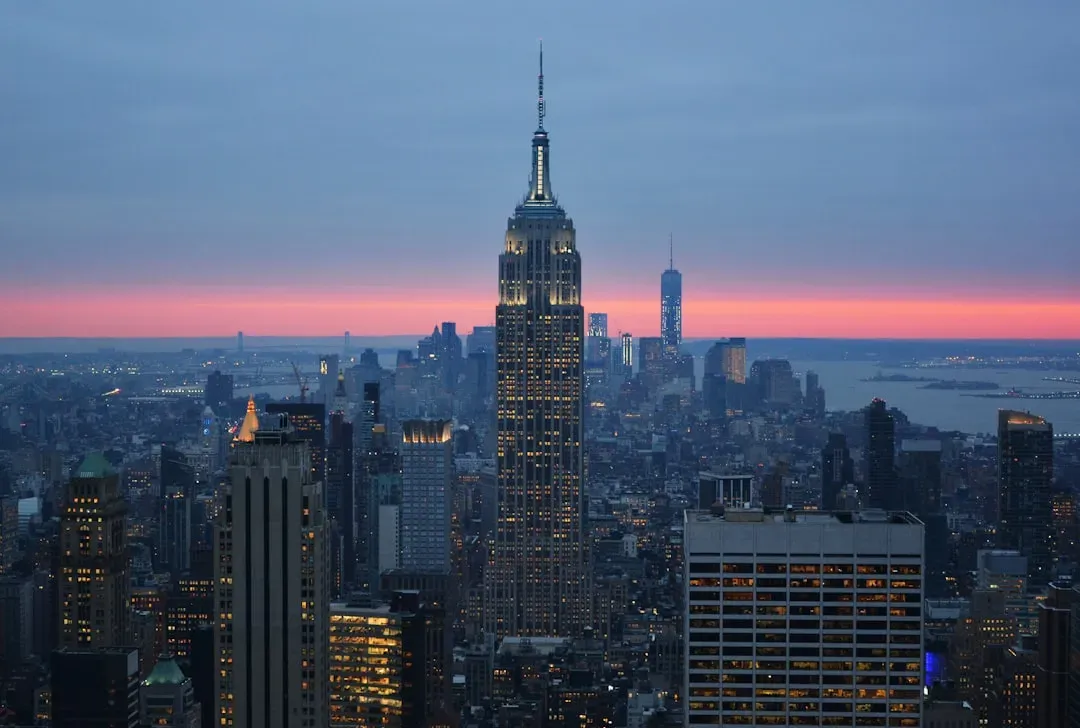
Here’s the thing about the Empire State Building. It’s been photographed a million times, yet somehow it still takes your breath away when you see it in person. The building’s Art Deco architecture, height, and observation decks have made it a popular attraction, with around four million tourists from around the world annually visiting its observatories.
The architect William Lamb produced a tapering tower that still dominates the New York skyline, and it remained the tallest building in the world until 1971. The limestone facade and setback design create a silhouette that’s instantly recognizable from nearly anywhere in the city. What I find remarkable is how this building from 1931 still commands respect among all the newer glass towers.
Woolworth Building
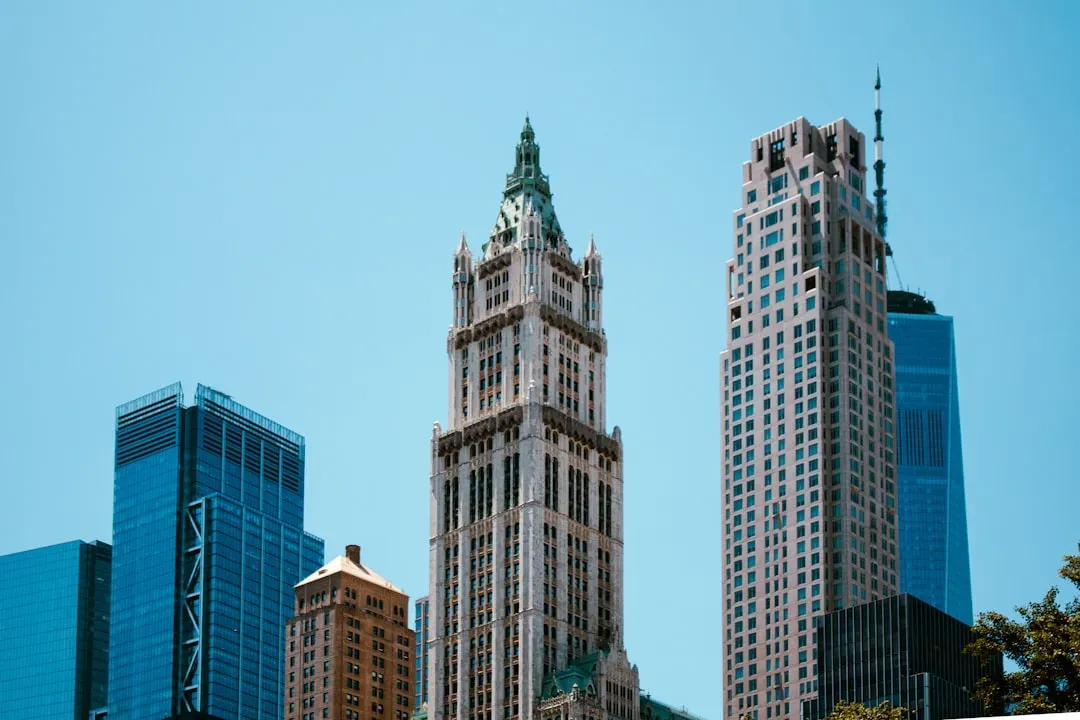
The Woolworth Building is one of New York City’s 20 tallest buildings, and at the time of its erection in 1913, it was the tallest in the world, with its lights turned on in a fancy opening ceremony by President Woodrow Wilson. Reverend S. Parkes Cadman dubbed it “The Cathedral of Commerce” in a booklet published in 1916.
This Gothic Revival masterpiece rises majestically with terra-cotta detailing that looks almost delicate despite the building’s massive scale. In addition to its stunning white terracotta façade with subtle colored accents, the Woolworth Building won raves for its luxurious interior finishings, including a cathedral-like lobby with mosaics, sculpture and a gold-decked ceiling. The ornate lobby alone is worth a visit, though sadly it’s no longer fully open to the public as it once was.
Flatiron Building
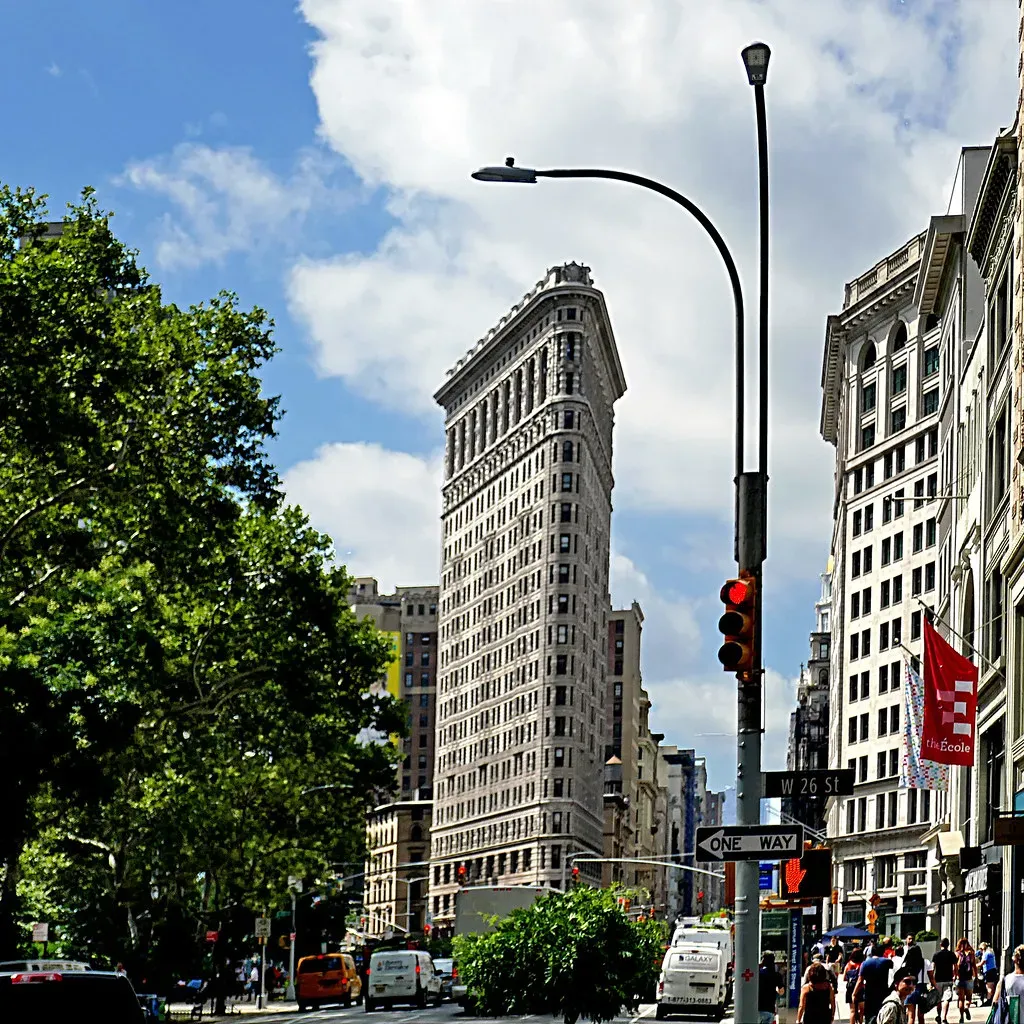
The triangular peculiarity of the Flatiron Building has been one of New York’s most captivating and talked-about edifices since it was built in 1902, defying common architectural practices to the point that it was commonly believed it would collapse as soon as it was faced by a strong gust of wind. Over a century later, it’s still standing strong.
Nicknamed the “Flatiron” for its distinctive triangular shape, the freestanding, three-sided tower was a popular success from its completion in 1902, occupying an extraordinary site where Broadway cuts diagonally across Fifth Avenue at 23rd Street. Its narrow end, just a bit wider than six feet, creates an optical illusion that never gets old. Honestly, it’s hard to believe architects and engineers pulled this off more than a hundred years ago.
St. Patrick’s Cathedral
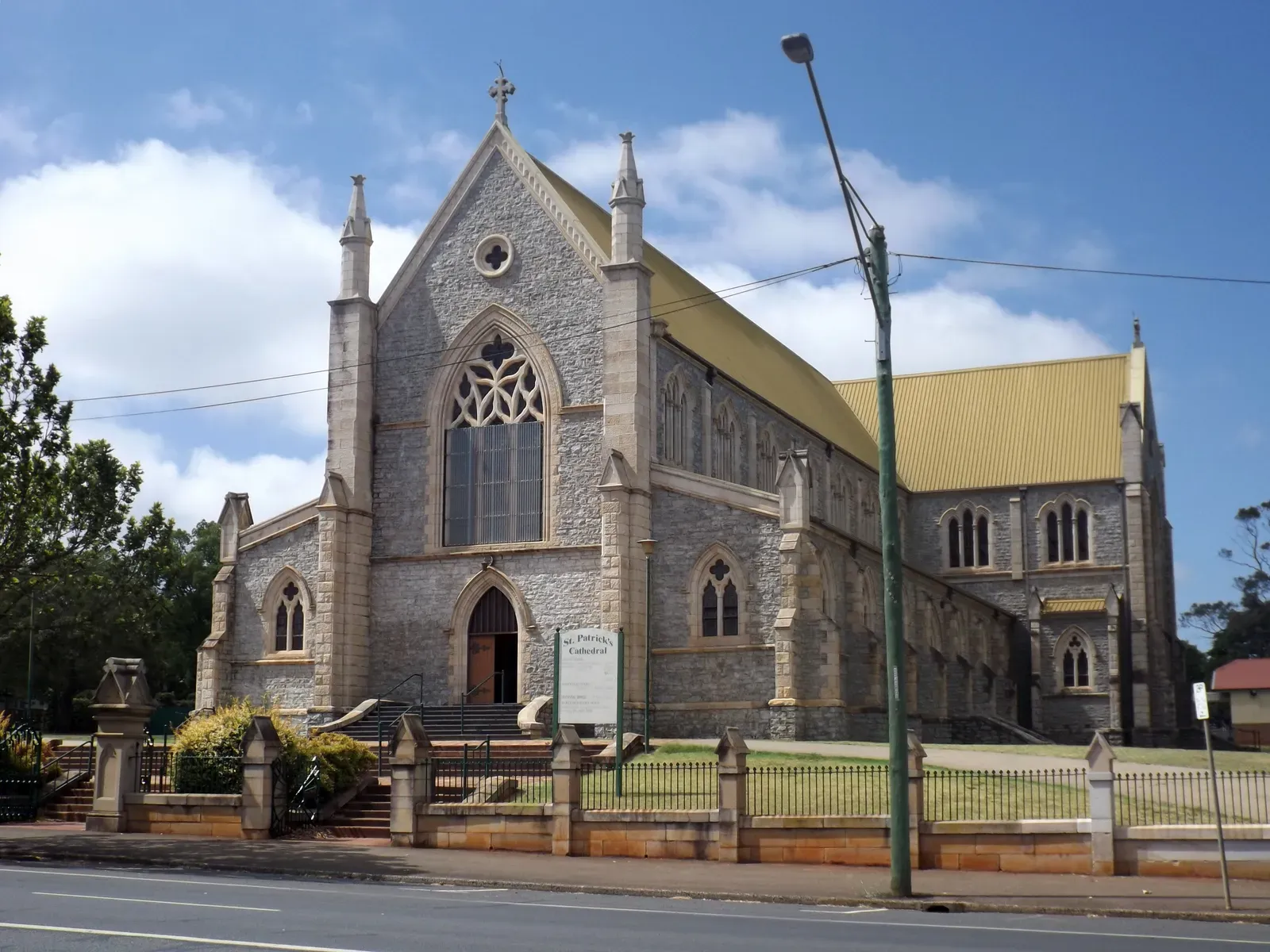
St. Patrick’s Cathedral is one of the most iconic symbols of Catholicism in the United States and the largest neo-Gothic cathedral in North America, designed by architect James Renwick Jr. in the mid-19th century. The white marble facade with its twin spires soaring over three hundred feet creates a striking contrast against the surrounding glass and steel skyscrapers.
Inside, the 400-foot-long nave features vaulted ceilings reaching 110 feet high, supported by elegant columns, with stained-glass windows casting colorful light throughout. What makes this cathedral particularly breathtaking is its location on Fifth Avenue, creating a serene oasis of Gothic splendor right in the heart of Midtown’s commercial district. The juxtaposition is startling and beautiful.
Guggenheim Museum
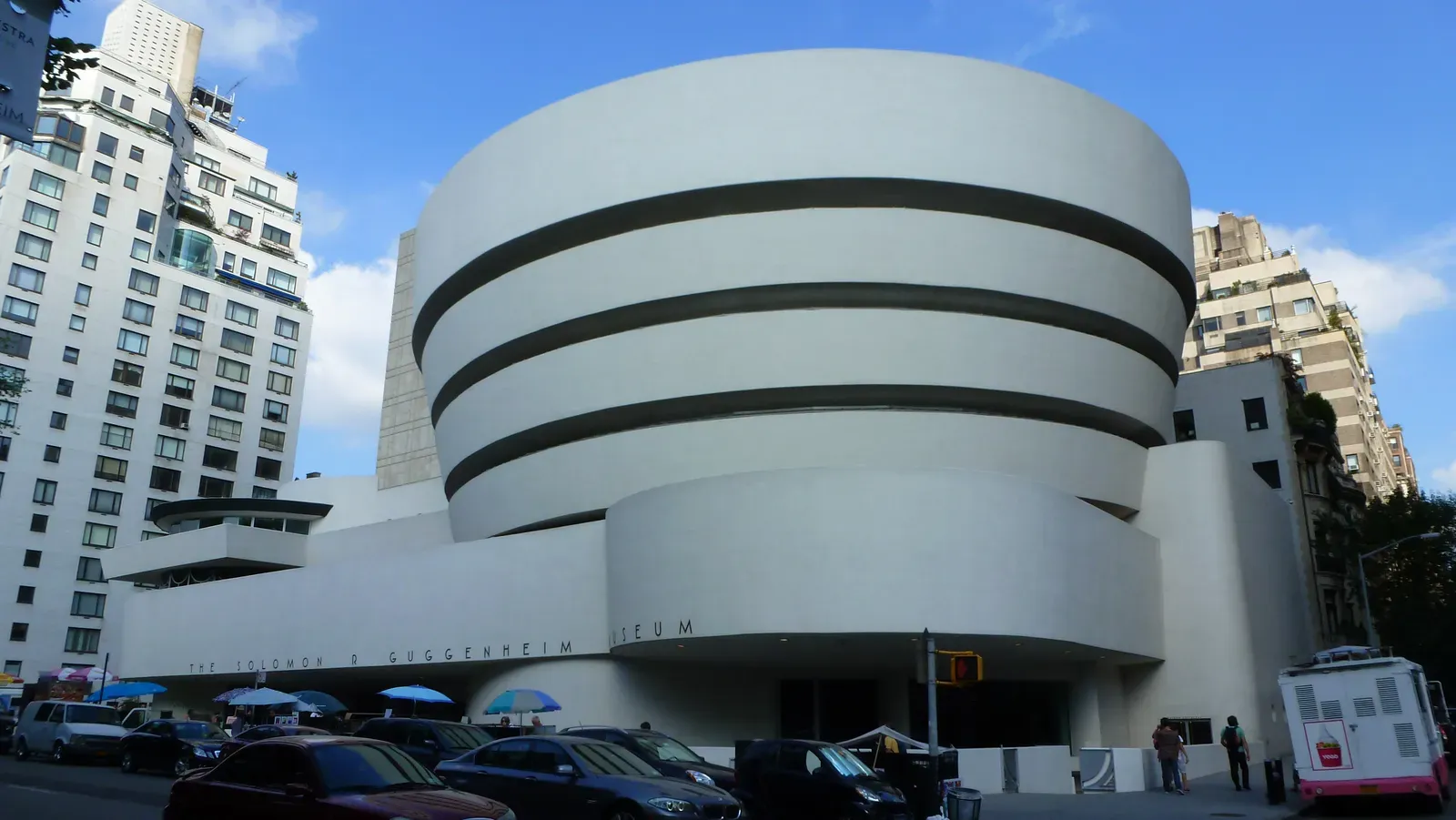
The Solomon R. Guggenheim Museum is located at 1071 Fifth Avenue on the Upper East Side of Manhattan, and its building designed by Frank Lloyd Wright took 15 years to design and build, completed in 1959. The cylindrical structure, wider at the top than the bottom, looks like nothing else in the city.
Its unique ramp gallery extends from just under the skylight in the ceiling in a long, continuous spiral along the outer edges of the building until it reaches the ground level. Let’s be real, the building itself often steals the show from the art inside. This iconic piece of International Style architecture was American architect Frank Lloyd Wright’s last major work and is revered internationally as his greatest masterpiece.
Grand Central Terminal
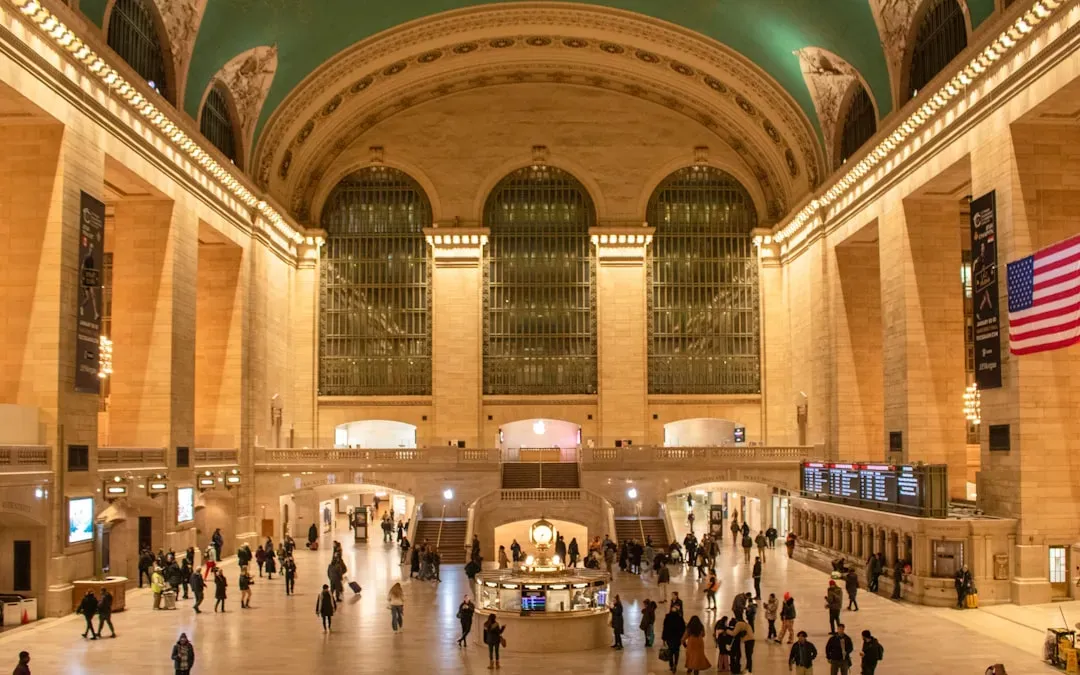
Grand Central Terminal is not merely a transit hub but a veritable monument to the Beaux-Arts architectural style, opened in 1913, captivating visitors with its cavernous Main Concourse, astronomical ceiling mural, and grand staircases. The celestial ceiling, painted backwards by mistake but never corrected, has become part of the building’s charm.
The terminal’s massive arched windows flood the space with natural light, creating an almost ethereal atmosphere despite the constant flow of commuters. The four-faced opal clock sitting atop the information booth has become an iconic meeting spot. What strikes me most is how this building manages to be both monumentally grand and somehow intimate at the same time.
One World Trade Center

The cloud-skimming One World Trade Centre is not only the loftiest of all New York buildings, but the tallest in the entire Western Hemisphere, also known as the Freedom Tower, standing next to the site once occupied by the Twin Towers, with a total height of 1,776 feet including the antenna – a symbolic reference to American independence.
The building’s glass facade reflects the sky in constantly changing patterns, and its tapered form creates a graceful silhouette despite its massive size. As the architects at SOM noted, “One World Trade Center speaks about the future and hope as it rises upward in a faceted form filled with, and reflecting, light.” The observation deck offers views that’ll make you dizzy, in the best possible way.
The Dakota
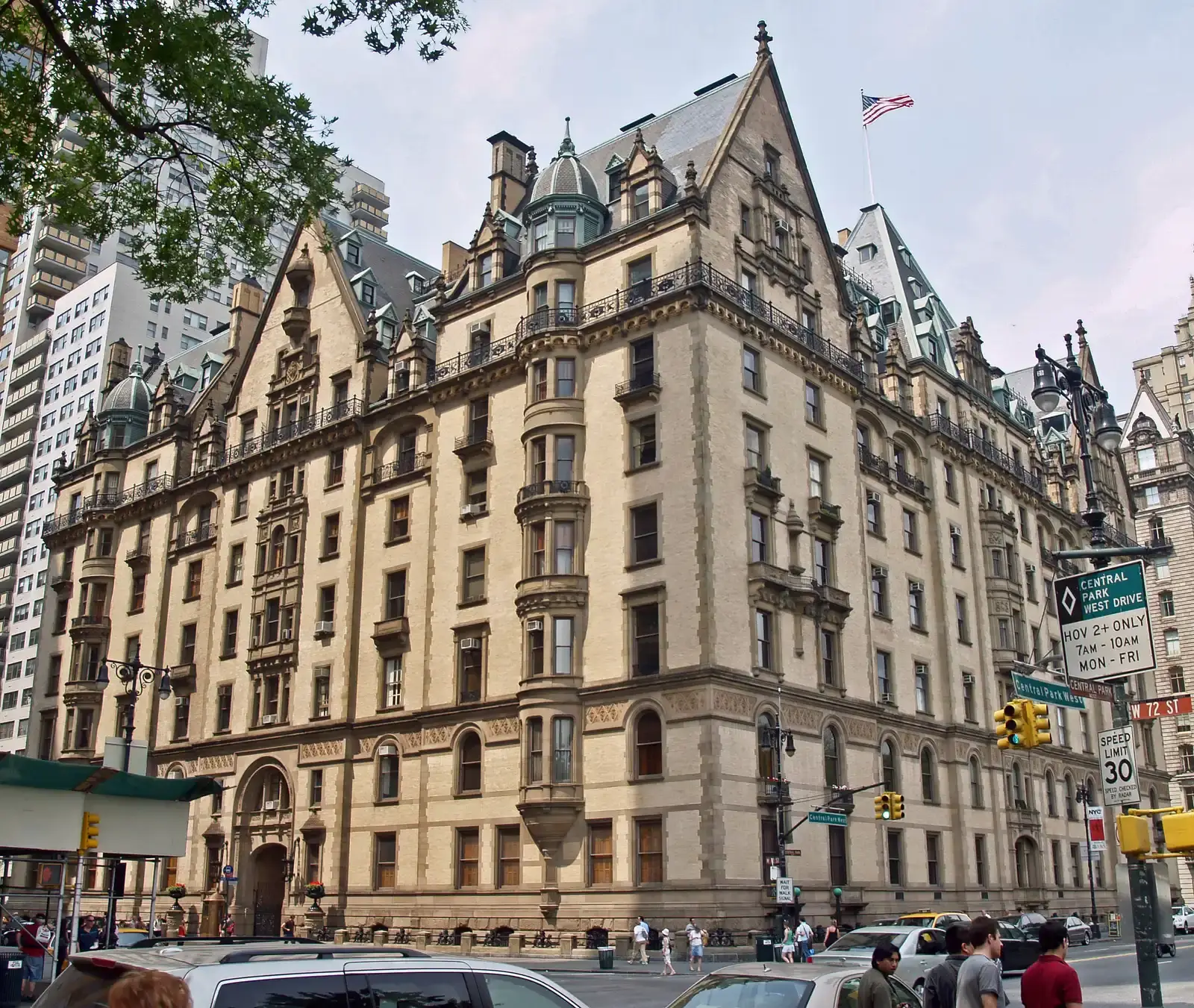
Instantly recognizable from its distinctive gabled rooftop and profusion of dormers, The Dakota is arranged around a central courtyard, and the building provided the setting for Rosemary’s Baby and was also the scene of the 1980 murder of musician John Lennon. The Dakota was designed by Hardenbergh and built between 1880 and 1884 in a German Renaissance Revival style.
This residential building on the Upper West Side represents a different kind of beauty, one rooted in old-world elegance and craftsmanship. The ornate terra-cotta decorations and deep-set windows create shadows and textures that modern glass buildings simply can’t replicate. When it was completed, critics called it everything from audacious to impossible, yet it has stood the test of time magnificently.
New York Life Building
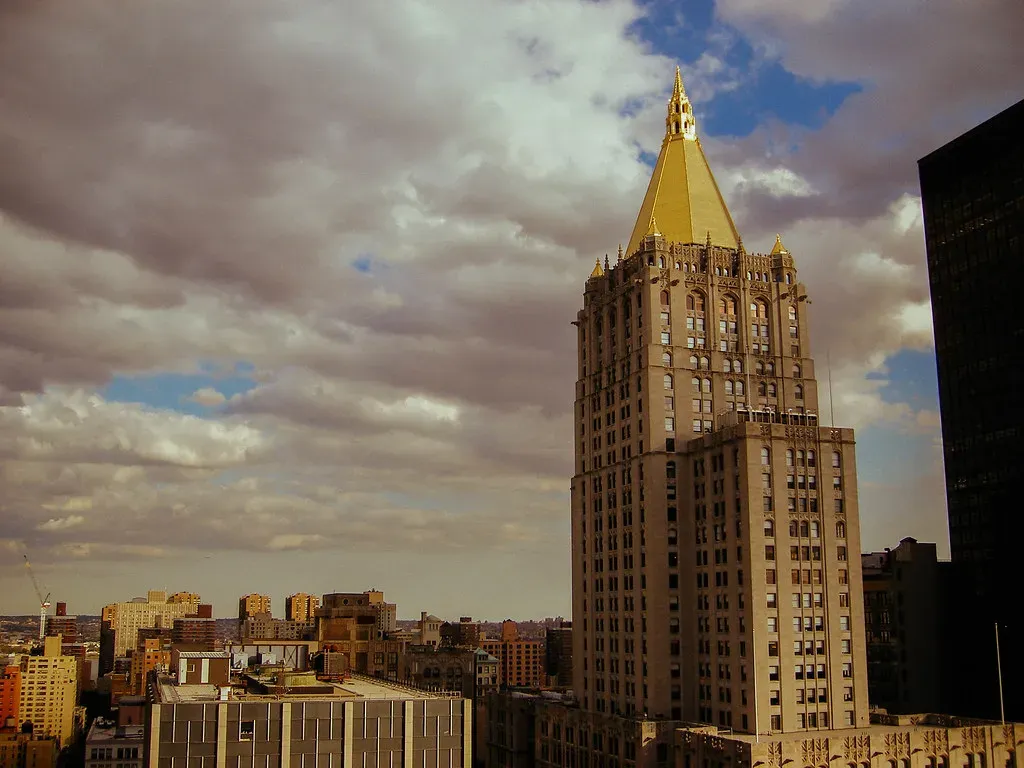
The New York Life Building sits at Madison Square with its magnificent golden pyramidal roof that catches sunlight like a beacon. Cass Gilbert created one of the finest examples of Gothic architecture in the United States, with every detail from the intricate ornamentation at street level to the golden pyramidal roof conveying a sense of permanence and solidity.
The 22-karat gold leaf covering the octagonal crown was meticulously restored and now shines brilliantly over the neighborhood. What’s fascinating is the building’s history. It replaced the second Madison Square Garden, transforming from an entertainment venue location into a corporate headquarters that somehow manages to look both imposing and elegant. The Gothic details inspired by Salisbury Cathedral give it a European grandeur that feels perfectly at home in Manhattan.
Conclusion
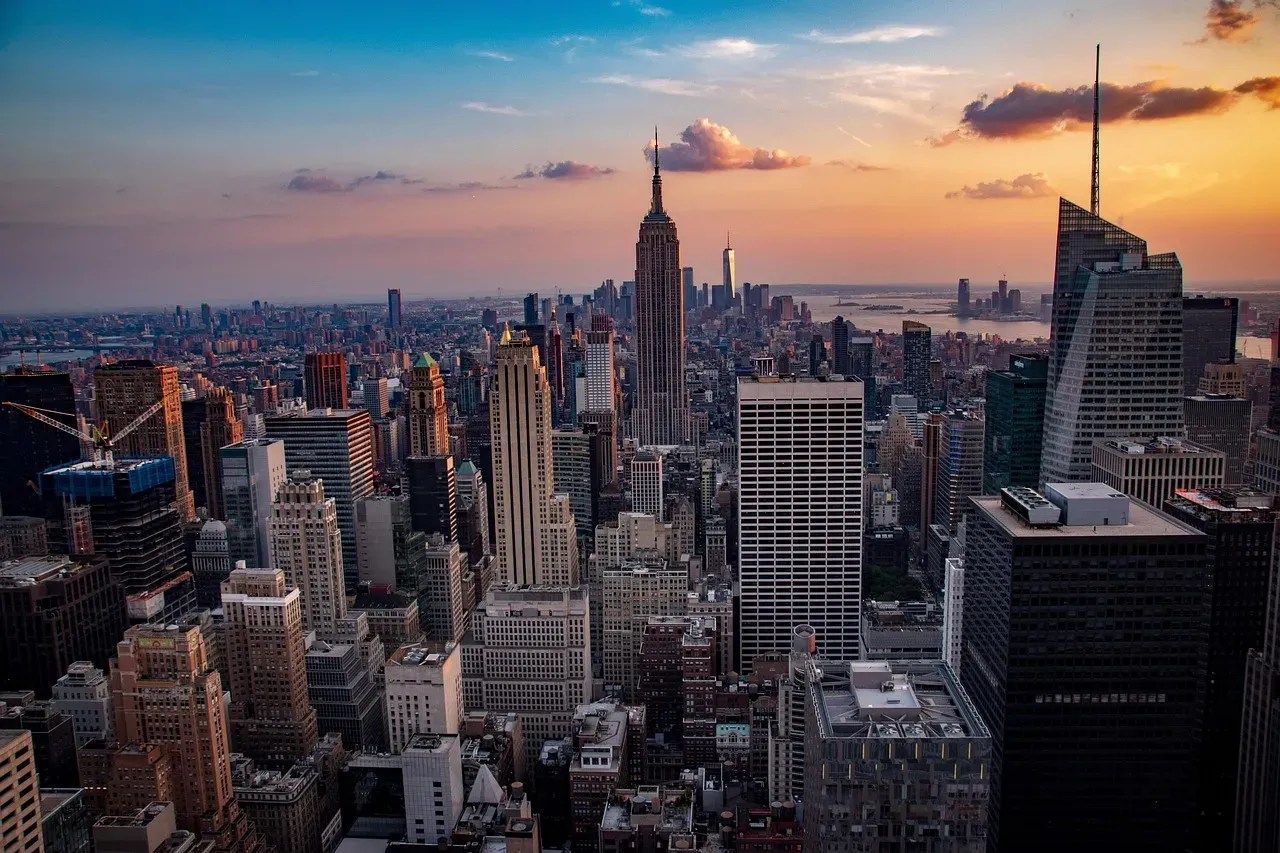
These ten buildings represent more than just architectural achievement. They’re monuments to human ambition, creativity, and the relentless drive to build something that lasts. From Art Deco spires to Gothic cathedrals, from triangular oddities to spiraling museums, each structure adds its own distinct voice to New York’s architectural symphony.
Walking through Manhattan, you’re surrounded by layers of history. Each era left its mark in brick, stone, steel, and glass. These buildings have witnessed wars, economic crashes, cultural revolutions, and countless personal stories unfolding in their shadows. They’ve been backdrops for films, inspiration for artists, and home to millions of dreams. What’s your favorite architectural gem in the city? Have you stood beneath the Chrysler Building at sunset or gazed up at the Guggenheim’s curves?
