

Ever wonder what it would be like to witness history unfold across centuries, not decades? While humans celebrate reaching triple digits, some creatures on this planet have perfected the art of outlasting empires, weathering ice ages, and defying everything we think we know about mortality. These are the biological marvels that make a hundred years look like a brief visit to Earth.
What makes them tick when the rest of us are, well, not? The secrets lie hidden in frozen waters, sediment-covered seabeds, and remote island ecosystems where time moves differently. Let’s dive into the lives of nature’s most impressive survivors and uncover the biological tricks that keep them kicking for centuries.
Greenland Shark: The Deep-Sea Time Traveler
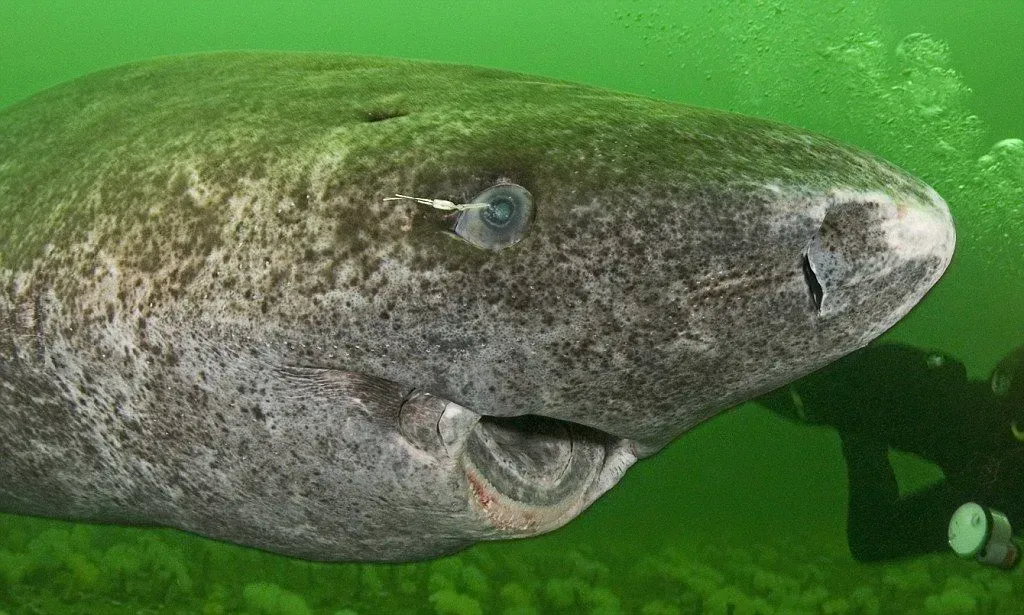
The Greenland shark is the longest-living vertebrate in the world, with the oldest known individuals recorded around 400 years old, though they could possibly live for more than 500 years. Imagine a shark born during Shakespeare’s time still swimming today. That’s not fiction.
Living in the cold waters of the North Atlantic and Arctic Oceans probably helps slow down the metabolic processes and biochemical activity of these sharks, extending their lifespans. Think of it like putting your biological clock in a freezer. The frigid depths where these giants lurk essentially hit the pause button on aging.
Here’s the thing that blows my mind: females don’t reach reproductive maturity until an estimated age of 150 years. A century and a half just to become an adult. The giant fish spends its entire life in deep, arctic waters and moves very slowly, growing equally slowly: less than one centimeter a year.
Researchers sequencing the Greenland shark’s genome recently found multiple copies of 81 genes involved in DNA repair, and they found that the sharks carried an altered version of the TP53 gene, which helps suppress tumors and repair DNA. Their bodies have basically become expert mechanics, constantly fixing what breaks before it becomes a problem. The slow life in icy darkness has forged them into biological fortresses.
Bowhead Whale: The Arctic’s Gentle Giant
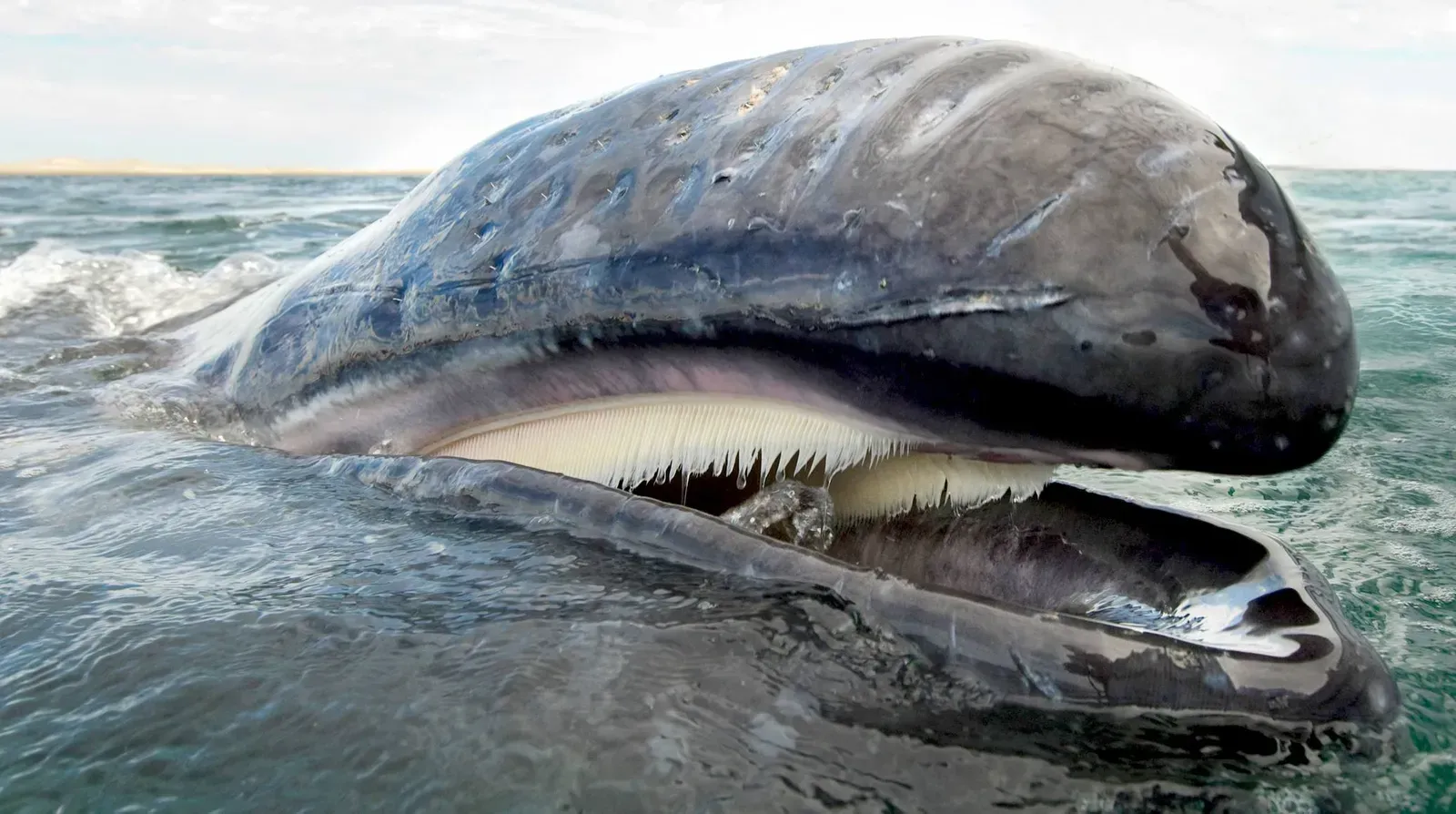
The bowhead whale can live for 200 years or more, making it the longest-lived mammal. These massive creatures weighing up to 100 tons have figured out something we haven’t. They’re swimming proof that size and longevity can go hand in hand.
Bowhead whales have developed superior DNA repair mechanisms, leading to many fewer mutations. It’s hard to say for sure, but researchers think this is the real game changer. Marine biologists have never once found a malignant tumor on a bowhead whale, which is remarkable considering their size and lifespan.
Living exclusively in Arctic and subarctic waters, the bowhead uses the same cold-water strategy as the Greenland shark. When scientists overexpressed the bowhead whale version of CIRBP in human cells, it improved the DNA repair efficiency by 1.6-fold. That protein, called cold-inducible RNA-binding protein, responds to stress factors like cold temperatures.
Their slow growth and reproduction in nutrient-poor waters means they’ve evolved to maximize every good year. Honestly, it’s a brilliant survival strategy that trades speed for centuries of life.
Ocean Quahog: The Clam That Saw History
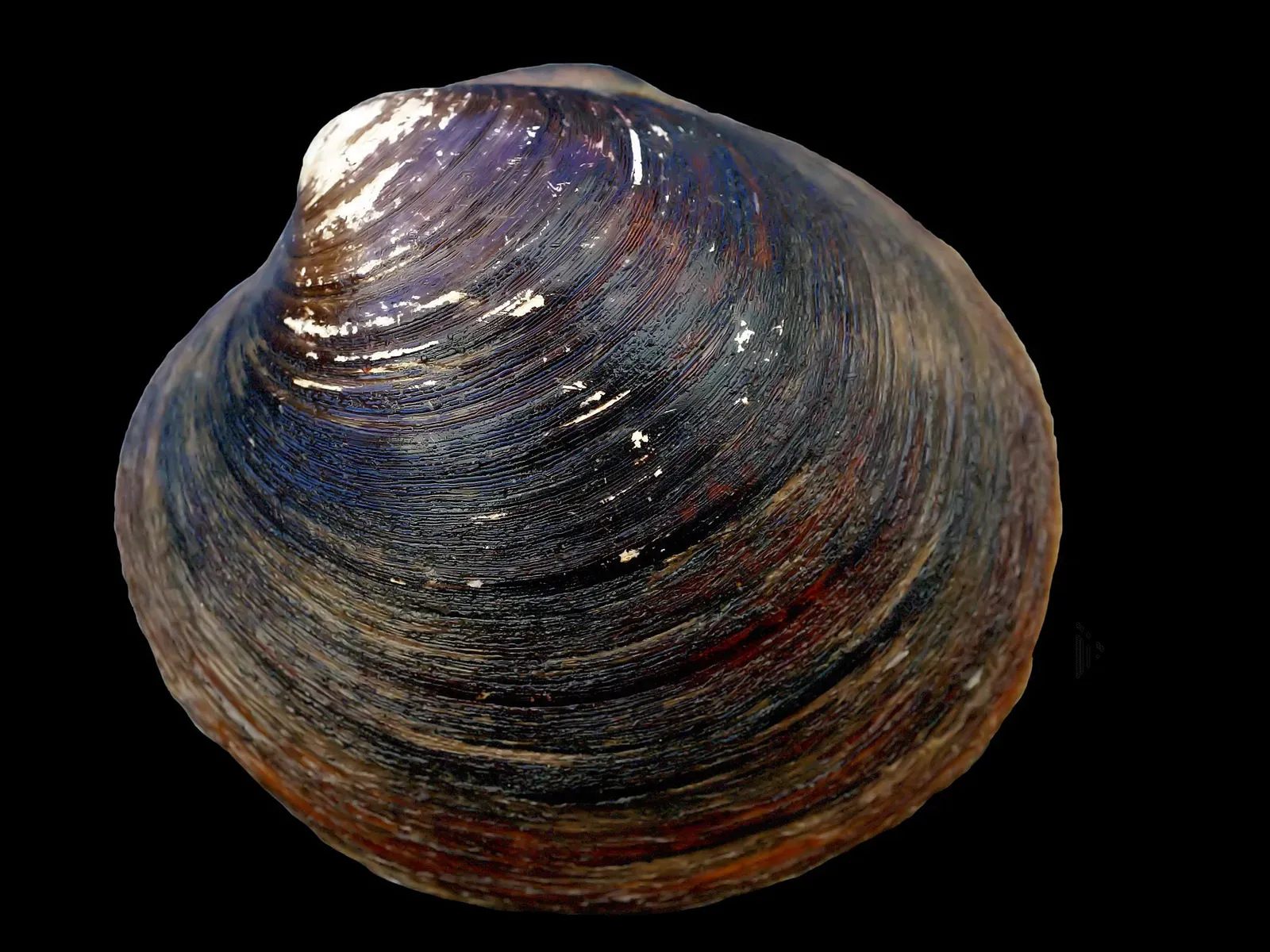
An individual specimen was reported to have lived 507 years, making it the longest-lived non-clonal metazoan whose age was accurately known. A clam named Ming, born during the Ming Dynasty, lived through the Renaissance, the Age of Exploration, both World Wars, and the Space Age. Let that sink in.
Clams like the ocean quahog live so long because they do so little; as filter feeders, they spend their days passively ingesting sea water and filtering out nutrients. The less you do, the longer you last. It sounds lazy, but it works.
Extreme longevity arises from lowered somatic maintenance costs and a low aging acceleration; for individuals in populations in cold areas the growth rate is probably further slowed because growth occurs only in summer. Their cells aren’t constantly working overtime, which means less wear and tear.
Animals like the ocean quahog exhibit a rare phenomenon known as negligible senescence, meaning they don’t seem to show any signs of ageing as they get older, maintaining bodily and reproductive fitness. They essentially refuse to age the way we do. Their shells tell the story through growth rings, just like trees, marking the passage of centuries in silent testimony to their endurance.
Giant Tortoise: The Island Survivor
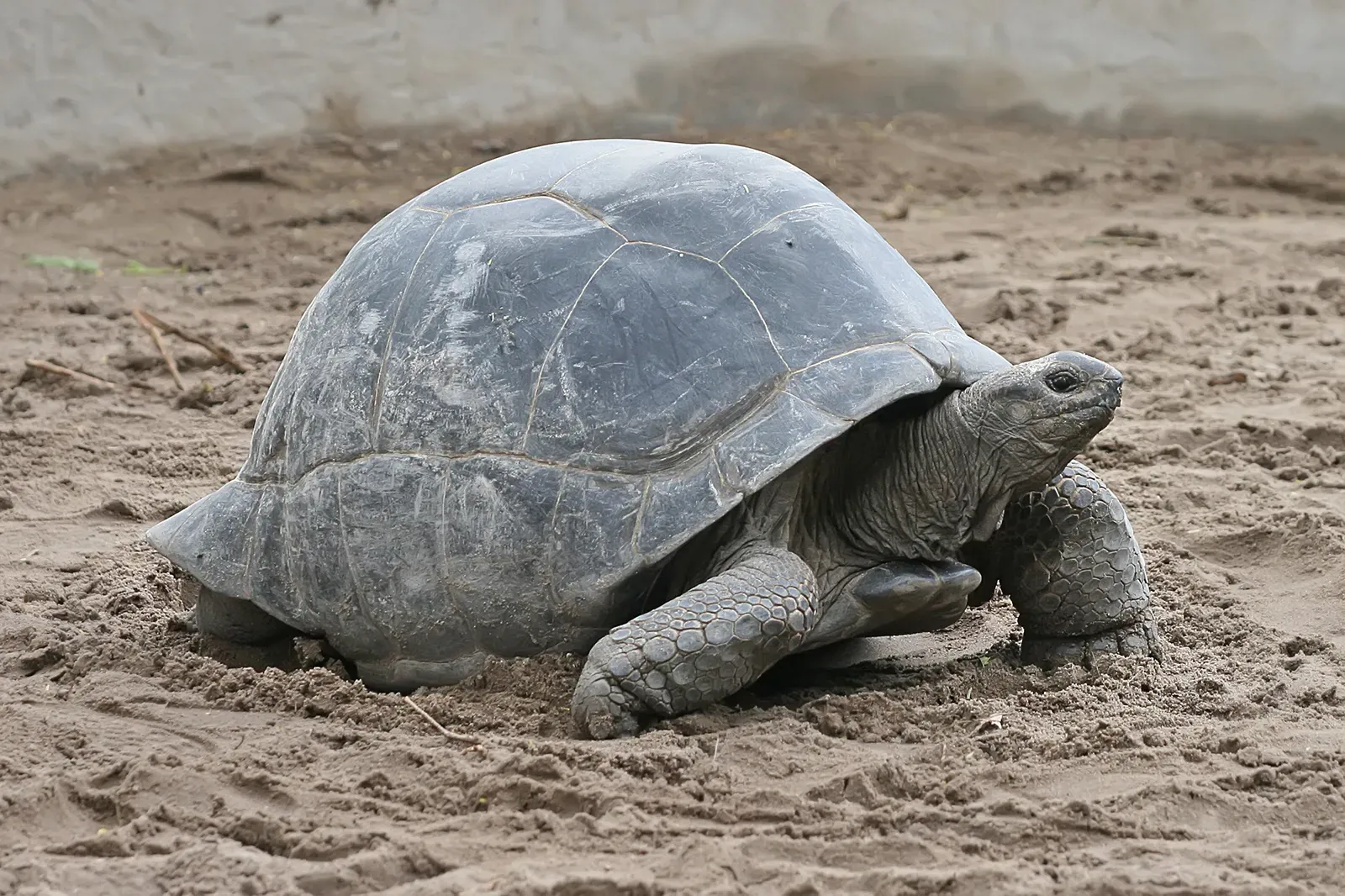
Giant tortoises never stop growing and they never stop reproducing, which means that they effectively don’t age; the oldest living giant tortoise is Jonathan, a Seychelles tortoise who was born in 1832 and in 2024 turned 192 years old. Still kicking at nearly two centuries old, Jonathan has seen the invention of the telephone, airplane, internet, and smartphones.
The giant tortoise maintains its thick shell even while living on isolated predator-free islands; without the fear of predators, the animal can slow its metabolic activity right down, helping it to survive periods of drought when food supply is limited. That shell isn’t just armor. It’s a ticket to fearless living and slow metabolism.
Galápagos giant tortoises have evolved a unique resistance to cancer; cells with genetic errors will self destruct, a kind of cellular suicide that helps stave off harmful mutations, and the Galápagos tortoise just happens to be better at it than most turtles. Their bodies are ruthless about quality control at the cellular level.
Living on remote islands with minimal threats allowed these reptiles to evolve longevity over speed. They’re the ultimate example of slow and steady winning the race. The isolation that once made island species vulnerable has become their greatest advantage in the longevity game.
Glass Sponge: The Silent Ocean Elder
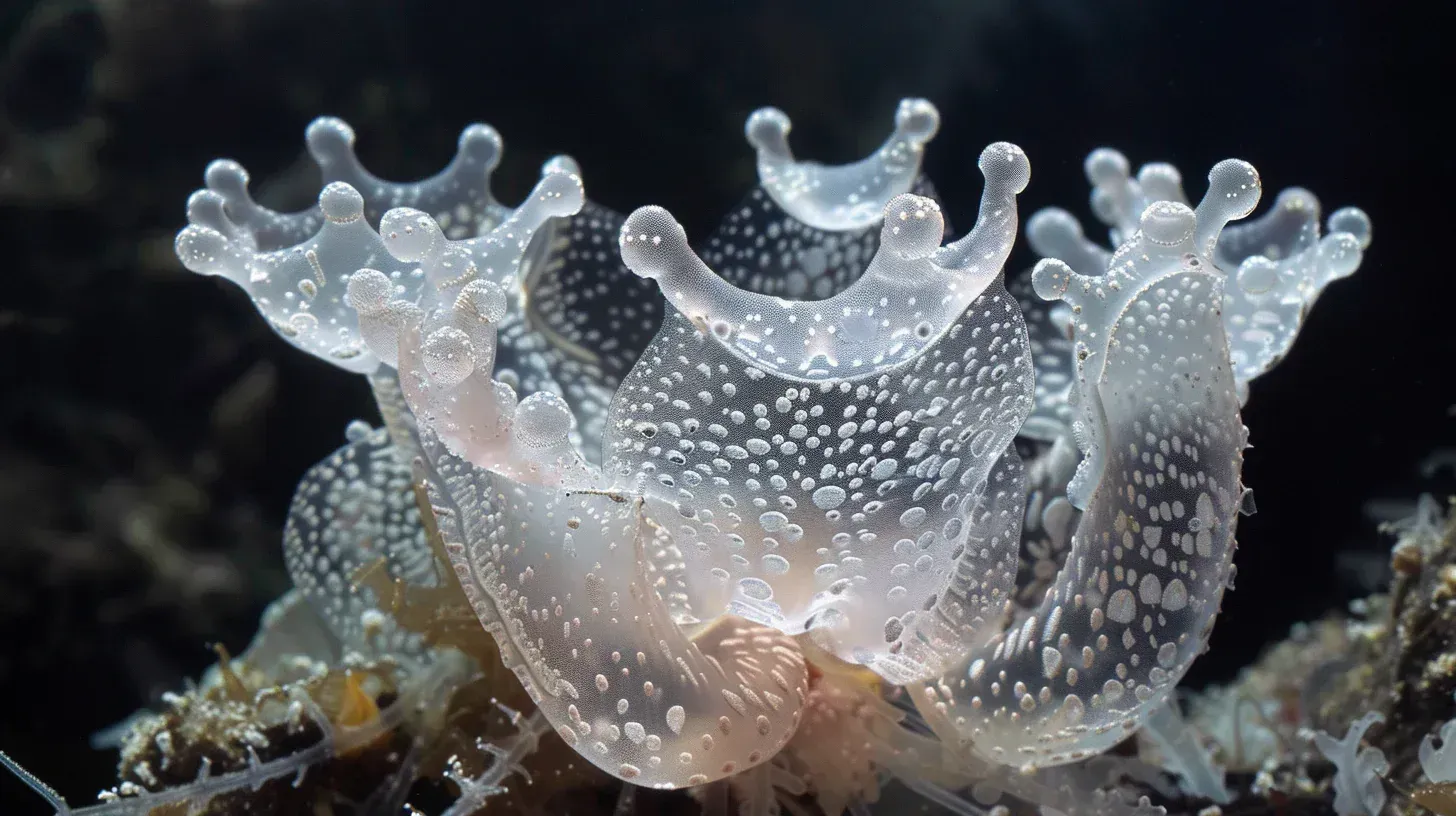
Glass sponges are the oldest living creatures, with some thought to be more than 15,000 years old. Let’s be real, that number is almost incomprehensible. These creatures were filtering ocean water when humans were just figuring out agriculture.
Glass sponges, known for their large, complex, glass-like skeletons, spend their lives attached to hard surfaces, filtering water to consume bacteria and plankton; their body structure provides a habitat for other animal species, like small crustaceans. They’re basically living apartment complexes that have been standing for millennia.
Living in deep, cold waters where everything moves slowly, glass sponges have near-zero metabolic rates. There’s minimal cellular activity, minimal damage, minimal aging. Glass sponge reefs are being damaged by human activities, facing serious threats from bottom trawling and deep-sea mining, which can damage or destroy their fragile, slow-growing reef structures.
Their extreme longevity comes at a cost: they’re incredibly vulnerable to disturbance. When you’ve spent ten thousand years building yourself up, a single trawling net can erase it all. They prove that sometimes the oldest things are also the most fragile.
Antarctic Sponge: The Polar Patriarch
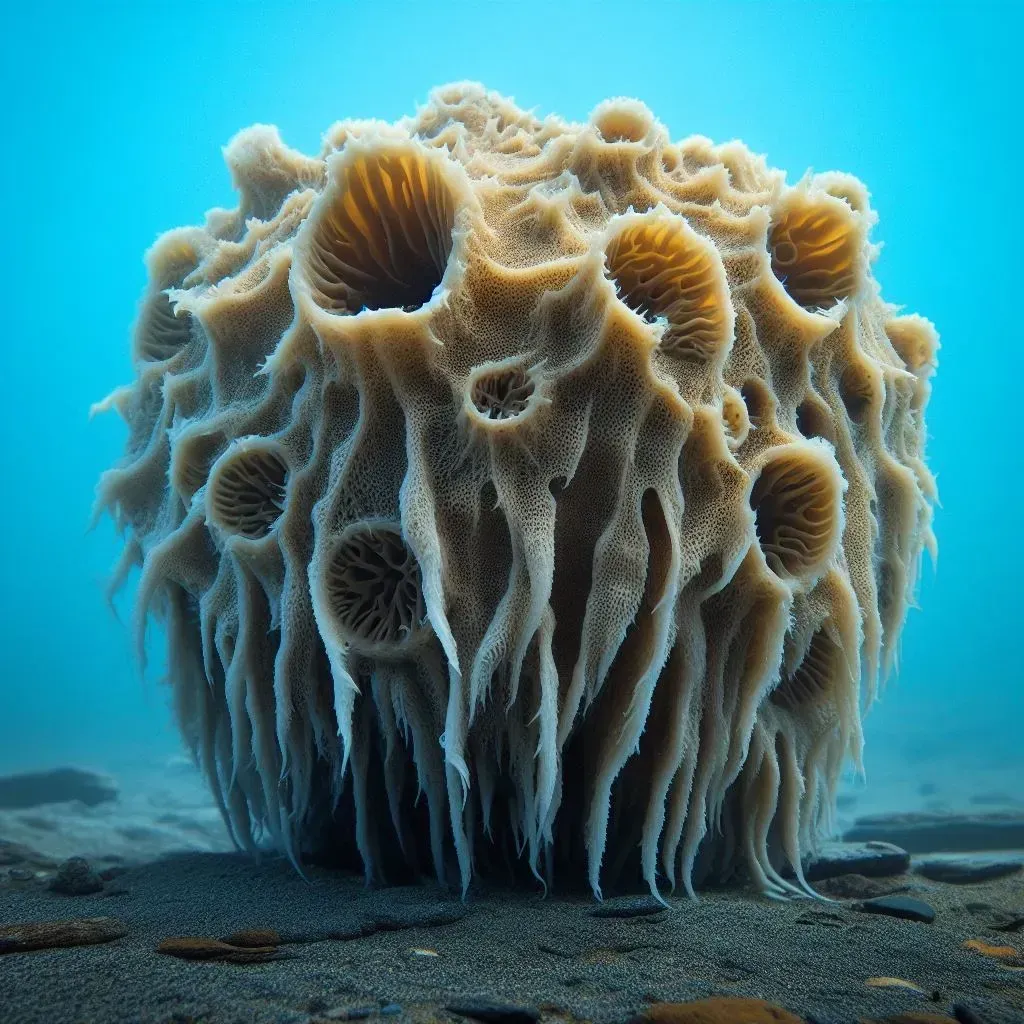
The Antarctic sponge Scolymastra joubini can live as long as 10,000 years; the sponges can grow up to 2 metres and have an extremely low metabolism due to the cold and darkness. A creature that has seen the rise and fall of entire civilizations without moving an inch.
The Antarctic environment is brutally cold and pitch dark for much of the year. For most life forms, that’s a death sentence. For these sponges, it’s the fountain of youth. The extreme cold essentially freezes their biological processes to a crawl.
There is a concentration of old animals in the ice-cold depths of the Arctic and Antarctic. It’s no coincidence that nearly all the longest-lived animals on this list call frigid waters home. Cold is the common denominator in extreme longevity.
Their survival strategy is simple: do nothing, grow slowly, live forever. In the lightless depths where few predators venture and food is scarce, patience becomes the ultimate virtue. These sponges are living proof that sometimes the best way to survive is to simply exist and wait.
Conclusion
The longest-living animals on Earth share remarkable traits: cold environments, slow metabolisms, superior DNA repair mechanisms, and resistance to cancer. From sharks that wait over a century to reproduce to clams that witnessed the birth of nations, these creatures have cracked codes we’re only beginning to understand. Their secrets lie in genes that fix what breaks, bodies that refuse to age, and lifestyles that prioritize endurance over speed.
These are animals that live longer than human beings in the wild, without medicines or hospitals or health care; understanding the genetic mechanisms at play could eventually lead to advancements in human medicine, such as new pharmaceuticals or gene therapies to promote healthy aging. Perhaps one day their longevity secrets will help us live longer, healthier lives.
What do you think about these incredible creatures? Could we ever unlock their secrets for ourselves, or are some mysteries meant to remain in the deep?
