
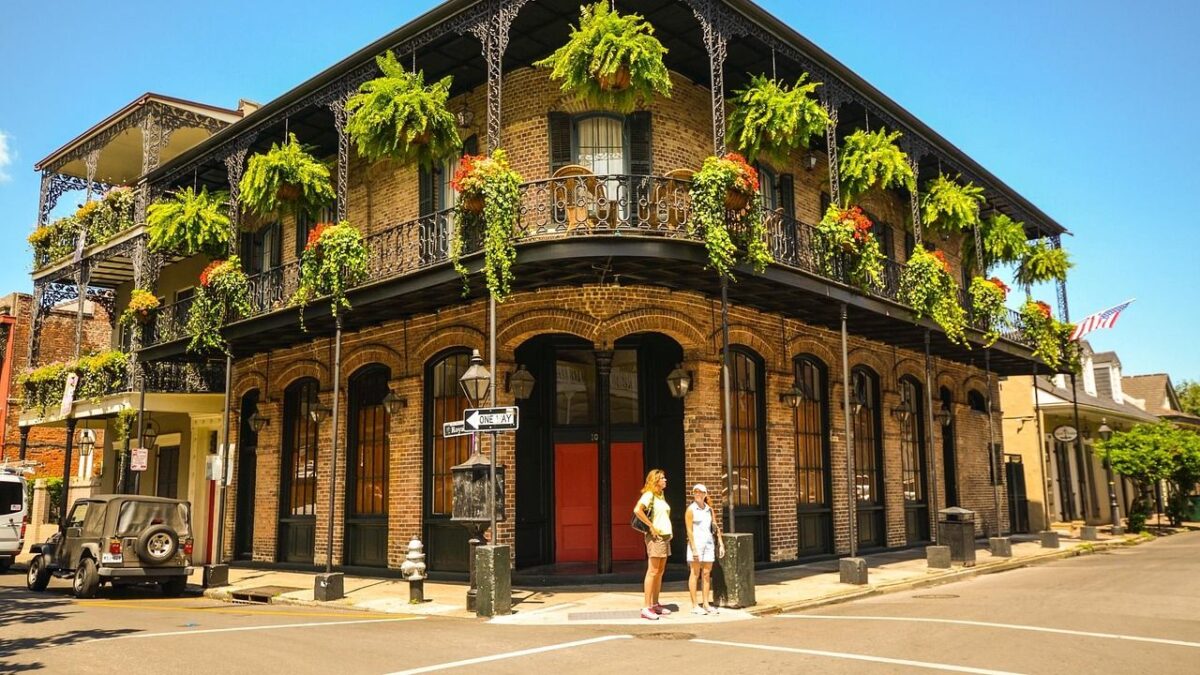
There’s something magical about walking through a town where time seems to have stopped. You know the feeling. The cobblestones beneath your feet, the Victorian mansions lining the streets, the sense that you’ve somehow slipped through a portal into another era entirely.
America is dotted with these remarkable places where history isn’t just preserved in museums but lives and breathes in every corner. From mining towns that echo with the whispers of gold prospectors to colonial settlements that witnessed the birth of a nation, these destinations offer far more than a history lesson. They offer an experience.
Let’s be honest, most modern towns have been transformed beyond recognition by strip malls and chain restaurants. That’s what makes these places so special. They’ve managed to hold onto their souls. So let’s dive in.
Williamsburg, Virginia – Where Colonial America Lives On
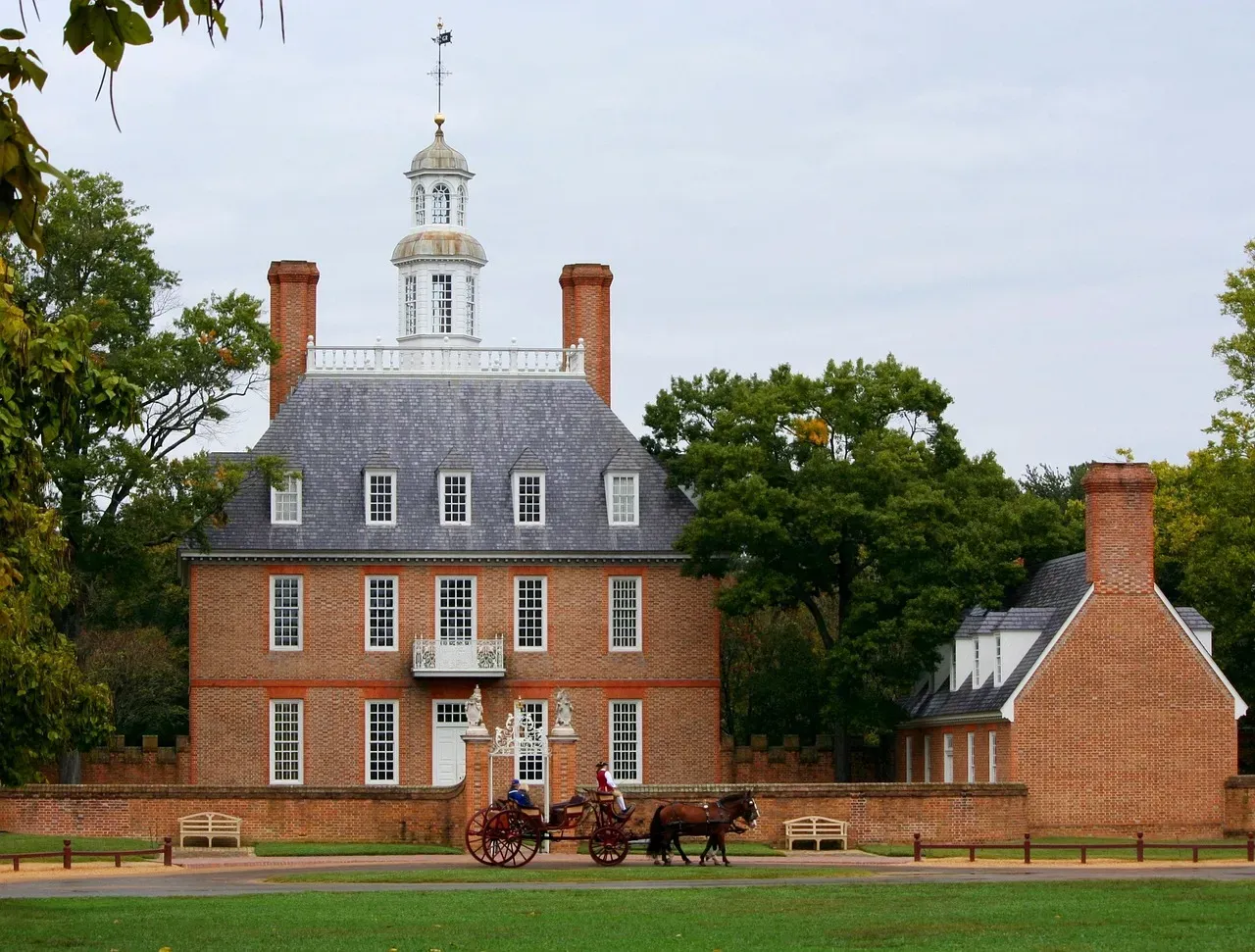
Colonial Williamsburg stands as a living history museum with preserved Colonial sites and costumed interpreters. Picture this: you’re strolling down Duke of Gloucester Street when a woman in a bonnet and full 18th-century dress walks past, completely in character, discussing the latest news from London.
As one of the world’s largest living history museums, it functions like a huge outdoor theatrical stage, featuring hundreds of refurbished buildings, live reenactments and actors in period costumes. The commitment to authenticity here is genuinely impressive.
Visitors are greeted by “residents” who once called this revolutionary town home, with more than 20 guided and self-guided daily tours ranging from ghost tours to garden tours. Each experience peels back another layer of America’s founding story.
Must-see landmarks include the famous Wren building, the Capitol Residence, Governor’s Palace, and Bruton Parish Church. Walking among these structures, you can almost hear the debates that shaped a nation.
Round out your visit with a stop at the Yorktown Battlefield, the site of the last major battle of the Revolutionary War. The sense of historical weight is palpable everywhere you turn.
St. Augustine, Florida – America’s Oldest European Settlement
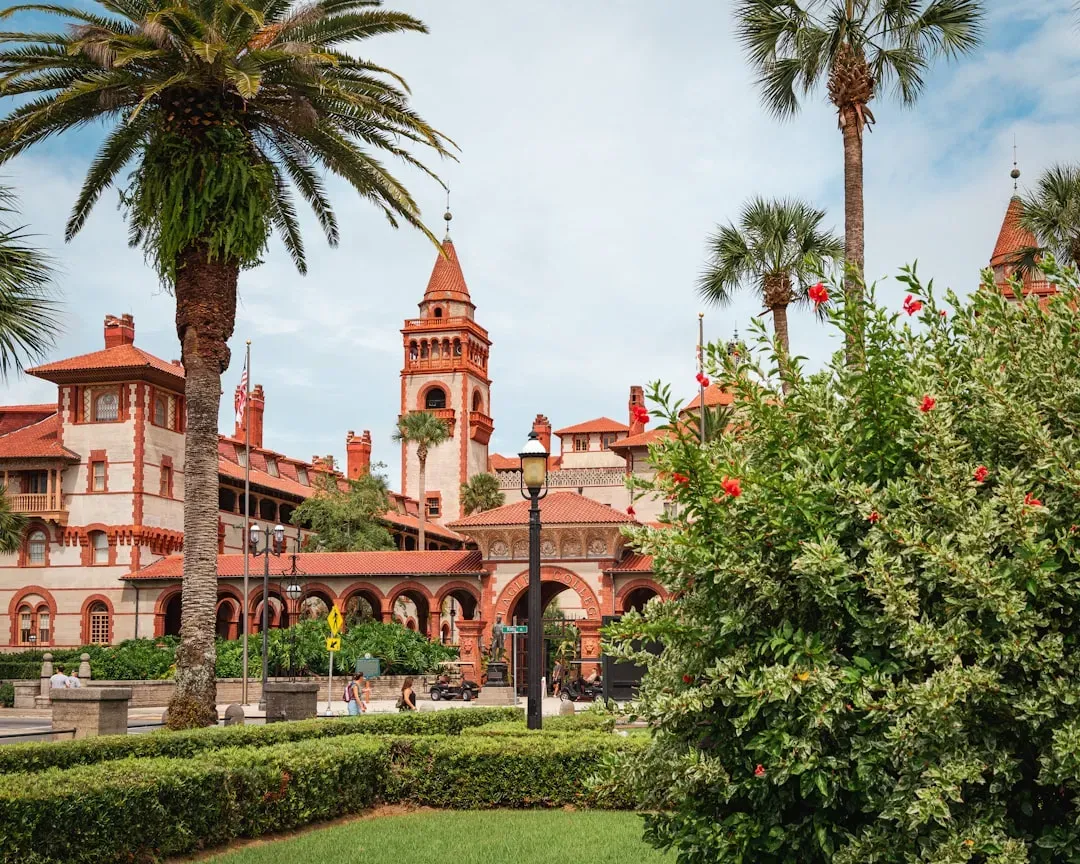
Founded by the Spanish in 1565, St. Augustine is the oldest city in the U.S., and that Spanish influence appears everywhere in the architecture, layout, and street names reflecting over 250 years of Spanish rule. The moment you arrive, you know you’re somewhere different.
St. George Street represents the most preserved part of town, with bright buildings, cute porches, and perfect old-world charm. Honestly, wandering these streets feels more like visiting a Mediterranean village than a Florida town.
Flagler College, originally built as the Ponce de León Hotel in 1885 by Henry Flagler, stands as a stunning example of Spanish Renaissance style. Its construction helped transform St. Augustine into a luxury resort destination.
Several restored Spanish colonial homes offer tours, and you can explore Castillo de San Marcos, the fort that protected the city from pirate and British attacks. The fortress walls have witnessed centuries of conflict and survival.
The blend of Spanish colonial architecture with vibrant cafes and shops creates an atmosphere unlike anywhere else in the United States. Every corner reveals another piece of a story that stretches back more than 450 years.
Deadwood, South Dakota – Wild West Legend Lives Here
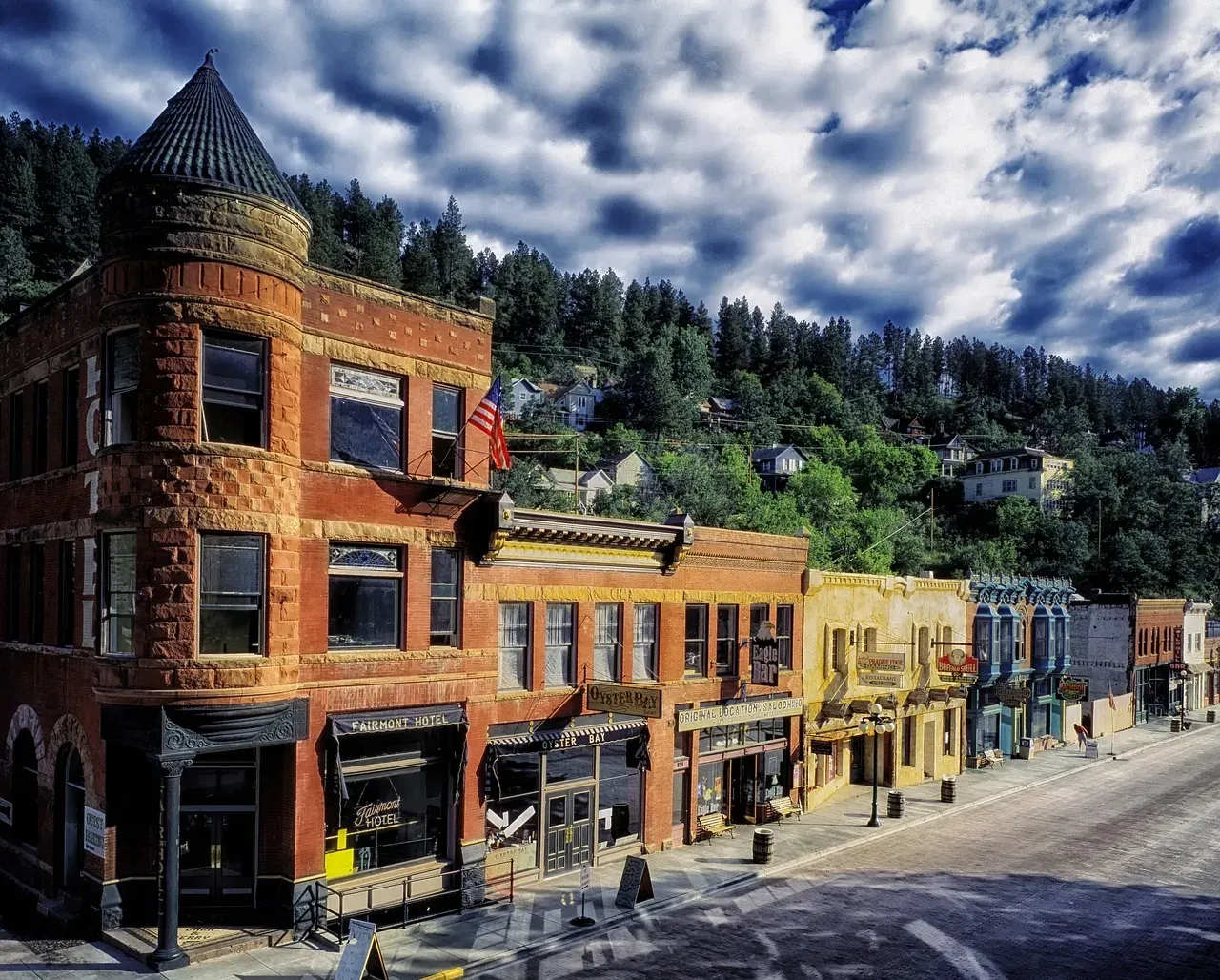
Deadwood gained fame during the Black Hills Gold Rush of the late 19th century, and the entire town is a National Historic Landmark preserving its Wild West heritage with meticulously restored buildings. This isn’t some Hollywood recreation. This is the real deal.
Walking the streets of Deadwood feels like stepping back to the days of gold prospectors and legendary figures like Wild Bill Hickok and Calamity Jane. The town wears its outlaw history with pride.
Back then, residents included Calamity Jane, Wild Bill Hickok, and other notorious gunslingers, many of whom are buried in Mount Moriah Cemetery. Visiting their graves is a pilgrimage for Wild West enthusiasts.
Today, visitors flock to Deadwood to get a taste of life in the Old West, as the town fully embraces its place in American history and puts on quite a show. The commitment to historical theater here rivals Williamsburg.
Free summer reenactments include shootouts, stagecoach tours, and a stage play of the Trial of Jack McCall. It’s hard to say for sure, but there’s something about watching a staged gunfight on the actual streets where the real thing happened that gives you chills.
Natchitoches, Louisiana – French Colonial Elegance
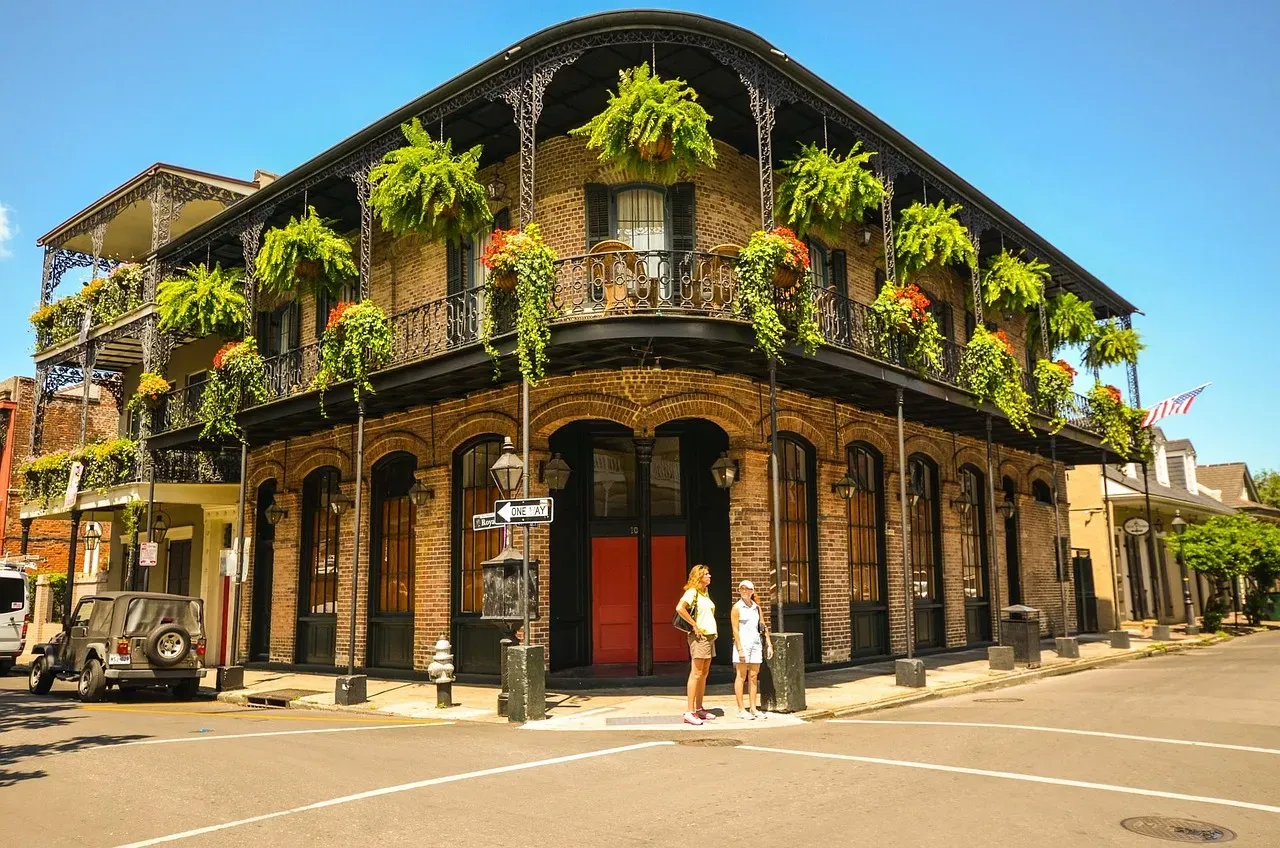
Founded in 1714, Natchitoches is the oldest settlement in Louisiana, with a 33-block historic district featuring French-quarter-style streets, as well as Queen Anne and Victorian architecture. The name alone tells you this place has retained its French soul.
The downtown area stretches along the Cane River, where wrought-iron balconies overhang brick-paved streets. It’s the kind of place where you want to slow down, sit at a café, and just watch time drift by.
The Fort St. Jean Baptiste State Historic Site offers a replica of the original fort, shedding light on the town’s role as a crucial trading outpost before the Louisiana Purchase. The fort brings to life a critical chapter in French colonial history.
The cultural blend here is fascinating. French, Spanish, Creole, and Native American influences have all left their mark. Walking through Natchitoches feels like exploring multiple historical periods at once.
During the Christmas season, the entire riverbank lights up with what locals claim is the oldest holiday light festival in the nation. The historic buildings create a backdrop that’s genuinely magical.
Savannah, Georgia – Southern Belle With Timeless Grace
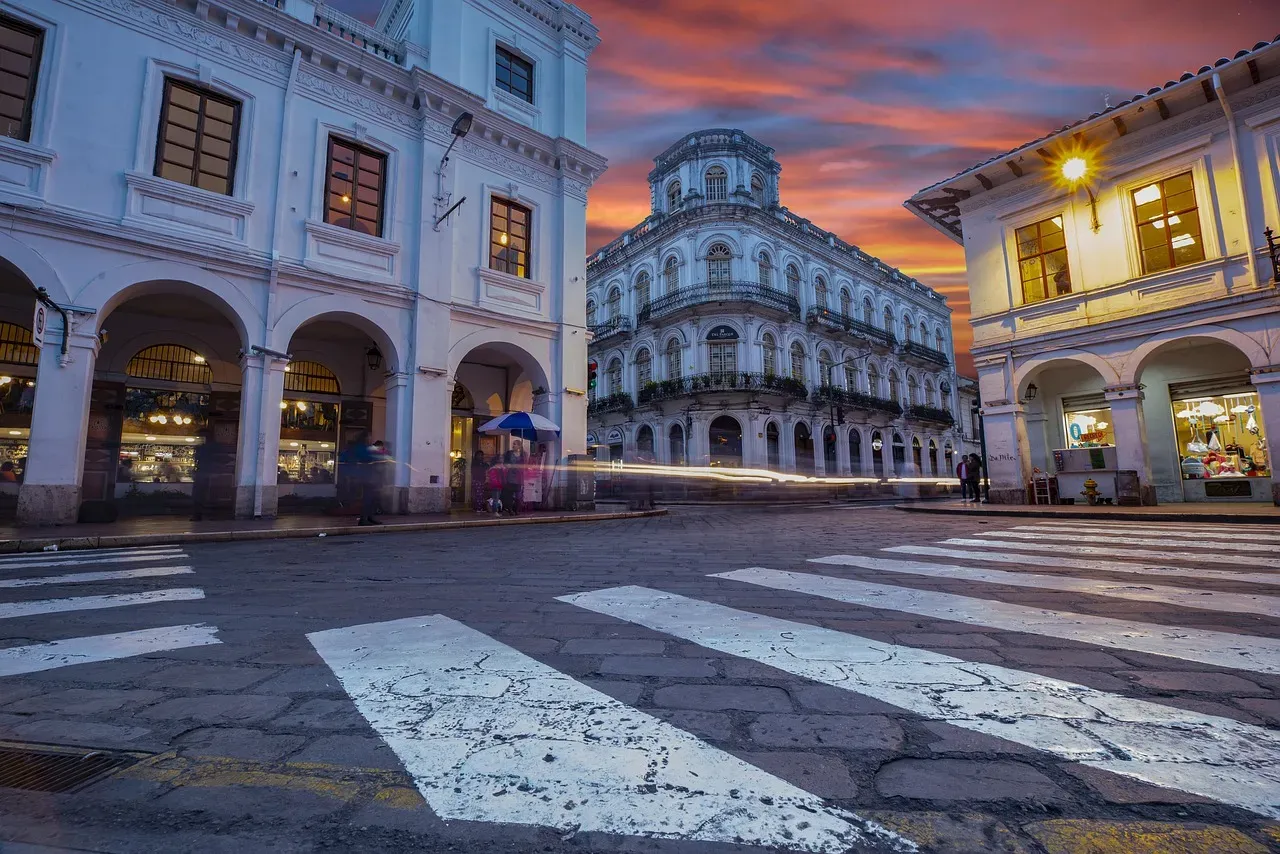
Savannah is home to one of the US’s biggest National Historic Landmark districts, boasting over 1,000 well-preserved historic buildings, original cobbled streets, and elegant city squares. The layout itself is a masterpiece of urban planning.
The Savannah Historic District features 22 public squares with well-preserved 18th- and 19th-century architecture and Revolutionary and Civil War sites. Each square has its own personality and history.
The moss-draped oak trees create natural canopies over the squares, giving the entire downtown area an ethereal quality. Some of these trees have been standing for hundreds of years, silent witnesses to countless human dramas.
You can also see cotton warehouses from the 19th century on River Street. These structures remind visitors that Savannah’s wealth came from a complicated and often painful history.
What strikes you most about Savannah is how it manages to be simultaneously elegant and approachable. The historic architecture isn’t behind ropes and velvet. It’s lived in, used, and loved by residents who understand they’re caretakers of something precious.
Franklin, Tennessee – Civil War History Meets Southern Charm
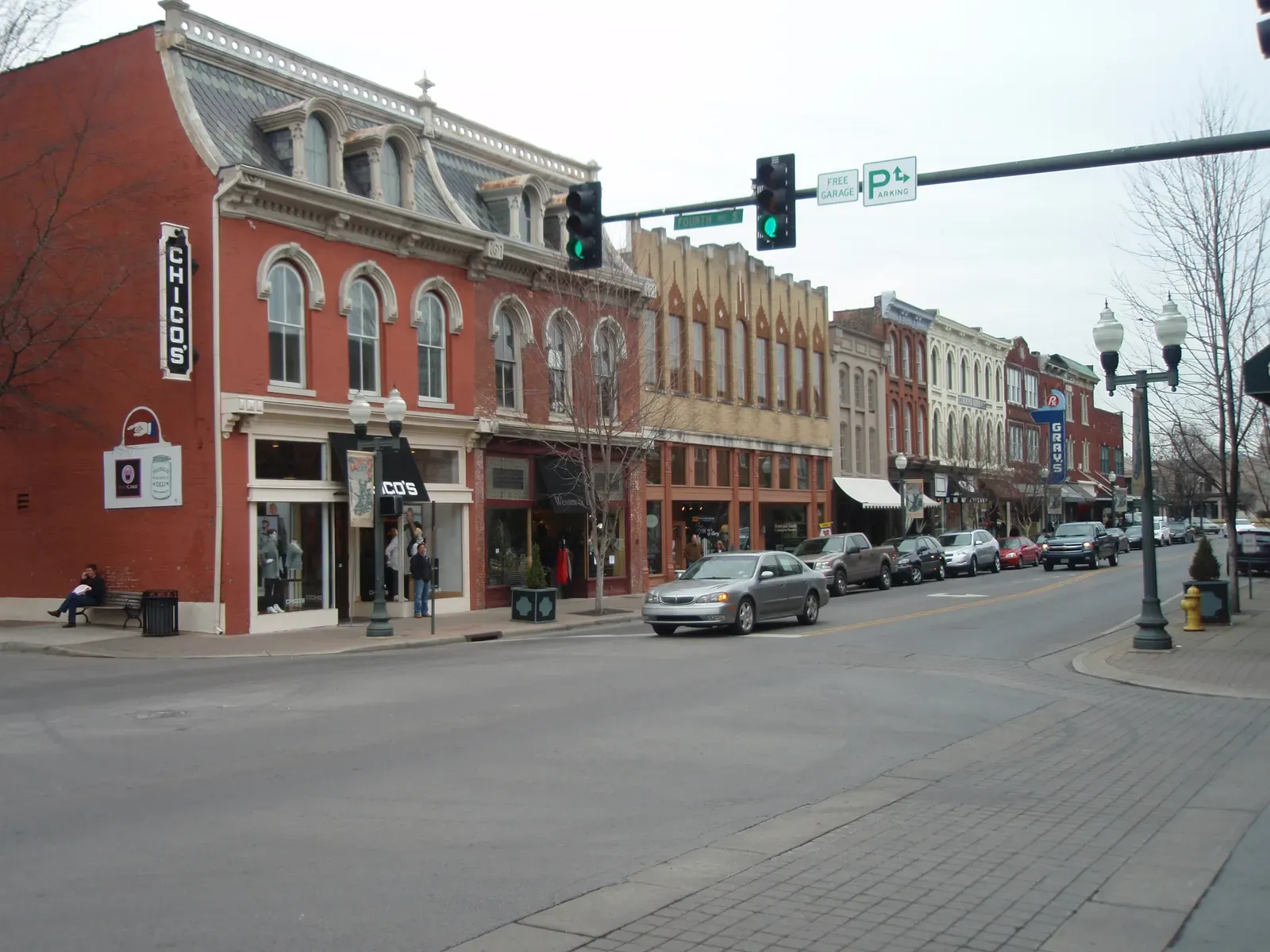
Located about half an hour from Nashville, Franklin is considered one of the nicest places in Tennessee and also one of the most historical, founded in 1799 with a historic Main Street and town square comprised of period buildings dating back to the early 1800s. The town feels both historic and vibrant.
On the rare occasion when a new building like The Harpeth Hotel is built, the city requires they are constructed in a period style to preserve Franklin’s historic charm. That level of commitment to preservation makes all the difference.
The area is home to Civil War battlefields and plantations. The Battle of Franklin in 1864 was one of the war’s bloodiest engagements, and that history still echoes through the town.
The McLemore House Museum and African American Heritage Tour highlight the important contributions and experiences of Black Americans to Franklin’s rich culture and history. The town doesn’t shy away from telling complete stories.
Downtown Franklin manages to blend antebellum architecture with modern boutiques and restaurants without feeling forced or artificial. It’s living history done right, where the past informs the present without overwhelming it.
Wallace, Idaho – Silver Mining Town in the Mountains
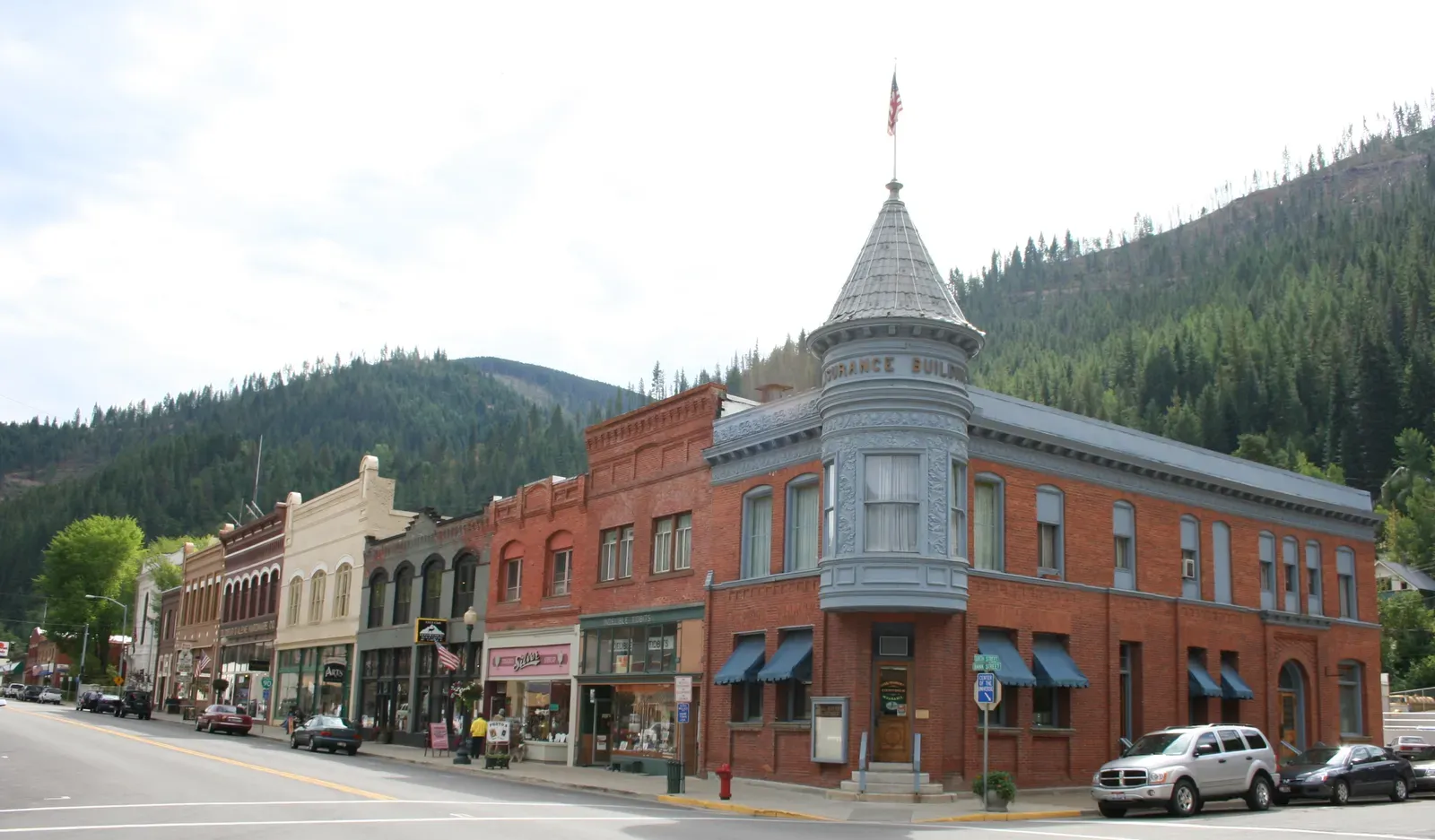
Originally a booming mining town founded in 1884, Wallace remains one of the world’s top producers of silver today. Unlike many mining towns that became ghosts, Wallace kept its purpose.
Wallace’s entire downtown district is on the National Registry of Historic Places, with stores, museums, breweries, and restaurants making their home in unique, colorful buildings that used to be train depots, brothels, and saloons. Every building has a story, and often a scandalous one.
The Bitterroot Mountains loom above the town, creating a stunning natural backdrop. It’s one thing to preserve historic buildings. It’s another when those buildings sit in one of the most beautiful mountain settings in America.
The town embraces its colorful past without sanitizing it. You can take tours that discuss the mining history alongside stories of the red-light district that once thrived here.
Walking Wallace’s compact downtown feels like wandering through a time capsule where every storefront and façade has been frozen at the height of the silver boom. The buildings house modern businesses, creating a bridge between past and present that feels organic rather than manufactured.
Conclusion
These seven towns prove that America’s history doesn’t have to be locked behind museum glass or confined to textbooks. When communities commit to preservation, when they understand that their old buildings and streets are treasures worth protecting, something remarkable happens. History becomes tangible.
Each of these destinations offers something different. Colonial politics in Williamsburg. Spanish colonial elegance in St. Augustine. Wild West mythology in Deadwood. The variety reflects America’s complex, layered past.
What these places share is a refusal to let progress erase their identities. They’ve found ways to welcome visitors and modern amenities while keeping their historical souls intact. That balance isn’t easy, but it’s worth fighting for.
Visiting these towns isn’t just about checking off historical sites. It’s about feeling the weight of centuries beneath your feet, imagining the lives lived in these spaces, and connecting with stories that shaped the nation. Which one will you explore first?
