
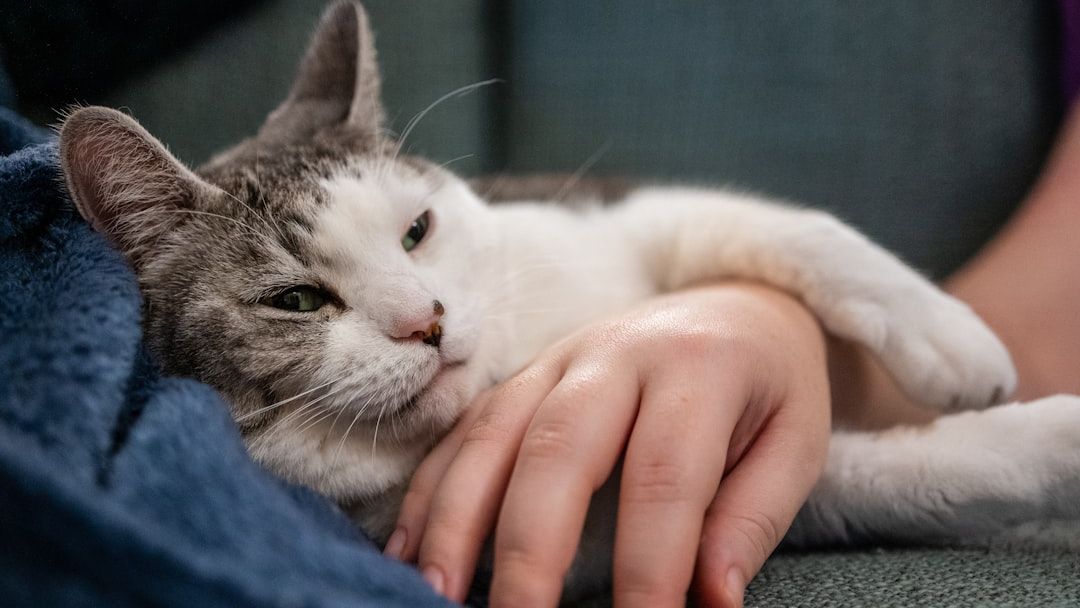
Watching your beloved feline friend age can be both beautiful and a little heartbreaking. One day they’re darting around like a kitten chasing shadows, and the next, they’re taking longer naps in the sunny spot by the window. Truth is, our cats are getting older, and with that comes new responsibilities for us as their caretakers. Senior cats have unique needs that differ greatly from their younger counterparts. They require more attention, specialized care, and a bit of extra love to ensure they continue thriving well into their twilight years.
The good news is that with proper care, many cats are now living into their late teens and even their twenties. However, this longer lifespan means we need to be more proactive about their health and happiness. From nutrition adjustments to environmental modifications, there are plenty of ways you can make your senior cat’s life more comfortable. Ready to learn how to give your aging kitty the best possible quality of life? Let’s dive in.
Schedule Regular Veterinary Checkups Every Six Months
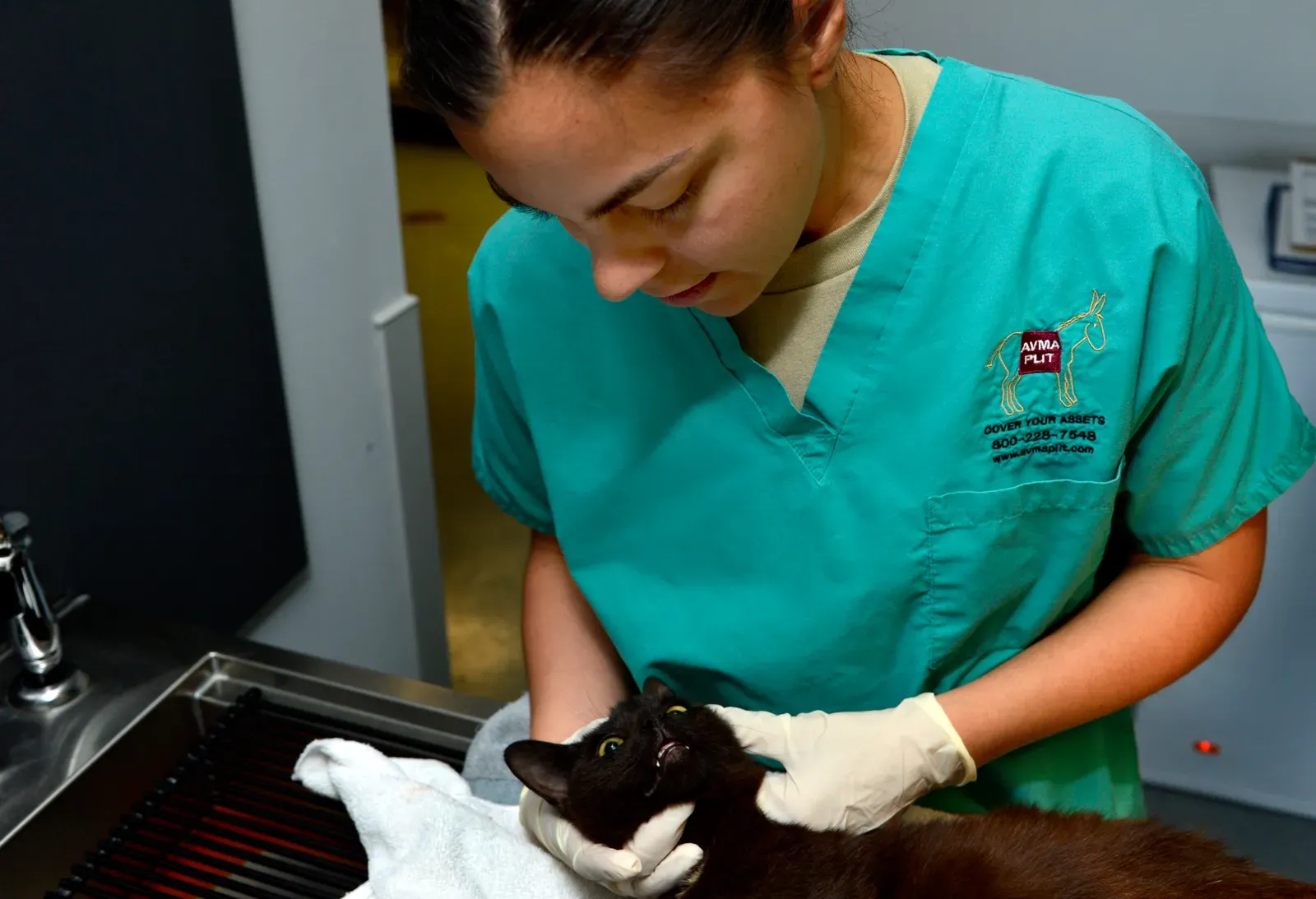
Here’s the thing about senior cats: they’re masters at hiding pain and illness. It’s an instinctive survival mechanism that makes them appear healthy even when something’s brewing beneath the surface. Most experts agree that healthy senior cats should see their veterinarians every six months, as cats age much more rapidly than people do, and health problems can occur quickly.
At around seven years old, your cat should begin having biannual senior wellness exams to test for diseases and other health issues that cats are more prone to developing with age. These aren’t just casual visits either. A senior wellness exam will include a panel of laboratory tests to check your cat’s blood for signs of disease and to assess your cat’s kidney and liver function.
Think of these checkups as preventative maintenance for your cat’s body. Chronic kidney disease affects three out of ten geriatric cats, according to Pet Health Network. Early detection can mean the difference between managing a condition successfully and dealing with a crisis later on. Your vet will also screen for hyperthyroidism, diabetes, and dental disease, all common in aging felines.
Many cat owners worry about the cost, but honestly, catching problems early tends to be far less expensive than emergency treatments down the road. Blood work done during these visits can detect the onset of health issues like kidney disease while there’s still time to make medical changes that will improve and extend your cat’s life. Plus, regular weight checks can reveal trends that might otherwise go unnoticed in your daily interactions.
Don’t skip these appointments even if your cat seems perfectly fine. Cats are very good at hiding signs of illness and may appear healthy for a long time only to become suddenly ill once their ability to compensate for an underlying disease is gone.
Optimize Their Diet with High-Quality Senior Nutrition
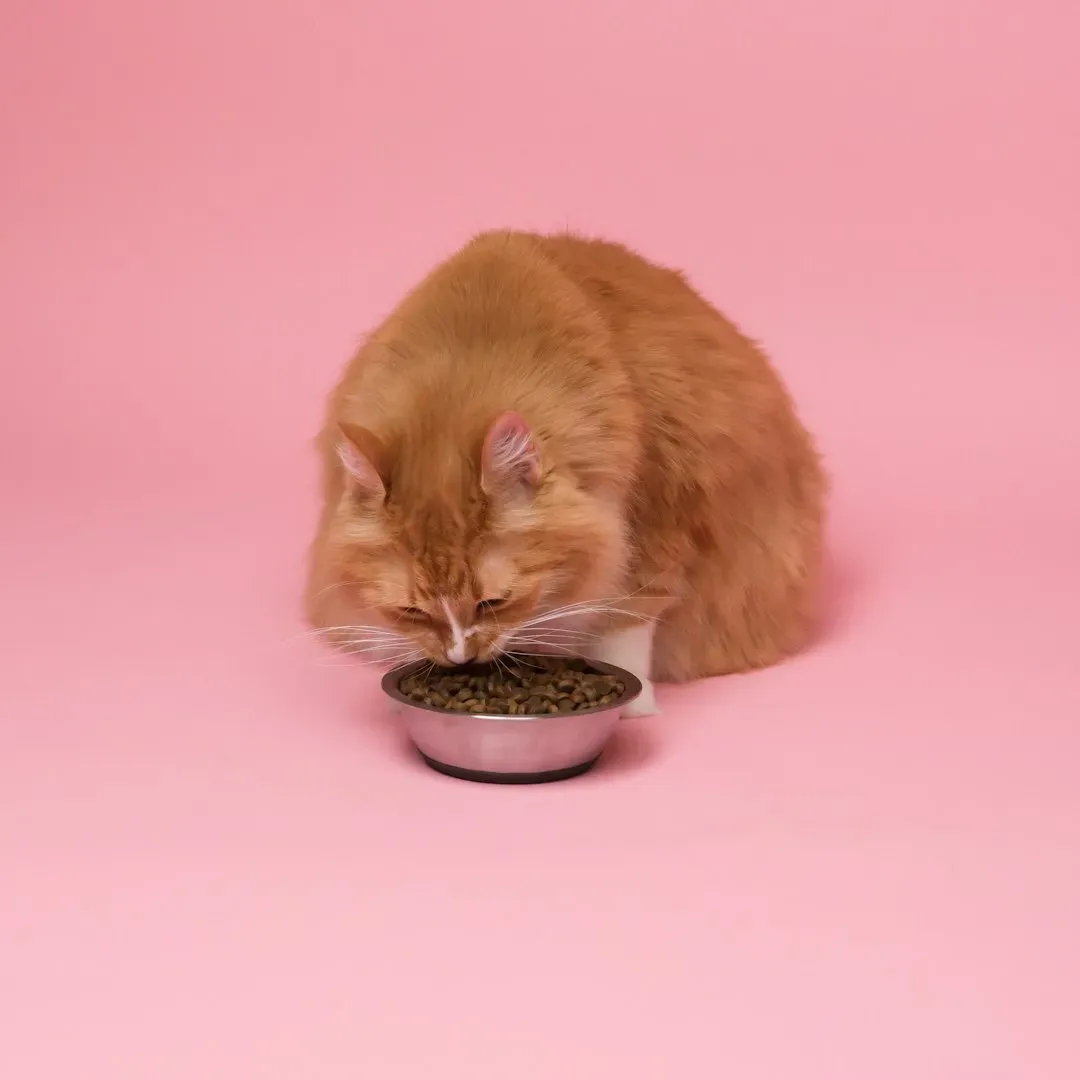
Feeding your senior cat isn’t as straightforward as just pouring kibble into a bowl anymore. As cats age, their digestive system takes more effort to digest and absorb nutrients from their foods, particularly fat and protein. This means what worked for them at five years old might not cut it at twelve.
Cats aged seven to twelve years benefit from reduced levels of fat and calories and higher levels of fiber and protein to minimize weight gain, while from twelve years onward, a highly digestible diet with higher levels of protein and fat helps maintain lean body mass and ideal body condition. It might sound contradictory, but it’s all about what their changing bodies need at different stages.
Kidney function frequently deteriorates in older cats, so it’s especially important that senior cats have easy access to clean water, and you should consider mixing canned and dry food to let your cat absorb the water canned food offers. Hydration becomes increasingly critical as they age, and wet food can be a sneaky way to boost their water intake.
Let’s be real though, not all senior cat foods are created equal. Look for a senior cat food with higher protein to help older cats maintain their lean body mass. I think it’s worth having a conversation with your vet before making any dietary changes, especially if your cat has underlying health conditions. A decreased ability to smell and taste can affect appetite, so their food needs to be particularly palatable so they’re more likely to eat it and therefore continue to get the nutrients they need.
Make Their Environment More Accessible and Comfortable
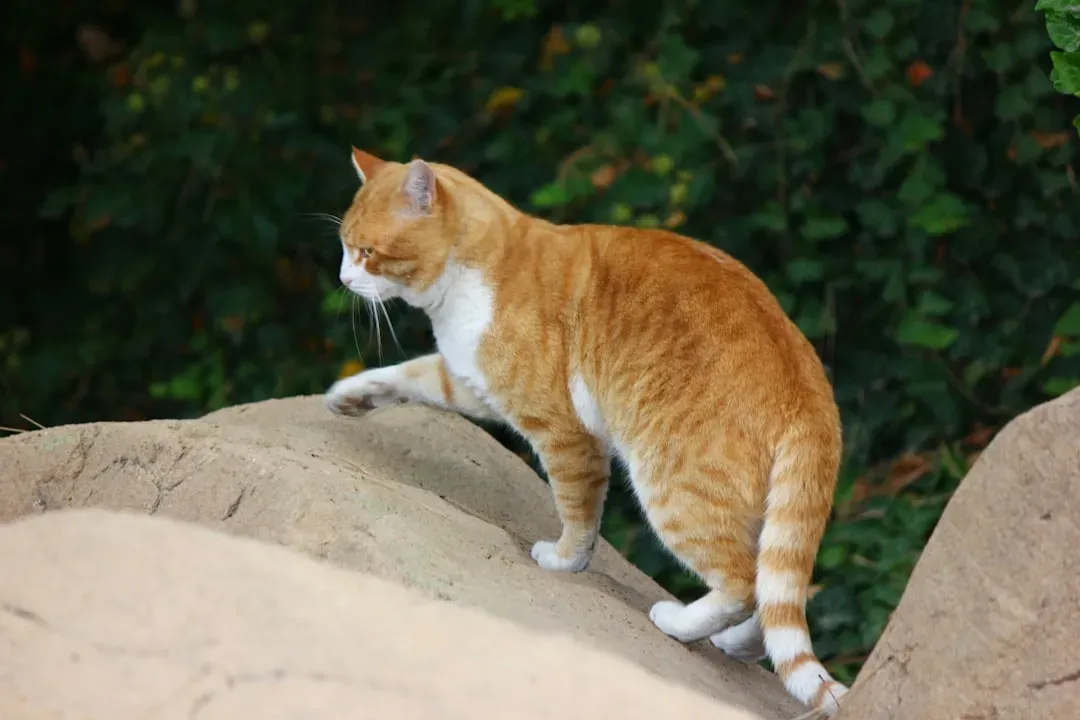
Imagine trying to climb stairs when your knees ache or jumping onto a high countertop when your joints are stiff. That’s what aging cats face daily. For aging and arthritic cats experiencing pain, a staircase can be a mountain of dread, and many cat parents may not detect signs of pain or arthritis, so navigating a flight to reach a litter box can cause a cat so much discomfort that he’ll avoid the climb and begin having accidents.
Keeping litter boxes, as well as food, water, even bedding, in areas that are not elevated will transform a feline obstacle course into a senior support system. Consider adding ramps or pet steps to help them reach their favorite spots. It’s a small investment that can make an enormous difference in their daily comfort and independence.
Older cats often need more warmth and padding to stay cozy, so your home environment may benefit from some adjustments like layering soft cat blankets or flannel sheets in favorite napping spots, and adding a folded sweatshirt or old sweater to plump up her cat bed. They lose body heat more easily as they age, so those extra cozy layers aren’t just nice, they’re necessary.
Nightlights help older cats with poor vision or eyesight problems navigate at night. A few strategically placed lights can prevent nighttime confusion and reduce anxiety. If your cat is blind, try to keep your cat’s environment as stationary and consistent as possible, including litter boxes and furniture.
Think about placing multiple water bowls throughout your home. As with food bowls, your cat may find it easier to drink from a raised bowl, and you may want to try different bowls like ceramic, glass, or a drinking fountain, and even different types of water.
Maintain Their Grooming and Dental Health
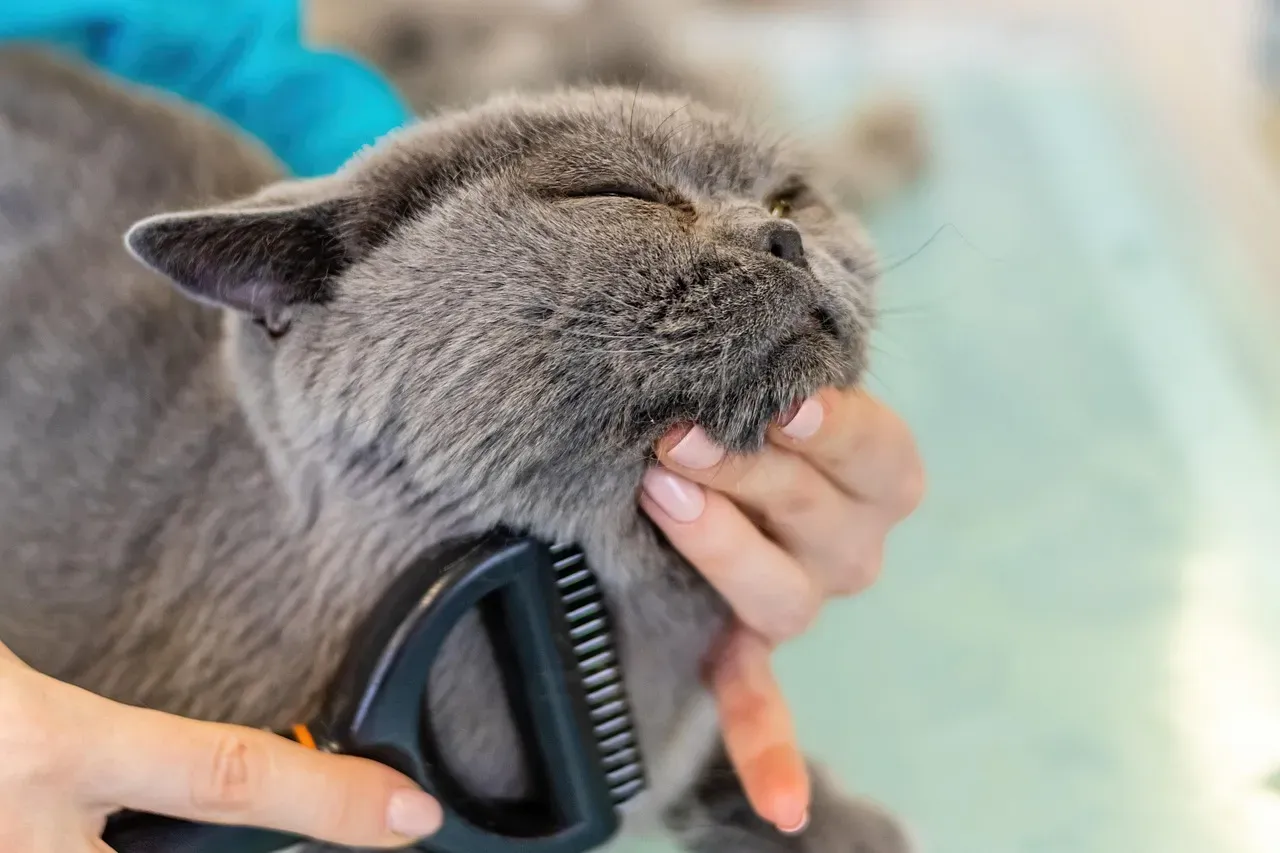
Although cats are generally meticulous about grooming themselves, this task becomes more challenging as they age, and your cat will find it increasingly difficult to bend and stretch to groom her entire body due to reduced flexibility. This is where you come in as their personal grooming assistant.
Older cats can benefit from more frequent hands-on help if their self-grooming begins to wane, and gently brushing or combing removes loose hairs and stimulates circulation and sebaceous gland secretions, returning luster to the coat. Just be gentle. Older cats have fragile skin that can easily rip or tear. Use a soft brush and take your time, making it a bonding experience rather than a chore.
Here’s something people often overlook: dental health. Infections in the mouth enter the bloodstream and can slowly affect the liver, kidneys and heart, so paying attention to your cat’s dental health is essential to caring for them during their senior years. It’s hard to say for sure, but I suspect many behavioral changes we attribute to aging are actually related to dental pain.
Often there is no clear sign of dental disease, and cat parents see weight loss and a poor hair coat as vague signs of aging, not an indication of a potential problem, but a thorough veterinary exam and routine dental care can drastically improve your cat’s quality of life and can even extend their lifespan. Regular dental checkups and professional cleanings become even more important as your cat ages.
Keep Them Mentally Stimulated and Stress-Free
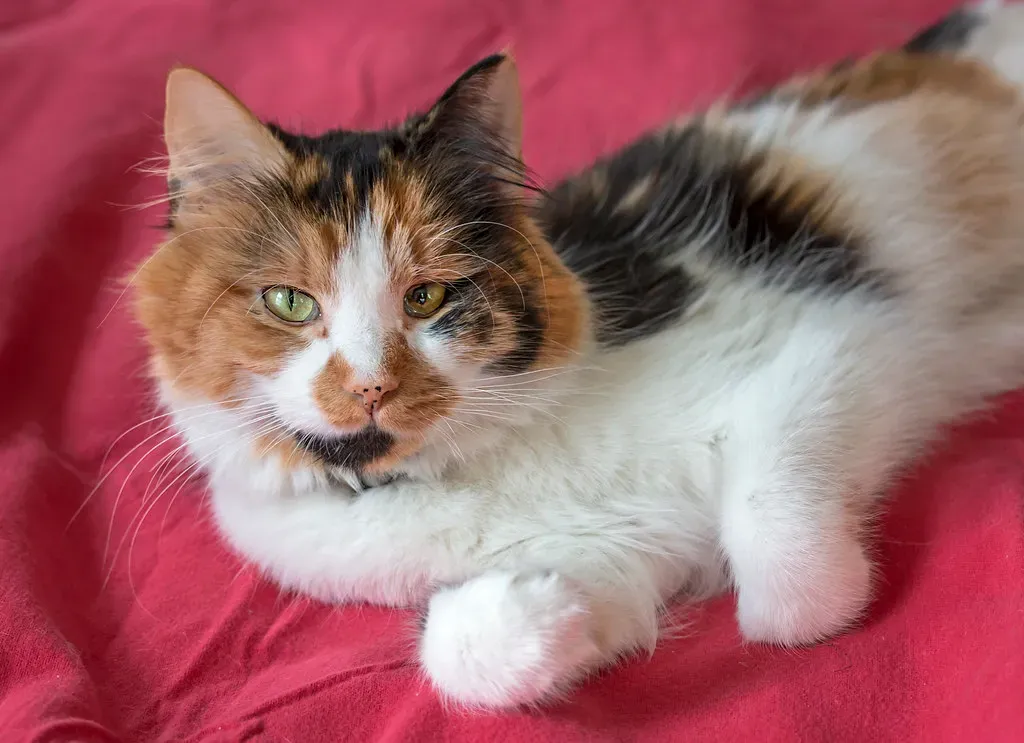
Senior cats might sleep more, but that doesn’t mean their minds should go dormant. Environmental enrichment is an essential part of your cat’s quality of life, as all cats need places to climb, places to hide, things to scratch, and ways to hunt and play, which will help your cat stay physically and mentally stimulated as well as healthy.
Older cats cherish predictable days more than younger cats do, as cats become set in their ways as they get older. Maintaining a consistent routine for feeding, playtime, and even when you come and go can provide tremendous comfort. Sticking to normal routines reassures them.
That said, mental engagement is still crucial. Consider puzzle feeders that make mealtime more interesting or interactive toys that don’t require too much physical exertion. A cat’s digestion is improved by feeding them small, frequent meals throughout the day and night by measuring your cat’s daily food and distributing it in small portions. You can use this as an opportunity for gentle mental stimulation.
Some cats may need more emotional support as they age and others may prefer to be left alone, and they may become more dependent on relationships and require more attention. Pay attention to what your individual cat needs. Some want more cuddles and reassurance, while others value their independence. It’s about reading their signals and responding accordingly.
Monitor and Manage Their Weight and Mobility
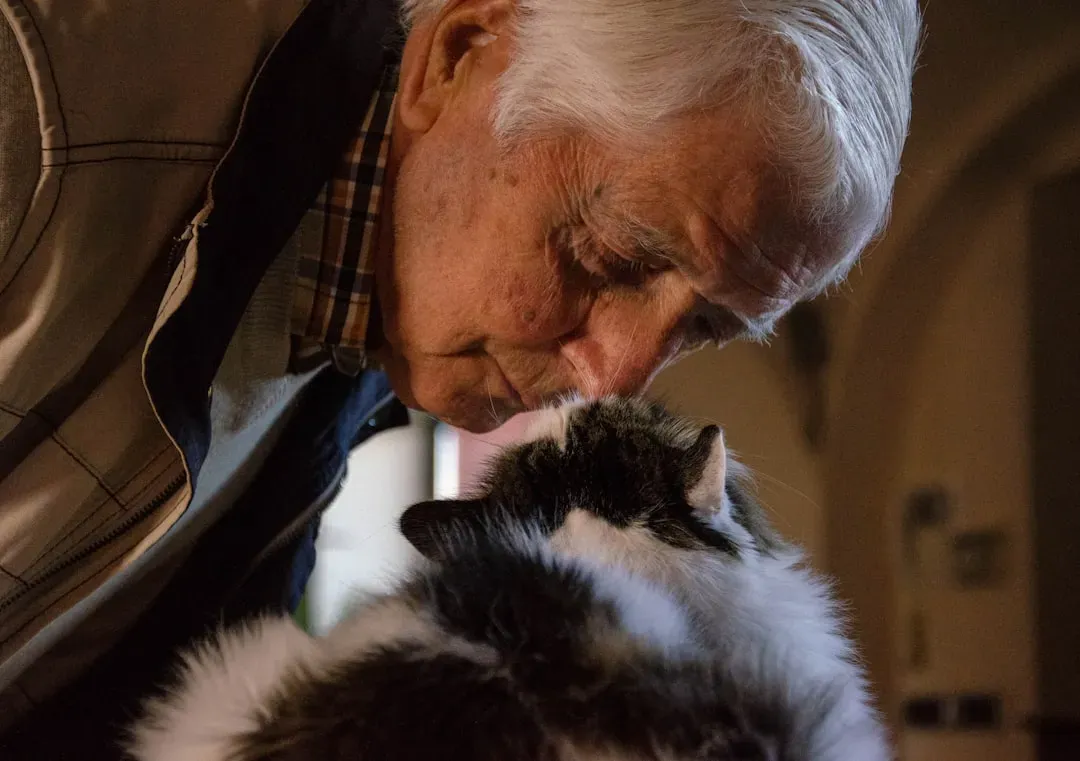
Weight management becomes a delicate balancing act in senior cats. Obesity is common in adult cats but much less so in senior cats, as of all feline life stages, senior cats are most often underweight. This is actually a bigger concern than many people realize.
Senior cats begin losing lean body mass from seven years of age, and by age fifteen, cats may lose an average of one third of their lean body mass. This muscle loss, called sarcopenia, can significantly impact their quality of life. Research has shown that fat and protein digestibility decrease with age in cats, causing seniors to have a higher dietary requirement for these macronutrients, and the fat and protein sources need to be highly digestible to maximize energy capture from the food.
Weight monitoring should happen regularly at home and during vet visits. Weighing your cat twice a year will show trends in weight loss or gain that can be valuable clues to overall health changes. Sudden weight changes can indicate underlying health issues that need immediate attention.
Mobility issues often creep up slowly. Arthritis has been found in approximately eighty to ninety percent of senior cats showing little or no lameness, and in many cases this is not a result of damage to the joints but natural degeneration specific to cats. Just because your cat isn’t limping doesn’t mean they’re not uncomfortable. Watch for subtle changes like hesitating before jumping or sleeping in more accessible spots than they used to prefer.
Give Them Extra Love and Attention
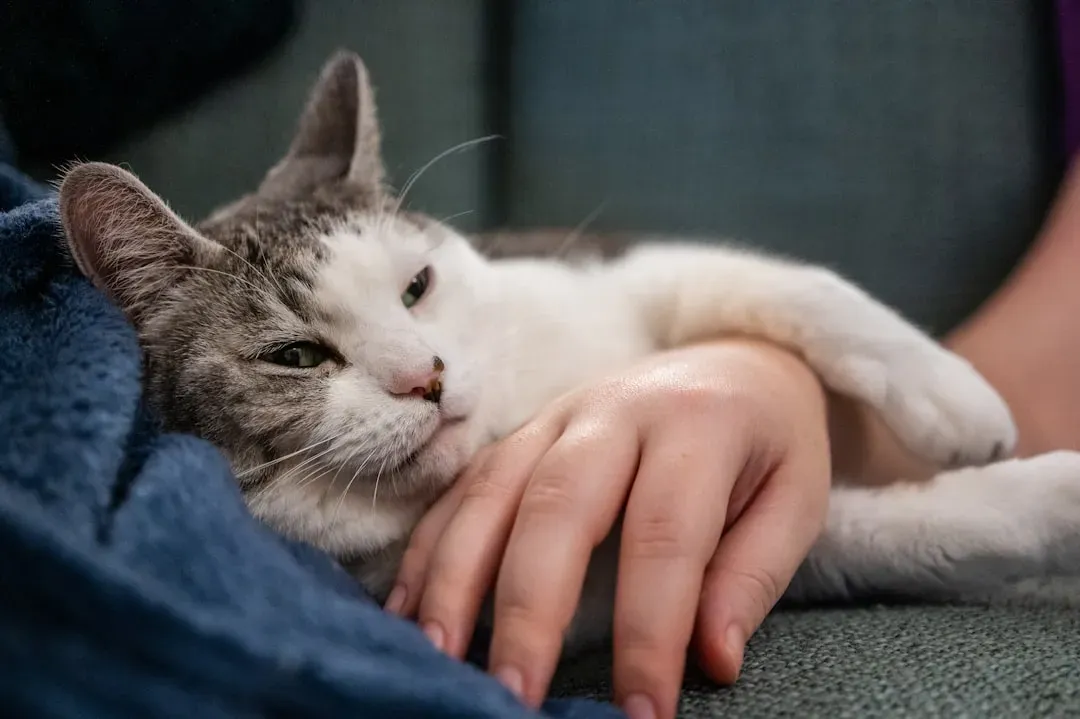
Older cats enjoy spending time with their human family members, and it is important to give them the extra tender loving care that they’ll need for many years to come. Honestly, this might be the most important thing on this entire list.
Undoubtedly the greatest need when caring for a senior cat is patience, as old cats may sleep the majority of any day. They might not be as playful or energetic as they once were, but they still crave connection and companionship. Spend quality time with them, even if it’s just sitting nearby while they nap or gently petting them in their favorite sunny spot.
Be sensitive to any changes in your senior cat, as even subtle changes can be an indication of significant health issues, so when in doubt, consult with your veterinarian and see your veterinarian at least every six months. Trust your instincts. You know your cat better than anyone, and if something feels off, it probably is.
Let’s be real: the time we have with our pets is never long enough. Make every moment count by being present and attentive. Talk to them, play gentle games when they’re up for it, and simply be there. Keeping a predictable routine, setting aside special playtime or nap moments, and consistently showering them with care can make a difference in their health and happiness during their senior years.
Your senior cat has given you years of companionship, entertainment, and unconditional love. Now it’s your turn to return the favor by ensuring their golden years are as comfortable, healthy, and joyful as possible.
Conclusion
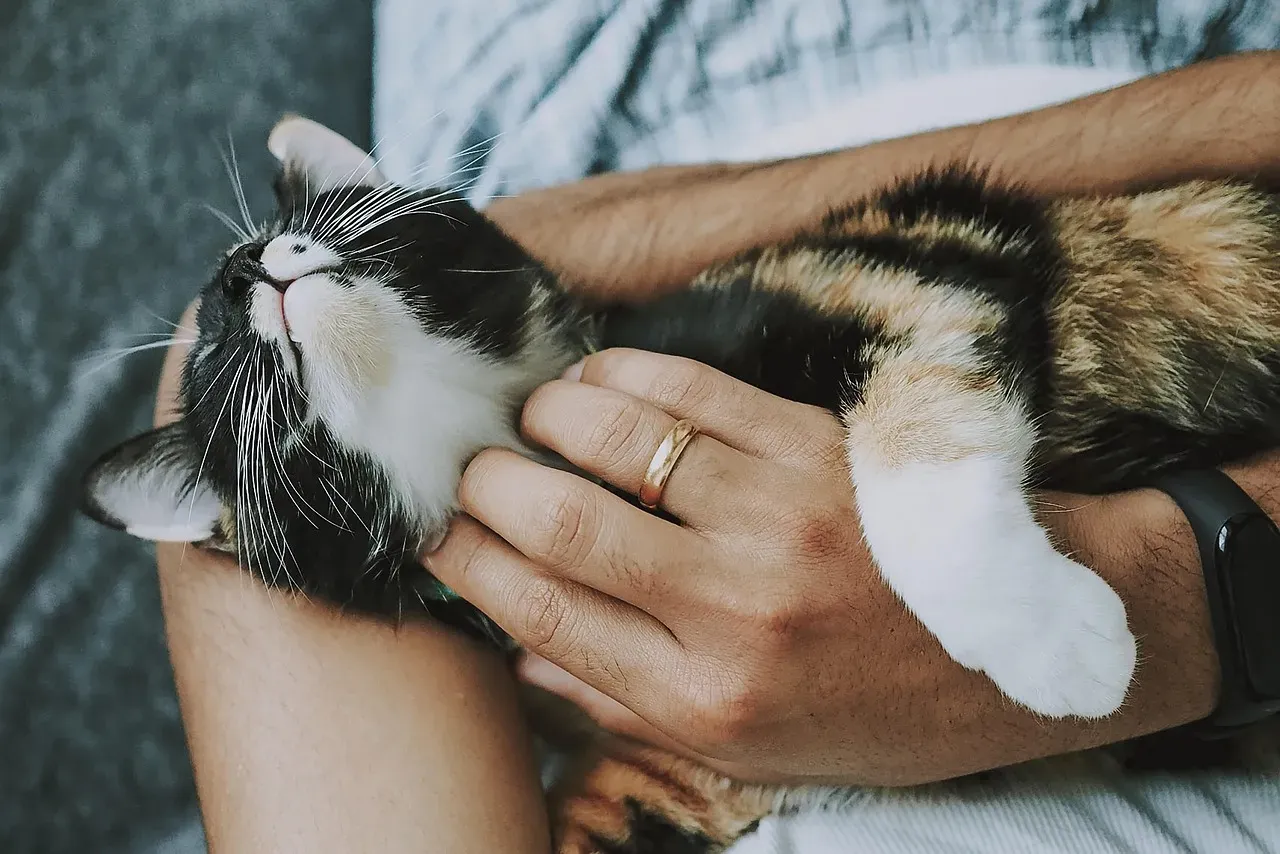
Caring for a senior cat requires more attention and thoughtfulness than caring for a younger feline, but the rewards are immeasurable. By scheduling regular veterinary checkups, optimizing their nutrition, making environmental adjustments, maintaining their grooming and dental health, providing mental stimulation, monitoring their weight and mobility, and showering them with love, you’re giving your aging companion the best possible quality of life.
Today it’s not unusual for veterinarians to have feline patients in their twenties, as thanks to improved nutrition, living indoors, and advances in veterinary medicine, cats live longer and are now considered older at twelve to fourteen years. With the right care, your senior cat can enjoy many more happy, healthy years by your side.
What changes have you noticed in your senior cat? Tell us in the comments.
