

Picture this. You’ve just brought home a furry bundle of joy. The excitement is real. The feeling is incredible. Then, within minutes, your existing pet is hiding under the bed, hissing, or circling the newcomer with a stare that could freeze water. It’s overwhelming, right? Honestly, I think one of the biggest misconceptions about adding a new pet to your household is that they’ll just “figure it out” on their own. The truth is, introducing a new pet is a delicate dance that requires patience, planning, and a whole lot of understanding.
Whether you’re bringing home a playful puppy, a curious kitten, or an older rescue animal, the way you handle those first few days and weeks can make or break the harmony in your home. Pets are creatures of habit, and sudden changes can trigger anxiety, territorial behavior, or even aggression. The good news? With the right approach, you can create a smooth transition that sets everyone up for success. Let’s dive into the essential steps that will help you introduce your new pet without the drama.
Create a Safe Sanctuary Space First

Before your new pet even steps paw into your home, you need to prepare a designated sanctuary space where they can settle in comfortably. Think of it as their personal retreat, a quiet zone where they can decompress from the chaos of leaving their previous environment. This space should be prepared in advance with the right supplies and a designated area to help them feel comfortable and safe.
For dogs, this might be a cozy corner with a crate, bed, food and water bowls, and a few toys. Puppies should stay in a limited area where you can supervise them until they’re house-trained. For cats, set up a small room with a litter box, scratching post, bedding, and food. The sanctuary room can be any size but must have a secure door and ceiling, with a litter box, scratching post, water, food bowl, and toys.
Here’s the thing. Your new pet is probably terrified, confused, or at the very least, uncertain about what’s happening. This gives them a chance to look around and get to know their surroundings without feeling overwhelmed with new people, other pets and distractions. Let them sniff, explore, and adjust at their own pace. Some animals will eagerly explore, while others might hide for hours or even days. That’s perfectly normal.
Keep introductions gradual, as your pet should feel comfortable in this sanctuary before meeting other pets or exploring the rest of the home. This isn’t just a holding room. It’s the foundation for everything that comes next. Rushing this step is like skipping the warm-up before a marathon. You might get moving, but you’re setting yourself up for trouble down the road.
The sanctuary space also serves a practical purpose if you have existing pets. Keep the pets separate for at least the first three to four days and prevent any contact until your new pet has had a vet checkup and been cleared of illness. This protects everyone’s health while allowing your new addition to decompress safely.
Use Scent Swapping to Break the Ice

Animals experience the world primarily through their noses. For them, scent is like a detailed biography, revealing everything from age to mood to diet. Animals rely heavily on their sense of smell and hearing to interpret the world around them, and for pets, scent is like a handshake. That’s why one of the smartest things you can do is introduce your pets to each other through smell before they ever meet face to face.
Professional trainers suggest scent swapping as a first step, where you can actually introduce pets before they ever meet via their scents by swapping items like blankets or toys between the animals. Take a blanket from your new pet’s sanctuary and place it in your resident pet’s favorite spot. Do the same in reverse. Swap bedding or blankets by placing your new pet’s bedding in your resident pet’s space, and vice versa, which allows them to smell each other safely.
Watch how your existing pet reacts to the new scent. Some might sniff curiously and move on. Others might exhibit stress signals like pacing, whining, or excessive grooming. If your resident pet seems anxious, that’s okay. Keep repeating the scent swap daily, gradually building familiarity. Over time, the strange smell becomes less threatening and more routine.
You can also rub a soft cloth on your new pet’s cheeks or paws and leave it near your existing pet’s food bowl. The idea is to teach them to associate the presence of the other pet with pleasant things, such as food, and with each feeding, move their food bowls a little closer to the closed door. This creates positive associations with the new scent, which is exactly what you want.
Honestly, scent swapping might feel like a small step, but it’s one of the most powerful tools in your arsenal. It allows both animals to gather information about each other without the pressure of a face-to-face encounter. Think of it as the digital pen pal phase before meeting in person. It lowers the stakes and reduces anxiety.
Master the Art of Neutral Territory Introductions

When it’s finally time for your pets to meet, location matters more than you might think. Whenever possible, arrange for the pets to meet on neutral ground before bringing the new pet home. Neutral territory eliminates the territorial instincts that can trigger aggression or fear. Your home is your resident pet’s kingdom. Bringing a stranger into their domain can feel like an invasion.
If possible, introduce dogs in a neutral setting like a park rather than inside the home, which prevents territorial behavior. For dogs, this might mean a neighborhood park or even a friend’s backyard. Introduce the dogs in a neutral area rather than your own home or yard, with both dogs on leashes for control, but try to allow them a little room to maneuver.
Start with a parallel walk. For dogs, one trainer suggests a walk around the neighborhood with both the new dog and the original dog first, which establishes the new dog’s role in the pack and lets the dog learn their new environment. Have one person walk each dog, keeping them at a comfortable distance initially. Let them glance at each other, sniff the same spots, and get used to each other’s presence without direct interaction. Gradually decrease the distance as they show calm, relaxed body language.
Have the person walking the new dog approach from the side and catch up to you and your dog as you walk, picking an area where you can walk together with a little distance between the dogs as they can look at and sniff each other. The key here is keeping things moving. A stagnant, staring contest at close range can escalate quickly. Movement keeps their minds engaged and reduces tension.
For cats, neutral territory is trickier since they’re not exactly fans of car rides or outdoor adventures. In this case, you’ll need to modify your approach. Adding a second cat requires a different strategy, as it’s usually best to keep them separated for anywhere from a few days to a few weeks depending on the behavior you’re seeing from both cats. Instead of neutral ground, use barriers like baby gates or cracked doors to allow visual contact without physical interaction.
Read Body Language Like a Pro

Your pets are constantly communicating with you, even if they’re not making a sound. Learning to read their body language is absolutely critical during introductions. Missing these signals can lead to a disastrous encounter that sets back your progress by weeks or even months.
During interactions, monitor both pets by paying attention to body language signals, where green means they are relaxed and happy, yellow indicates discomfort and possible escalation, and red means separate them immediately. For dogs, look for loose, wiggly body postures, soft eyes, and play bows. These are green lights. Watch for body language signs of friendliness, such as relaxed posture and wagging tails, and if either dog seems stiff or anxious, give them more time.
Yellow zone behavior includes stiff postures, hard stares, lip licking, yawning, or a tucked tail. Brief freezing paired with hard, focused eye contact and lip licking, or hovering head over shoulders of other dog are warning signs. If you see these signals, it’s time to create more distance or end the interaction. Red zone behavior includes growling, snarling, raised hackles, or lunging. Growling and exposing teeth, along with body weight shifted forward with obvious muscle tension and hair raised on the back and shoulders are signs to separate immediately.
Cats communicate differently. A relaxed cat will have forward-facing ears, a gently swishing tail, and may approach with slow blinks. A stressed or frightened cat will flatten their ears, puff up their tail, hiss, or swat. Be patient and watch for body language cues, and if either pet shows signs of stress or aggression, separate them and try again later.
Let’s be real. Sometimes we want our pets to get along so badly that we ignore the warning signs. We convince ourselves that a little growl is no big deal or that they just need more time together. Actually, ignoring these signals can lead to a full-blown fight that traumatizes both animals. It’s far better to take things slow, even painfully slow, than to push too hard and create a lasting negative association.
Keep Initial Meetings Short and Supervised

To ensure a positive experience, keep the initial interaction brief, just five to ten minutes, and reward calm, friendly behavior with treats or gentle praise, gradually lengthening these interactions over time. Think of these early meetings as speed dating. You want them to be curious, maybe a little interested, but you don’t want to overwhelm anyone with too much too soon.
Keep the first few sessions short and calm, with the dog on a leash and letting the cat come and go as they wish. For dog-to-dog introductions, start with just a few minutes of sniffing, then redirect with treats or toys. End on a positive note before either pet shows signs of stress. Try to end each session before either pet shows stress or aggression.
Supervision is non-negotiable during this phase. Only introduce the new pet to your resident pet under direct supervision. Never leave them alone together until you’re absolutely certain they’re comfortable with each other. This might take days, weeks, or even months depending on their personalities and past experiences.
The pet introduction process should be very gradual, as it may take over a month to get the dog and cat to be comfortable around one another. Some people make the mistake of thinking one successful interaction means they’re done. Actually, consistency is key. Repeat these short, positive meetings daily, gradually increasing the duration as both pets show relaxed behavior.
Always have an exit strategy. Keep leashes on dogs so you can quickly separate them if needed. Make sure cats have escape routes to high perches or their sanctuary room. Do not restrain either pet in your arms, as injury could result if either pet behaves aggressively, and if either pet demonstrates aggression, calmly distract and redirect them. Your goal is to build trust and positive associations, not to force a friendship.
Maintain Routines and Equal Attention

One of the biggest stressors for your resident pet is the fear that their world is being turned upside down. Suddenly, there’s a stranger getting all the attention, toys are being moved around, and their carefully structured day is in chaos. Keeping consistent feeding times, exercise schedules, and training routines ensures stability and prevents the first pet from feeling displaced while helping the new pet settle in more smoothly.
Ensure that your resident pet still receives individual attention to prevent feelings of jealousy and help maintain the bond you share. Spend one-on-one time with your original pet doing activities they love, whether that’s a walk, playtime, or simply cuddling on the couch. This reassures them that they’re still valued and loved, not being replaced.
At first, feed your dog the way you always have done and feed the new dog in a different room, as your dog should not have to worry about feeding time. Food is a high-value resource, and feeding them separately eliminates potential conflicts. During the introductory phase, feed pets separately to avoid potential food-related conflicts and prevent competition while establishing a positive feeding routine.
Create an environment of plenty. There should be more than one water bowl and more than one comfortable place to lie down, along with plenty of toys so that there’s no reason for the dogs to have a conflict over access to them. This reduces competition and stress. If your resident pet has a history of resource guarding, remove toys during the initial introduction period.
It’s easy to get caught up in the excitement of your new pet and accidentally neglect your original companion. I’ve seen this happen so many times. The new puppy is adorable and demanding, while the older dog quietly retreats to the corner, feeling forgotten. Make a conscious effort to divide your attention fairly. Your resident pet is already dealing with a major life change. Reassuring them that they’re still important can make all the difference in how smoothly the introduction goes.
Conclusion: Patience Pays Off in the End
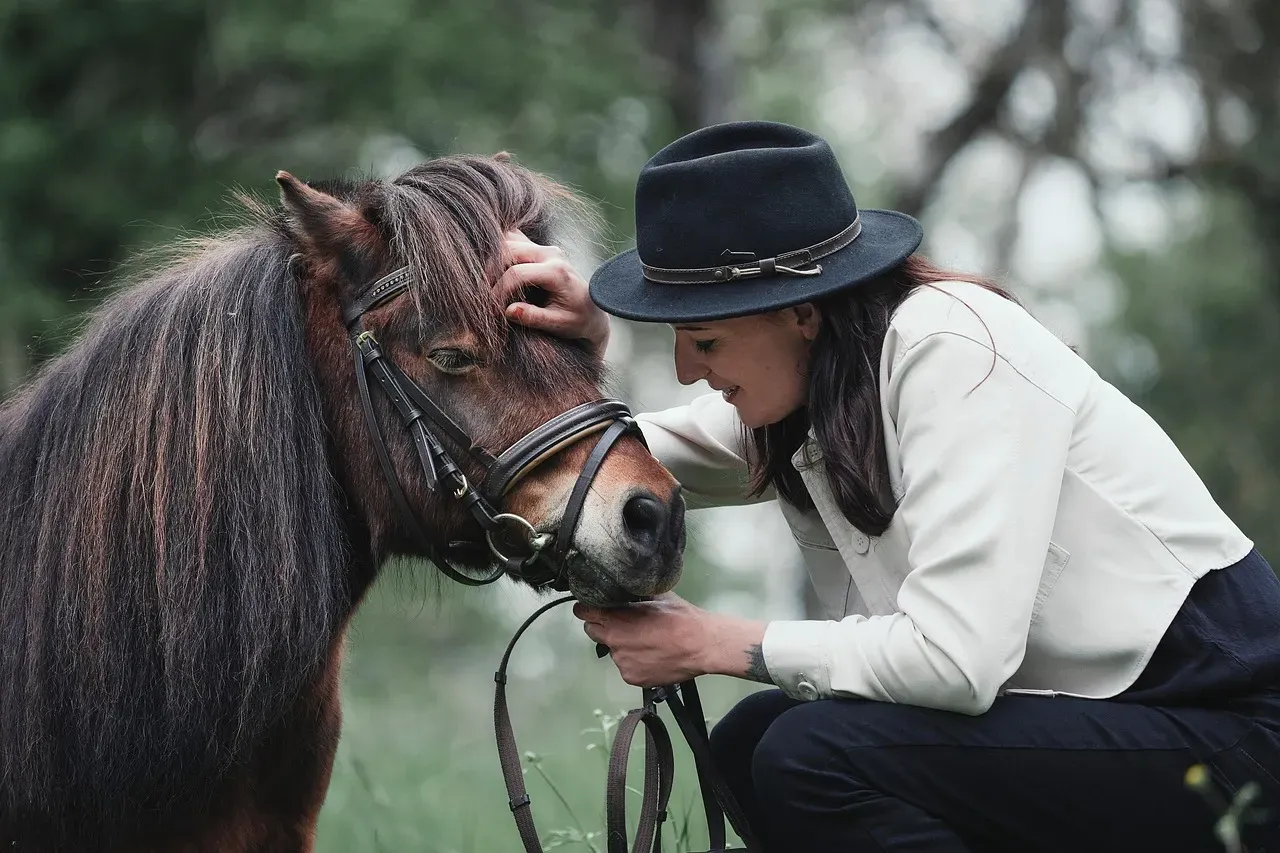
Introducing a new pet to your home without stress isn’t about luck or hoping for the best. It’s about intentional, thoughtful planning that respects the emotional needs of every animal involved. The answer lies in planning, patience, and understanding animal behavior, as careful introductions help reduce stress, prevent conflict, and lay the foundation for harmony in your household. The sanctuary space, scent swapping, neutral territory meetings, reading body language, short supervised interactions, and maintaining routines all work together to create a foundation for a peaceful multi-pet household.
Will there be bumps along the way? Probably. Some hissing, a few growls, maybe even a swatted paw or two. That’s normal. The key is not to panic or rush the process. Successful introductions take time, patience, and consistency, with a proactive approach to training, supervision, and structured downtime ensuring both pets can adapt with minimal disruption to the household. Every animal is different, and some will take longer to adjust than others.
Remember, you’re not just introducing two animals. You’re building the foundation for a relationship that could last years. Taking the extra time now to do it right will pay dividends in the form of a harmonious, happy household where everyone feels safe and loved. The goal isn’t perfection. It’s progress. Celebrate the small victories, like a relaxed tail wag in the same room or a curious sniff without a hiss. These moments are proof that you’re on the right track.
What’s your biggest concern about introducing a new pet? Have you tried any of these techniques? Share your experiences in the comments below.
